.png)
Sci-Fi Short ‘SEN’ Flips ‘Cute’ Robot Trope On Its Head With A Dark Twist: ‘That Contrast Is What Makes It Work’
Stay informed with free updates
Sign up to get our news digest — delivered directly to your inbox twice a week.
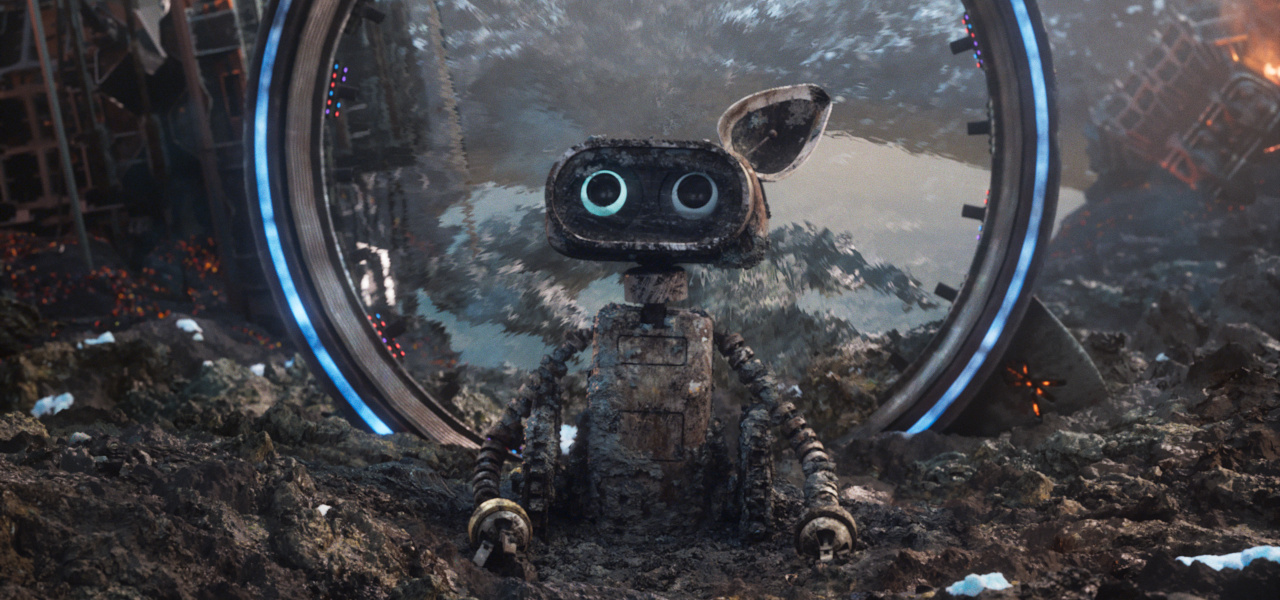
At first glance, SEN seems like a familiar kind of animated short. A small robot with oversized, expressive eyes wanders through a dangerous landscape, communicating entirely through movement and light. It feels friendly, approachable, and intentionally cute. You think you know where this is going and that it won’t be long before the sleek newer robot bombs down through the sky to look for signs of organic life before taking both of them back to a massive space-cruise occupied by sedentary humans.
Then the film takes a far more grown-up turn.
Created almost entirely by Maxim Gehricke, who currently plies his trade at Framestore in London, SEN is a three-minute animated short that took five years to complete, evolving from a university project into a polished, emotionally resonant piece of science fiction that delivers a compelling narrative in a neat three-minute runtime. What began as a contained student assignment slowly expanded into something much bigger, both creatively and personally.
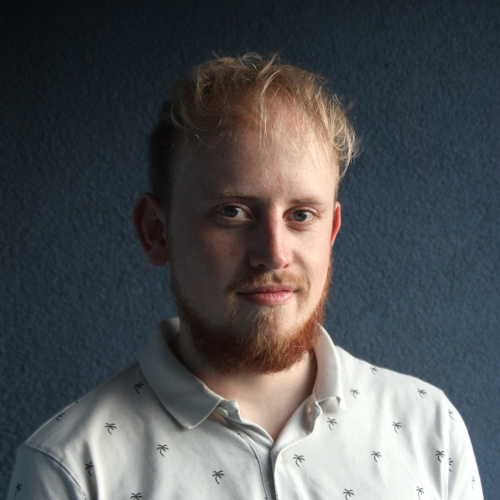
“I tried to keep the scope low,” Gehricke says, laughing. “I wanted to do something simple, something that would take maybe a year. But it just kept growing. It ballooned into this whole thing.”
Gehricke began SEN while studying at Ostfalia University of Applied Sciences in Germany, where he was heavily focused on personal projects alongside his coursework. There, the SEN project benefited greatly from support by teachers Melanie Beisswenger, “She was giving notes on everything throughout the entire project, start to finish,” Gehricke explains, and Nikolai Neumetzler, who gave constant feedback and helped animate the film’s climactic scenes.
Early on, he made a strategic decision to prioritize story above everything else. “I spent the first half year just working on story and animatics,” he explains. “I knew if the story didn’t work, the film wouldn’t work. And if I was going to spend years on it, it had to be worth sticking with.”
That early investment paid off. While the visuals and individual shots evolved dramatically over time, the core narrative of SEN stayed largely intact from its first year of development. Some scenes were reworked years later as Gehricke’s skills improved, especially the opening shots, which he touched up in 2023. “I looked at them and thought, I can’t believe I left it like this,” he says. Still, a full overhaul was never an option. “There were corners I had to cut. Starting from scratch would have added another year.”
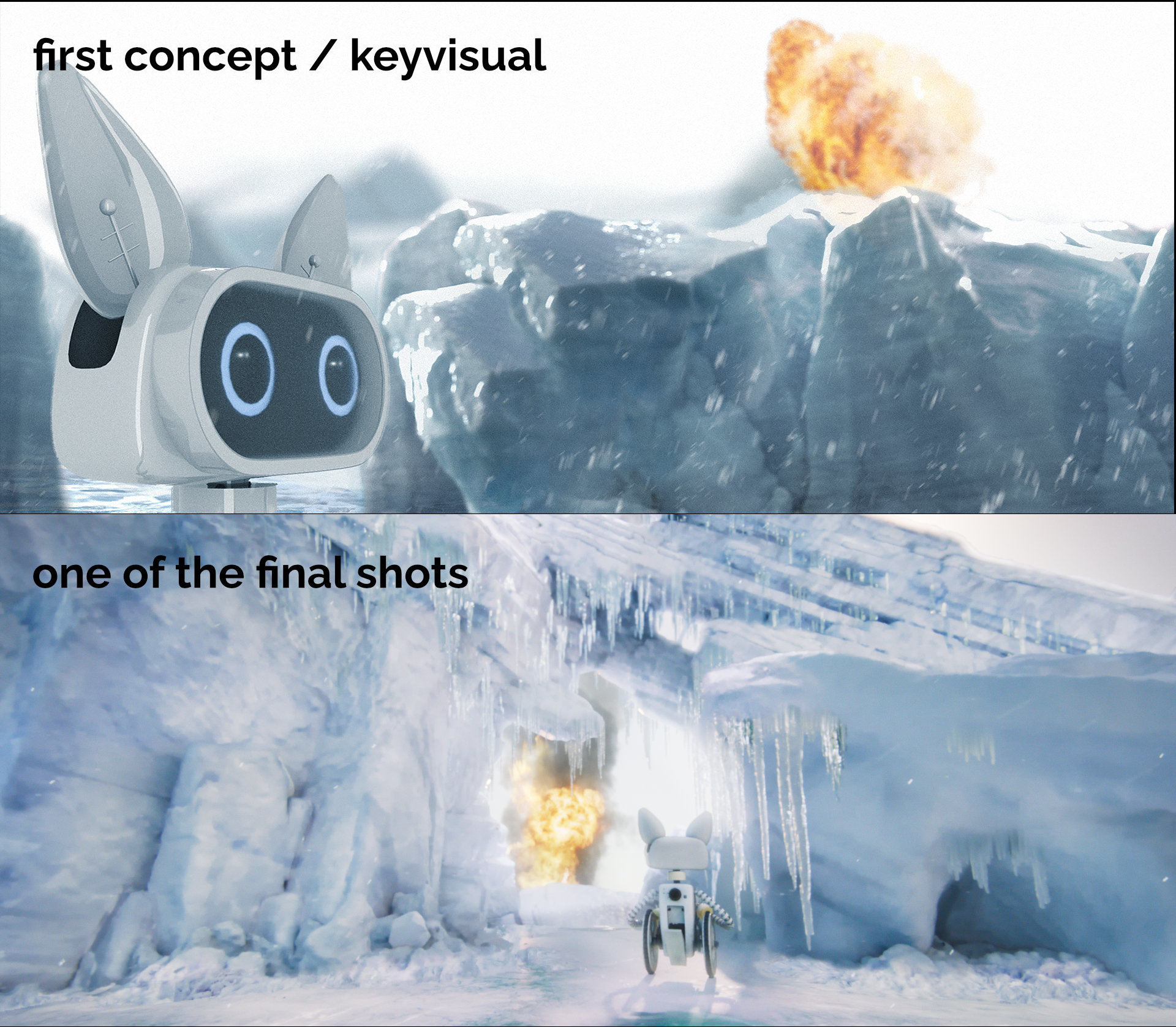
 Instead, refinement came through camera placement, framing, and animation tweaks rather than narrative or wholesale animation changes. One particular shot, where the robot warns another character not to descend into a crater, proved especially challenging. “That shot went back and forth endlessly,” Gehricke says. “I just couldn’t place the camera in a way that worked.” Eventually, though, he got there.
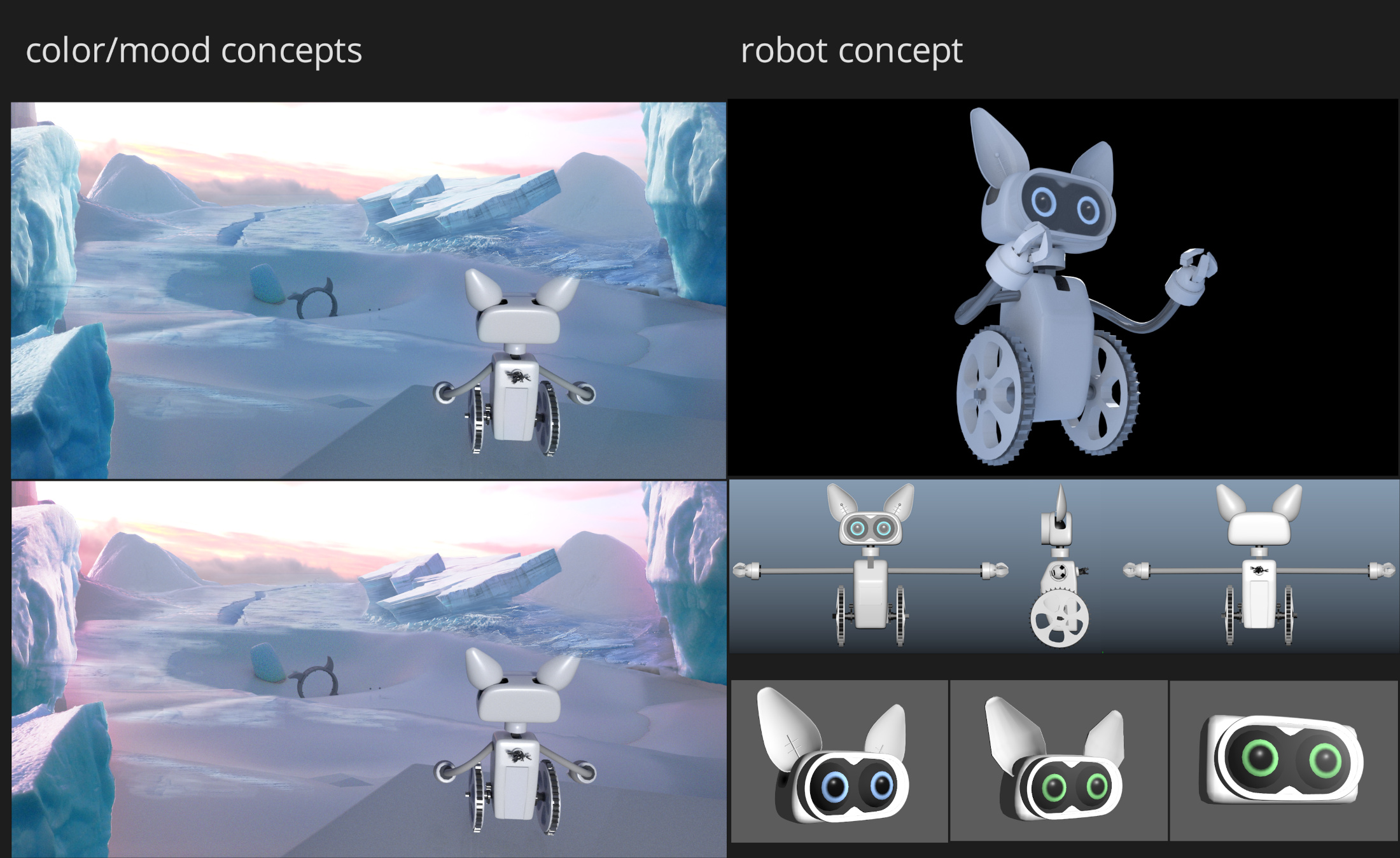
Because SEN has no dialogue and a very short runtime, character design became essential. The robot protagonist is intentionally adorable, with soft shapes and large, readable eyes. “That was fully intentional,” Gehricke admits. “It’s kind of cheating the audience. If you make the character cute, people are invested immediately. And when you only have three minutes and no dialogue, you need that.”
That initial emotional investment is crucial because SEN ultimately hinges on contrast. The clean, friendly robot design is placed against a harsh, dirty environment filled with smoke, debris, and destruction. What begins as something light and familiar gradually becomes darker and more tragic. “You think it’s going to be a fun, cute CG story,” Gehricke says. “And then you completely destroy him. That contrast is what makes it work.”
Technically, the film was created mostly in Maya and rendered with Arnold, a pipeline Gehricke now describes as both effective and exhausting. “Maya can be very frustrating,” he says. “It crashes a lot. If I started the project now, I’d probably use Houdini.” But switching tools mid-production was never realistic. “I was already so far in. It would have meant redoing everything.”
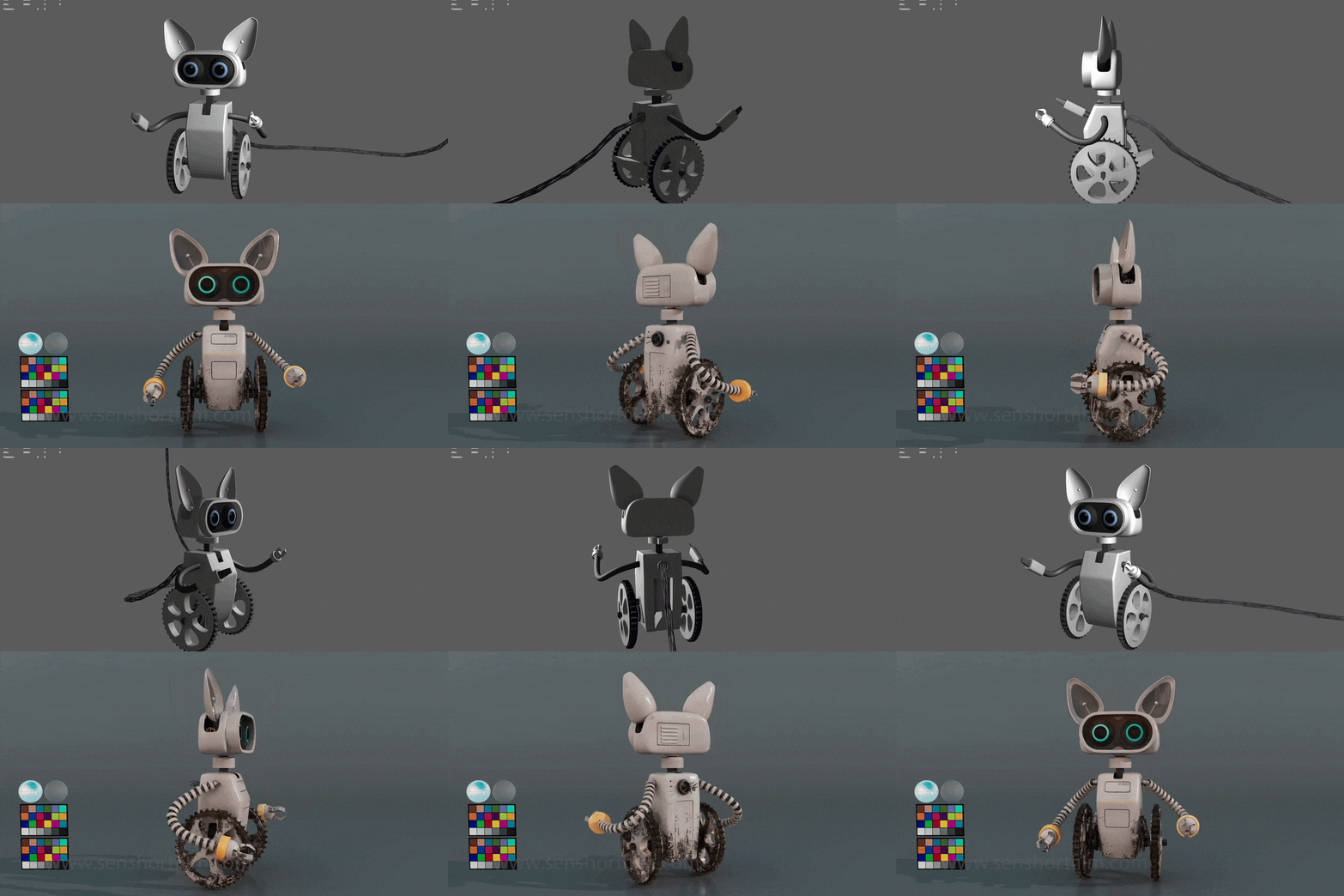
Despite the film’s aesthetic complexity, the robot itself is relatively simple from a rigging standpoint. The emotional weight comes almost entirely from animation. “It’s mostly an animation problem,” Gehricke explains. “The rig is simple. The eyes are simple. The emotion comes from timing, movement, and subtle lighting.” He credits his supervising professor, a former animator, with pushing the performances further through detailed animation notes and feedback.
By the time SEN was finished in early 2024, Gehricke was already working professionally at Framestore, a job he landed largely thanks to the short itself. His demo reel was essentially a work-in-progress version of the film. Finishing it, however, meant working nights and weekends alongside a full-time studio job. “If I started this film now, it would probably take ten years,” he says. “Or I’d burn out completely.”
The festival circuit brought mixed results. While SEN screened at several international festivals, Gehricke quickly realized that straightforward science fiction often struggles in that space. “Festivals really look for films with strong political or cultural themes,” he says. “My film is very clearly an entertainment product. That’s what I like to make.”
Still, seeing the film with an audience made the experience worthwhile. “Watching people react in real time was a great reward,” he says. After five years of solo work, SEN finally became something he could share.
For Gehricke, the project also left a void and an ambition to find a new creative outside his daily work at Framestore. “I really miss having a side project,” he admits. “It gives you purpose.” He hints that live-action may be next, but that animation and VFX will always be an important part of his work.