.png)

Every Artist Should Know: OpenAI Has Adopted An Opt-Out Policy For Sora
Stay informed with free updates
Sign up to get our news digest — delivered directly to your inbox twice a week.
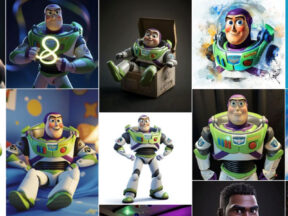
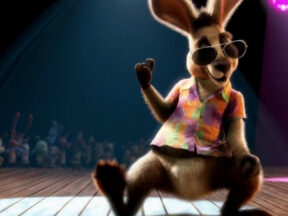
OpenAI is preparing to launch a new version of its Sora video generator that will incorporate copyrighted material into AI-generated videos unless rights holders formally opt out.
According to the Wall Street Journal, the company has begun notifying talent agencies and studios about an opt-out process for the upcoming release. Copyrighted characters, visual styles, and other protected works will be included by default unless owners explicitly request exclusion.
This marks a shift away from the previous, albeit imperfect, permission-first approach that many artists had hoped for. Instead, the default state of Sora is participation, whether the offended parties want to or not, or whether they even know about it. It also seems to stand in direct opposition to copyright law as it has long existed in the U.S. A human being must seek permission from a rightsholder to use their copyrighted material, but OpenAI seems to think the rules apply differently to AI programs.
That said, OpenAI has never shied away from ignoring legal precedent or common sense in the past. While studios and talent agencies may be informed about this new policy, independent artists will be left to discover it on their own. Anyone who actively chooses not to interact with genAI may never even know they had the opportunity to opt out while their life’s work is exploited to make tech executives wealthier.
Implications For Artists
- No Blanket Protection: OpenAI does not plan to offer a single, comprehensive opt-out covering all works. Rights holders may need to register exclusions on a case-by-case basis.
- Fact vs Fiction: The new Sora model will not generate real human figures without permission, but copyrighted fictional characters and styles will fall under its opt-out policy.
- Preferential Protection: Major studios reportedly have direct agreements restricting the use of certain intellectual property, but independent creators will almost certainly not be offered similar safeguards.
Bigger Picture
According to the WSJ report, the hyper-competitive nature of the AI space has created a “better to ask forgiveness rather than permission” stance among the companies involved, with each being afraid of falling behind. Any potential legal problems are seen as outweighed by future gains that would be forfeited by doing things in a proper and legal way.
The shift raises serious concerns among artists about how copyright control is evolving as AI models continue to expand. Independent artists, small studios, and freelancers could see their styles or characters reproduced unless they actively pursue opt-out options.
Next Steps
Legal and industry groups are advising rights holders to monitor OpenAI’s opt-out mechanisms, document potential misuse, and consider collaborating with unions and/or intellectual property specialists. This is, of course, an option that many small-scale, independent, and international artists cannot pursue, making the opt-out policy all the more objectionable.
The new approach places a greater responsibility on creators to defend their work rather than granting default protection.
This is the first we’re hearing about this new opt-out policy, but we will be monitoring closely to help our readers know what they can and should do in the future.
Any copyright experts willing to offer their perspectives, please reach out to contact@cartoonbrew.com