.png)

‘I’d Like To See The Cost Of VFX Artists Come Down’: James Cameron Says Effects Costs Threaten Big-Budget Films, Industry Jobs
Stay informed with free updates
Sign up to get our news digest — delivered directly to your inbox twice a week.
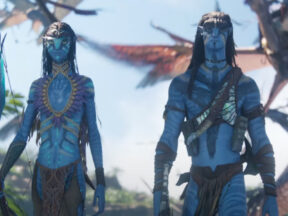
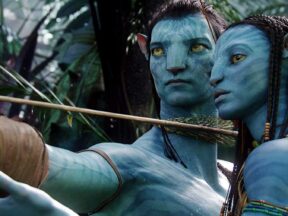
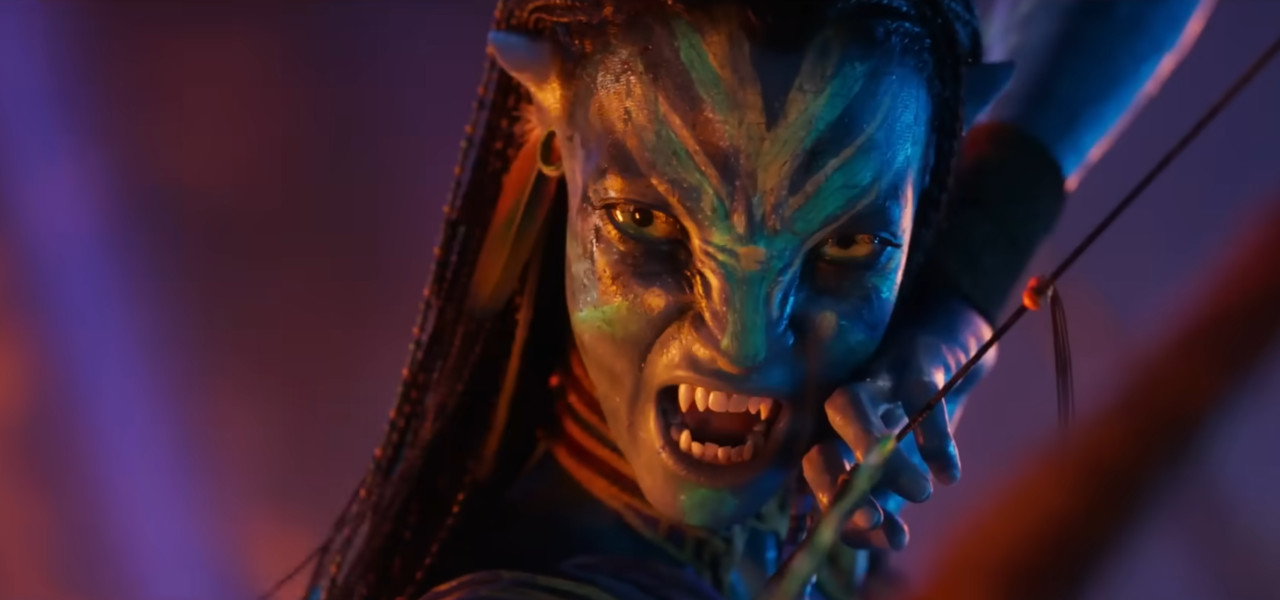
James Cameron’s Avatar: Fire and Ash will hit theaters this December, and likely become one of the year’s highest-grossing releases in the process. Ahead of that billion-dollar eventuality, the franchise’s creator is sounding alarms about the sustainability of large-scale filmmaking and singling out VFX artists for contributing to bloated budgets.
In a recent interview with the Associated Press, the 71-year-old director pointed to shrinking theatrical revenues and ballooning budgets as a threat to the kind of spectacle-driven movies that defined his career.
“The theatrical business is dwindling,” Cameron said, noting box office returns remain about 30% below 2019 levels. He argued that studios are hesitant to greenlight ambitious projects due to soaring costs, and that lowering the expense of visual effects is essential to keeping such films viable.
“I’d like to see the cost of VFX artists come down,” he offered as a potential cost-cutting measure. “VFX artists get scared and say, ‘Oh, I’m going to be out of a job.’ I’m like, ‘No, the way you’re going to be out of a job is if trends continue and we just don’t make these kinds of movies anymore.’”
He went on, “If you develop these tools or learn these tools, then your throughpoint will be quicker and that will bring the cost of productions down, and studios will be encouraged to make more and more of these types of films. To me, that’s a virtuous cycle that we need to manifest. We need to make that happen, or I think theatrical might never return.”
Cameron’s framing touches a nerve within the industry. Visual effects workers have long described grueling hours, unstable contracts, and undercompensation despite the escalating budgets of the movies they make possible. Many argue that the issue isn’t that VFX artists are paid too much, but rather that studios lean on them as a disposable workforce.
When Avatar vfx workers filed to unionize in 2023, one of the workers explained:
Every one of my coworkers has dedicated so much time, creativity, and passion to make these films a reality. So, when you see them struggling to cover their health premiums, or being overworked because they took on multiple roles, or are just scraping by on their wages… you cannot keep silent.
Cameron’s warning is nonetheless blunt: if big-screen spectacle remains prohibitively expensive compared to potential profits, Hollywood will stop making it.
He also faulted streaming for destabilizing the business, saying platforms lured filmmakers with lavish budgets only to pull back, leaving theaters cannibalized and projects underfunded. “Everything is starting to look like it’s driving toward a mediocrity,” he told AP.
For the filmmaker, the path forward is uncertain. He admits he may not direct all future Avatar installments himself, depending in part on how new tools reshape the filmmaking process. Cameron, a member of Stability AI’s board of directors, suggested that new technologies could play a role in how involved he can remain in the series, explaining, “Generative AI is upon us. It’s going to transform the film business. Does that make our workflow easier? Can I make Avatar movies more quickly? That would be a big factor for me.”
Whether new tools truly ease production or simply deepen existing inequities remains to be seen. What’s clear is that the strain is not borne evenly: while studios and stars absorb the lion’s share of blockbuster budgets, the armies of artists who build Pandora often work under precarious conditions.
Cameron implies that technology can rescue theatrical spectacles from disappearing, but for many inside the industry, the question isn’t how cheaply and quickly these worlds can be made; it’s whether the people making them will finally be valued as much as the visions they bring to life.