.png)
The Animation Challenge Behind ‘Mouse: P.I. For Hire’: Making Rubber Hose Work In A Video Game
Stay informed with free updates
Sign up to get our news digest — delivered directly to your inbox twice a week.
Seeing the consistent bounce in the animation of Mouse P.I. For Hire immediately sets it apart in an increasingly crowded landscape of first-person shooters, which usually favor rigid worlds of militaristic design and sensibilities.
Even with its recollection of the traditional hand-drawn characters of Fleischer Studios and Disney in the early to mid-20th century, there’s a charming straightforwardness to the shooting in Mouse P.I. that, as the developers note, harkens back to the traditions of DOOM and Quake. The early days of the FPS genre connect with the looks associated with both cinema (film noir) and animation (the rubber hose style) in their youth as a medium, a connection that sounds outrageous but at the same time, perhaps, was meant to be.
Cartoon Brew spoke to the game’s art director, Michal Rostek (who also served as art director), and Warsaw-based Fumi Games’s co-founder, Mateusz Michalak, about the game’s creation, its roots in animation, and how they made 2D techniques work in a 3D world.
Cartoon Brew: What made this style of art and animation a good fit for a first-person shooter?
Mateusz Michalak: Yeah, so I thought that an FPS game is simple to make. [Laughs] It’s more complex than people think! But I always liked FPS games, and I played a lot of them when I was younger: Doom, Quake, those sorts of games.
I don’t especially like this new type of FPS, with the constant dopamine hits and overstimulation all the time. That’s why we wanted to have a black-and-white game and a more old-school shooter. And I think that connected every dot that we put on the board, even the noir narrative of the game. And it still feels like the atmosphere of the 30s and 40s mirrors our times right now, so people can connect with the story we’ve written.
Michal Rostek: It really came from this being a passion project. I was very into 1930s animation and the history of animation, and this is the kind of game I always wanted to play. I was almost disappointed that it didn’t already exist. I was making this on Godot [open source game engine] as a small project after work, and Mateusz looked at it and gave us the opportunity to push it through. So we started making this demo. But the biggest game-changer for us was the moment when our lead programmer, David, put a video of making [Mouse: P.I. For Hire] on TikTok, and the video went viral.
MM: It was maybe four or five years ago when Michal came to me and showed me some images and a really, really simple demo. Back then, the demo was a bluish and yellow tone; it wasn’t fully black and white. We created some early concept art that was fully black and white, and to me, it was something unique. I’d never seen an FPS game with rubber hose animation before! It was something special and risky back then, risky because no one had done it before. It was a really small team: me, Michal, and David, our lead programmer. We started to create a really simple tech demo. And as Michal mentioned, David asked me if he could show a glimpse of the demo to his audience on TikTok. He’s a little bit of a troll on his TikTok, but he has 200,000 [followers]. He showed this video, and we gained about 1 or 2 million views in two days.
And my inbox started becoming occupied by emails from investors and publishers, everyone wanting to know more about the game. I was so excited about it. We didn’t even have a Steam page back then, so during the weekend, I created a Steam page to point people toward the wishlists, because it’s good for business if you have people wishlisting your game.
In terms of actually blending these elements, what were the key steps in adapting that style to a 3D environment?
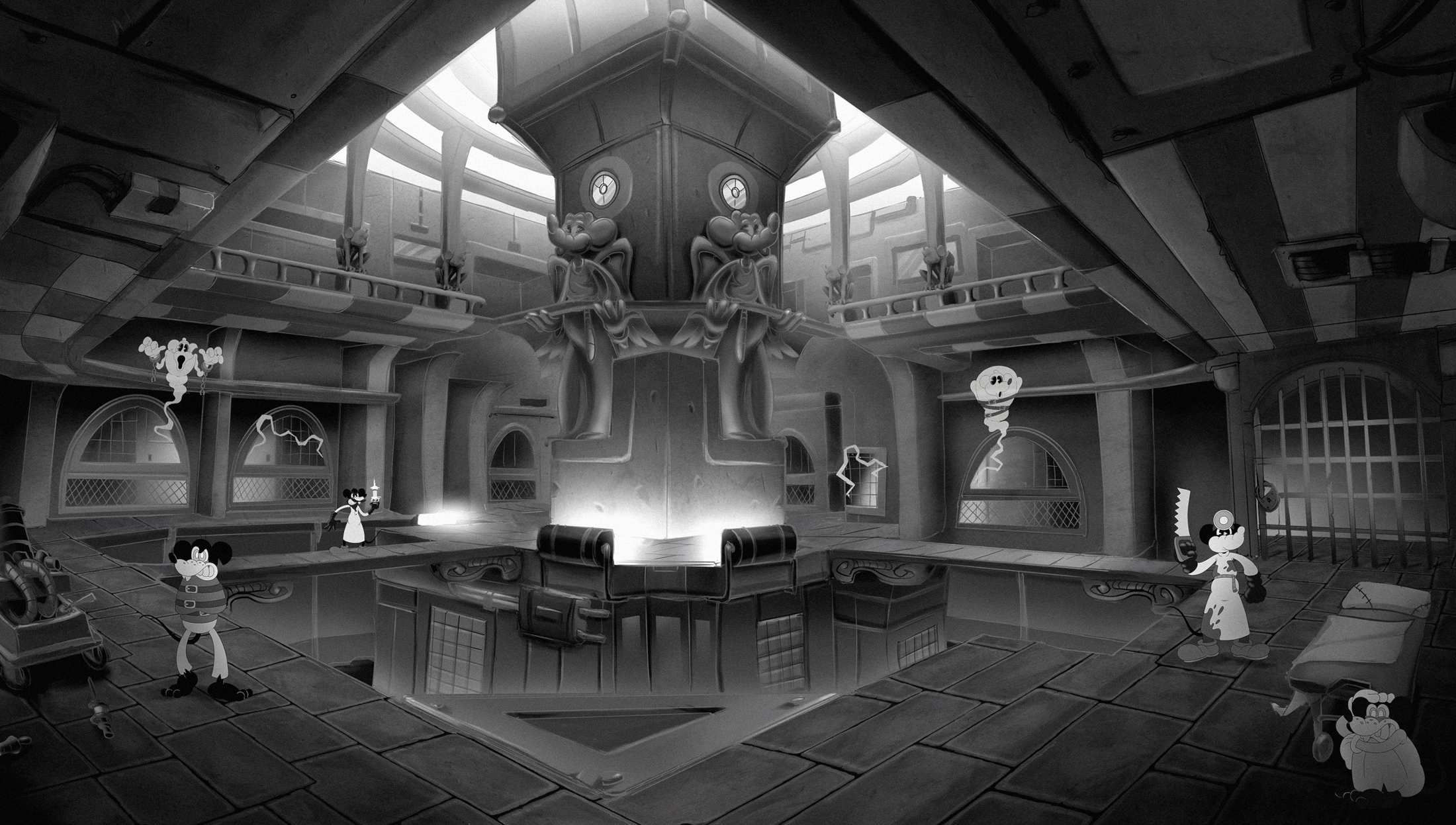
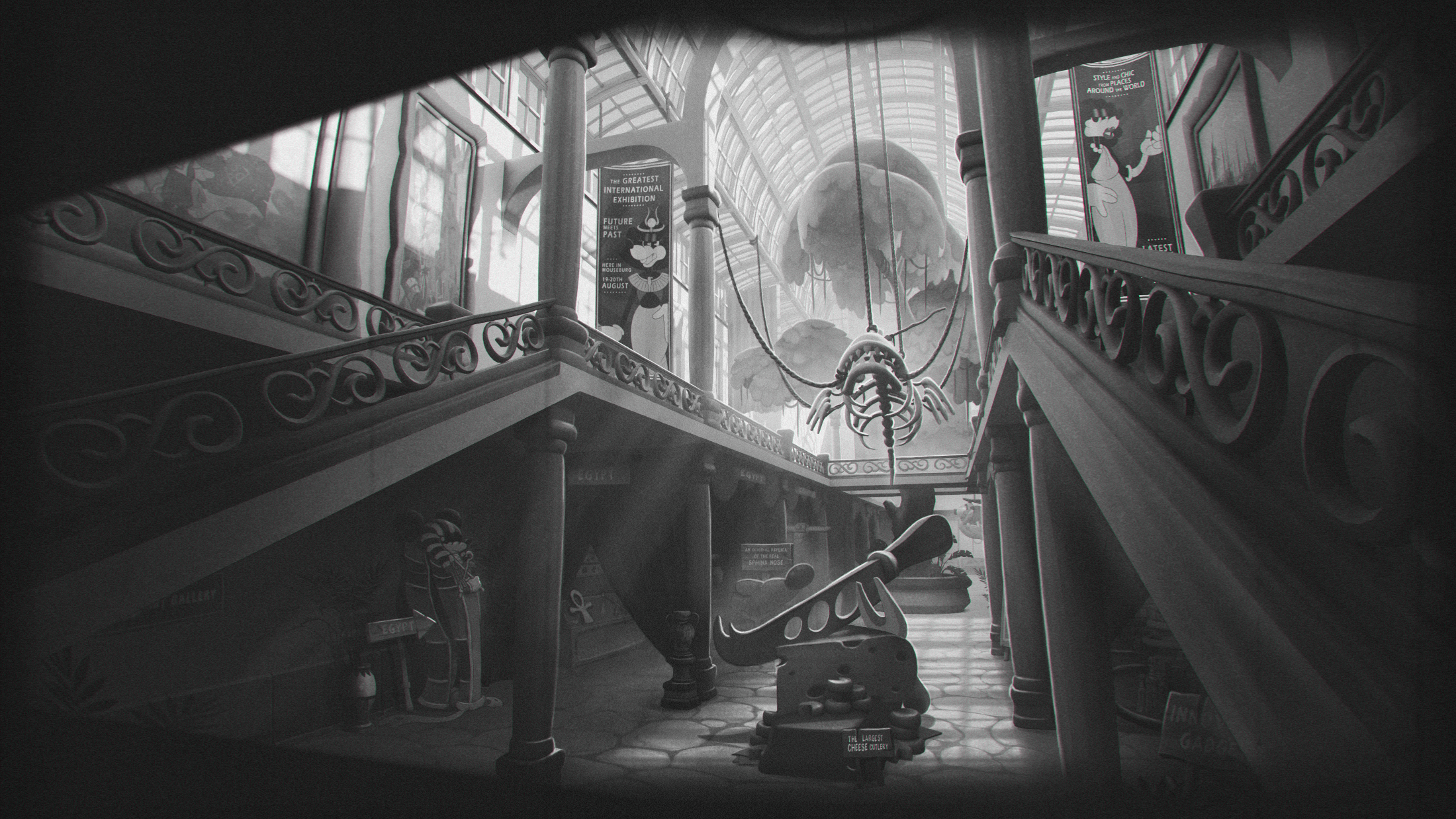
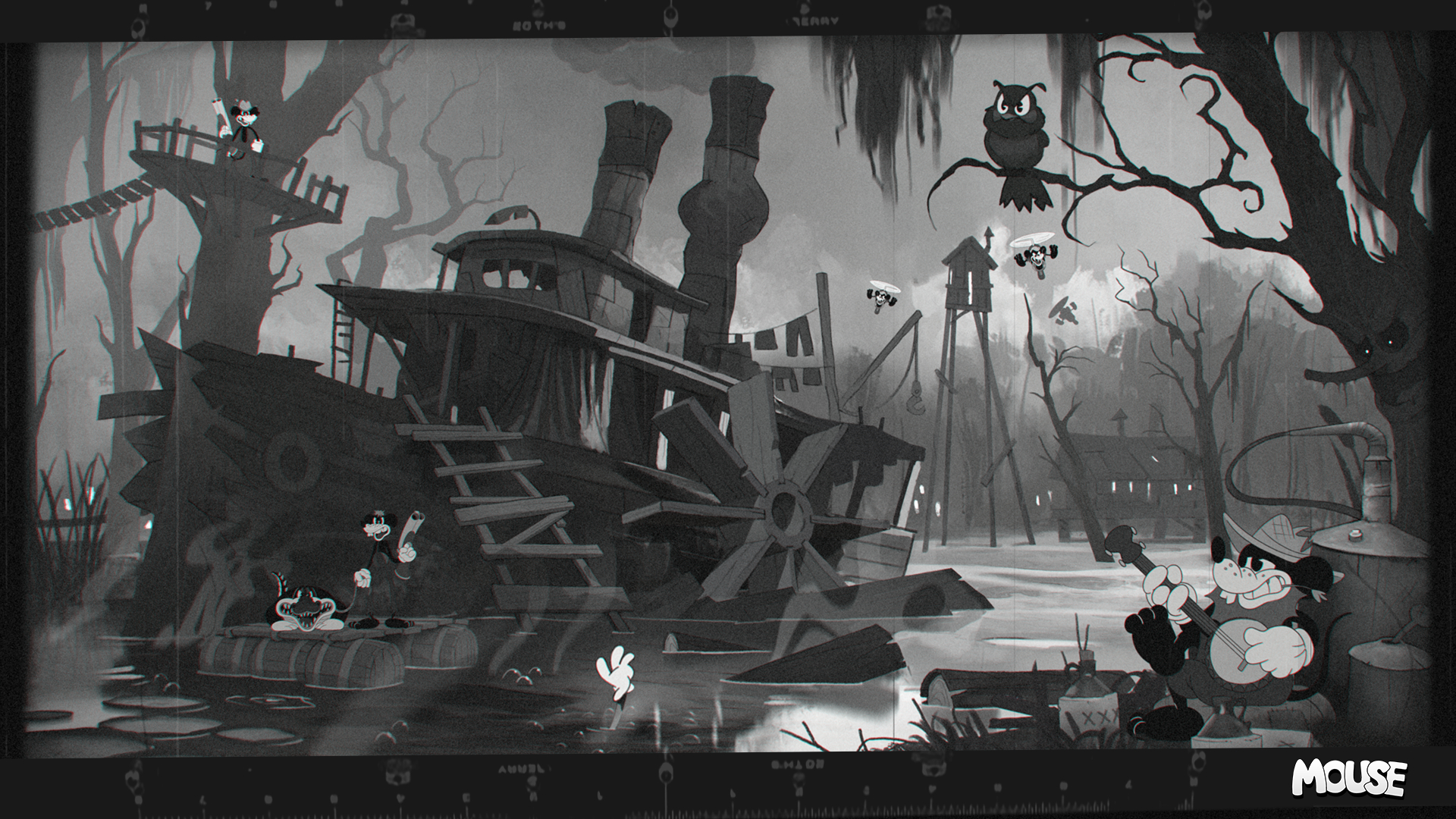
MR: Our biggest challenge was to make the art as close as possible to the cartoons from that era. We did a lot of research and watched a lot of different cartoons from that era, like those from Fleischer Studios and Terrytoons. It’s not easy to replicate this style. Of course, we have a lot of reference materials from artists from that era, from the archives of Fleischer Studios, for example. But we had to make it believable, so we looked for artists who specialized in this art style. Plus, we looked for animators who focused on hand-drawn animation. At the very start, we wanted to make it fully hand-drawn, not use 3D models or cutout animation, to make it look 100% like something from the era.
Did you carry on with this plan for hand-drawn animation?
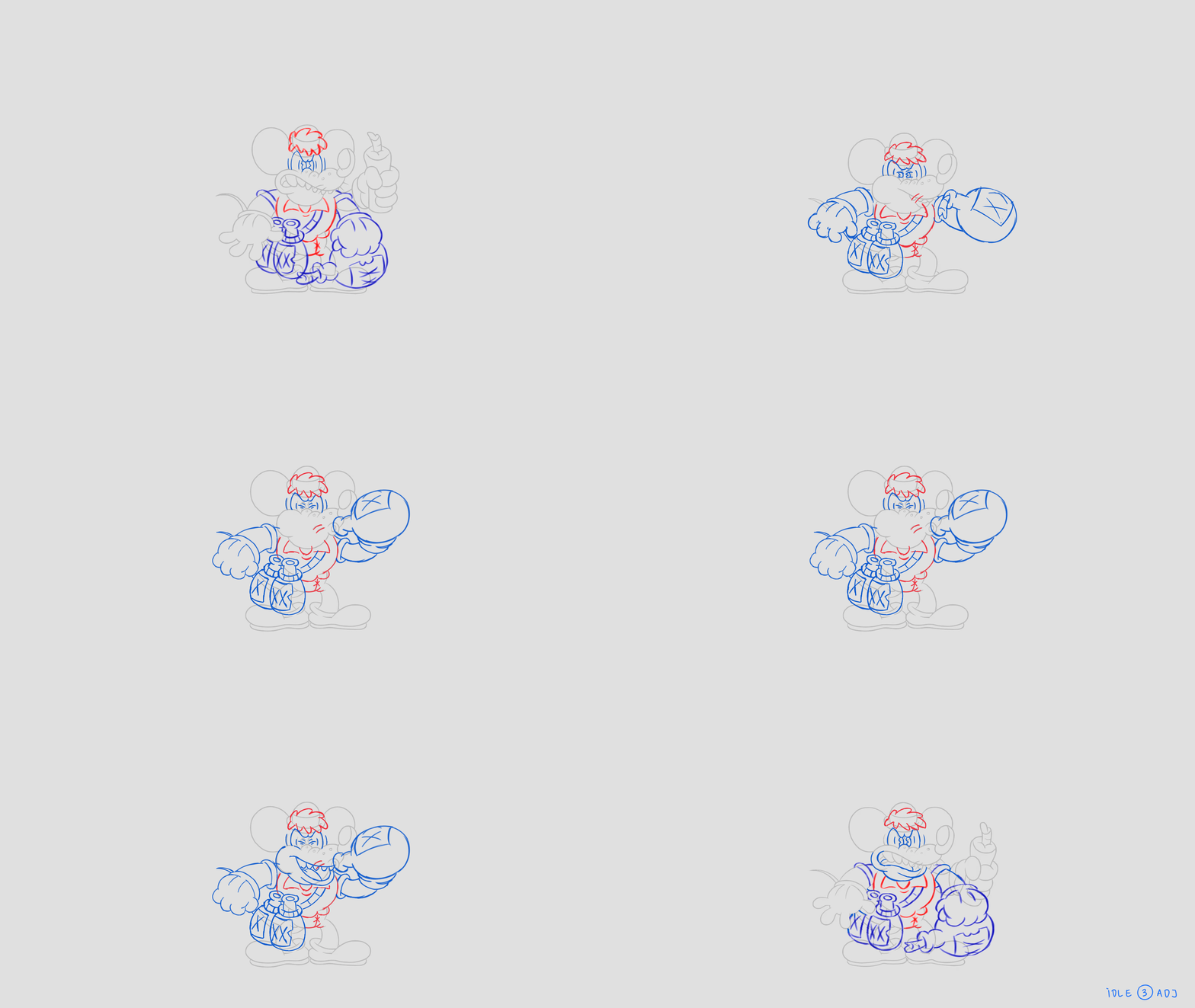
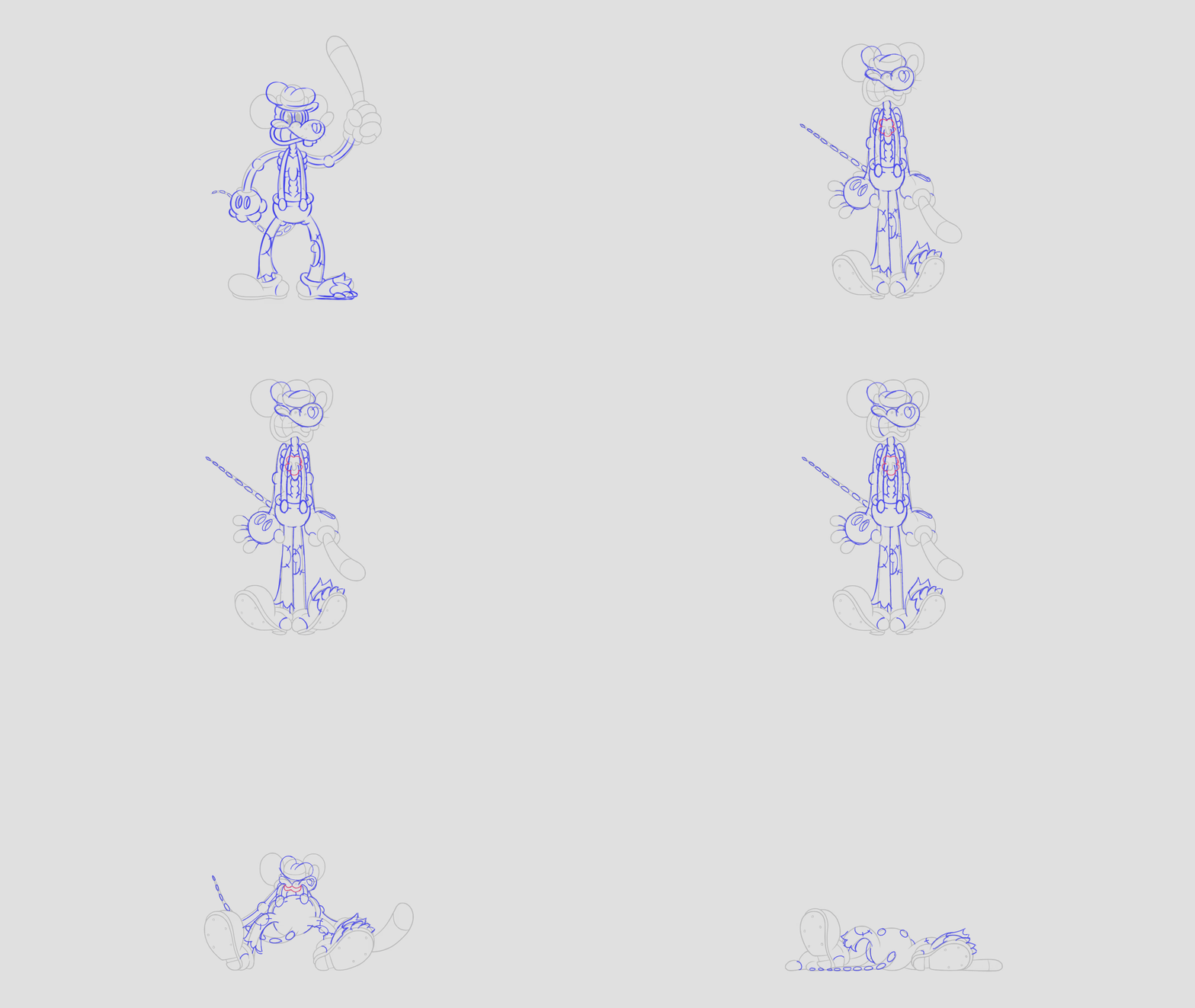
MR: We didn’t use pen and paper, of course, but we used digital pens while trying to replicate techniques they would use at the time. We also started with designs suitable for a game rather than a film, as most of the animations need to support the gameplay for the most part. So we started with rough animation, something like the storyboard in a film. We put limited, rough animation, filled with black and white paint, and put them in the game to study how they move, how they react.
When making video games, it’s really important for the animation to not limit the gameplay in any way. So after getting things approved by the game designers, we stepped up to full animation, adding in-between drawings to make it look smooth, correcting the timing, and then moving to the cleanup stage, rendering everything, and putting it into the game.
How did you have to adjust for those gameplay considerations?
MM: When it comes to the idle animations or NPCs, they’re probably closest to the rubber hose style, let’s say. But when it comes to enemies or other FPS elements, sometimes the animation is a little limited because the enemy needs to run fast, die fast. Applying the rubber hose style [in those instances] could be really strange if you’re, you know, killing an enemy and he has this over-the-top animation when he dies. It would be too long; it should be quick, sudden. And that’s why I think most of the rubber hose style is in the idle animations or in the NPCs, or small elements on the UI.
When it came to the character designs, could you tell me about the steps in refining the initial concepts to the final ones seen in the game?
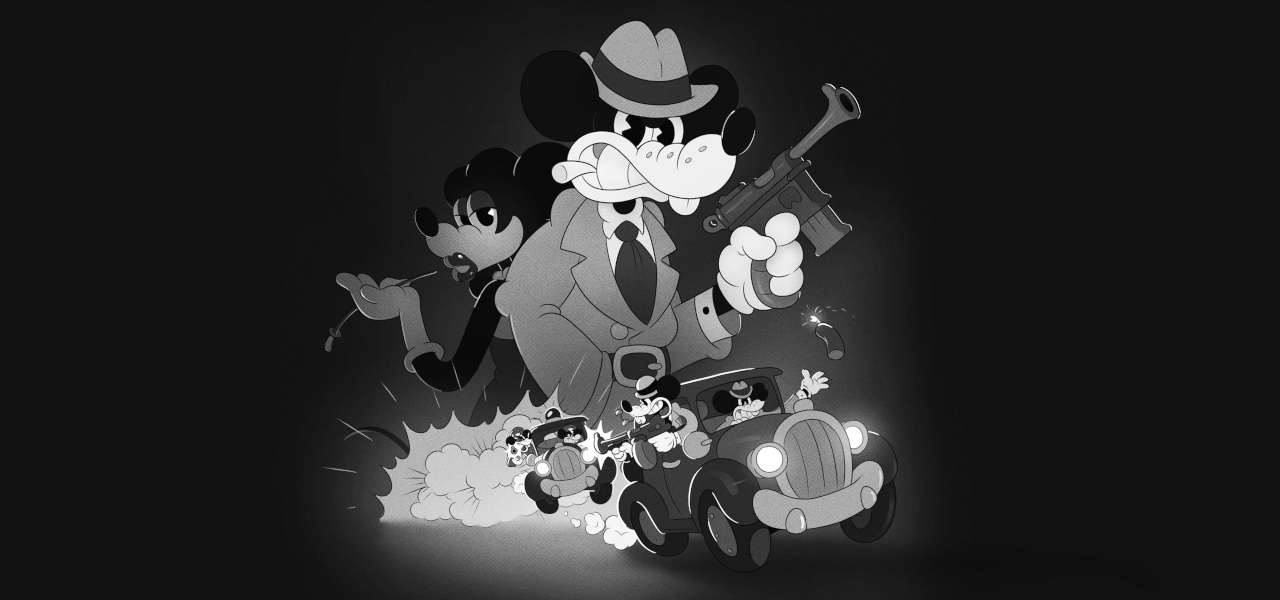
MR: The main character was honestly the easiest to make because I had his look in my head from the very start. I wanted to make him like [Raymond] Chandler’s detectives: the trench coat, cigar in the mouth, pistol in hand. Basically, the very first thing that comes into your mind when you think about a noir film protagonist.
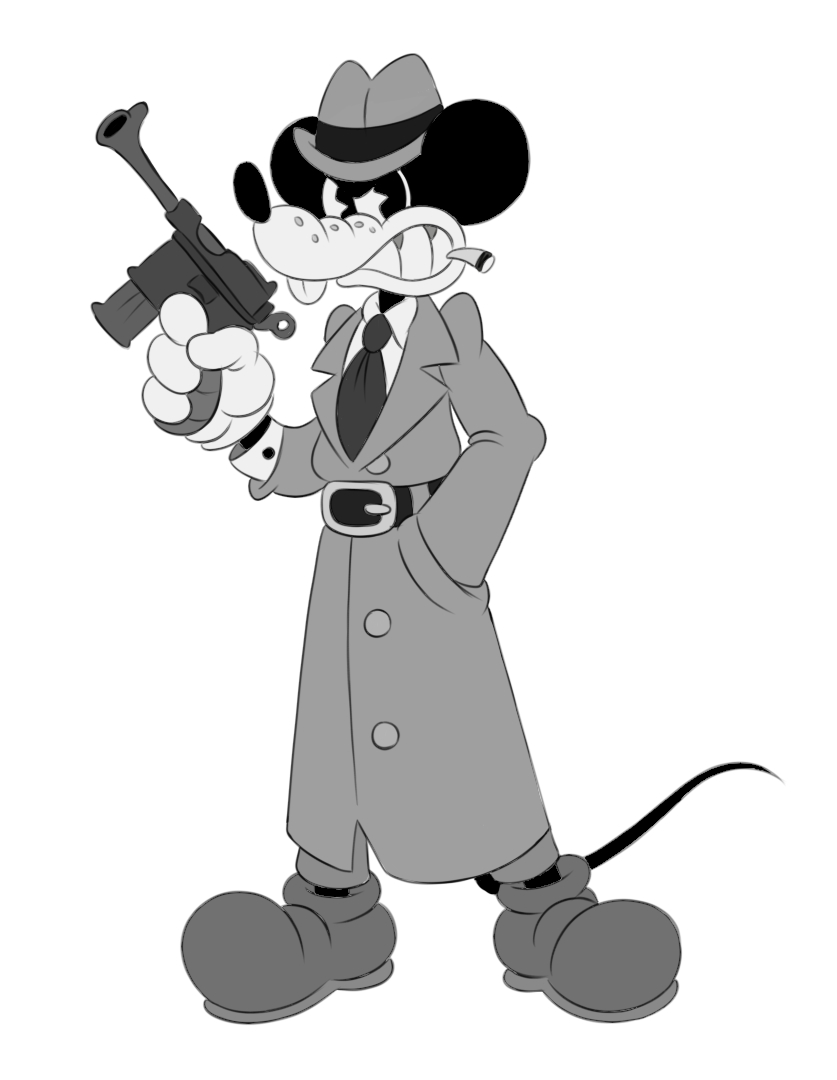
How this style translated to weapon design was interesting to me. The FPS is usually associated with more militaristic, rigid, and boxy designs rather than the spring of this animation style.
MR: So we got a list from the game designers of which weapons we needed to make, and we worked out how to connect them with this time period while also making something wacky and cartoony, like a freeze gun, a cartoon cannon, something like that.
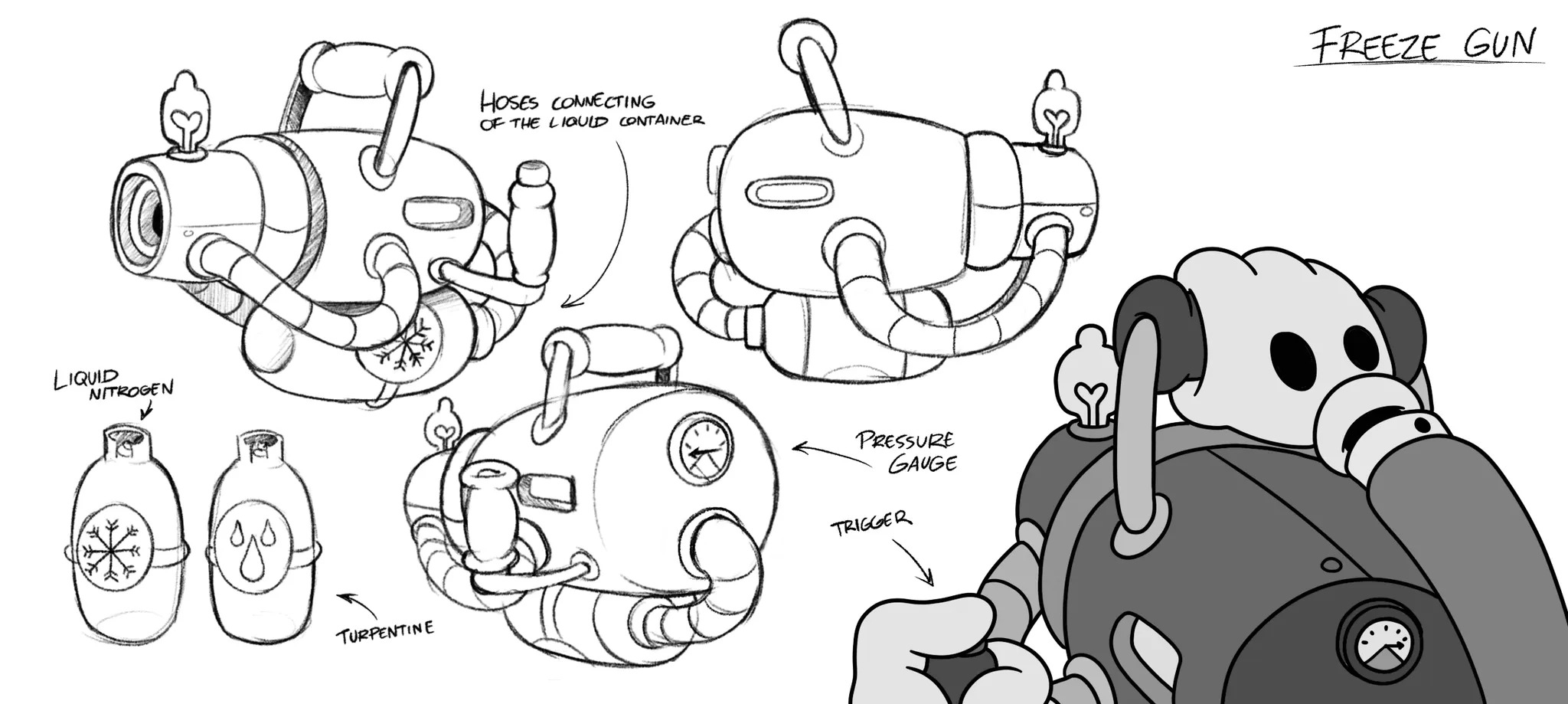
MM: [That style of] wacky weapons, the wacky elements in the animation, came along with the rubber hose style for these UFO sci-fi elements. So it was quite challenging to create robots, in this rubber hose style, because we didn’t have any reference to robots from that era.
It was the same with weapons. We had a freeze gun, but in rubber hose animations, we only found a normal revolver, and maybe Tommy guns, and that’s all. So a lot of the stranger weapons we needed to design ourselves using the style, and this was quite challenging.
MR: When we started animating the weapons, we wanted to add these bouncy and rubbery elements, and thanks to our colleague and animator, Igor, who made the weapon animations, I think we achieved this.
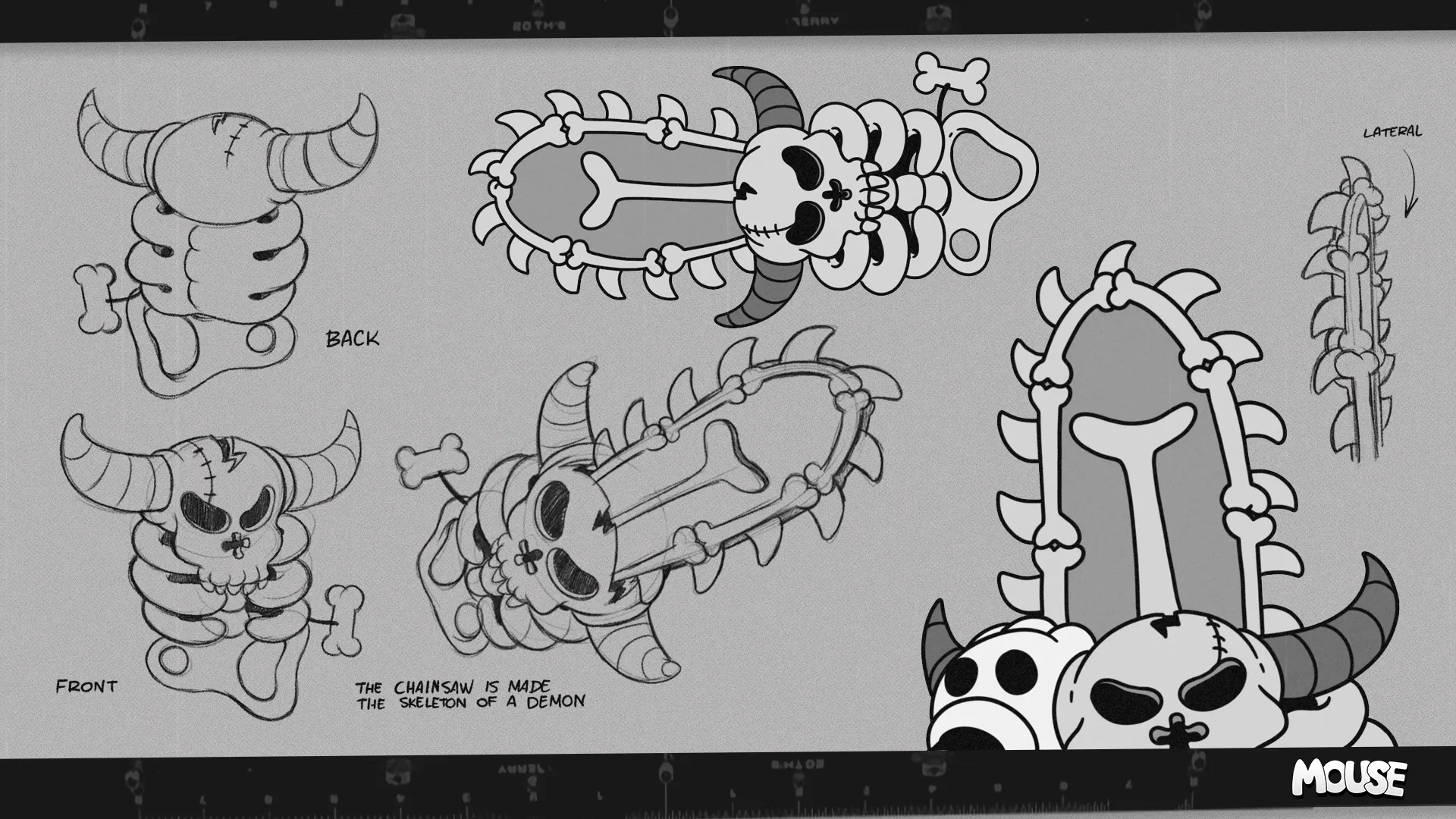
MM: Since it’s an FPS game, the weapons are really crucial, so to nail them, we first use simple 3D rough models to get the perspective right. Then we create rough animations, and we use these rough 2D animations as a reference for the 2D rubber hose style. For the animator, it was really useful, and also faster and cheaper. We didn’t want to create the whole animation in this 2D rubber hose style right away and then go back to the animator and say, “it’s pretty close, but you need to change the perspective.”
Did you find that with more modern techniques, you had to take more steps to make it look like an animation from the 30s, like mess with the lines to make it feel older?
MR: Yes, one of the difficulties was making the animation have the look of celluloid that would have been used in the past, so we couldn’t transfer these animations one-to-one from Blender into the game because they would look too modern. So we added some blurs and effects to the outlines to replicate this feeling of celluloid.
Given the ways you had to adapt to it, what made rubber hose animation worth the trouble? What makes it special to you, compared to more contemporary styles?
MM: I think it’s easier to make 3D models and then start animating in a rubber hose style. My background is in animation, and I always admire artists who can draw by hand on an animator’s table. We still have a few animators’ tables here in the studio. So, for me, it’s really crucial that people still can animate in this way. It’s something romantic, making 2D animation in an era where everyone is making 3D, or even creating cutout animations because it’s faster and cheaper.
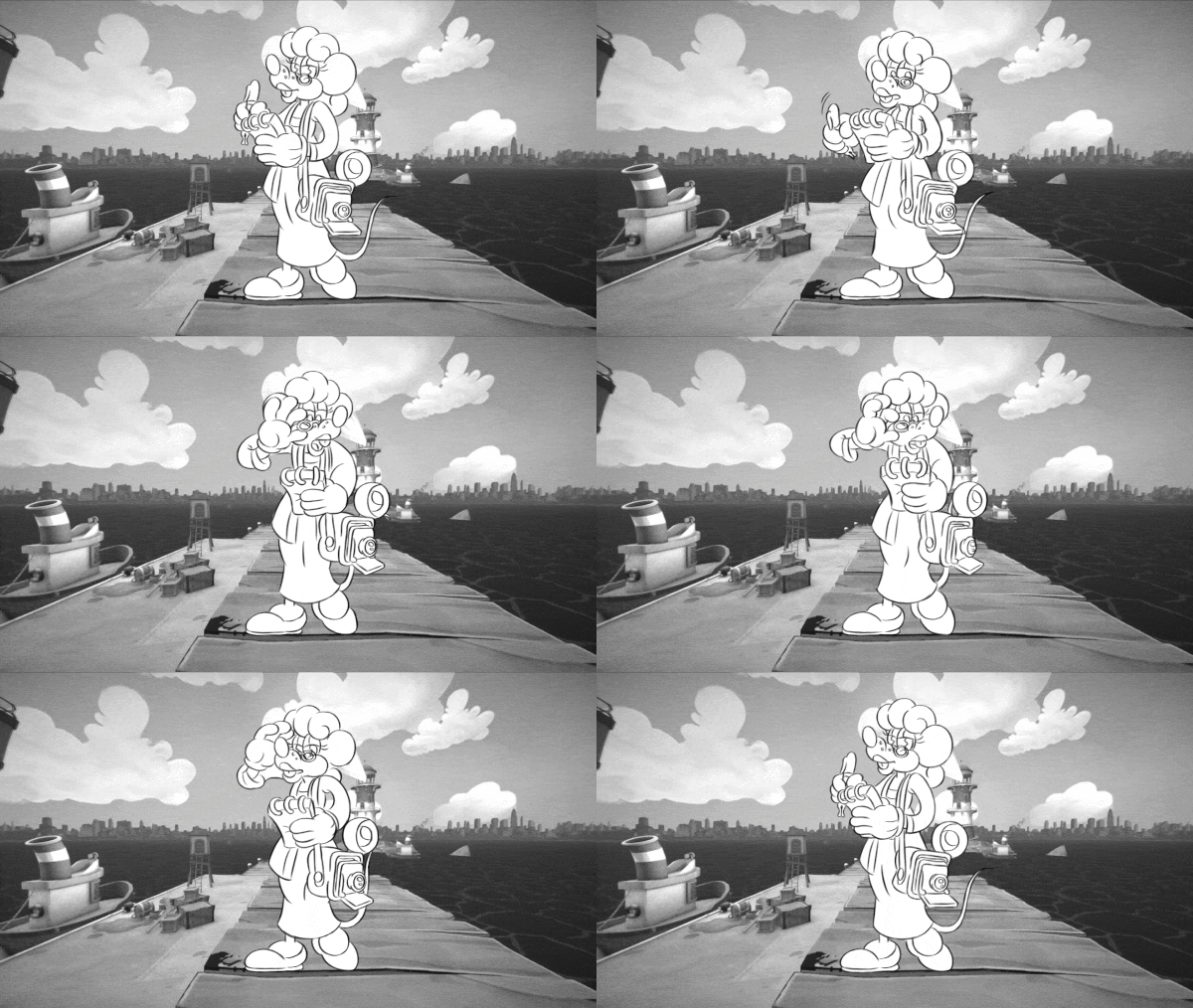
Also, we chose the style because it’s connected with the overall theme of the game. It would be artificial if we chose a much more modern animation style and put it in this era with a noir theme.
MR: Plus, I think this style is foundational for modern animation: work from the 1930s inspires the next generations of filmmakers, and so this style still resonates as tropes from that era are still present in modern animation. And, like Mateusz said, there’s something romantic about this moment, something people all around the world appreciate: in Asia, in Europe, in America. Everyone knows Betty Boop, Mickey Mouse, and other characters that were made then, and they still love them.