2027 Oscars Short Film Contenders: ‘18 Months’ Directors Paulo Garcia And Natália Gouvea
Stay informed with free updates
Sign up to get our news digest — delivered directly to your inbox twice a week.
Welcome to Cartoon Brew’s series of spotlights focusing on the animated shorts that have qualified for the 2027 Oscars. The films in this series have qualified through one of multiple routes: by winning an Oscar-qualifying award at a film festival, by exhibiting theatrically, or by winning a Student Academy Award.
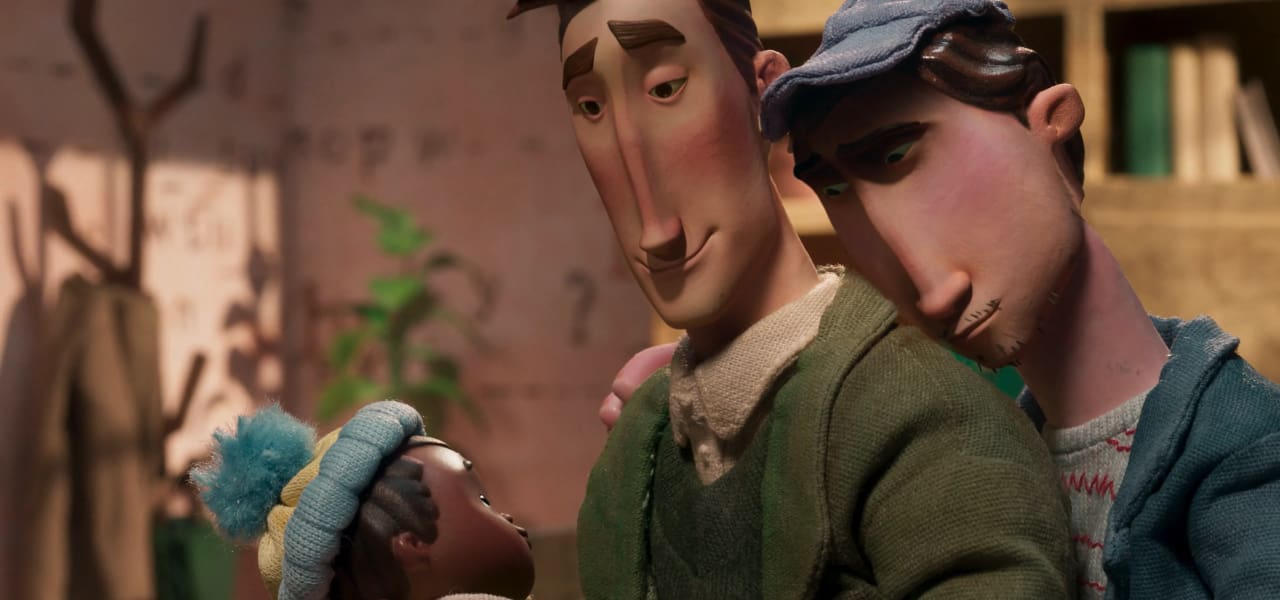
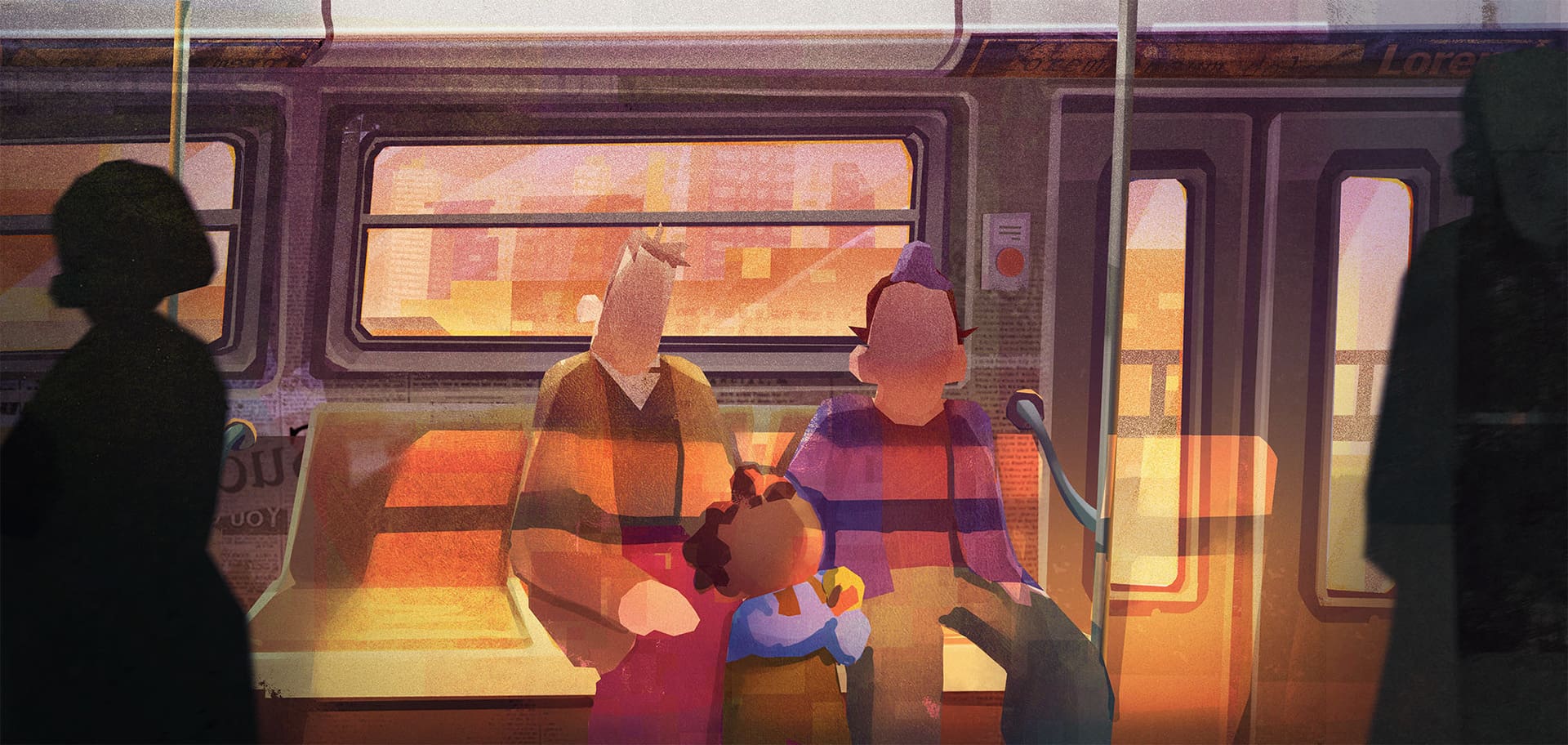
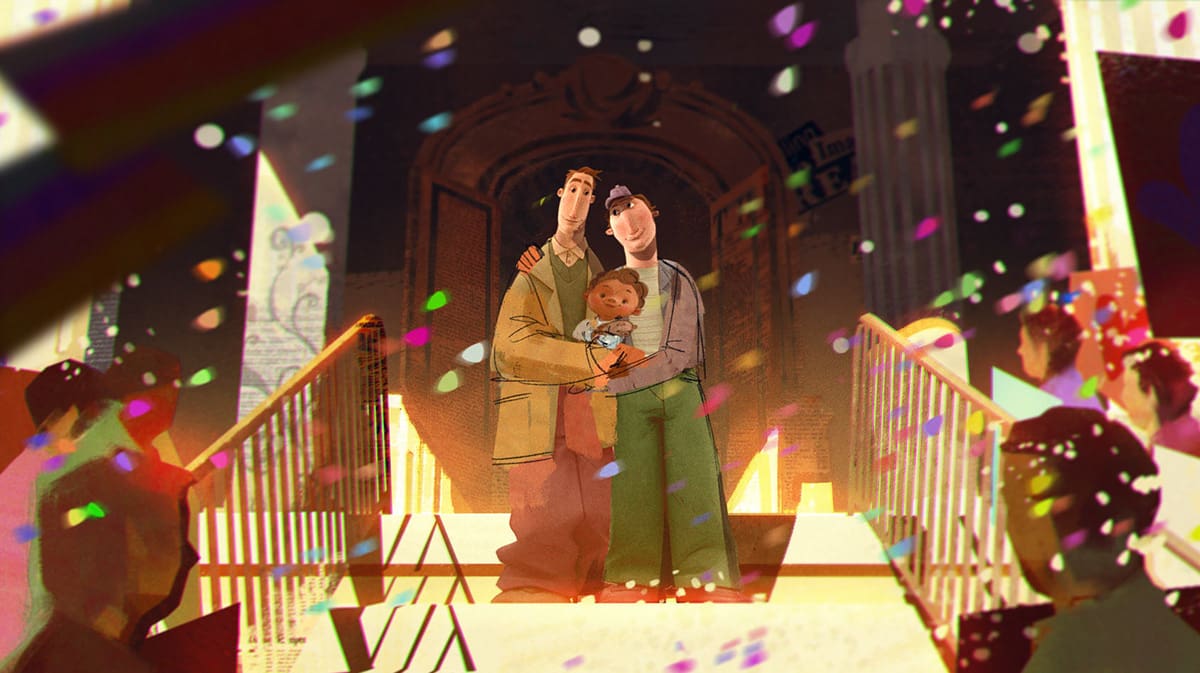
Today’s short is 18 Months, directed by Paulo Garcia and Natália Gouvea and produced by Zombie Studio. Based on the true story of two men who became parents after a baby was found in a New York subway, the film combines stop-motion puppets and miniature sets with projected 2D animation and digital facial expressions. It qualified for Oscar consideration by winning the Grand Jury Award at Animayo Gran Canaria 2026.
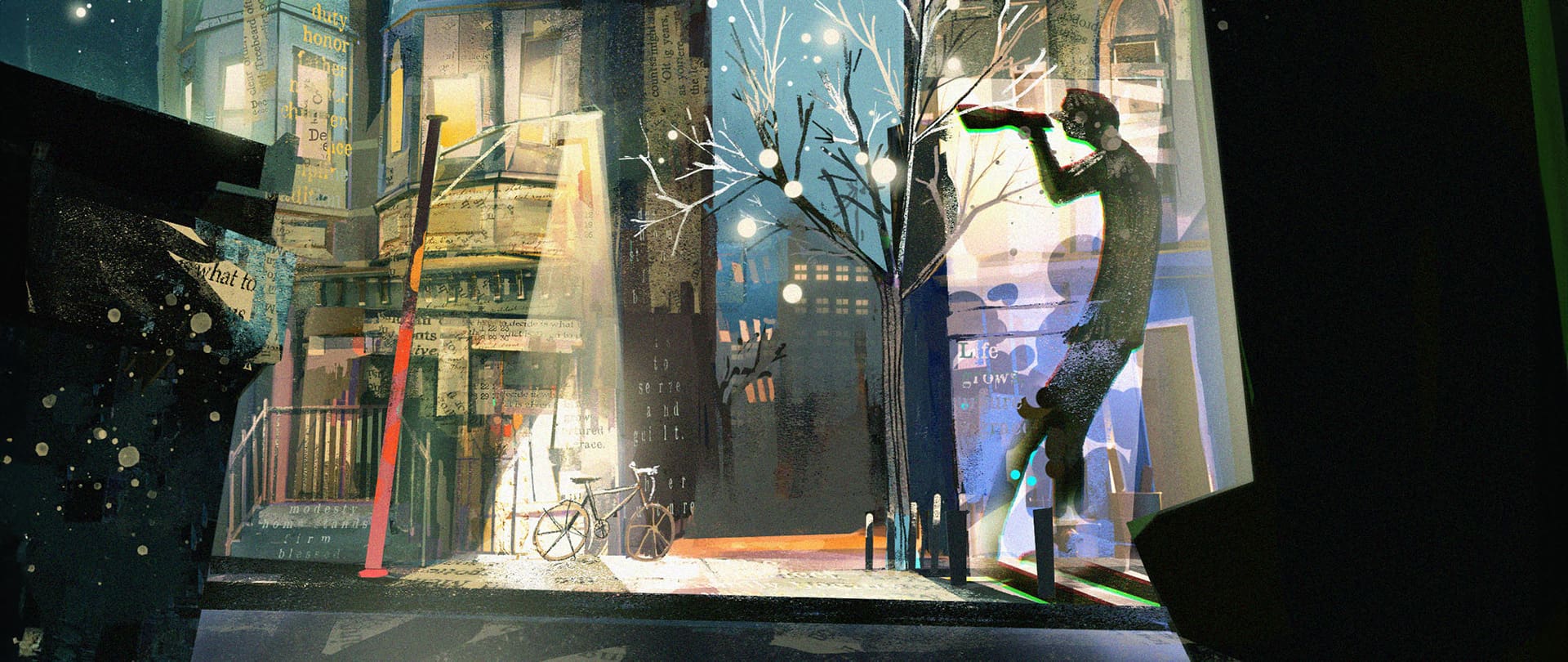
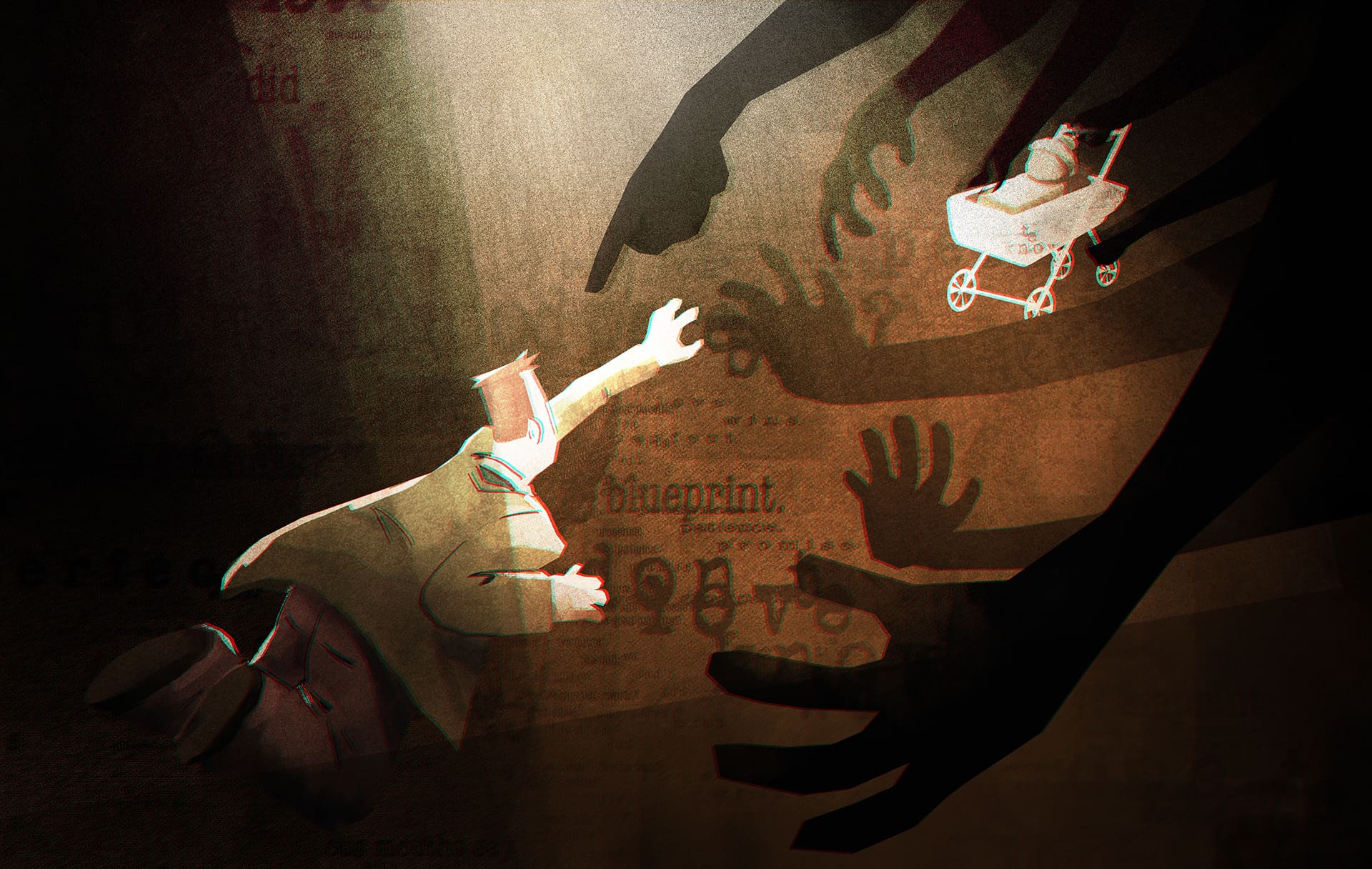
Shifts in scale and technique convey the emotional uncertainty of Pete and Danny’s unlikely path to parenthood. A judge casts an oversized shadow over the process, representing the legal system’s tremendous weight, while background characters appear as disproportionate silhouettes projected directly onto handmade sets. By synchronizing those projections with the stop-motion animation, artists could work with both elements together and make real the pressures that surround the couple as they navigate an often difficult situation.
Cartoon Brew: What was it about this story or concept that connected with you and compelled you to direct the film?
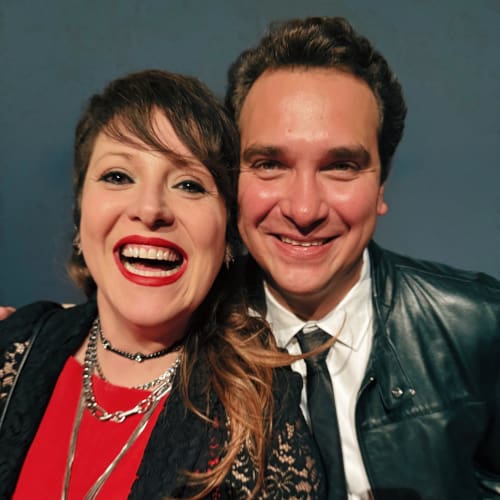
Paulo Garcia and Natália Gouvea: What first moved us was the extraordinary true story of a baby found in a New York subway, and Pete and Danny’s decision to embrace him as their own. Their journey reminds us what love means in its purest form: unconditional, courageous, and transformative. They raised that child into a wonderful young man, despite society’s prejudices. At a time when hard-won LGBTQ+ rights are increasingly challenged, we felt this story needed to be told. Because a family is not defined by its structure, but by the love that holds it together. And love should never need permission.
What did you learn through the experience of making this film?
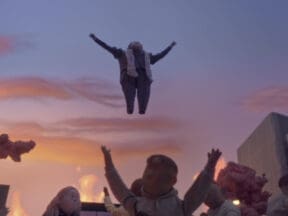
Our greatest responsibility was honoring Pete and Danny’s real story, portraying their emotions with enough sensitivity that they could recognize themselves in our animated world. We discovered how every detail could become storytelling, from words about prejudice and love embedded in the walls to cinematography bringing miniature New York to life. Then came the beautiful chaos of stop motion. We spent hours debating how Pete should move while floating through a vortex, watching his baby being taken away. Should he swim? Drift? How could movement express such helplessness? We learned that directing means embracing uncertainty while keeping hundreds of talented artists inspired.
Can you describe how you developed your visual approach to the film? Why did you settle on this style and technique?
Natália and I have fallen increasingly in love with stop motion. It combines animation’s imagination with the visual richness of live-action filmmaking. For 18 Months, we wanted something tangible, intimate, and emotionally grounded, with New York becoming another character. Budgetary limitations also inspired creative solutions. Secondary characters became 2D animal silhouettes projected onto physical sets, transforming society into shadows surrounding Pete and Danny. In the courtroom, an oversized judge puppet embodied the overwhelming weight of justice. Each technique served an emotional purpose. Ultimately, we wanted the animation to make this extraordinary true story feel even more human.
What was the biggest technical challenge in combining stop motion, projection, and digital animation into a cohesive film?
Our biggest challenge was integrating projections directly on set rather than in post-production. Synchronizing the projector with Dragonframe allowed every frame to capture both the puppets and animated silhouettes, giving animators real-time references. Cinematography had to carefully balance physical lighting with the projections. Facial expressions presented another challenge. Given our production scale and puppet limitations, we animated them digitally, requiring meticulous lighting references and mapping to integrate them seamlessly into the footage. The goal was always to make these different techniques disappear into one believable world, allowing audiences to focus entirely on the characters and their emotions.