2027 Oscars Short Film Contenders: ‘Because Today Is Saturday’ Director Alice Guimarães
Stay informed with free updates
Sign up to get our news digest — delivered directly to your inbox twice a week.
Welcome to Cartoon Brew’s spotlight series on animated shorts that have qualified for the 2027 Oscars. Films in this series qualified through one of three routes: winning an Oscar-qualifying award at a film festival, screening theatrically, or winning a Student Academy Award.
Today’s short is Alice Eça Guimarães’ Because Today Is Saturday (Porque Hoje É Sábado), a Portuguese-French-Spanish co-production from Animais AVPL, La Clairière Ouest, and Studio Kimchi. The hand-drawn short is Guimarães’ first solo directing effort after co-directing Amélia & Duarte and In Between the Shadows. It qualified for Oscar consideration by winning Best Film in the PÖFF Shorts International Animation Competition at the 2025 Tallinn Black Nights Film Festival.
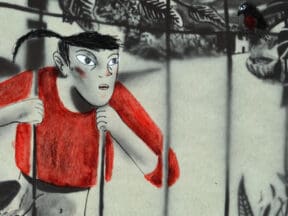
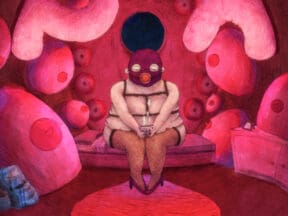
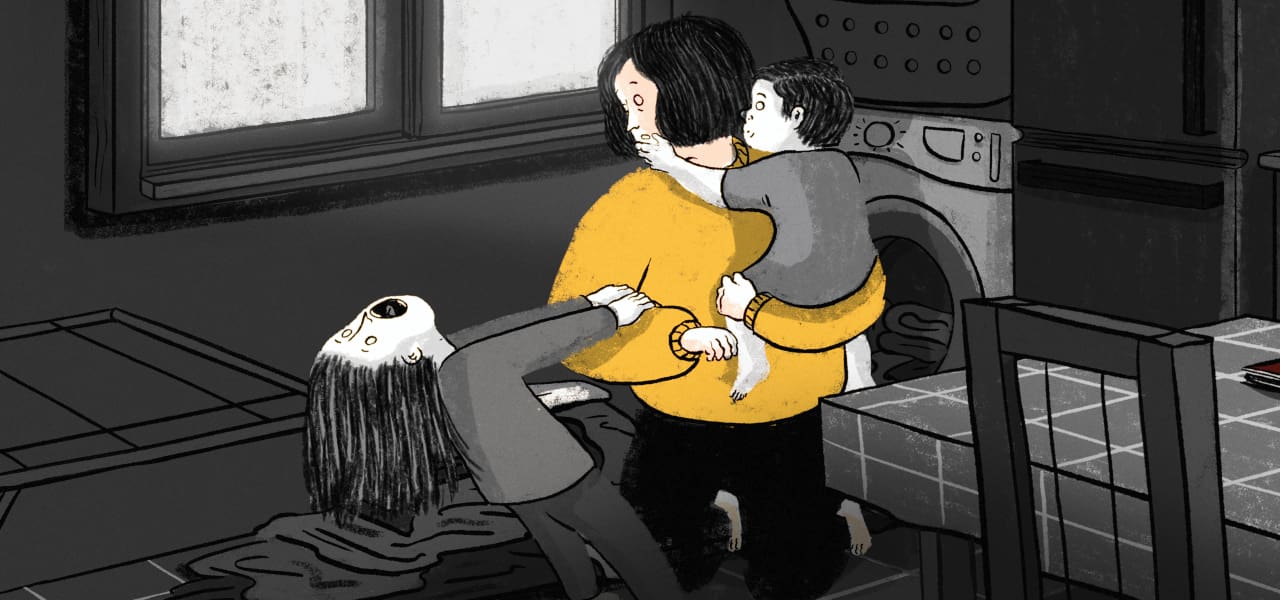
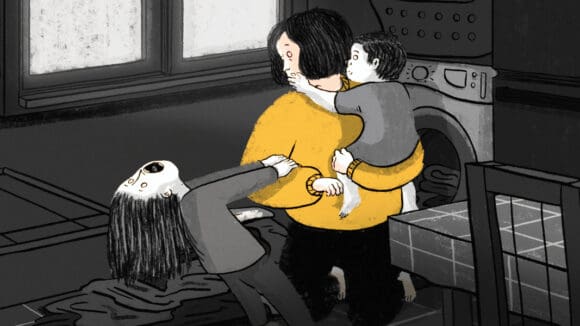
On her birthday, a woman gets up early hoping to give herself one simple gift: time to write. But children, laundry, and meals keep interrupting her, pushing her to the breaking point. Inspired by Guimarães’ lockdown experiences, the film makes invisible domestic labor and its mental load tangible, contrasting an increasingly claustrophobic home with an inner garden that can grow without limits.
Cartoon Brew: What was it about this story or concept that connected with you and compelled you to direct the film?
Alice Eça Guimarães: The film is inspired by my experience as a mother and the fact that I really hate housework.
I started thinking about this story during Covid, when everything shut down. We all had to stay at home, and that meant no outside help: no housekeeper, no eating out, no help from the other women in my life. That was when I realized the imbalance in my domestic life: how deeply I had internalized the belief that managing the household was my responsibility, leaving little mental space for anything else. It’s a feeling that is difficult to shake because it is so deeply woven into the way I was brought up.
I remember trying to come up with ideas for a new project at the time, but I just couldn’t finish a thought because of all the domestic mayhem around me. That was when the idea for the film first came to me.
What did you learn through the experience of making this film, either production-wise, filmmaking-wise, creatively, or about the subject matter?
This film is very special to me because I feel that it is, in many ways, a first. I co-directed two short films using stop-motion and pixilation, Amélia & Duarte and In Between the Shadows, but this was my first time directing a film on my own, with full responsibility for the outcome. So I had to learn to listen to others while also owning my decisions as a director.
This project also marks the moment when I embraced the word “feminist” and decided that I really wanted to make films that unapologetically carry a political or social message.
Production-wise, I learned the importance of repeating and reinforcing information. Communication skills are crucial, especially in a co-production with lots of online meetings and emails going back and forth. It’s so easy for things to go off track without anyone noticing!
Filmmaking-wise, I learned that although I like to do everything involved in making a film, I have to trust talented people with skills I don’t have, such as composing music and creating sound effects.
Can you describe how you developed your visual approach to the film? Why did you settle on this style and technique?
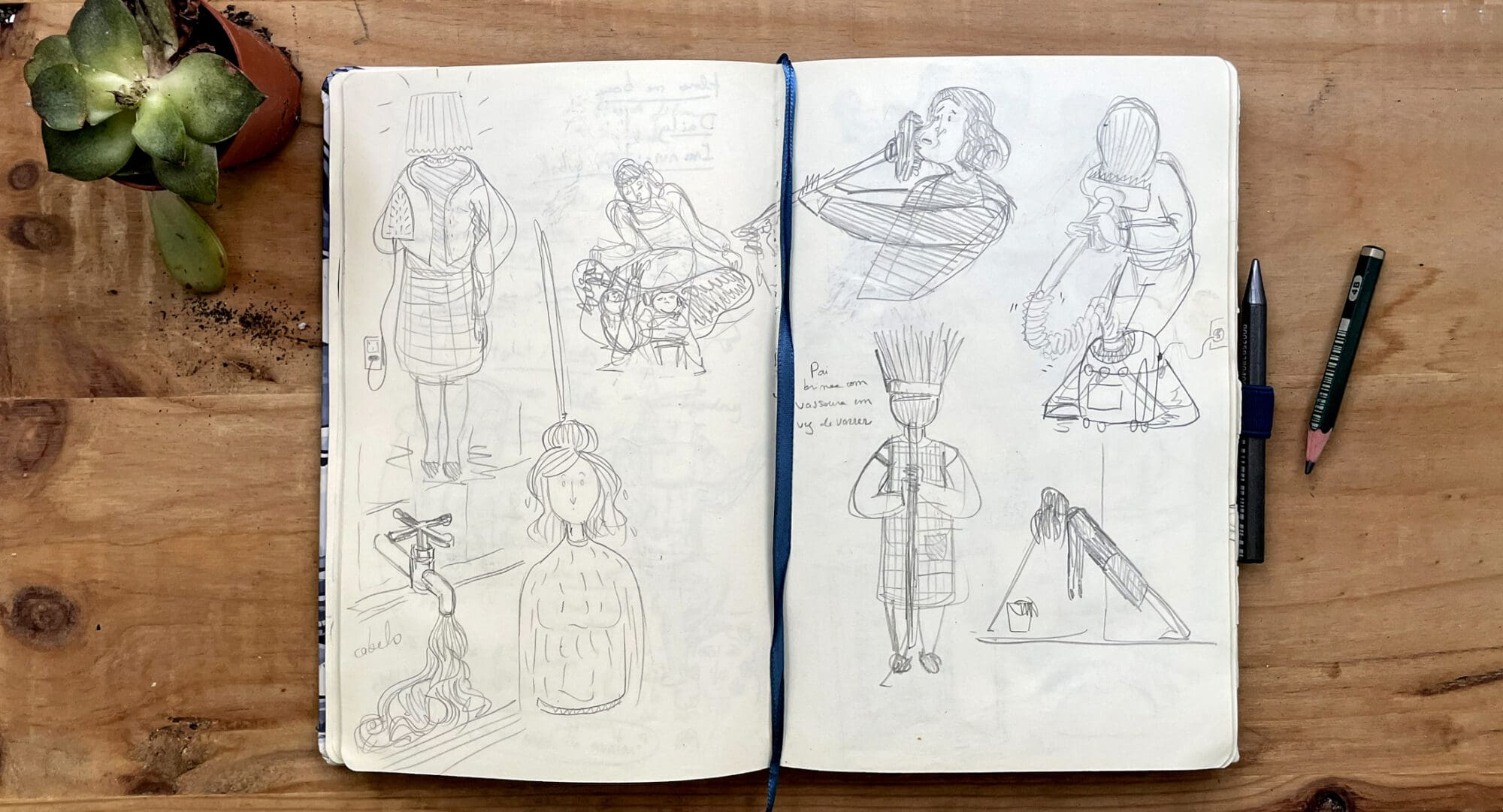
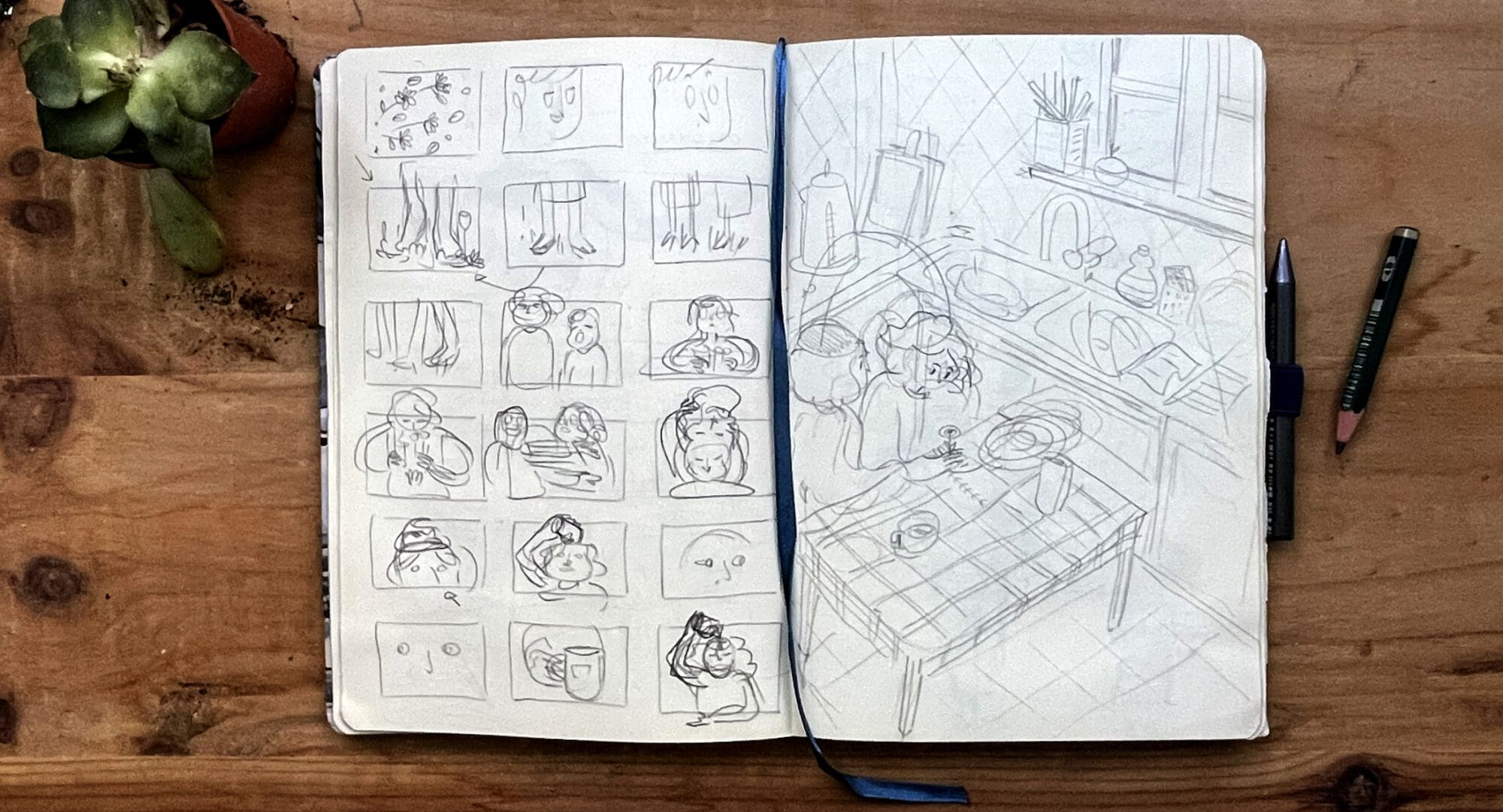
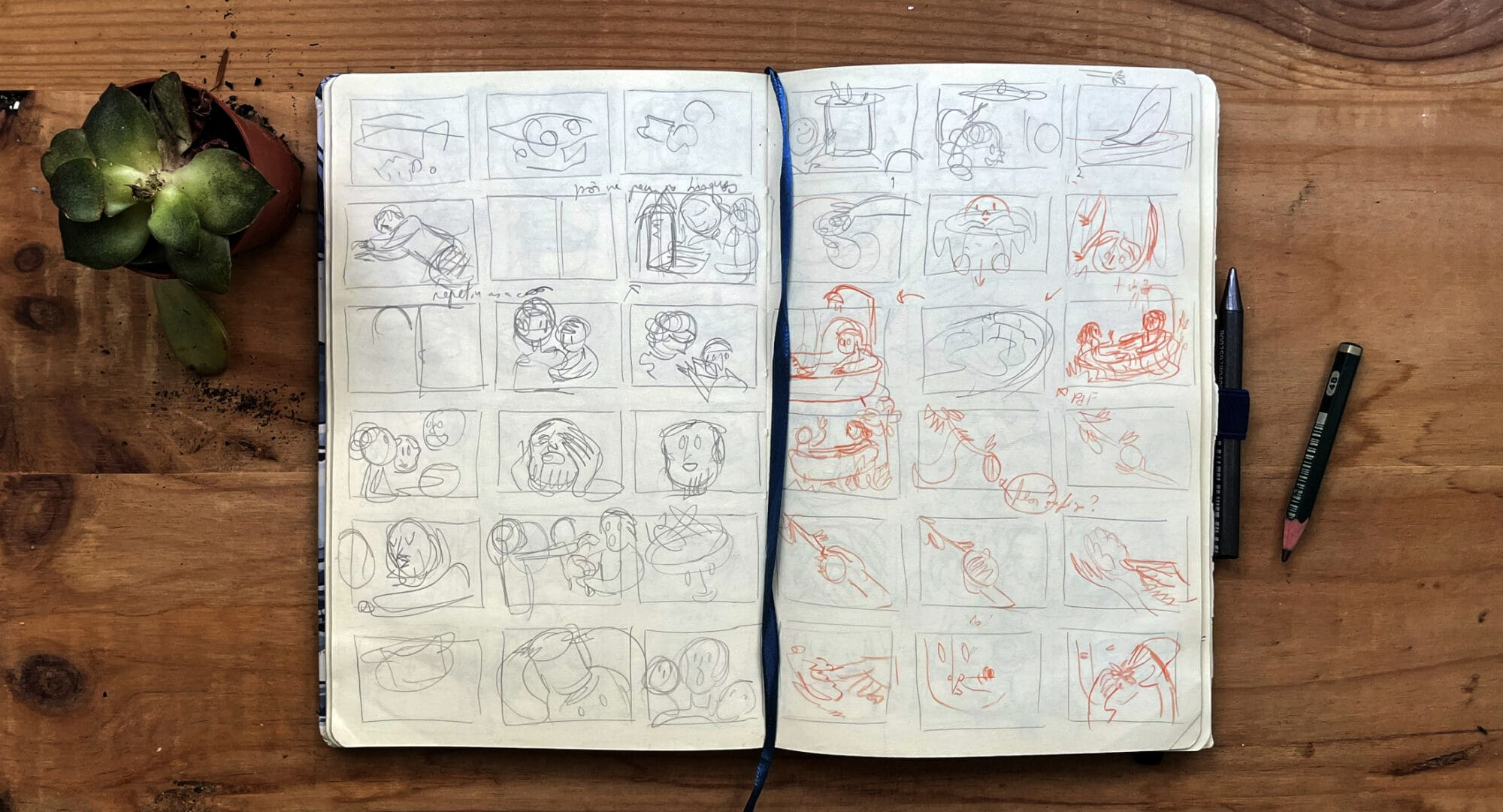
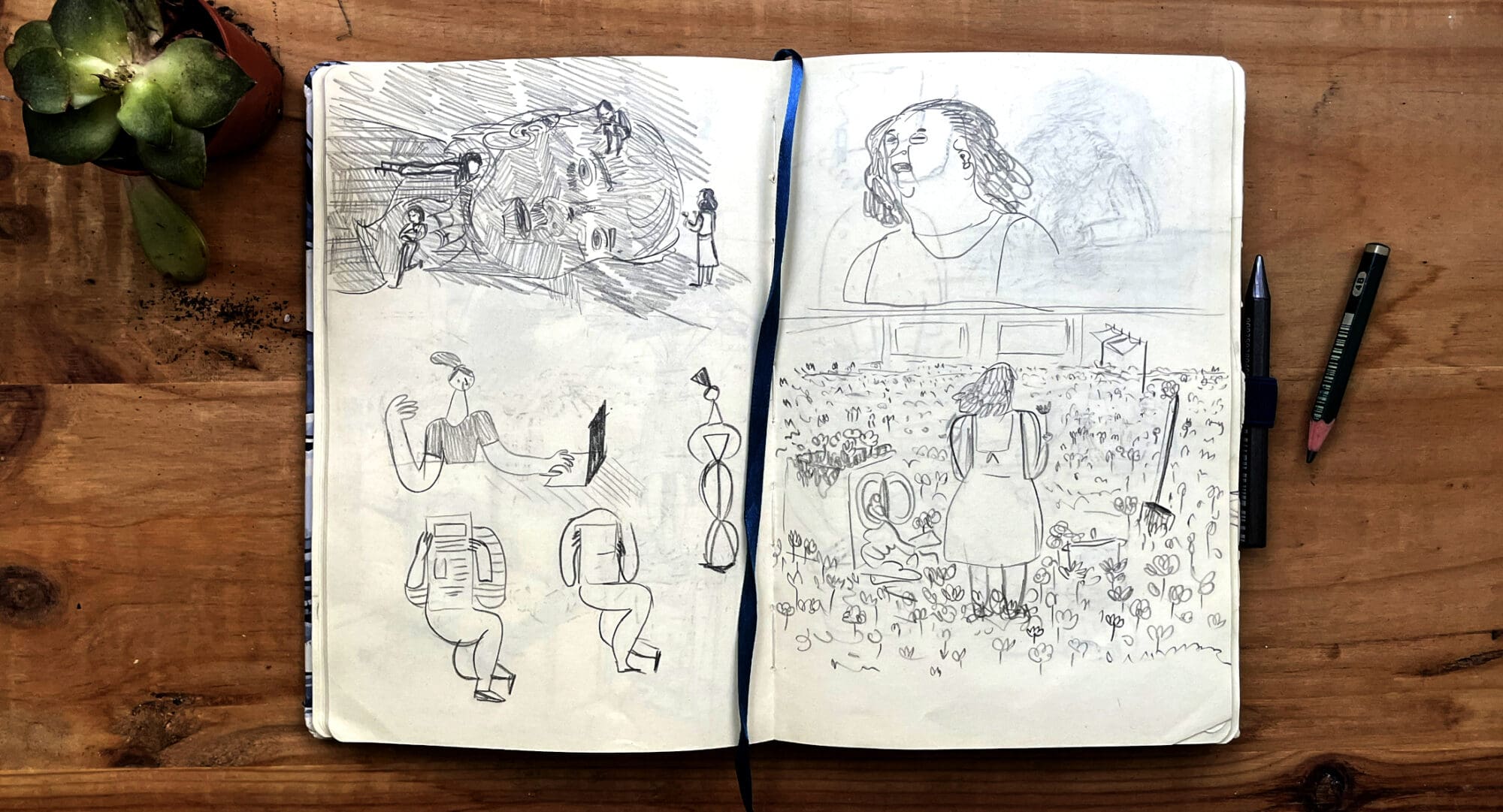
I always begin my films with very basic storyboard sketches. I really like the look of pencil on paper, and I wanted to mimic that and give each finished frame an “untidy,” organic feel.
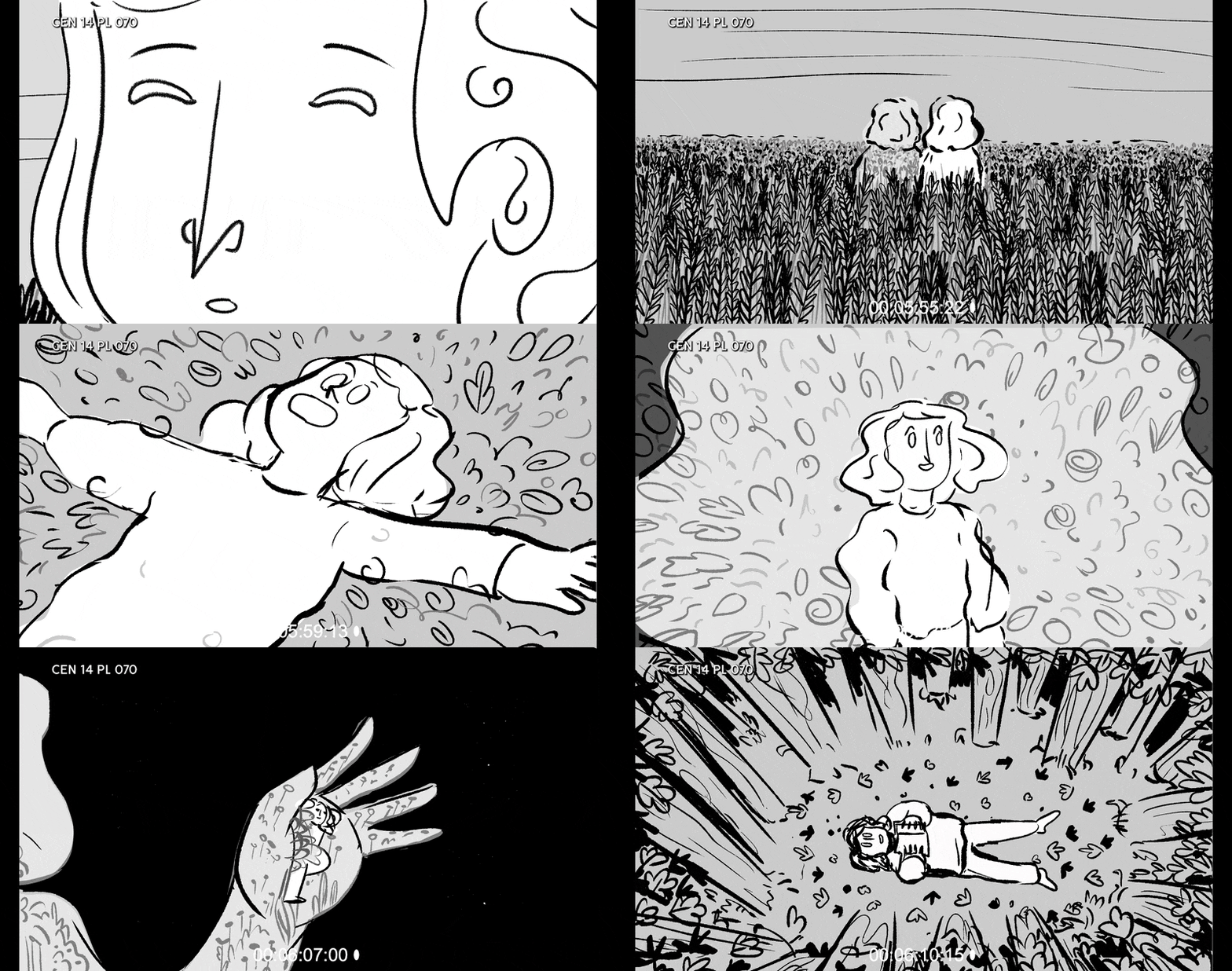
2D animation offered the freedom to explore invisible labor and the mental load visually. I wanted the protagonist to interact with her soul, and I also wanted us to see her thoughts. The house had to become increasingly claustrophobic, while her inner world, the garden, needed to be able to grow infinitely in both size and diversity.
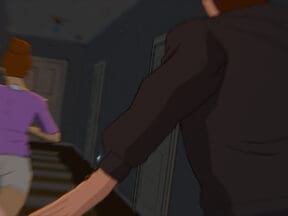
The protagonist had to stand out, so I made her the only character in color. Everything else is black and white; the children and the man almost blend into the set.
What interested you about the tension between domestic responsibilities and the need to make time for yourself creatively?
What stands out most to me is how a lack of time for oneself can prevent women from dreaming, undermining their self-esteem and ultimately affecting their willingness to take risks. This may help explain why women are so underrepresented in positions of power. Domestic work is an endless cycle, accompanied by an invisible mental load that leaves little room for reflection or creativity.
I am also struck by how undervalued domestic labor remains, despite being essential to our health and well-being. Women, especially mothers, are expected to sacrifice everything for their children while becoming multitasking superwomen who can do it all. This impossible ideal takes a significant toll, yet we rarely question it.