.png)

Epic Spaceman On Solo-Building One Of YouTube’s Top Science Channels, Making The Universe Comprehensible, And Rejecting GenAI
Stay informed with free updates
Sign up to get our news digest — delivered directly to your inbox twice a week.
For decades, popular science has relied on charismatic guides to make the vastness of the universe comprehensible. Carl Sagan explored the cosmos from a dandelion-seed spacecraft, Bill Nye turned scientific principles into engaging television, and figures like Neil deGrasse Tyson and Brian Greene have translated physics and astronomy into a language understandable by mass audiences. Toby Lockerbie, known online as Epic Spaceman, continues that tradition with one of YouTube’s most impressive science channels, but his pedagogy is based entirely on human-made animation and visual effects.
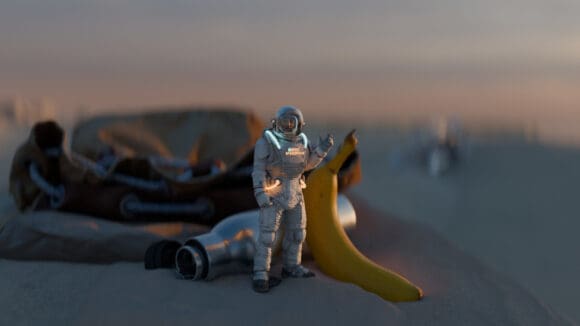
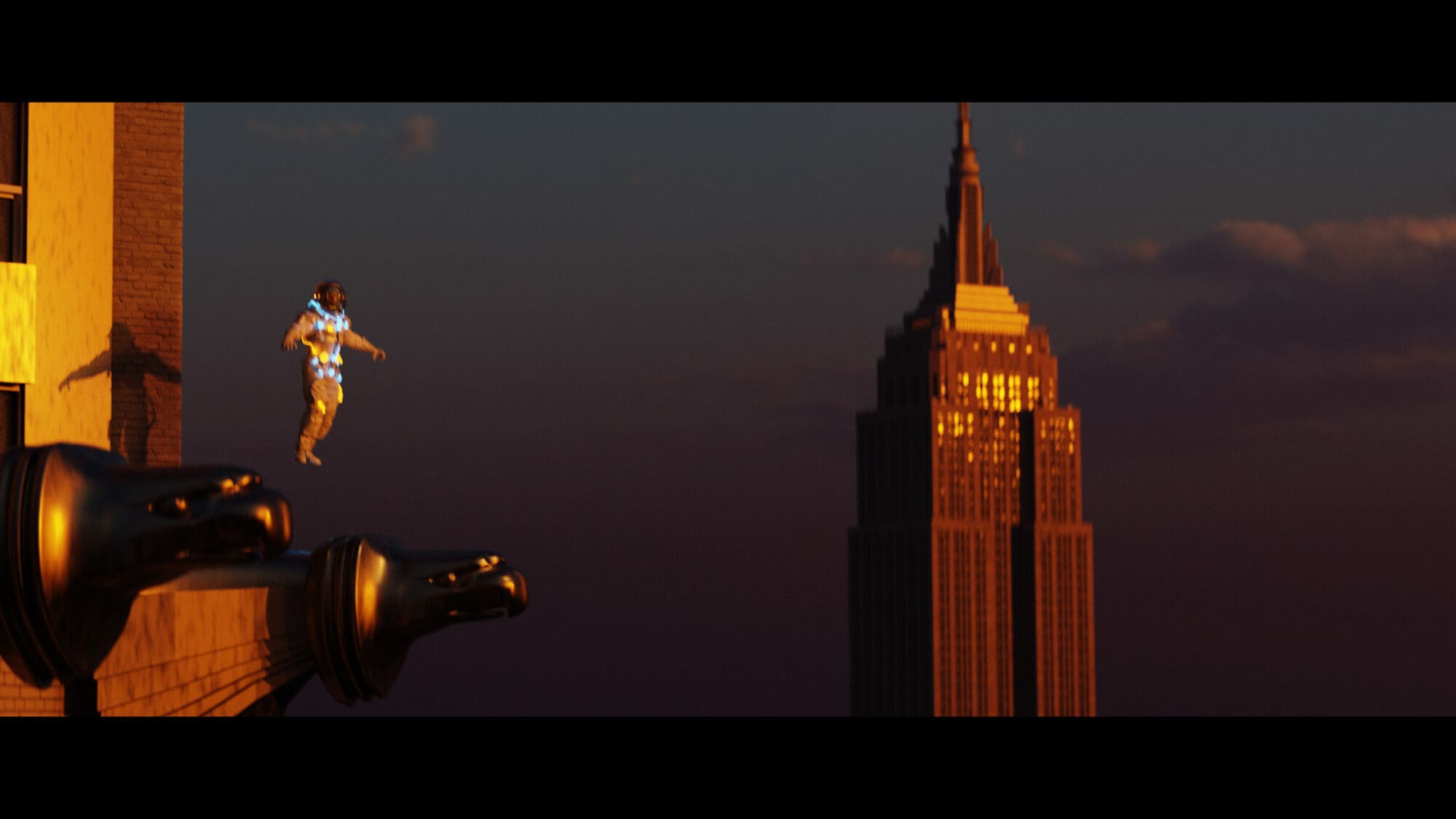
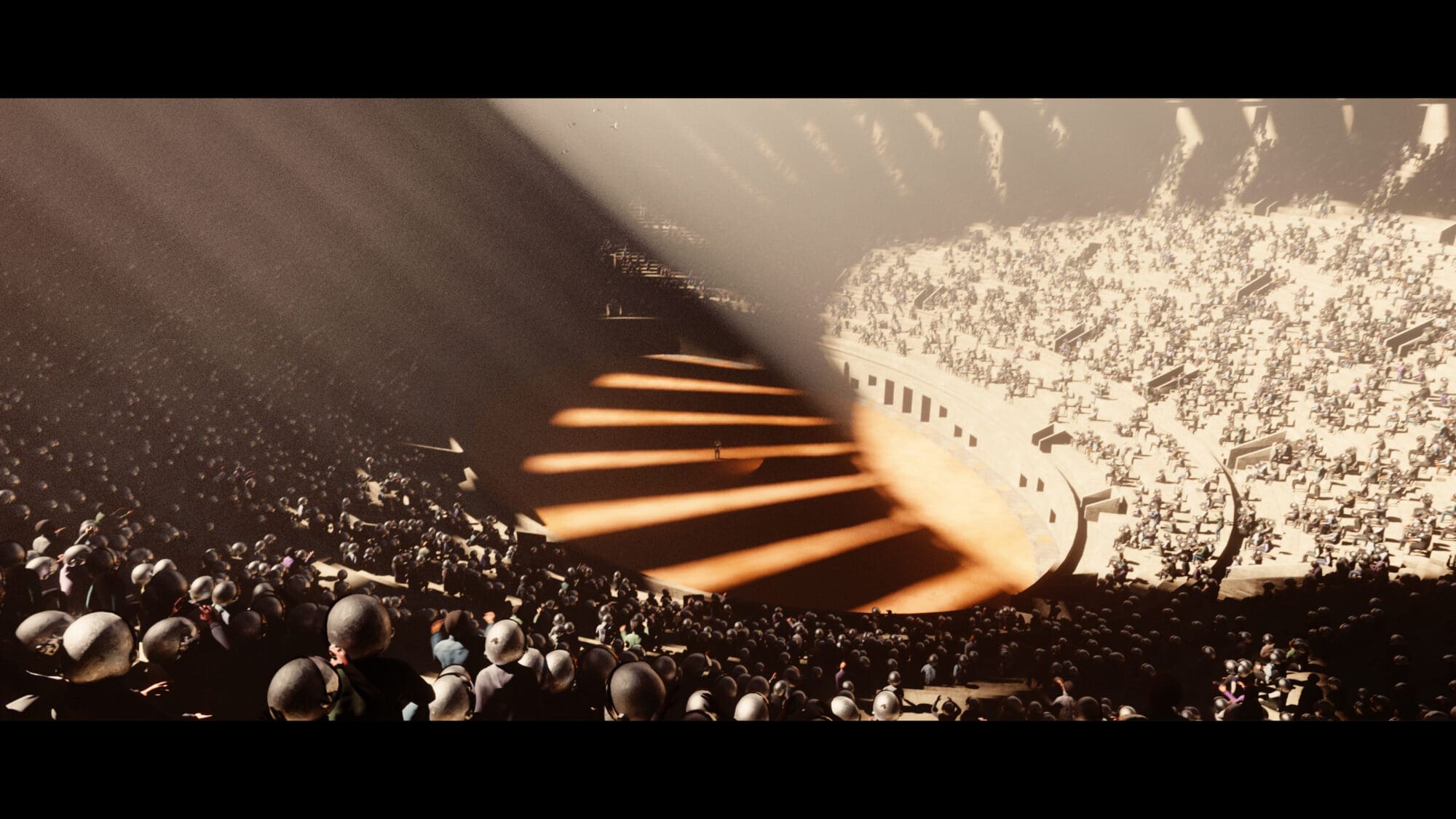
Despite building his recent career around scale and numbers, Lockerbie has little use for digits if they cannot be understood by ordinary people. On his channel, the estimated number of galaxies in the observable universe becomes a swimming pool full of cereal. The Milky Way is stretched across the United States. Tens of billions of possible Earth-like worlds become marbles poured into the Colosseum. Lockerbie, visible inside a Blender-built spacesuit, moves through those comparisons as both narrator and, just as often, a unit of measurement.
The images are funny, strange, and often breathtaking, but spectacle is not the goal. Lockerbie uses animation and visual effects to address a problem that every great science communicator has faced: the most extraordinary facts about the universe are often expressed in numbers and ideas too large or too small to mean anything significant to an ordinary viewer.
So, he uses visual metaphors to make scale comprehensible, entertaining, and more often than not, visually stunning.

It is a labor-intensive approach delivered in an era and on a platform, in this case YouTube, that typically rewards speed. Using image- or video-generating software would certainly ramp up the pace of production, but Lockerbie’s approach is entirely genAI-free. More on that later.
Epic Spaceman began in 2021 and is nearing 700,000 subscribers, despite only posting a few main videos each year. Lockerbie’s first video took almost a year to complete, and even with a rehearsed pipeline and better gear, the later entries still require months of work. In 2025, his films won four Webby Awards, and The Planetary Society, the nonprofit co-founded by Sagan and currently headed by Nye, became a sponsor.
The channel is now Lockerbie’s full-time job. Produced by a crew of one, it is effectively a miniature science series whose ambitions increasingly resemble those of television or feature filmmaking.
A Lockdown Reinvention
Lockerbie did not come to the project with a traditional animation or VFX background. He studied computer engineering, then built a career as a photographer, filmmaker, and occasional director of photography. For years, he operated as what he calls a “one-man production company,” making music videos, commercial films, and travel-related work for clients.
That business, like so many, stopped almost completely during the pandemic. With a young family, no work for more than a year, and a sudden awareness of how fragile his client-based career was, he decided to build something he could operate entirely independently.
“I was making videos for other people, and they were really happy with them, and I was really happy that they were happy,” he said. “But I wasn’t creating my own thing.”
Science, physics, and art had been his strongest interests as a child. As an adult, he found himself returning to popular science through books, articles, and clips of science programs like Sagan’s Cosmos. When he asked himself what kind of channel he would make if the subject could be anything, the answer was clear.
“I would love for it to be something a bit like Cosmos, but not a reboot,” he said. “Something that would work for my own attention span, something very much focused on metaphors and visuals and not using numbers.”
The problem, at that time, was that he didn’t know how to make those visuals. During lockdown, Lockerbie began teaching himself how to use Blender. He completed about half of the software’s famous doughnut tutorial before deciding that carefully modeled sprinkles were not bringing him any closer to the film he had in mind.
“I thought, ‘Okay, I’ve made some sprinkles. This isn’t anything like what I’m planning on making, so I need to start doing something else,’” he recalled. “I just started trying to make my first video.”
His experience with cinematography, editing, camera movement, and live-action production gave him a head start, but that first film also became his visual effects education. He learned what he needed as each new shot demanded it. The same approach continues today: every episode is both a finished film and a reason to acquire another set of skills.
Science Fact
Epic Spaceman is more than a narrator’s voice playing over flashy imagery. Lockerbie knew from the start that the videos needed a protagonist, someone who could take viewers through the material and give the huge and tiny objects around him a recognizable scale.
“I wanted it to look and feel like science fiction, but it was actually true,” he said. “Like an amazing scene from a Marvel film, but instead of Thor describing a black hole, it would be some space dude describing a black hole. And the stuff that he’d be saying would be real.”
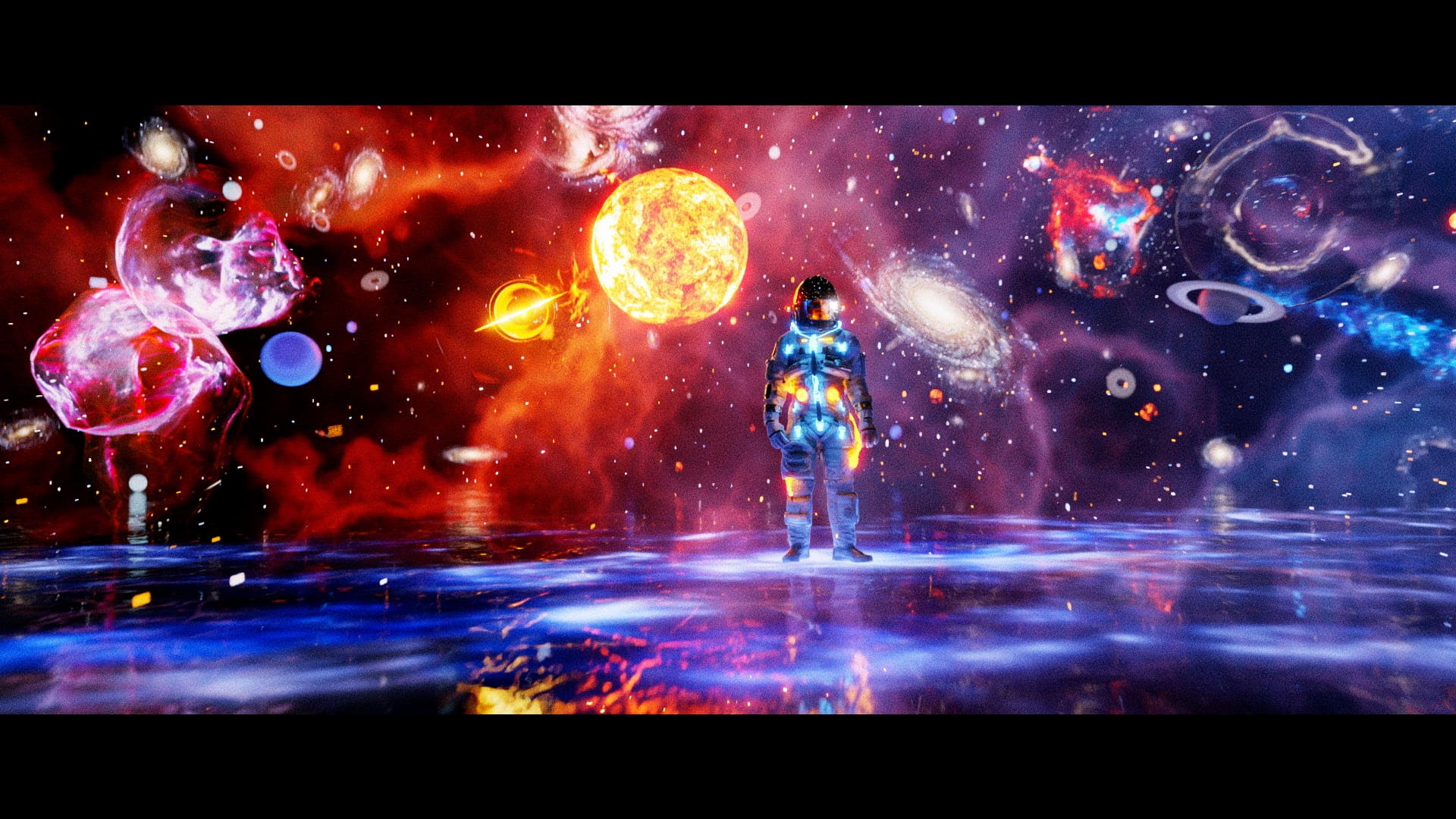
Lockerbie films his face and places the footage inside the character’s helmet. The body was initially almost motionless because he had not yet found a practical animation system. He later bought a Rokoko motion-capture suit, then moved to a multi-camera setup that tracks his movements in his office. The suit itself began with a purchased 3D model that he modified with a new helmet, lights, name markings, and other details. Its influences include the oversized helmets of Alien and the illuminated interiors of Pacific Rim.
“Because I was making everything on my own, I had to be a generalist and sort of six out of ten at everything,” he said. “I tend to start with buying other people’s models, and then I modify them and add bits and pieces.”
The astronaut character also serves to make the channel less anonymous. Lockerbie believes science documentaries work best when viewers can look at a person and read some emotion in their face, as they could when David Attenborough entered the environment he was describing, or Sagan walked along a beach.
“I think you really do need a human connection to understand something that’s cosmic,” he said. “You need someone to draw you through it.”
Research Twice, Film Once
As important as nailing the look is to Lockerbie, he estimates that roughly half of his time on each production goes to researching, writing, rewriting, and rewriting again. He may revise a script 15 times before moving fully into production.
He is not an astrophysicist, nor does he present himself as one, which can be a source of anxiety when hitting the publish button on highly specific scientific videos. Without a staff of researchers or scientific advisers, he double- and triple-checks the material himself, looking for the wording or calculation that could undermine an otherwise carefully built film.
“The most mortifying thing for me would be that I say something about a topic, particularly science-related, and it’s a demonstrable fact that I get wrong,” he said. “I’m not speaking so much from a position of authority. I’m speaking from a position of someone who does their research diligently until they understand the topic quite well.”
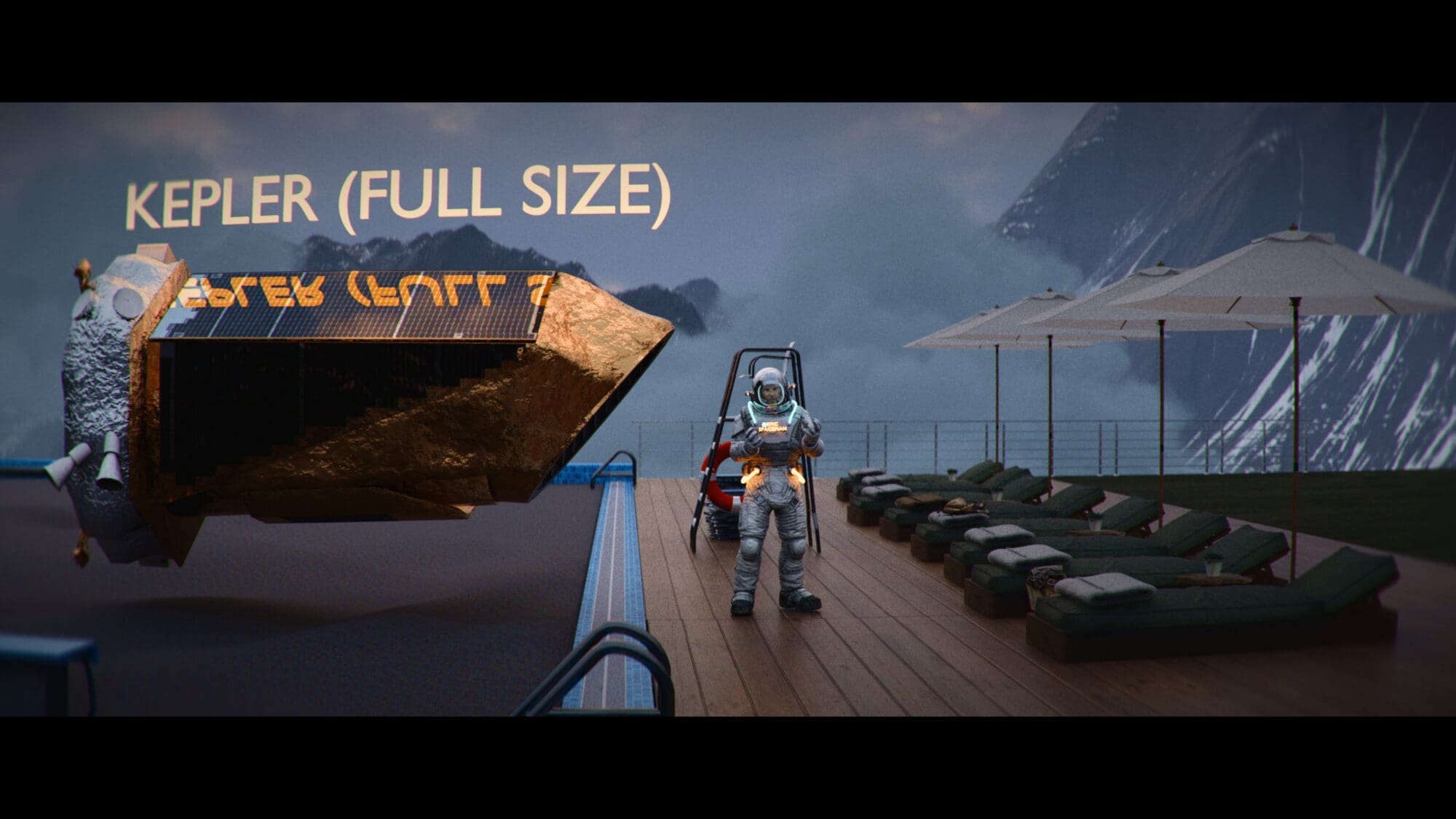
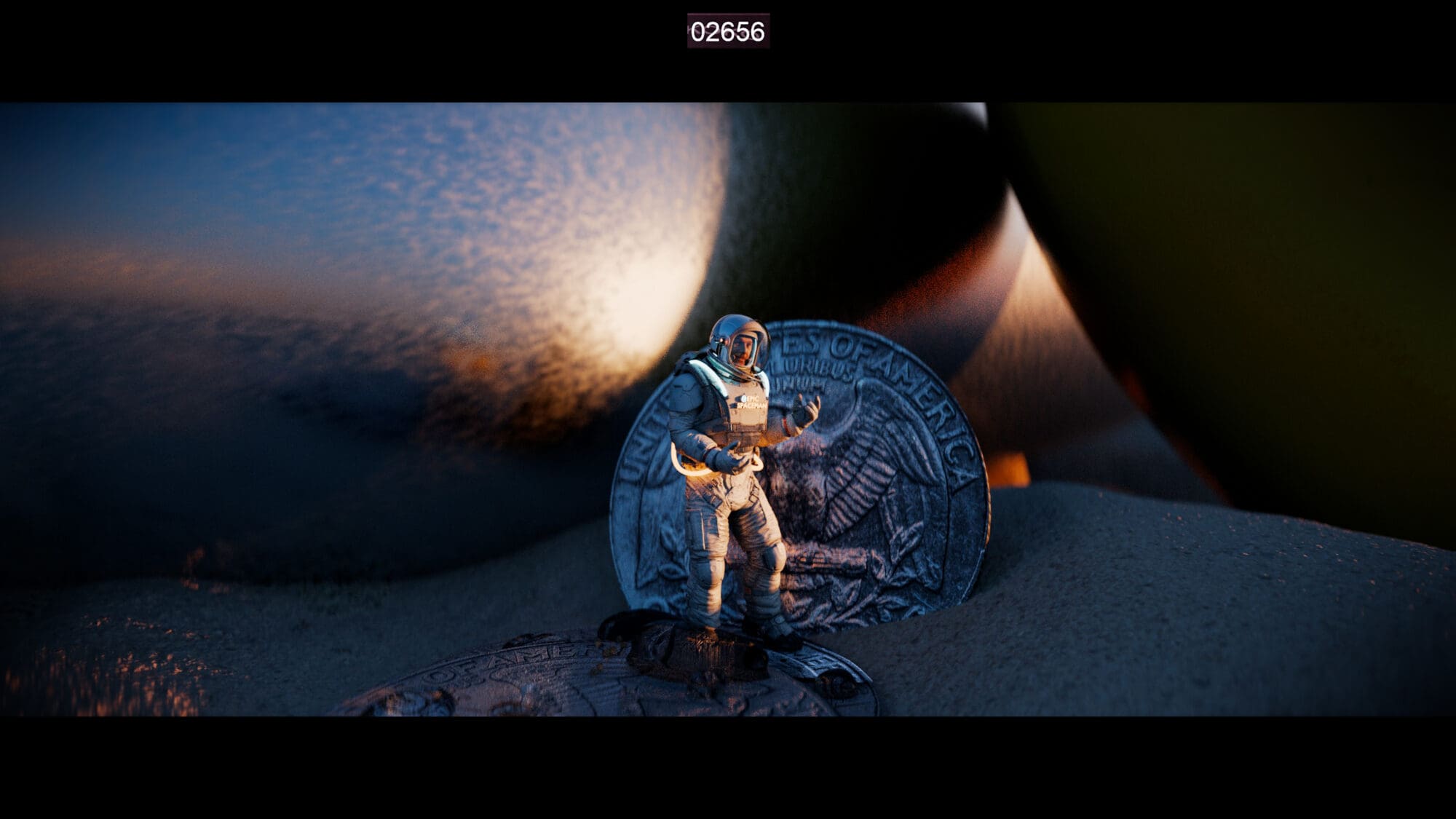
Importantly, Lockerbie doesn’t want to simplify science down into simple entertainment. He says the idea is to find the best image that will help a viewer retain the underlying idea long after watching the video. Everyday objects recur because people already understand their dimensions. Cereal, pools, marbles, and familiar landscapes become a bridge between ordinary experience and cosmic scale.
“If I could get the story right and the graphics right, then I feel like I know the content is right, because space and science and physics are amazing,” Lockerbie said. “Enough people will enjoy it if I can package it right for them.”
A Slow Channel in a Fast Business
Epic Spaceman’s release schedule runs against most conventional advice about building an audience online. Lockerbie does not publish every day, every week, or even every month. The videos arrive when they are finished, and each one has to generate enough attention, advertising revenue, sponsorship income, and Patreon support to sustain the next.
That approach has only recently become a viable full-time business, but independence gives Lockerbie a degree of control he did not have while waiting for clients to bring him assignments. He decides the topic, how long to work on it, which compromises are worth making, and which sponsors fit the channel.
“I love that I have my own little TV show, and I can do anything I want,” he said. “It can crash and burn, but that’s all on me. That’s all my fault if that’s the case.”
He is not insulated from the demands of the platform. A subject still has to attract viewers, and an explanation sometimes has to move faster than he would prefer. If he stops publishing, the business can disappear. But independence means the pressure does not come through layers of executives and notes.
“The dream, really, for anyone creative, is to do the thing that they love and are passionate about and still be able to somehow make a living from it,” he said.
Lockerbie has had early conversations about television projects, though he is wary of the creative compromises that can come with them. A feature appeals to him even more than a series. Whatever happens, he expects Epic Spaceman to continue because it gives him direct contact with viewers and ownership of the work.
Entirely Human-Made
The newest Epic Spaceman videos identify themselves almost immediately as work made without the use of generative AI. It literally flashes across the front of the character.
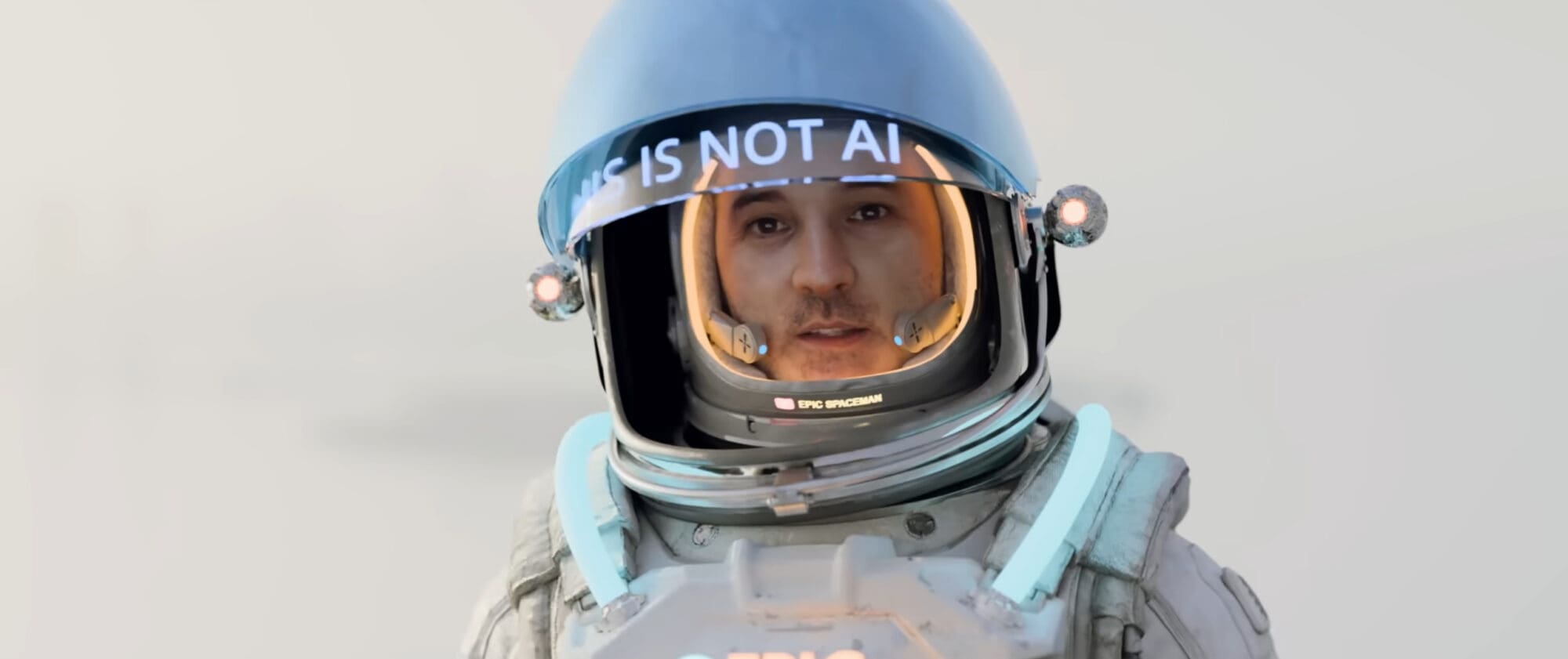
The notice is an ethical statement, but it is also there for a blunt commercial reason: some viewers were calling Lockerbie’s meticulously crafted visual effects AI outputs and leaving before they had even watched the video.
“I was getting comments on my YouTube videos just saying ‘AI slop,’” he said. “It was so depressing when you spend six months on a video and pour your heart and soul into it.”
Astronauts and impossible cosmic imagery are common subjects for AI-generated images and clips, making his work especially vulnerable to the confusion. When Lockerbie published one short without a disclaimer, the first comments accused it of being AI-generated, and the video performed poorly. He figured that audiences needed a clear signal from the start that a person had made what they were watching.
“One of the reasons I have the AI disclaimer right at the beginning is literally so people will keep watching,” he said. “So many people are turned off by thinking it’s AI.”
But Lockerbie’s objection goes beyond the possibility that viewers might mistake his work for something machine-generated. He sees generative AI as fundamentally different from tools such as Blender or Unreal Engine, which allow artists to make specific decisions and refine them throughout production. A generative model offers suggestions in response to prompts, but the system still makes creative choices that the user cannot fully control.
A Tool That Uses You
“It doesn’t work like a tool,” he said. “It’s a creation machine, and it’s a black box. It does whatever it wants. All you can do is give it some suggestions.”
For Lockerbie, that lack of control makes generative AI a particularly awkward fit for professional animation and VFX. Well-executed productions are built on iteration, with filmmakers asking artists to adjust performances, lighting, composition, timing, and countless other details. Generative AI can produce a single impressive, if not entirely precise, image, but making revisions while preserving everything that already works remains a bridge too far for the tech.
“Anyone who’s done any kind of VFX work for companies will know that one of the reasons for delays, and one of the things that makes it so difficult, is clients always trying to tweak things and change things,” he said. “This is the thing that AI is the worst in the world for,” he laughs, speaking from years of experience in the filmmaking business.
He is also unconvinced that audiences are asking for the kinds of images generative AI companies are racing to produce, particularly photorealistic synthetic people. Animation has never needed to replicate reality perfectly to engage viewers, and Lockerbie points to Aardman’s stop-motion work as evidence that the visible presence of the artist can strengthen an image rather than diminish it.
“If you watch an Aardman animation, those aren’t photorealistic humans, but they’re telling an amazing story,” he said. “You can see the thumbprints on them, and it’s amazing. It makes it so good to know that people were tweaking all these things along. It adds a layer of humanity and meaning to the art form.”
Lockerbie’s own films depend on purchased assets, motion capture, compositing, and other digital tools, but he holds the ultimate control over what appears in every frame. The limitations of those tools, and the solutions he has to come up with to overcome them, become part of the finished work. It’s essential to the artistry behind his videos.
“The fingerprints are kind of the point of art,” he said, explaining that, in his opinion, using genAI for anything that ends up on screen taints the whole thing. “The point is that it’s made by humans. Once you use AI to introduce an element that you couldn’t get without it, it adds a visible layer of AI over the whole thing. It becomes something else.”
Lockerbie’s position is also informed by what he sees as a long-standing failure to recognize the tremendous skill and labor that drive good VFX. After decades in which studios and filmmakers have downplayed digital work by emphasizing practical production methods, generative AI creates another way for audiences to overlook the people responsible for an image.
“VFX is so amazing, and the industry has relied on it so much,” he said. “It always felt like a double slap in the face not to talk about how amazing the people holding up the visuals of the production were.”
The Epic Spaceman disclaimer does more than reassure viewers that they are not watching an automatically generated clip; it asks them to recognize the months of research, animation, compositing, performance, and trial and error behind the images.
“I love VFX. I dislike AI,” Lockerbie said. “I love seeing other people’s VFX. I love knowing that someone created that.”
Going down to keep looking up
On Friday of this week, Lockerbie will release a new video that will take Epic Spaceman in a new direction: to the bottom of the ocean. The subject moves beyond the cosmic scale on which the channel built its identity, but the method remains the same. A human body on an impossible journey with animation and VFX used to make a scientific idea feel physical and relatable.
The channel’s success has already demonstrated that science filmmaking does not have to choose between information and spectacle, or between the reach of a creator platform and the craft of a traditional production.
“I was making something for myself, effectively, and hoping there were enough people out there like me who would enjoy it,” he said. “If I’m going to do something positive, that would be the thing that I think I could do best.”