.png)
David Zaslav Walks With $606 Million After Years Of Gutting Warner Bros., Leaving Workers To Face More Cuts
Stay informed with free updates
Sign up to get our news digest — delivered directly to your inbox twice a week.
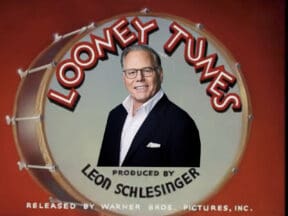
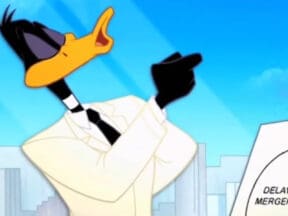
David Zaslav is leaving Warner Bros. Discovery with $606 million in his pockets following its merger into the larger Skydance empire, an extraordinary payday for an executive whose four-year tenure was defined by layoffs, cost-cutting, canceled projects, removed content, and a relentless effort to reduce the debt created by the merger that put him in charge.
The payout, disclosed in a securities filing last week, comes as the newly combined media empire prepares for another round of restructuring, having already warned employees of “difficult decisions that affect our workforce.”
According to Variety, Zaslav received $606.1 million in stock-related compensation following the October 6 completion of the Paramount-WBD merger, including roughly $381.7 million in stock options. The figure is distinct from earlier golden-parachute estimates that included potential severance and other benefits.
The payout scale is particularly striking, given that WBD shareholders had already rejected the executive compensation arrangements in a nonbinding vote. In April, 82% of shareholders, four out of every five, voted against the merger-related compensation packages. The board proceeded anyway.
And this follows years of eye-watering compensation for Zaslav while thousands of employees lost their livelihoods or had their work canceled or vaulted away. His 2025 compensation alone reached $165 million, including nearly $110 million in stock options awarded for a proposed corporate breakup that never happened.
For Warner Bros.’ rank and file, that must be a difficult pill to swallow.
Under Zaslav, WBD eliminated jobs across television, streaming, animation, and corporate divisions. The company also became notorious for shelving completed or nearly completed films, including Batgirl, Scoob! Holiday Haunt, and Coyote vs. Acme, turning the studio into a symbol of Hollywood’s longstanding shift away from art and toward commerce.
Even judged strictly on financial performance, Zaslav’s tenure was, at best, a mixed bag. WBD reduced gross debt from approximately $53 billion in 2022 to $33.1 billion by June 2026, but fell well short of its original earnings projections. Zaslav initially promised $14 billion in annual adjusted EBITDA by 2023; WBD generated approximately $8.7 billion in 2025. Streaming eventually exceeded expectations, and the Paramount acquisition delivered a premium to shareholders, but neither erases years of disappointing results, and neither will likely console people who have dedicated their careers to those ends and now face an uncertain future.
Meanwhile, the benefits of restructuring were distributed very differently from its costs.
Zaslav and four other senior WBD executives collected a combined $1.1 billion in stock-related compensation from the merger, according to TheWrap. Arguing that those rewards were commensurate with their performance would require a remarkably generous interpretation of the company’s record.
And that’s without considering its responsibilities to its workers and the art they create.
And the layoffs aren’t over.
The newly combined company, $80 billion in debt, is targeting at least $6 billion in annual cost savings within three years. In a memo to employees, CEO David Ellison and co-CEO Ynon Kreiz forecasted those “difficult decisions” to signal further cuts.
Management says most savings will come from areas other than labor, but it expects additional job losses, with no indication yet of how many positions will be made redundant.
Zaslav, meanwhile, exits with a windfall that would take someone earning $100,000 annually more than 6,000 years to accumulate.
It aptly illustrates the economics of modern Hollywood, where executives can be rewarded spectacularly for restructuring struggling companies, selling assets, and delivering shareholder returns, while the workers who created those assets are left to absorb the fallout.
Warner Bros. Discovery’s employees helped deliver the debt reduction for which Zaslav is being rewarded. Many are now waiting to find out whether they still have jobs.
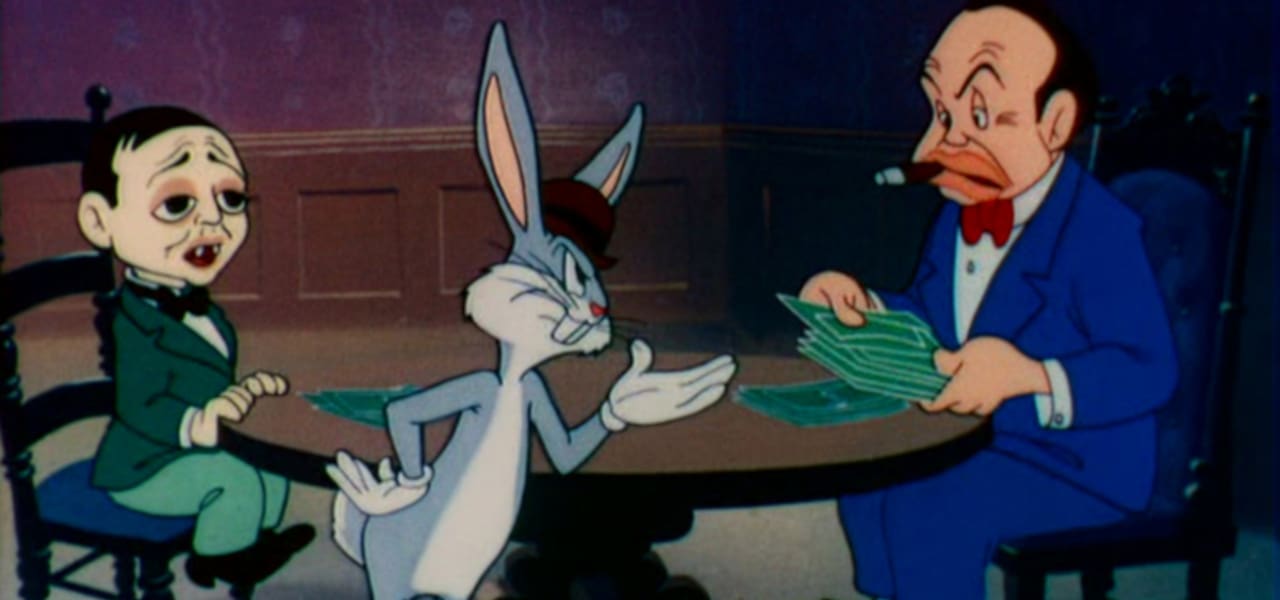
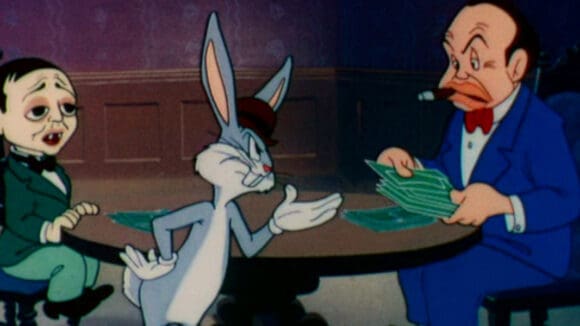
Pictured at top: Racketeer Rabbit (1946)