.png)

Science Proves Lightning McQueen’s Aerodynamics Aren’t Quite ‘Ka-Chow’
Stay informed with free updates
Sign up to get our news digest — delivered directly to your inbox twice a week.
With the power of science, we now have data-driven proof that Lightning McQueen, while a capable racer, doesn’t quite match up to his sleekest rivals.
NASCAR aerodynamicist Seth Dillard, whose day job is fine-tuning real stock cars for the RFK Racing team, decided to run a Computational Fluid Dynamics (CFD) analysis on Lightning himself.
CFD is essentially a digital wind tunnel. It shows users how air flows around a shape. In this case, one with windshield eyes and a disarming smile. Dillard ran Pixar’s star racer through the professional-grade software to see how the Cars protagonist would fare in the real world, and against his most challenging in-universe rivals.
Turns out, McQueen’s toothy grin isn’t exactly race-ready. In his video, Dillard calls it a “stagnation point,” meaning air stops dead at the depression caused by his mouth rather than flowing smoothly over the front bumper. That’s bad for aerodynamics but great for character design and toy sales. Dillard speculated that if McQueen were real, opening his mouth might actually improve airflow, however, creating a potential competitive advantage.
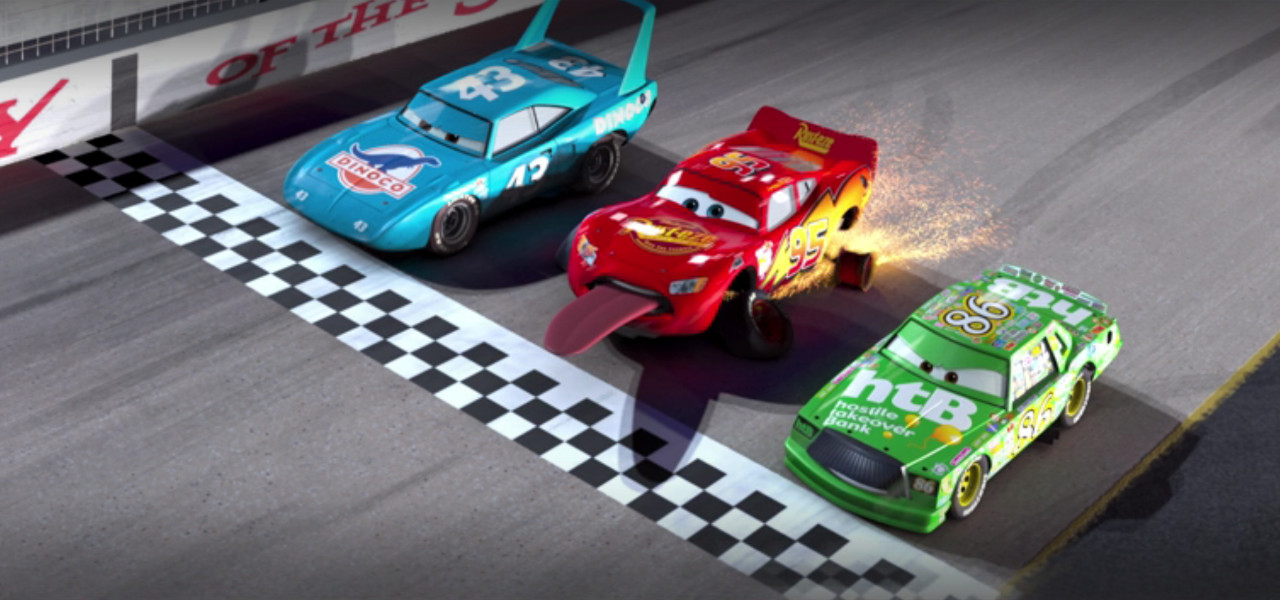
Dillard also potentially explains a key plot point from the Cars franchise. In the first film, Lightning famously blows out his back tires after refusing a pit stop in the Piston Cup race, resulting in a three-way tie and setting up the film’s later events. According to Dillard’s analysis, McQueen’s nearly vertical spoiler could have created extra downforce on the rear of the car, which would be good for grip, but punishing on the rubber.
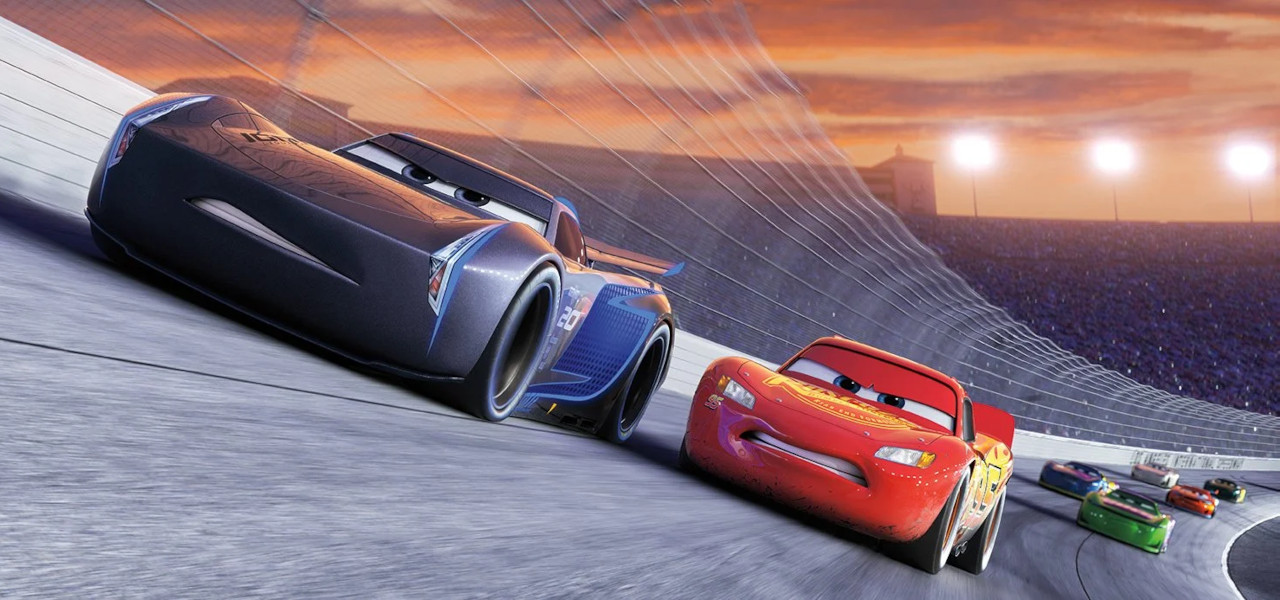
In the end, though, Lightning couldn’t quite keep up with his high-tech rival Jackson Storm from Cars 3, whose modern, streamlined profile and razor-sharp spoiler make him the true aerodynamic champ of the Cars universe.
The videos and analysis are a fun crossover between animation and engineering.