.png)

A Live-Action ‘Moana’ Deepfake Didn’t Happen, But AI’s Hollywood Footprint Keeps Growing
Stay informed with free updates
Sign up to get our news digest — delivered directly to your inbox twice a week.
Disney is dipping deeper into artificial intelligence, experimenting in films, streaming, and games. While some projects have been quietly shelved, the overall direction feels hard to mistake. As the Wall Street Journal reports, the studio has been weighing AI’s potential to shave budgets and speed up production, all while lawyering up to protect its famous characters from the very same tech.
For its upcoming live-action Moana remake, Disney explored creating a “digital double” of Dwayne “The Rock” Johnson, pasting an AI version of his face over his cousin Tanoai Reed’s body for certain shots. The footage never made the final cut, but the 18 months of negotiations and technical prep suggest this wasn’t a one-off curiosity. The studio also considered giving Tron: Ares an AI-powered sidekick, a marketing gimmick that was abandoned amid union contract talks, but only after the idea got a serious hearing.
Outside the theater, Disney’s Epic Games partnership has already tested an AI Darth Vader bot in Fortnite, which players quickly taught to swear in James Earl Jones’s voice. The glitch was fixed in half an hour, but it showed both the risks and the reach of AI-driven interactivity, something tens of millions of players still engaged with at least once.
Meanwhile, Disney’s legal team is aggressively defending its turf, suing image generator Midjourney for allegedly producing unlicensed versions of its characters. Employees must get clearance before using generative AI for company business, but the company is clearly building internal pathways for the technology.
Across Hollywood, studios are having similar conversations, though often behind closed doors, about where AI can be slotted into the pipeline without sparking backlash. Last month, Netflix co-CEO Ted Sarandos said AI was used to create a scene of a building collapsing in the hit Argentine science fiction show, The Eternaut.
“Using AI-powered tools, they were able to achieve an amazing result with remarkable speed and, in fact, that VFX sequence was completed 10 times faster than it could have been completed with traditional VFX tools and workflows,” he said at the time. “The cost of [the special effects done traditionally] just wouldn’t have been feasible for a show in that budget.”
It’s safe to assume that executives at every major studio are considering similar strategies. While the scope and manner of AI’s integration into the industry remain speculative, one thing is certain: the tech is here to stay.
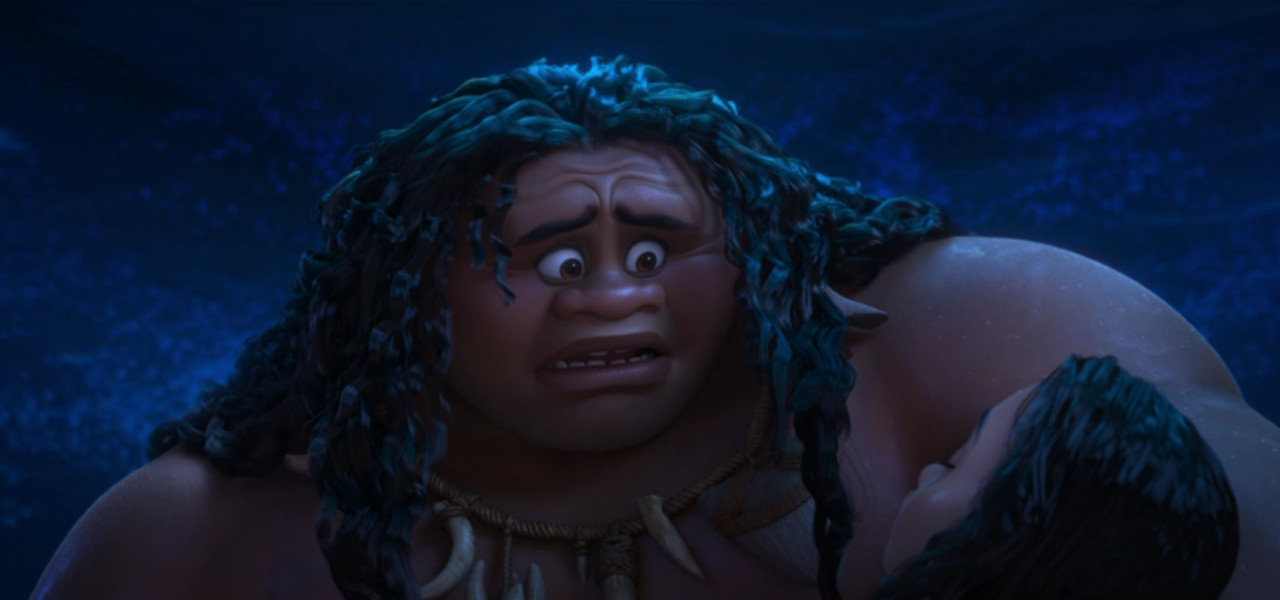
Pictured at top: Moana 2