.png)
‘Real Life Isn’t That Dramatic’: Director Xu Zao On Virtual Escapism In ‘Light Pillar’
Stay informed with free updates
Sign up to get our news digest — delivered directly to your inbox twice a week.
Light Pillar was one of the most unique and intriguing offerings in this year’s Berlinale slate. A 2D-animated magical realist fable about cinema, deep space, and the unavoidable advance of time and technology, the film marks the feature debut of Chinese writer-director Xu Zao, a creative equally fascinated by live-action filmmaking and animation.
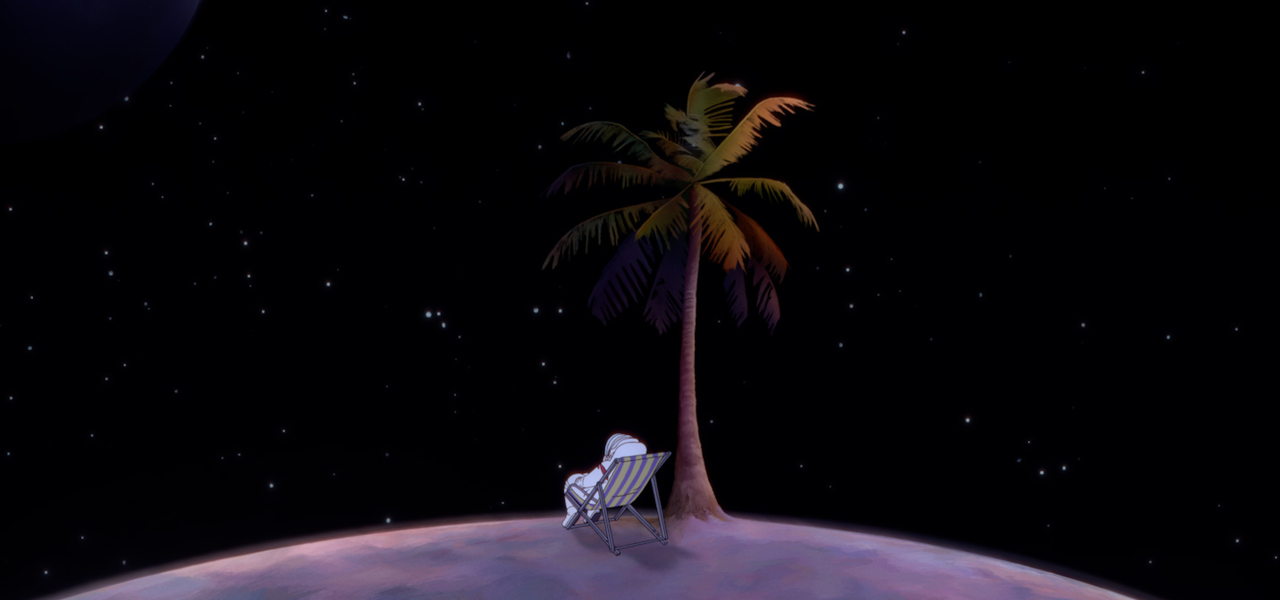
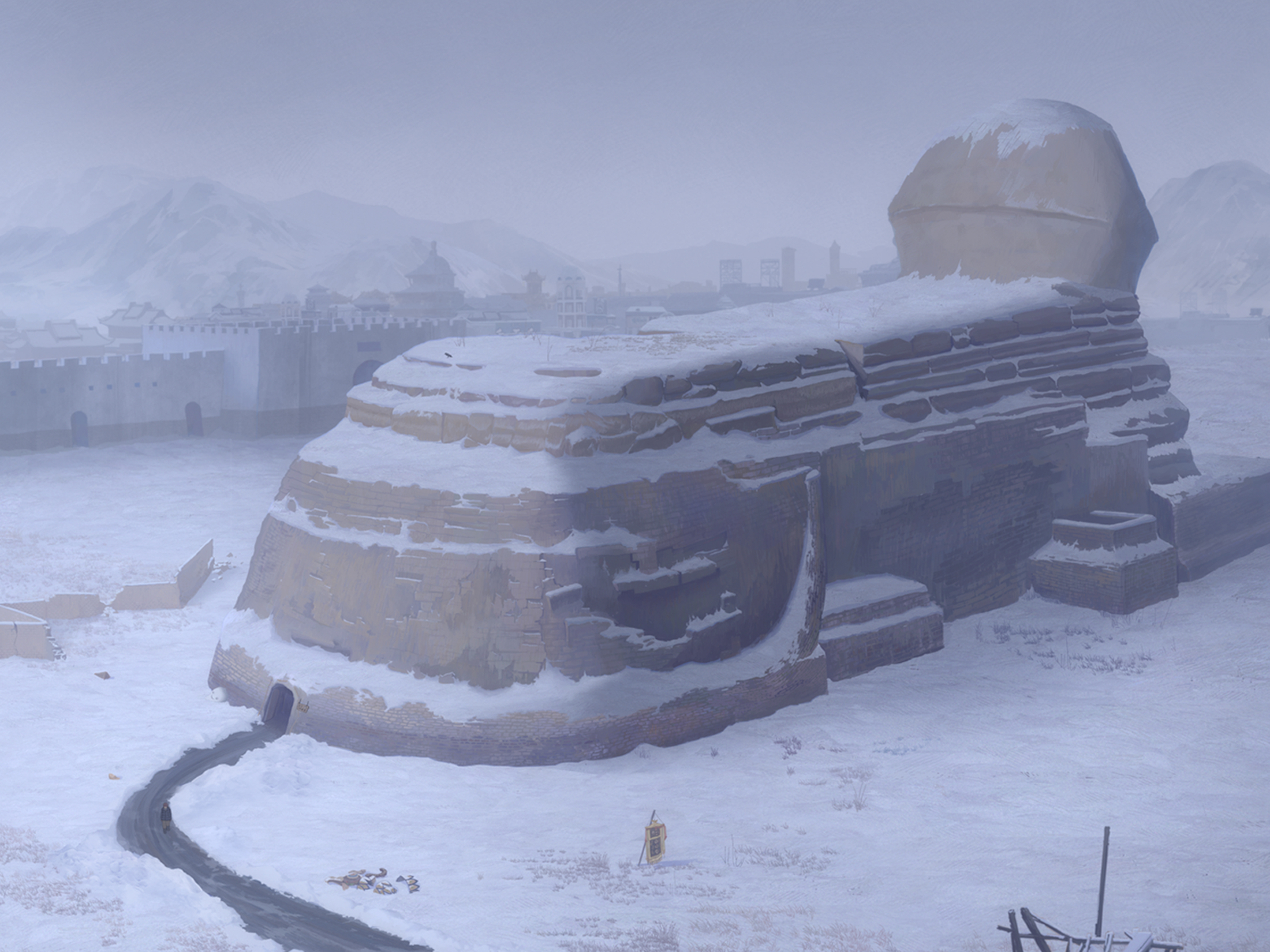
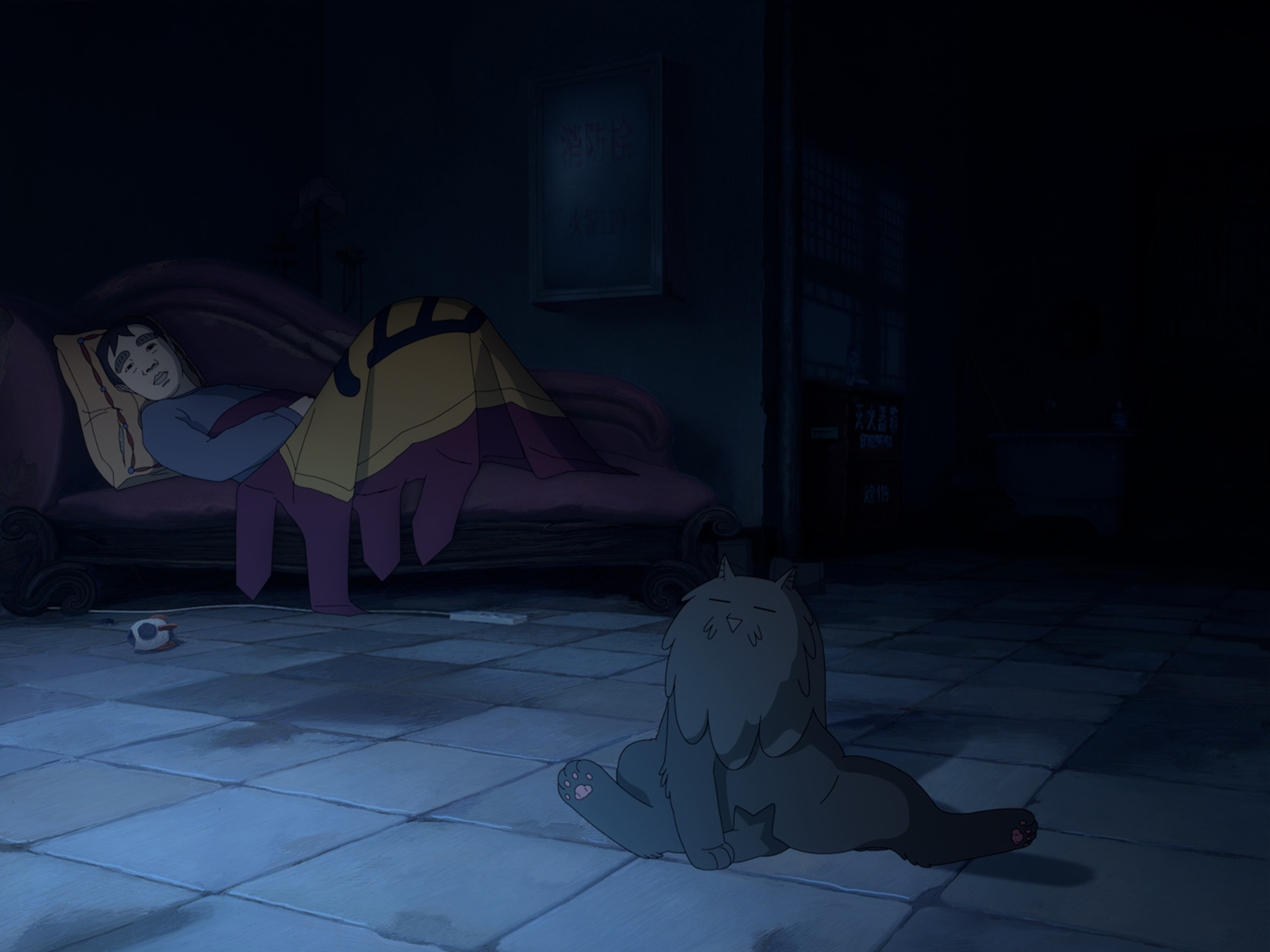
In a speculative future where space travel has become reality, solitary janitor Zha tends to the remains of a once-thriving film studio. Gifted a VR headset by the company, he finds himself drawn to a female player who suggests they take a trip to the moon together. Back in reality, the lot lurches into life once more for an alien invasion film shoot — until the real thing crash-lands in its place.
Light Pillar features a curious inversion of “fantasy” and “reality,” in which the fantasy world protagonist Zha views through his VR headset is captured through live-action cinematography. But the director tells us this choice was largely driven by budgetary considerations.
A few days after Light Pillar premiered at the Berlinale, Cartoon Brew sat down with writer-director Xu Zao to discuss the genesis, influences, and aspirations behind his debut feature. Producer Yue Huang joins us to interpret and to offer a few words of his own.
Cartoon Brew: What sparked the idea for this film? What was its first seed?
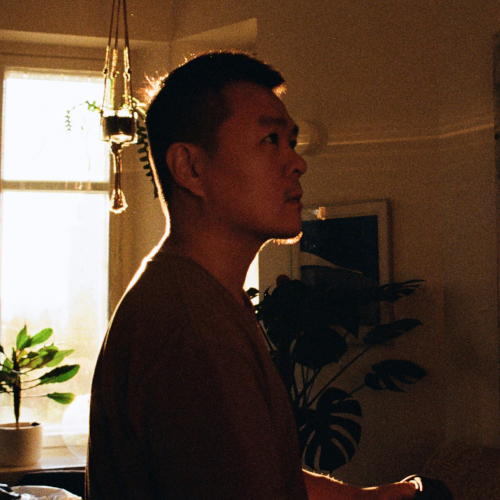
Xu Zao: Three things sparked this film. The first was a news story about an adult who was scammed by a child. It felt a little too simple to build a film around on its own, so I added my own experiences to the mix. I used to work as a production designer, traveling to many different film studios in China — so the protagonist of this film is a janitor at a film studio. The third thing is my cat. I really love my cat, so I added a cat character.
What films and filmmakers influenced your approach? I thought of live-action films such as The World by Jia Zhangke, Qiu Jiongjiong’s A New Old Play, and animated features like The Triplets of Belleville.
Both Jia Zhangke and I hail from the north of China, so perhaps we share a certain feeling toward cities because of that shared background. Qiu Jiongjiong is also a painter, so perhaps we have an affinity for taking great care with the content of our images and backgrounds.
(Yue Huang notes that he was one of the producers on A New Old Play)
I’m a big fan of Sylvain Chomet, especially his film The Illusionist. I like that his style is not realistic, yet his stories are grounded in reality. Another director I love is Jacques Tati — perhaps that humor shines through in this film. There’s also Li Hongqi, an older-generation independent filmmaker in China. His film Winter Vacation screened at Locarno. If you look closely, one of the background characters is based on Li Hongqi.

Did you initially want to be a live-action filmmaker, or was animation always your goal?
My initial plan was to be a live-action filmmaker. I had the story mapped out for my first short film, but for various reasons, I couldn’t put it into production. So I storyboarded every frame, and that storyboard eventually became my first short instead. Through that process, I discovered that animation suits me better, because I can keep changing and improving it until it matches what I see in my mind’s eye. There’s also a lot that animation can achieve that live-action cannot.
Light Pillar started as an animated film. The live-action portion only came in when I began thinking about how to present a virtual reality world. Live-action contrasts interestingly with animation, so it felt fun to approach it this way.
Much like Robot Dreams, this is a gently paced, visually driven narrative. It doesn’t rely heavily on dialogue, and in that sense, it feels like a very pure form of cinema. Could you elaborate on that approach?
I really admire Robot Dreams. I even read the original graphic novel. For this film, I wanted to use images rather than dialogue to move the narrative forward. When you pay too much attention to dialogue, you focus primarily on the characters — but when there is very little dialogue, you pay attention to everything on screen. I feel that the film studio itself, the background, is equally a character in this film.
Tell me about blending live-action with animation in the film. You invert fantasy and reality — live-action is what the protagonist sees when he puts on a VR headset, while animation represents his real life.
There are several reasons for this reversal. The film started as animation, and live-action provided a strong, direct contrast. Within the story, it’s because the janitor’s life is very boring and flat. In the live-action sequences, I shot handheld to make that world feel more lively. The virtual reality world, meanwhile, is very clearly laid out — like a video game. It has direction and tasks; you always know where to go next. Live-action is less abstract and more physical, and just like virtual reality, it operates according to clear rules.
Live-action was also far more efficient. The twenty minutes of live-action in the film took only four days to shoot, while the remaining seventy minutes of animation took a year and a half. So it saved us both time and money. Animation, meanwhile, can capture all kinds of styles and all kinds of feelings. It’s a very inclusive medium.
What do you want audiences to take away from the film when they leave the theater?
I didn’t want to make a tearjerker, and I didn’t want to make it overly sentimental, because real life isn’t that dramatic. I spoke with some audience members after the screenings here, and what seems to move them the most is the relationship between the protagonist and the cat.
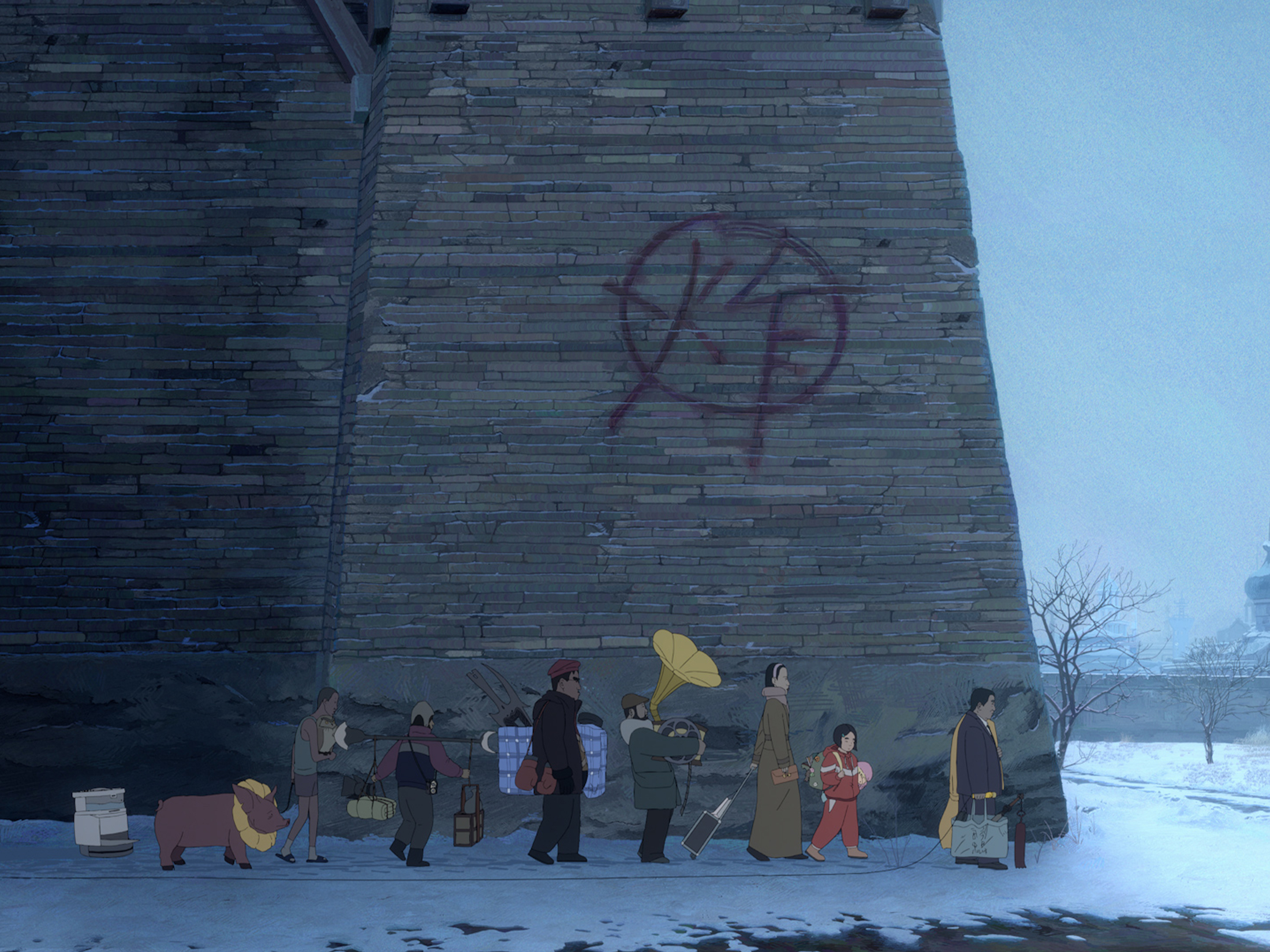
One of the key messages of the film for me is the transformation the film industry is facing. Ultimately, in the film, the studio is destroyed by stone blocks. Beyond the story itself, that idea isn’t limited to the film industry. All industries face their own stone blocks — obstacles that hinder development. We need to overcome these obstacles, or they will eventually destroy us.
Light Pillar premiered at the Berlinale in the Perspectives section.