.png)
‘Papaya’ Director Priscilla Kellen On Teaming With Alê Abreu, Motherhood Misconceptions, And Keeping Things Simple
Stay informed with free updates
Sign up to get our news digest — delivered directly to your inbox twice a week.
The last year has been a historic one for Brazilian cinema, with the country earning its first-ever Oscar with Walter Salles’s moving drama I’m Still Here, then landing a whopping four nominations in the following edition of the awards with Kleber Mendonça Filho’s Cannes-winning The Secret Agent.
A full decade ago, however, another Brazilian film made history at the awards: Alê Abreu’s The Boy and the World, the country’s first nominee for Best Animated Feature.
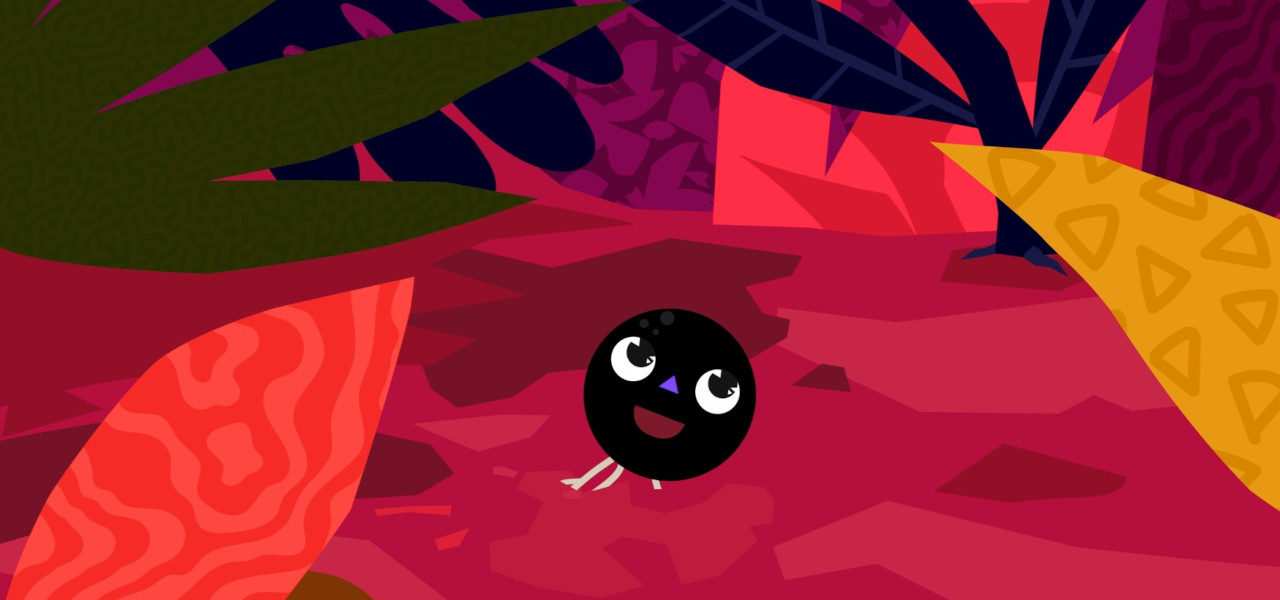
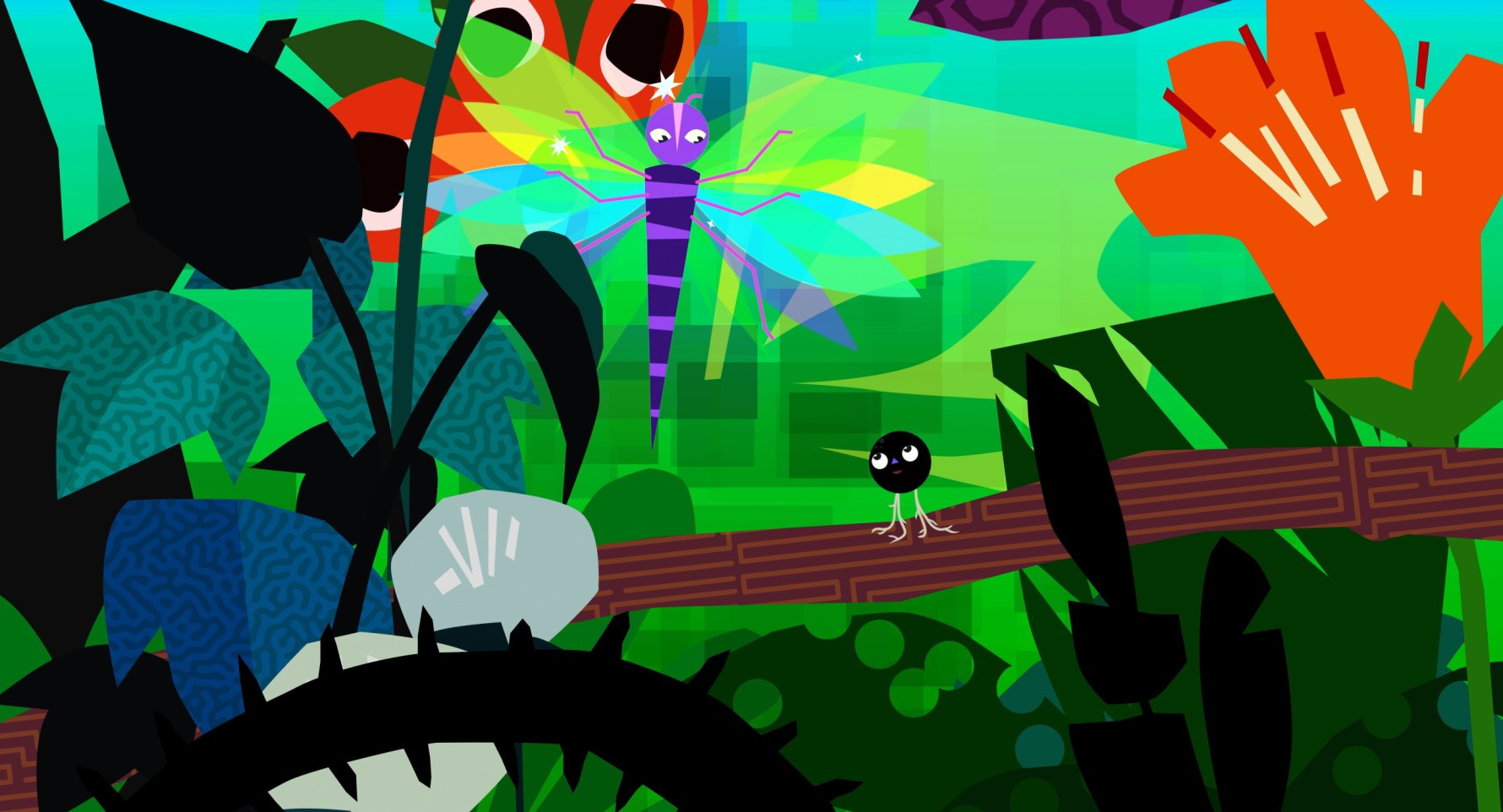
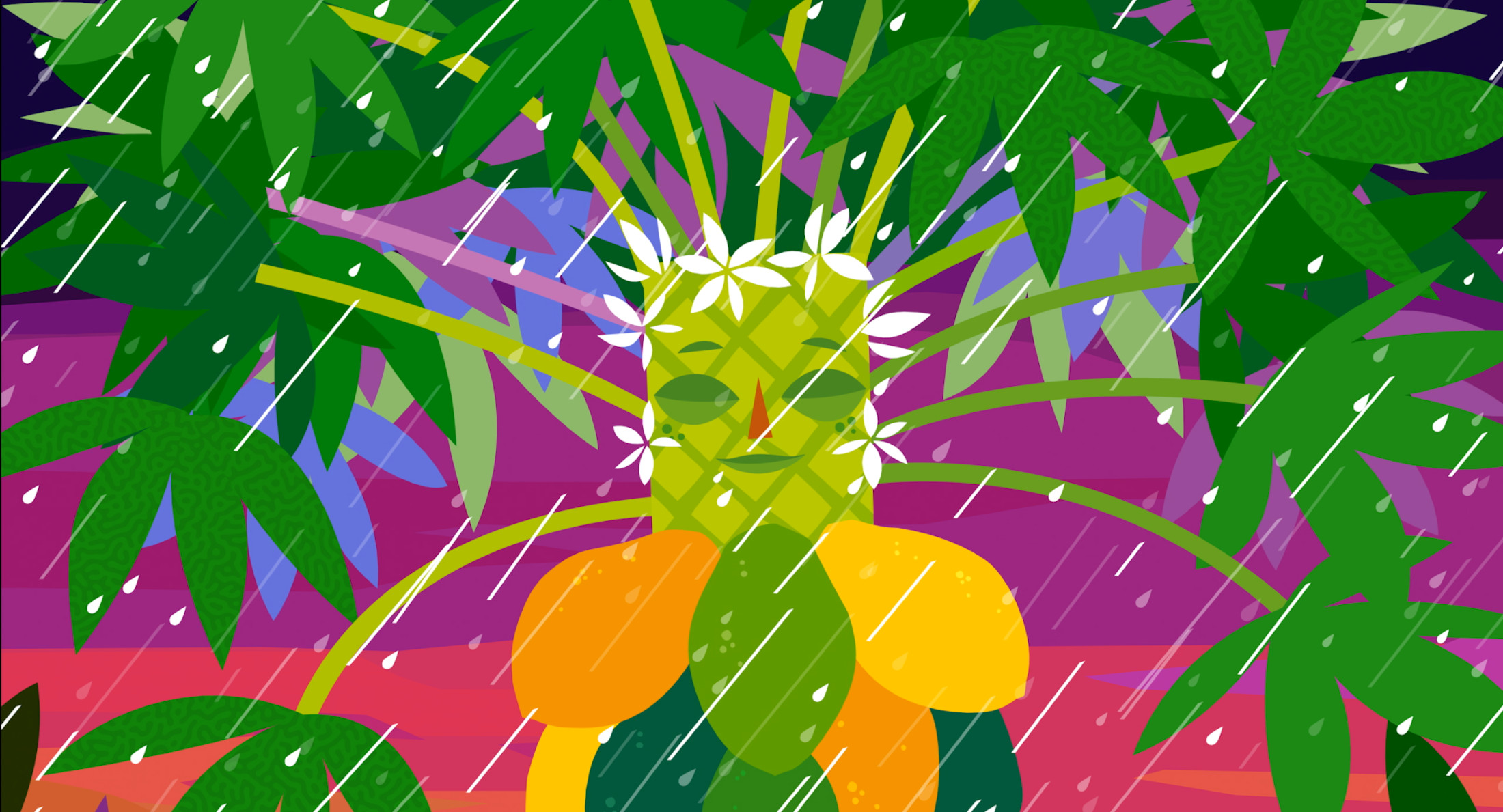
At this year’s Berlinale, Brazilian animation reaches another landmark moment: Priscilla Kellen’s Papaya is the first animated feature selected at the A-class festival. Abreu, who had Kellen as his assistant director on The Boy and the World, serves as the artistic supervisor on this charming, dialogue-free film about a tiny papaya seed flying away from its mother on a journey through the Amazon forest to avoid rooting. This rebellious desire for freedom sees the seed embark on a perilous journey, with Kellen building an eco-driven, moving allegory about the power of ancestry and belonging.
Cartoon Brew sat down with Kellen ahead of the film’s Berlinale screenings to discuss the long journey toward her directorial debut, how motherhood affected the film, and the lasting impact of her work alongside Abreu.
Brussels-based Best Friend Forever acquired international rights to the feature following its buzzy world premiere at the Rio Film Festival late last year.
Cartoon Brew: The Boy and the World marked a great moment not only for Brazilian animation but also for Brazilian cinema internationally. Now, over a decade later, there is another historic momentum for your national cinema. How do you feel about the role The Boy and the World played in that visibility?
Priscilla Kellen: We were running against major studio productions like Inside Out that year, and we felt we were competing as equals. The Boy and the World has a very particular and precise way of looking at cinema, using animation as a technique but embodying a language similar to that of our Cinema Novo, which was a great inspiration for Alê at the time. I think the film sparked a general curiosity about our national cinema, too.
And how do you take the temperature of the Brazilian animation industry today?
Our visual repertoire is a great mix these days. Everything feels very fluid, especially as artificial intelligence becomes more commonplace. There are times now when we don’t even know what we’re looking at. I think the line between live action and animation is becoming more and more tenuous. We are seeing live-action films that rely heavily on graphics and animation, and more animated features adopting classic live-action languages. I find this very interesting. I think it’s a very rich moment of possibility, and it has made me much more curious about how much I can convey through format alone. I am currently in the early stages of developing a project that will blend both techniques.
How did Papaya first come to be?
My life revolves around observing nature. When I first began developing Papaya, I had just moved to a place fully immersed in nature and had become a mother for the first time. I was a mother at 36, so I had already lived half my life as a free adult, and suddenly I felt rooted. I couldn’t move because I didn’t want to wake my baby up. I breastfed for a long time, so I found myself having to be still while also being confronted with the overwhelming sensorial nature of motherhood. There are a thousand new feelings and experiences a minute when you’re tethered to a child. Papaya emerged from this turbulence of feelings, along with a deep desire to pursue my first authorial work in animation after years as a graphic designer and illustrator.
Speaking about motherhood, the gendered conversation around directing can sometimes be reductive or tiresome, but Papaya pulsates with a vibrant female energy. There’s also, of course, this very present idea of Mother Nature. How important was this connection to both womanhood and motherhood in the film?
I became a mother later in life and in my career. I knew the world was sexist, but I only fully experienced that after motherhood. The world still sees caretaking as a mother’s responsibility, and I don’t believe that’s natural. I found myself looking back toward my ancestors and became very attached to the idea of roots and how plants live in a state of symbiosis. We are all co-dependent, even if capitalism constantly tells us otherwise. If all responsibility for a living being is delegated to one single person, there is a natural imbalance. In Papaya, the mother tree is part of an ecosystem of caring and nurturing, and that was an important message for me.
Working on a feature animated project while also juggling recent motherhood must have demanded very precise time management.
The project took seven years. It was never my goal to focus entirely on the film and miss out on years of my child’s life. But throughout this period, I was constantly thinking about how to tell this story as simply as possible. I didn’t have the time or the means to try out ten different avenues and techniques. Motherhood helped because it taught me to solve things quickly and without being overly precious. Another key element that helped with production, and maybe a differentiating factor in the way I work as an author and director, is that I knew from the beginning that I wouldn’t be able to take everything on. I wasn’t going to animate everything or design all the backgrounds. So I assembled a great team, and we worked very well together. The team always made a great effort to understand my drawings and concepts, even when they weren’t the clearest. We had many constructive briefing sessions, and they were open to criticism, which isn’t an easy thing.
Did you always know you wanted Papaya to be silent?
No, but I knew that because we had such a low budget, it would be far too expensive to have large amounts of dialogue because of the dubbing costs. There was also the fact that the film takes place in an imagined forest, and in Brazil, Indigenous peoples speak many languages. We could never do that justice. When I began researching references, I also fell in love with graphics like cave drawings and early forms of communication, where you understand a whole story without a single word. Lastly, I was raising a baby who couldn’t yet speak, so everything came together to make me realize we did not need dialogue for the film to work.
The film feels very Brazilian and Latin in its backgrounds and character design, as well as in its vivid, bright color work. It made me think about traditional cordel literature and Brazilian expressionism. What were some of your references?
I looked for representations of the fruit and the tree everywhere I could. I researched paintings, illustrations, and embroidery. In every single culture, there is a tradition of storytelling with lace, embroidery, and the combination of different fabrics. That’s especially true in Latin culture. On top of that, I have years of experience in graphic design and art history. I was always very drawn to Matisse, and during the research for Papaya, I became obsessed with his collages. I even briefly entertained the idea of making the film using paper collage stop-motion. In the end, I opted for this strong line with an abstract art focused on Latin America, which speaks directly to the simplicity of nature’s composition.
Another key element of the film’s sense of Latinidad is the music. How did the collaboration with famed Brazilian singer Tulipa Ruiz first come about?
Tulipa was incredible. She first came on board to play a character because, even though we had no dialogue, we wanted to use a lot of vocal expressions and onomatopoeia. Tulipa’s voice is wonderful and lends itself perfectly to long, melodic notes, so I immediately saw her as the mother papaya. After I worked on the film’s music, mixing sounds from around the world to capture the forest’s nuances, Tulipa heard it and said it needed something a little more regional to match the visuals. She then reworked a song by her father, especially for the film, which was just perfect.
You worked with Alê Abreu as an assistant director before, and now he’s a producer on your film, continuing a very fruitful collaboration. How did the switch in roles change your creative dynamic, and how important is he as a collaborator to you?
I met Alê back in 2002 and began working with him in 2003, when I was still studying graphic design. I became part of his team very organically. I first worked on background design, and then on animation, once he began developing The Boy and the World. Since then, we have worked together in different capacities, like on Vivi Viravento, but he was always in a supervisory role with final approval. This changed with Papaya. His approach was completely different, and he was immensely respectful of the fact that this was my creation, despite his decades of experience. He brought incredibly useful input throughout and helped me understand the film from a market perspective as well. It was such a generous exchange, and I love and learn so much from working with him.
This interview has been translated from Portuguese and edited for length and clarity.