.png)
‘Hoppers’ Director Daniel Chong On Translating Cartoon Logic Into Pixar’s CG Pipeline
Stay informed with free updates
Sign up to get our news digest — delivered directly to your inbox twice a week.
Pixar returns to original storytelling this week with Hoppers, the studio’s latest animated feature and the first theatrical film directed by We Bare Bears creator Daniel Chong. The sci-fi comedy imagines a near future where scientists have discovered how to “hop” human consciousness into lifelike robotic animals, allowing people to observe and communicate with wildlife from the inside.
At the center of the film is Mabel, an animal-loving young woman who uses the experimental technology to inhabit a robotic beaver and infiltrate the local animal kingdom. What begins as a scientific curiosity quickly turns into a mission: saving a fragile ecosystem from human development while navigating the chaotic social structures of the animals themselves.
Blending environmental themes, broad cartoon comedy, and high-concept sci-fi, Hoppers represents Pixar’s latest attempt to balance its slate of franchise continuations with new ideas. The film has blown away audiences during early screenings and is projected to have a massive opening weekend after it releases wide on Friday.
Cartoon Brew recently sat down to speak with Chong and producer Nicole Grindle about the challenges of translating cartoon logic into CG, developing the film’s distinctive animation language, and why beavers became the unlikely heroes of the story.
Cartoon Brew: What were some of the biggest challenges moving from television animation to directing your first theatrical feature?
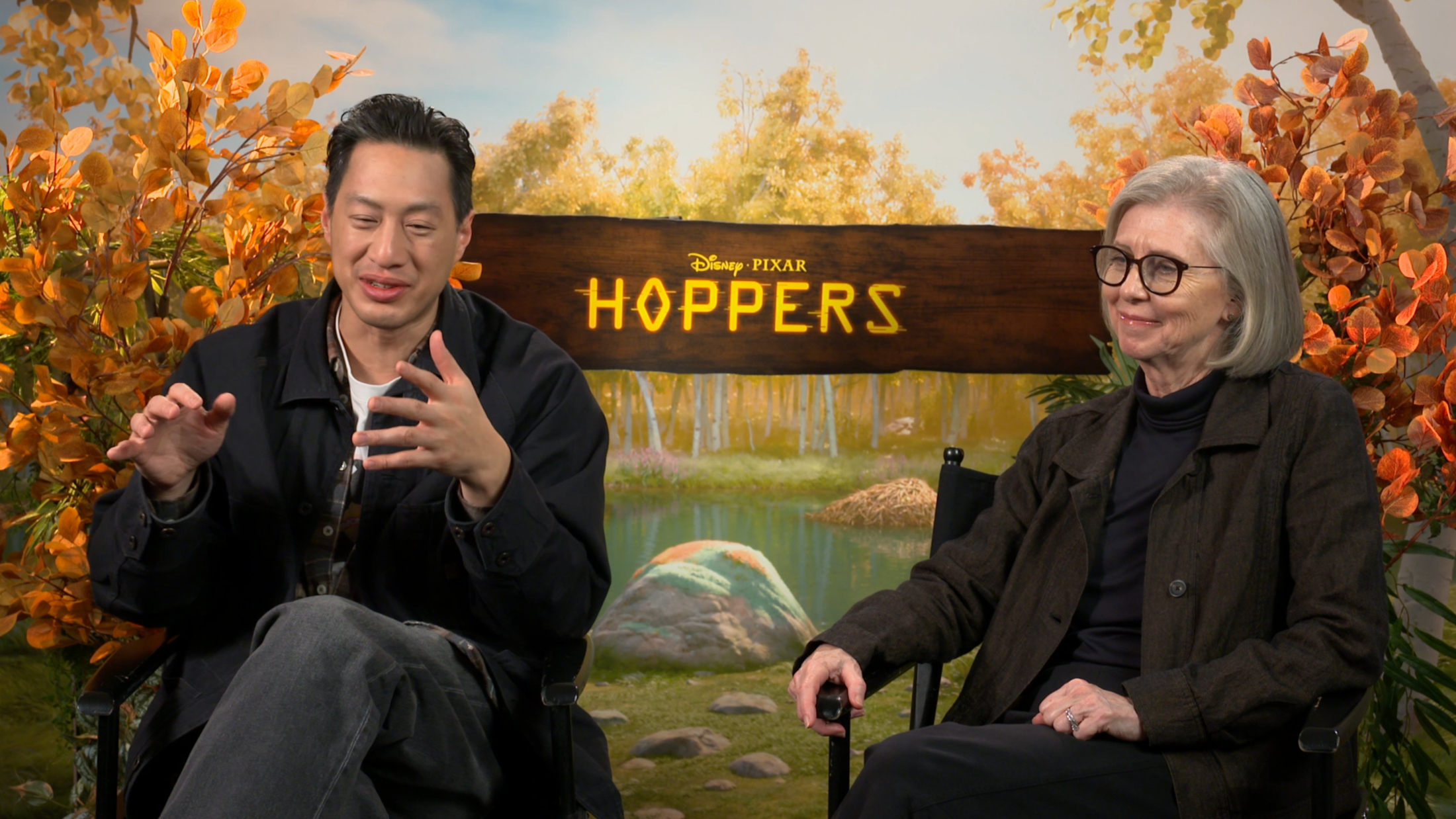
Daniel Chong: One thing you learn very early on is that when I was making my TV show — these eleven-minute episodes for We Bare Bears — you can make a little story mistake here and there and the audience will forgive you. It’s a short episode; they can get through it.
In a movie, if you make a wrong turn or a wrong story point early, no one wants to watch your movie. People will not forgive you. So the challenge is getting people off on the right foot and really grabbing them and connecting with them for a long period of time. That took a lot of editorial work and story development.
The other big part was the CG element. On Bears we storyboarded and the final animation pretty much looked like the boards moving. But when this movie went from storyboards into the computer, it was a totally different leap. It had to be cinematic. Characters look different, and they feel different when they move. You have to figure out what your taste is in this format; what looks funny in the framing when you see every dimension of it.
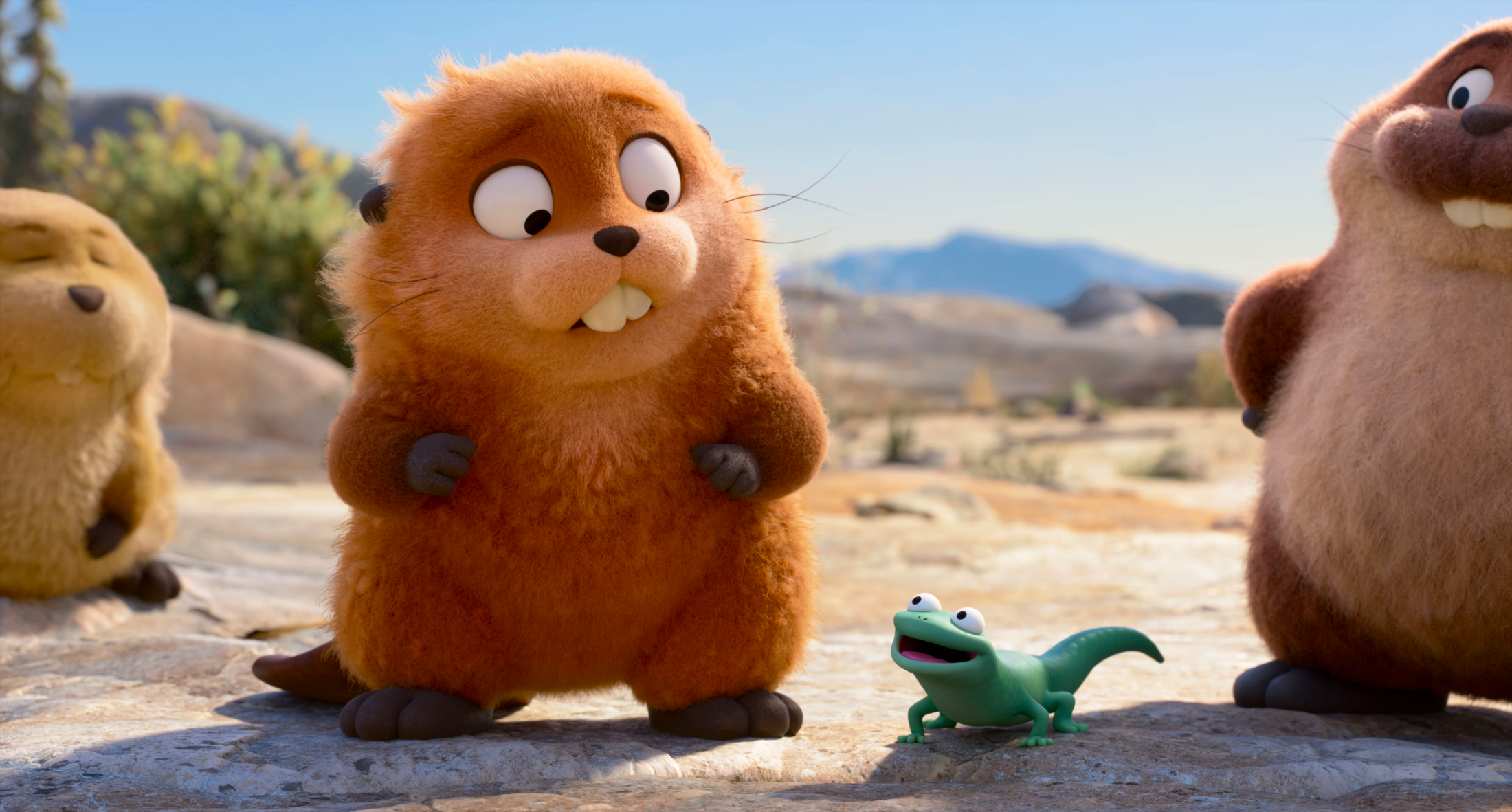
Cartoon Brew: That’s a great segue to my next question. This film feels unusually cartoony for CG. How did you approach translating that sensibility into Pixar’s pipeline?
Nicole Grindle: One of the first things I noticed when we were looking at the boards was that the hardest thing was going to be translating them into CG. The boards were incredibly funny, but in a way that wouldn’t necessarily translate directly.
Many of the animators were coming from films like Inside Out 2, which have a different aesthetic. It took time to tune the team to Daniel’s style, which relied on very pose-to-pose animation rather than smooth arcs. It was cartoony in a way that was a little bit antithetical to some of the work people had been doing previously. But once everyone got it, it became incredibly funny, and the team embraced it.
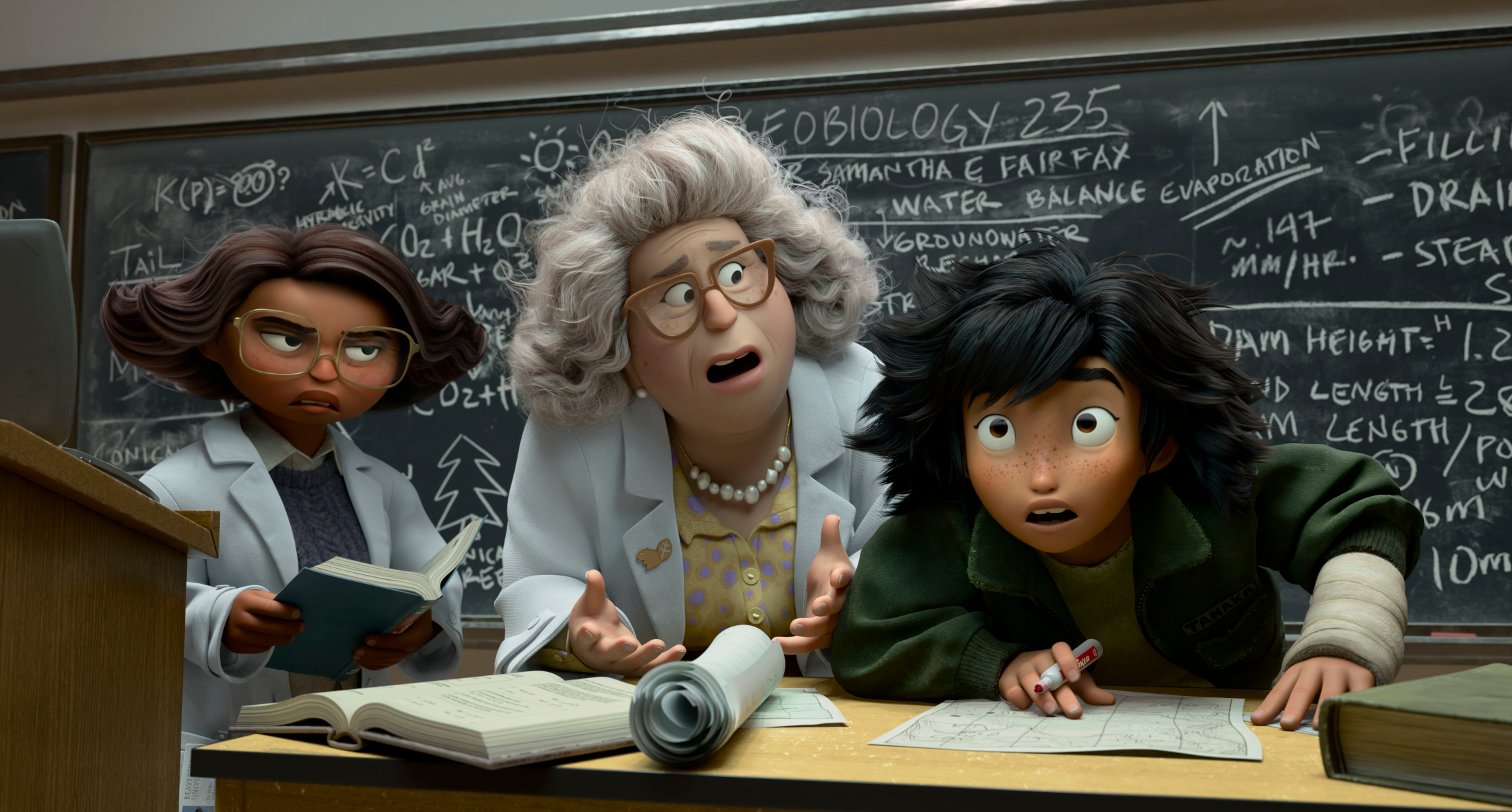
Daniel Chong: The animation team also taught me something important. Alon Winterstein (animation supervisor) broke down different Pixar films and showed how each one has its own animation language. You might not think about it when you’re watching, but every movie treats physics and character movement differently.
That opened my eyes to how many directions we could go. I was pulling inspiration from Aardman, from different Pixar films, from all over the place, and slowly building our own language through trial and error.
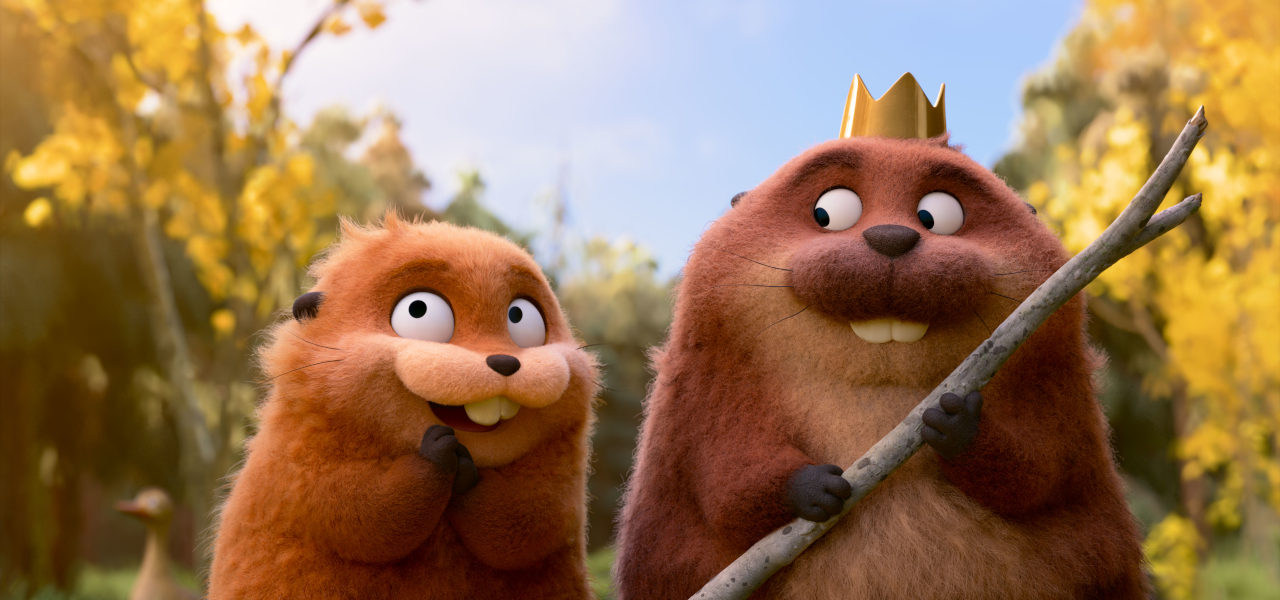
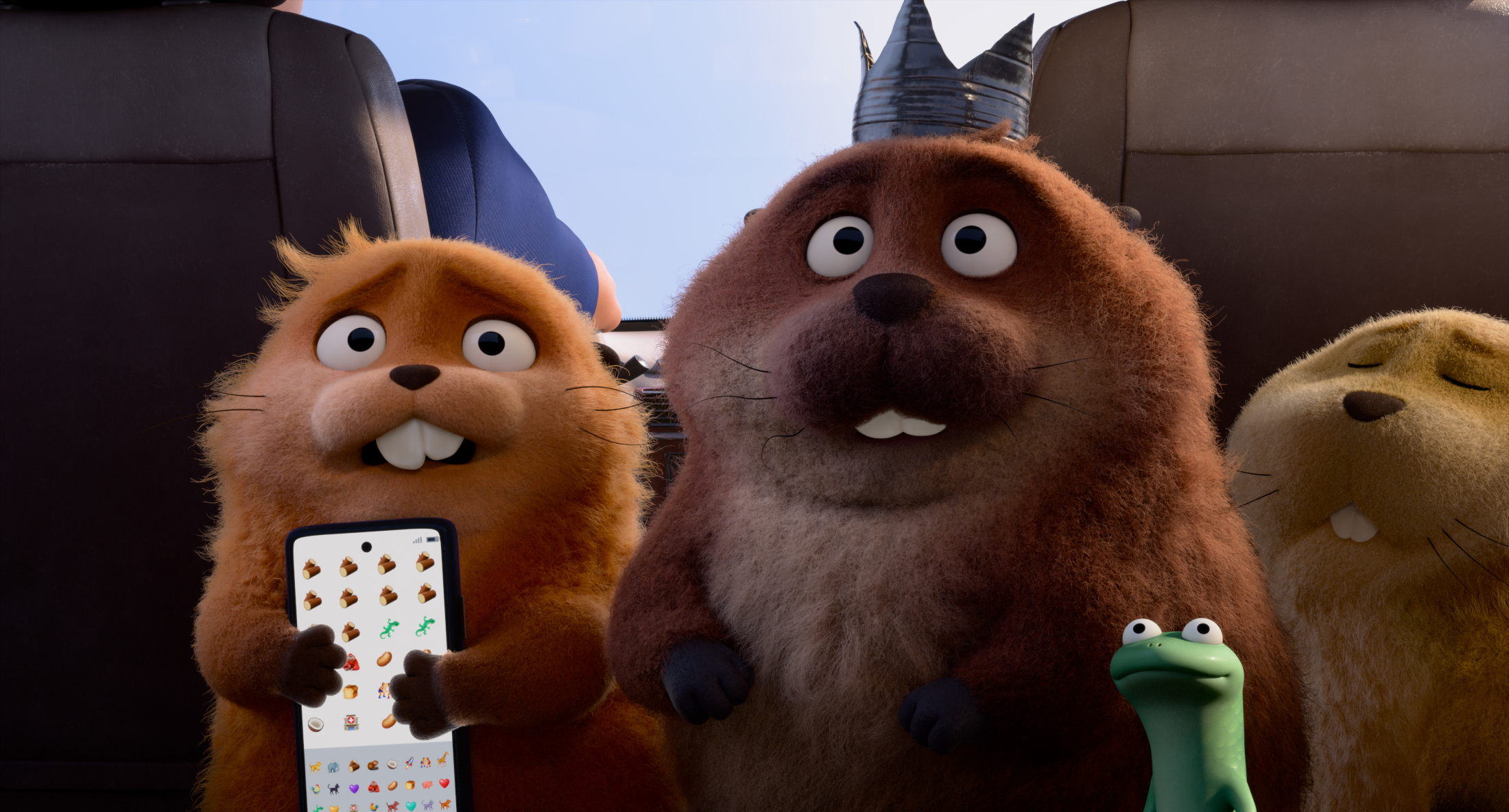
Nicole Grindle: Even the eyes are different. They’re not the traditional Pixar eyes. It was almost a step backward technologically, but they ended up being more expressive for the kind of storytelling we were doing.
Cartoon Brew: Speaking of the eyes, the film also uses different character facial designs depending on whether we’re seeing animals from the human world or from inside the animal world.
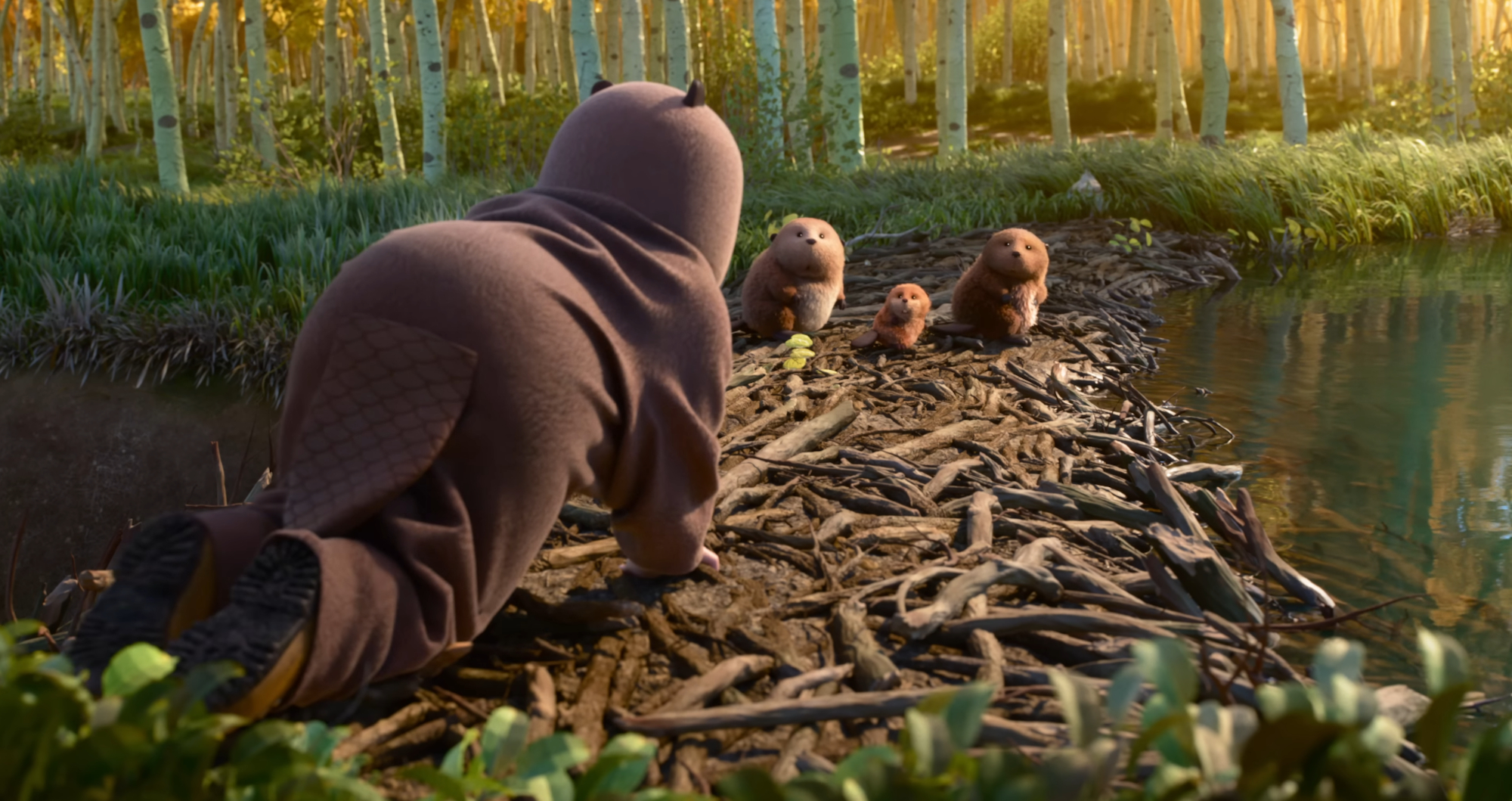
Daniel Chong: We knew early on that we needed to show what it feels like to “hop,” and the characters were the best way to do that. In the human world, the animals look more realistic. When you hop, they become more cartoony.
We even talked about making the backgrounds different, too, but that became too complicated. The characters carried the idea well enough on their own.
Nicole Grindle: It also ties into the theme of empathy. When you get to know something, you start to see it differently.
Cartoon Brew: The movie is full of cinematic references and tonal shifts. What were some of your influences?
Daniel Chong: One unusual reference was early Tim Burton films. We looked at movies that felt very staged — what we call “stage lighting” — where the lighting doesn’t always make logical sense.
For example, when the council arrives in the film, the lighting is pushed in a way that feels theatrical. It almost looks like a stage.
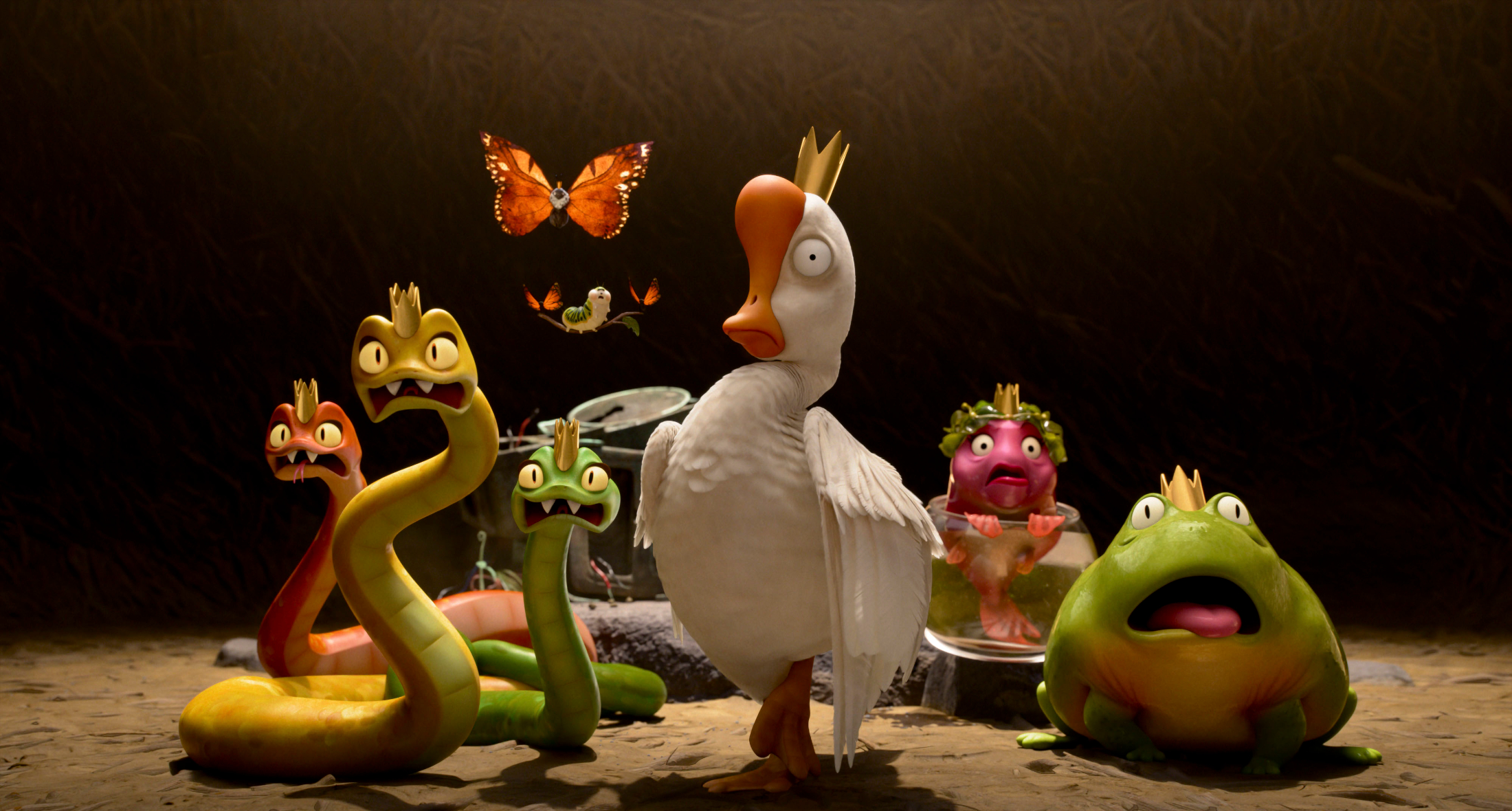
I also love movies where the tone is hard to pin down. Films like Gremlins or Beetlejuice that can be funny, scary, sad, and surreal all at once. I wanted those things to coexist in the same movie.
And then we’d have action scenes that feel almost Mad Max-level intense, but with cute animals. That contrast felt really fun.
Cartoon Brew: Hoppers also incorporates real science about beavers. How important was that element?
Nicole Grindle: Very important. We genuinely love beavers. They play a huge role in ecosystems, especially in areas affected by wildfires.
Our scientific consultant, Dr. Emily Fairfax, showed us how beaver-built wetlands can actually stop fires. When a fire sweeps through an area, sometimes the only green spots left are the places where beavers created wet ecosystems.
She also helped us with lots of details about how beavers build dams, how they swim, and even how they sit on their tails. Those details helped ground the story.
Daniel Chong: Animation is always about balance. The medium allows you to do anything, so people expect surreal things. But grounding parts of the world in real behavior adds depth. For us, the beaver side of the story was the grounding.
This interview has been edited for length and clarity.