.png)

First Look: Sámi-Swedish Director Oskar Östergren Njajta On Bringing Sámi Culture To Global Audiences In ‘Saajve’ (EXCLUSIVE)
Stay informed with free updates
Sign up to get our news digest — delivered directly to your inbox twice a week.
The Nordic-Baltic animation industry is the gift that keeps on giving. After learning about Little Amélie co-director Liane-Cho Han’s new project, audiences at the Fredrikstad Animation Festival got an exclusive first look at Saajve, an upcoming feature by Sámi-Swedish director Oskar Östergren Njajta.
An adventure inspired by Sámi fairy tales, the story follows two siblings, Bräjta and Aanta, as they journey to the parallel world of Saajve and uncover the secrets of this spirit realm. There, the young heroes are given a mission: they must save Saajve by retrieving the goddess Uksahka, who maintains the balance between this magical world and their own.
A Swedish-Norwegian co-production led by Swedish producer Bauta Film and Norwegian co-producer Krystallplaneten, Saajve marks Njajta’s animated feature debut, although he has directed and produced several live-action films since the early 2000s.
At Fredrikstad, where Njajta unveiled new visuals and animatics for the project, slated for release in 2027, Cartoon Brew spoke with the director about what it means to lift the veil on Sámi culture through animation.
Cartoon Brew: What compelled you to tell this story through animation?
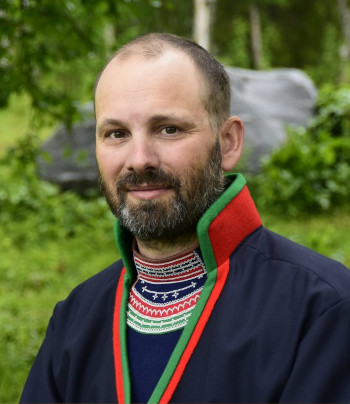
Oskar Östergren Njajta: It comes from the heart. Being Sámi, I grew up with these stories — local and family tales, as well as myths and legends that shape how we, as a people, interact with nature and the spirits that surround us. It’s part of everyday life, and for me, animation was the best way to share this with young audiences and allow them to feel seen and represented on screen.
It all started back in 2015, when I first envisioned Saajve as a TV series. But the financing system in Sweden (at least at that time) favored features, so we decided to adapt it into a feature film instead.
Sámi people were only officially recognized as an Indigenous group in Sweden in the late 1970s. Would you say this film is part of an effort to shine more light on Sámi history and culture?
I think Sámi people share the same struggles as many minorities who’ve been colonized. In our case, colonization and oppression were most intense during the 1900s, so it’s quite recent—and still fresh in memory. Sweden was very active in trying to make the Sámi language and culture disappear, but they didn’t succeed.
As I mentioned, this project started in 2015 when I attended a screening of the very first South Sámi feature film, which I co-produced. It was part of the centennial celebration of the first Sámi protests in Sweden. The cinema was packed with people discovering their culture on screen for the first time, and that was a really powerful moment. I told myself: I want the younger generation to see themselves not as being looked at, but truly seen in a story from their own point of view.
At the same time, such stories can connect to others. I believe that if you create something sincere for a small, close-knit community, that story can travel and resonate worldwide.
Can you tell us more about your visual approach?
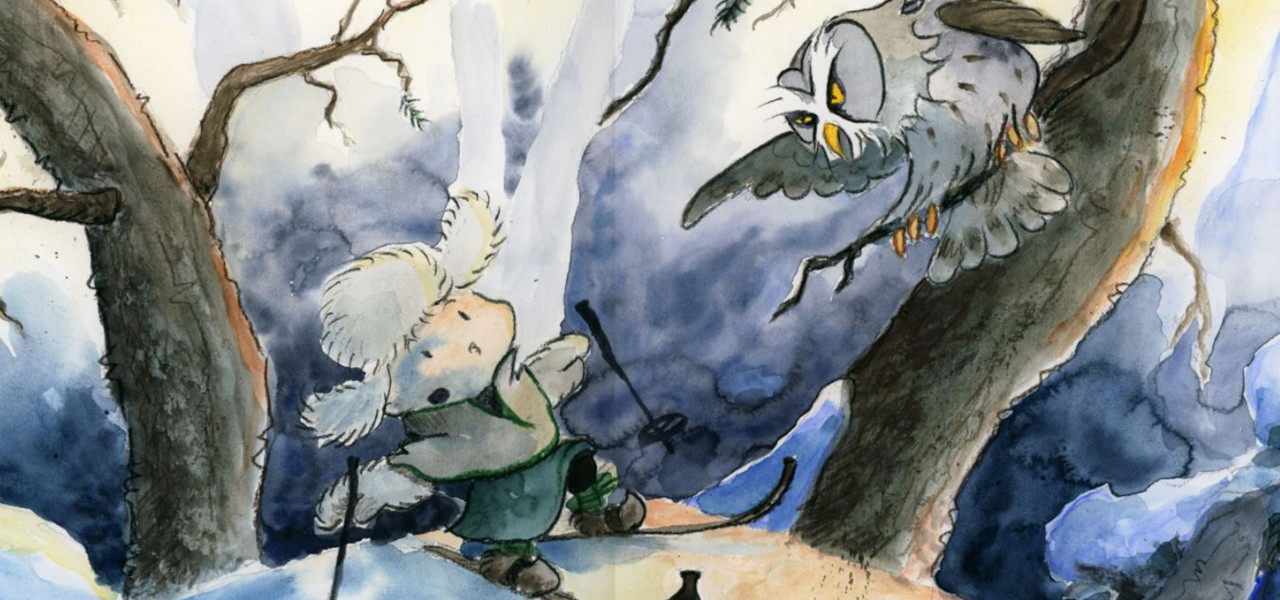
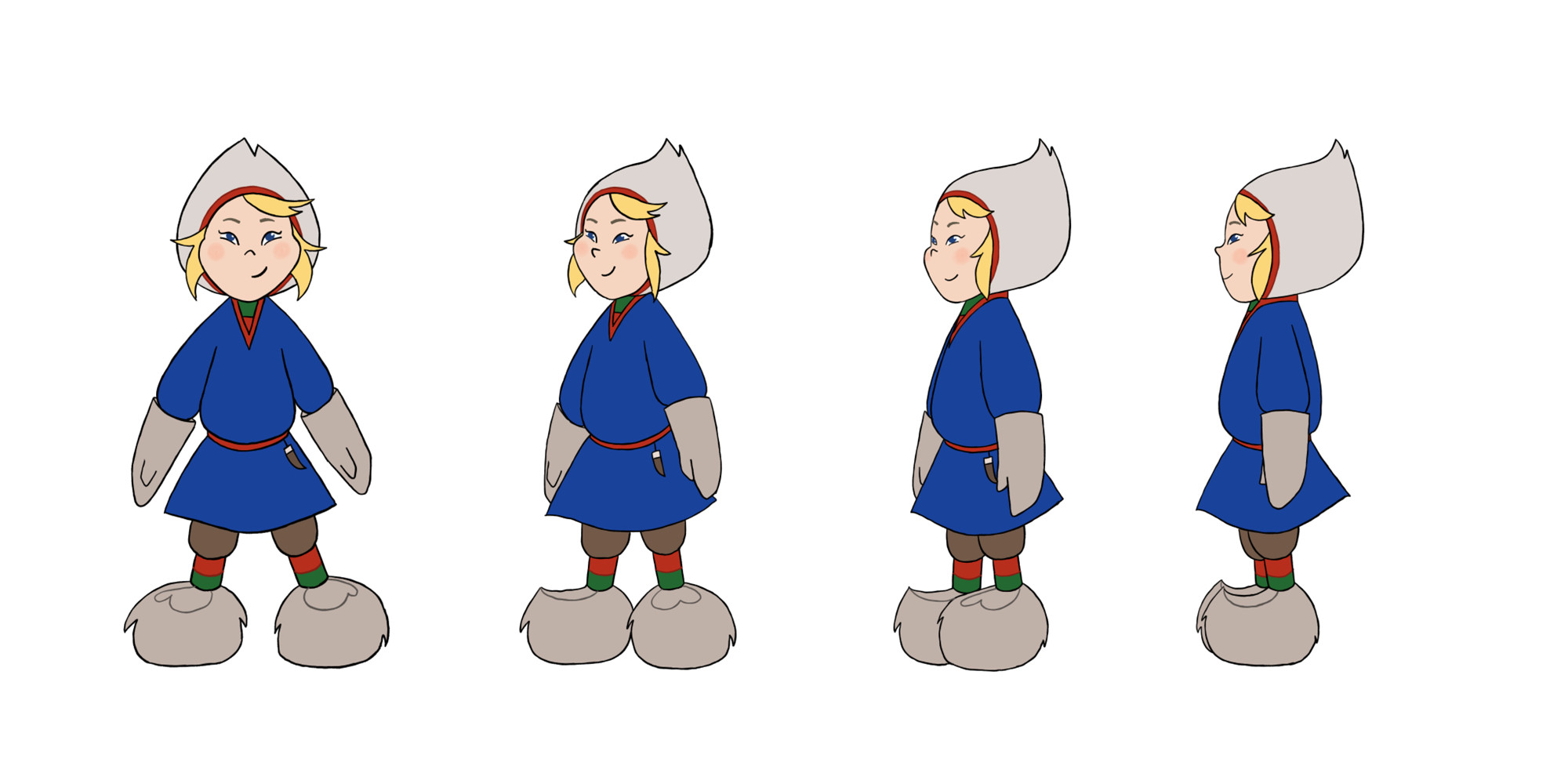
It’s important to understand that there’s no such thing as a Sámi animation industry. I’m the writer and director of the project, but we had to look beyond our small team to make it happen. The core concept art and visual development were created by my brother, a talented painter and illustrator who works with pen, pencil, and watercolor in a very analog way. He developed the style for both the characters and the worlds they inhabit, while collaborating with me on the mechanics of this universe and the personalities of our protagonists.
Digital artists then translated that work to help us craft a feature blending rigged characters and hand-drawn sequences.

How did Sámi imagery and heritage influence your designs?
In Saajve’s world—just as in Sámi fairy tales—birds play a major role, as they’re the only ones able to travel freely between the human and spirit realms. It was very important for us to infuse their design and animation with that symbolism.
For example, our villain Crow works in cahoots with the evil giant Stalloe, a well-known Sámi fairy tale monster who, by the way, will be voiced by veteran actor and director Peter Stormare.
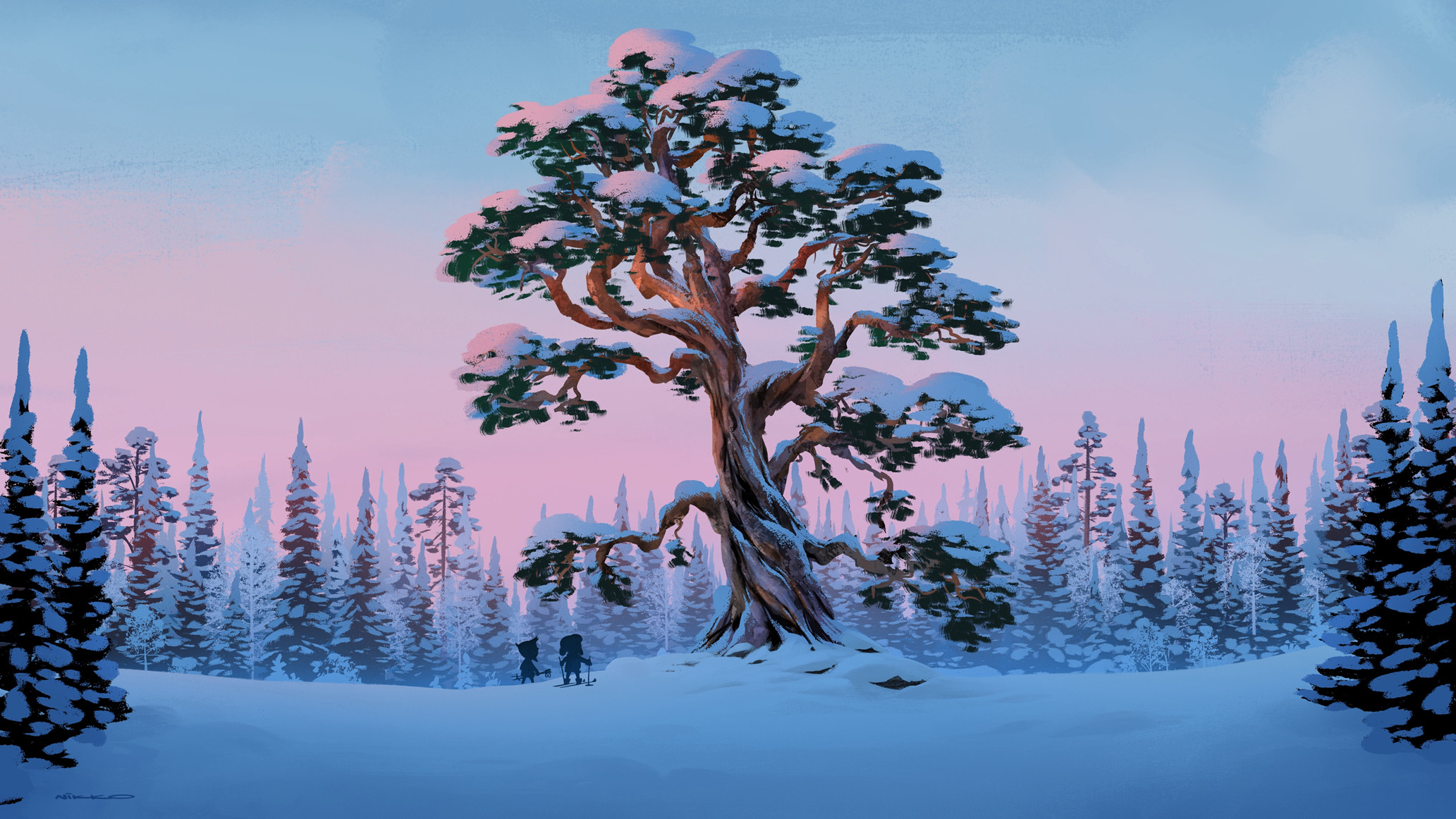
Beyond that, it was crucial for us to recreate the same atmosphere Sámi children experience in our regions—the unique shapes of the trees, the pink and purple skies. For the spirit world of Saajve, we drew inspiration from Sámi folklore and the flora and fauna of Lapland to craft a mythical realm. Patterns from traditional Sámi clothing also influenced the film’s designs, and our characters wear outfits made of reindeer fur. These details are important to us—they add realism and authenticity.
Finally, for those familiar with Sámi symbols, the film includes cultural references like the shape of the drum, which plays a big role in our heritage. These layers add depth for those who recognize them, without alienating younger viewers.

What about the soundscape and music?
That’s one of the areas we’re developing right now. With the first version of our animatic, we’re editing and creating the soundscape and score with our composer. I’m very happy he joined early on—we already have our main theme, which helps shape the film’s tone and atmosphere.
We want the film not only to feel like nature, but to sound like it. We’ve recorded many natural sounds that we’ll blend into the soundtrack to give the project a deeply organic feel.
What’s next for Saajve?
We’ve already created a six-minute short, essentially an animation test to show partners the project’s potential. Now, we’re expanding it into a 65–70-minute feature aimed at a slightly older audience. We plan to animate and post-produce the film in 2026 between Sweden and Norway, with a premiere set for 2027.
The final budget is estimated at €2.3 million, with a hybrid pipeline of hand-drawn and rigged animation. Production is financed, and we’re now seeking international sales agents, broadcasters, and distributors in Europe and beyond to join us and help elevate the final look of the film.
In 2026, we plan to showcase the project at as many markets as possible and host several works-in-progress sessions to spread the word about this singular Sámi film. So, stay tuned!