.png)
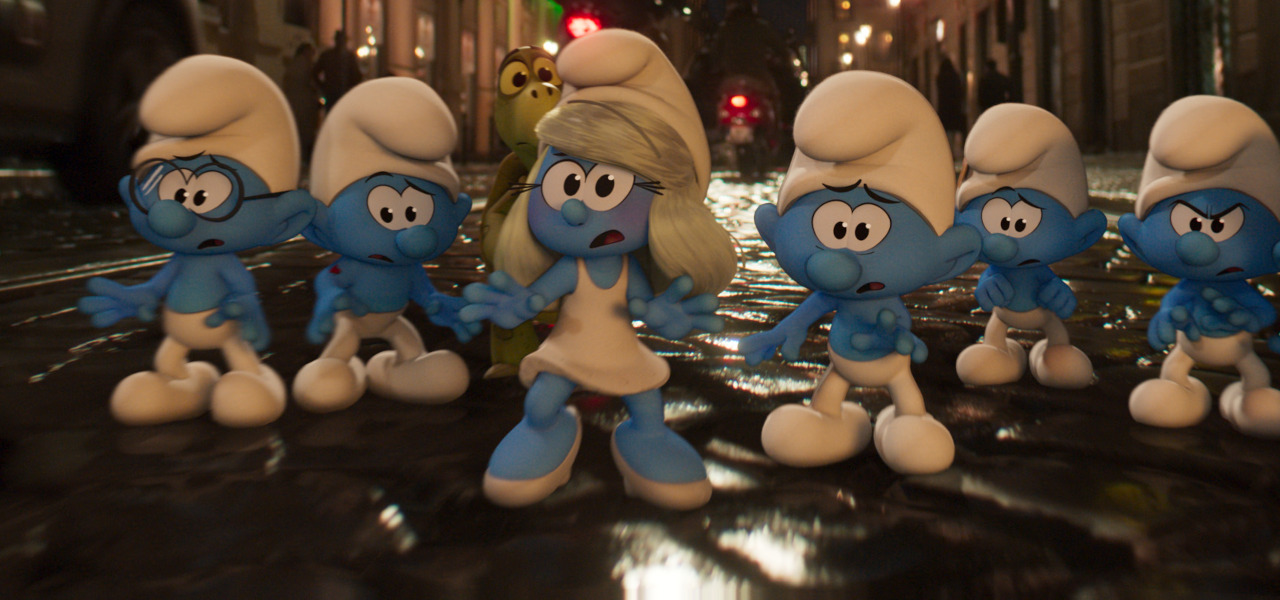
‘Smurfs’ Marks Cinesite’s First End-To-End Animation And VFX Production, And A Return To The Classic Peyo Aesthetic
Stay informed with free updates
Sign up to get our news digest — delivered directly to your inbox twice a week.
Cinesite’s summer carried a blue note this year, as the animation and VFX studio helped bring the Smurfs back to the big screen — this time with Paramount Animation.
Paramount, already collaborating with Cinesite on other projects, decided early on to commission the company for this production. It was a major step up for the teams across London, Montreal, and Vancouver, who, for the first time, were involved in every aspect of a feature-length, mostly animated production.
The new Smurfs film, directed by animation veteran Chris Miller (Shrek the Third, Puss in Boots), was first showcased at Annecy, premiered in Brussels in late June, and opened wide on July 18. Today, it landed on Paramount+.
This fourth feature iteration once again blends animation and live action while retaining the integrity of Peyo’s comic book style and tone.
Ahead of the film’s digital release on Paramount+ and streaming platforms worldwide, Cartoon Brew spoke with Chris Kazmier, VFX supervisor and a key member of the Smurfs’ Cinesite crew, for an in-depth look at the making of this hybrid film — a perfect match for Cinesite’s versatile approach to digital storytelling.
From Arizona to Vancouver: A Smurfy Animation Trail
Kazmier, who began his animation career at Fox Animation on Anastasia, went on to PDI/DreamWorks and later Sony Animation, where he worked on hits such as Shrek, Hotel Transylvania, and Cloudy with a Chance of Meatballs. In 2015, Kazmier made the leap from the West Coast to Montreal, joining Cinesite just as the company was beginning to build its first feature animation pipeline.
“It was something of an adventure for me,” recalls Kazmier. “At that time, Cinesite functioned more like a small startup, even though it was quite large. Now, things are much more organized, and we have a very robust VFX and animation feature pipeline. But it’s great to still have people who got their first studio job here and didn’t want to leave. They really enjoyed the work environment and the teams, as I did, and have now become senior animators and veterans.”
This experience, along with new layers of organization and quality-control checks, allowed the Cinesite teams to create a versatile workflow, giving them the ability to pivot quickly and tackle large-scale projects. After successful collaborations with Paramount on Paws of Fury and while working with Nickelodeon on Teenage Mutant Ninja Turtles: Mutant Mayhem, Kazmier and his colleagues were asked to do a test for Smurfs. A few weeks later, while TMNT production was still in full force, Cinesite and Paramount smurfed the deal.
“For me, such an interactive process was exciting.”
Smurfs marks the first time Cinesite handled the entirety of animation and VFX for an animated feature. To craft this hybrid film, Paramount brought the teams in very early.
“From the start, they wanted to be true to Peyo’s design and the comic books. To distance themselves from what had been done in the past. We’ve seen what a 3D Smurf looks like; now we are going back to the original design, and that’s what they wanted us to craft.”
To achieve this look, Cinesite provided Paramount with a scalable approach, integrating animation, compositing, and asset reuse while still delivering a high-end final product on a tight schedule.
“Even before production designer Max Boas came on the project, they got to know our teams, and we got to know them. Paramount had editorial and previz, and at the same time, we were already working on assets that they would then use in their own previz process. Getting on so early in development was a delight, as we had the capacity to sit with their teams, exchange assets, and notes. It was a very interactive experience.”
For Kazmier, this was a first. Directors knew the animators, both teams worked closely together, and the collaboration continued as the project grew. Art directors and production designers would share artworks, adjust them based on Cinesite teams’ feasibility feedback, and return with updated concepts that could be brought to life. A smurfy process that the Cinesite veteran still cherishes.
The Challenges of Bringing Peyo’s World to the Big Screen
Of course, creating a whole new Smurfs environment while retaining Peyo’s original comic book style wasn’t without challenges.
Smurfs are, in essence, 2D characters, and turning them into 3D puppets forced Cinesite to smurf out of the box once more. “When you look at a Peyo Smurf, you see some distinct features. The mouth is always on one side, you never see him in front, and these aspects – along with many others – had to be taken into account by our animators. We designed a special face rig so our teams could control mouth swaps and eye highlights in a way that would retain that look and feel.”
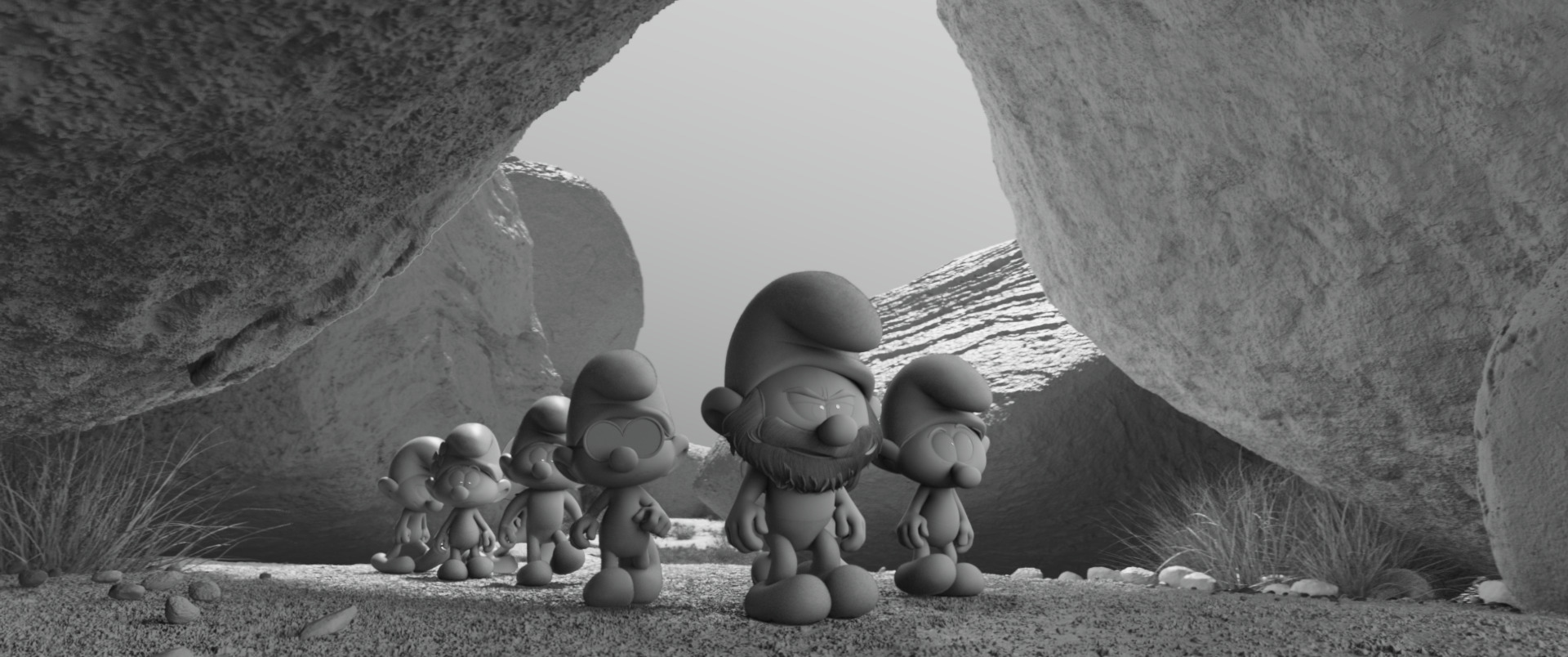
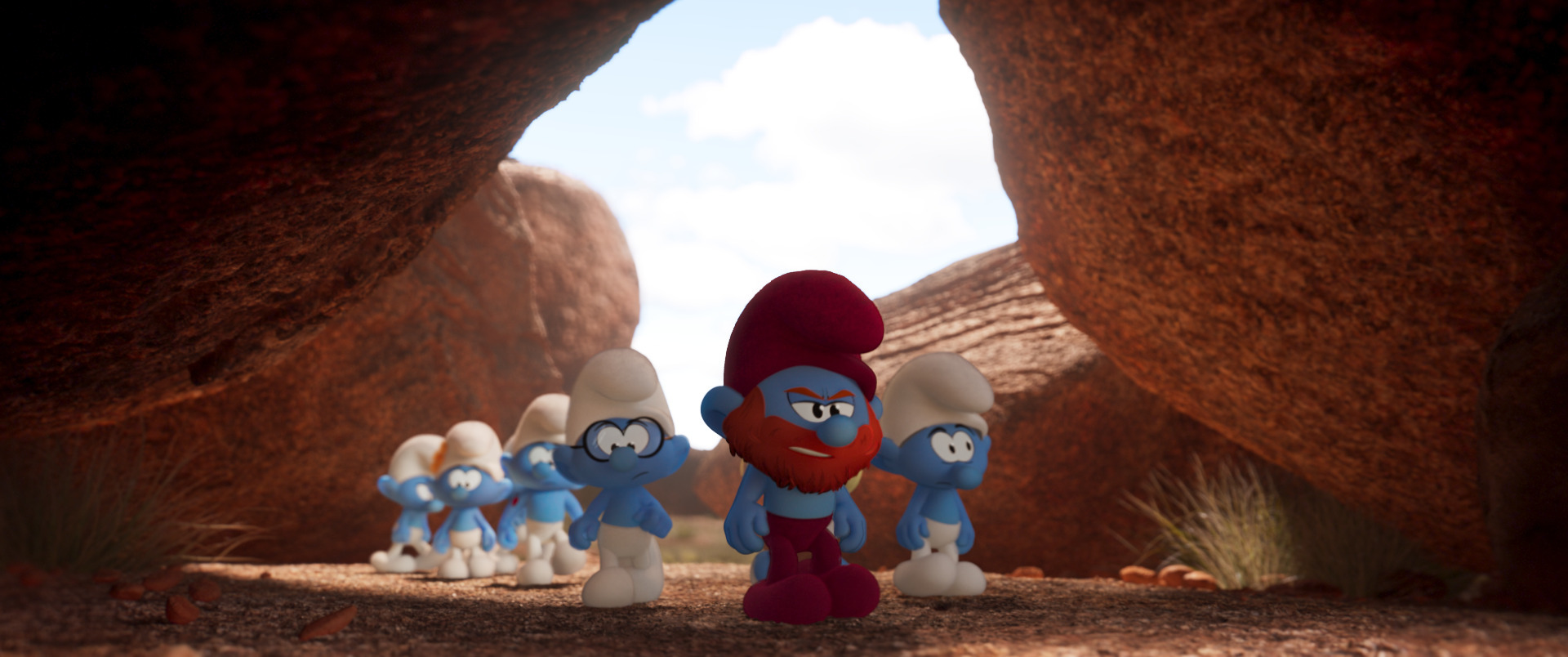
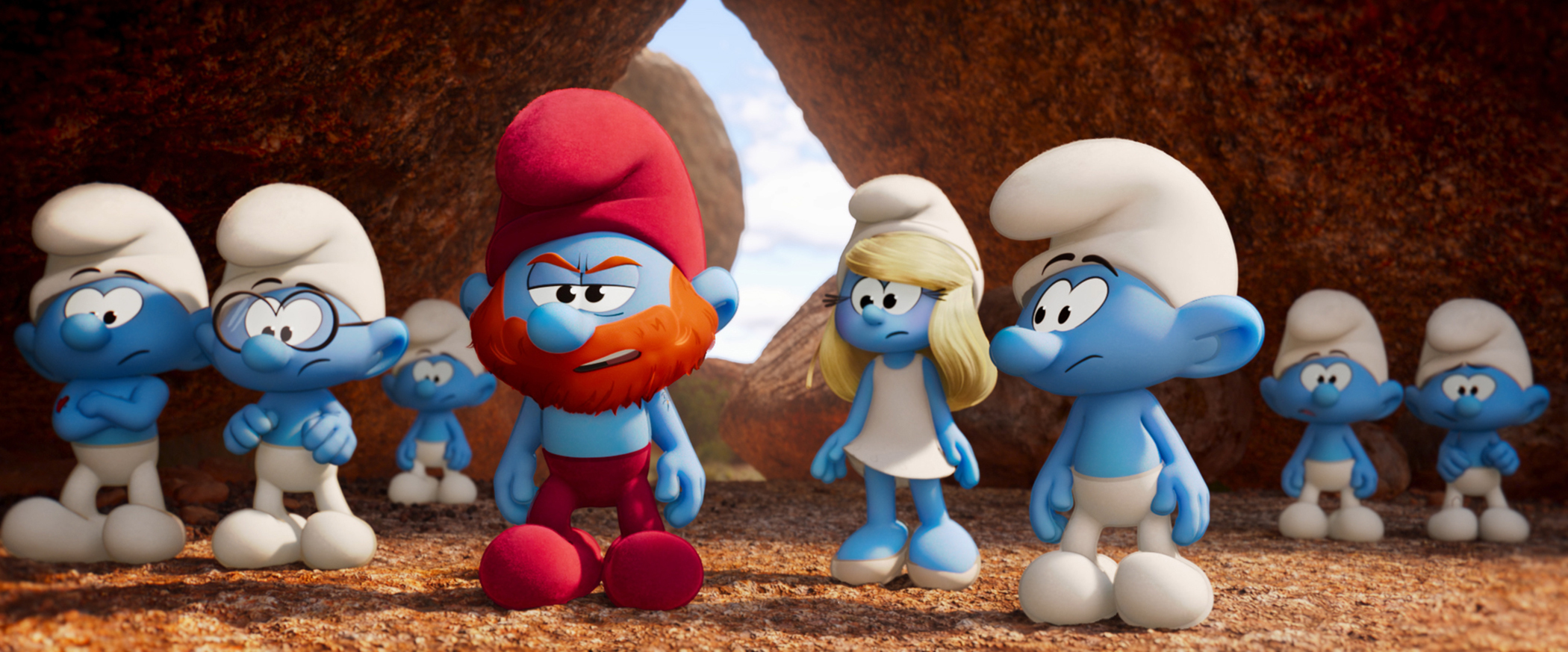
To add another layer of truth to the original designs, line work was tackled from a lighting point of view. As light turned from one side of the characters to another, lines would appear or fade depending on the shades, a special rigging feature that was developed by Cinesite and gave the animators all the tools they needed to hit the poses and match the production’s high standards.
Taking from their previous experience on TMNT, Cinesite built a custom 2D VFX tool to create comic-book style effects. A playful way to bring Peyo’s brush to the screen, while adding a variety of lighting, paint brushes and a touch of magic.
“Even with details such as camera language, we had to work closely with Paramount previz teams. Certain lenses just don’t work on Smurfs characters. If you do a close-up on a Smurf, you just see their big nose. So we really had to discuss every aspect of the to create this non-photorealistic rendering that balances flatness and drawn looks to a more shaped world. But to me, what proved the most interesting was having to scale everything to Smurf size. Matching every element to their world, and matching each 2D, 3D and lighting effect as well.”
Sing and Dance Like Nobody Is Smurfing
With two original Rihanna songs and many other pop hits and remixes, this new Smurfs movie features, from its very opening, many dance scenes. Paramount shot all those sequences with professional, choreographed dancers, and pinpointed within the shots which dancer matched each character, from Smurfette to Grumpy, No Name, and the other non-Smurf characters. From then on, Cinesite animators had to adapt these realistic dance moves to the specifics of a Smurf body.
“It was all about keeping the volume and the essence of the characters while having the dancers hit the beats and synchronizing with the music. But they figured it out quite well on their side, and we had great reference footage to start working on. Once the opening scene was done, the rest became very easy. The physicality was there, and it went smoothly.”
Making a Smurf sing was no easier than making him dance, recalled Kazmier, especially as many songs were completed late in the production process. But with the No Name song “Always On the Outside” (performed by James Corden) delivered quite early, along with temp music mixes and timings for other tracks, Cinesite facial rig and animation teams were able to push emotions.
“I’m actually sad some of the songs we worked on didn’t make the final movie,” says Kazmier. “There’s a whole Ken (Nick Offerman) song that we eventually decided to cut, but it was quite a funny one. But that’s the thing, sometimes you have to make those decisions to favor the storytelling.”
Bridging Live Action and Animation with Cinesite’s Dual Expertise
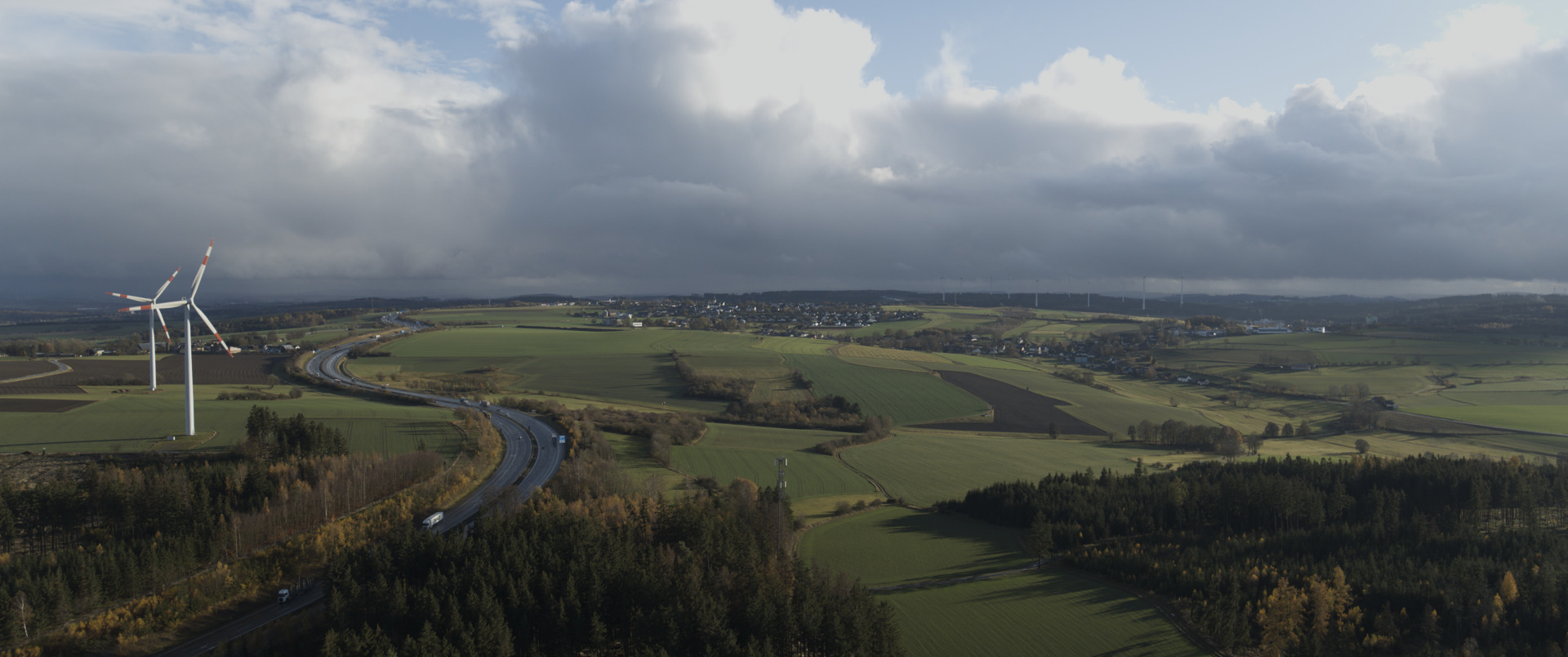
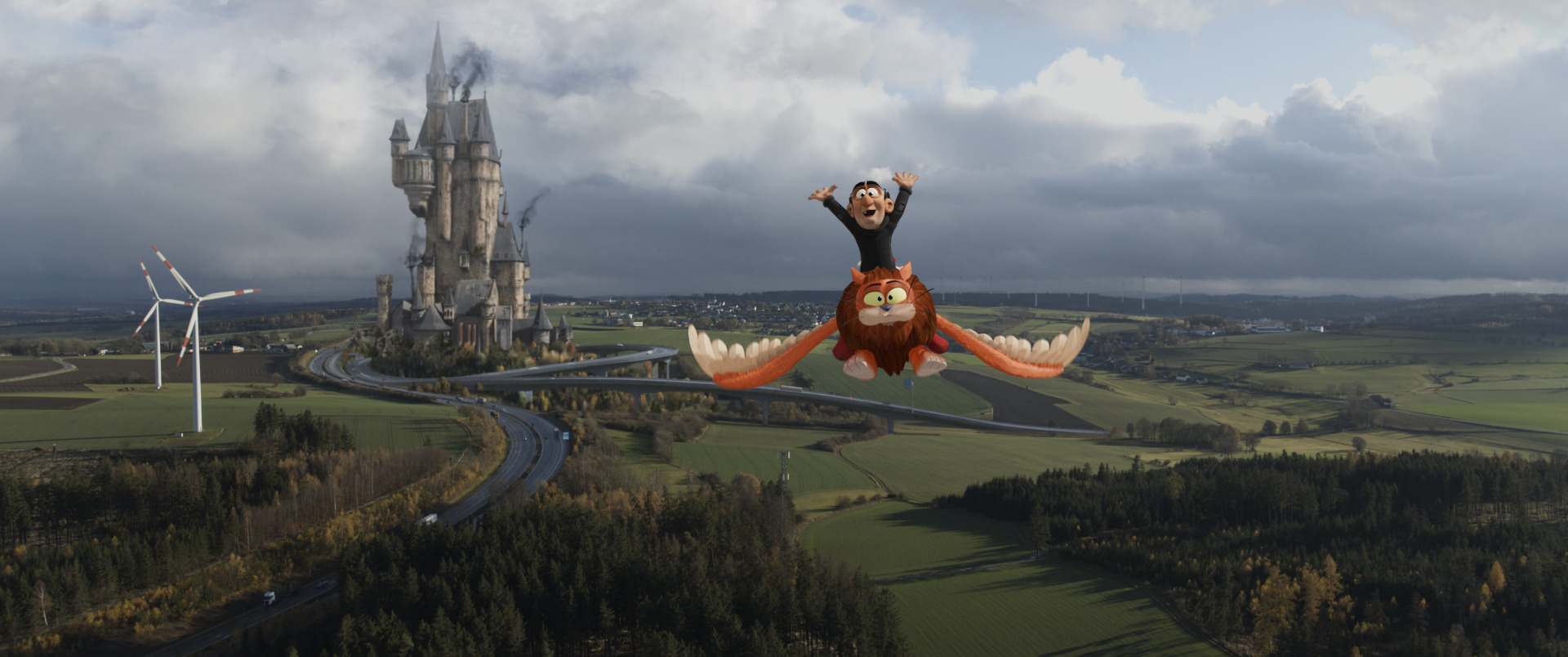
For the VFX division, it was Suzie Askham, VFX Supervisor, and her team who tackled the tricky business of integrating Smurfs into the lively streets of Paris or the Australian Outback. With Cinesite teams always on site to gather all the needed data and discuss angles or lighting with the directorial teams, the process was once again highly collaborative.
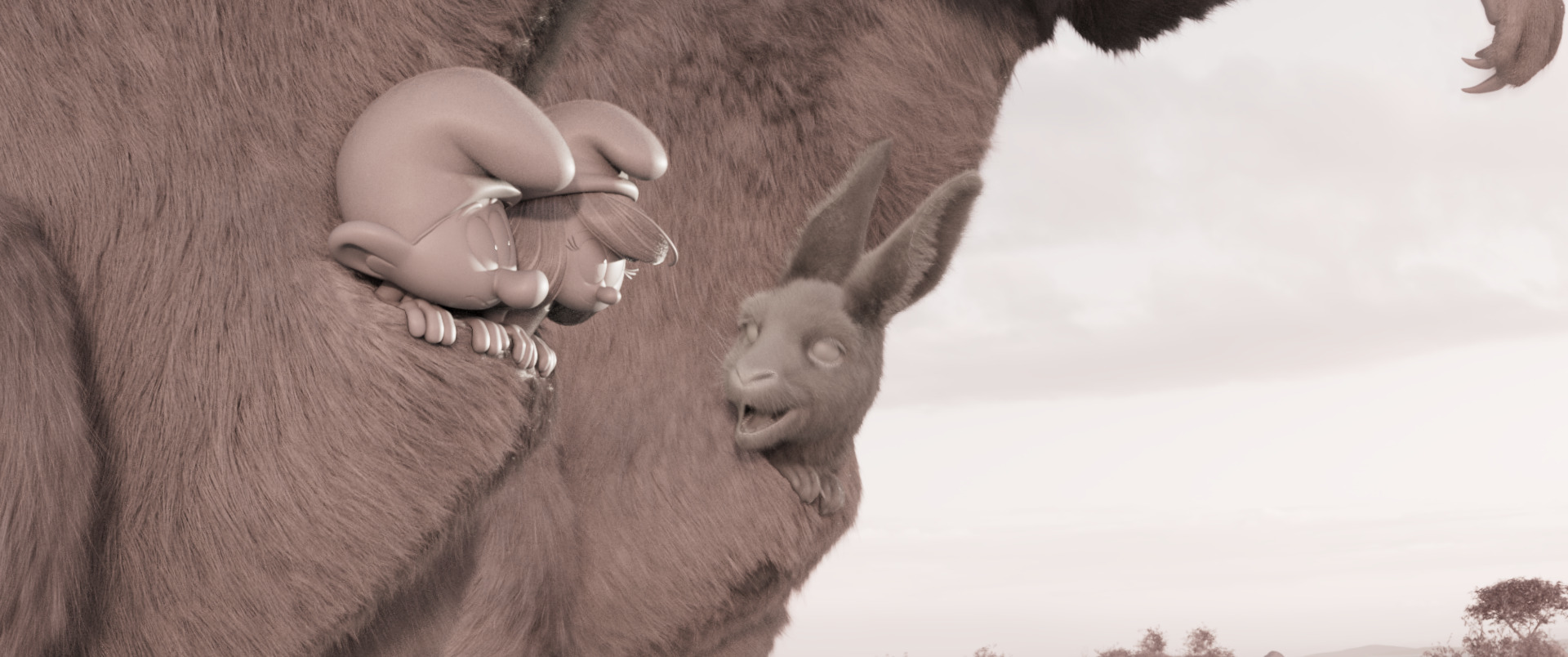
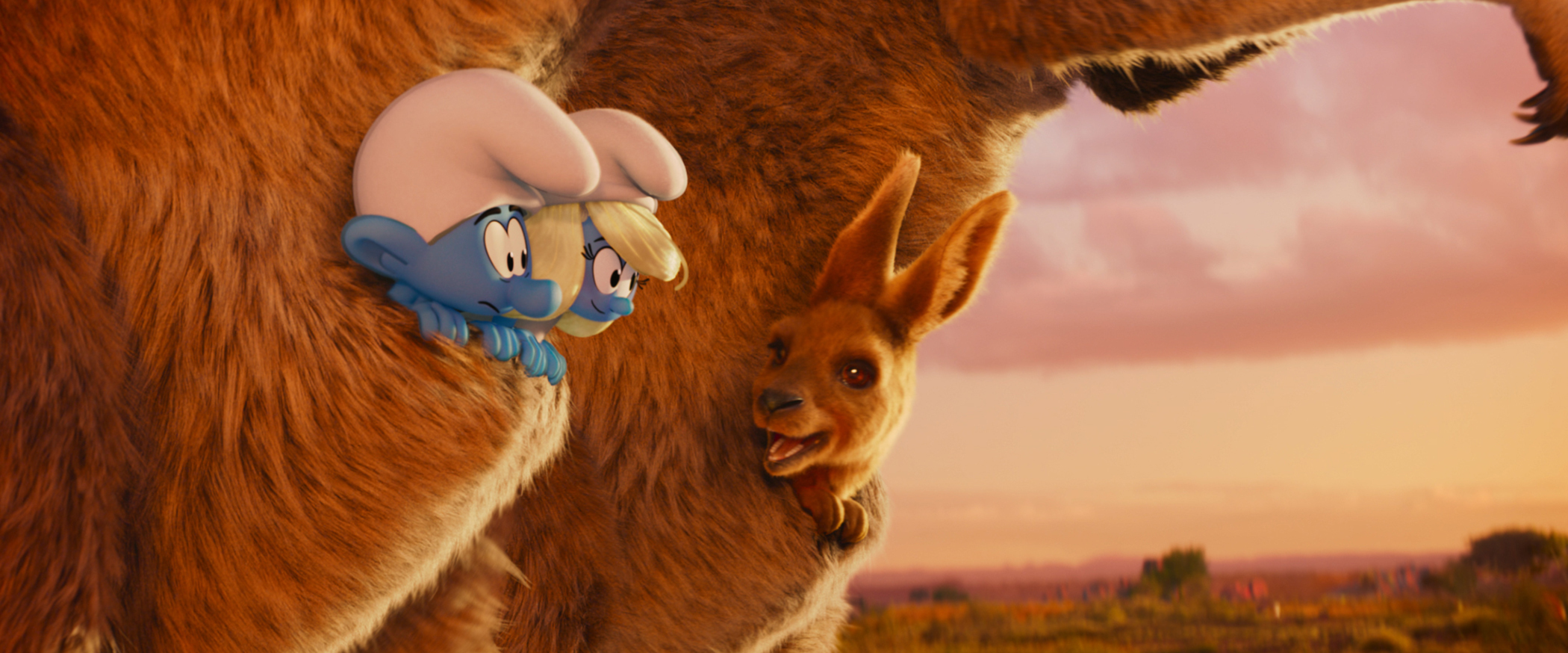
“Suzie had these little 3D-printout Smurfs everywhere that would serve as size reference, and it helped tremendously. She created lighting maps, gathered reference footage, and that helped the previz team to create sets and lock up shots, so that our teams could match camera movements and integrate the Smurfs in them.”
For the Australian setting, both teams visited the Karlu Karlu / Devils Marbles Conservation Reserve and shot extensive texture and reference footage before recreating the whole environment in CG and finding the balance between photorealism and goofy cartoony style.
All for Smurf and Smurf for All
Thanks to their deep involvement in the project and the continuous connections between departments, Cinesite’s animation and VFX divisions learned a lot during this production, according to Kazmier.
“Being agile, having the ability to quickly turn around and remain flexible, are some of the key learnings I’ve taken from this project. Pushing the pipeline, enhancing it, and coming up with new, efficient ways to collaborate within our teams and with others. By the end of the production, we had reached a level where we would be able to add whole sequences as Paramount would ask for them, by pulling all departments together. It’s that kind of flow that I will remember most of this endeavor.”
All photos courtesy of Cinesite and Paramount