Making Your Mouth Water And Your Skin Crawl: Ervin Han On ‘A Banquet For Hungry Ghosts’
Stay informed with free updates
Sign up to get our news digest — delivered directly to your inbox twice a week.
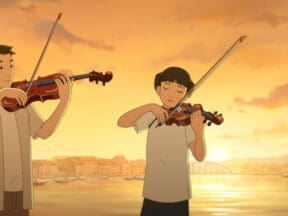
After The Violinist took the top prize at this year’s Annecy Film Festival, co-director Ervin Han is building on that momentum with A Banquet for Hungry Ghosts, an internationally co-produced anthology feature adapted from Ying Chang Compestine’s short stories.
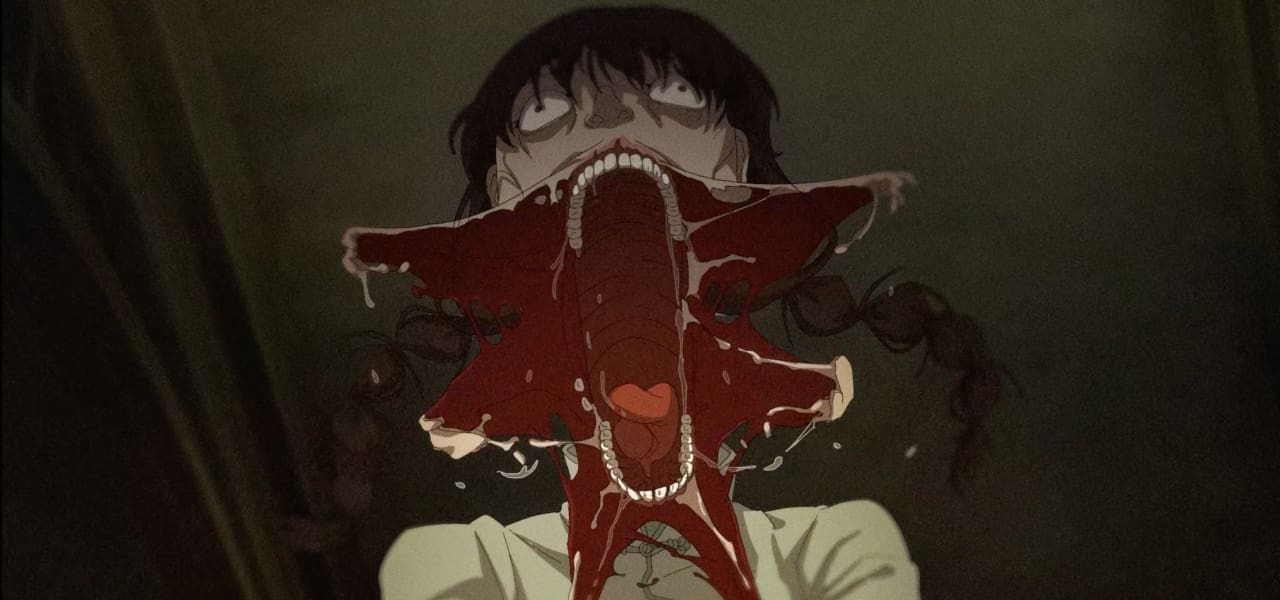
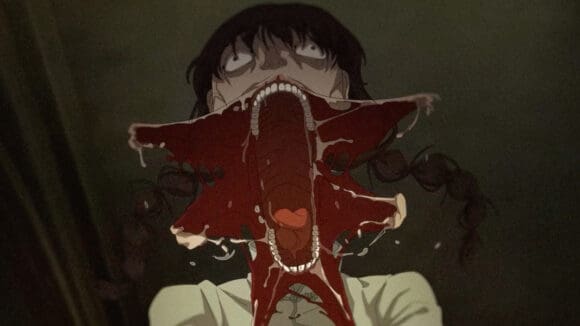
The four stories span settings from 1930s China to 1980s Indonesia, with dishes including hot pot and beef noodles at their center. Each has its own visual identity, but all share one requirement from Han: show the food being prepared or eaten before the horror takes hold.
Singapore’s Robot Playground Media, which Han co-founded, is leading production alongside studios from Malaysia, Taiwan, and Ireland. At the Tokyo International Film Festival, Cartoon Brew caught up with Han, an executive producer on Banquet, to discuss the project.
How did you discover the book?

Ervin Han: Well, it was actually another producer friend of mine, Justin, who remains a producer on this project. [He] placed the book in front of me out of nowhere. Just the title alone – A Banquet for Hungry Ghosts – made me immediately very curious. And it’s a book of short ghost stories, and each one is based on a Chinese dish at the center of the story.
I think immediately – because we were always looking for interesting books and titles and ideas to option and adapt – what was immediately fascinating to me is the idea of animated horror with food. Particularly Chinese food! Not just because I’m Chinese, but also because we are always looking for culturally rooted ideas and stories that we could develop for a more international audience.
And the more I thought about it, the idea of Chinese food and horror just seems like a no-brainer. Because Chinese food is one of those cultural things that is immediately universal, pretty much anywhere in the world. I don’t have to explain to you what fried rice, dumplings, or chow mein are, because in every big city in the world there’s a Chinatown [laughs]. It’s where you go in the middle of the night when everywhere else is closed, right?
Is that part of why you felt that this project could work as an international co-production in this way, because everyone has their own frame of reference for the cuisine involved?
The thing about Chinese food is obviously there’s the Chinese diaspora, and every given city has its own frame of reference for what Chinese food is like. Originally, as we were developing the idea, we thought if this was set in Chinatown in Paris or in London, it would probably tackle certain kinds of thematic material and stories, compared to if it were a restaurant set in China 1000 years ago, or maybe in Singapore.
So we all bring our social or cultural context to it, but at the end of the day, it is Chinese food. There’s that universal familiarity with Chinese food, but depending on where you’re from, you also bring your own memories and feelings and preferences, experiences about how you interact with or eat Chinese food. So that to me was very interesting. At least, it gave me right away a very strong sense of the long-term potential for this as a franchise.
Of course, as we were developing, originally we had conceived it as a 10-episode series, very much along the lines of the format of Love, Death & Robots. I think it was quite clear a couple of years in that the market for original series was extremely challenging.
We were in production on The Violinist at the time, our first feature film, and I had a bit of a better sense of how a feature project could come together. And I suspected that if I could package this as a feature, the route to financing and a potential green light… it would still be difficult, but I could still see a way because I feel there’s more room for original stories in independent features, and that was the route we took. And it happened much quicker. Within a year or so, I was able to pull together a few co-producers and even got Toonz Media Group on board to handle international sales.
Also, I wanted to set it actually more in Southeast Asia for this feature, these four stories. To me, it was a very interesting and exciting chance to bring together some pretty terrific animation talent from across Southeast Asia.
How is the work divided among the studios?
The main animation studios are actually from Singapore, Malaysia, and Taiwan. In Singapore, we are tackling two episodes. In fact, “Egg-Fried Rice” we actually completed much earlier, because that was initially commissioned as a pilot by Mediacorp, the Singaporean broadcaster.
So we are tackling one more episode, and the episodes that we’re doing are all traditional 2D. Another episode is by a Malaysian studio called Studio Climb. They’re based in Kuala Lumpur. Spencer Ooi, who is the founder of Studio Climb, also serves as overall creative director for the film across the four stories. And then we also work with Xanthus Animation out of Taipei in Taiwan. They will handle one episode. So Malaysia and Taiwan have one episode each.
And then in Ireland, we work with Telegael, our co-producer. Telegael is a subsidiary of Toonz Media Group, so they’re handling all music and audio post [production] for all four stories. So we have two Irish composers on this project, which is very interesting.
How did you choose the four stories?
We actually only picked two from the book. The other two, we created. They are actually original, so they’re based on the concept that the book has laid out, but they are original stories. The reason being, I thought that with the first feature, this first iteration of this IP out of the gate, I wanted a specific tone and a couple of dishes that are more familiar. Because the book itself, actually, if you look at the book, many of the dishes are quite specific to Chinese culture. They might be even a little bit too esoteric for a mass audience.
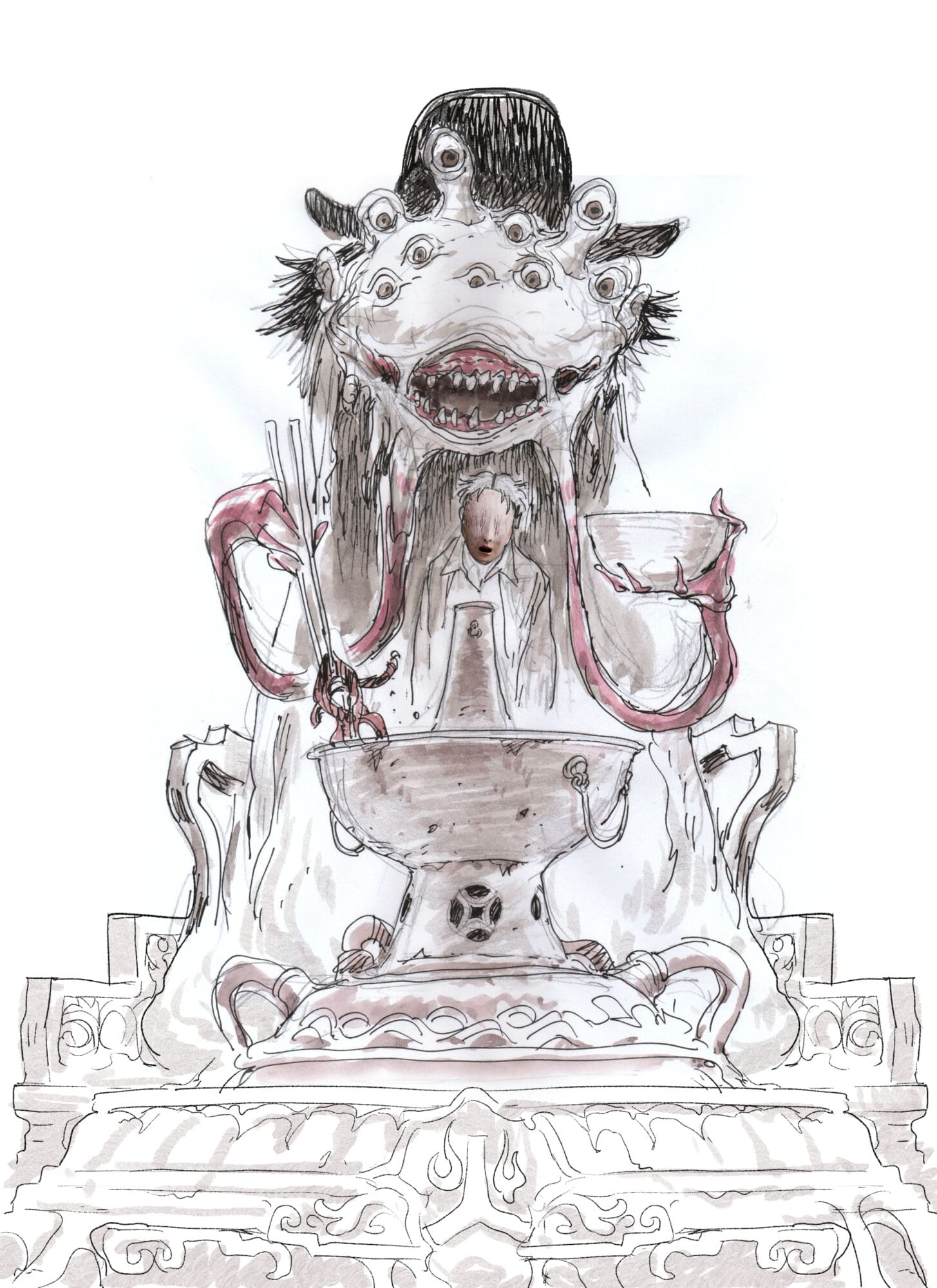
Of course, egg-fried rice, that’s quite well known. I wanted hot pot in there, and I think I wrote the initial treatment for “Hotpot” myself because it is something that is not uniquely Chinese. Even though mala hot pot from Chongqing, China, has become quite iconic in the culinary landscape, many cultures have a version of hot pot: a pot, a bowl, or a big bowl of broth that you cook raw food in.
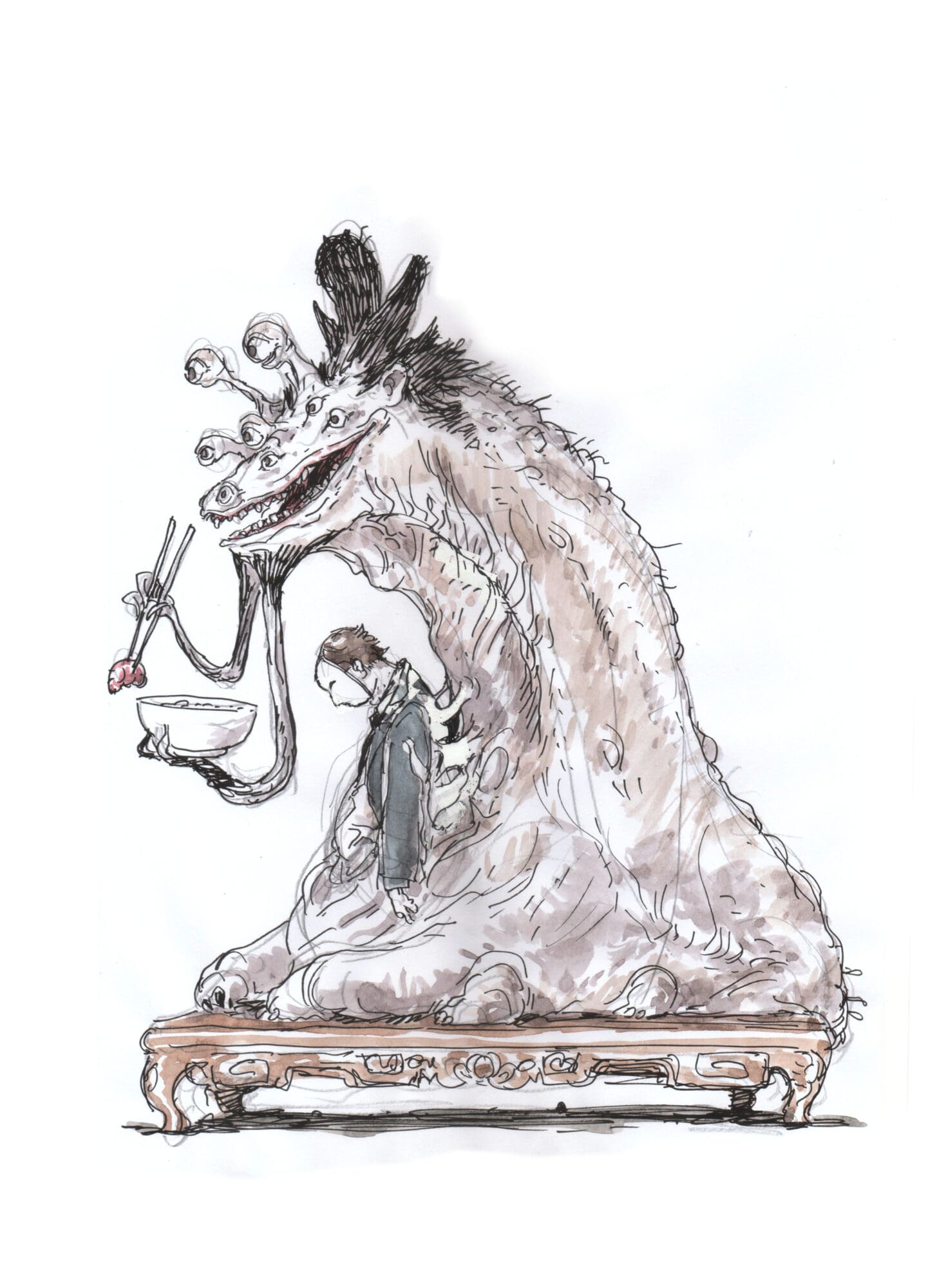
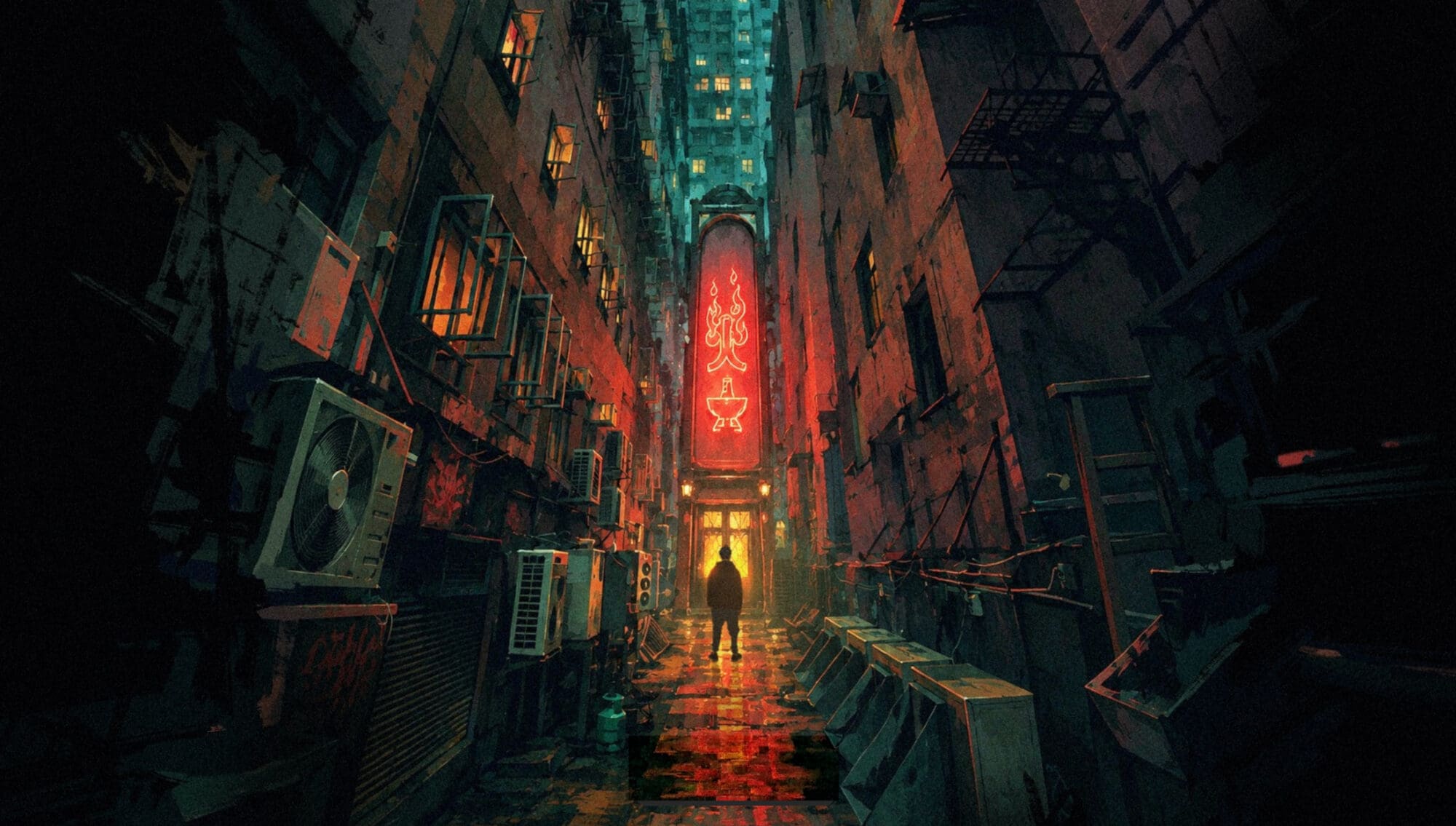
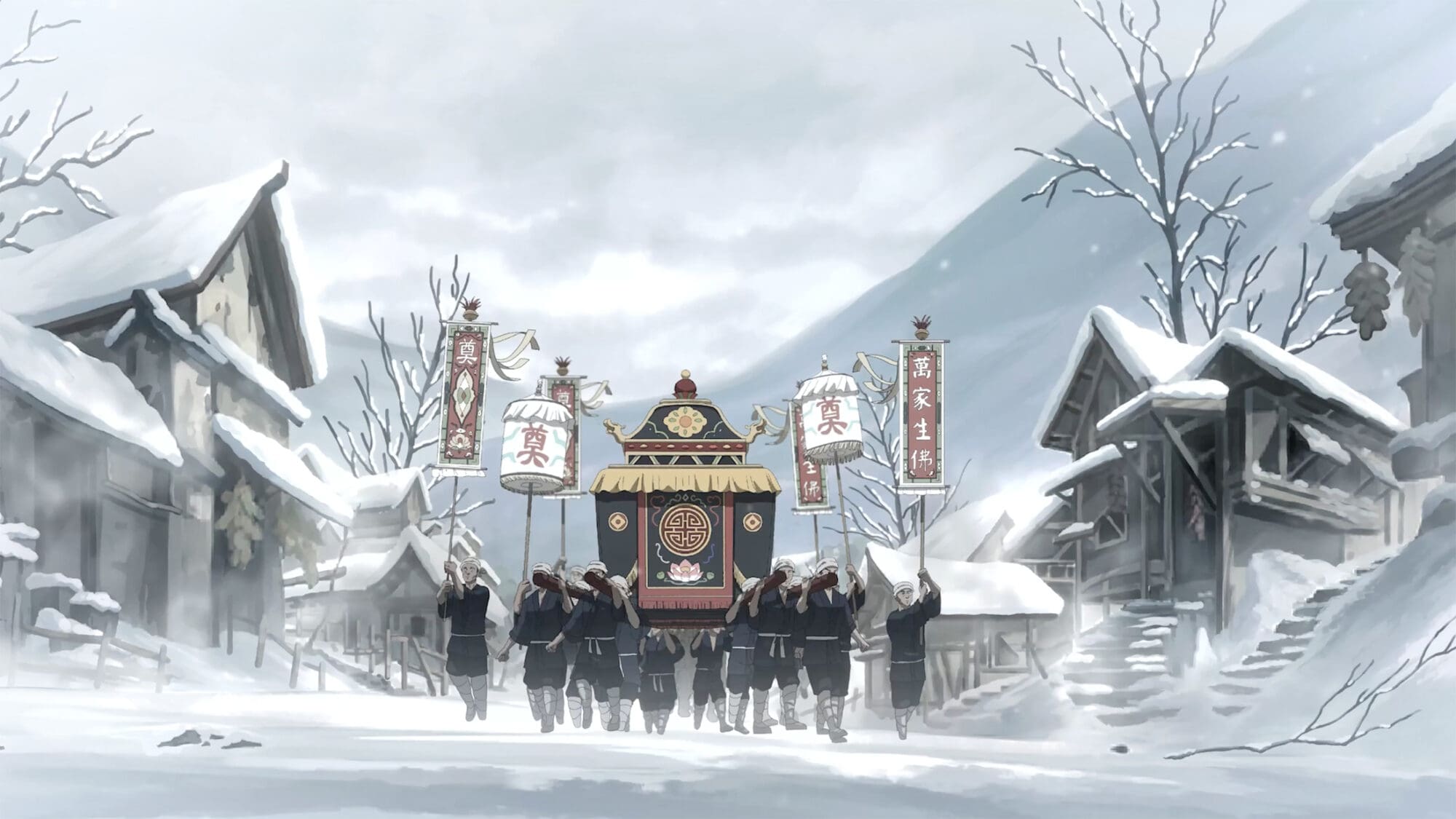
“Tang Yuan” is a bit more specific. They are basically glutinous rice balls, cooked in a lightly sweet kind of a syrup; a very simple but very symbolic Chinese dish. It’s something that symbolizes reunion and togetherness. We eat a lot of that during the winter solstice, during weddings and birthdays. We developed a really cool, folkloric ghost story around it.
How did you approach each story’s visual style?
We gave a lot of the studios, even our own team, a pretty long leash. Each of these episodes has [its own] director, right? And I wanted each story to have a distinct voice and identity, tonally as well as visually. So I did not prescribe any specific style or references. We started with the stories. We discussed the stories among the group, and it’s for the director and their own team to really explore the visual side from the very beginning. And then we go back and forth.
Each of the four stories has a different visual style. I wouldn’t say they are drastically different because we pretty much split two episodes. But still, there are quite noticeable and distinct qualities that the respective art teams really brought to the project. That was very evident from the first few rounds of visual development that came back.
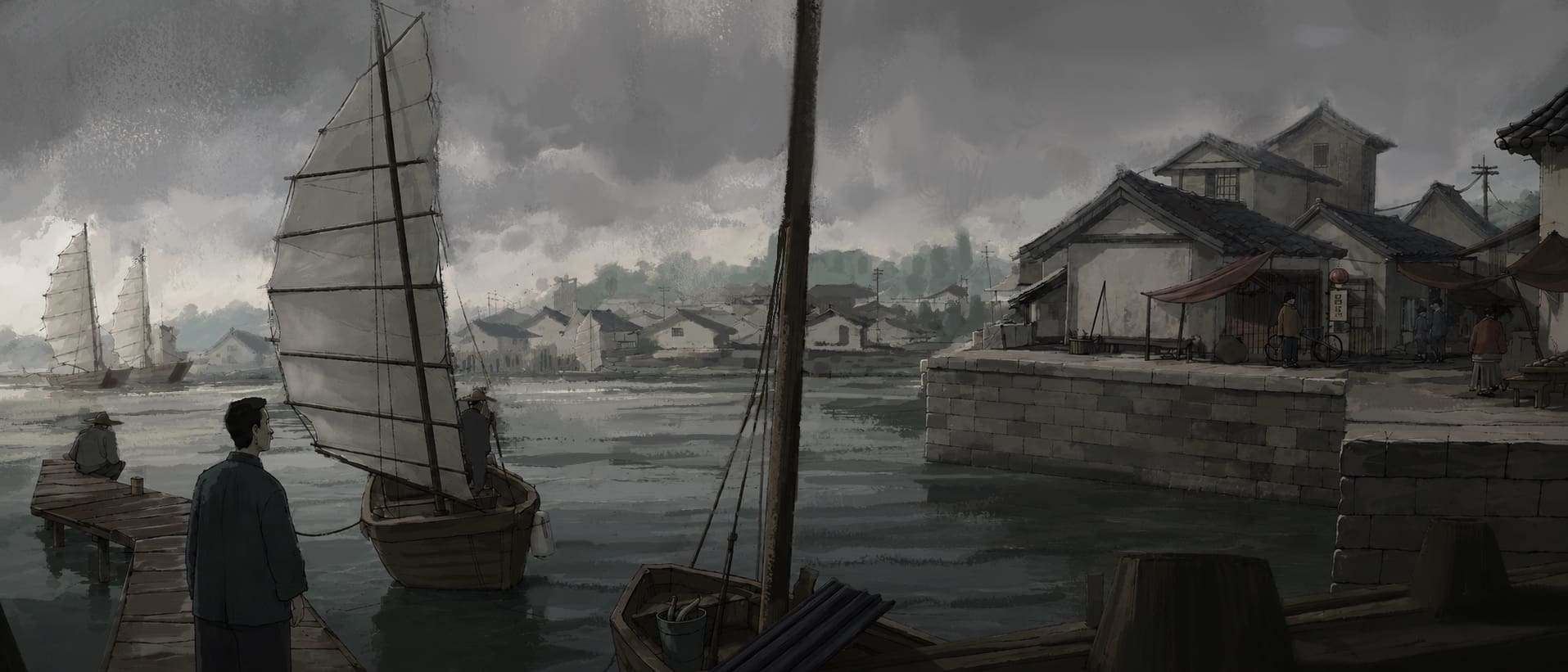
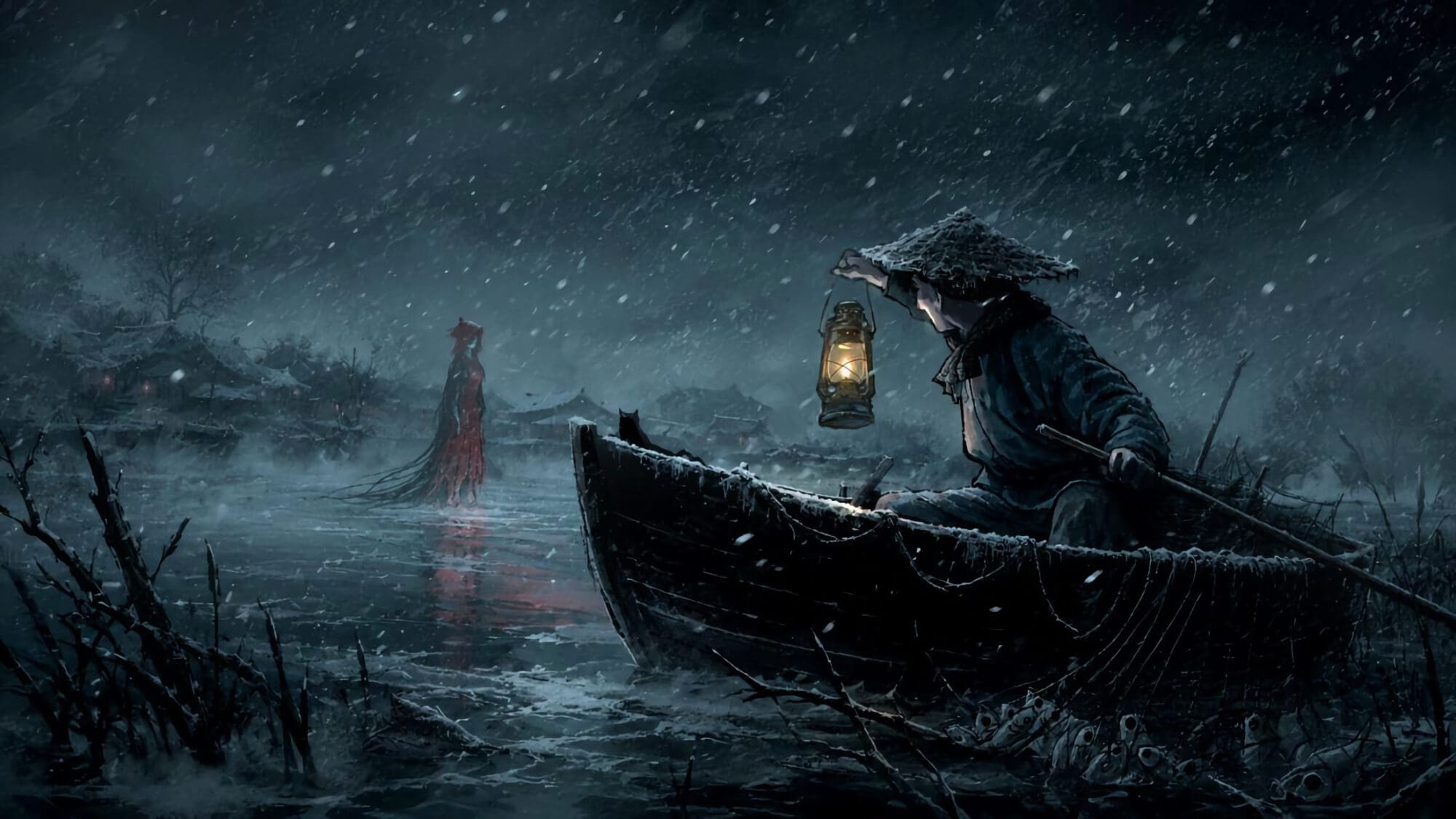
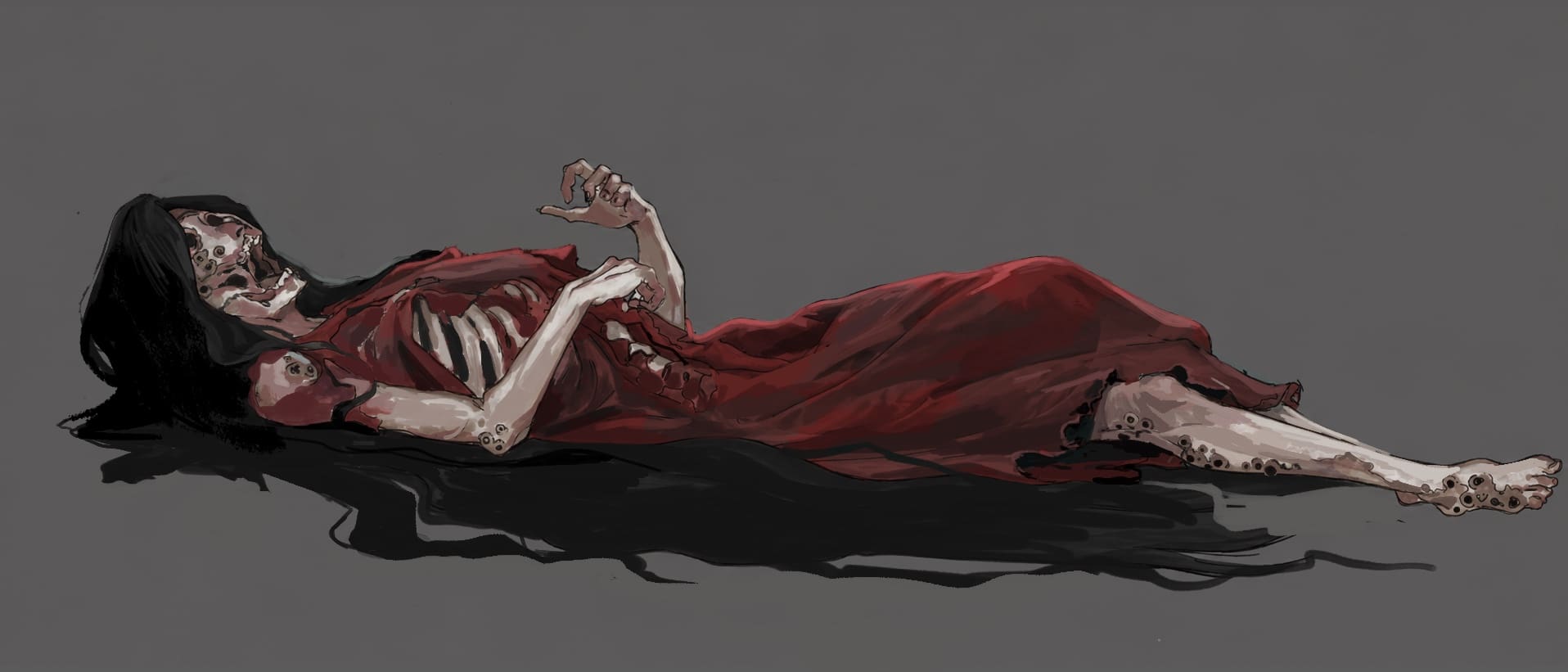
With the Taiwan team’s “Tang Yuan,” because it happens during the winter solstice, there’s a very bitter coldness to the palette. It’s set in a fishing village, I think in the 1950s in one of the Taiwanese provinces. It feels very folkloric, like a very traditional and quiet ghost story. (And the central ghost is a water ghost.)
Then “Hotpot,” done by the Malaysian studio [Climb]. It’s red, it’s loud, because it’s more satirical, a dark comedy, really. And there are creatures involved, so it’s got much more of a carnivalesque vibe to it. Very fun and very appetizing, in a way.
“Beef Noodles” is a dark, historical, political kind of horror. So it’s much more bleak, but it’s got a very, very heart-wrenching father-son story at the center of it. It’s set in Indonesia during the 1980s.
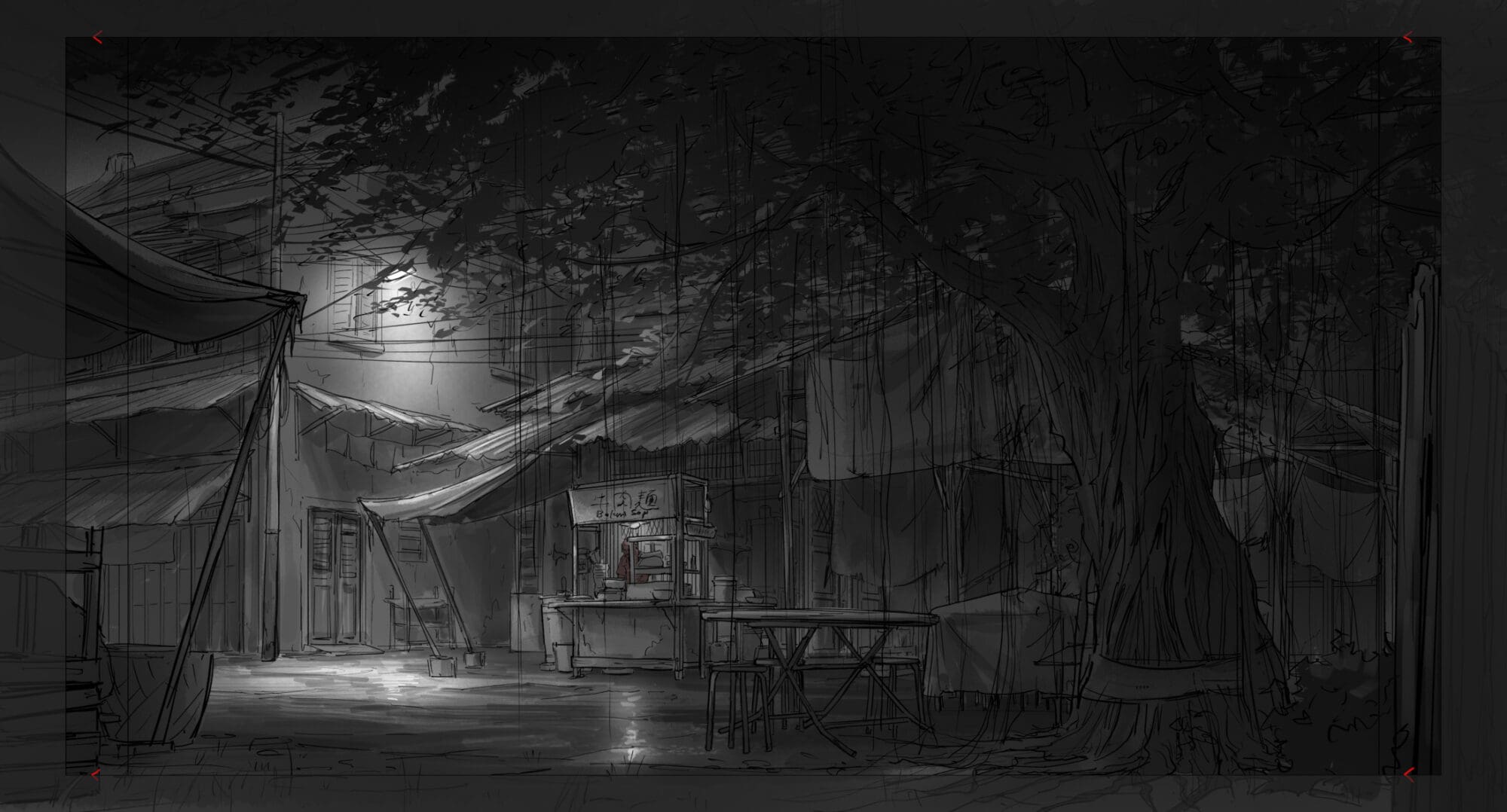
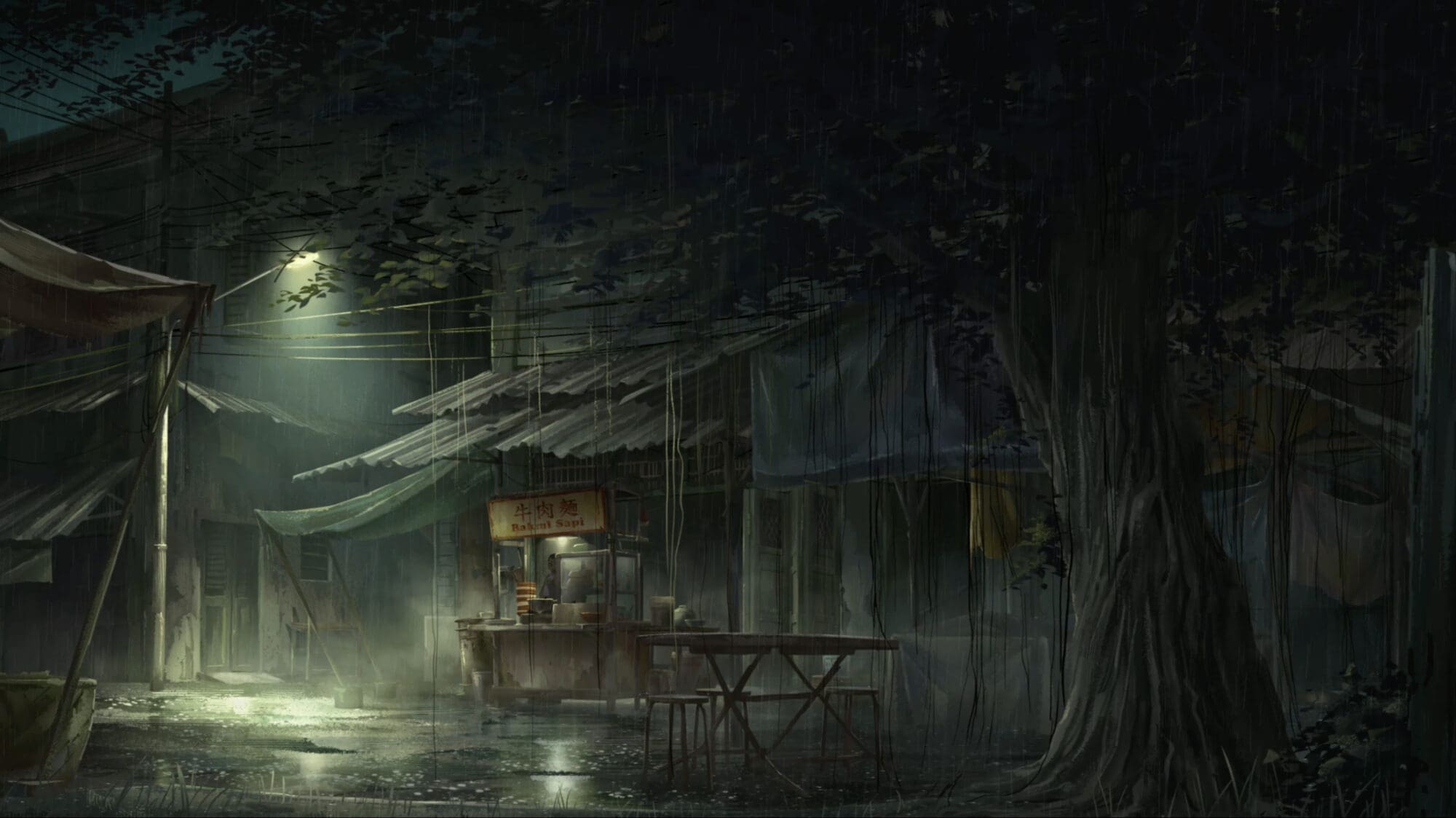
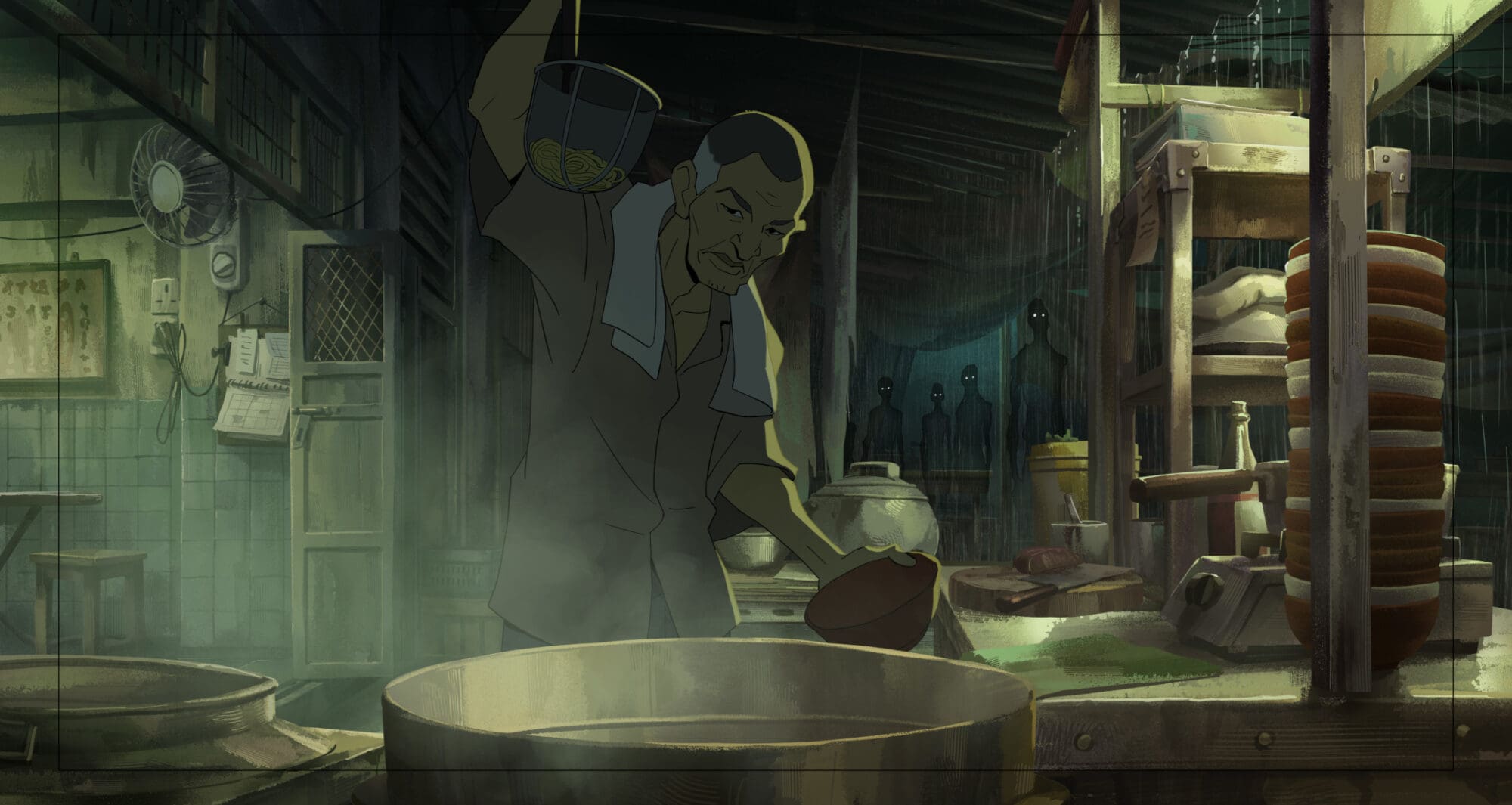
And then “Egg-Fried Rice,” the very first one we did, has a more opulent but also feudalistic [tone]. It’s in China, again during winter, in the 1930s. I remember with that one, we specifically referenced a couple of films from Zhang Yimou, the Chinese director, particularly Raise the Red Lantern. Very feudalistic, but also claustrophobic. Even though the settings are large and quite expensive, there’s something suffocating about it.
And it is the ideal way to explore these different tones around Asia. It goes back to your earlier question. That was the potential that I saw very early on. We couldn’t really do this with just any other anthology or something from comic books or whatever. But because it is based on food, Chinese food, I think it really lends itself to exploration of all these different creative directions.
What makes animated food look good?
Well, thank goodness I’m not animating it. [Laughs.] But I think it’s what makes animation interesting to me in the first place, that you are drawing things and making them come alive in a way that’s not real.
I mean, to quote that famous phrase, it’s the illusion of life. We are trying to create life out of something, just drawings. And I think food needs to appeal to more than just our sense of sight.
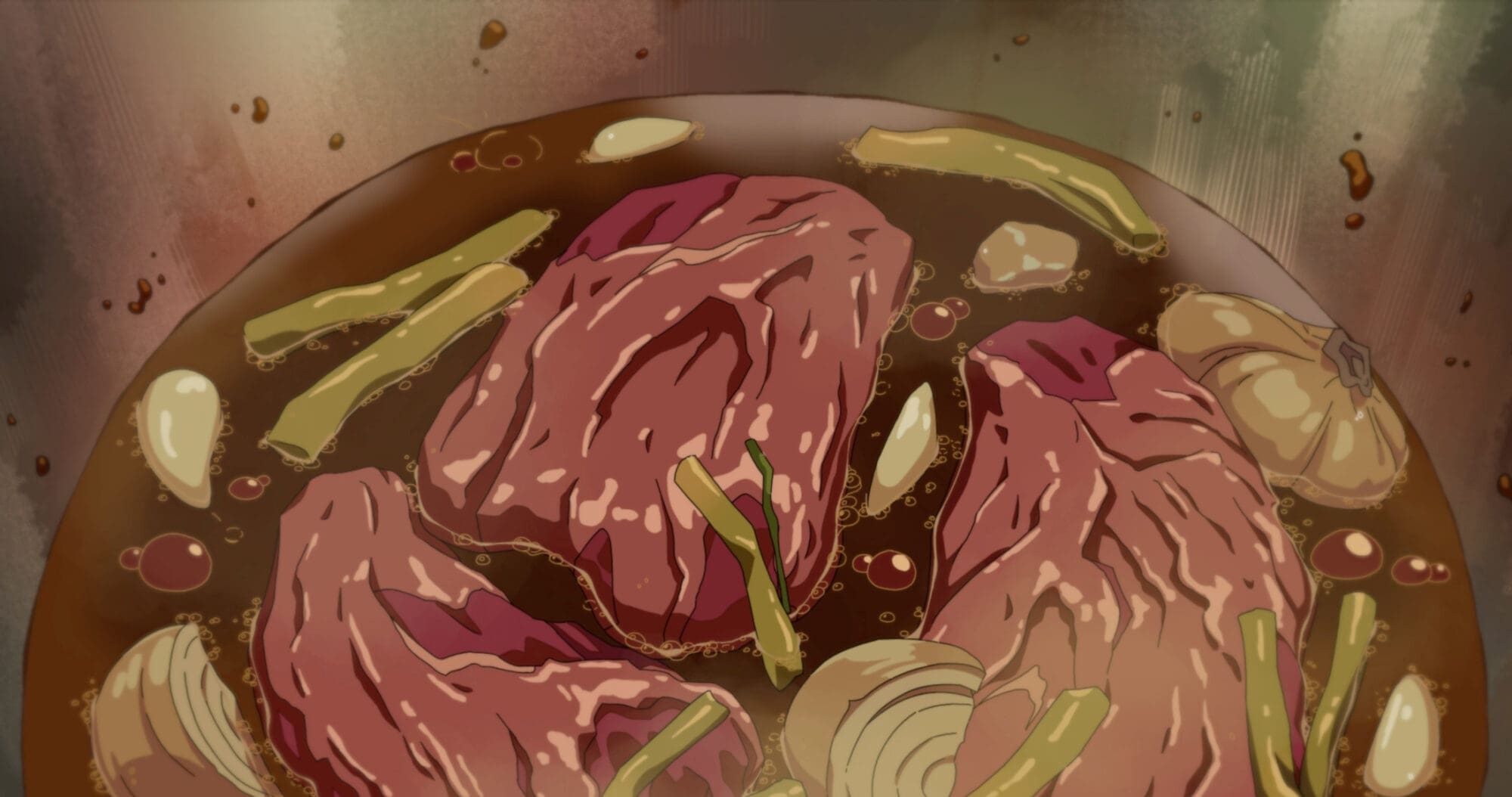
So it’s not about making it look realistic; it’s about making it look alive. And I think one of the things I did mandate to each team is that in every episode we have to see food being prepared or being eaten.
I mean, this is what the likes of [Studio] Ghibli do best, right? Taking your time to animate food being made, being prepared, being cooked, and being eaten.
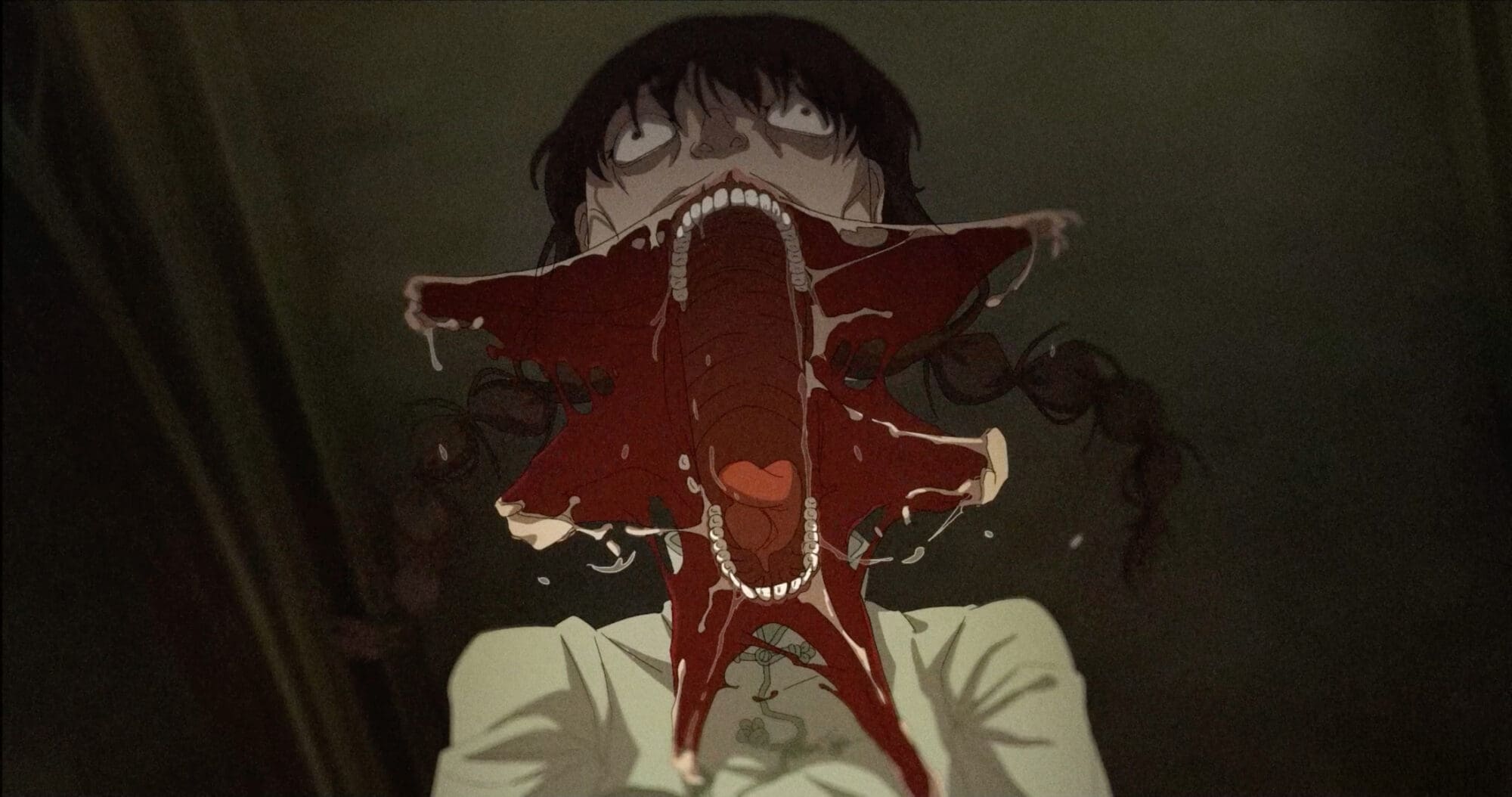
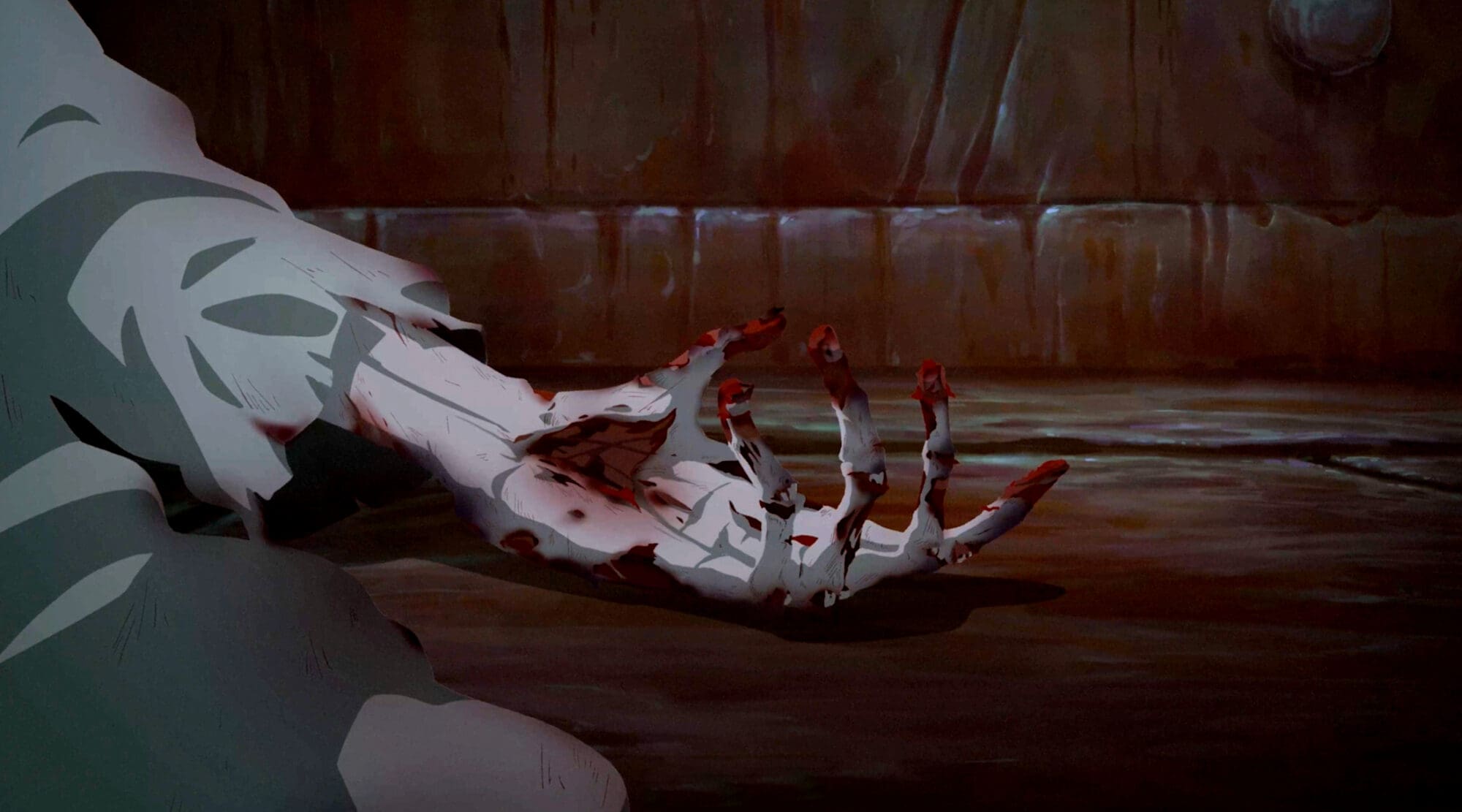
The bigger challenge is, at some point in time, this food is gonna turn into something or start to open up into something quite horrifying.
Just a few weeks ago, I was looking at some of the dailies from “Beef Noodles.” It’s an oily red broth that the beef is cooked in, and yes, it’s suggestive of blood, but at the same time, it looks delicious! In an animated way, I mean. That’s very exciting, and that’s what the team is having fun exploring. I mean, under tremendous time pressure, but also having fun.
How far along is production?
We only began production proper at the start of this year. “Egg-Fried Rice” was completed much earlier because of the pilot commissioned a couple of years ago. Even though we had only finished about 80%, we have finished it since.
The other episodes really only began this year, and our current target is to finish it by April [2027]. So it’s just under a year and a half. Seems like a short time, but it’s really multiple tracks at the same time. So about a year and a half to finish a short film. Not a lot of time, but at the same time it’s what we feel is realistic, given a budget. Hopefully by April next year, just in time for the festival season.
What are you working on next?
I’m trying to find time to work on my script for what hopefully would be my next film. I have a first draft. I’m going through a second pass.
It’s a fantasy adventure, so it’s very different from what I’ve been involved in these few years, including Banquet. It’s more of a family film, but it’s based on a play written by my father 40 years ago – my dad’s a playwright.