.png)
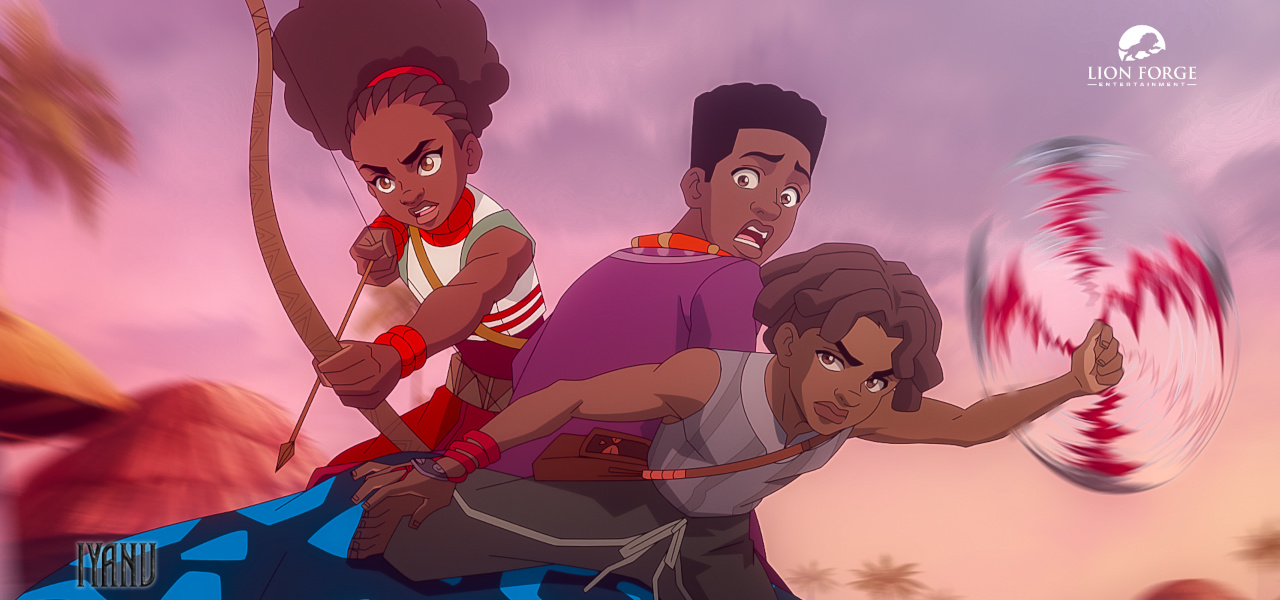
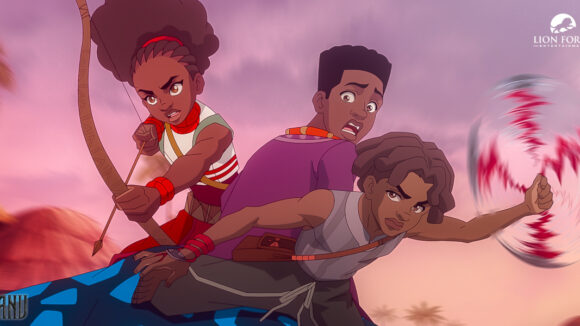
‘Iyanu’ Creator Roye Okupe Hails The Arrival Of ‘Afro-Anime’ As A Global Force
Stay informed with free updates
Sign up to get our news digest — delivered directly to your inbox twice a week.
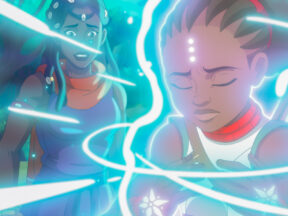
When Iyanu earned three nominations at the 57th NAACP Image Awards, including outstanding animated series, it marked more than another milestone for a breakout show. It signaled institutional recognition of a philosophy that creator and showrunner Roye Okupe has been pursuing for over a decade: African-rooted storytelling that doesn’t ask permission to exist alongside anime and Western animation, but rather stands confidently on equal footing.
That affirmation has been doubly-confirmed with his upcoming presence at next week’s Kidscreen Summit, where he will participate in a panel titled The DEI Reckoning: What’s Left, What’s Next, and Who’s Leading the Change?, a discussion that examines the current state of diversity, equity, and inclusion in kids and family entertainment.
The session brings together industry leaders to evaluate whether DEI initiatives are still making meaningful progress in content creation and workplace culture, spotlighting where momentum has stalled and where innovative leadership is driving genuine change. The conversation combines up-to-date data with personal input from creators and executives still advocating for representation both behind the scenes and on screen.
For Okupe, the recognitions confirm a long-term strategy rather than a momentary win. “You can’t understate their importance,” he says of the high-profile appearances. “And I feel like it even goes beyond just me. There was a lot of pressure for everybody on the crew, the producers, to really get this right.”
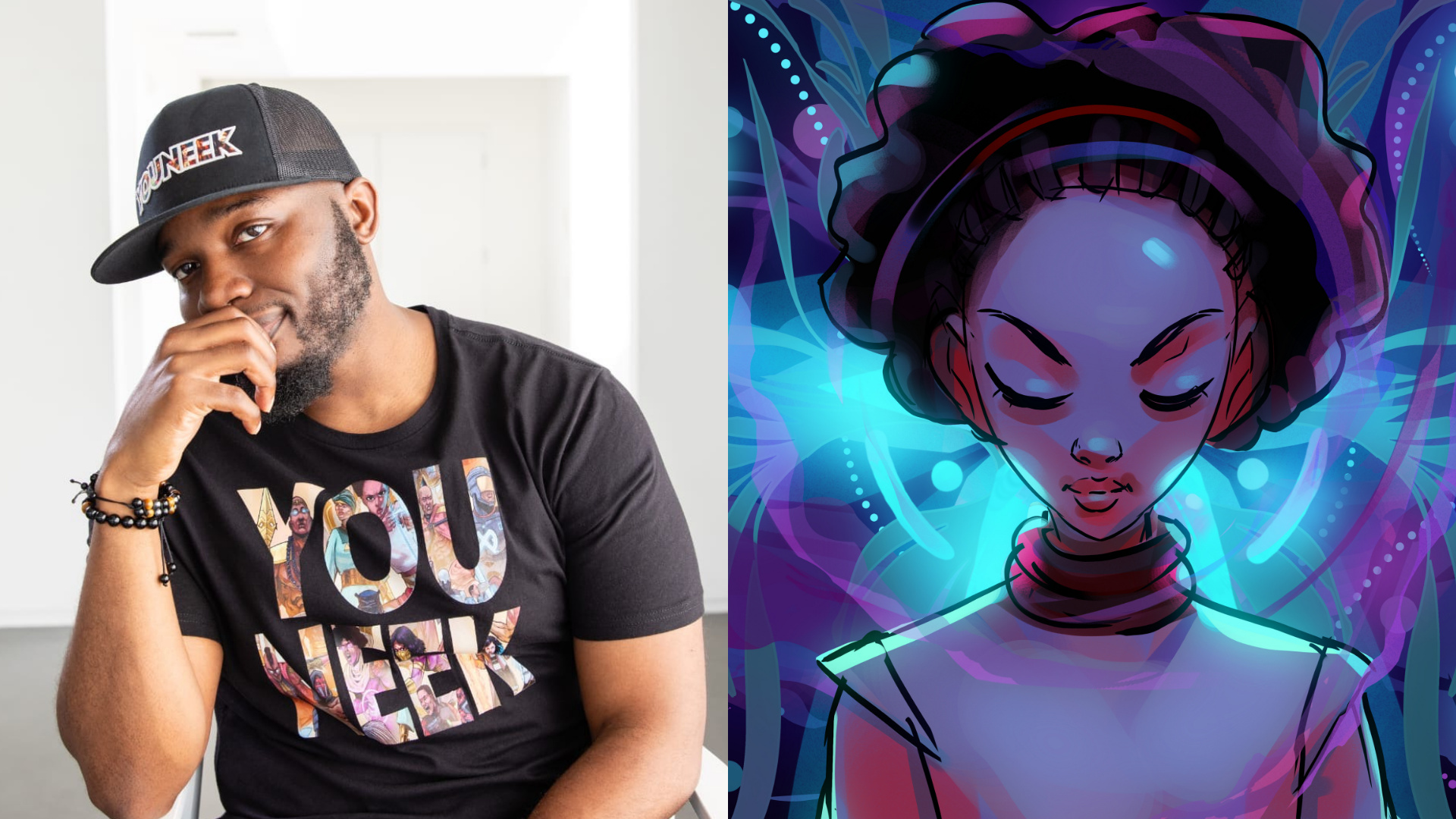
That pressure came from lived experience. Okupe has spent much of his career confronting the double standard applied to non-hegemonic stories. “With these types of projects, we don’t get as much flexibility or freedom to fail,” he explains. “Once one or two of them fail, everybody automatically jumps to the conclusion that this is something that doesn’t work.”
Iyanu had to succeed not just as a show, but as proof of concept.
Authenticity Without Exclusion
Set in a mythic version of Yorubaland and inspired by Nigerian history and folklore, Iyanu could easily have been framed as a niche project. Instead, Okupe was deliberate about making specificity its strength rather than its limitation.
“This is not a show just for Black people. This is not a show just for African people,” he says. “The best shows are the ones that can stay true to the authenticity of the creator’s vision in a way where it feels very specific, but at the same time, anybody from any part of the world can see themselves in the characters.”
That balance required constant calibration, particularly as Iyanu expanded from a graphic novel into a large-scale animated production. Moving from a small creative team to hundreds of artists introduced new complexity. “You’re working with two hundred, three hundred, sometimes four hundred people,” Okupe says. “A lot of people have influence over how this looks, how this feels.”
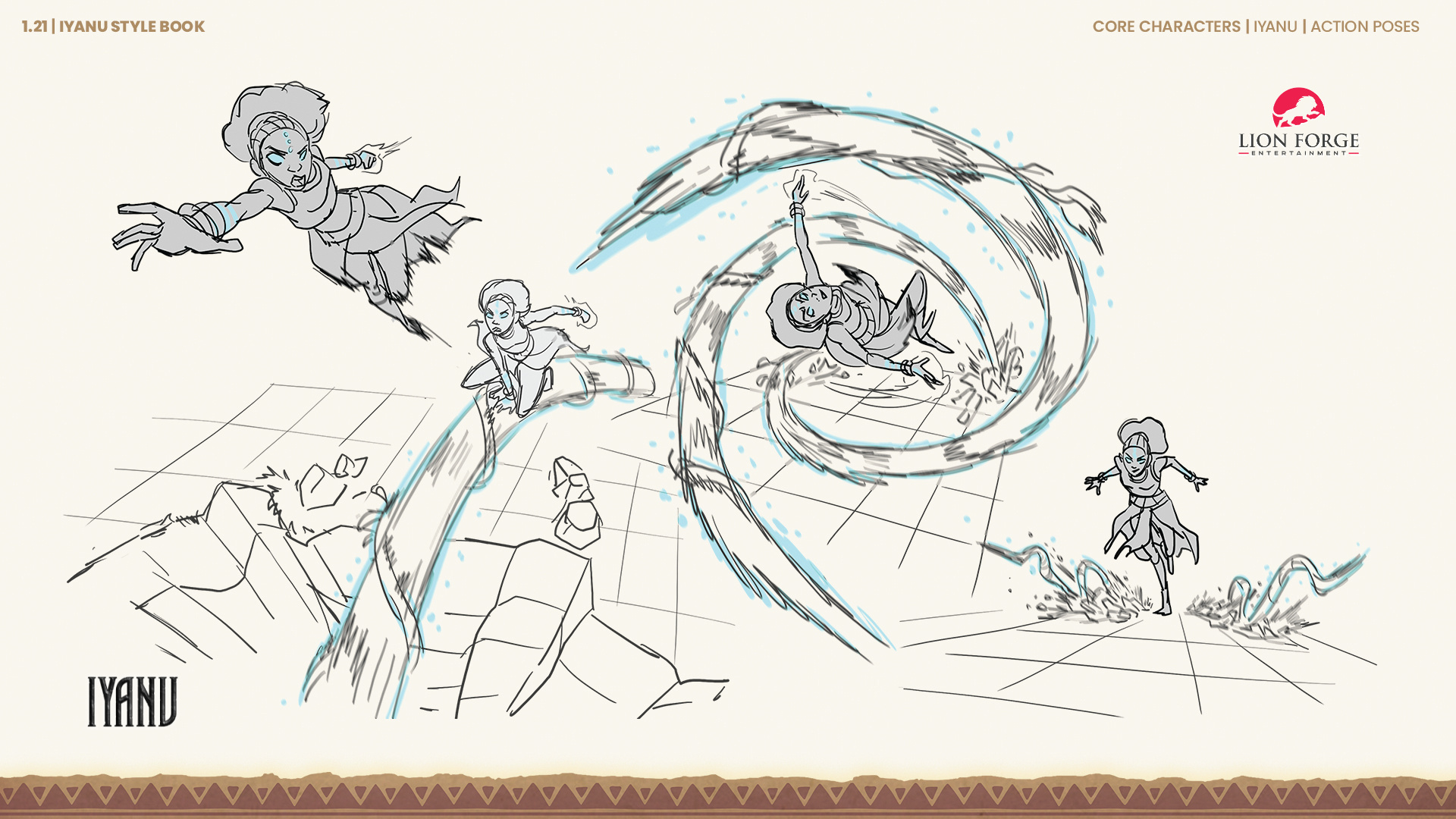
For Okupe, the challenge was allowing that collaboration to elevate the material without diluting its core. “How do you bring all the stuff people loved in the graphic novel, but allow all these influences to elevate and not distract from what the core of the story is?” he proposes.
Truly Global
One reason Iyanu succeeded in threading that needle was the diversity of its production itself. Backed by Lion Forge Entertainment and ImpactX, the series was developed and produced by a team based all around the world.
“We had people from Asia, Africa, Europe, South America, North America,” Okupe recalls. “I think the only two continents we didn’t have were Antarctica and Australia.”
That breadth became a creative asset. When cultural elements needed clarification, the team could test whether changes opened the door to understanding without compromising authenticity. “How do we reshape this in a way that doesn’t step on the culture, but opens the doors for people outside to understand?” Okupe says.
The result is a show that feels unmistakably African (from my admittedly non-African point of view) in its DNA while remaining relatable and emotionally accessible to audiences everywhere. Ratings success and NAACP Image Award nominations recognize that achievement at the institutional level.
From Series to Franchise
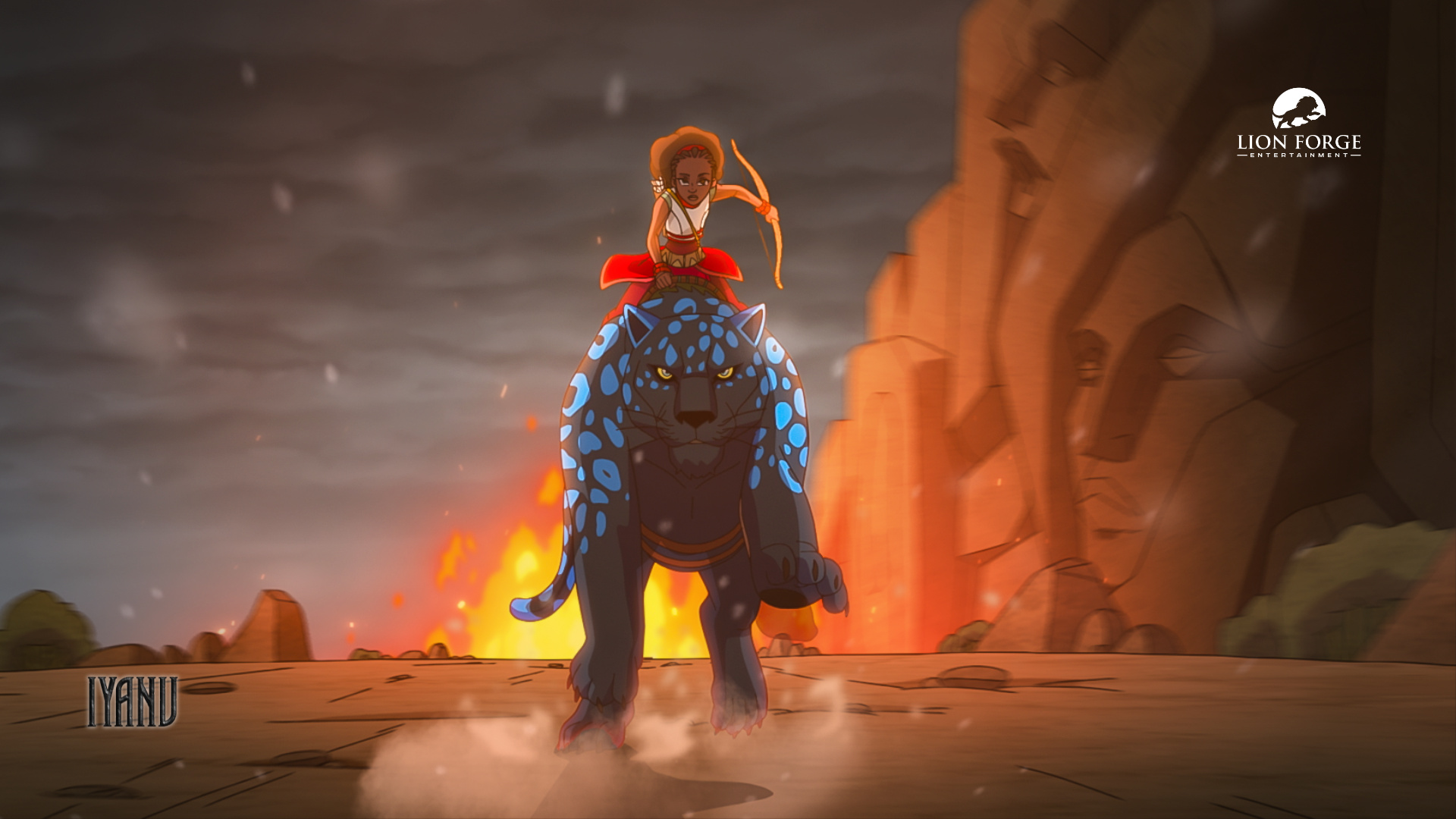
Crucially, Iyanu was never conceived as a one-off. Season one was followed by the feature-length Iyanu: The Age of Wonders, with a second season and another feature already planned. Okupe sees these expansions not as opportunistic spin-offs, but as extensions of a narrative foundation.
“The second movie is the one where I feel like everything came together,” he says. “It’s a combination of everything I’ve ever done in my creative life. I think it’s my best work yet.”
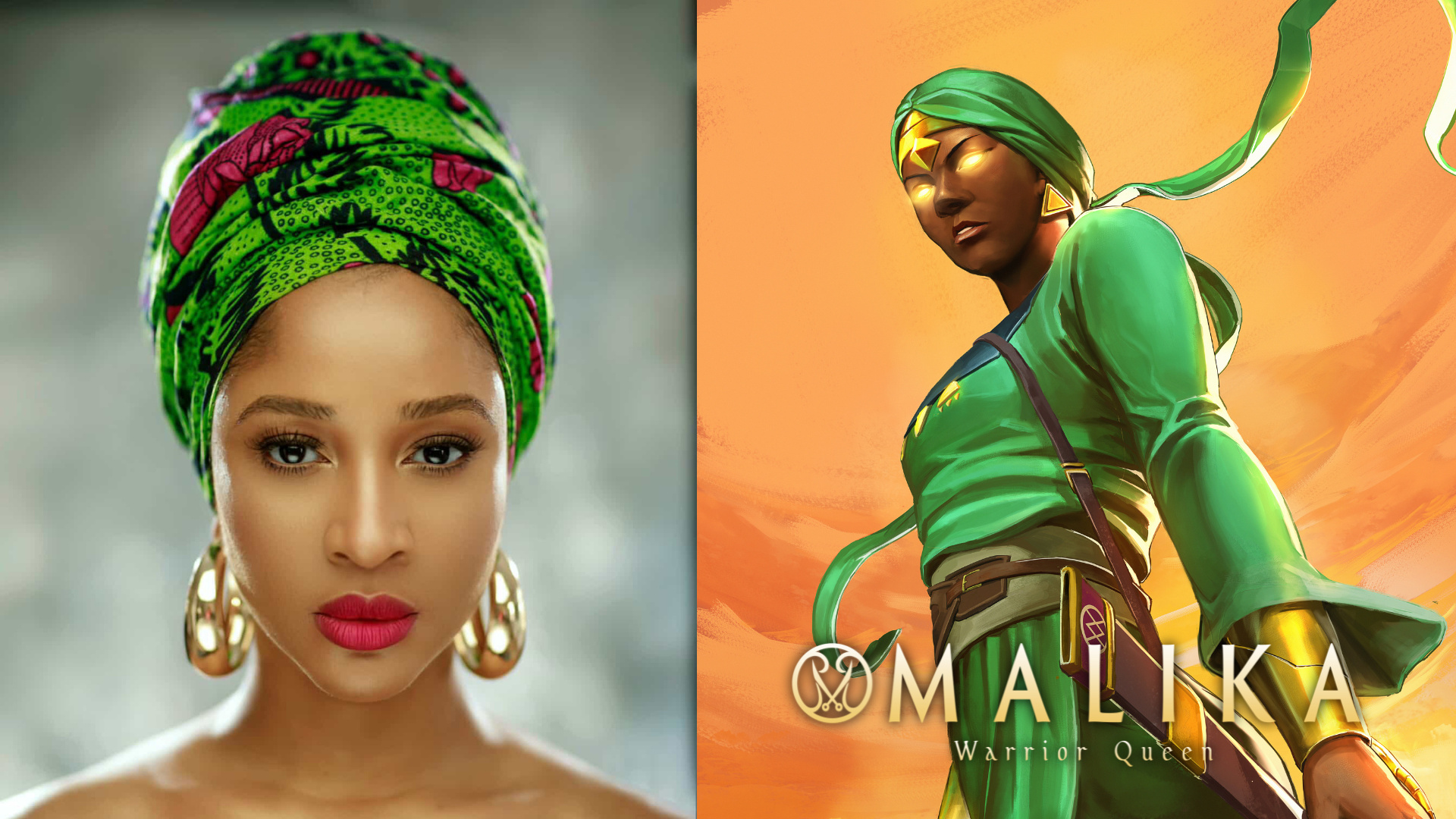
That same long-view thinking extends to Okupe’s next major project, Malaika: Warrior Queen, currently in development with The CoProduction Company as an anime-inspired feature film. Unlike Iyanu, which targets a younger audience, Malaika allows Okupe to lean fully into mature themes and anime conventions.
“With Malaika, we’re really saying this is full-blown anime-inspired,” he explains. “We’re calling this Afro-anime.”
He’s also got big-name talent attached, with leading Nigerian actress and global breakout star Adesua Etomi-Wellington (The Wedding Party) attached to play the Warrior Queen herself.
Afro-Anime Beyond the Label
Okupe is careful not to frame Afro-anime as a novelty or flash in the pan. Instead, he sees it as a legitimate aesthetic and narrative framework that draws on a much-loved art form that has simply not been fully realized yet.
“No one has ever brought all these things together into one package,” he says, referring to African culture, anime-inspired aesthetics, and contemporary Afrobeats music. “Literally no one has done it.”
Music, in particular, plays a central role in Malaika. Drawing inspiration from Samurai Champloo, Okupe plans to integrate Afrobeats into the film’s emotional core rather than treating it as a surface-level flavor. “It’s not an afterthought,” he says. “It’s part of the soul of the film.”
The goal is not to chase trends, but to establish a new canon. “We’re not trying to create a trend or a niche,” Okupe emphasizes. “We’re trying to show that these stories can stand alongside anything else creatively and commercially.”
A Broader Shift
Considered together, Iyanu’s NAACP nominations, Okupe’s Kidscreen spotlight, and the creator’s expanding slate point to a broader shift in a global animation scene hungry for original and diverse stories and aesthetics. African-inspired narratives are no longer confined to the margins or framed as experiments. They are being recognized, financed, and celebrated at scale.
For Okupe, that recognition carries responsibility. “If it worked for Iyanu, it should be able to work for us,” he says, speaking not just about his own projects, but inclusively about the next generation of African creators watching closely.
With Iyanu continuing to grow and Malaika on the horizon, Roye Okupe is not just building a franchise. He is helping define what African animation can look like when its stories are treated with the same regard as their western and eastern counterparts, financed at an industry standard level, and distributed in ways that allow audiences to find and fall in love with them.