.png)
Christine Banna Hand-Paints Every Frame In Moira Smiley’s Animated Music Video ‘Haiku’
Stay informed with free updates
Sign up to get our news digest — delivered directly to your inbox twice a week.
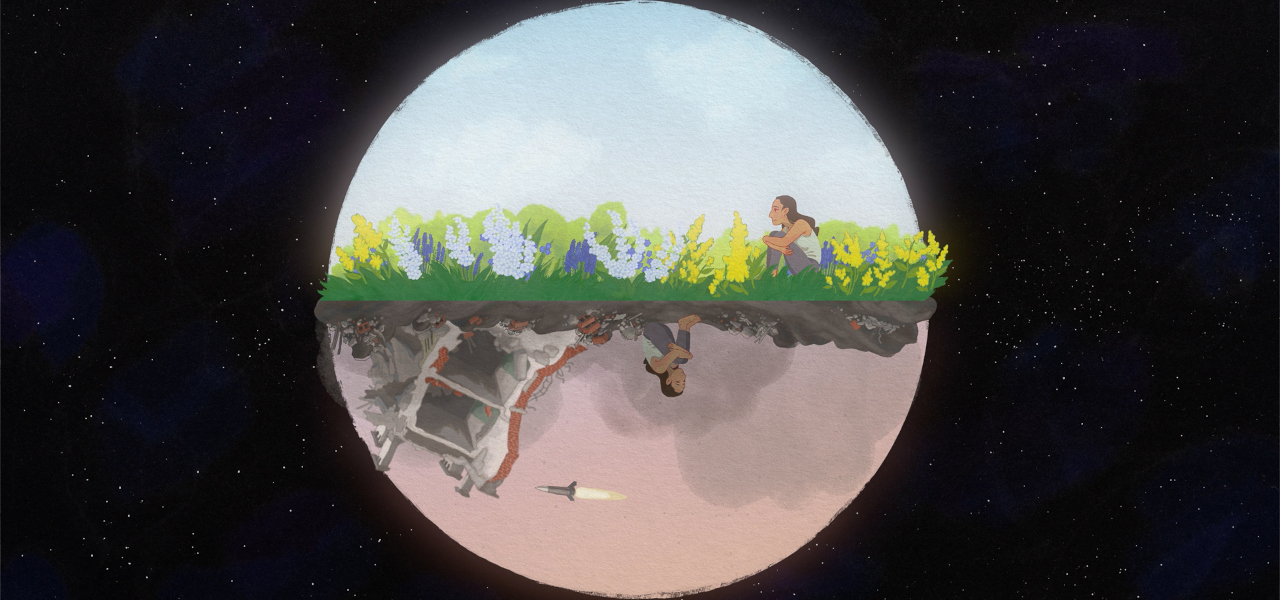
Grammy-nominated composer and vocalist Moira Smiley has released the music video for her new single “Haiku,” timed to the United Nations’ World Day of Social Justice. The piece sets an Edo-period poem by Kobayashi Issa to music:
In this world,
we walk on the roof of hell
gazing at flowers.
The animated film accompanying the release, directed by painter-turned-animator Christine Banna, expands that contradiction outward, moving from intimate human gesture to cosmic scale in a work that feels both fragile and unflinching.
Banna approaches animation less as a departure from fine art than as its synthesis. “I am a painter by trade, and when I came to animation in grad school, it married all the things I loved about making art together,” she said. “Animation is like a sponge, absorbing any and all knowledge and skills you have.”
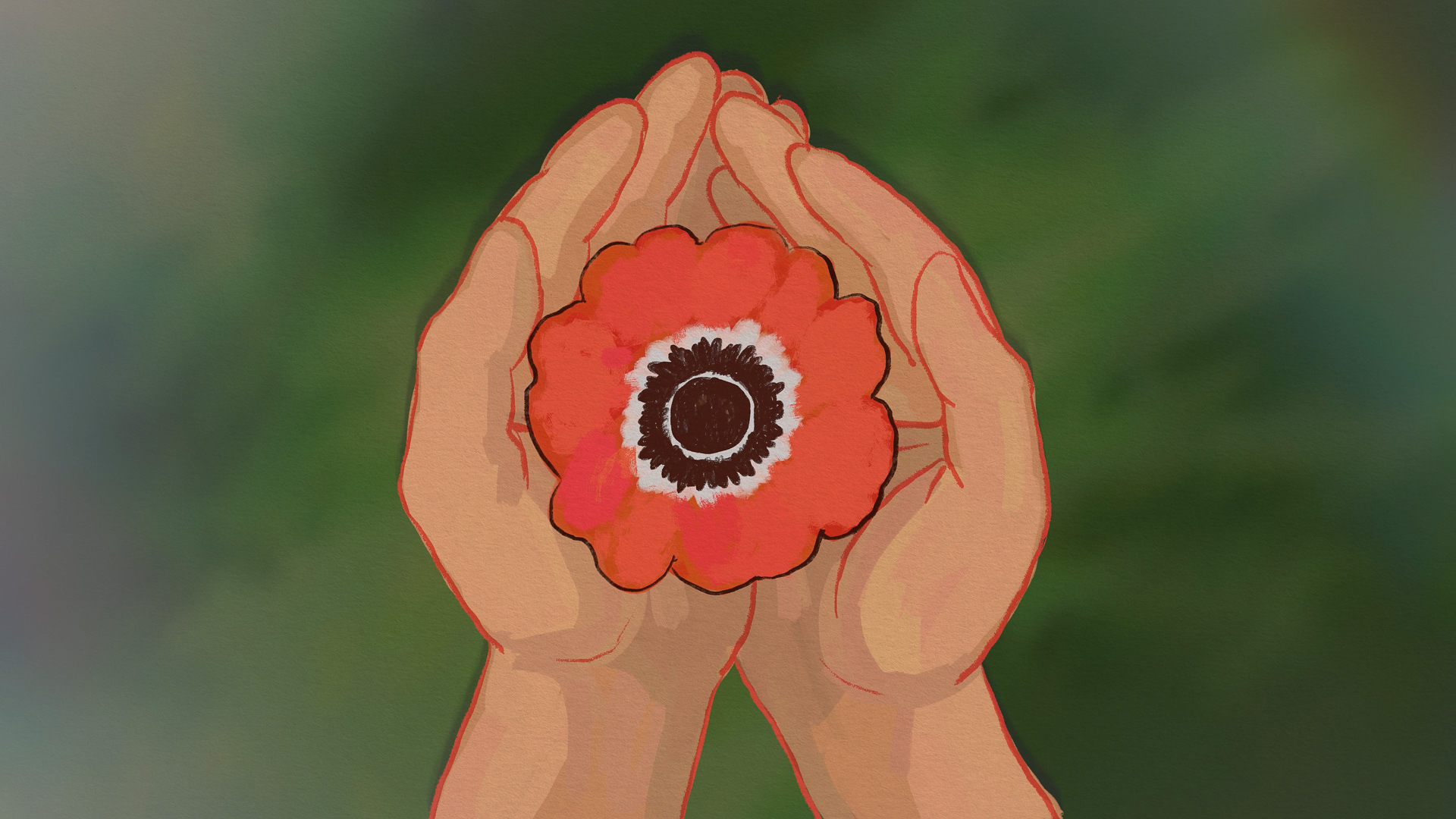
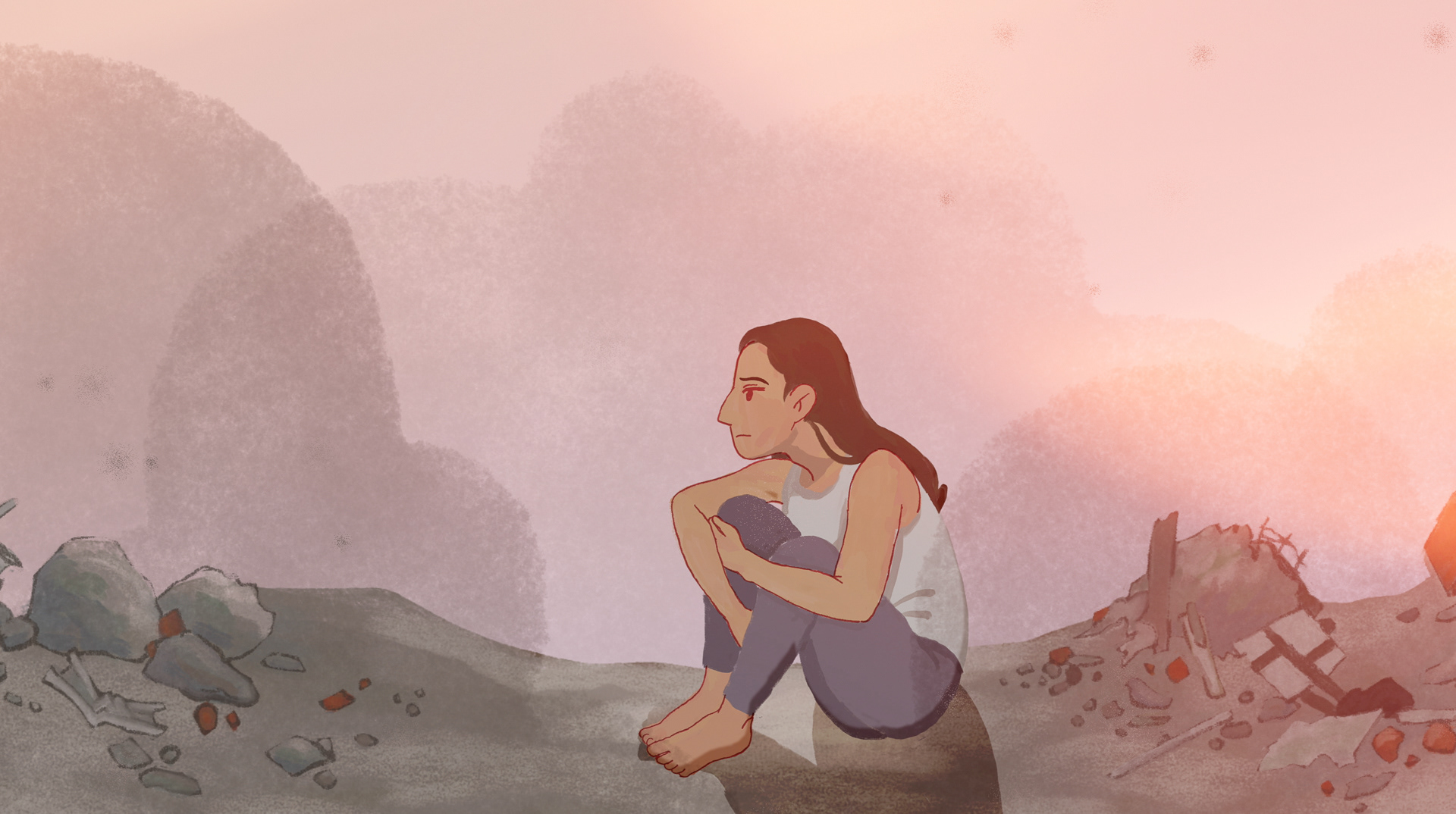
That elasticity is visible throughout “Haiku.” The music video trembles with visible brushwork, resisting an over-polished flatness. Banna colors every frame individually. “I’m allergic to the fill bucket tool,” she explained. “I always color every single frame individually, because I do think there’s a palpable difference in the experience of the work, and it is a part of the animation process I do not like to rush through. The flesh tone in “Haiku,” for example, varies because I want to see my hand in every frame.”
Smiley’s song hinges on cognitive dissonance, darkness, and beauty occupying the same space, and Banna’s decision to preserve analog texture within a digital workflow mirrors that. With instability through fluctuating color fields, quivering linework, and a camera that continually widens its perspective, “Haiku” marries music and visuals with layers of meaning.
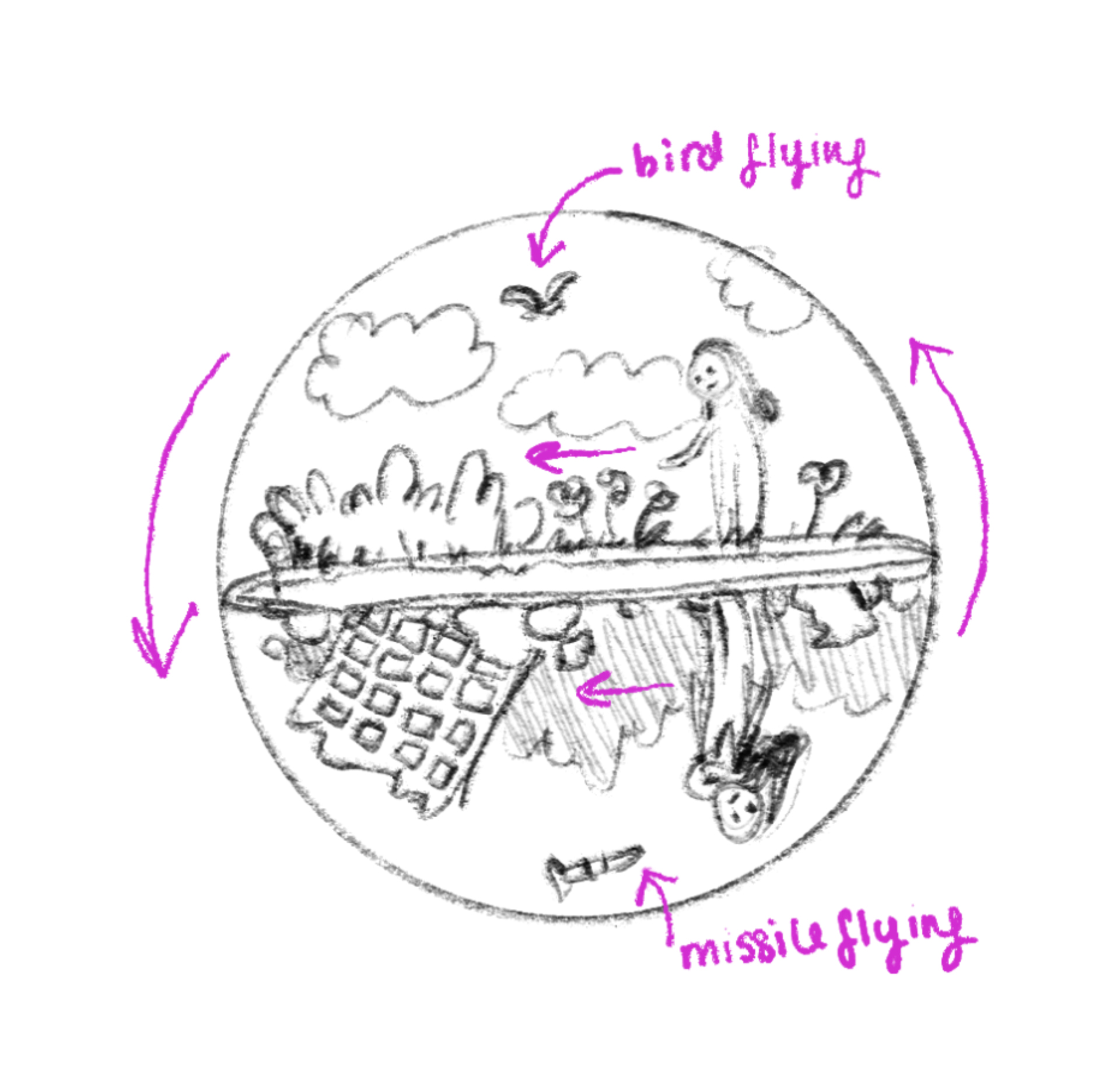
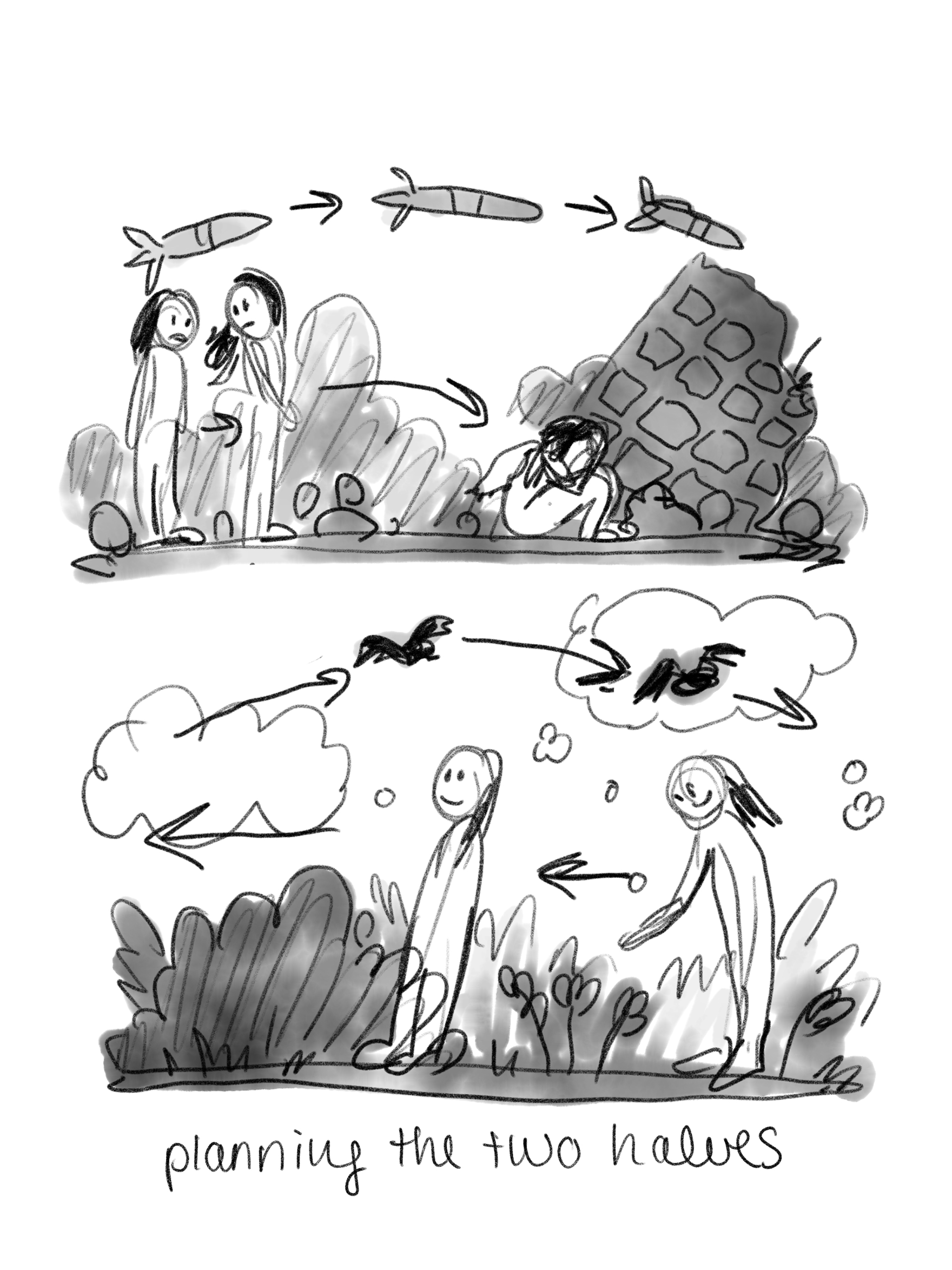
Smiley’s arrangement, performed with Craig Hella Johnson and Shara Nova, layers choral voices over strings in arcs that feel suspended between lament and reverence. For Banna, the interplay between disciplines was generative. “I love seeing creative processes outside my discipline, and it’s so interesting how they often parallel,” she said.
The collaboration was also personal. “It was a project of love. I love Moira, and I adore her music. I love the message and feel extremely passionate about it,” Banna said. Released on the UN’s World Day of Social Justice, the film confronts contemporary violence and systemic abuse of power directly, though it does so through allegory.
“When we’re not paying attention is when people who abuse power get away with that abuse,” Banna said. “This was my way of meditating on what was happening in the world, and it was somewhat healing to work on it. But it wasn’t all smooth. Sometimes I would feel frozen and emotionally exhausted, and other times all I could do was just focus on the next frame and try to put the weight of it aside.”
Like Issa’s poem, “Haiku” does not resolve the contradiction it presents. It simply holds it. Devastation beneath our feet, flowers at eye level, and the persistent act of seeking.