.png)
How Netflix’s ‘Asterix & Obelix: The Big Fight’ Balances Classic Comic Roots With Modern CG Aesthetics (EXCLUSIVE)
In partnership with Netflix, Cartoon Brew recently sat down with production designer Aurélien Prédal to discuss bringing Asterix & Obelix: The Big Fight to life, a new animated series created by Alain Chabat and based on the beloved comics by René Goscinny and Albert Uderzo.
Held after a free screening in Los Angeles, the Q&A was recorded and can be seen here:
Produced at TAT Productions, The Big Fight revisits a familiar setup to A&O fans: Rome is still trying to conquer the last independent village in Gaul, but this time the Gauls are left without their magic potion when the druid loses his memory.
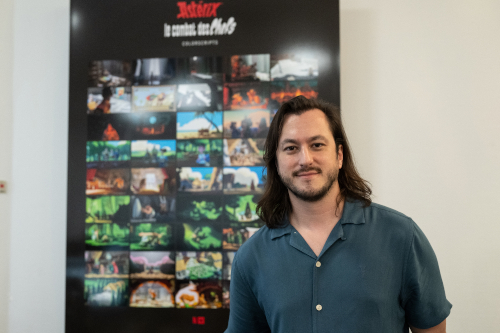
Prédal spent three years on the series as project designer, overseeing everything from early sketches to the final image. “I was in charge of all the look of the project,” he said. “From the first drawings to what you see on screen.” His role was to support the directors visually at every stage. “It’s about making sure the story works through the image. Lighting, colors, design, everything has to feed the emotion.”
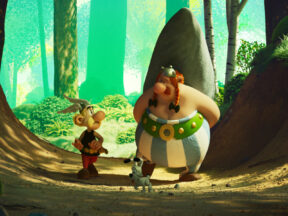
There was real pressure in adapting Asterix, one of Europe’s most iconic franchises, for a global audience. “It’s huge in France and across Europe,” he said. “We had to be very faithful to the original comic books, but also bring something new.” The team chose not to reinvent the characters but to translate the spirit of the comics into a CG format. “We wanted to keep that comic book feeling. Even if it’s 3D, there are always graphic elements in the image.”
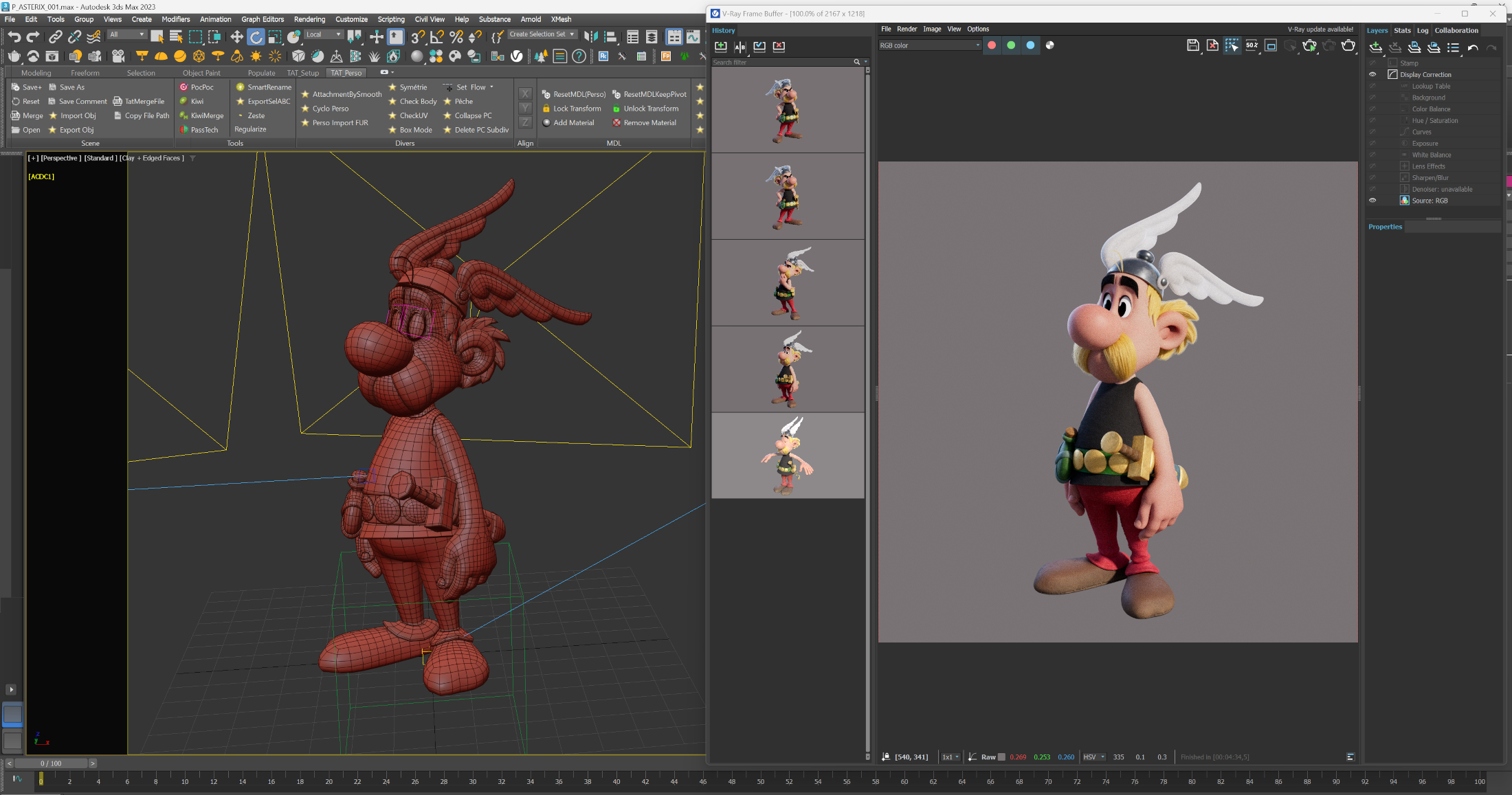
The production pipeline played a big role in shaping that approach. “The studio works in a more classic 3D style,” Prédal explained. “So I didn’t want to push something too 2D. It would have been too complex.” Instead, the team layered in graphic touches that echo the source material. “We used their strengths and added elements to bring it closer to the comic.”
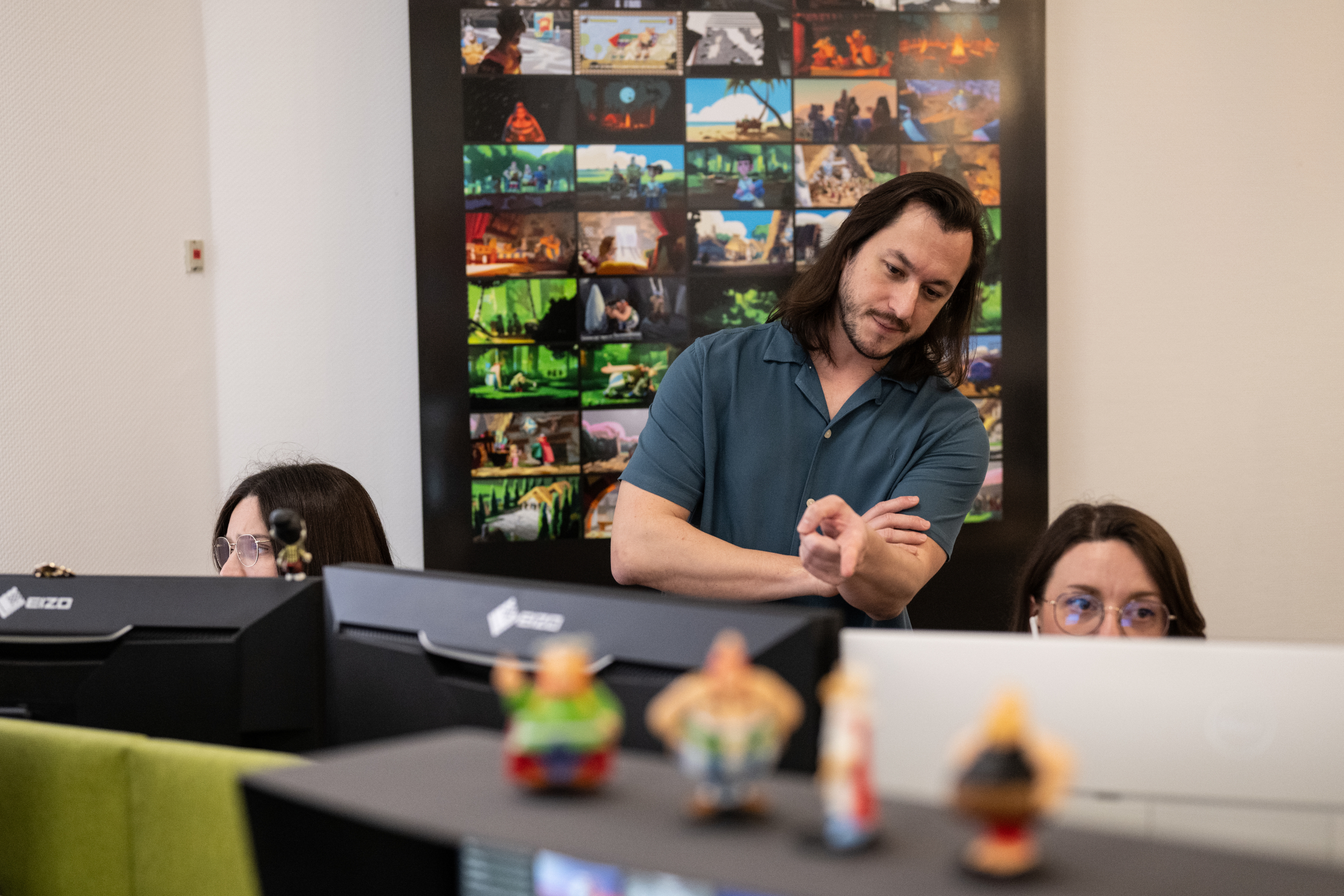
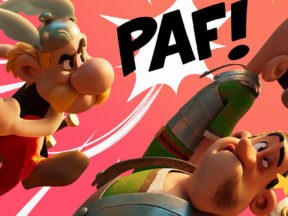
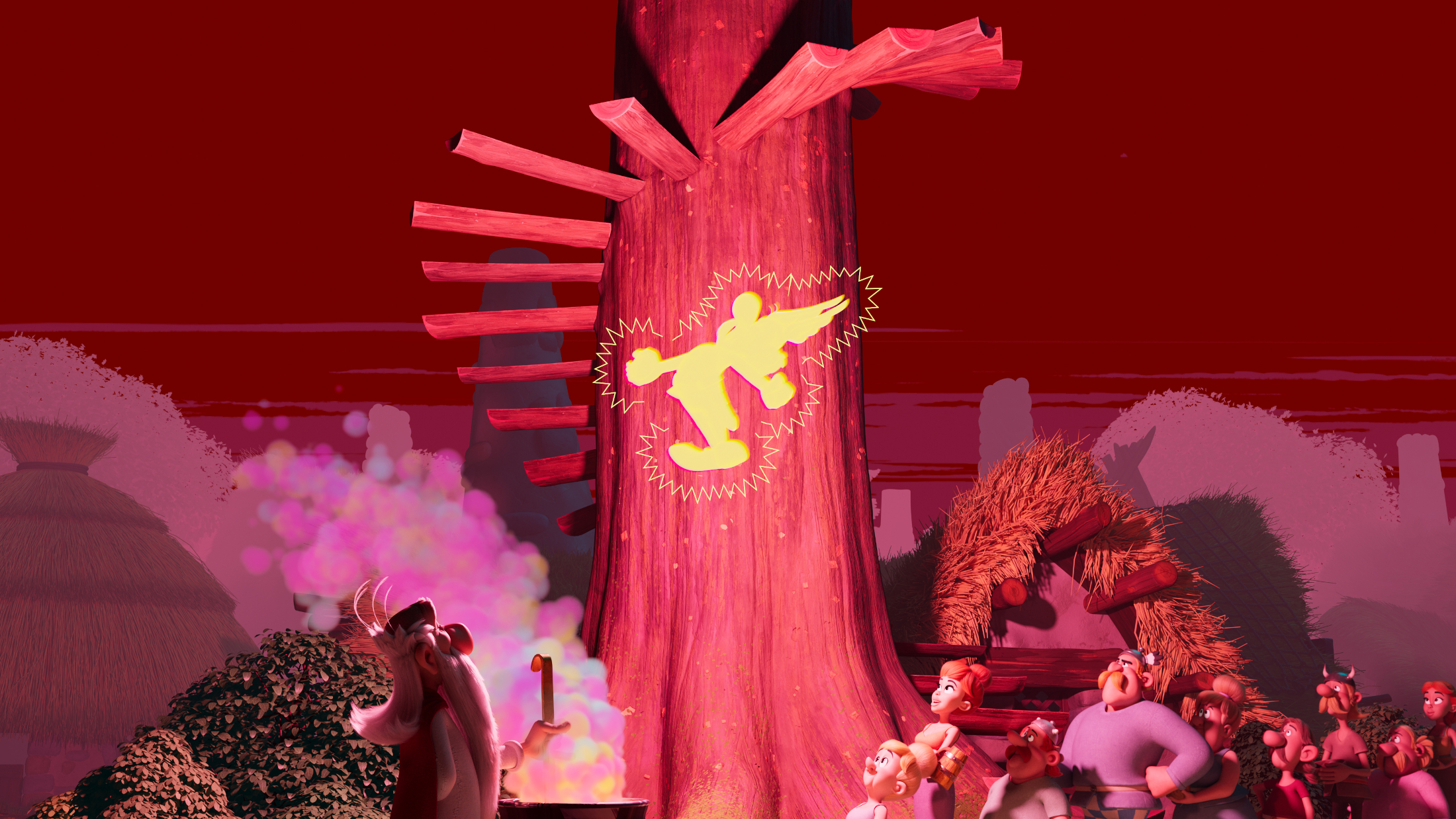
The series also stands out for how often it shifts visual style. Some sequences break away from the main look entirely, including stylized inserts and hand-drawn moments. “Those segments were a massive challenge, but also a big reason why I wanted to work on the show,” he explained. “Every episode has its own personality.” Each required its own design language while still fitting into the overall world.
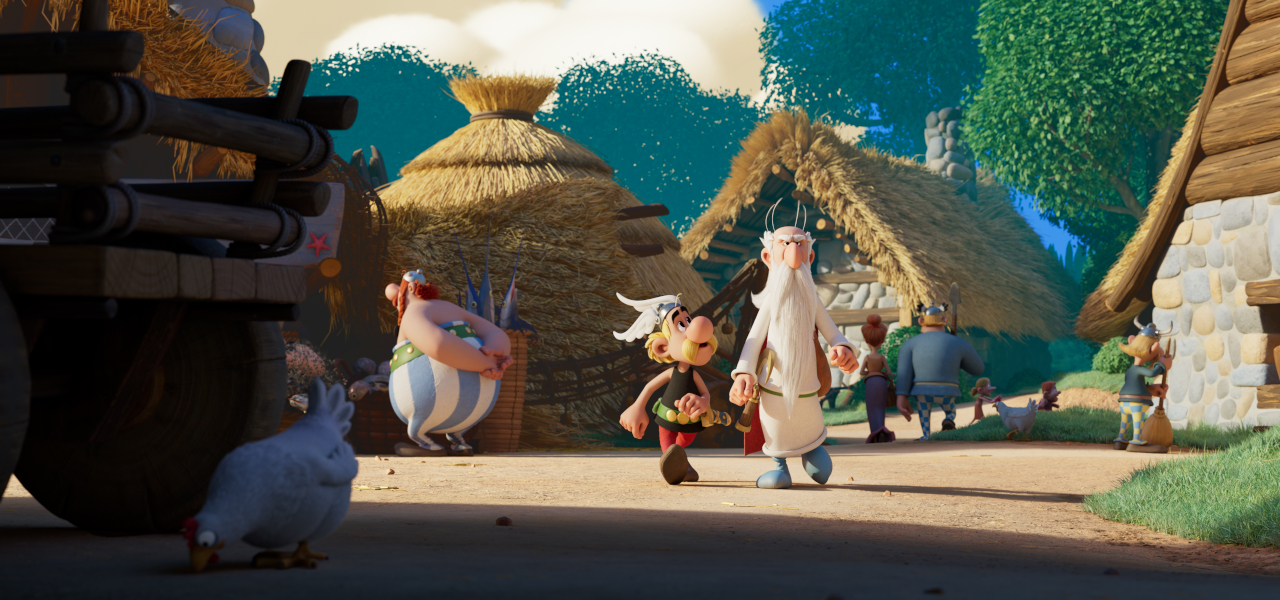
That world is built around clear visual contrasts. The Gaul village is soft and organic. “All the shapes are very round and irregular. It feels chaotic, but warm.” Roman environments are much stricter. “Everything is square, everything is massive.” The hybrid Gallo-Roman spaces mix both aesthetics in intentionally awkward ways. “They try to copy the Roman style, but they do it badly. It becomes a patchwork.”
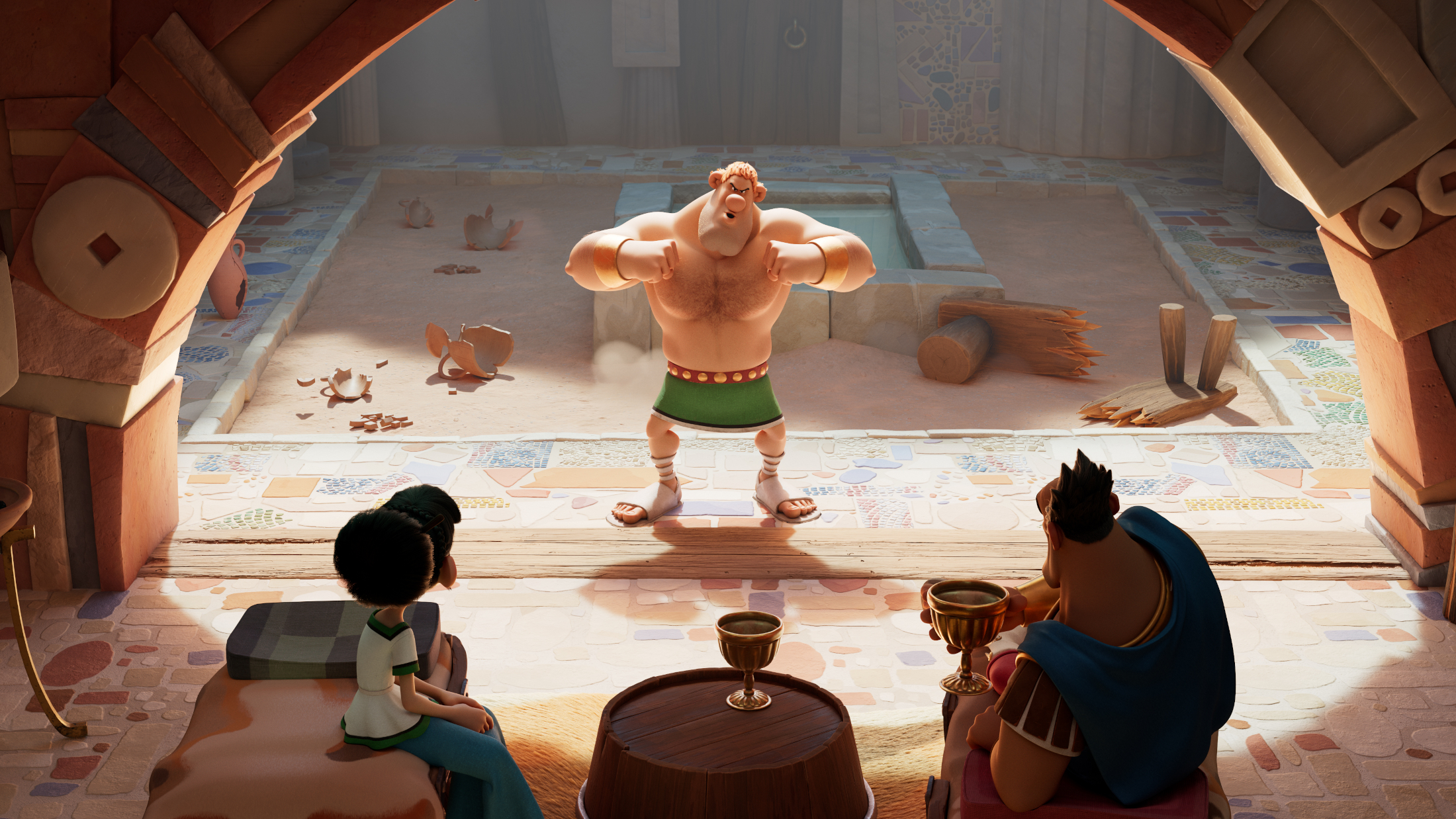
Because this adaptation was serialized, certain production limits had to be applied. “On a big feature, you can redo things many times,” said Prédal, who has worked on mega-blockbuster franchises including Inside Out, Spider-Verse, and Despicable Me, to name just a few. “Here, you have to get it right quickly.” Planning ahead was essential so the team could focus on execution instead of constant revisions. Even so, the goal was to maintain a cinematic look. “We didn’t want it to feel flat like a typical TV show.”
Color became one of the main areas where he could push creatively. Prédal looked back at early editions of the comics, where the palette was more playful because one of the original artists was color blind. “The colors were very funky. You had pink skies, characters changing colors.” That influence shows up in the series, especially in magical moments. “We used those ideas to bring something unexpected to the visuals.”
For Prédal, the collaborative atmosphere made a lasting impression. “I always try to push as far as I can,” he said. “Usually someone tells you it’s too much.” On this series, that rarely happened. “Most of the time it was, ‘let’s do it.’” That trust carried across a production that spanned several years and close to 200 artists, helping shape a version of Asterix that feels both classic and new.