.png)

2026 Oscars Short Film Contenders: ‘Playing God’ Director Matteo Burani
Stay informed with free updates
Sign up to get our news digest — delivered directly to your inbox twice a week.
Welcome to Cartoon Brew’s series of spotlights focusing on the animated shorts that have qualified for the 2026 Oscars. The films in this series have qualified through one of multiple routes: by winning an Oscar-qualifying award at a film festival, by exhibiting theatrically, or by winning a Student Academy Award.
Today’s short is Matteo Burani’s Playing God, featuring animation by Arianna Gheller. The clay-animated body horror short has enjoyed a tremendous festival run in 2025 and earned Oscar-qualifying awards at two festivals: Animayo Gran Canaria in May and Tribeca in June.
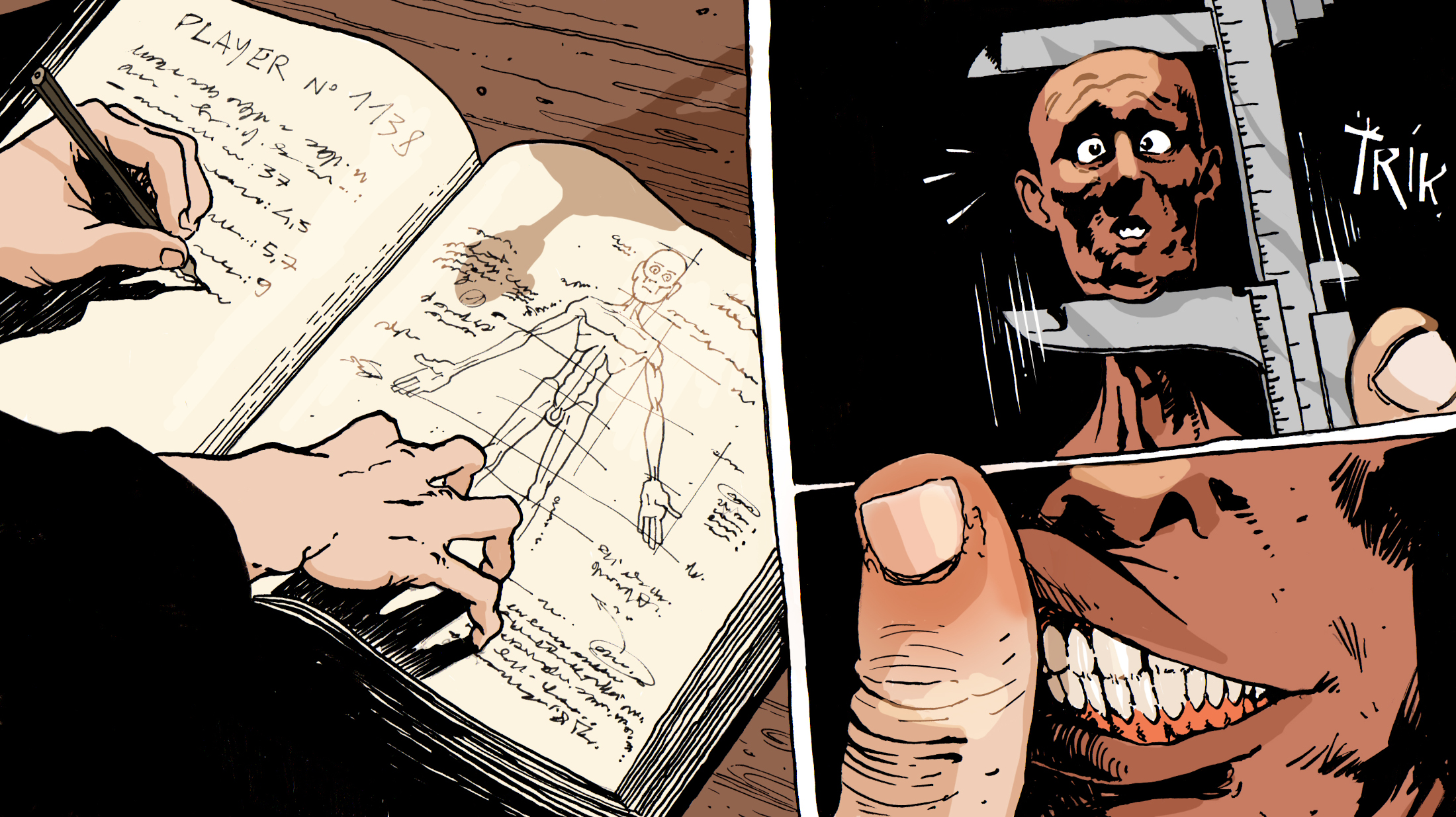
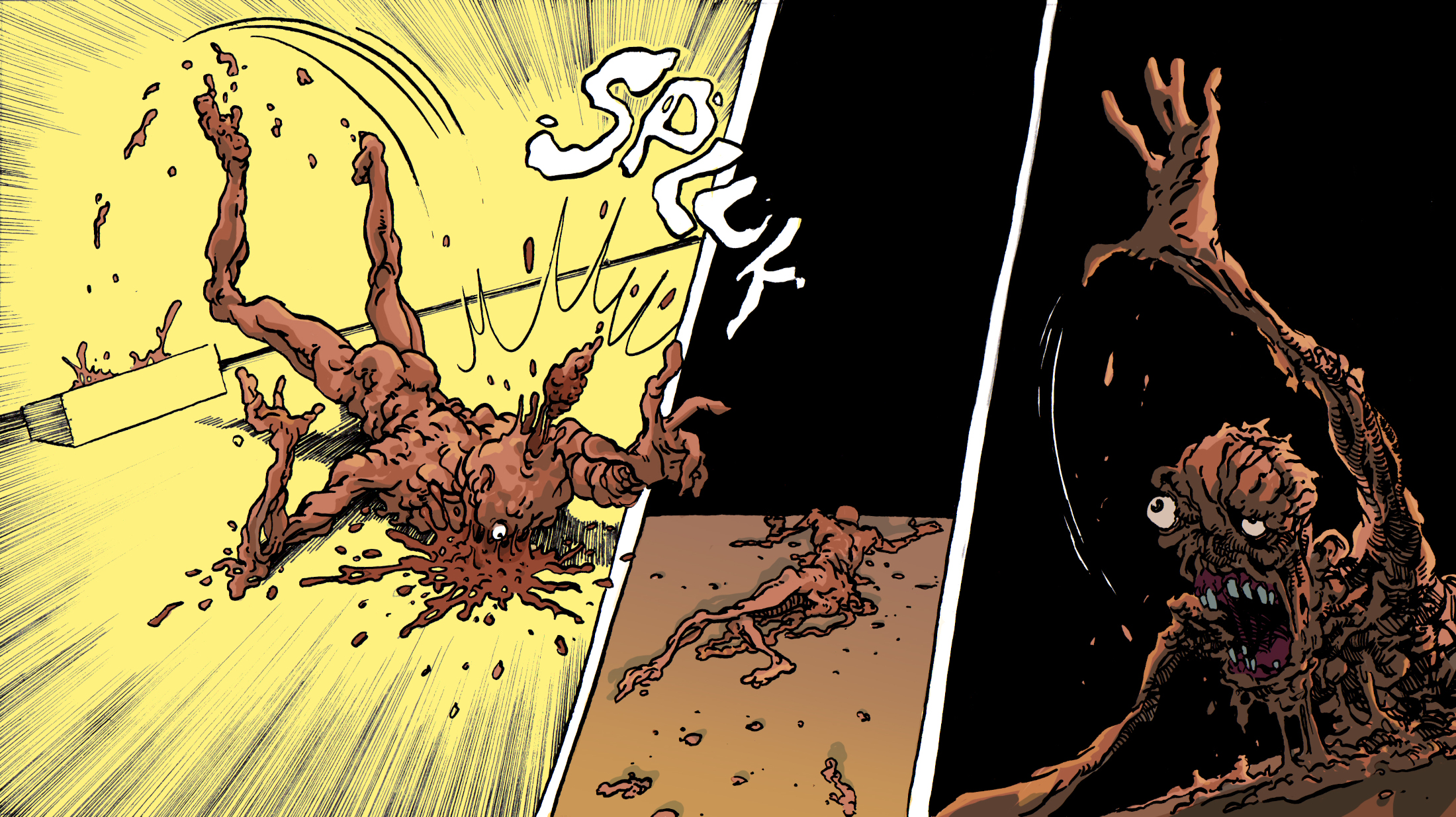
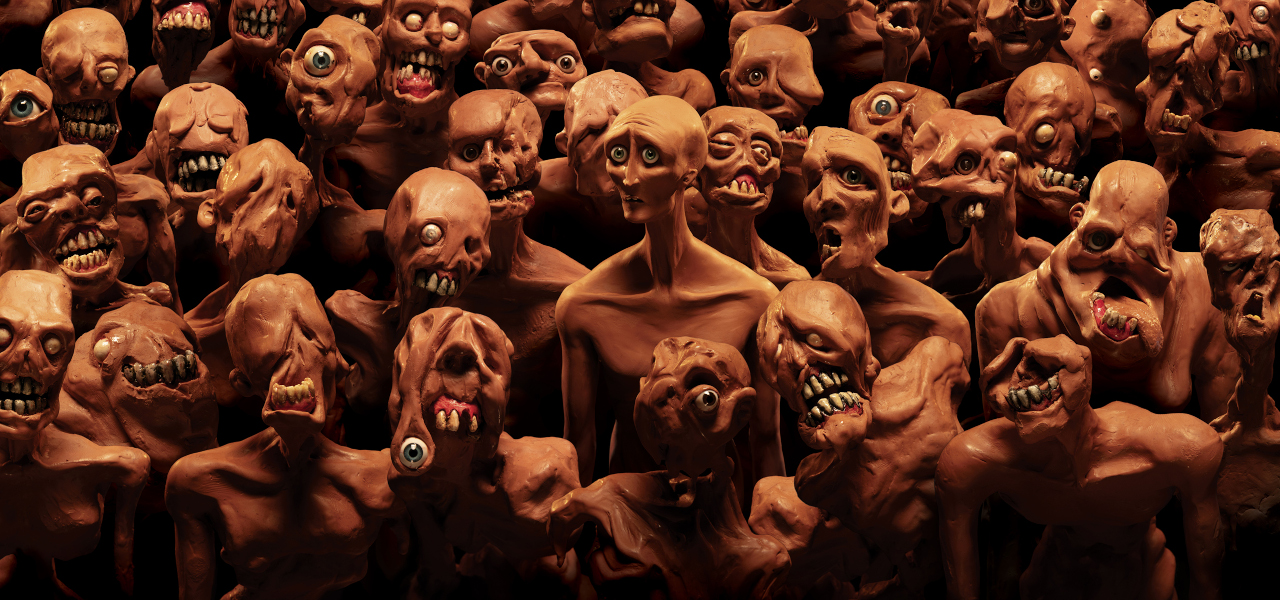
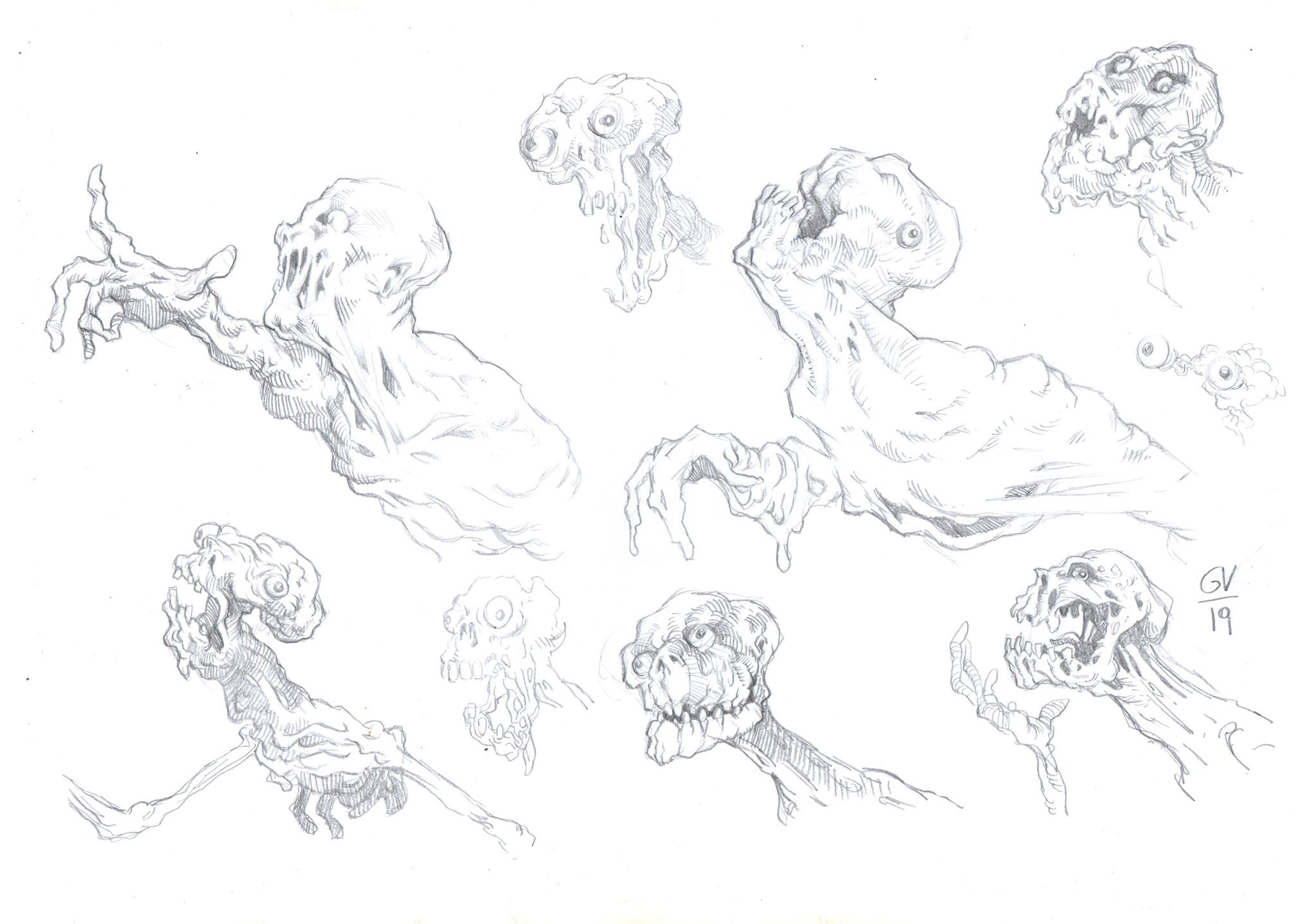
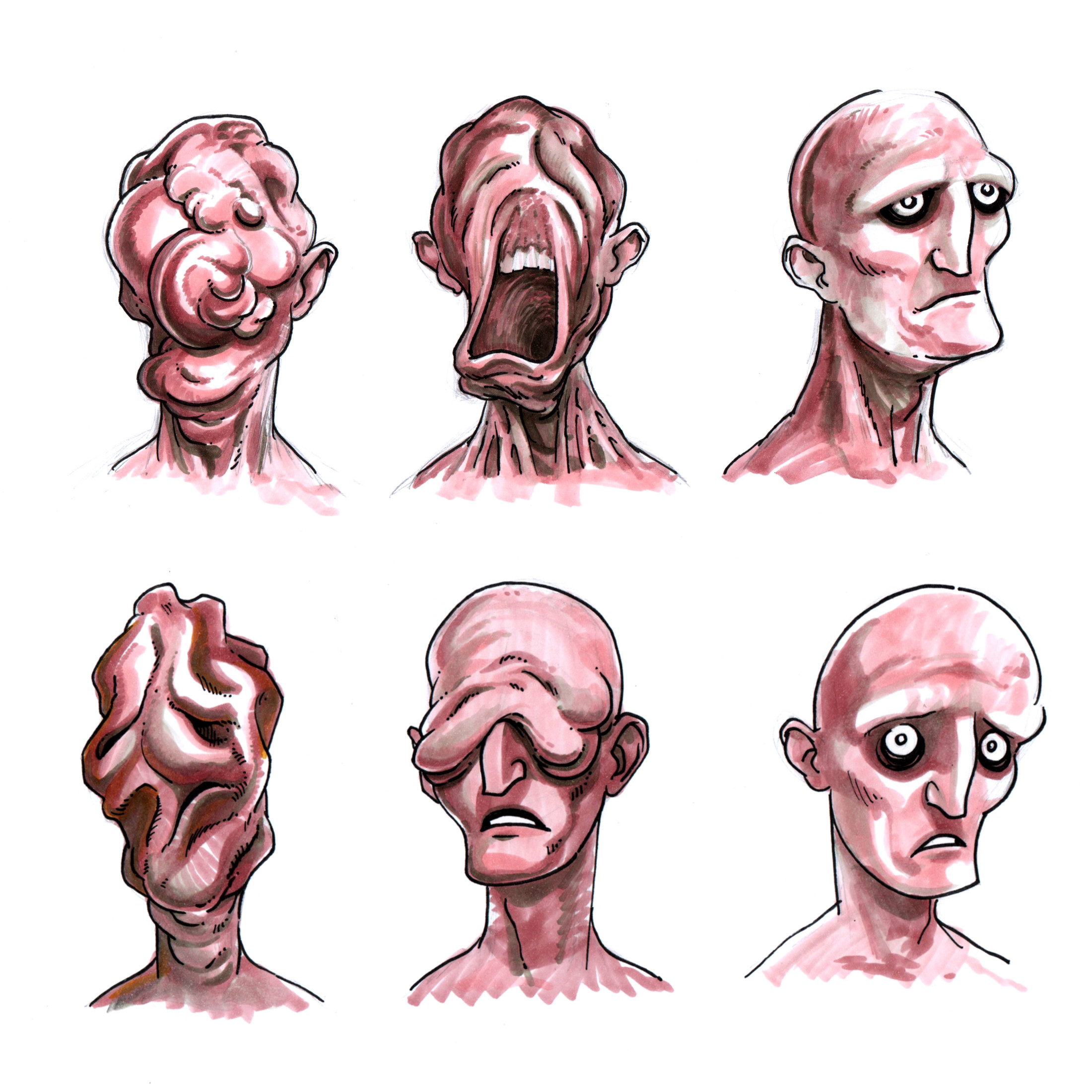
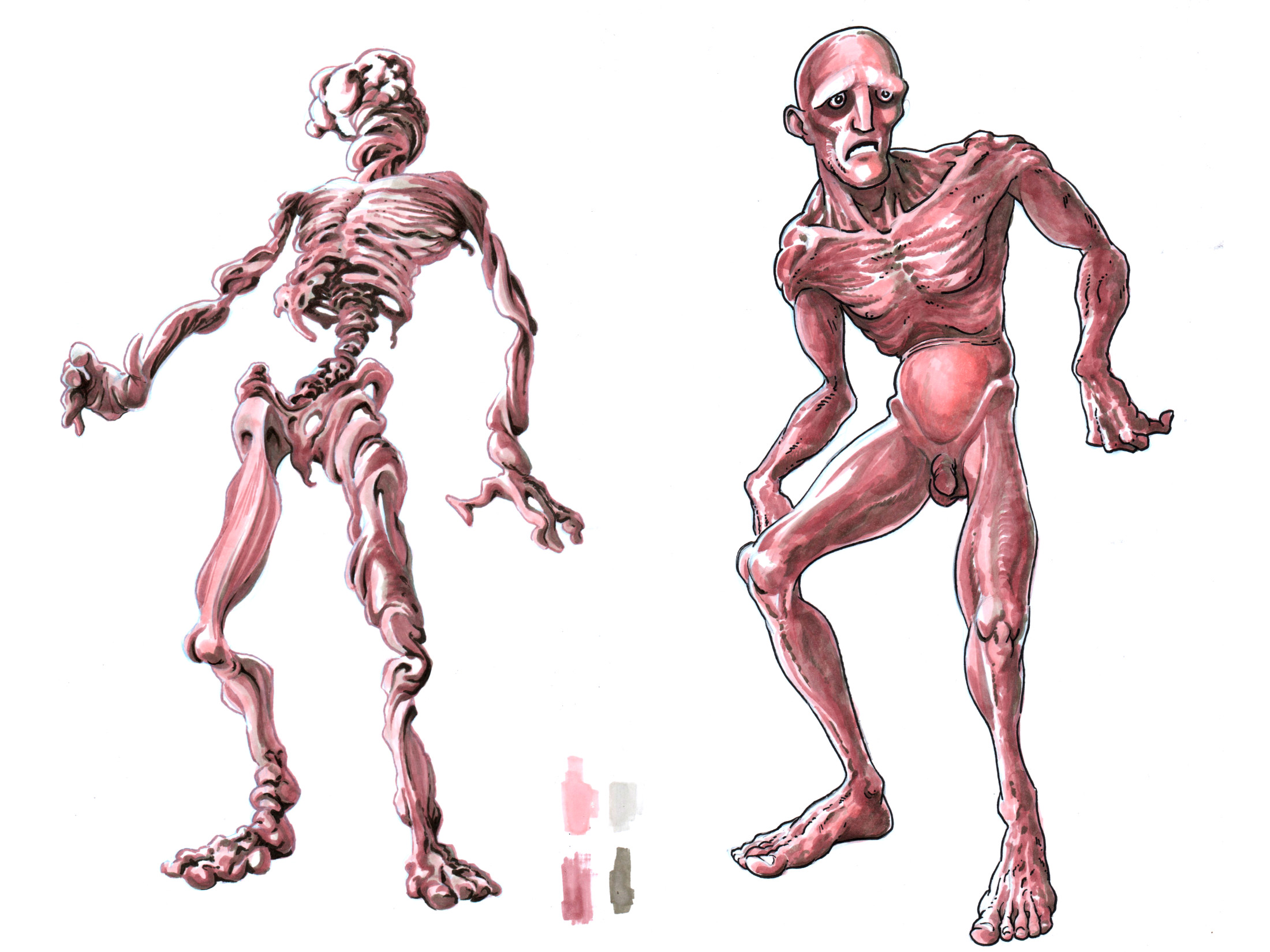
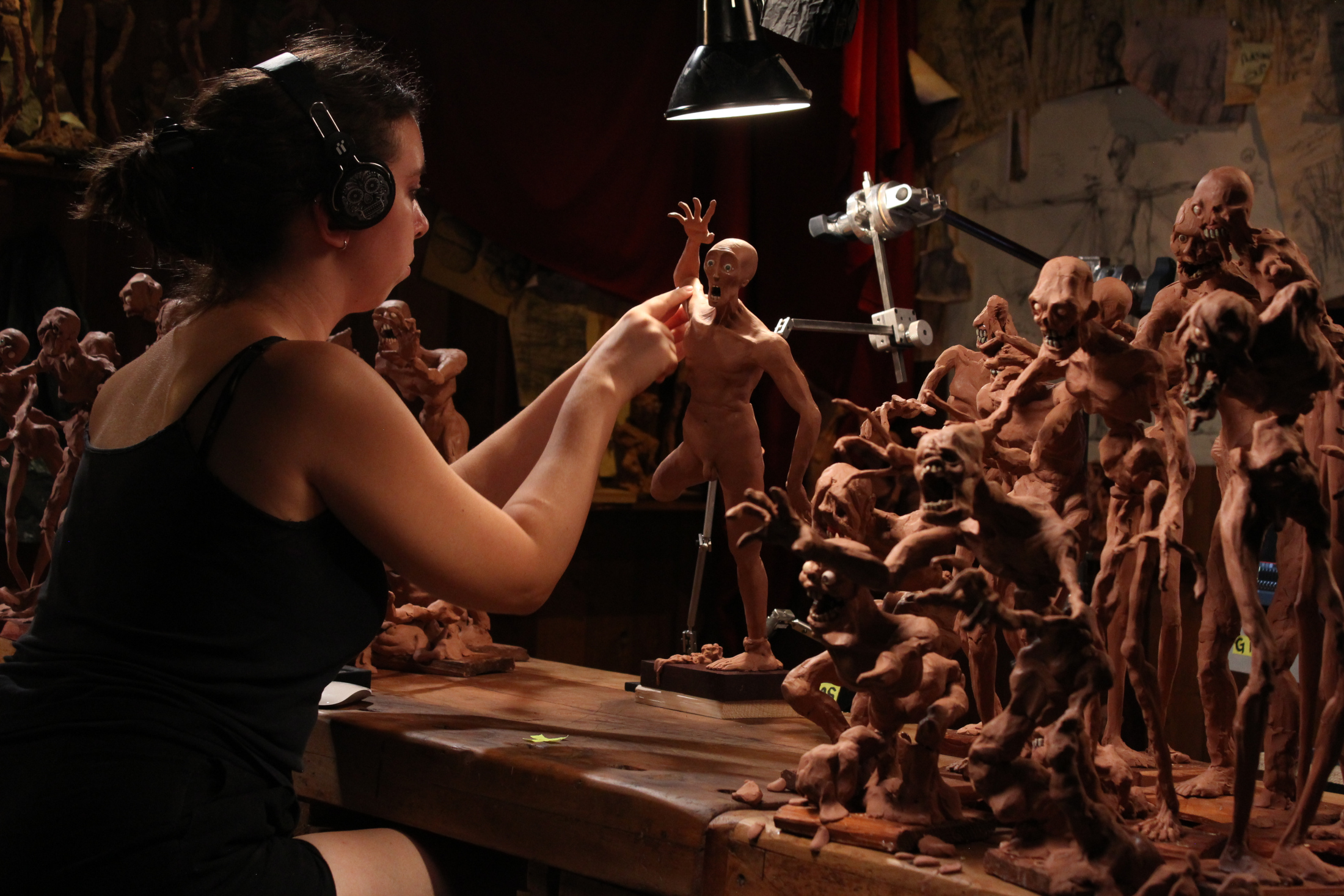
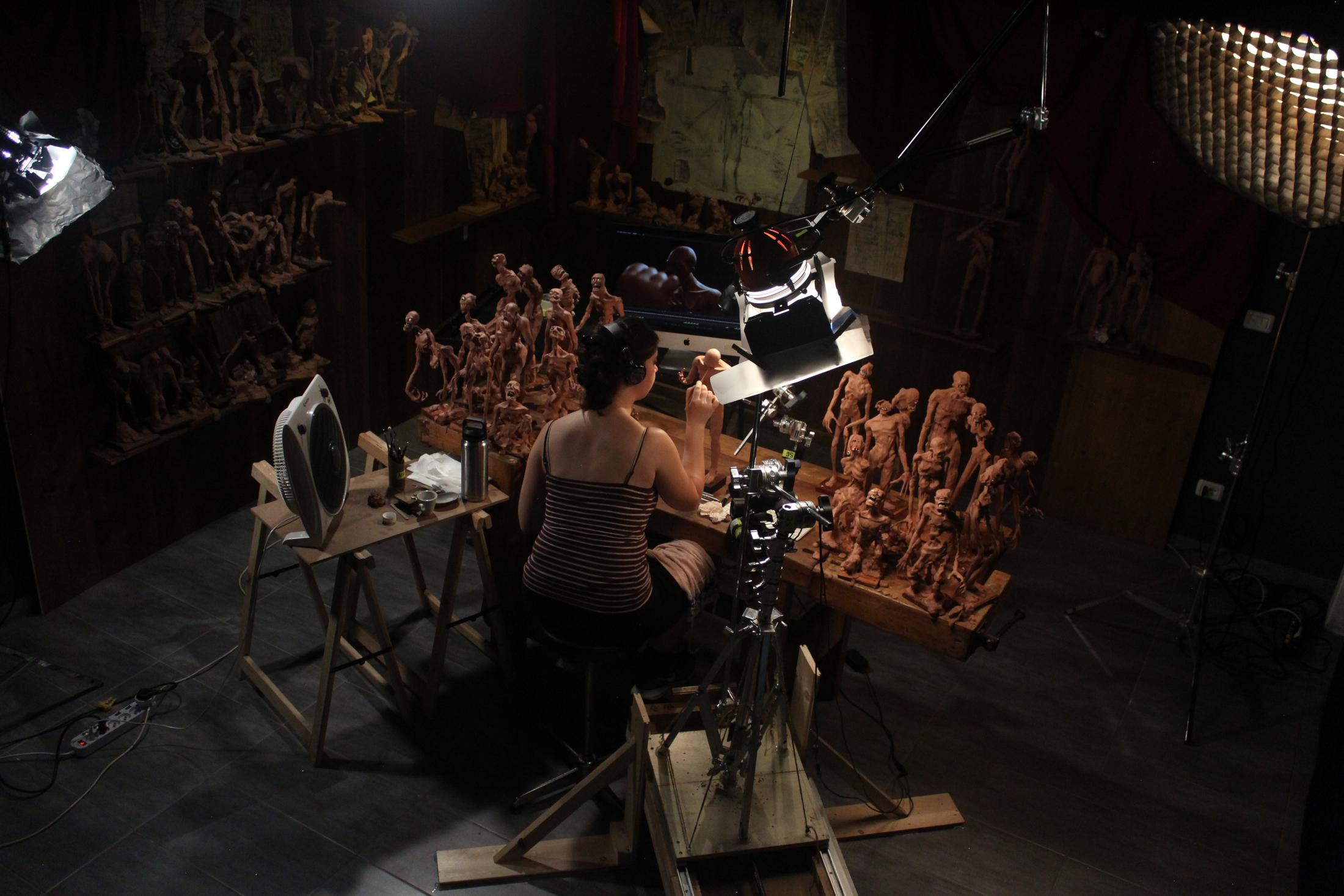
In the film, fragile clay sculptures are transformed and brutalized into a powerful allegory about identity and belonging. Set entirely within a dark, chaotic sculptor’s workshop, the story follows abandoned clay figures as they awaken and struggle to find meaning after their creator leaves them behind. Every frame is obsessively hand-sculpted and animated with minimal post-production, opting instead for real materials like tears and saliva to give the clay figures a more lifelike appearance. The carefully crafted stop motion, which sometimes yielded just five frames per day, is merged with raw, pixelation techniques and expressive lighting to give the film a visceral realism.
Cartoon Brew: What was it about this story or concept that connected with you and compelled you to direct the film?
Matteo Burani: Playing God was born from a personal urgency, the need to exorcize an obsessive reflection that had accompanied me for years: creation not only as an artistic act, but as a metaphor for human fragility and the power dynamics between those who shape and those who are shaped. Rooted in my background as a painter and figurative sculptor, it was thrilling to translate into stop motion a demiurge-like sculptor and a small clay Frankenstein. But since the beginning, the project’s strength lay in giving voice to a fragile community of beings who, though rejected, find belonging.
What did you learn through the experience of making this film, either production-wise, filmmaking-wise, creatively, or about the subject matter?

Making Playing God was a seven-year journey filled with mistakes, closed doors, and endless attempts. At first, it seemed impossible to find a producer willing to believe in this idea, so we founded our own production company, Studio Croma Animation, and decided to make it ourselves. The adventure was born and completed together with Arianna Gheller, the film’s sole animator, and a small core of extraordinary professionals and friends who have been with us since high school. Looking back, it’s impressive how many technical skills we gained, how many sleepless nights we spent. But the feeling of experimenting on such an ambitious project was priceless.
Can you describe how you developed your visual approach to the film? Why did you settle on this style/technique?
Playing God is a story that could only be told through the medium of stop-motion animation. Conceptually, I believe the technique itself gives the film a sense of completeness. Materiality was the key to our visual approach: clay, treated as living flesh, explodes in its textures and morphing. At the same time, by using pixilation to animate a real body on set interacting with 60 cm puppets, we created a bridge between reality and a magical fictional world; something only stop motion can achieve. For me, this was also a personal tribute to the medium after more than ten years of work and growth within it.
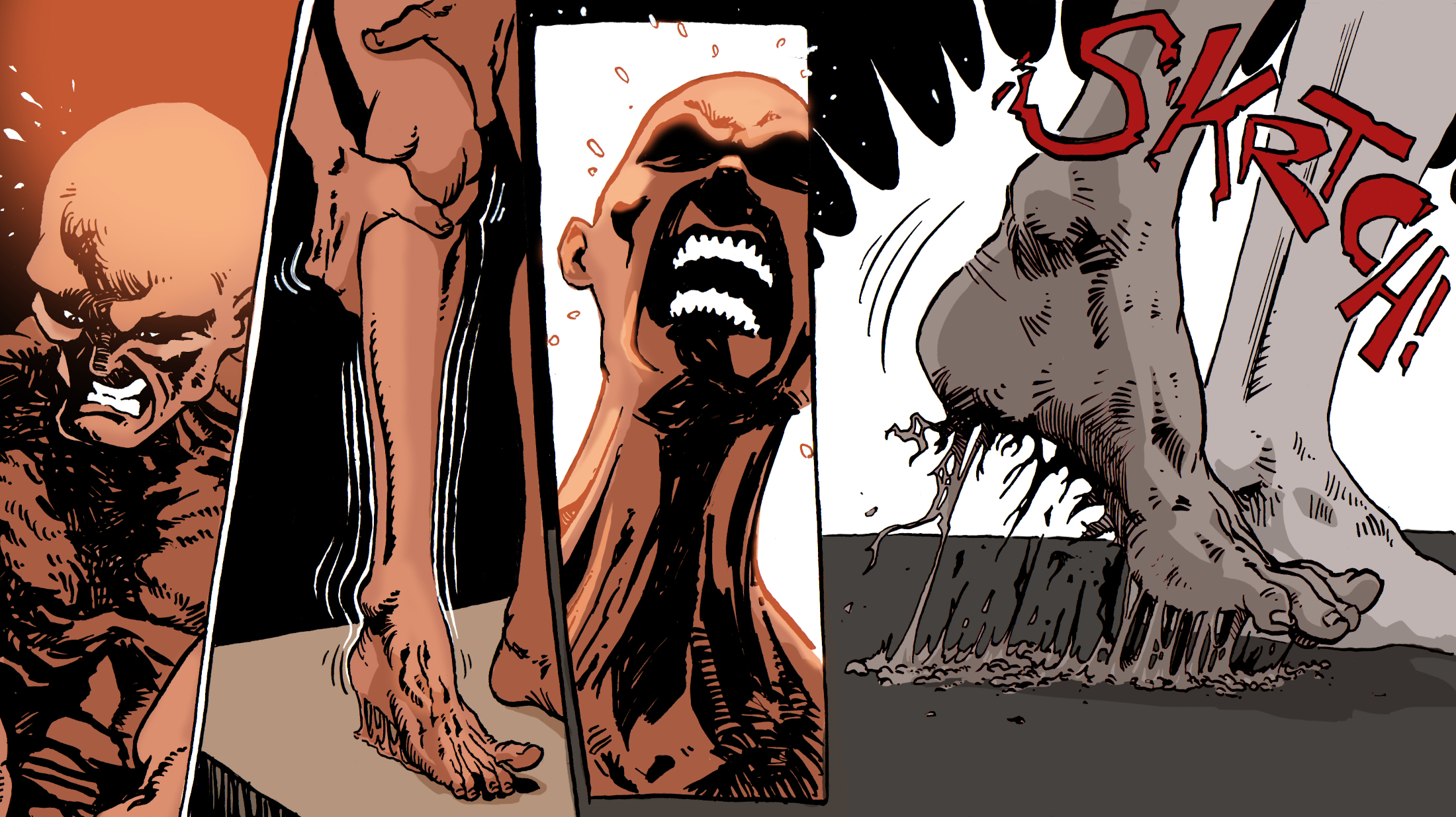

Horror animated shorts seem to be rising in popularity, but few art forms seem as tailor-made for the genre as stop-motion. What materials and strategies did you employ to make the film’s body horror feel so off-putting, and did you ever have to pull back because things got too unsettling?
What I am most proud of is that, in this production, we never imposed limits or compromises on ourselves. We took the time we needed to create something that spoke our personal language and reflected our vision of reality, without ever worrying about being “too unsettling.” We are children of our time, and inevitably, our artistic production reflects the age we live in. Personally, I see this film more as a moving story about belonging and human fragility than as a “horror” film. The point is not always to define a genre, because labeling cinema is like trying to fence in the ocean.