.png)
A Year After ‘Olive Place’s’ Release, The Indie Pilot Has An Audience, But What’s Next For Creator Jarrod Prince?
Stay informed with free updates
Sign up to get our news digest — delivered directly to your inbox twice a week.
When Jarrod Prince uploaded the trailer for Olive Place to YouTube, he had almost no followers. A year after the pilot went live in February 2025, the channel sat at around 9,000 subscribers, its audience had grown by something like 400 percent, and the Australian animator is in the strange position every successful indie creator eventually lands in.
People want more. He wants to give them more. The math of how to actually do that, as Prince puts it, is making him scratch his head.
“It has done really well for the standard of my audience,” he says. “But I don’t know whether or not there is enough there to run a Patreon and do more.”
Five years, Two Grand, One (Extra-Dimensional) Hotel
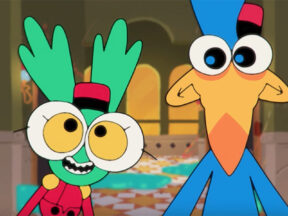
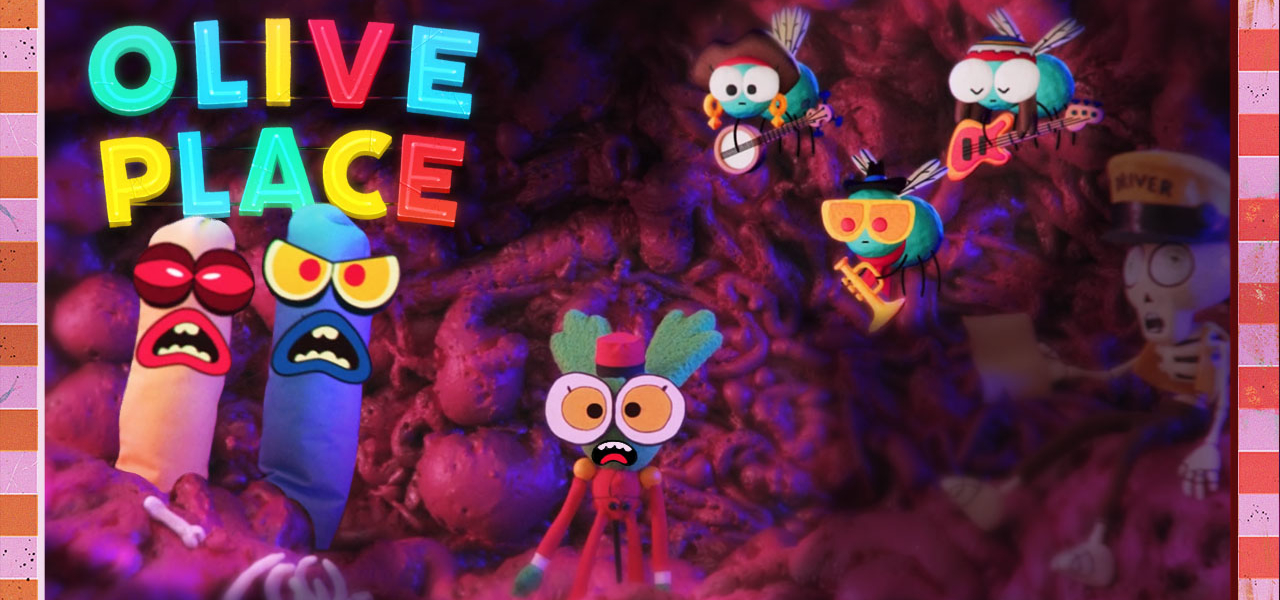
Olive Place: Luxury Inn is an 11-minute pilot about two porters, Belle and Burt, working in a hotel where reality bends, and the rules are anything but. Prince animated it in Adobe Animate, mostly by himself, between paid gigs across about half a decade. The budget came in at around $20,000 Australian, almost all of it out of his own pocket, with a small grant from the city of Melbourne that covered a friend to handle the sound mix.
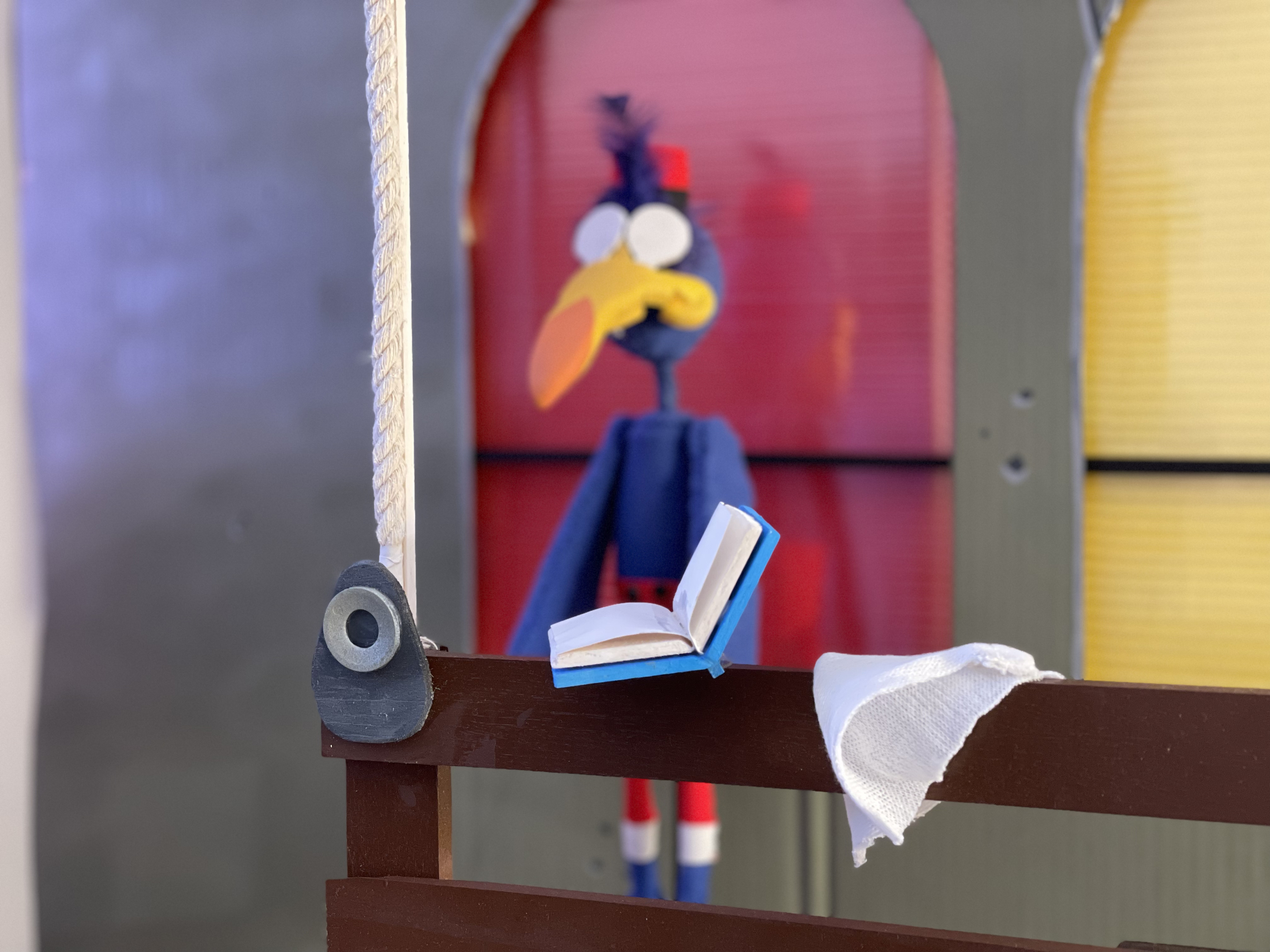
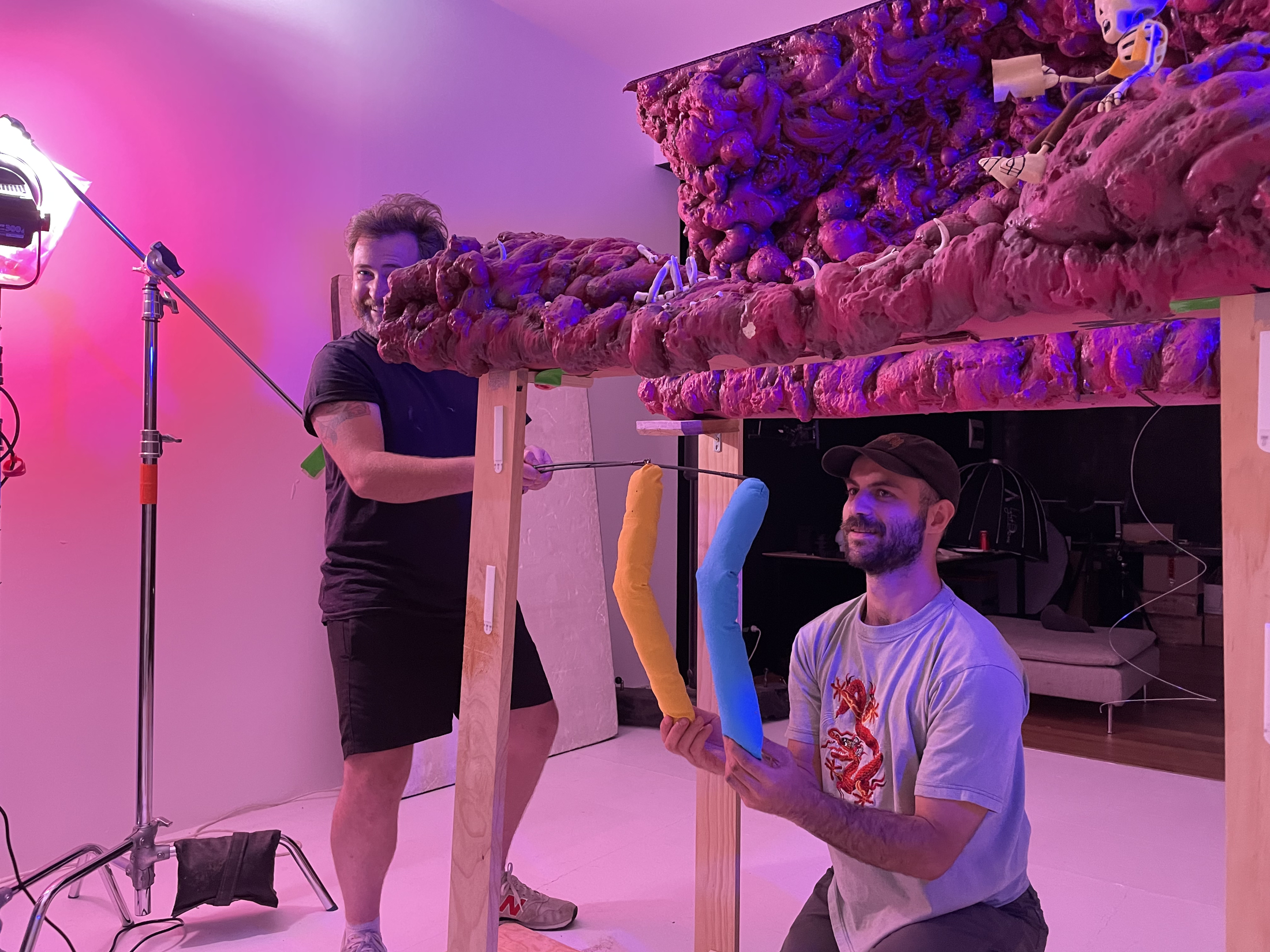
Of the 150 or so shots in the short, Prince animated all but seven himself. A friend built the puppets for the mixed-media scenes, Australian comedian Scott Edgar wrote the theme song “Belly of the Beast” in exchange for Prince co-directing another project, and the 3D puppet flies were done by a buddy who needed concept art for his video game. “I did a lot of work trading,” Prince says, emphasizing the importance of maintaining a strong network of friends and colleagues.
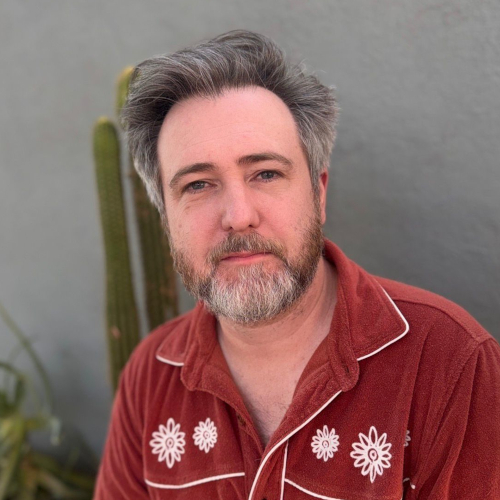
The real production cost landed hard anyway. “I was giving up freelance gigs to work on Olive Place,” he recalls. “Not only did it cost money to make it, I hate to think of the money that I lost,” he chuckles.
A Punk Rock Way Out of Burnout
The pilot began as a way to combat burnout. Prince had spent roughly 15 years freelancing in Australian commercial animation, eventually moving into art direction and design lead roles on internationally co-produced shows. One job in particular pushed him over the edge. He won’t name names and is careful to praise the people he worked with, but the scale of the production was punishing. “These shows were getting so much bigger than what they could probably contain,” he says. “And so we caught the brunt of it, which was brutal.”
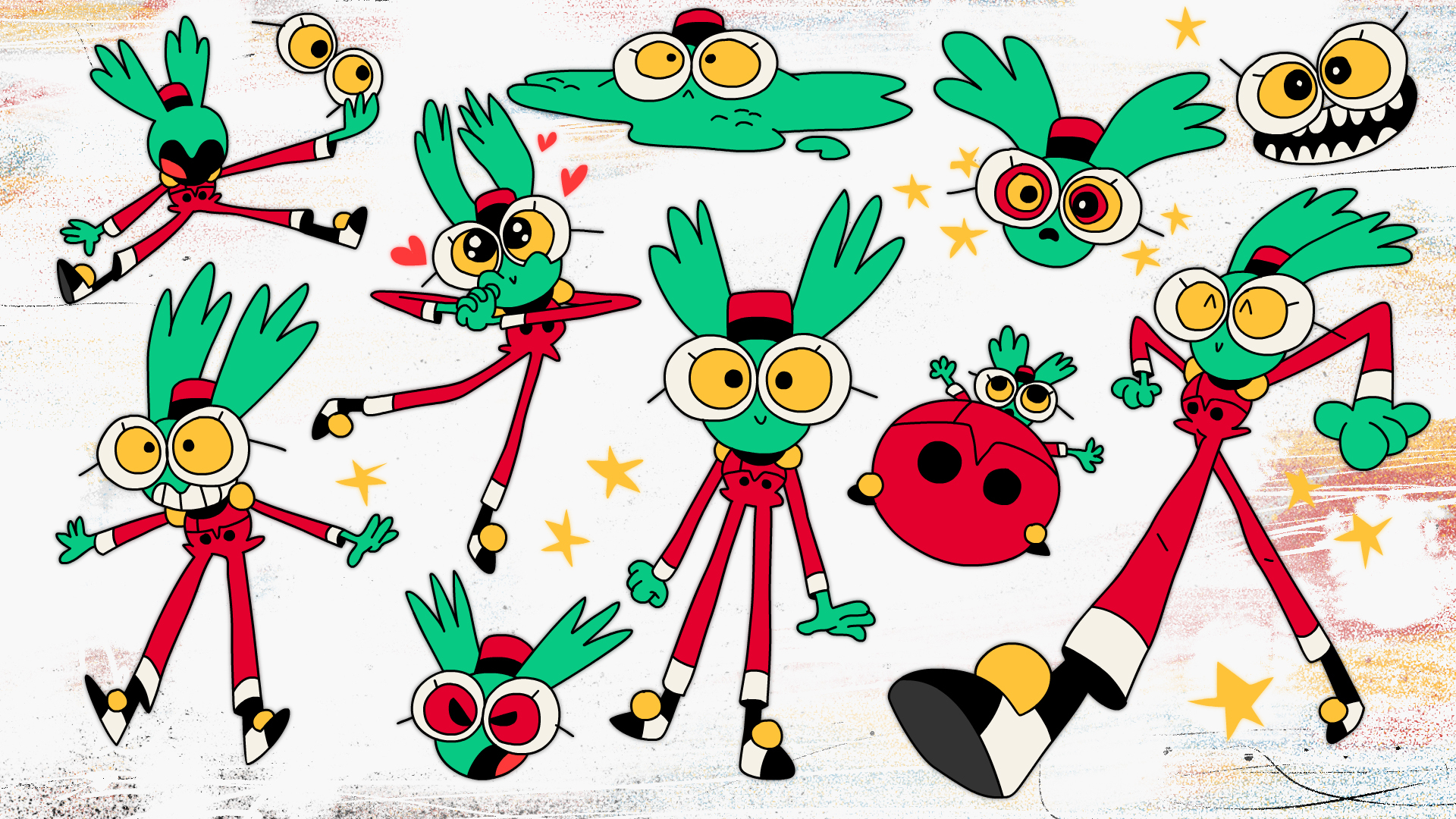
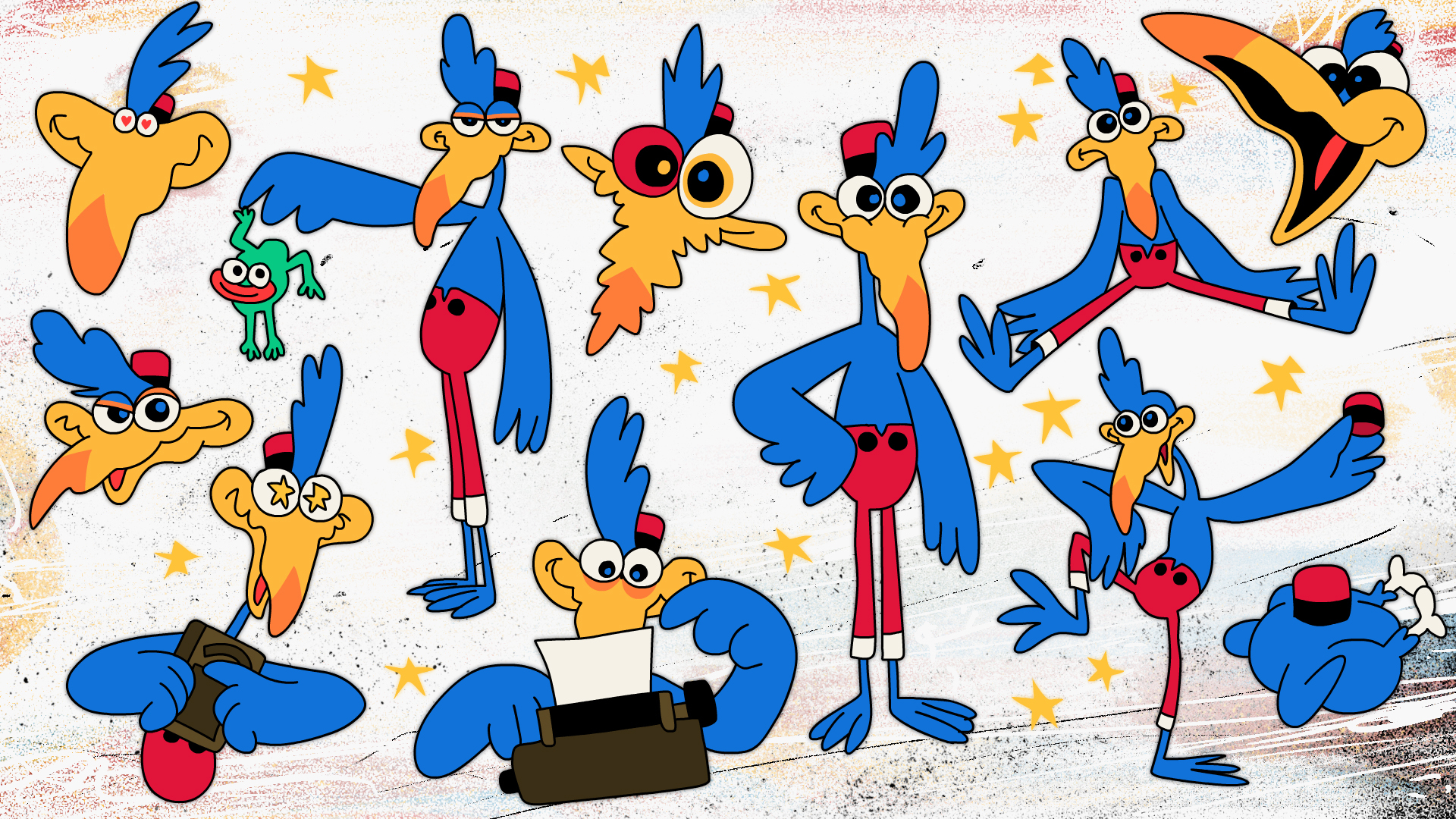
What emerged from that suffering was a deliberately unruly approach. Prince calls it punk rock. Rather than pitching another series into a development pipeline he hoped to escape, at least for a while, he decided to upend his own process. He’d worked in 2D for years, so for Olive Place, he pulled in puppetry, stop motion, and pixel art, often inside the same scenes. The mix worked partly as a way to stop being a perfectionist long enough to actually finish.
It also became, almost by accident, an authorial voice. “I felt like for a long time I didn’t really have a voice at all,” Prince says. “I was just really good at mimicking styles. So I was like, what happens if I mix them all together? Maybe this is what my voice is, an amalgamation of all these different things.”
A Hotel Outside of Time
OP’s framing gives the show a long leash to be silly. Belle and Burt’s hotel is, by design, a place where logic is optional, so a Ralph Bakshi-style character can share a frame with a pixelated sprite and a hand-built puppet without any on-screen justification. Prince cites Sesame Street, SpongeBob SquarePants, and The Mighty Boosh as major influences.
His wife, who works in marketing, has gently suggested he do the next episode entirely in 2D. It would be quicker. Nobody, she argues, would miss the puppets. “I think I’d miss the puppets, maybe,” Prince laughs, saying that any return to Olive Place is likely to be just as, or more, multi-dimensional.
The Stepson Test
The most disarming moment Prince describes from the past year happened at a small festival in Broken Hill, the outback town of about 17,000, where he and his family now live, having moved from Melbourne. Olive Place was screening, and the festival judges in the front row kept turning around, thinking something was wrong with the audio. It was, in fact, just Prince’s stepson, who knew every line and was reciting lines along with the screening under his breath. “He comes into my life, and I finished it, and it’s like his most favorite thing in the world,” Prince says.
When Olive Place started, Prince was still single. The five years he worked on it demonstrate just how transcendent working in animation can be. The time it took to finish OP included a parent’s death, breakups, three house moves, a marriage, and the arrival of a kid who adopted the cartoon as his favorite thing in the world. Months after release, the boy tugged Prince in a car park and asked if there’d be more episodes. Prince said he hoped so. “He’s like, you have to. It’s brilliant.”
What’s Next
Prince has gone part-time on a contract doing concept art for a video game, so he can think seriously about more Olive Place and the possibilities of producing some of his other original ideas. His plan, for now, remains modest. He wants to test a Patreon with something smaller first, “maybe a minute of a sci-fi idea” he’s been sitting on, and see whether “people will actually pay me” to keep developing original work, even if it’s not necessarily based on his popular pilot.