.png)
Tracey Laguerre On ‘I Love You, Jocelyn’: ‘It’s A Magical Girl Who Lives Inside One Of My Grandma’s Caribbean Folktales’
Stay informed with free updates
Sign up to get our news digest — delivered directly to your inbox twice a week.
Tracey Laguerre never meant to pitch I Love You, Jocelyn to Cartoon Network. She thought she was simply showing a friend one of her personal side projects, based on an old student short she made while at CalArts.
At the time, Laguerre was a recent graduate with a job offer from Google and a sketchbook full of Caribbean magical girl drawings. The original I Love You, Jocelyn was a rough two-minute short made during her second year at the prestigious art school, followed by a larger, unfinished animatic that expanded the world and characters.
“My pitch meeting was not a pitch meeting,” Laguerre told us in a recent conversation. “The first thing I said was, ‘This is not a pitch. This is not a pitch.’ I think we both felt like that took a load off because she didn’t feel like I had any expectations. I didn’t go in with any expectations. I just wanted to share something I cared about.”
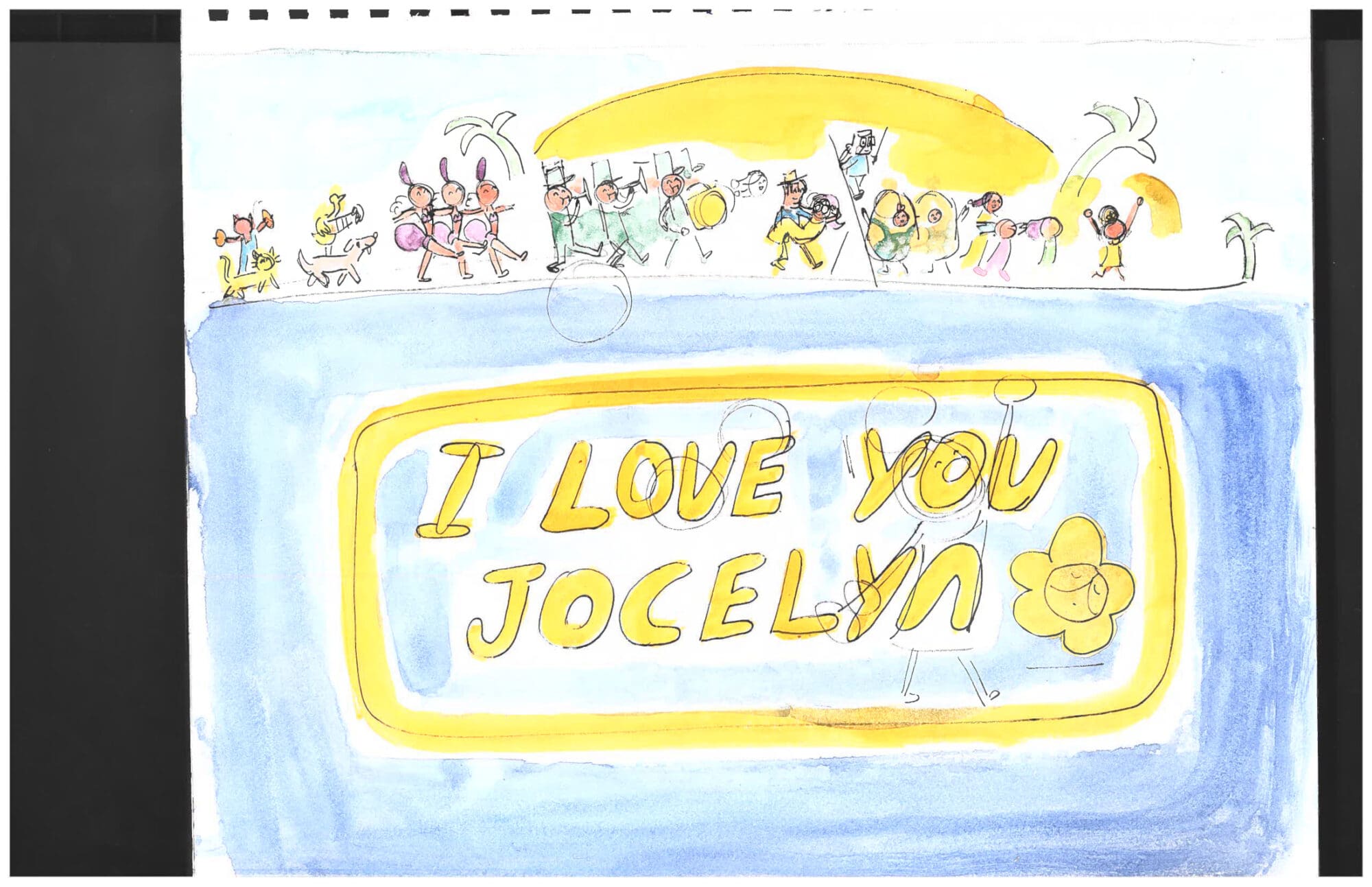
Despite Laguerre’s insistence, Rivera encouraged her to keep developing the project, but the cartoon would spend years evolving quietly in sketchbooks while Laguerre worked at Google as an art director. She described the side work as an emotional refuge during an exhausting period in tech.
“I would have a bad day or be really tired,” she said. “I’d go home, open my sketchbook, and draw Jocelyn. It would make me feel better. It was my happy place.”
Caribbean Folktale to Modern Cartoon
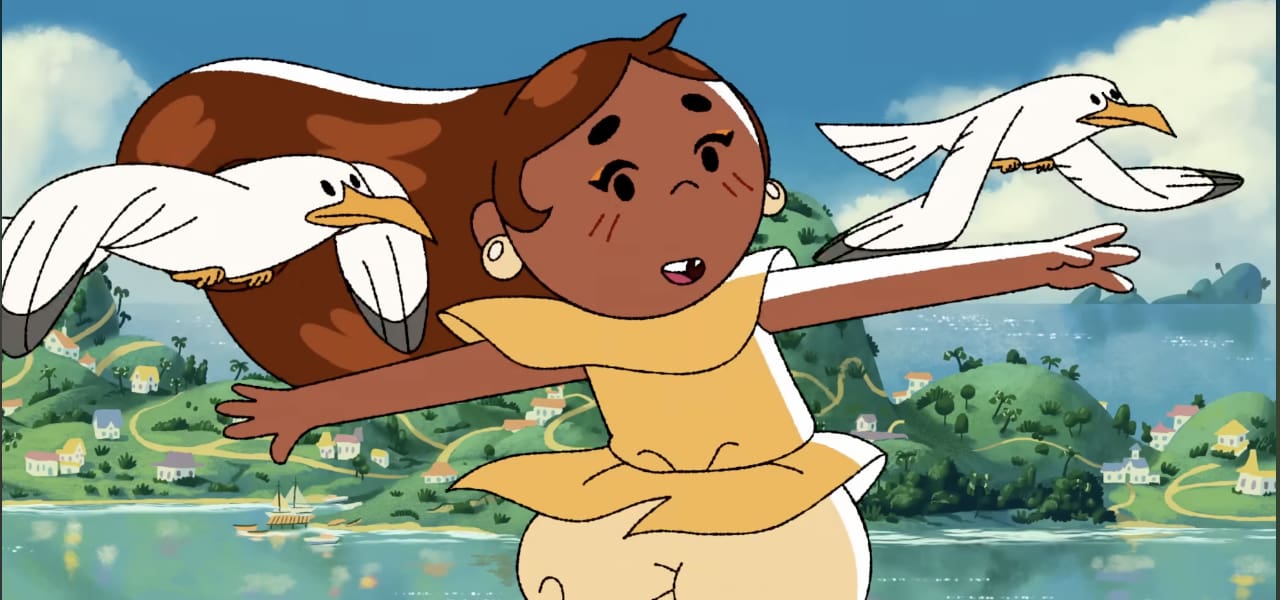
Now, years later, I Love You, Jocelyn has resurfaced as one of the standout entries in Cartoon Network’s revived Cartoon Cartoons incubator program on YouTube. The seven-minute short blends the original student film’s magical girl storytelling with Caribbean folklore and visual influences drawn from Haitian culture and Afro-Latino art traditions.
It feels distinct from nearly everything else in contemporary American television animation, partly because Laguerre built it from deeply personal material.
The setting, Miami Island, pulls directly from the oral storytelling traditions she grew up with as a Haitian American child.
“My grandmother’s Caribbean folk tales became the foundation for the series,” she explained. “She told the best stories, but she never learned how to read. She never had the opportunity to pursue an education because, back then, that just wasn’t available for women in the mountains of Haiti.”
Laguerre remembers her grandmother wishing she could read books, though the creator always felt the older woman’s stories were stronger than anything she found on a page.
“I’m like, ‘Grandma, your stories are better than all the stories in books.’”
That sensibility shaped the core of I Love You, Jocelyn. Rather than adapting a single folktale, Laguerre combined the rhythms and archetypes of Caribbean oral storytelling with the structure of a contemporary children’s cartoon.
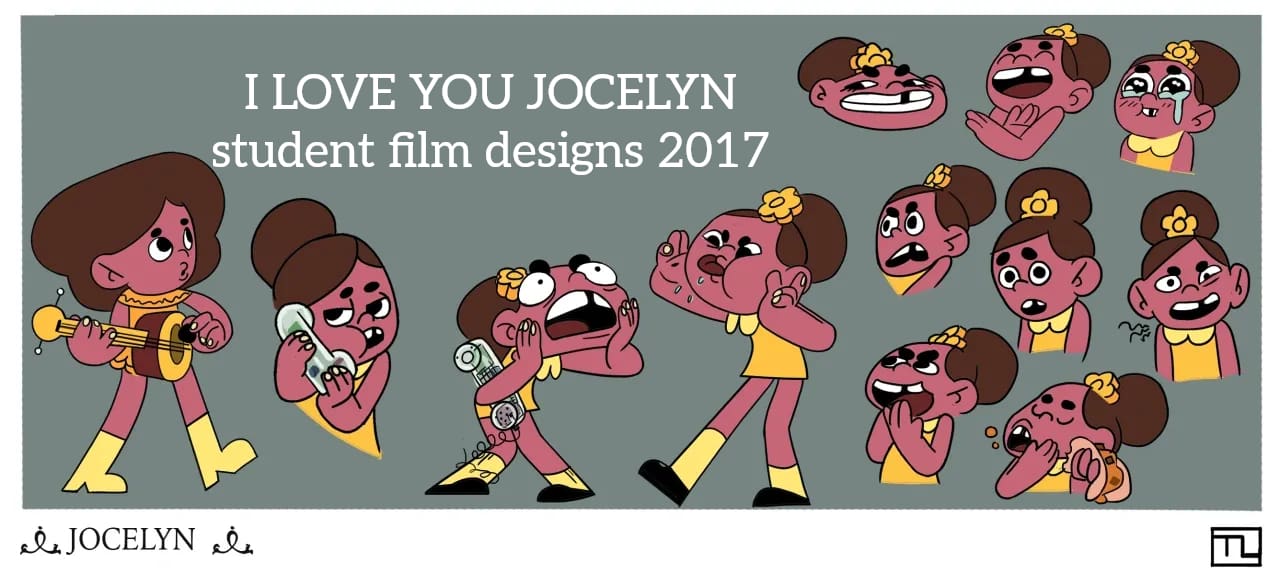
“It’s a magical girl who lives inside one of my grandma’s Caribbean folktales,” she explained.
The result is a short that feels culturally specific without ever becoming inaccessible or relying on the audience’s existing knowledge. Its villainous frog sorcerer and exaggerated fantasy comedy fit comfortably within the broader language of modern children’s animation.
From Google to Cartoon Network
Laguerre credits her years at Google with helping her sharpen the project into something production-ready. While many young creators spend years climbing traditional studio ladders, she arrived at Cartoon Network after working across product development, branding, engineering, and international audience design.
“I was working with all stakeholders across the product pipeline,” she explained. “Marketing, as well as engineers who know nothing about art. It was a great experience.”
That experience also gave her clarity about what she wanted creatively. During the pandemic, while working remotely, she realized her priorities had shifted completely.
“I realized working from home that I cared way more about this than whatever they were asking me to do on the team at Google.”
Friends warned her against leaving a stable tech career for children’s television, particularly during a global pandemic. Laguerre ignored them.
“I felt in my heart that it was now or never for me to pursue this.”
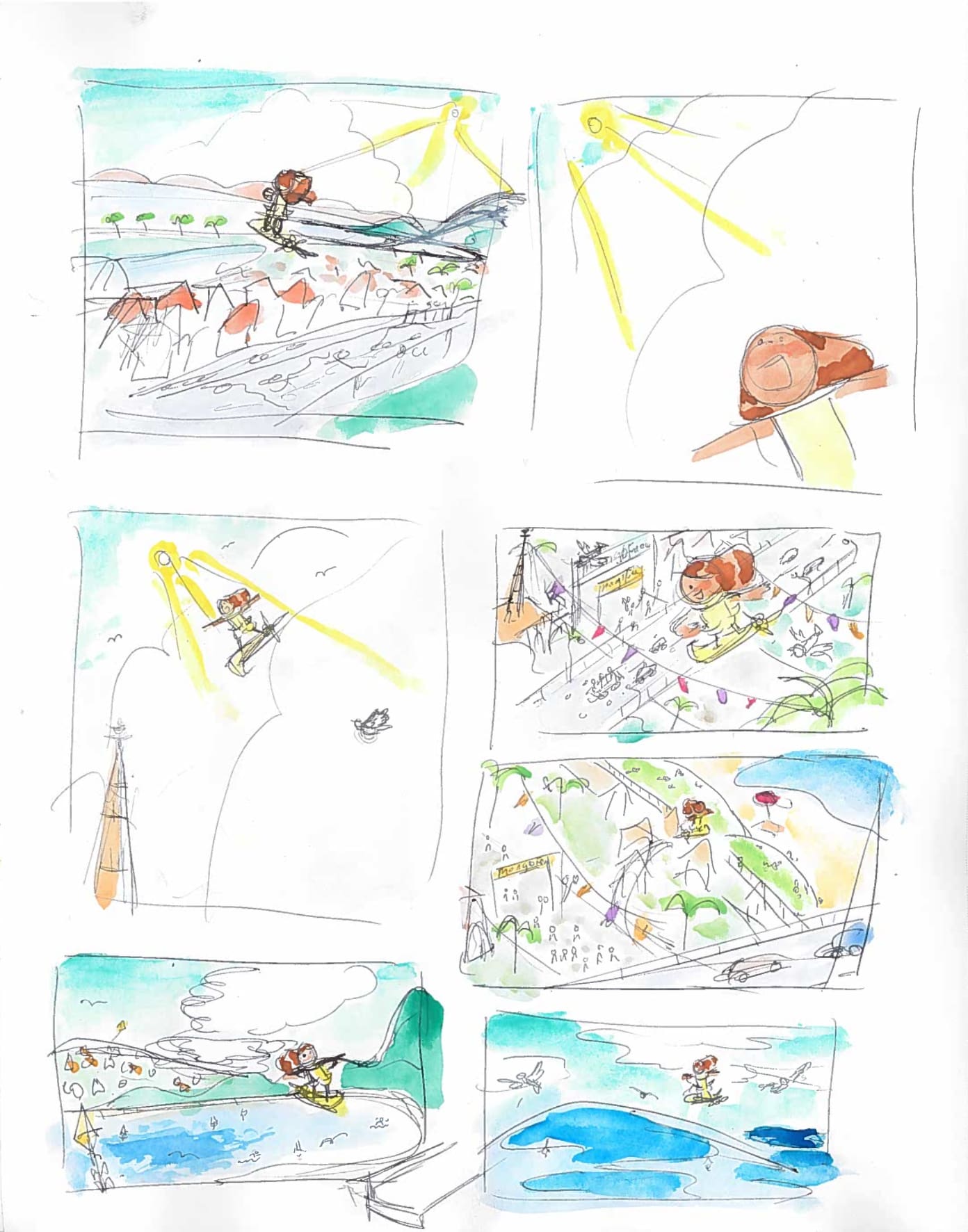
She contacted Rivera again, submitted materials for Cartoon Cartoons, and pitched the project over Zoom using painted sketchbook pages instead of a polished digital presentation.
“It’s all just my sketchbook,” she said proudly, holding the volume up in front of the camera. “And they loved it.”
Cartoon Network ultimately handed Laguerre something increasingly rare in contemporary animation production: genuine authorship.
“They gave me my own team,” she said. “I had an art director. We found character design. I ran my production. I got to manage my own project from concept to final product, fully in charge of everything.”
Cartoon Cartoons Legacy
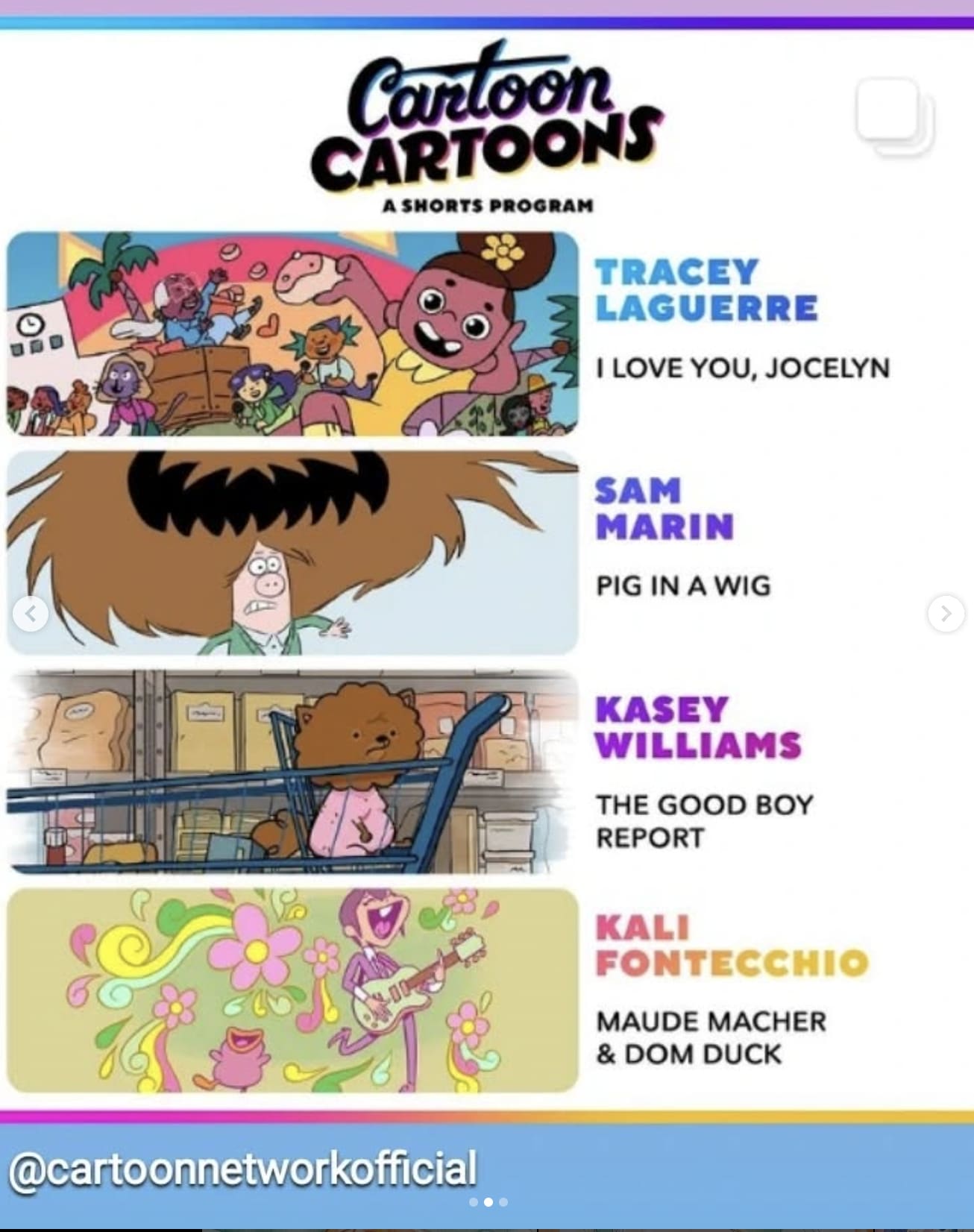
Laguerre was especially appreciative to be working under the Cartoon Cartoons banner, a program that nearly disappeared during the Warner Bros. Discovery restructuring period.
“Sam Register could have thrown in the towel and said, ‘No, we’re just never going to do the program again,’” she said. “But he didn’t, and now we still have these chances.”
For animation fans of a certain age, the Cartoon Cartoons label still carries enormous symbolic weight. The original incubator launched creators like Genndy Tartakovsky and Craig McCracken while helping define Cartoon Network’s identity throughout the 1990s and early 2000s.
Despite the fantasy setting and stylized visuals, Laguerre approaches the project from an intensely emotional place. She repeatedly returns to the idea that children’s television can provide comfort and stability during difficult periods of life because it once did exactly that for her.
“The cartoons I watched when I was a kid in elementary school had a huge effect on me,” she said. “They were my safe space on some really bad days.”
More Than A Short
That perspective informs the tone of I Love You, Jocelyn. The short never talks down to its audience or flattens itself into educational messaging. Instead, it embraces the same all-ages storytelling logic that shaped both the folktales inspiring it and the best titles to emerge from Cartoon Cartoons over the generations.
“For me, children’s television doesn’t mean a certain age group exclusively,” Laguerre said. “It means general audience.”
Maybe that explains why I Love You, Jocelyn already feels larger than a single pilot. Even in short form, the cartoon carries the feeling of an entire storytelling tradition waiting to unfold onscreen through more episodes and storylines. If that happens, Laguerre and her notebook are ready.