.png)
Bad Bunny Needed An Animated Frog — Puerto Rico’s Only Stop-Motion Studio Was Ready
Stay informed with free updates
Sign up to get our news digest — delivered directly to your inbox twice a week.
When Bad Bunny’s team decided on a stop-motion frog character to star in a series of hybrid projects tied to the artist’s music, they wanted the work done in Puerto Rico. The projects were rooted in Puerto Rican culture, and the goal was to collaborate with local artists whenever possible.
There was just one problem: Puerto Rico didn’t really have a stop-motion industry capable of a project of that scale.
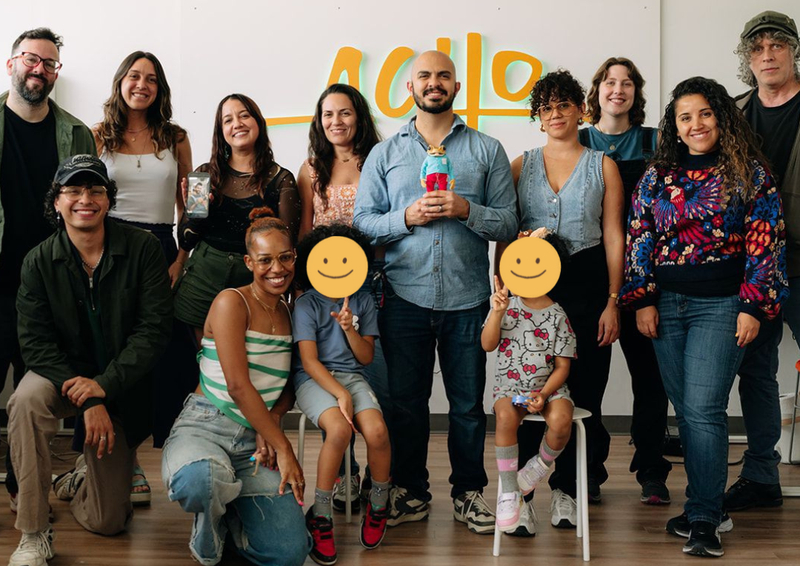
What it did have was Acho Studio, the island’s only professional stop-motion animation studio, run by animator and director Quique Rivera. In recent years, Rivera’s small operation has quietly built a reputation for handcrafted animation, producing puppet-based commercials, music videos, and experimental projects while assembling something that didn’t previously exist on the island: a fully capable stop-motion pipeline.
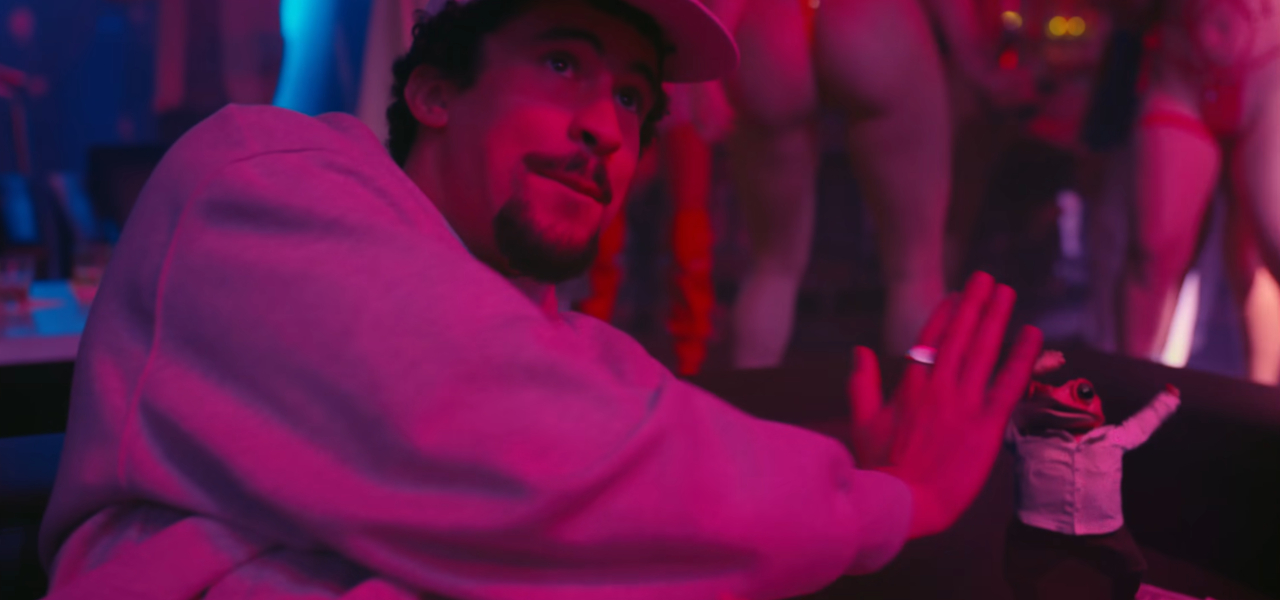
The collaboration with Bad Bunny, including the hybrid short DeBÍ TiRAR MáS FOToS, a series of Spotify animated canvases, and the music video for “KETU TeCRÉ Head,” helped bring wider attention to the studio. But Rivera’s work has always been rooted in something much more local.
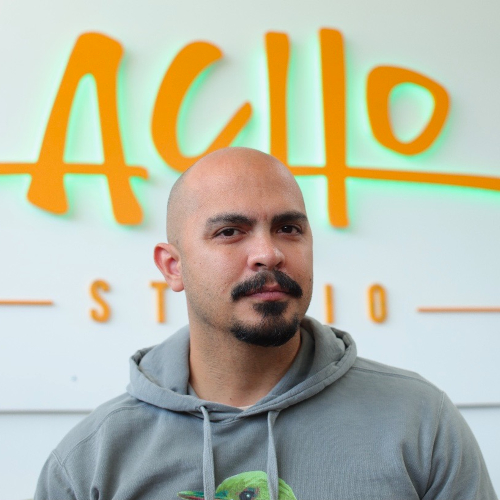
“Acho Studio is the only professional stop-motion studio in Puerto Rico,” Rivera tells Cartoon Brew. “And my work has always been really influenced by Puerto Rican fauna. Animals from Puerto Rico have been a consistent subject within my work.”
That interest in the island’s wildlife — frogs, toads, and other native species — would eventually make him a natural collaborator for the world’s most popular musician, a fellow Boricua.
Stop-Motion by Trial and Error
Rivera didn’t come to stop motion through a traditional animation program. In fact, when he first discovered the medium, Puerto Rico didn’t have any animation schools.
At the time, Rivera was studying audiovisual communication in college while also taking art classes. Sculpture, in particular, caught his attention.
“I started falling really in love with sculpting,” he says. “When I started doing sculpture, it was like, ‘Oh, I can build three-dimensional objects. I could create stuff. You can look around — it exists.’”
The connection between sculpture and animation revealed itself almost by accident. Rivera had been photographing clay figures under dramatic lighting when he realized something while adjusting a sculpture between photos.
“I moved it a little, took another picture, and when I was looking through the camera I thought, ‘Oh my God, I just made a movie,’” Rivera recalls.
The discovery immediately clicked.
“It hit me how I was able to create something that looked alive physically, but it could actually move in a timeline,” he says.
With no formal training available locally, Rivera began teaching himself the craft. He studied behind-the-scenes photos from stop-motion productions and reverse-engineered techniques from whatever clues he could find.
“I would look at every detail I could pull out of those pictures, what materials they were using, what clues were on the walls, and turn that into experiments at my place,” he says.
Sometimes those experiments meant improvising with hardware-store supplies. After noticing silicone puppet heads in professional productions, Rivera went searching for silicone he could buy locally.
“I thought, ‘Where do they sell silicone in Puerto Rico?’” he says. “So I went to Home Depot and bought construction silicone and started developing my own technique.”
CalArts and the L.A. Industry
Eventually, Rivera assembled enough work to apply to CalArts’ Experimental Animation program. His short film Menuda Urbe helped him gain admission, and he teamed with popular Puerto Rican group Calle 13 on the video for “Así de grandes son las ideas” for his senior thesis.
“That was a whole different opening of my mind,” he says. “I got to animate and work and learn from so many incredible peers and faculty.”
After graduating, he remained in Los Angeles for nearly a decade, working throughout the stop-motion industry and building relationships within what is still a relatively small global community of artists.
“I lived for ten years in L.A. and worked at every studio you could think of,” Rivera says.
In 2017, he officially launched Acho Studio, initially as a small production studio collaborating with larger animation companies. One of those collaborators was Titmouse, the prolific animation studio behind projects ranging from Adult Swim favorites like Metalocalypse, Superjail!, and The Venture Bros to more contemporary fare such as Big Mouth, The Legend of Vox Machina, and a raft of major Hollywood IPs.
“They’ve been the best collaborators,” Rivera says. “I only have incredible things to say about them.”
Through those connections, Rivera worked on projects including a stop-motion commercial parody for WandaVision and a stop-motion segment for a Big Mouth holiday episode. Both projects would become unexpectedly important in shaping his next move.
A Pandemic Pivot
Like many artists in 2020, Rivera suddenly found himself questioning where his career and life were headed and whether he really needed to pay L.A. prices to pursue the career of his dreams.
During the pandemic, he completed some of the biggest projects in his resume without ever meeting the clients in person. Communication happened through video calls, email, and small crews operating under strict production guidelines.
“I realized I had just done the biggest jobs of my career up to that point, and it didn’t really matter where we were physically,” Rivera says.
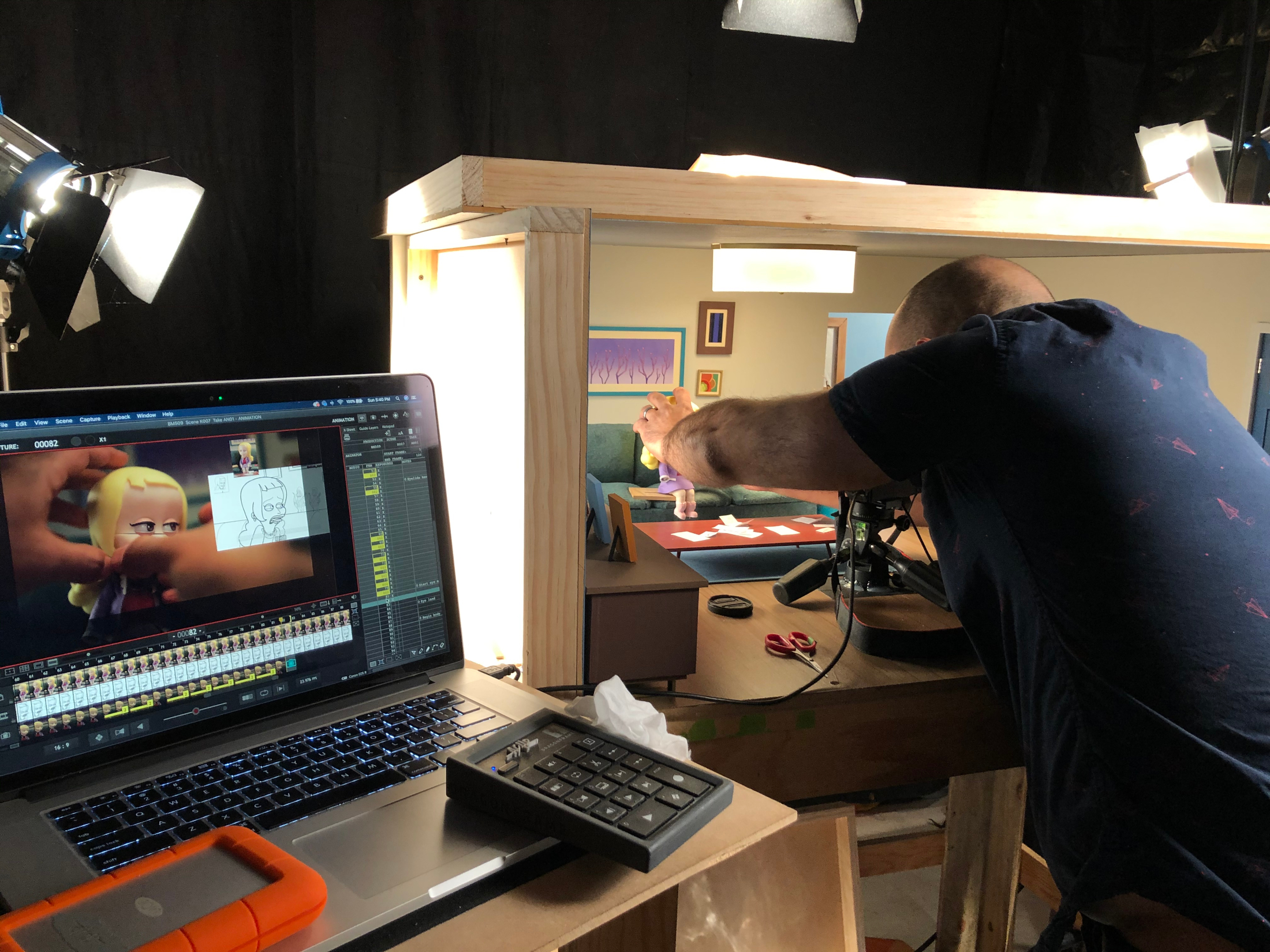
At the same time, he and his wife were starting a family. Los Angeles rents were high, relatives were far away, and the industry itself had suddenly become more geographically flexible.
“Most people during the pandemic were questioning why they were living where they were living,” he says.
In late 2021, Rivera relocated Acho Studio to Puerto Rico.
The move allowed him to be closer to family, but it also meant building an almost entirely stop-motion production ecosystem from scratch.
From the Ground Up
Puerto Rico has a thriving live-action filmmaking community, but very few artists had professional stop-motion experience when Rivera moved the studio.
His solution has been to recruit people from adjacent disciplines.
“There’s a very strong film industry in Puerto Rico,” he says. “There are people who work in art departments, people who work in camera departments. I bring those kinds of people and train them in the specifics of stop motion.”
Because those artists already understand production workflows, the transition tends to be manageable.
“They already have the skill set,” Rivera says. “They just need to learn how it translates to this medium.”
For larger productions, Rivera supplements the crew with experienced animators from the broader stop-motion community. On the Bad Bunny projects that meant bringing in artists from studios like ShadowMachine and animators who had worked on film,s including Guillermo del Toro’s Pinocchio and Wendell & Wild.
“All of them came to Puerto Rico,” Rivera says. “It was incredible to have world-class animators at the studio, and the local crew learned from them as well.”
Even on the biggest productions, though, Rivera says roughly 70–80 percent of the crew is still local.
A Bunny and a Frog
The collaboration that really brought Acho Studio wider visibility began with a local amphibian.
Bad Bunny’s team was developing an animated character inspired by the Puerto Rican crested toad and was actively searching for artists on the island.
“They were trying to hire everyone on the island if possible,” Rivera says.
Rivera happened to have a frog character already in development inspired by the coquí, Puerto Rico’s unofficial amphibian mascot.
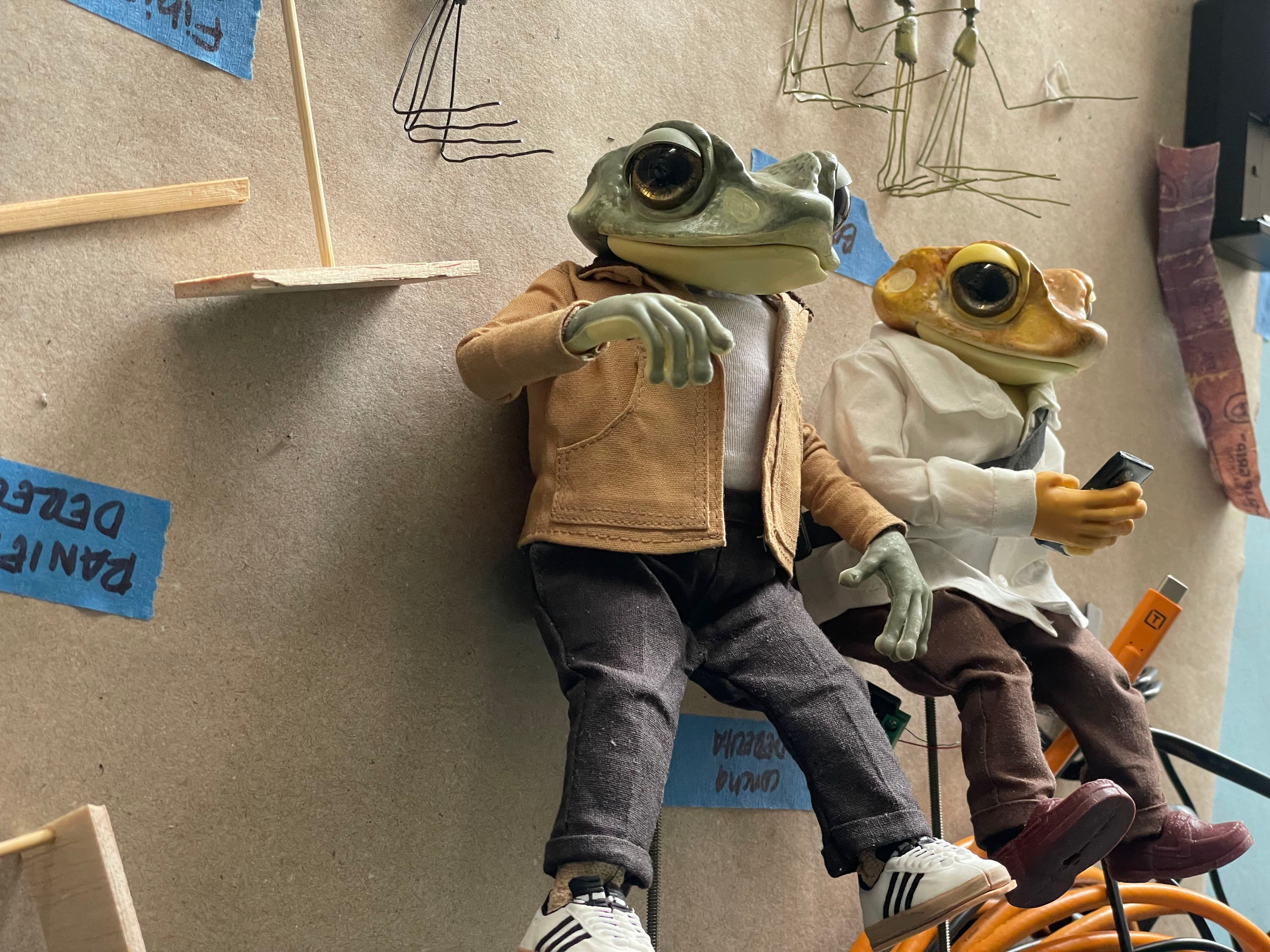
“They saw it and said, ‘This seems like the guy who could do it,’” he says.
The partnership quickly expanded into several projects tied to Bad Bunny’s music releases featuring Sapo Cancho, but, being more closely tied to the music industry than the world of filmmaking, came with extremely short deadlines.
“We probably had about a month and a half to do everything,” Rivera says. “Design the character, build the character, animate three minutes of film, and produce twenty Spotify animations at the same time.”
“You bet I didn’t sleep,” he adds, laughing.
Scaling Up
The music video for “KETU TeCRÉ ” further propelled Acho Studio. The production required seven puppet characters, multiple sets, and a miniature recreation of a nightclub in Condado, Puerto Rico.
“We built a whole miniature replica of the club,” Rivera says. “Every single detail was copied from the real place.”
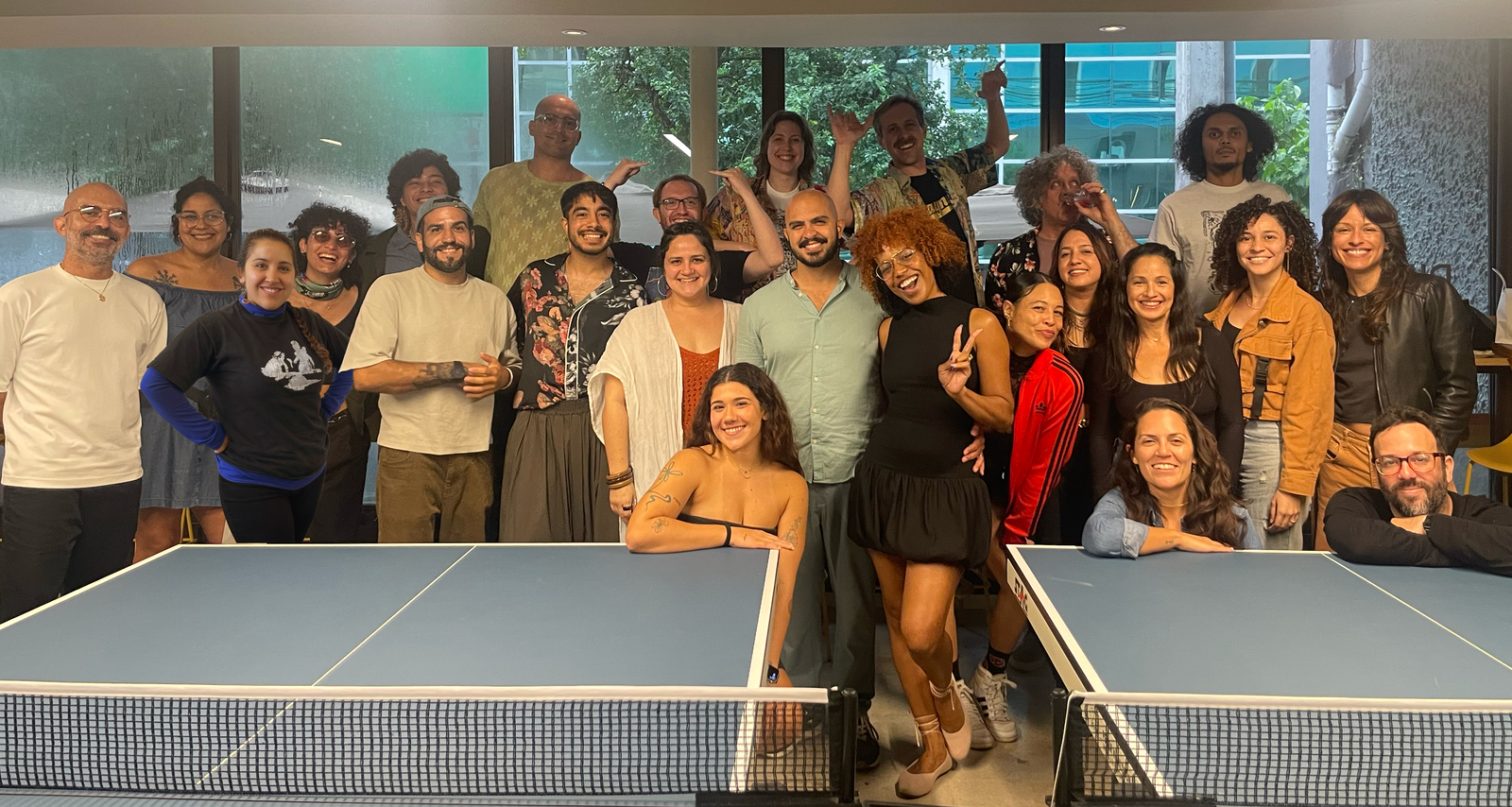
At peak production, the studio was running four stop-motion stages simultaneously.
“We had four animators working all the time during the animation process,” Rivera says. “Every shot was just an adventure.”
Bad Bunny himself remained closely involved with the project from development through delivery, but without micromanaging or taking over the process.
“He would listen to the song and say, ‘For this part this happens, for this part this happens,’” Rivera recalls.
Rivera, alongside the video’s creative team, translated those notes into storyboards and shot breakdowns.
“They had input in every step, but they were very open to our proposals,” he says. “Co-director Jhantony Oliveras, director of photography Chago Bennet, and storyboard artist Yamil Medina participated in translating the notes into boards and shots with me.”
Another studio handled the live-action sequences in the short.
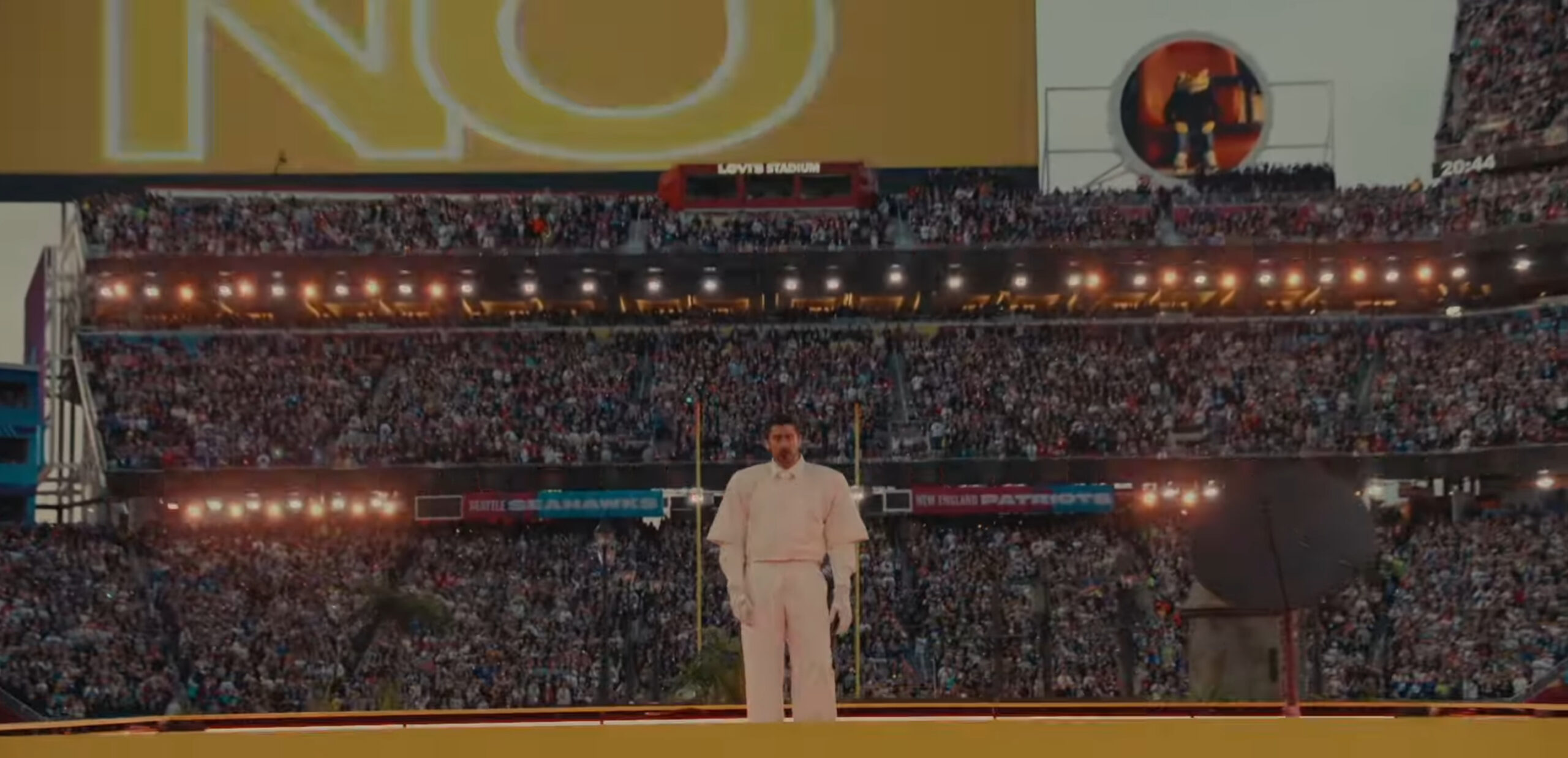
When Bad Bunny crushed it at the Super Bowl earlier this year, Sapo Cancho even made a brief cameo appearance, seen in the top right of the picture below.
What’s Next
Despite the attention the Bad Bunny collaboration brought to Acho Studio, Rivera sees the work as part of a longer process.
In addition to commercial and music projects, he is developing original characters, series ideas, and potentially even a feature film.
“I have a few series and hopefully a feature in development,” he says.
At the same time, he continues to teach workshops and train local artists, with the goal of building a sustainable stop-motion workforce in Puerto Rico.
“Hopefully, within a few years, the animation side will be more self-sufficient with local crews,” Rivera says.
If that happens, Acho Studio will represent more than just the island’s first stop-motion studio. It will mark the beginning of an animation industry that didn’t previously exist, one puppet, miniature set, and frog at a time.