2027 Oscars Short Film Contenders: ‘To The Woods’ Director Agnès Patron
Stay informed with free updates
Sign up to get our news digest — delivered directly to your inbox twice a week.
Welcome to Cartoon Brew’s series of spotlights focusing on the animated shorts that have qualified for the 2027 Oscars. The films in this series have qualified through one of multiple routes: by winning an Oscar-qualifying award at a film festival, by exhibiting theatrically, or by winning a Student Academy Award.
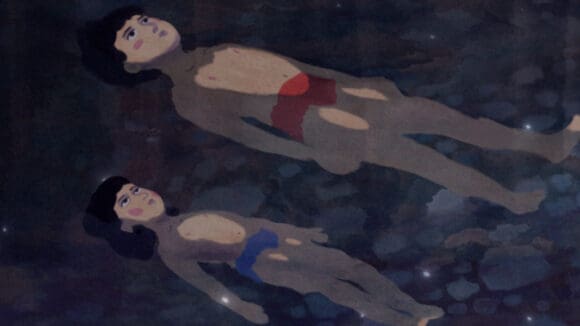
Today’s short is To the Woods (Une fugue), directed by Agnès Patron, co-written with Johanna Krawczyk, and produced by Sacrebleu Productions. The dialogue-free French film premiered at Cannes Critics’ Week and won TIFF’s Best Animated Short Film Award in 2025 before earning its Oscar qualification through the Grand Prix at Anima Brussels in 2026.
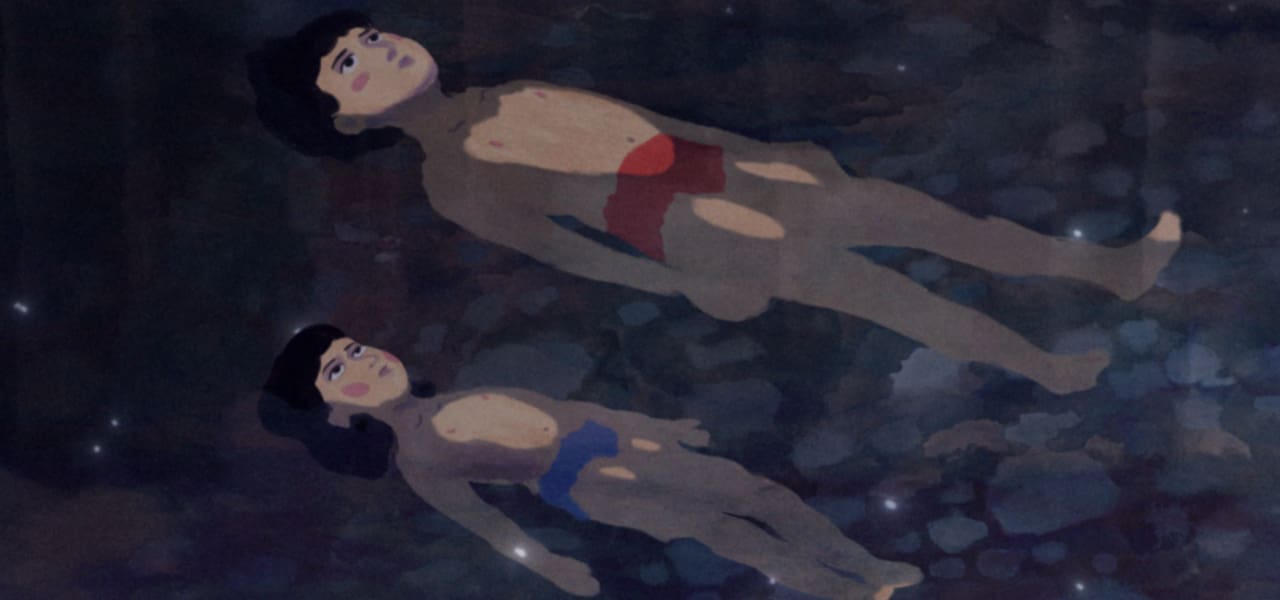
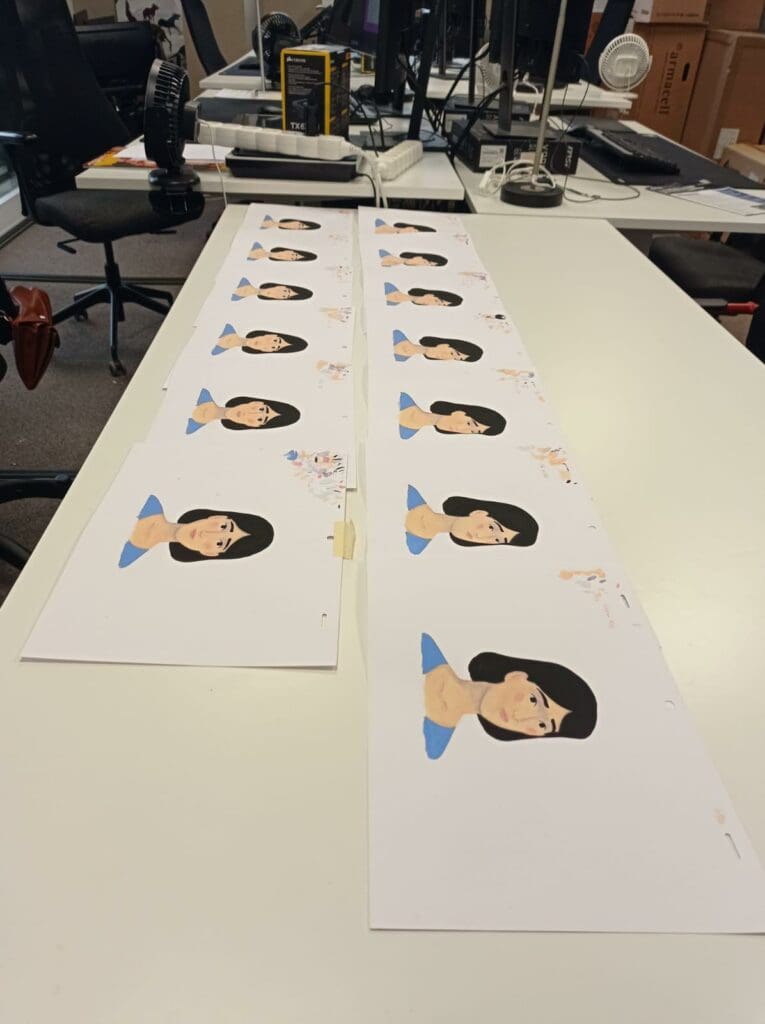
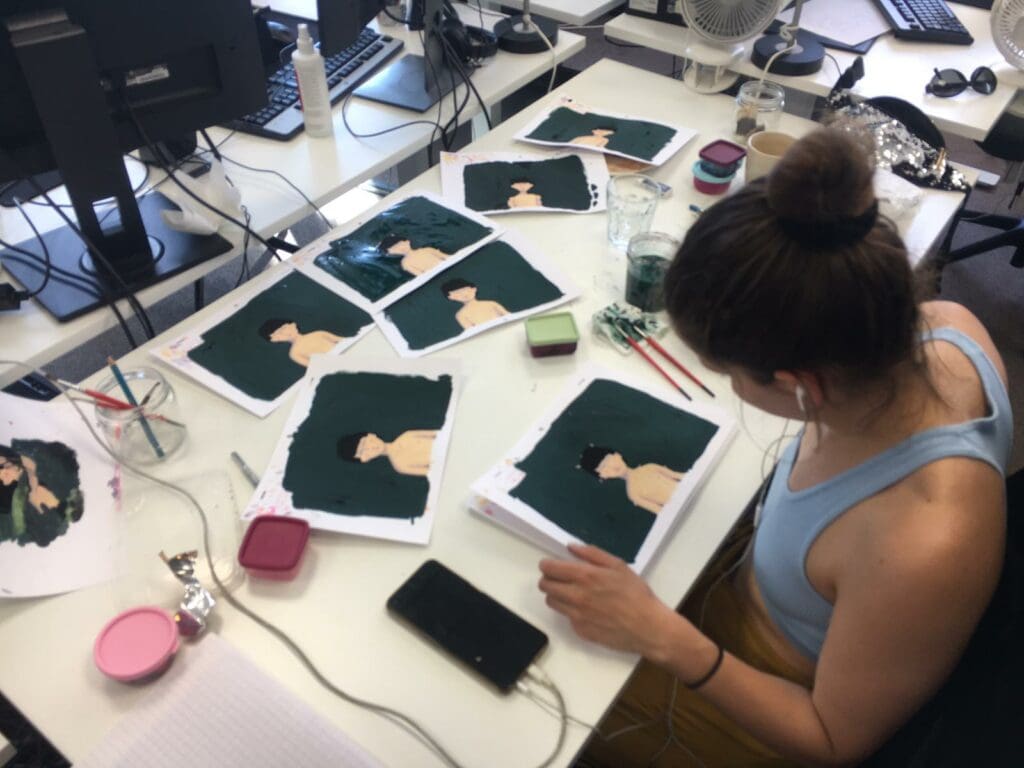
Inspired by Patron’s grandmother, who lost her older brother as a child, the film explores the bond between siblings and the ways memory preserves and transforms those we lose. Patron painted the images by hand in gouache, blending the children into nocturnal landscapes that reflect their inner worlds. Small differences in movement, shifting backgrounds, and the selective absence of sound distinguish the sister’s physical presence from her brother’s increasingly elusive one.
Cartoon Brew: What was it about this story or concept that connected with you and compelled you to direct the film?
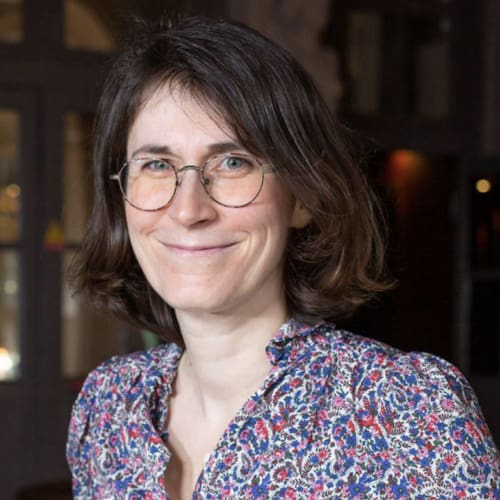
Agnès Patron: My family memories were a genuine source of inspiration for this film. My grandmother, on whom the story is based, lost her older brother in a car accident when she was very young. She loved and admired him deeply, and this loss remained with her throughout her life.
I grew up with this story, and I also have a brother whom I love deeply. Today, I am the mother of a son and a daughter, so questions around family bonds, love, and loss have naturally become part of my own reflections.
Making this film was also a way of reconnecting with those I have lost. The film has become a kind of talisman for me.
What did you learn through the experience of making this film, either production-wise, filmmaking-wise, creatively, or about the subject matter?
The fully developed images came together quite late in production, and I had to learn to embrace this gradual construction rather than seek immediate certainty. The animated tests created during pre-production became my compass, allowing me to stay connected to the film’s original intentions while the visual world was taking shape.
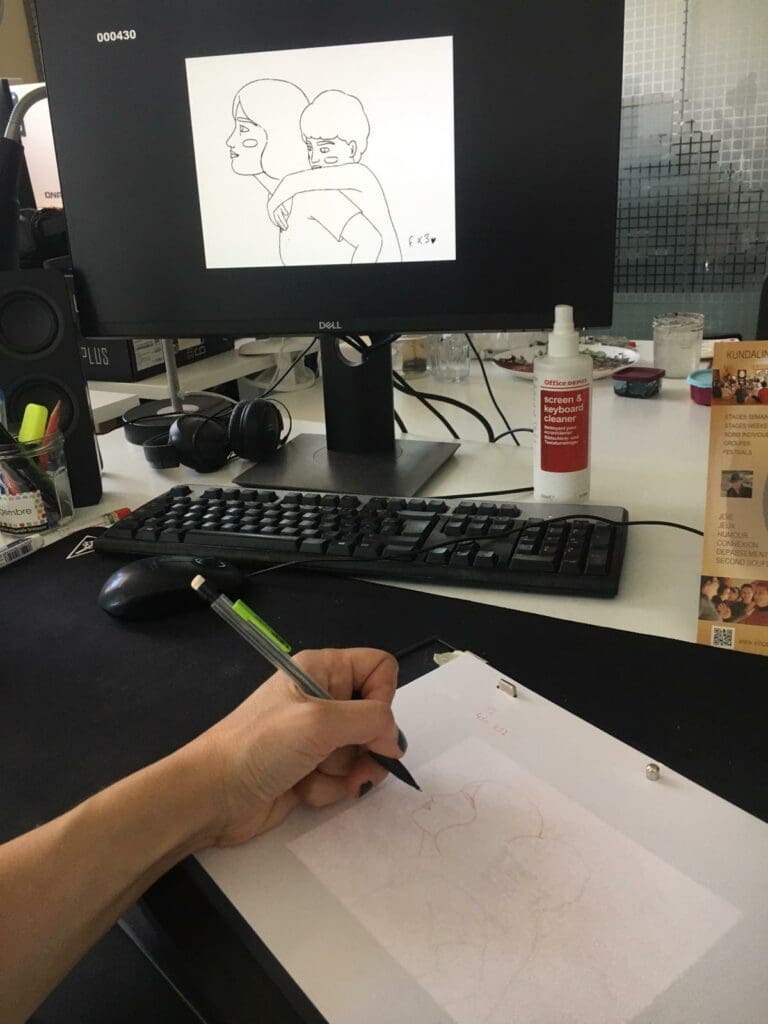
I also learned how much precision can be required to achieve simplicity. We worked closely with the team from the posing stage onward to reduce each movement to its essence. I became more aware of how much emotional intensity can emerge from the smallest gesture, and how essential it is to make every choice meaningful.
Can you describe how you developed your visual approach to the film? Why did you settle on this style and technique?
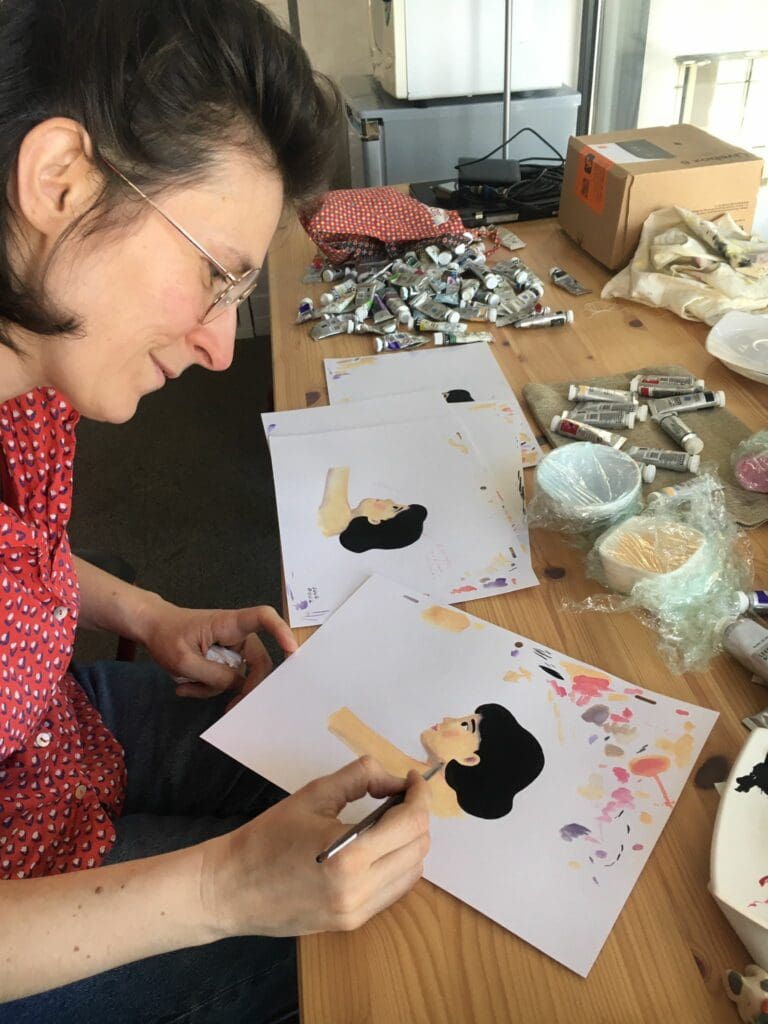
Everything in the film is painted by hand. I love the relationship with the material itself, its texture, its vibrations, its pulse.
For this story, the night and the settings were essential. I wanted to create a sense of blur, an atmosphere that was rich but not overloaded with detail, where the characters and the landscape could almost become one.
I wanted the children to feel both present and fragile, as if they were emerging from the darkness. This is why I chose gouache, a technique that allows for very soft transitions and helps me blend the characters into their surroundings. It was a way of making the landscape an extension of their inner world.
How did you use movement and pacing to distinguish the warmth of childhood memories from the more unsettling moments in the film?
As a child, Sister is very lively. Her movements are more sudden, and she changes direction or mood very quickly. Brother is slower, more peaceful, and less expressive. His animation is more restrained because he is already a memory, something that is gradually fading away.
In the forest, when Sister loses Brother, we worked on the movement of the backgrounds, on blurring, and on the feeling of losing your bearings. I wanted the landscape itself to reflect Sister’s emotional turmoil.
As an adult, Sister has become heavier, carrying the grief of losing her brother. In these scenes, Brother no longer has any sound effects. I wanted to make his presence feel more ghostly, without relying on opacity effects.