.png)
Oscar Shortlist Interviews: Director Matteo Burani’s Favorite Shot From ‘Playing God’ (EXCLUSIVE)
Stay informed with free updates
Sign up to get our news digest — delivered directly to your inbox twice a week.
We invited the filmmakers behind each of this year’s 15 Oscar-shortlisted animated shorts to share their favorite shot from their film and explain why it’s special to them.
Nomination voting started yesterday, January 12, and runs through Friday, the 16.
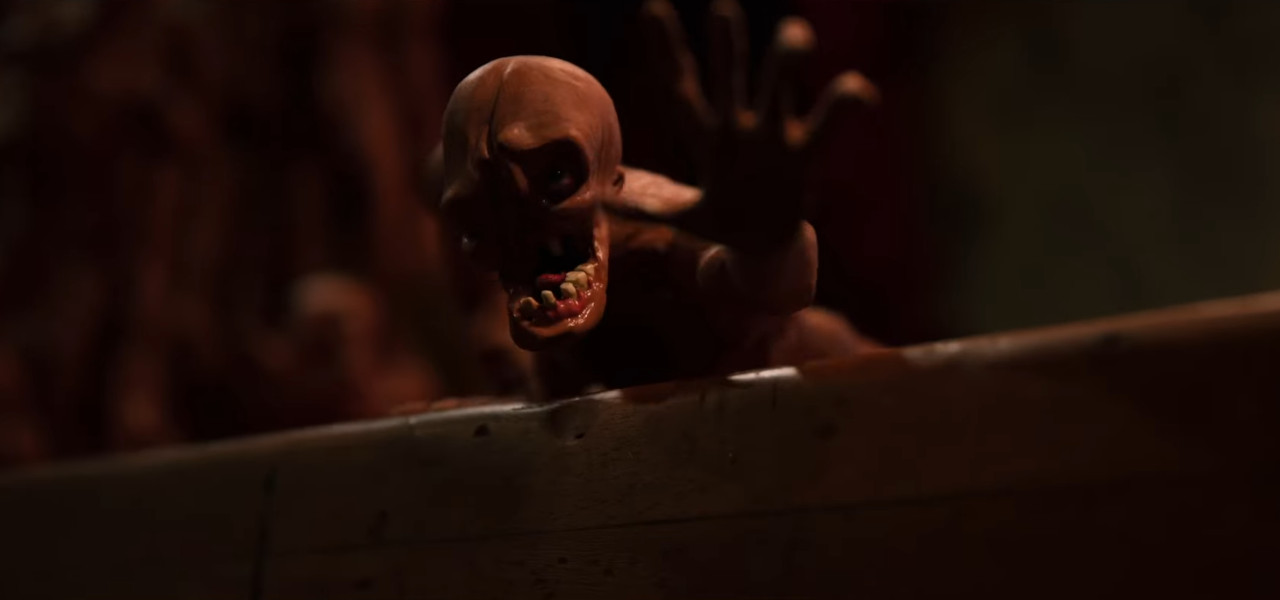
Today, we’re checking out director Matteo Burani’s favorite shot from the stop-motion short Playing God. The film reshapes clay forms through acts of distortion and violence, using their transformation as a metaphor for questions of selfhood and belonging. Confined to the shadowy chaos of a sculptor’s workshop, the story centers on discarded clay beings who come to life and grapple with purpose and identity once their maker has abandoned them. Each shot is meticulously sculpted and animated by hand, with almost no reliance on post-production effects.
Here’s Burani’s favorite shot, and an explanation of why it best represents the film’s “emotional and conceptual core”:
I chose to present this clip because it represents, more than any other moment, the emotional and conceptual core of Playing God. It is the scene in which the meaning of the short film reveals itself in its purest and most vulnerable form. From a technical perspective, this single sequence required 93 days of animation, preceded by roughly 30 days of preparation. I still vividly remember the physical and mental strain of that period: managing to complete three or four frames per day was already an achievement, given the extreme complexity of the animation and staging.
During that time, we lived in a state of near-meditative isolation. The outside world seemed to disappear entirely; everything revolved around creating those few, immense frames, built one by one, day after day. Every movement carried weight, every mistake meant hours of additional work, yet that slow and obsessive process allowed us to fully inhabit the scene.
Narratively and visually, this sequence is especially meaningful because it was one of the very first images I envisioned clearly at the start of the project. At the time, however, the ambition to realize something like this felt almost unattainable. Seeing it finally take shape was like closing a long-open circle.
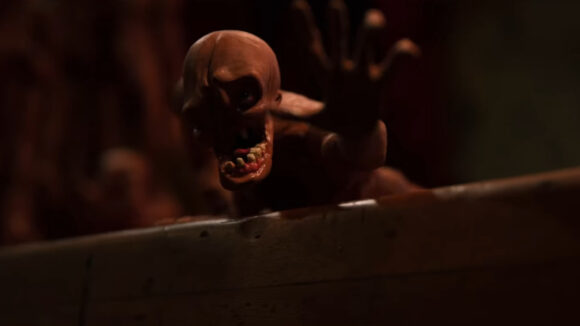
The scene literally depicts the fall of the main character, a clay figure crashing onto a heavy solid-wood table, losing its face, its identity, and its illusion of achieved perfection. It is a moment that can be read as a symbolic death. A slow crane movement approaches the body inexorably, while the other creatures around it fall silent, watching the disastrous collapse unfold.
Yet this is not an ending. Subtle calls begin to emerge from the edges of the frame, barely perceptible at first, as the others start calling him back. In this suspended moment between destruction and rebirth lies, for me, the true soul of the scene. This is why it remains my favorite sequence in the entire film, the one to which I feel the deepest and most visceral emotional connection.