.png)

2026 Oscars Short Film Contenders: ‘The Girl Who Cried Pearls’ Directors Chris Lavis And Maciek Szczerbowski
Stay informed with free updates
Sign up to get our news digest — delivered directly to your inbox twice a week.
Welcome to Cartoon Brew’s series of spotlights focusing on the animated shorts that have qualified for the 2026 Oscars. The films in this series have qualified through one of multiple routes: by winning an Oscar-qualifying award at a film festival, by exhibiting theatrically, or by winning a Student Academy Award.
Today’s short is The Girl Who Cried Pearls from directors Chris Lavis and Maciek Szczerbowski, produced by Canada’s National Film Board (NFB) and Clyde Henry Productions. The film qualified for this year’s Oscars by winning the best Canadian short award at Toronto.
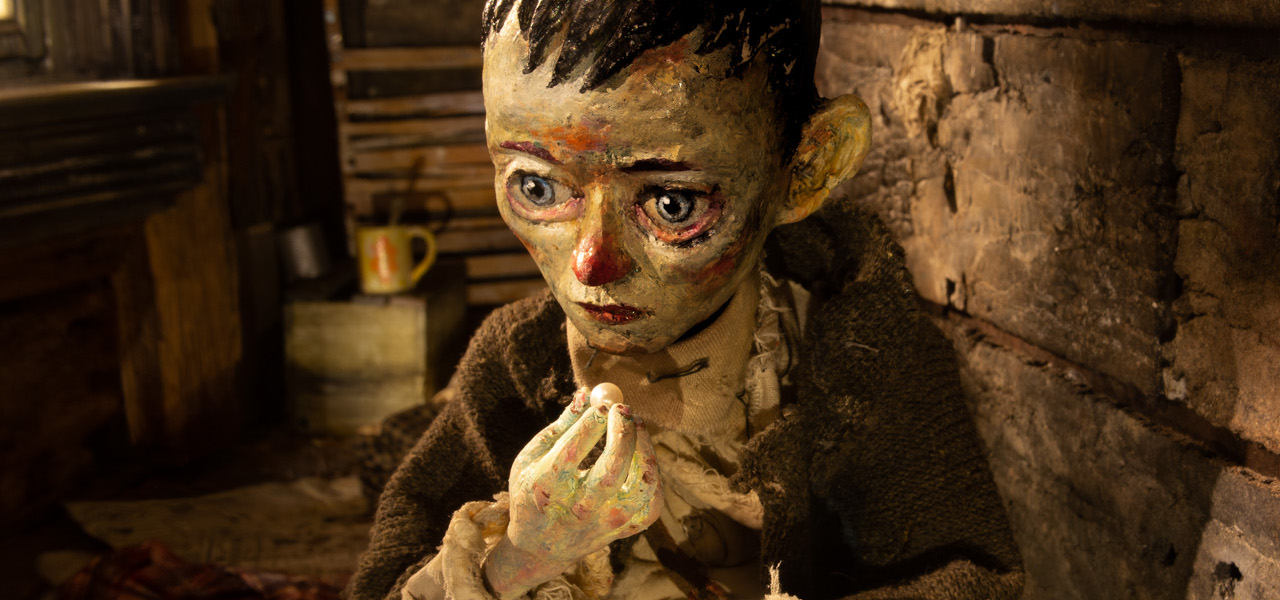
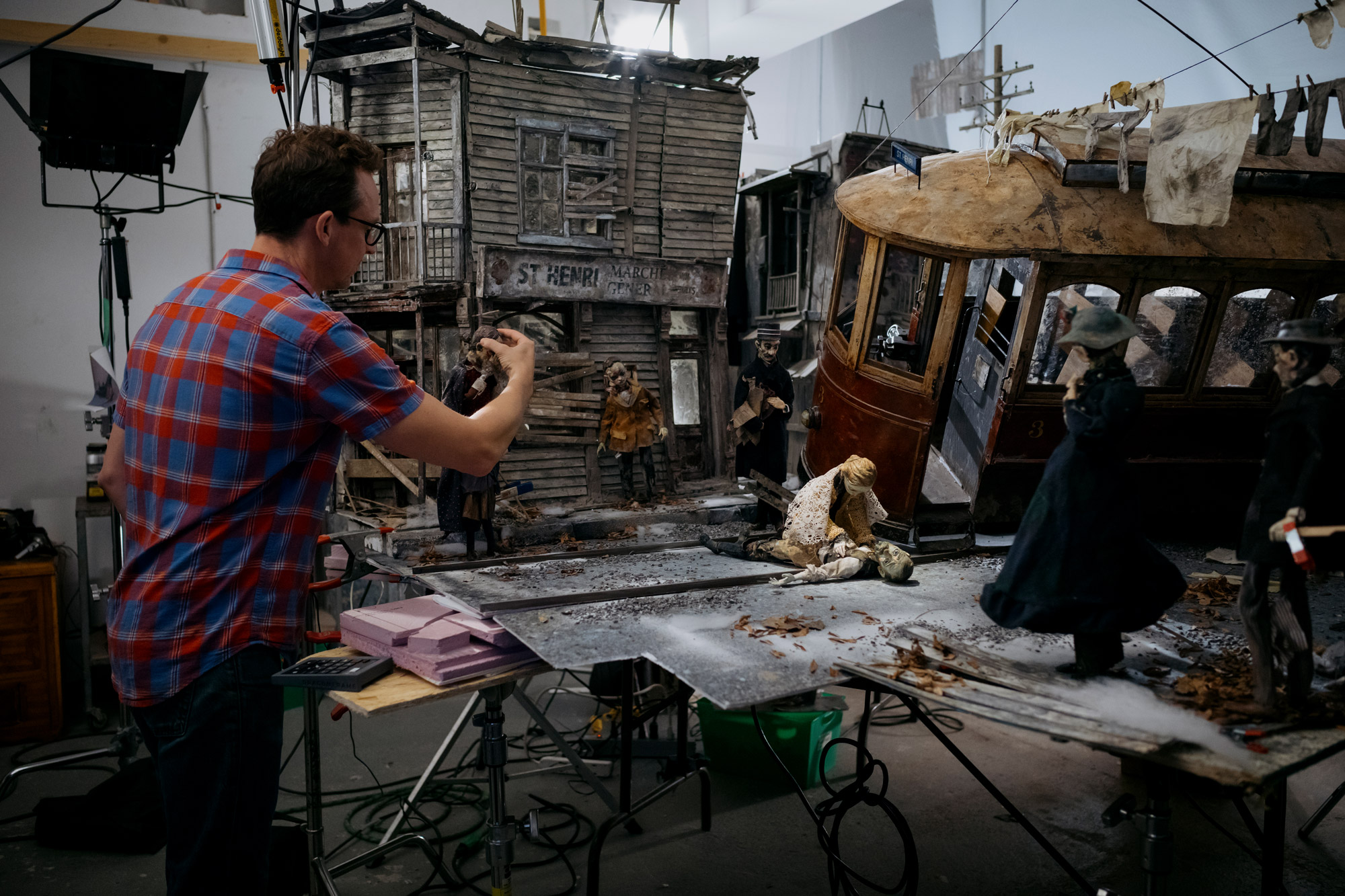
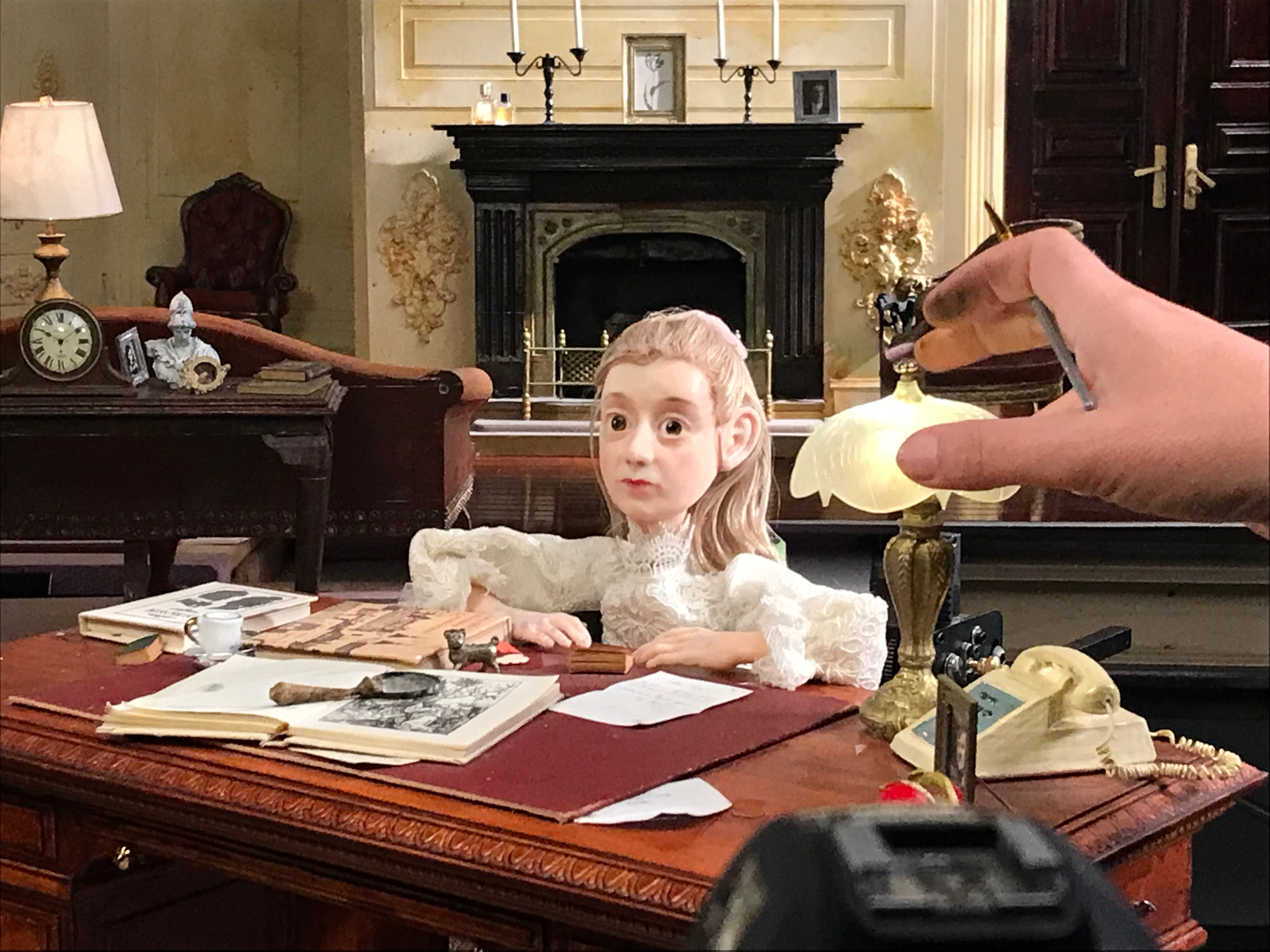
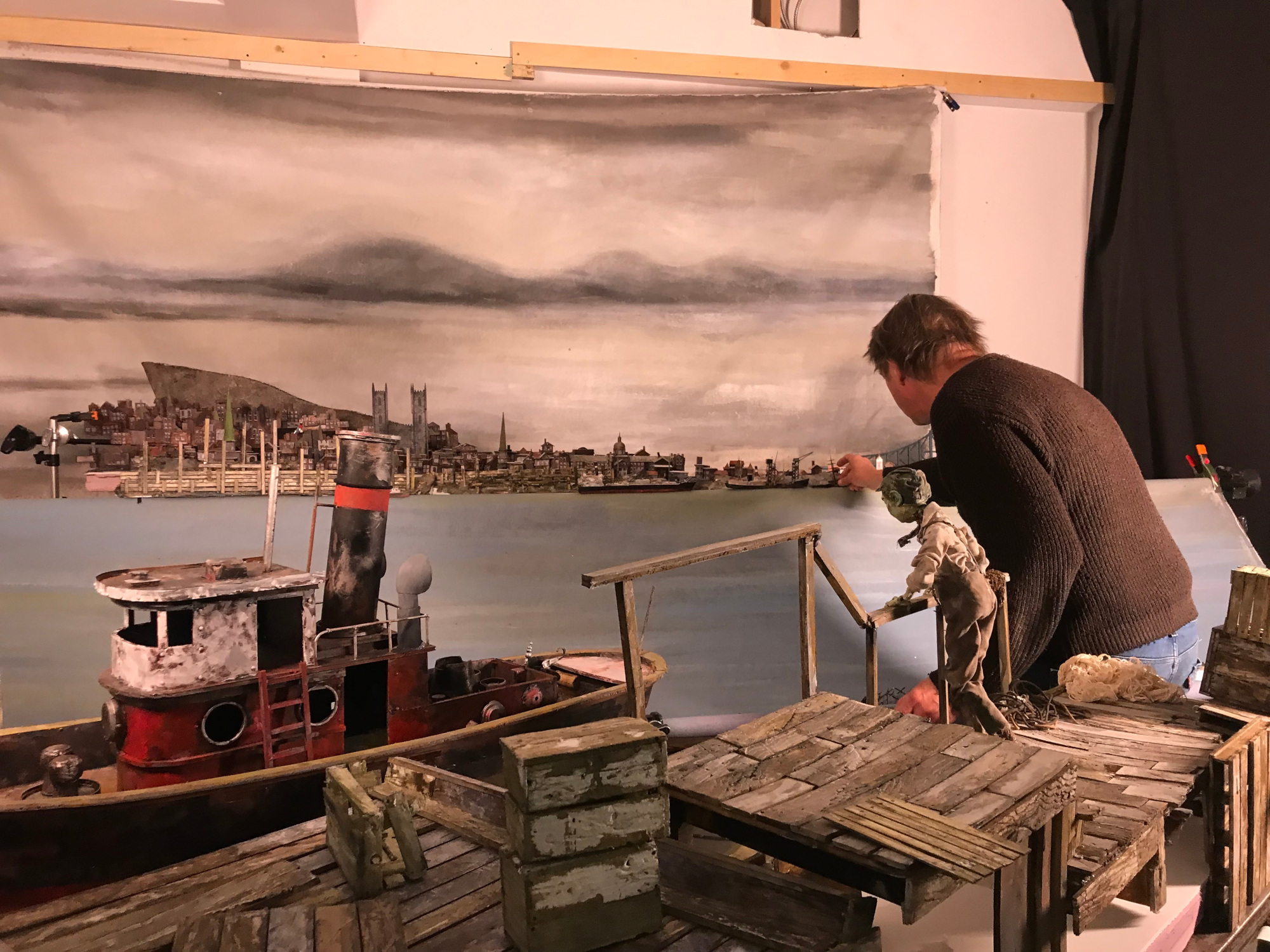
The Girl Who Cried Pearls is a hauntingly beautiful stop-motion short set in early 20th-century Montreal, following a poor boy who discovers a mysterious girl whose tears transform into luminous pearls. As he begins to sell the pearls to escape poverty, his act of love turns into exploitation, unraveling a haunting tale of greed, innocence, and moral decay. Crafted with exquisite handcrafted puppets and miniature sets, the film’s aesthetic blends gothic realism with lyrical surrealism.
Cartoon Brew: What was it about this story or concept that connected with you and compelled you to direct the film?
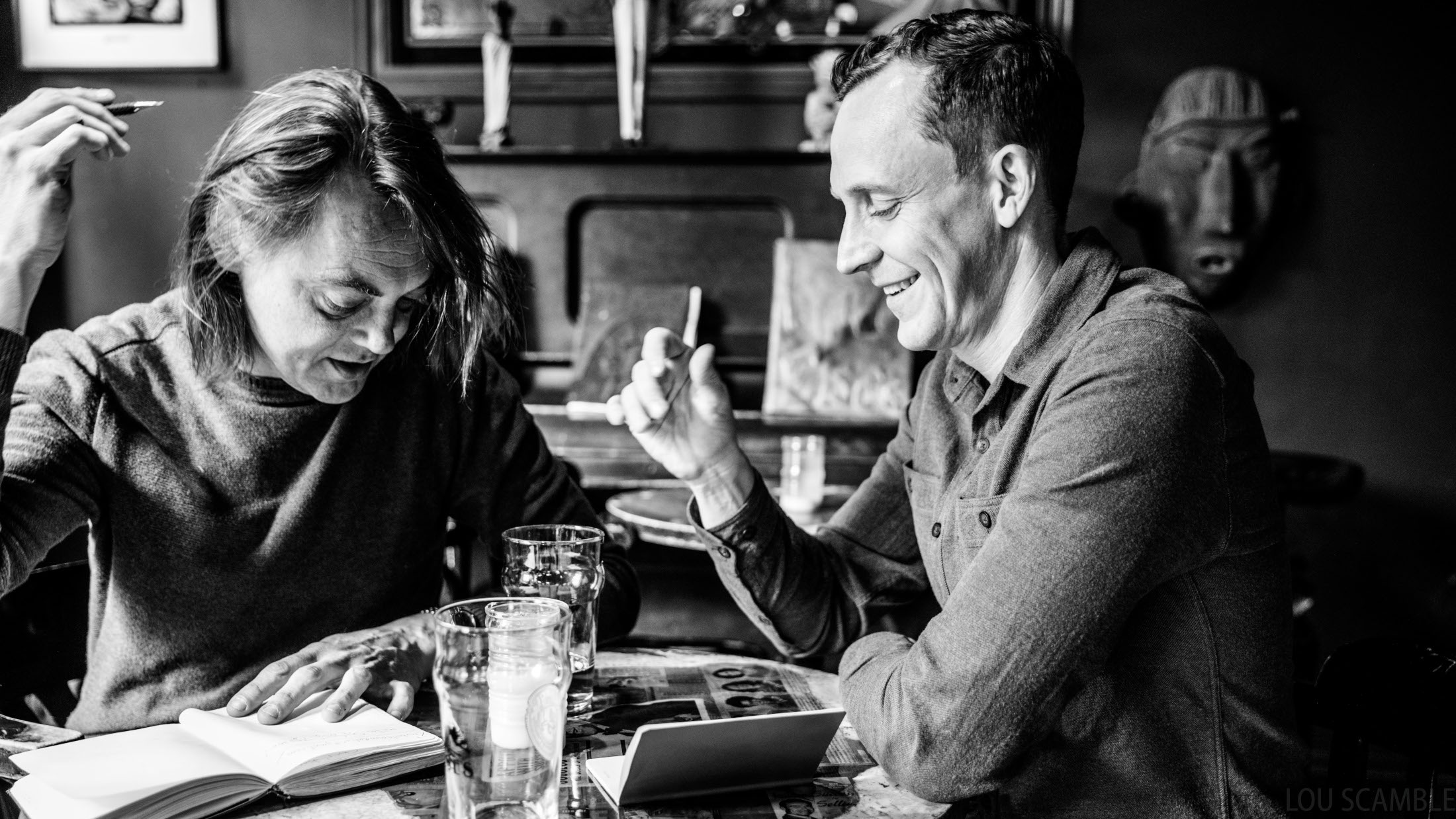
Lavis and Szczerbowski: We began many years ago with a simple idea that came to us out of the ether (It seems the more you write stories the more they come to you) We pictured a sorrowful girl crying pearls every night as she sleeps, and a spying boy next door, who alone knows the pearls value, who must choose between love and greed. That concept seemed like a wonderful opportunity to create magic. We try not to forget that making films—especially stop-motion films—is the work of illusionists, creating life out of nothing. It takes a lot of time, but that time is forgiven by the fact that you are creating magic. If magic were easy, everybody would be a magician.
What did you learn through the experience of making this film, either production-wise, filmmaking-wise, creatively, or about the subject matter?
The Girl Who Cried Pearls is our first animated film with dialogue. We struggled early on with how we would have our puppets speak. There are so many techniques available in stop-motion, from plasticene mouths to clockwork and replacement faces, and none of those seemed right for the material. In the end, we chose—for the majority of the film—to use static, unmoving faces. We were shocked at how well they were able to convey character and emotion without blinks, mouths, or expressions. Although it makes sense, puppets have been working this way for millennia before cinema and animation.
Can you describe how you developed your visual approach to the film? Why did you settle on this style/technique?
The decision to use stop-motion flowed directly from the story. Hand-crafted, stop-motion puppetry is the perfect medium for fables, and for the audience to believe in miracles. Stop-motion turns adults into children — and like children, they will accept a tale told by puppets as the absolute truth for as long as they are watching.
How did you navigate the balance between being true to your own experiences and opening the narrative up so it might be more cinematic or so that others could see their own stories within it?
There is often the assumption that the best stories come from personal experience. We don’t write personal stories — we invent characters who tell us their stories, and we listen. The characters always lead the way; our job is to choose the right materials and techniques, and to stay true to the emotional spine of the story.