.png)
2026 Oscars Short Film Contenders: ‘On Weary Wings Go By’ Director Anu-Laura Tuttelberg
Stay informed with free updates
Sign up to get our news digest — delivered directly to your inbox twice a week.
Welcome to Cartoon Brew’s series of spotlights focusing on the animated shorts that have qualified for the 2026 Oscars. The films in this series have qualified through one of multiple routes: by winning an Oscar-qualifying award at a film festival, by exhibiting theatrically, or by winning a Student Academy Award.
Today’s film is On Weary Wings Go By from director Anu-Laura Tuttelberg, produced by Fork Film, Art Shot, and Moon Birds Studios. It earned its Oscar qualification by winning the Golden Dove for a short film at DOK Leipzig.
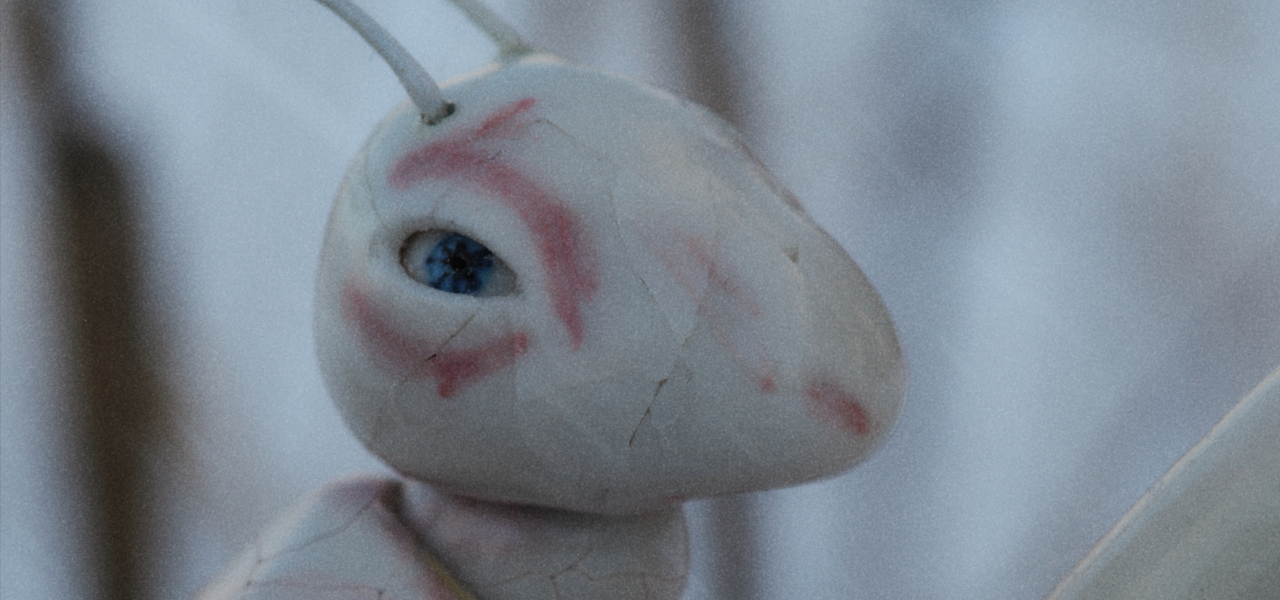
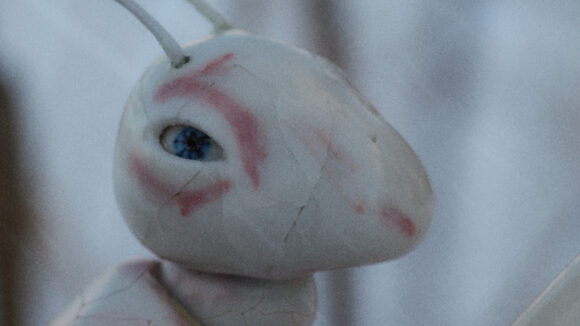
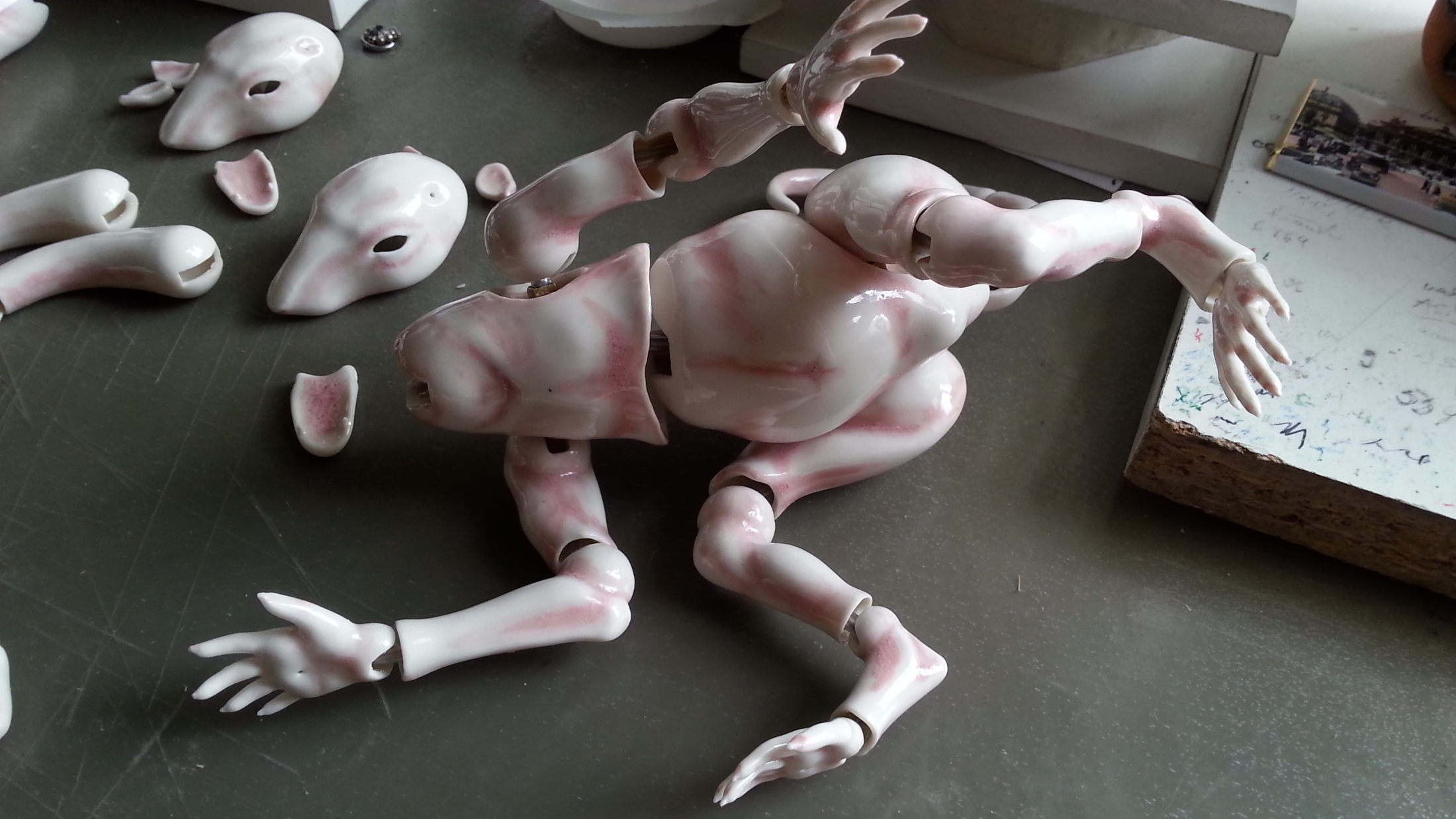
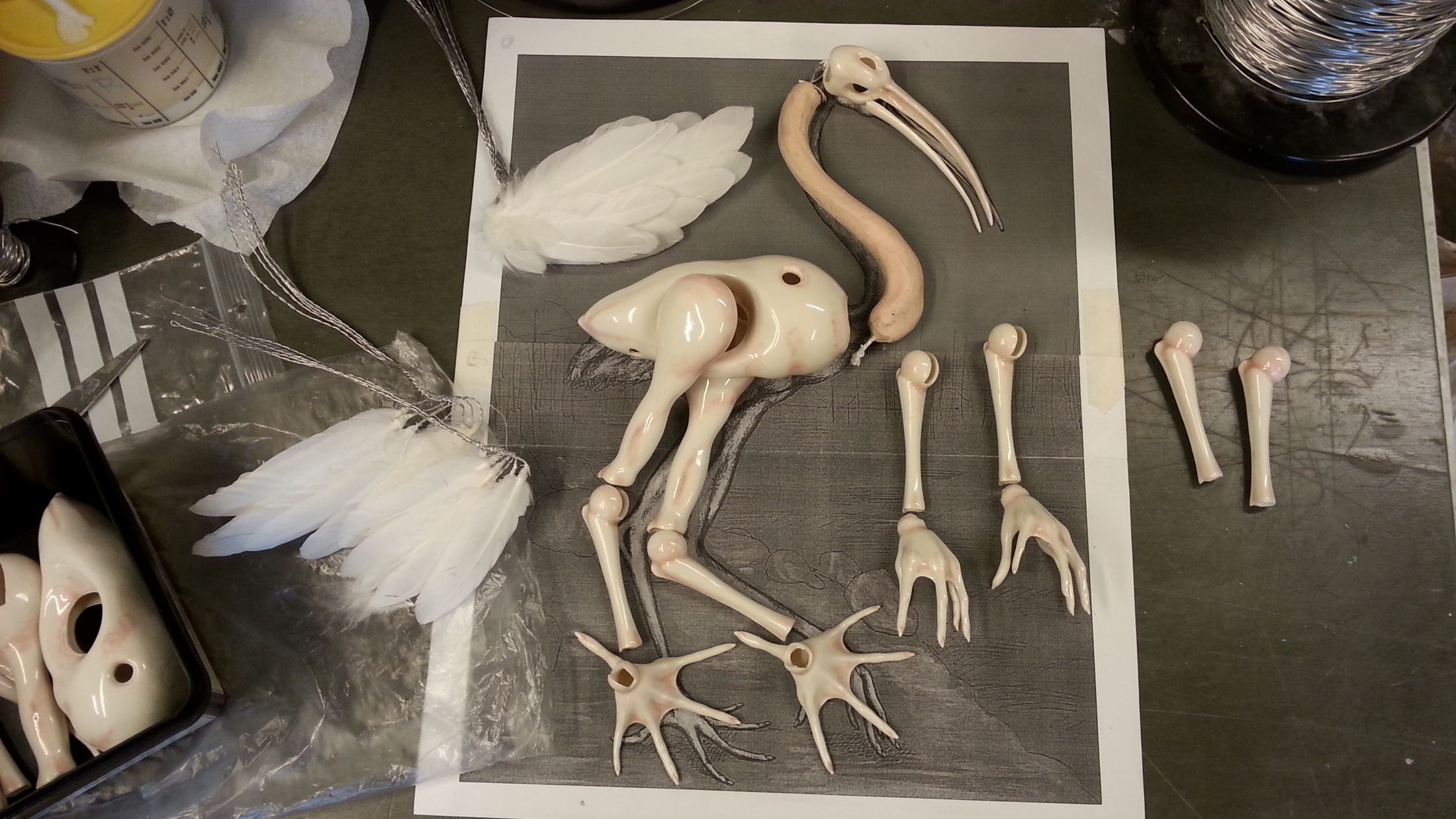
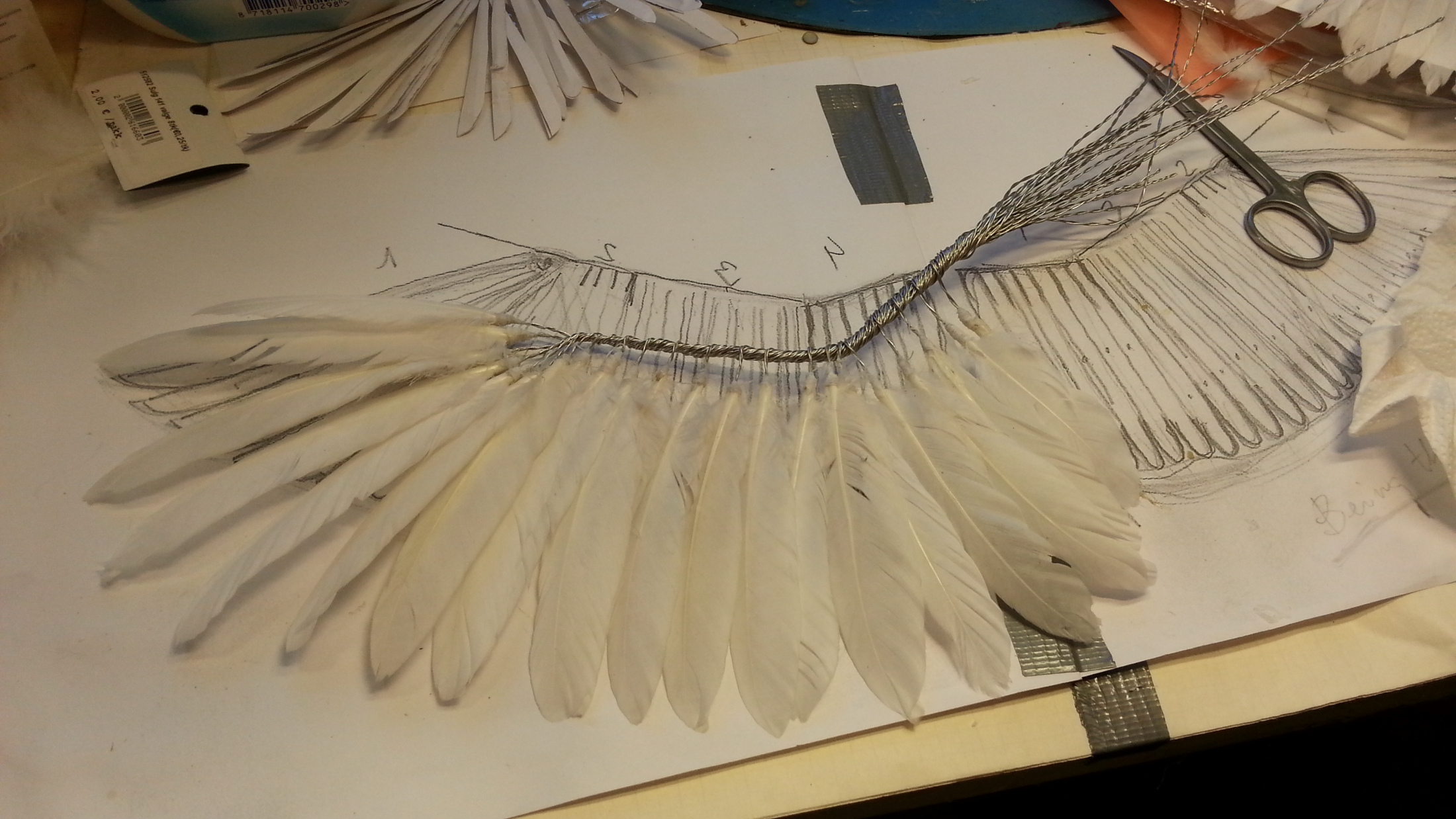
The stop-motion short unfolds in the waning light of a Nordic winter. Shot on 16mm film over three years across the northern coasts of Estonia and Norway, the film captures the slow retreat of life as birds migrate south, and carefully crafted porcelain creatures seek shelter from the snow. Animated directly in the often-unforgiving nature, the film’s textures and fluctuating natural light give it a haunting, temporal quality.
Cartoon Brew: What was it about this story or concept that connected with you and compelled you to direct the film?
Anu-Laura Tuttelberg: I wanted to draw attention to how we, as human beings, are so immersed in our daily, stress-centered lives that we forget being a part of nature and the rhythm of the seasons. In nature, there is a time for overflowing energy in the summer and a time for taking a break and resting in winter. But we want to be productive in our work all the time, so we push ourselves to work more and more regardless of the current season and the influence of nature around us.
What did you learn through the experience of making this film, either production-wise, filmmaking-wise, creatively, or about the subject matter?
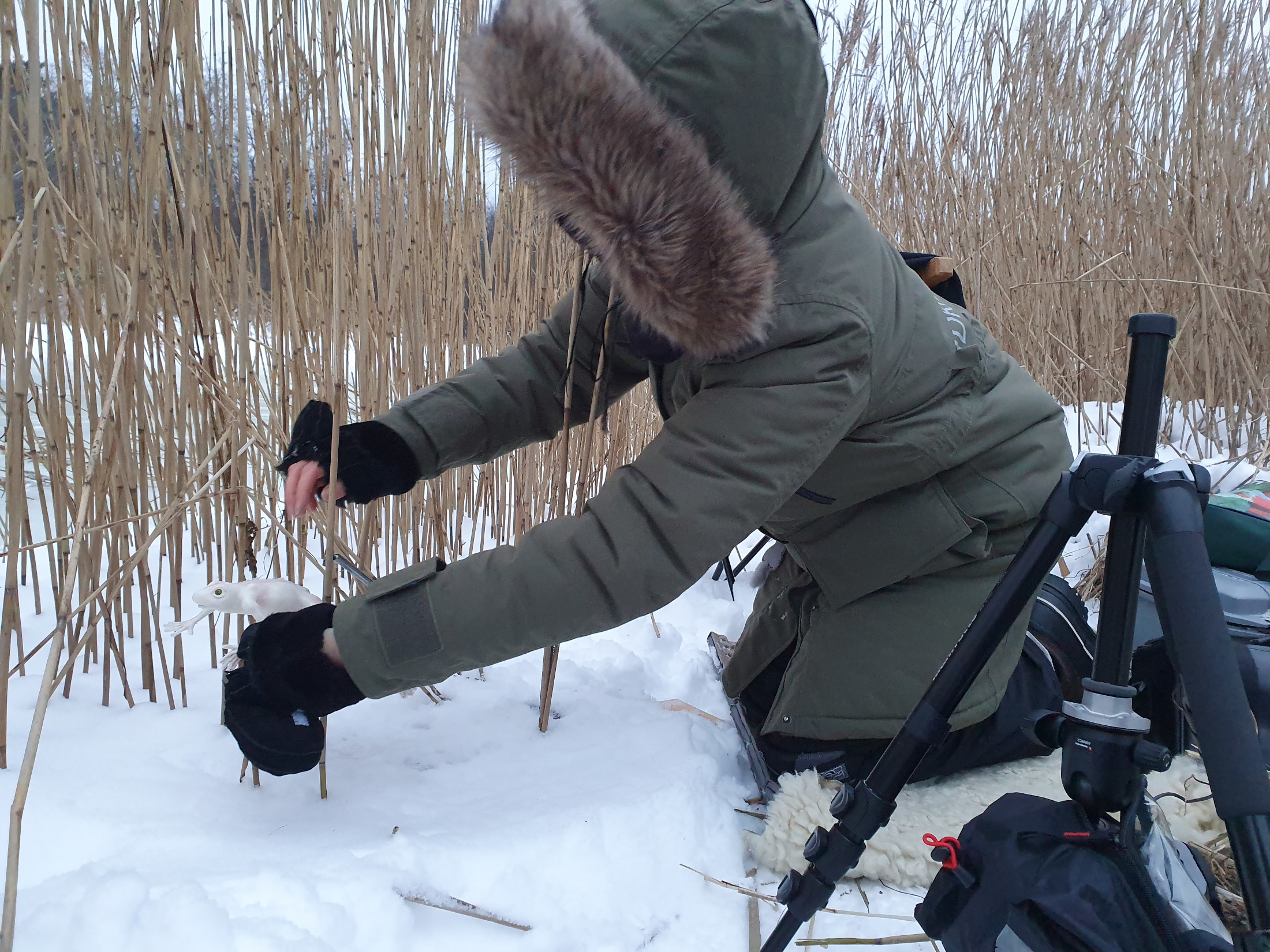
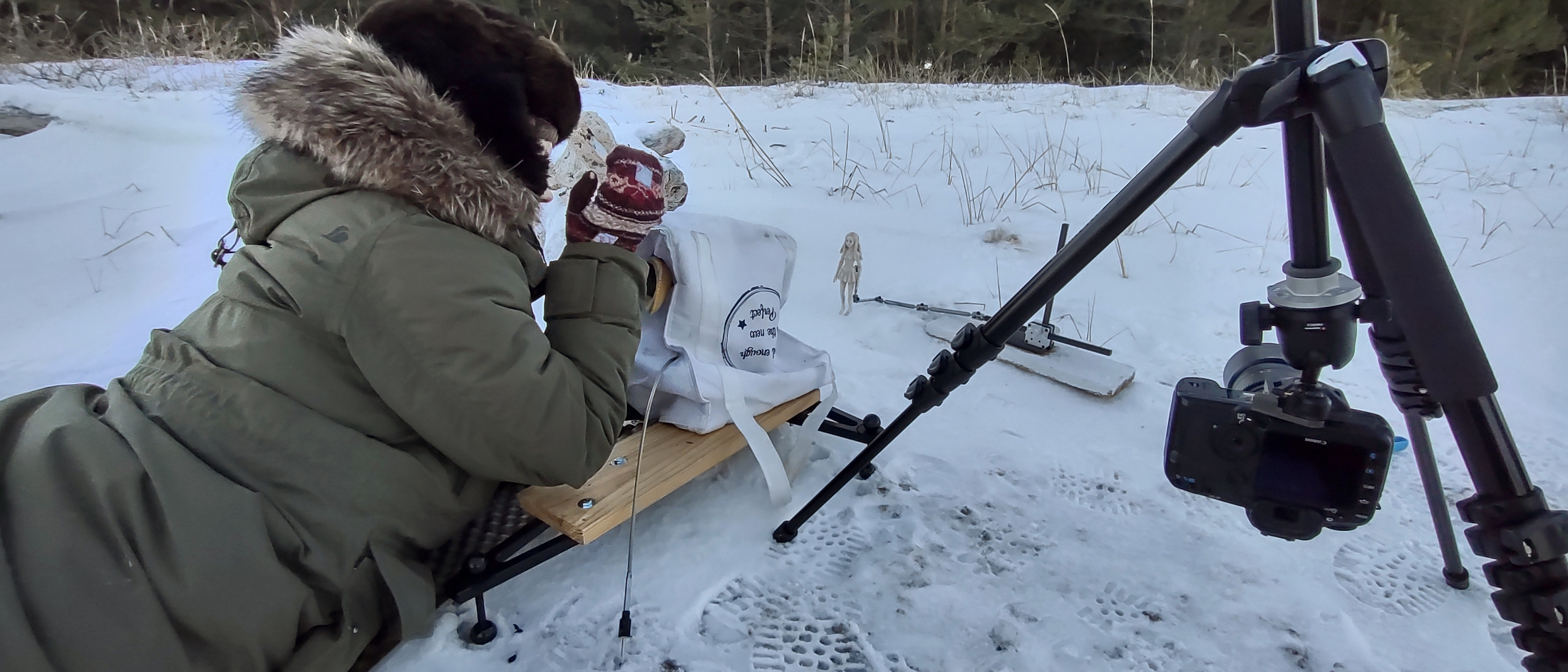
I used to make films in a studio, as is usually done. But I felt I was missing out on experiencing the joy of seeing daylight and spending time outdoors. Shooting films in nature has given me a chance to spend a lot of time working in beautiful locations and taught me how to shoot stop-motion films in extreme weather conditions. In stop-motion filmmaking, the making process and the actual result of that work – the finished film – is so out of proportion that as a filmmaker, you have to make the process the most enjoyable part of the filmmaking.
Can you describe how you developed your visual approach to the film? Why did you settle on this style/technique?
The porcelain animals in the nature setting look out of place and surreal at first glance. They are visibly something artificial and man-made, but at the same time, they move smoothly and confidently in their “natural” habitat, just like real animals. And as I animate the puppets, the nature changes rapidly in the background, the plants move, the light changes, and the morning turns into sunset during three seconds of animation. I wanted to bring the audience’s attention to the technique itself and to the rapid change in life.
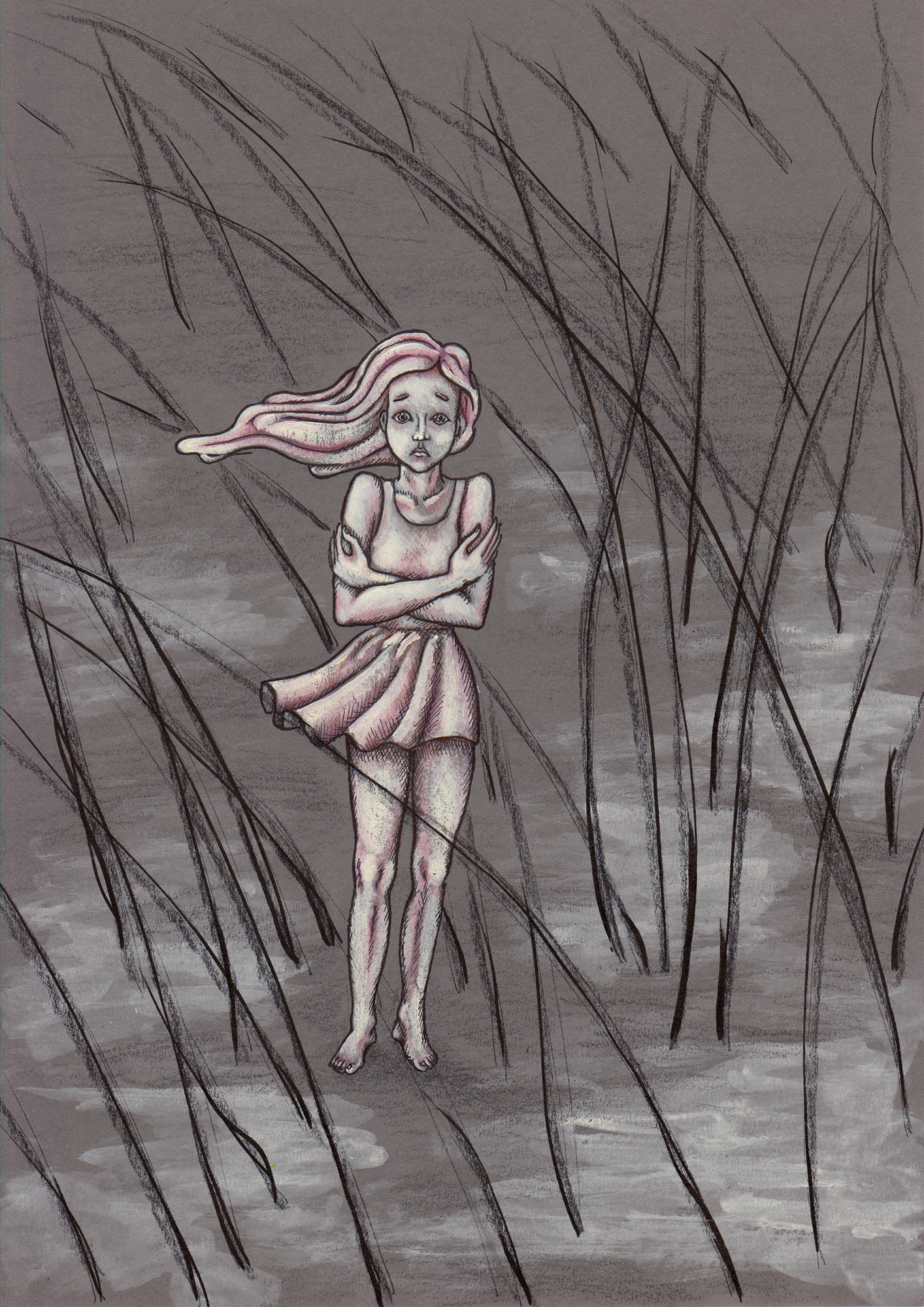
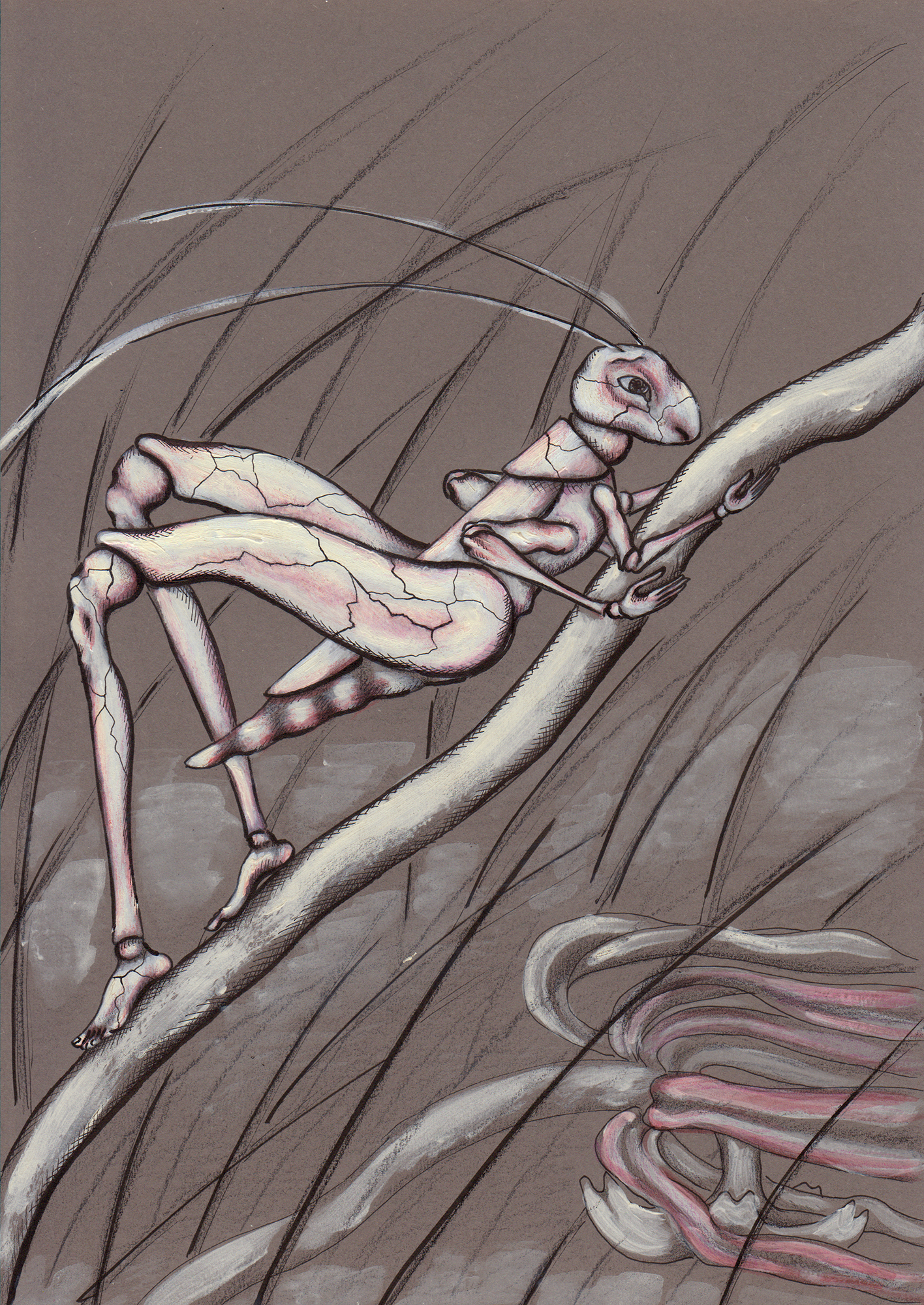
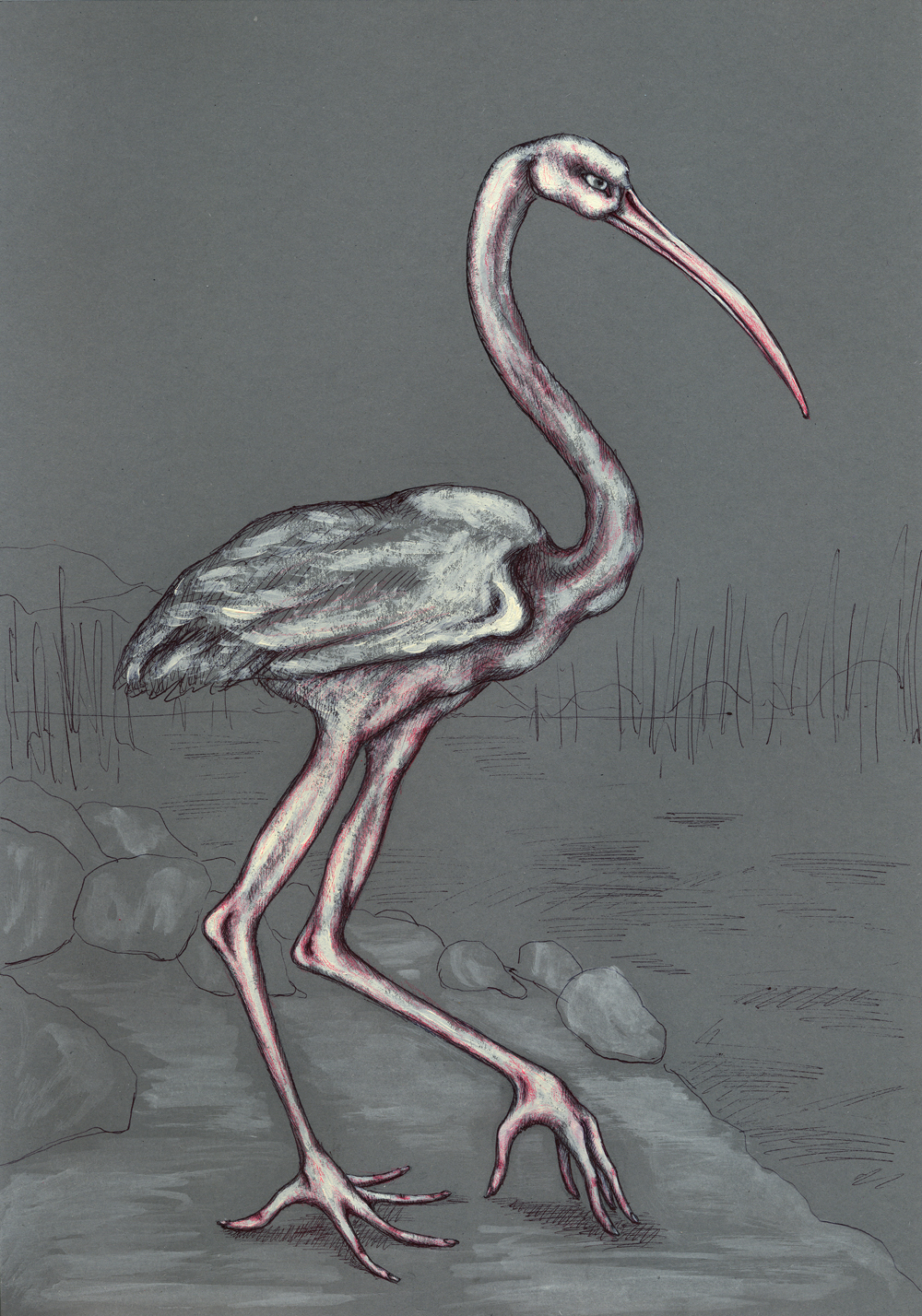
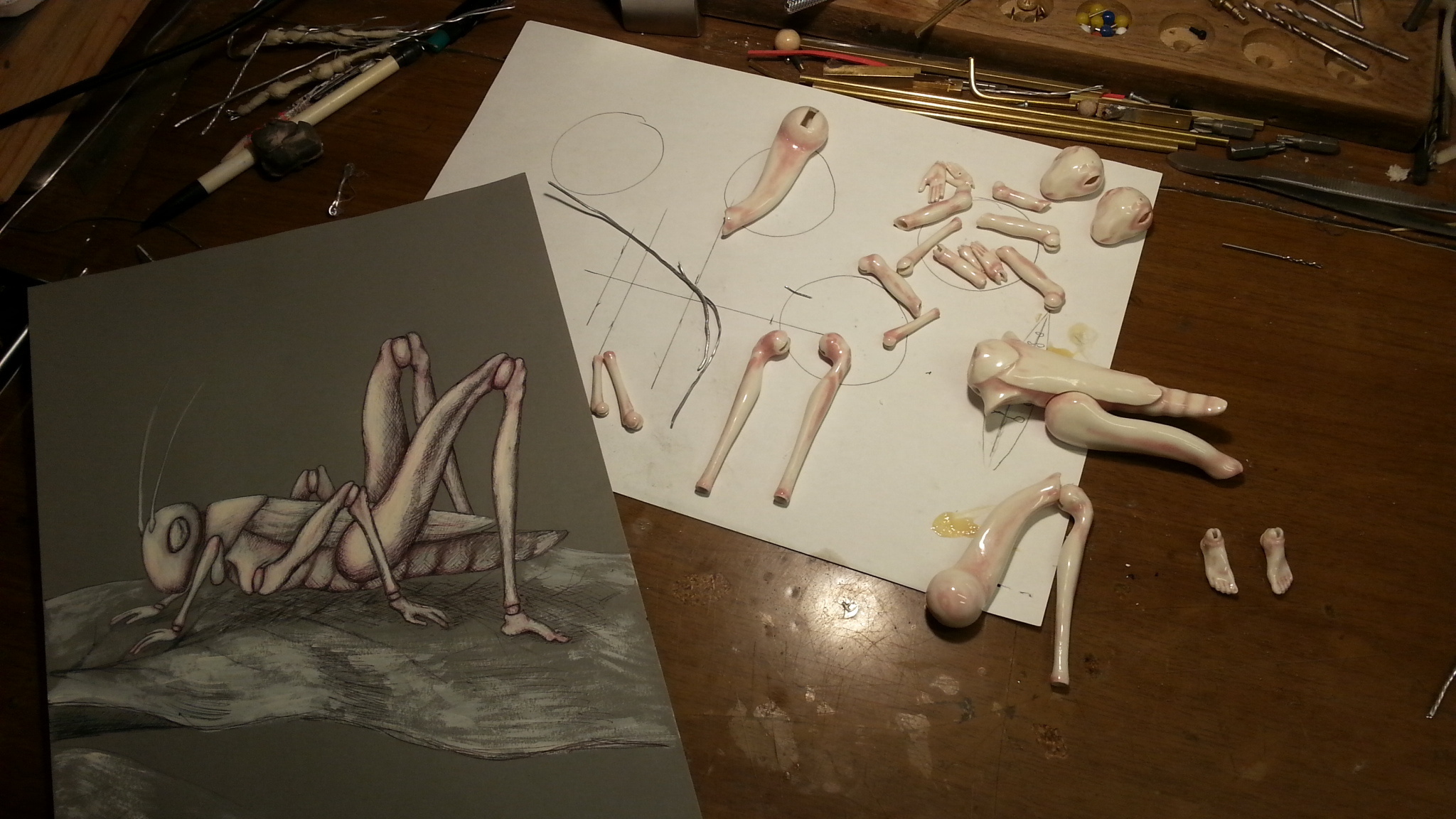
By blending stop-motion animation with live-action footage and a real-world setting, you put yourself at the mercy of the elements. It creates a wonderful authenticity in the finished film, but could you talk a bit about how you overcame the challenges it surely must have created? I imagine the accumulating snow made for very unforgiving deadlines.
It took a lot of preparation to work in temperatures below zero and strong winds. The days in winter are short, and the animation has to be finished very quickly to get a shot done. You can’t leave the cameras and puppets outside overnight.
Animating outdoors, you have to let go of control, something that sounds insane to an animator! But shooting in nature, you have to learn how to co-direct with nature. Often, you struggle to find the right location and weather conditions that you had in mind for a particular scene, but at other times, nature gives you a surprising gift that adds a lot to the film!