2027 Oscars Short Film Contenders: ‘The View’ Director Alli Sadegiani
Stay informed with free updates
Sign up to get our news digest — delivered directly to your inbox twice a week.
Welcome to Cartoon Brew’s series of spotlights focusing on the animated shorts that have qualified for the 2027 Oscars. The films in this series have qualified through one of multiple routes: by winning an Oscar-qualifying award at a film festival, by exhibiting theatrically, or by winning a Student Academy Award.
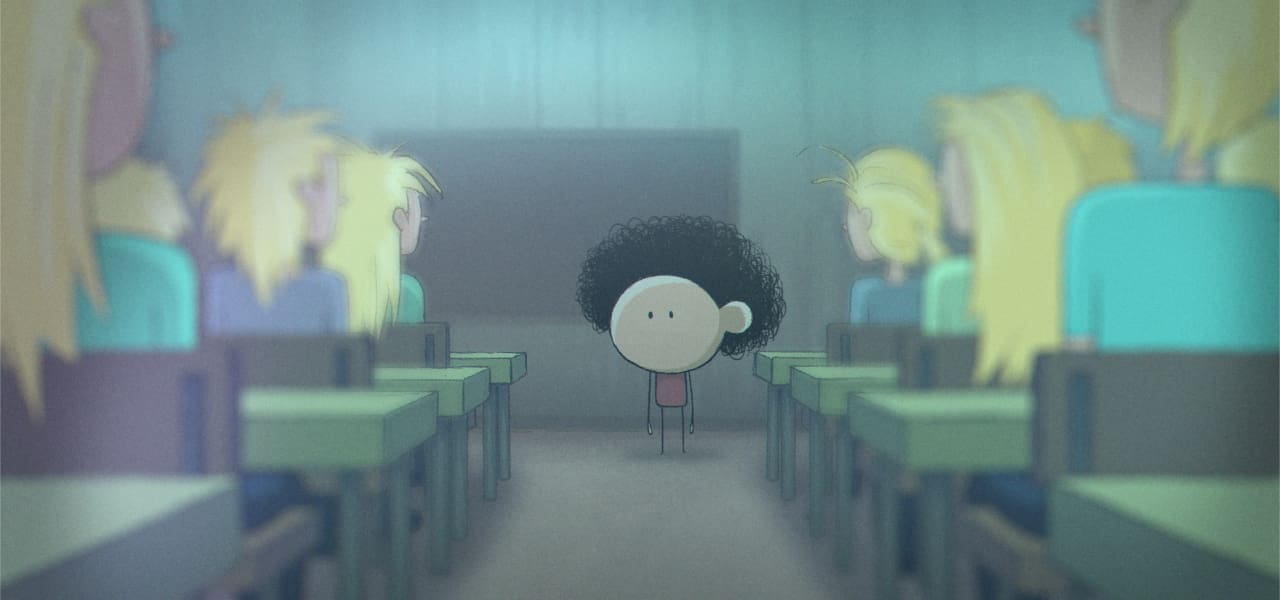
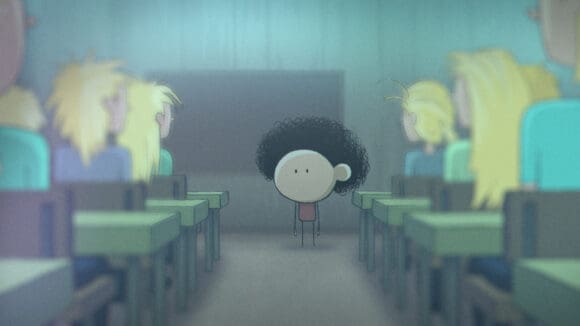
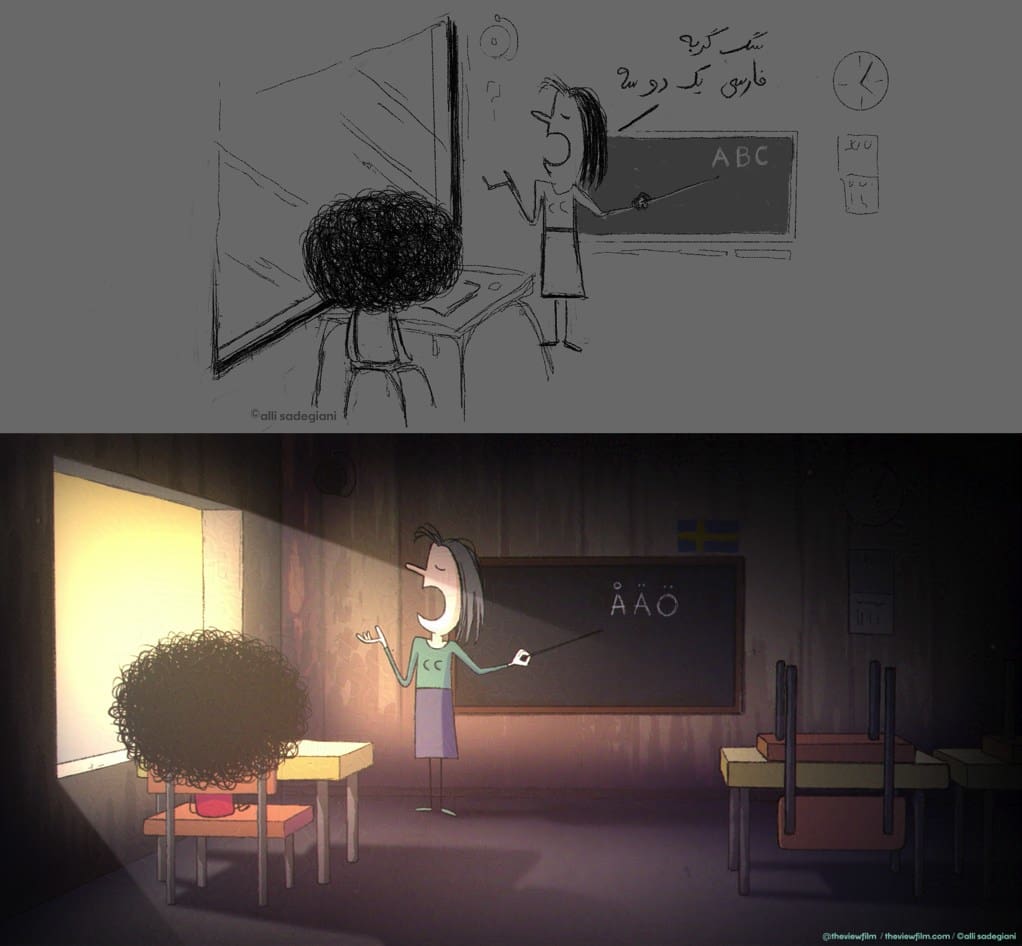
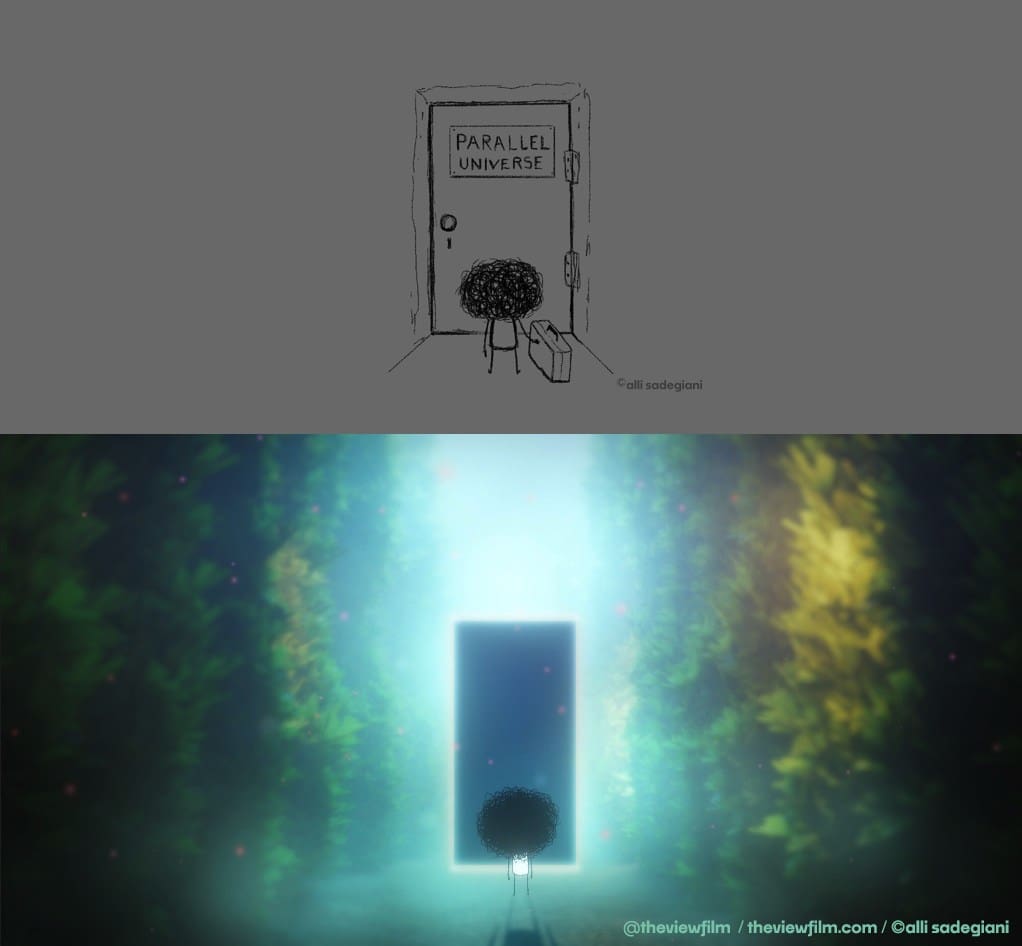
Today’s short is The View, an independent film from Pixar vet Alli Sadegiani, inspired by his childhood in Sweden as the son of immigrant parents. It began as a handmade picture book and grew into a short that pairs 2D animation with live-action footage. Sadegiani drew the animation and backgrounds on an iPad using Procreate and Procreate Dreams, and Swedish recording artist Ayla Adams composed her first film score. The short qualified for Oscar consideration through a theatrical run at San Francisco’s Roxie Theater.
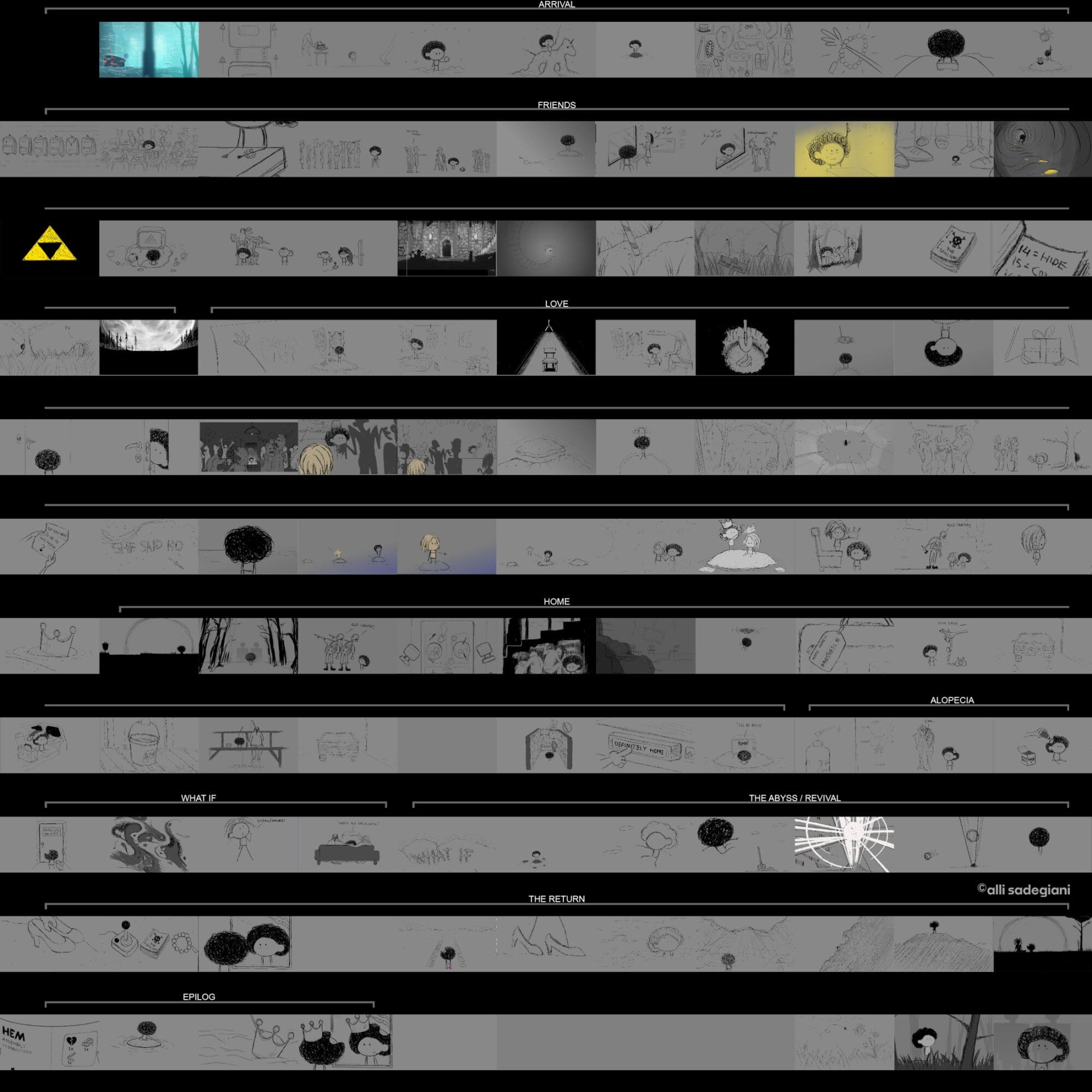
Sadegiani wanted the film to feel like reading a child’s diary, right down to the imperfections of handwriting. He took a year off from Pixar to work on it full time, spending more than half of the production on storyboards and the animatic. He shared successive cuts with friends who’d had similar upbringings, using their feedback to decide which of his memories could speak to a wider experience of growing up between cultures.
Cartoon Brew: What was it about this story or concept that connected with you and compelled you to direct the film?
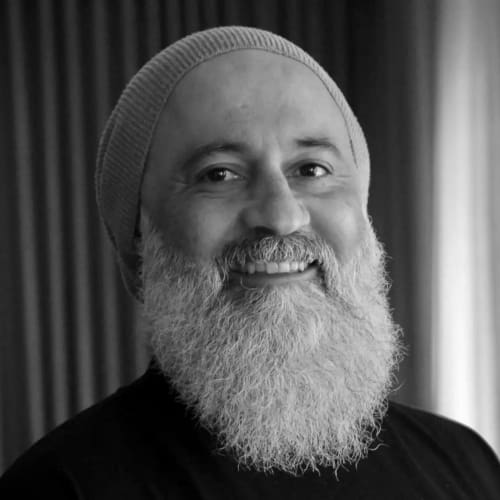
Alli Sadegiani: I grew up in Sweden with immigrant parents during the ’80s and ’90s. It was a very interesting and vibrant period and, in a way, crazy at times. My parents had migrated from a country in chaos following a massive revolution and an ongoing war. They found refuge in Sweden, and while they were forced to start a new life from scratch, I was floating between my parents and this new, foreign world, trying to figure things out.
This was a time when you had classmates who were skinheads, and Nazi salutes on your way to school were part of everyday life. I was still a kid, so I didn’t really have the capacity to question these things. I also formed strong bonds with friends, and the ’80s and ’90s had a lot to offer in terms of pop culture, art, and cinema. Figures like Prince and David Bowie challenged conventional ideas of what it meant to be a man. Growing up amid these contrasting influences helped shape my perspective and laid the foundation for who I am and what I do today.
I never really reflected on these things until much later in life. I identify as a Swede, and I had lived abroad, including in the States, for many years thanks to my work. When the U.S. was grappling with questions of diversity and belonging after 2016, I found myself wondering: Where do I belong?
That sent me down a rabbit hole, digging up a lot of what I had forgotten. Memories of random events from my childhood started to surface and found their way into my sketchbook. I turned those sketches into a picture book, which became the blueprint for what, four years later, would become The View.
It was a very cathartic experience, and I began to share the book with people in my circle. To my surprise, they could identify with many of the same questions and challenges I was touching on, which inspired me to turn the story into a film.
What did you learn through the experience of making this film, either production-wise, filmmaking-wise, creatively, or about the subject matter?
My time at Pixar had taught me a lot about what it takes to get to the core and heart of a film. It’s a brutal process of countless do-overs, and you can’t really take any shortcuts.
Knowing how exhausting this would be, I set up the production to be as lean and efficient as possible. I wanted to be able to change the story or throw things out without having too much impact on the schedule. So I avoided a traditional 3D pipeline entirely and decided to use a very simple 2D setup. Budget was part of the decision, but I also wanted to stay close to the source material, which was the handmade picture book.
I financed the film myself, but I treated it very much like a studio project, showing up to “work” every day with a set deadline and schedule. I even took a year off from Pixar, moved back into my small apartment in Stockholm with my family, and lived off our savings to focus on the film full time. I spent more than half of the total production time working exclusively on storyboards and the animatic, constantly editing and rewriting. I didn’t start production until I felt I had 70–80% of the film there. Once I started, I could put my head down and focus on getting footage out.
That showed me how valuable preproduction and scheduling are. As an indie filmmaker, it’s crucial to get things right before you start, because you won’t have the resources to make changes halfway through.
I made it a habit to share every new version of the animatic with people I trusted. I also kept sending it to friends and people outside the film industry who had the same upbringing as me, to see if it resonated with them. I knew this was going to be a marathon, so on some level I wanted to make sure the film was worth making. Luckily, it turned out there are a lot of people out there still trying to figure stuff out.
Can you describe how you developed your visual approach to the film? Why did you settle on this style and technique?
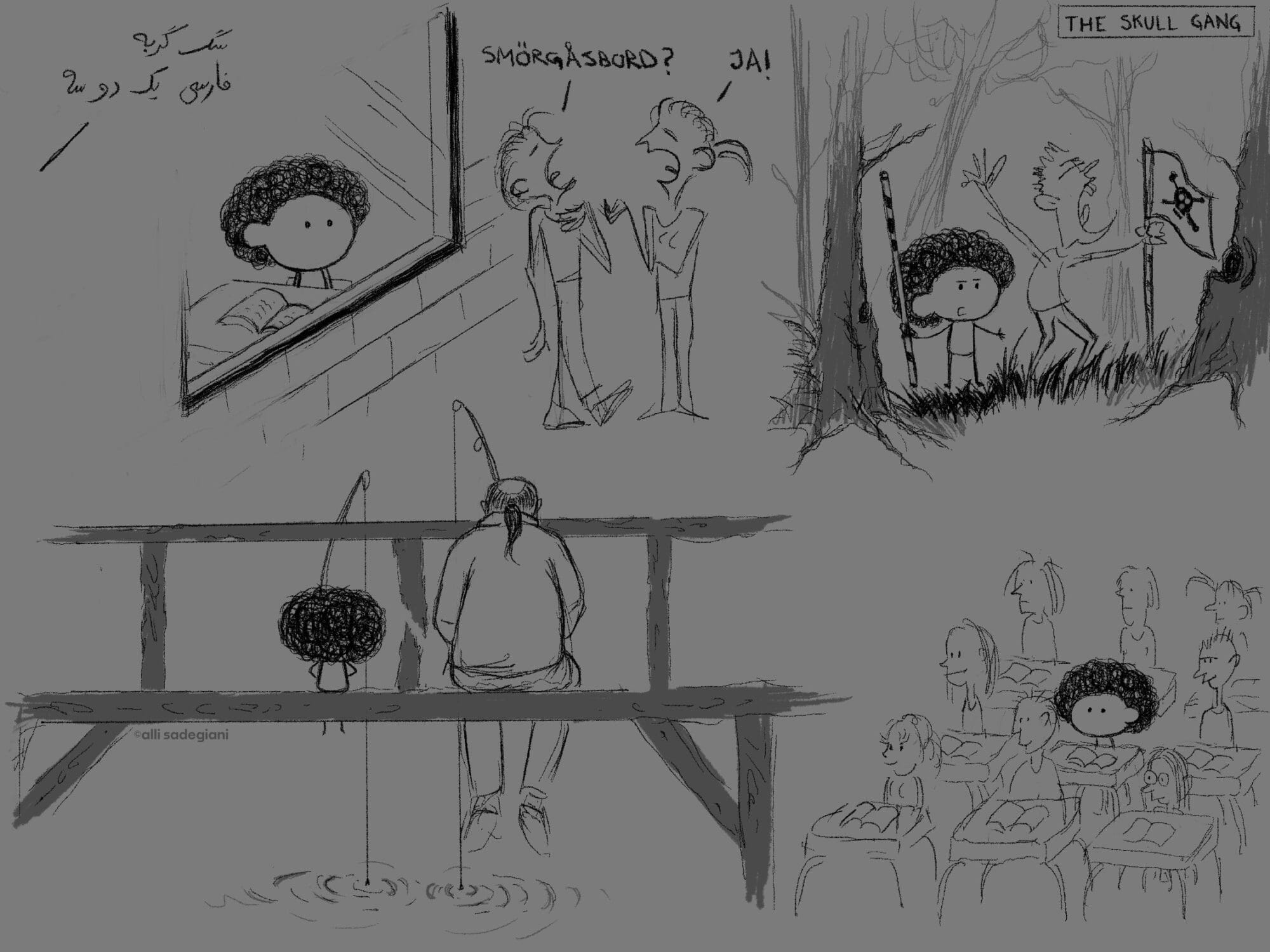
Since the film grew out of memories from my ’80s and ’90s childhood, I wanted it to feel as if you were reading a child’s diary. I wanted to reference the aesthetic of that time and capture the imperfections of someone’s handwriting, which to me show that we, as humans, are naturally flawed. There’s immense beauty in that. Especially with so much overpolished and artificial imagery around us, I wanted the film’s visual language to reflect what makes handcrafted stories feel human.
An interesting thing about memories is that they’re almost like dreams. They’re captured as images in our heads, and as time passes, we start to question what’s real and what’s an illusion. The live-action footage is an attempt to capture just that: to let the audience experience someone’s memories as blurry and as real as they remember them. I wanted to contrast that footage with designs inspired by Charles M. Schulz, which gave me a gentle, disarming way to approach some heavy topics.
The film draws heavily on your childhood in Sweden. How did you decide which memories to include and which to leave out?
I realized early on that the film was much larger than my own story. While many of the events are unique to me, I felt this was essentially a human journey lived by millions of people every day. So if I was going to take this on, I wanted to make a film that would hopefully help other people find their own way.
Often, I had storylines that touched on the same things in different ways. I had to pick the one I felt served the film best and would resonate with a broader audience.
That isn’t always easy when you’re working on a project so close to you, so it helped to have a circle of trusted friends and colleagues who were brutally honest every time I sent them a new version of the edit.