.png)
‘Captain Underpants’ Director David Soren’s New Book ‘Invisible’ Speaks Directly To Artists Living With Unseen Illnesses
Stay informed with free updates
Sign up to get our news digest — delivered directly to your inbox twice a week.
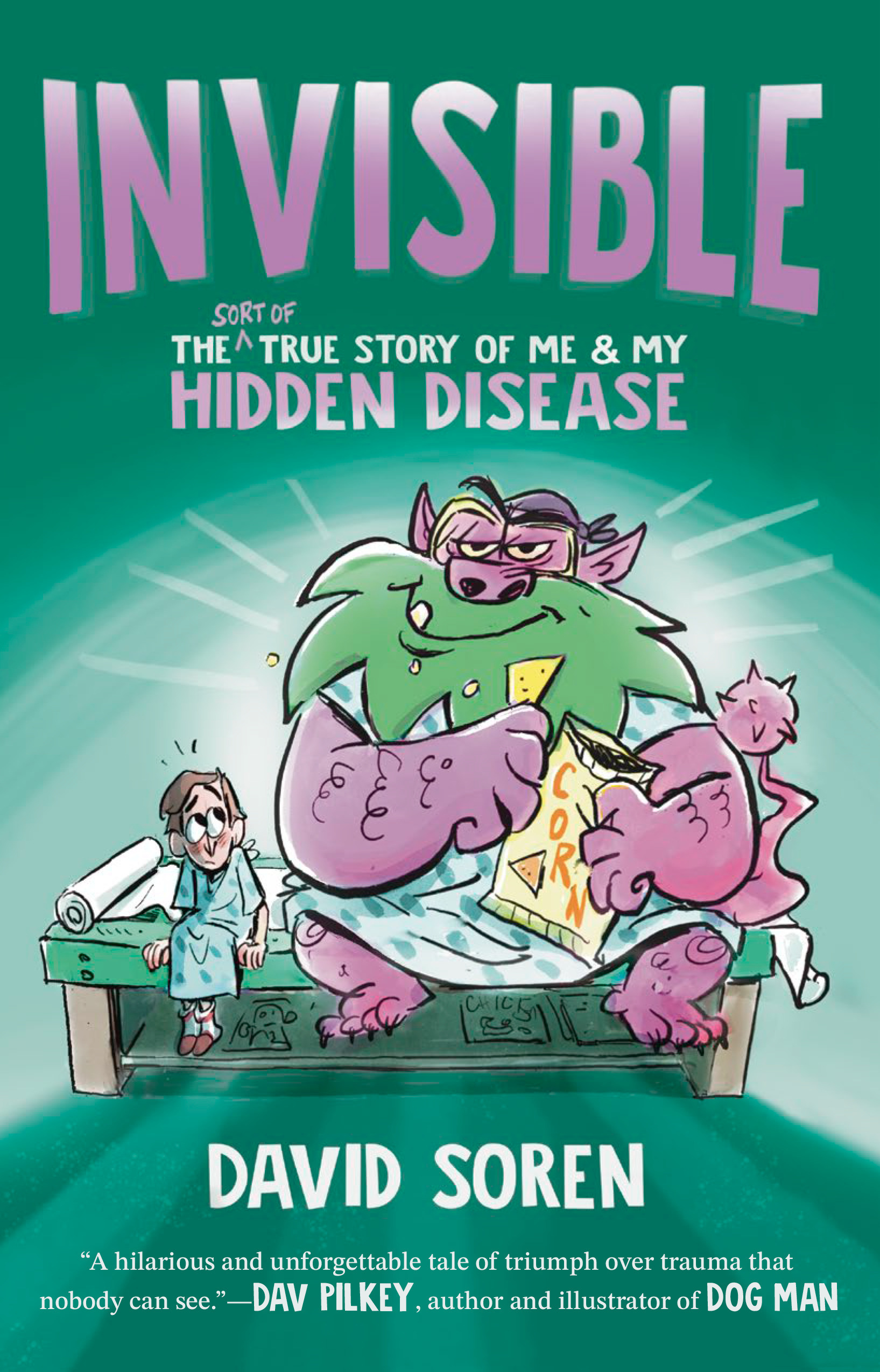
Invisible: The (Sort Of) True Story of Me and My Hidden Disease is a new, middle-grade debut from Captain Underpants: The First Epic Movie and Turbo director David Soren. An animation professional using their free time to create a picture book is hardly uncommon, but in this case, the book applies Soren’s own core storytelling instincts to a challenge artists rarely tackle directly: how to make the unseen — chronic illness, pain, and stigma – visible and relatable to a young audience.

Soren has lived with Crohn’s disease since childhood, and he spent years trying to figure out how best to tell that story. As he explains, “Over the years, I failed many times,” he admits, saying that there were always questions about form, audience, and tone that never had clear answers, until a realization reframed everything.
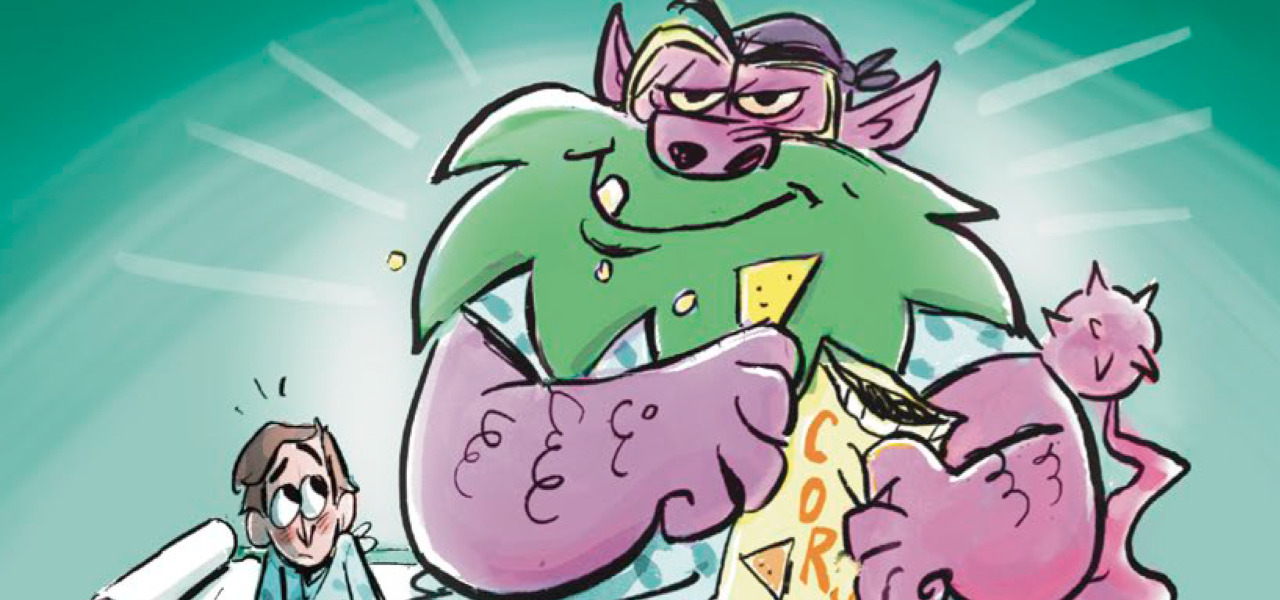
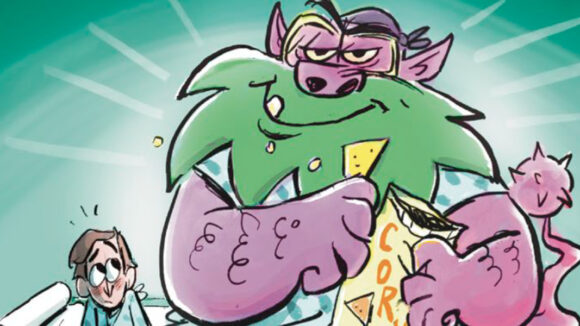
“The way in was to turn my disease into a character,” he says, an “annoying, chaos-causing biker beast from my bowel who is determined to derail my dreams!” That creature became Norm, the loud, overbearing embodiment of J.J. Sugar’s Crohn’s, and the book’s creative engine.
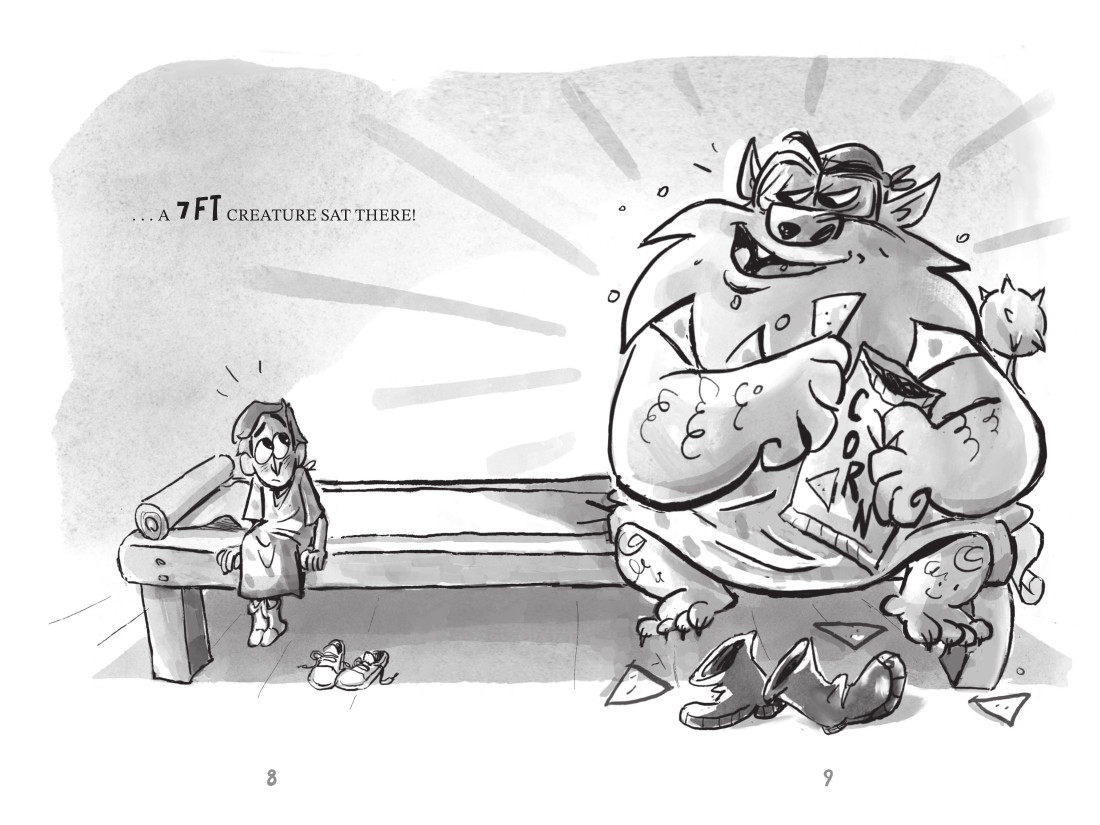
The decision to personify the illness comes directly from Soren’s animation background. The art form excels at externalizing interior states, giving shape and behavior to abstract concepts. By leaning on that well-honed creative instinct, Soren developed a narrative that plays like an odd-couple buddy story between a kid and the chronic condition he’s desperate to hide. The approach also opened the door for a supporting cast of other invisible disabilities. “Their humans refuse to acknowledge their existence,” he explains, “so, deep down, they all just want to be seen.”
Translating this animated sensibility into prose required its own leap. Soren, who has spent decades shaping stories through performance, visual rhythm, and design, notes that the goals remain the same — engagement, connection, empathy — but the tools change. Without the pressure of mass-market simplification that often shapes animated films, especially at the studio level, he found space to “write more, go deeper, find different ways to help reluctant readers stay invested.” Short chapters, energetic illustrations, and varied typography were ways to keep the humor up while allowing him, in his words, to avoid having “to pull punches about the hard parts.”
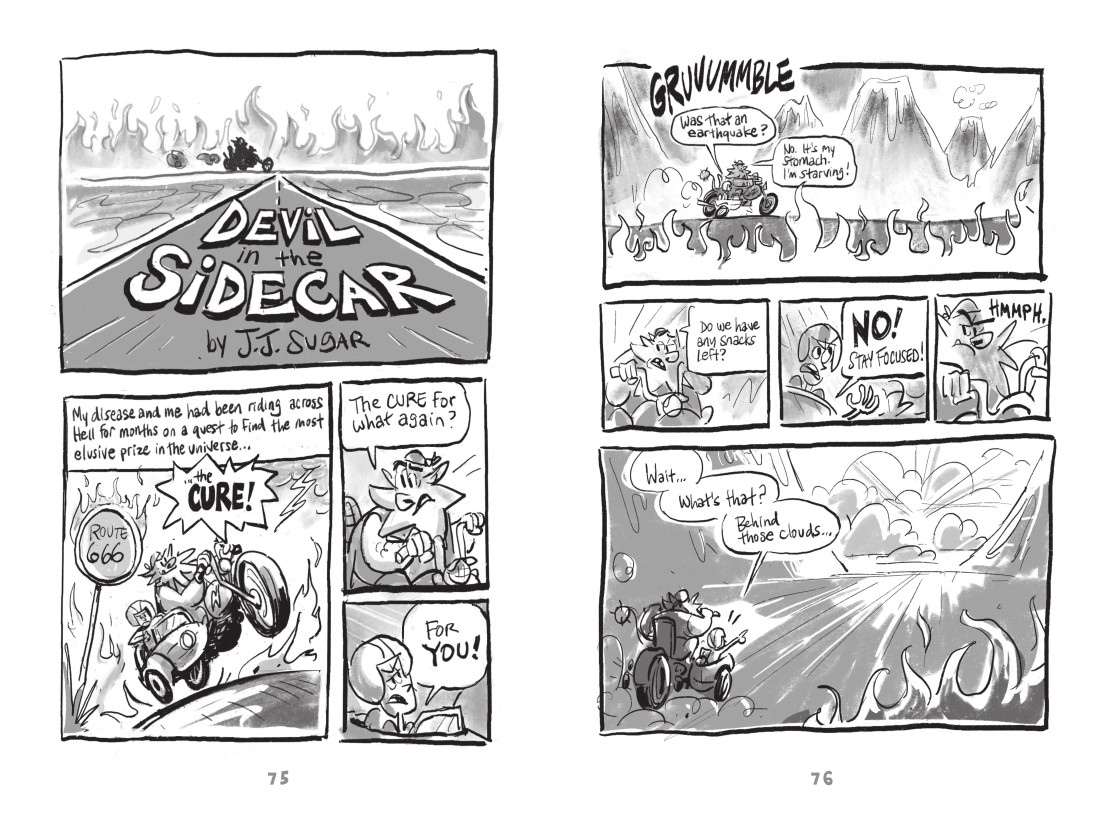
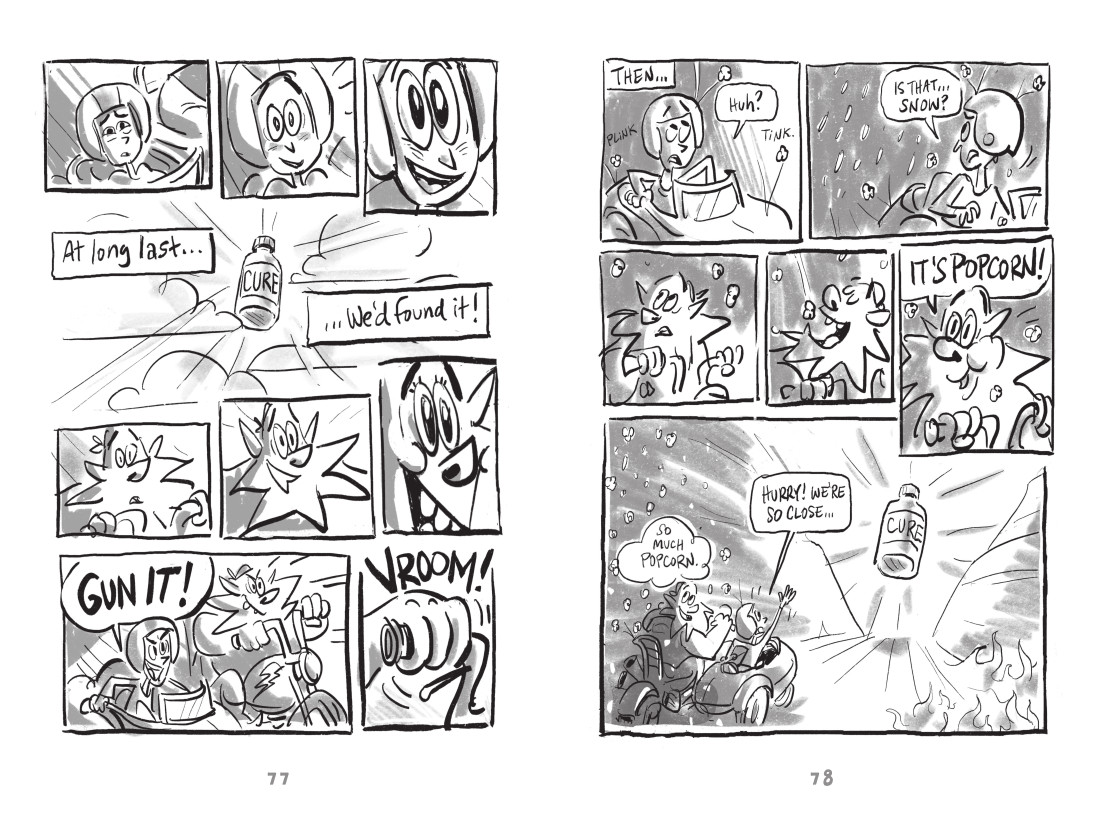
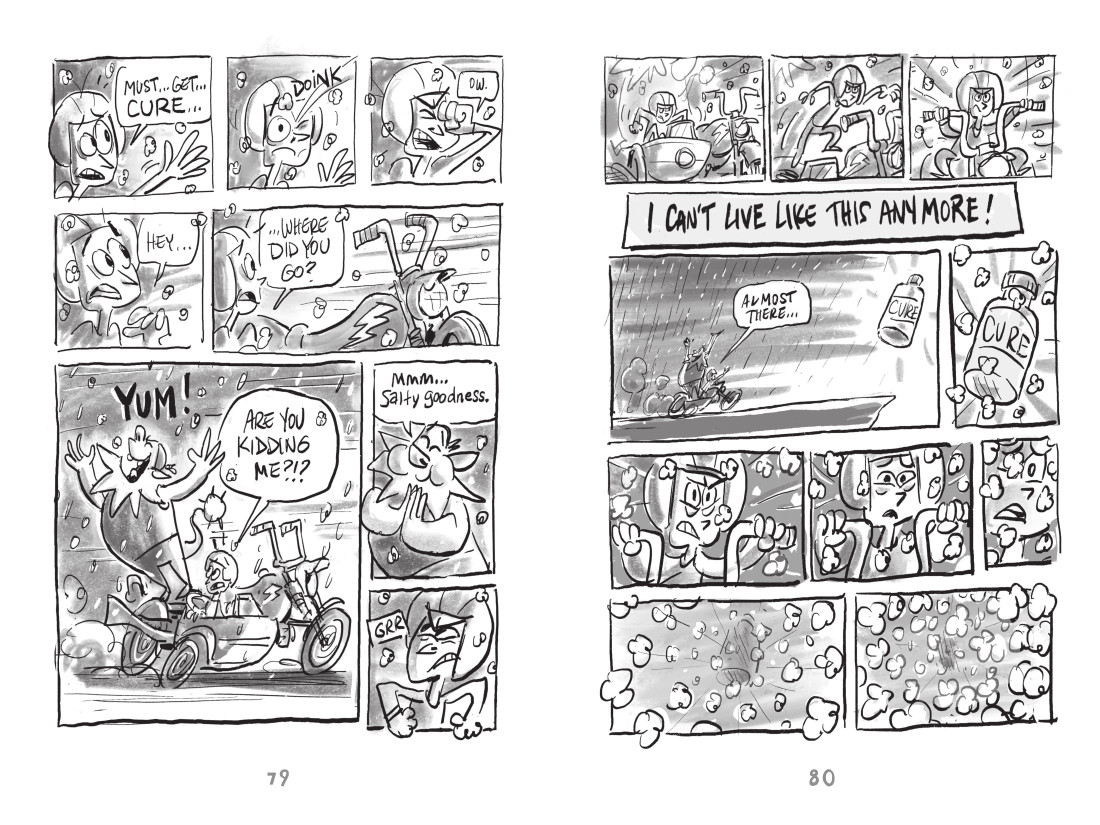
For animation professionals, the book’s most resonant theme may be how artistic identity evolves alongside illness. In the story, J.J. discovers his artistic talent the same year he is diagnosed, tying creativity and chronic disease together from the start.
Soren describes the instinct to hide that part of himself, saying, “So many of us keep parts of ourselves hidden. It comes from a desire to fit in, to appear ‘normal’.” Living with an invisible disability gave him the illusion of control: “It was handy that I could control who knew about my disease and who didn’t,” but also the burden of suppression: “It was also a huge part of myself to keep hidden.”
This tension between visibility and concealment is something many animators know intimately. The industry is filled with artists living with migraines, autoimmune disorders, digestive diseases, chronic pain, and mental health conditions that remain unspoken because they’re unseen. Soren’s book brings that reality to the surface for younger readers, but its emotional truth is industry-wide.
“I wrote the book I wish I’d been given as a kid,” he says, hoping others won’t spend as long “keeping the most important part of themselves invisible.”
Our full interview can be seen below:
Cartoon Brew: How do you make a story that deals with invisible disabilities in a way that resonates with both kids who have similar experiences and those who don’t?
David Soren: Over the years, I failed many times to figure out how to tell this story. Was it a memoir? Was it fiction? Would my experience with Crohn’s disease be relatable? Was I even ready to share this part of myself with the world? Dozens of ideas were abandoned. Then it hit me… The way in was to turn my disease into a character. An annoying, chaos-causing biker beast from my bowel who is determined to derail my dreams! The story spun out of the relationship that J.J. (basically me) develops with Norm (my disease) – a journey from mutual contempt to something more nuanced and evolved.
This led to creating other characters based on disabilities. In his off hours, Norm hangs with a rowdy gang of troublemakers who call themselves “the Invisibles”. Their humans refuse to acknowledge their existence, so, deep down, they all just want to be seen. While rooted in my journey with Crohn’s, the story’s larger purpose came into focus: Not just to capture my experience but to capture how it feels to live with an invisible disability. Everyone’s journey may be different but this way, the specific becomes universal, and J.J.’s story could speak to a much wider audience than my own.
Given your background in animation and film, what was the process like transitioning your own storytelling style from a moving art form to still images? And why did you want to write and illustrate a middle-grade novel?
The storytelling goal is the same: get the audience engaged, make them root for your characters. The levers you have to pull are different. The biggest adjustment was giving myself permission to write more, go deeper, find different ways to help reluctant readers stay invested. Short chapters, fun fonts, and lots of illustrations add humor, energy, and keep the tone light, so I don’t have to pull punches about the hard parts.
Themes in animated films tend to be oversimplified, aiming to connect with as many people as possible. This can come at a cost, limiting our connection to the superficial. Without the burden of a giant budget and bosses worried about keeping their jobs, I was free to lean into all the fun and fantastical elements I adore about animation but ground it in something much more meaningful and personal.
So many of us keep parts of ourselves hidden. It comes from a desire to fit in, to appear “normal”. It was handy that I could control who knew about my disease and who didn’t. It was also a huge part of myself to keep hidden. I wrote this book with the hope that maybe it can help others get to the place I got to sooner. So they don’t spend so much of their lives keeping the most important part of themselves invisible.
Are there plans to partner with schools, libraries, or health organizations to help the book reach more readers?
Yes, I’m amazed by the interest the book has generated so far. People magazine published a piece on it, I’ve been doing lots of podcasts and interviews. There’s been wonderful support from all the major Crohn’s & Colitis organizations across North America. I try to say yes when schools invite me for visits. I’m finishing a follow-up called VISIBLE that comes out in the fall of ‘26. My current directing gig is keeping me busy, but I’m doing what I can to keep the momentum going!