.png)
‘Fans Didn’t Subscribe To A Copyright Assignment’: The Corporate Fight Over Skibidi Toilet Has Left DaFuq!?Boom On The Sidelines
Stay informed with free updates
Sign up to get our news digest — delivered directly to your inbox twice a week.
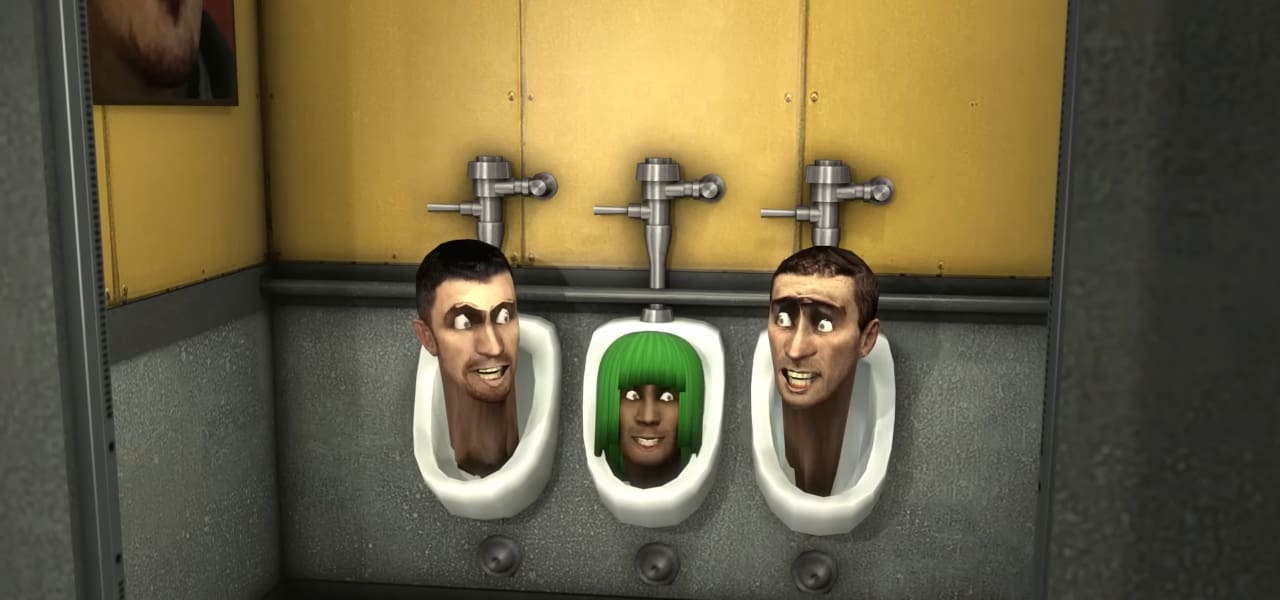
It’s often said that truth is stranger than fiction. In the legal battle swirling around Skibidi Toilet, the wildly popular YouTube animation franchise featuring singing toilets and camera-headed humanoids, that idiom is pushed to its limits.
When Invisible Narratives announced a reported $25 million financing round earlier this month, the conversation centered on the company’s plans to turn Skibidi Toilet into a multimedia entertainment franchise that somehow involved Michael Bay. A new investigation from legal YouTuber Mike Mandell suggests a very different story may deserve the spotlight: the increasingly chaotic battle over who controls the franchise, and what is happening to creator Alexey Gerasimov, better known online as DaFuq!?Boom.
Drawing on federal court filings, leaked Discord messages, interviews, and public statements from both sides, Mandell reconstructs a dispute that has been simmering for months but has largely remained confined to YouTube comment sections and Discord servers. While many of the claims remain disputed, one thing becomes increasingly clear throughout the 14-minute video: that, while suits incapable of creating anything of value on their own are exchanging blows in the courtroom, the artist responsible for the rise and virality of the Skibidi Toilet property appears increasingly uninvolved.
How A Copyright Dispute Became A Creator Story
According to Mandell, Gerasimov signed a copyright assignment agreement transferring the primary copyright and trademark rights for Skibidi Toilet to Invisible Narratives, giving the company control over the property and the exclusive right to operate the DaFuq!?Boom YouTube channel.
That agreement later collided with claims from Dubai-based Next Level Apps, which filed trademark applications for “Skibidi Toilet,” published games, and argued that it had developed the concept years earlier, including loglines and concept art of camera-headed men and cartoon cammodes.
Mandell believes that argument falls short. “Copyright doesn’t protect a general idea like toilets fighting camera people,” he explains. “It protects the actual expression.”
The filings nevertheless had real consequences. According to Mandell, Next Level submitted DMCA takedown notices, resulting in the removal of official Skibidi Toilet videos from YouTube. He also highlights an email allegedly demanding negotiations within 24 hours while threatening additional copyright strikes against the channel.
Invisible Narratives responded by suing in federal court and has largely prevailed in the early stages of the case, securing emergency court orders that blocked further takedowns. But for Mandell, that’s where the legal story stops being the interesting one.
“But that brings up a stranger question,” he says. “Where was the guy who actually made Skibidi Toilet?”
What Happened To DaFuq!?Boom
Mandell argues that the growing concern isn’t really about copyright law. It’s about the creator himself.
Legally, Invisible Narratives’ position makes sense. If Gerasimov assigned ownership of the property, the company becomes the party responsible for enforcing those rights in court. “But personally,” Mandell says, “I also think fans are right to care about Alexey.”
His explanation gets to the heart of why the controversy has resonated so strongly, and why the Skibidi Toilet fiasco should be seen as a warning to indie creators who build significant audiences. “Fans didn’t subscribe to a copyright assignment. They subscribed to Alexey’s style, his weird humor, and the world he built one episode at a time.”
That sentiment has fueled months of speculation after leaked Discord messages allegedly showed Gerasimov expressing frustration over his situation. In his video, Mandell interviews YouTube creator Iron Cameraman, one of the leading voices behind the Let Boom Speak campaign, who claims Gerasimov struggled to receive payments because U.S. sanctions complicated transfers to Russian nationals.
“Alexey was not being paid, or at least had big problems with getting paid,” Iron Cameraman says. He also claims Gerasimov lost control over his YouTube monetization in 2024. “If that is true, then he basically lost his main income from the channel.”
Mandell says he could not independently verify those claims, although he presents screenshots that he says are consistent with that account. Other leaked messages shown in the video allegedly describe Gerasimov saying he felt “trapped,” “scammed,” and “lied to.”
Concern among fans intensified after Invisible Narratives renamed the DaFuq!?Boom YouTube channel to simply “Skibidi,” prompting the #BringBoomBack campaign.
Opposing Arguments
The two sides now present starkly different versions of events. On BringBoomBack.com, Invisible Narratives argues that much of the online discussion has been fueled by misinformation. The company says Gerasimov remains an executive producer, continues to earn from the franchise, and approved aspects of its copyright enforcement strategy.
Meanwhile, LetBoomSpeak.com argues that Gerasimov has effectively been prevented from publicly explaining his side of the story.
Mandell also shares clips from freelance journalist Steven Asarch, who says he interviewed Gerasimov but never published the full conversation because the creator wanted to approve his quotations first. According to Asarch, Gerasimov told him he was restricted from publicly discussing Invisible Narratives, Skibidi Toilet, or the terms of his contract.
Invisible Narratives disputes that characterization, saying it encouraged Gerasimov to communicate with trusted creators, and shared screenshots to back that claim. Because the agreement itself has never been made public, it’s impossible to know exactly what restrictions, if any, apply to Gerasimov.
Fan Advocates
Mandell’s investigation also examines criticism aimed at Invisible Narratives itself. Iron Cameraman alleges that creators producing Skibidi Toilet fan animations, commentary videos, and other content have received copyright strikes after criticizing the company or declining partnership offers. He also points to reported takedowns involving Garry’s Mod content, despite the fact that Gerasimov originally created Skibidi Toilet using Valve’s Source Filmmaker.
Mandell draws an important distinction and offers a good explanation of fair use, something we’re big fans of here at Cartoon Brew.
Unlike Next Level Apps, Invisible Narratives does possess legal rights to the property through its reported agreement with Gerasimov, “But that doesn’t mean every fan use is automatically illegal,” he says.
Instead, he argues that copyright enforcement should target counterfeit apps and commercial knockoffs, not the fan community that helped transform Skibidi Toilet into one of YouTube’s biggest animation phenomena.
“They should go after fake official apps, commercial knockoffs, and people who are confusing fans,” he says. “Not the fans who helped make the franchise valuable.”
Invisible Narratives says its licensing efforts were intended to create legitimate opportunities for fan creators and has published communications that it says show Gerasimov approving some enforcement actions during 2024.
Mandell ultimately argues that the heart of the controversy has never been ownership paperwork or courtroom victories.
“Fans didn’t fall in love with these corporations,” he says. “They followed one person’s bizarre internet world until it became valuable enough for everyone else to fight over.”
Whether Gerasimov is contractually unable to publicly address the situation, simply choosing not to, or somewhere in between remains impossible to determine without seeing the agreement itself. But while Invisible Narratives and Next Level Apps continue trading blows in court and in the court of public opinion, Gerasimov appears to be the one caught in the middle.
The creator who built one of YouTube’s biggest animation phenomena has become a secondary character in the fight over its future.