.png)
‘Get Jiro!’ Creators On How They Pulled Off The Show’s Impressibe One-Take Action Sequence
Stay informed with free updates
Sign up to get our news digest — delivered directly to your inbox twice a week.
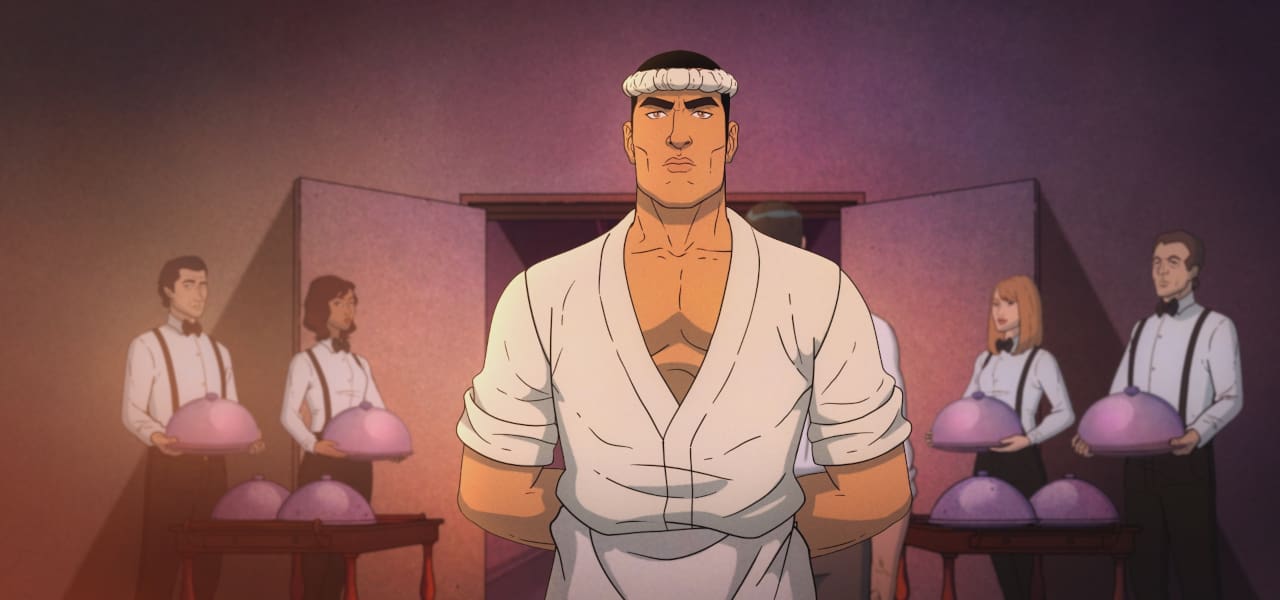
In 2012, famed chef and all-around curious human Anthony Bourdain co-wrote Get Jiro!, his first graphic novel, with Joel Rose, illustrated by Langdon Foss and Alé Garza. Set in near-future Los Angeles after the U.S. has fallen and global commerce revolves around food, the story follows an enigmatic sushi chef named Jiro (Brian Tee), who moves into the poor part of town and sets up shop. His delectable food quickly gains notice, and Jiro gets sucked into the violent power wars between foodie mob bosses.
Peter Girardi, the current executive in charge of production at Warner Bros. Animation, originally optioned the graphic novel with the intention of having Bourdain adapt it, but the chef passed away in 2018. It took some time, but that promise was eventually kept, with Alessandro Tanaka and Brian Gatewood (Animal Practice) showrunning alongside executive producer Jordan Blum (M.O.D.O.K.) and director Rick Morales (Creature Commandos). Produced by Warner Bros. Animation and DC Studios, Get Jiro! premieres October 3 on Adult Swim and the next day on HBO Max.
Tanaka and Gatewood explained to Cartoon Brew that while Get Jiro! is their first animated series, their love of Bourdain, the graphic novel, and its cinematic references made the project feel well suited to their strengths.
“The comic itself was very influenced by Japanese yakuza films and samurai films,” Gatewood explained. “We had access to Joel Rose, who was able to give us what they watched when they were working on the book.”
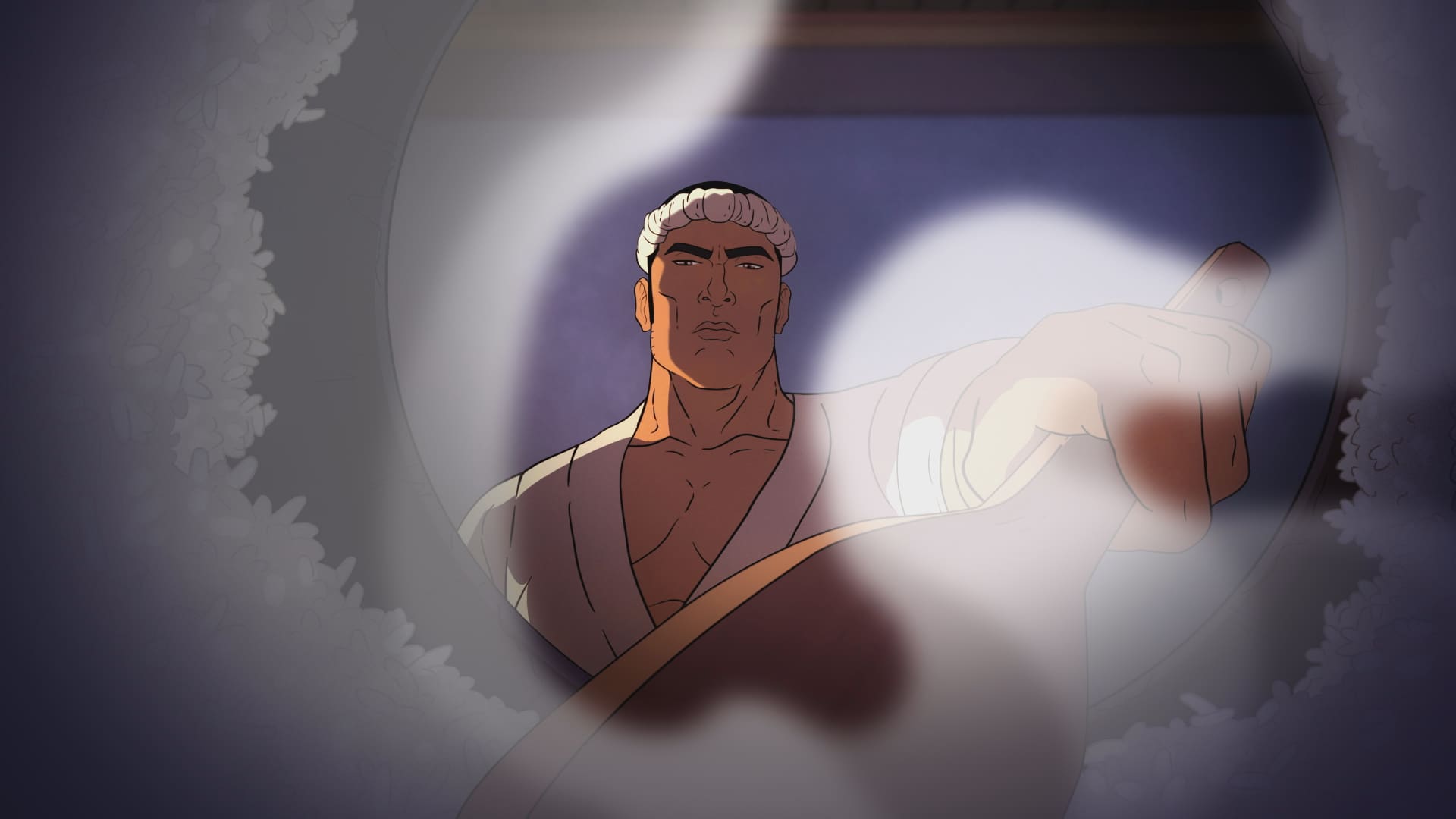
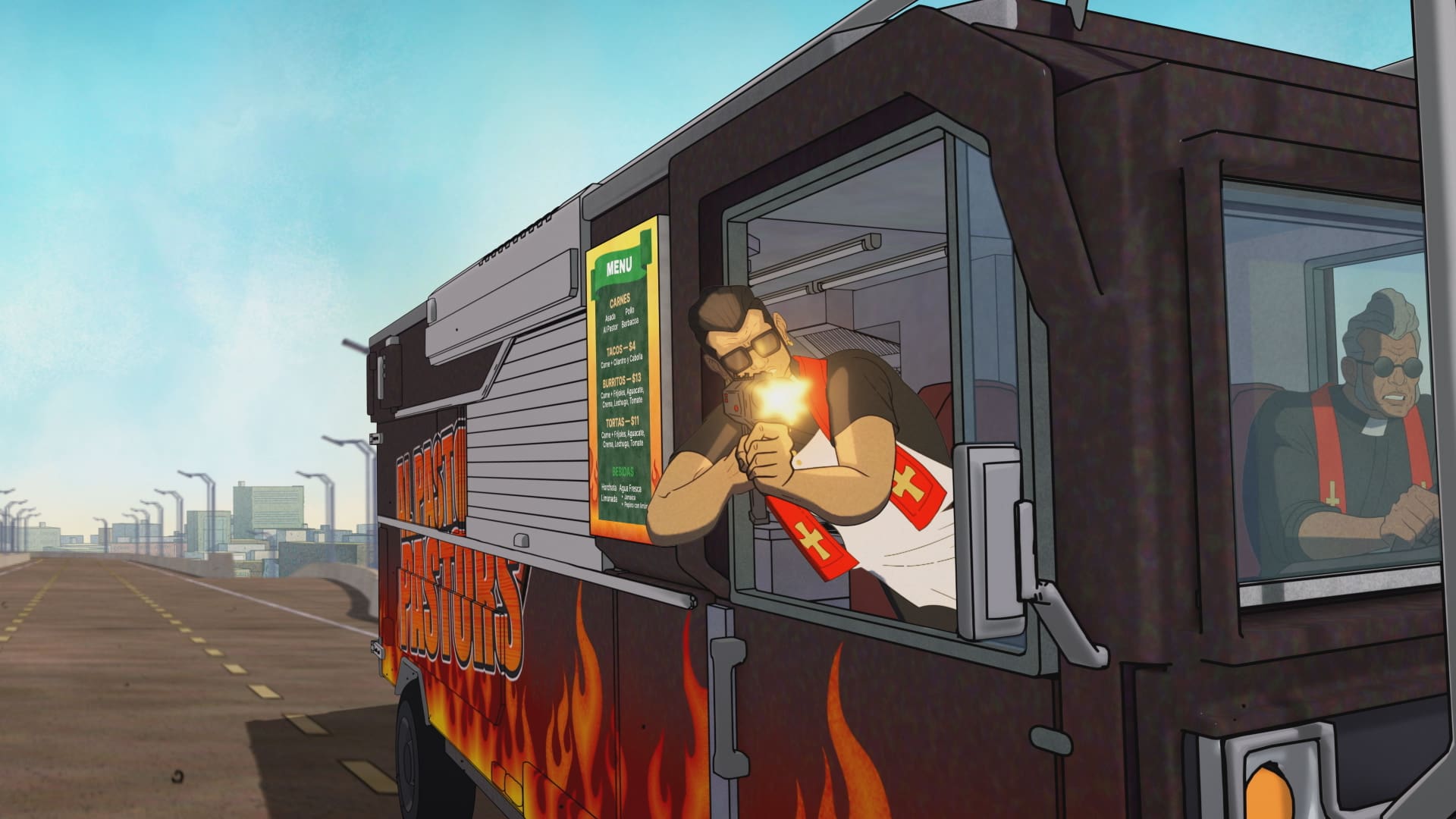
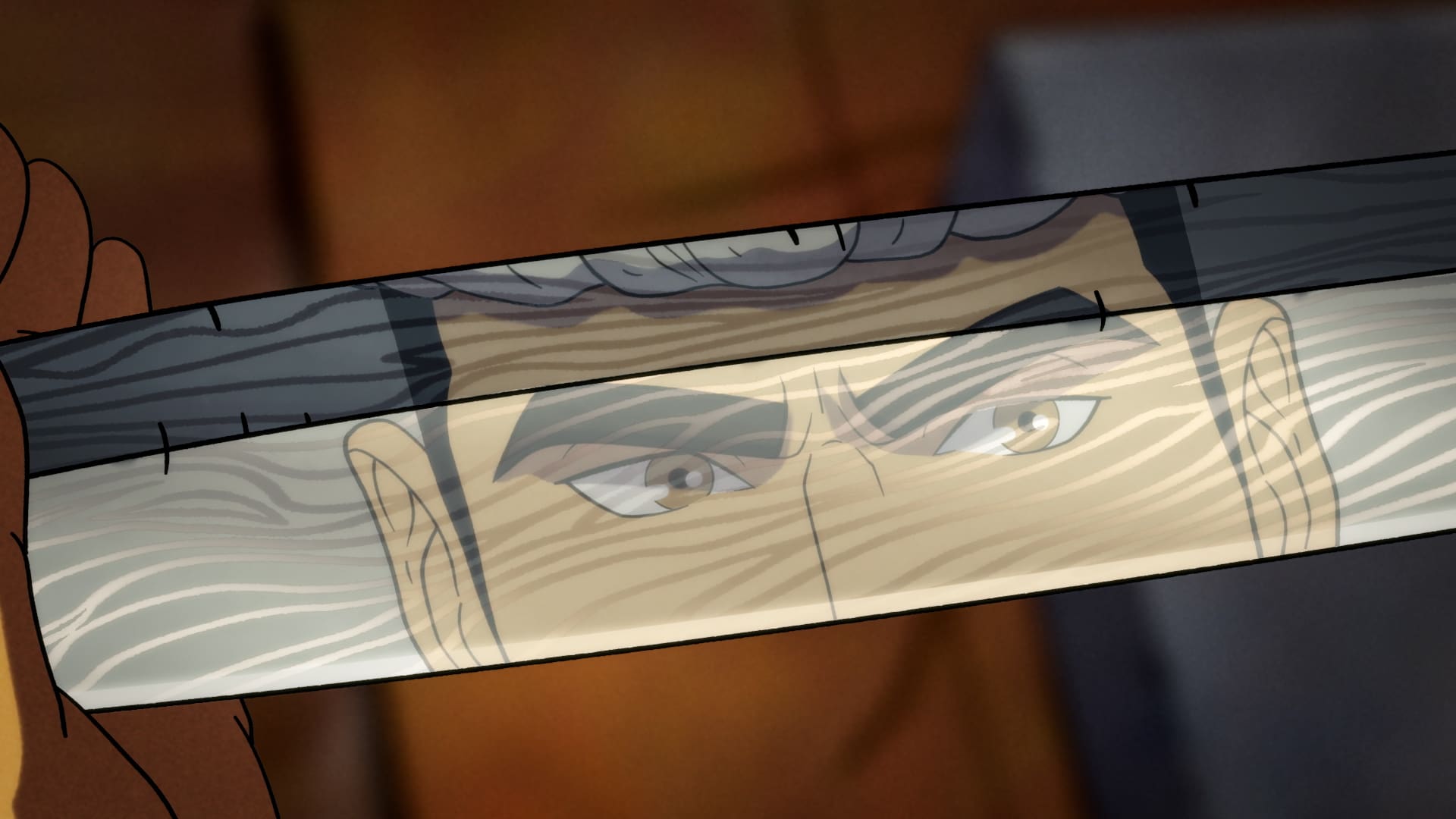
Tanaka continued, “We kept everything that influenced them, and then we also took it a step further in many ways. I’ll give you an example: Clearly, the comic is based a lot on Yojimbo. We would watch Yojimbo, and then we were like, ‘This little section here of Yojimbo is amazing. Let’s put this in Episode 4.’ Cinema, obviously, was such a big part of Bourdain’s life, so we tried to point every episode to a particular genre, or a particular type of movie.”
Helping them with the practicalities of writing and producing for animation were Blum and series director Morales, who has extensive experience working on Batman and other superhero titles at Warner Bros. Animation and DC Studios.
“We were so lucky to have someone who understands how to take a comic book, pull the visuals and the essence, and carry that through,” Blum said of Morales. “He worked very closely with his department head and his art director in taking Langdon Foss’ gorgeous designs and worldbuilding and making sure that all of that was incorporated into the production.”
Morales was also key to making sure the anime elements were retained, especially in the series’ reverence for cooking.
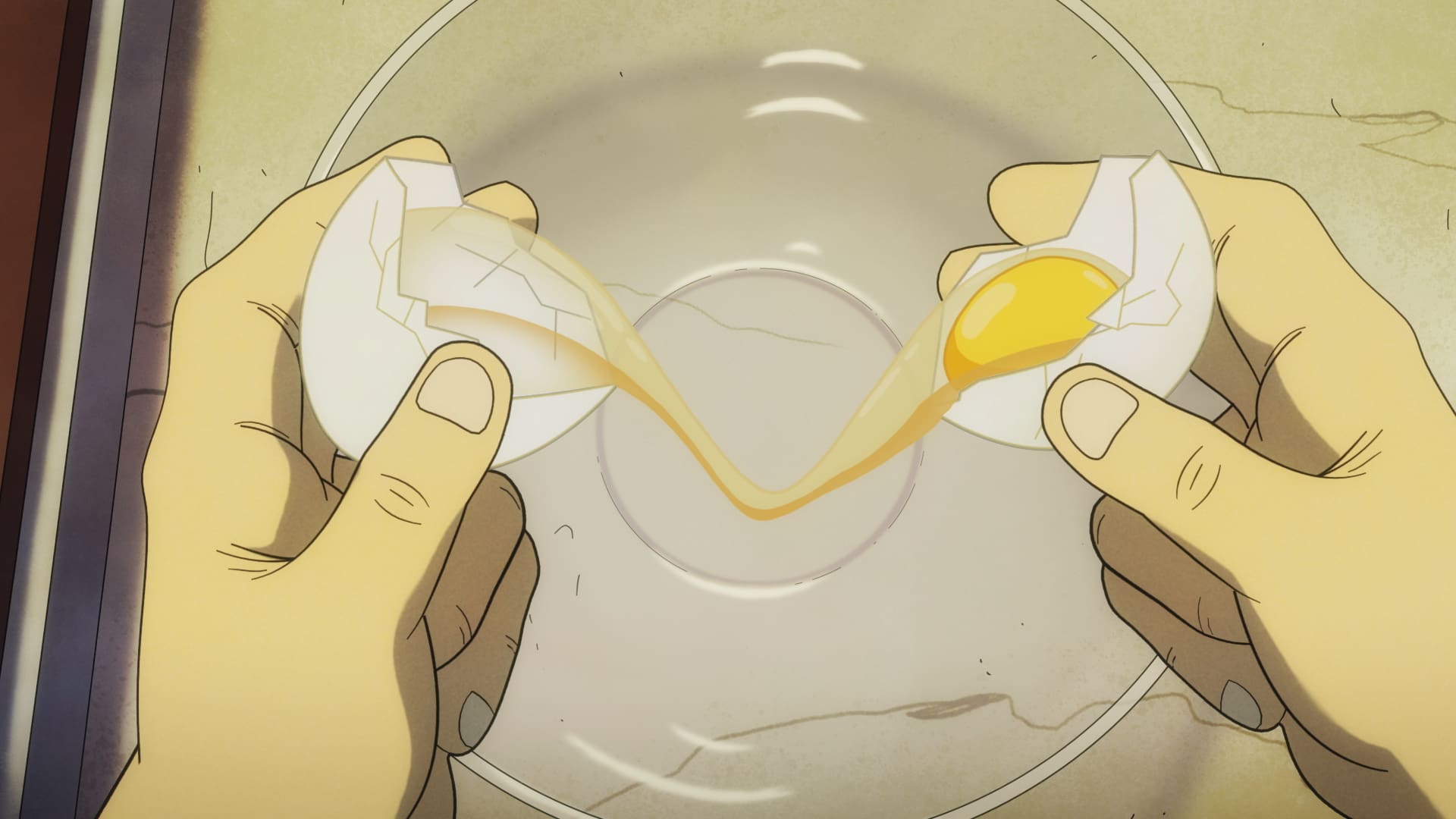
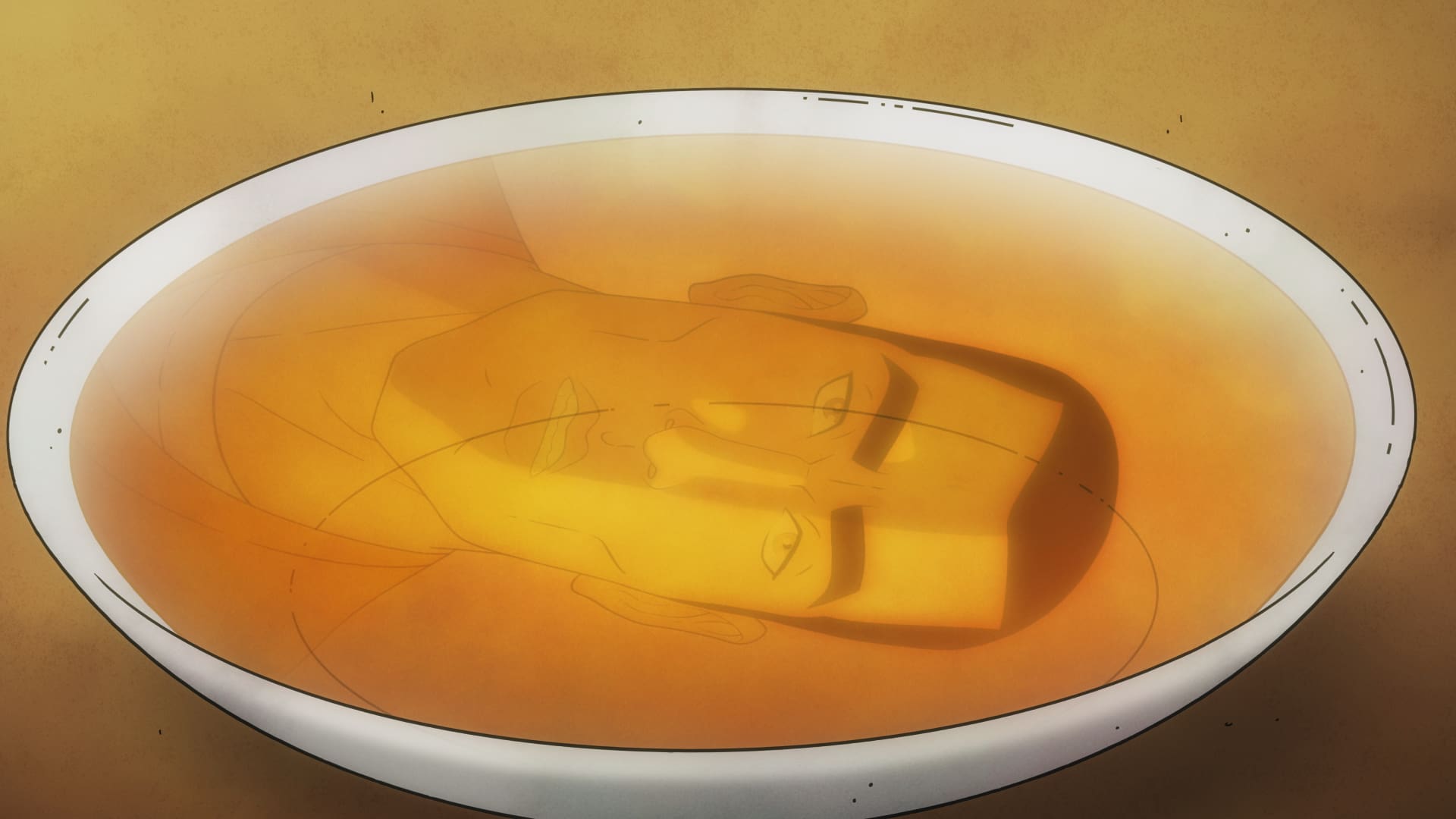
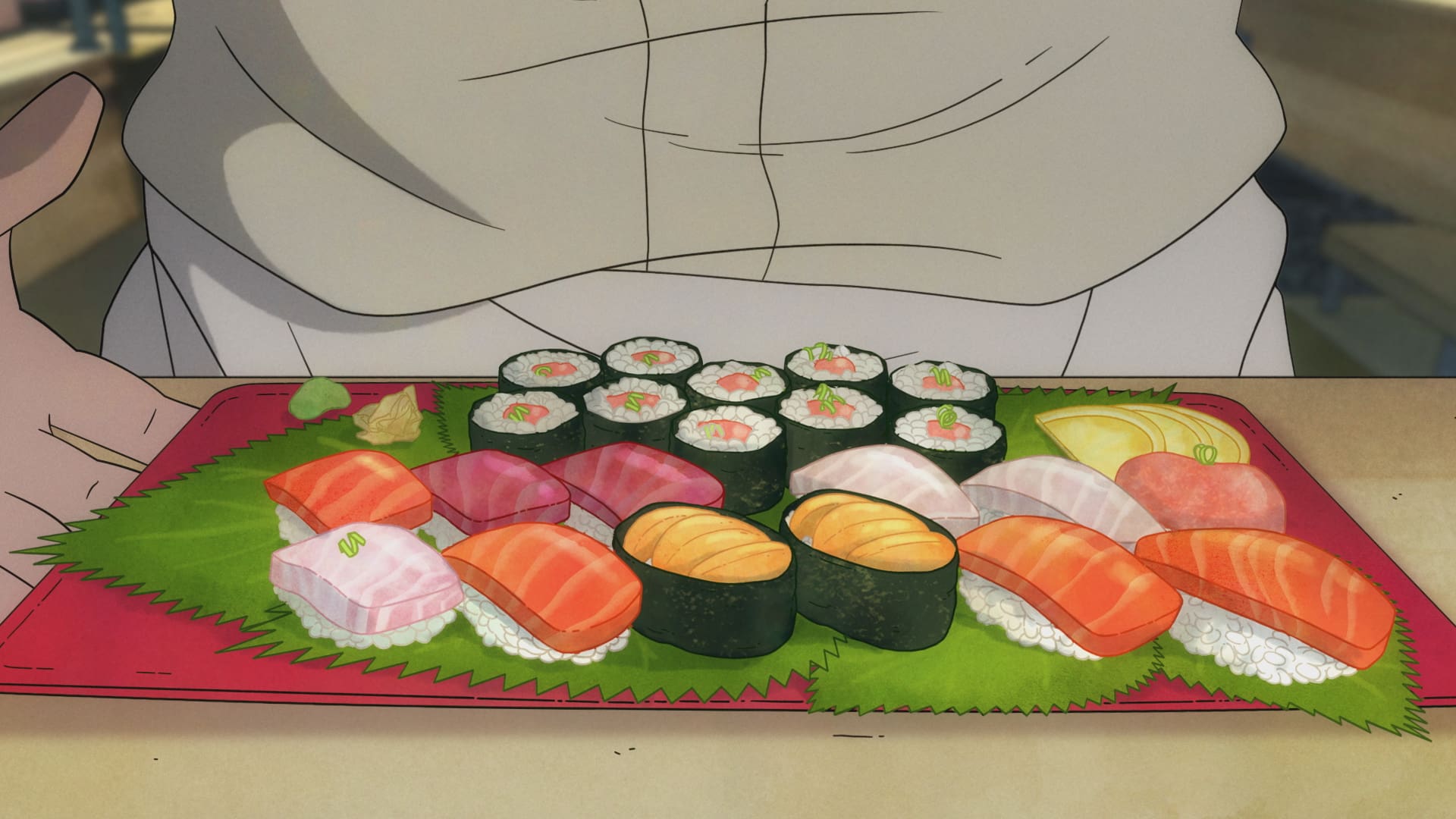
“There was so much discussion about how the food needs to glisten and look delicious because there’s tons of cooking anime, and we have very little of that in animation over here,” Blum said. “We tried to do our research and pull from that, and find ways to fuse those styles all together.”
The Animation Oner
With a healthy selection of adult animated series to choose from these days, Blum said the team was of the same mind about pushing boundaries and trying things no one had seen before in the medium.
“We would throw these challenges at Rick and his team, and they were able to meet them every time. There’s an episode that was pitched with a oner. It seemed impossible, but Rick was excited to tackle it.”
The oner, a long, continuous shot with no visible cuts, is featured in a prison-break-themed episode written by Blum and was pitched to Morales at their first lunch meeting together.
“We thought in animation it should be quite simple,” Tanaka chuckled. “But it turns out that it was actually just as hard. To Rick’s credit, he said, ‘Go for it.’ Jordan also had to figure out how to do a oner by writing it.”
Blum added, “We went to a whiteboard and literally mapped out the path getting to this one location just to figure out how this would even work before I wrote it. Like, how do we get the camera here if this is the place we need to be where the story is? That kind of stuff is what makes this worth it, just throwing out an impossible idea and then working with incredible people who are like, ‘I guess we can pull this off.’”
Honoring Bourdain’s Legacy
Overall, all three said they’re most proud that Get Jiro! is a series that embraces crazy ideas that seem impossible to pull off, much as Bourdain would have wanted.
“We would propose these things because we were too dumb to know that we shouldn’t,” Tanaka said. “And then everyone came together to make them.”
Gatewood said they loved that the animators would also make their pages better.
“That’s another thing that was really cool about the process: You send stuff in, and they’ll come back with ideas,” he said. “Or they’ll draw something into it that you hadn’t even imagined. It’s a really fun process and a collaborative process that we really enjoyed.”
After 15 years as a writer and producer, Tanaka said the series finally allowed him to explore his own cultural history.
“I’m half Japanese, and I grew up at a time when there wasn’t a ton of Asian representation, and the kind that we got was not great. One of the reasons why I gravitated towards this immediately was because [Jiro] was a distinctly masculine, non-stereotypical Japanese character. We even have one episode that takes place entirely in Tokyo. Every piece of dialogue is in Japanese, and that was the highlight for me to be able to do that. I’ll be able to show my dad that episode, and he won’t even need the subtitles.”
Gatewood hopes fans of Bourdain will recognize how much of the man they purposefully infused into the series, right down to lines from Kitchen Confidential.
“Our first goal was to make something that Anthony Bourdain would like and have approved of. His lovely take on the way that food can bring people together and can reach across cultures and differences, and bring people together at a table was a north star for us.”
And if audiences respond well, they have a plan for more seasons.
“We would go where Anthony and Joel would have gone with another graphic novel,” Gatewood revealed.