.png)
Oscar Shortlist Interviews: Director James A. Castillo’s Favorite Shot From ‘The Quinta’s Ghost’ (EXCLUSIVE)
Stay informed with free updates
Sign up to get our news digest — delivered directly to your inbox twice a week.
We invited the filmmakers behind each of this year’s 15 Oscar-shortlisted animated shorts to share their favorite shot from their film and explain why it’s special to them.
Nomination voting starts today, January 12, and runs through the 16.
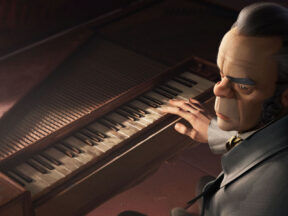
Today, we’re checking out director James A. Castillo’s favorite shot from his short, The Quinta’s Ghost, a reimagining of the final years of Francisco de Goya and his descent into madness. As the ailing painter retreats to his isolated country villa (quinta) to escape political turmoil and a failing body, he finds himself besieged by memories of Spain’s violence that manifest as literal hauntings. Produced using a VR pipeline, the film’s stunning CG animation and clever lighting divide the cabin’s space into stark contrasts, echoing the harsh imagery of Goya’s iconic Black Paintings.
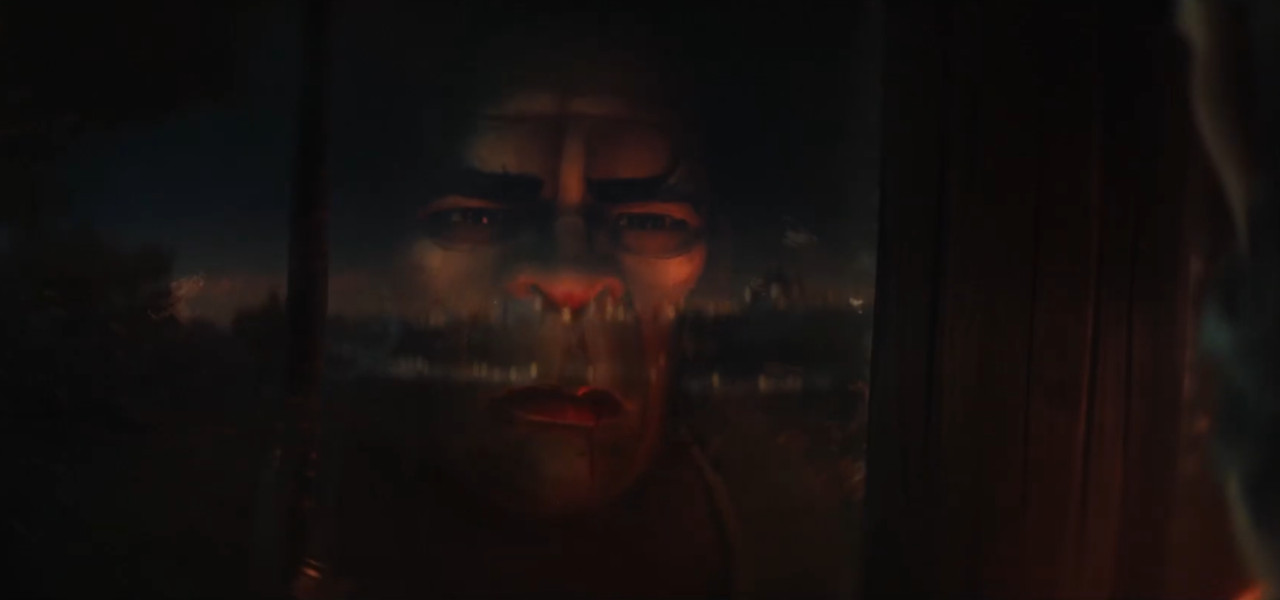
Here’s Castillo’s favorite shot (that wouldn’t spoil the film), and his explanation of why it stands out as a key turning point:
Finding a shot to talk about from the film without spoiling it was pretty difficult, I must admit. I landed on this one in particular because I think it provides the perfect opportunity to discuss some of the directorial and technical tenets that were important to us. Before this moment, we see Francisco de Goya living his dream life, the retirement he always imagined: eating churros, drawing, reading, building his dream home. But this is the moment everything flips. He may be done with his past life, but his past life is not done with him, and regardless of how much we try to ignore it, trauma eventually catches up with us.
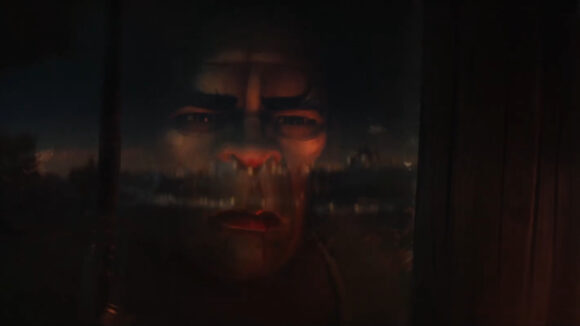
We chose to stage this moment of realization,n starting with a long shot focused on Madrid, the city where he made his name and the sole witness to his madness. Then quickly turn it into an extreme close-up on his eyes, focusing on his reflection and leaving Madrid behind him. He recognizes the signs, he knows what’s coming, but rather than stopping, he chooses to defy his illness and keep painting. We follow with a wide shot of the studio space, but instead of following him, we leave the camera still, focused on the light and the handkerchief (a small detail to pay attention to when you watch the film). We let Goya enter the darkness, leaving the light (and the focus) behind to collapse alone, out of reach. This decision was made to emphasize a feeling of helplessness. You are an observer of his choices, not a participant, and as such, you are forced to remain there, holding that uncomfortable feeling for longer than you might want.
It was important for us to approach this scene with subtlety and restraint, both in the camera language and the acting. I knew that timing and music would carry most of the weight here, and we wanted to leave space for the audience to reflect, to empathize, but also to feel discomfort. At the end of the day, we are making a film about a very sick man, and it is essential that the audience understands just how vulnerable he is.
These shots were masterfully animated by Hector Rex and Irene Cintado.