.png)
The aBakening: Director Isabel Garrett Dishes On ‘The Great British Baking Show’s’ Sugary Stop-Motion Opener
Stay informed with free updates
Sign up to get our news digest — delivered directly to your inbox twice a week.
The English village fair where locals showcase baked goods in neighborly competition was the inspiration for a uniquely British television series that, since 2010, has charmed viewers as The Great British Bake Off.
Each week, amateur bakers face judges and professional pastry chefs inside a large canvas tent, displaying their skills at baking breads, cakes, and fondant fancies under the scrutiny of TV cameras. The Channel 4 production (aired on Netflix in the U.S. as The Great British Baking Show) celebrated its 16th season with an ambitious new animated opener, The aBakening.
The one-minute title sequence depicts a cosmic journey through the origins of baking — from egg, to cake-batter mitosis, to an evolution of baked goods — conceived with Channel 4’s in-house design group, 4Creative; produced by Molly Turner at London’s BlinkInk; and directed by Isabel Garrett.
Garrett, a Welsh-born graduate of the U.K.’s National Film and Television School with animation credits for Coldplay, Alexander McQueen, Amazon, and the BBC, cites stop-motion as her first love, along with mixtures of 2D and CG elements.
“I’m led by what the project needs,” said Garrett. “It’s always nice to mix things up.” 4Creative’s pitch appealed to Garrett’s sensibilities. “The beginning of the universe accumulating to Bake Off was really fun. I’ve watched Bake Off for years, so it holds a place in my heart. I’ve always loved the fact that it’s both lighthearted and wholesome, but also very dramatic, and I liked the idea of bringing that into this big, epic universe.”
Cartoon Brew spoke with Garrett about her creative process via video link from her Hastings home.
Cartoon Brew: What was your approach to 4Creative’s pitch?
Garrett: I wanted to use real ingredients and be playful with shooting them in unexpected ways. But this really felt like a film that needed a bit of everything. There are the somewhat chaotic raw ingredients and the finished, perfectly made bakes. So, while we were storyboarding, we figured out how we’d build and shoot everything, from slow-motion live action to stop-motion, and went from there. 4Creative were so brilliant and collaborative; we had a lot of fun coming up with ideas together.
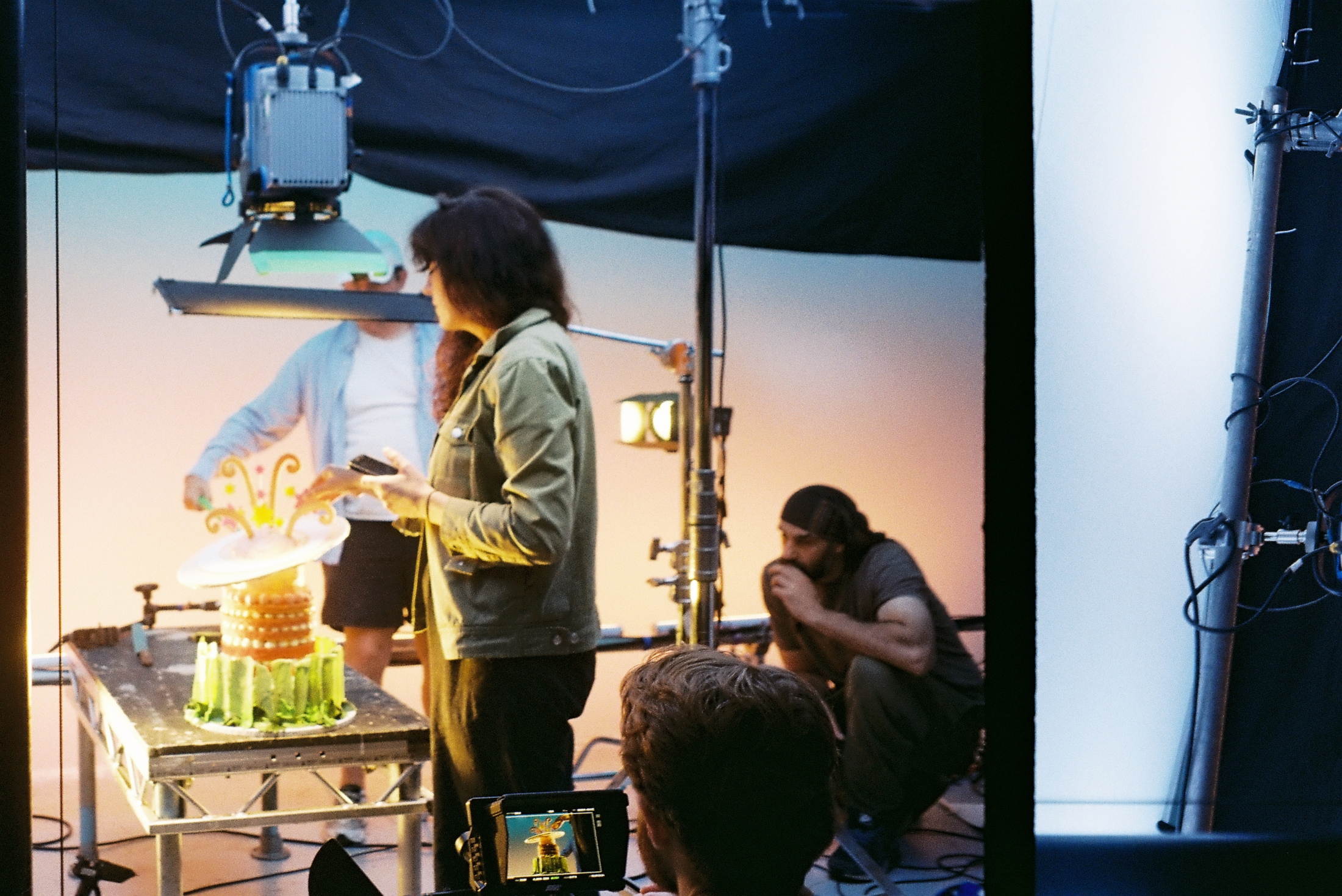
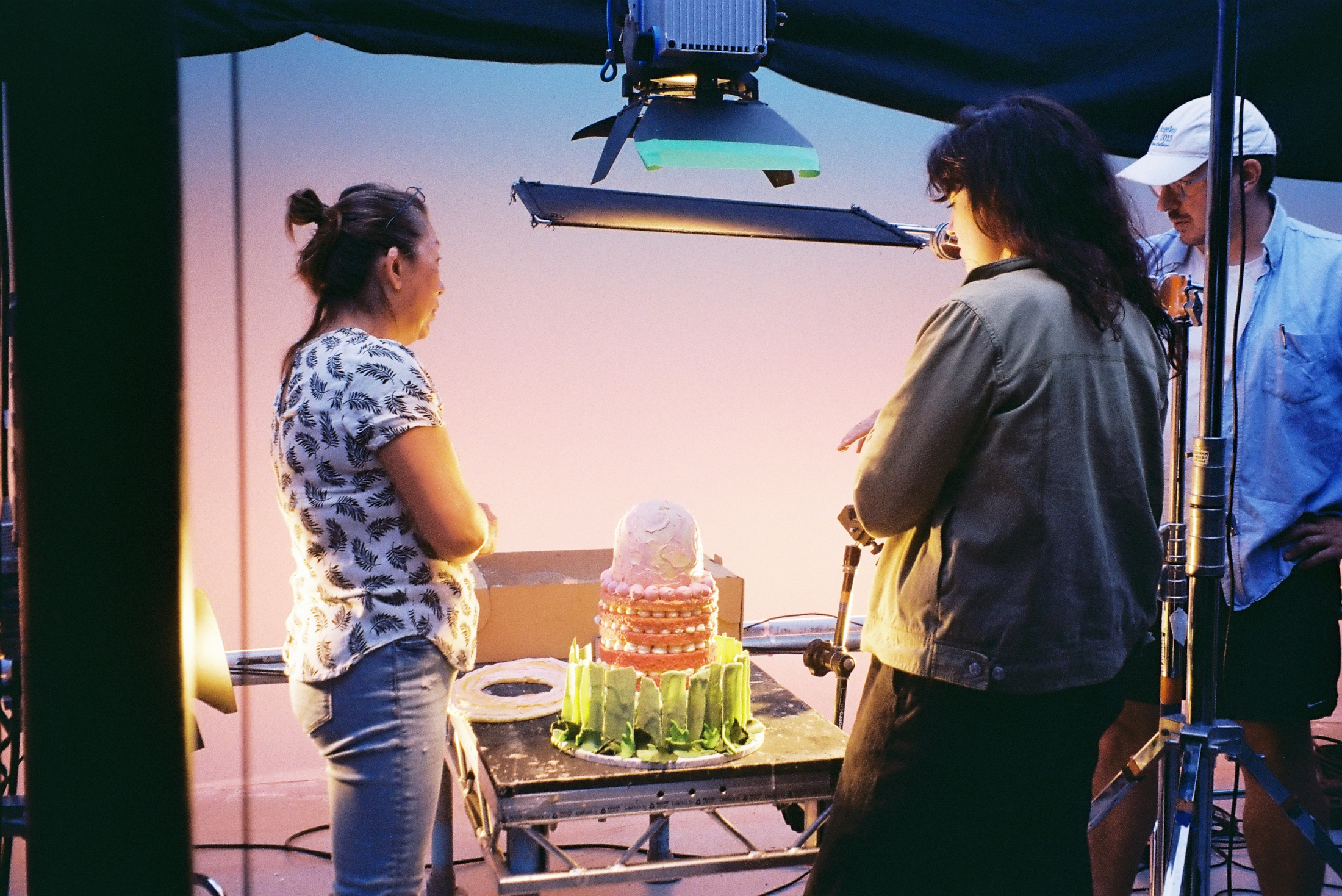
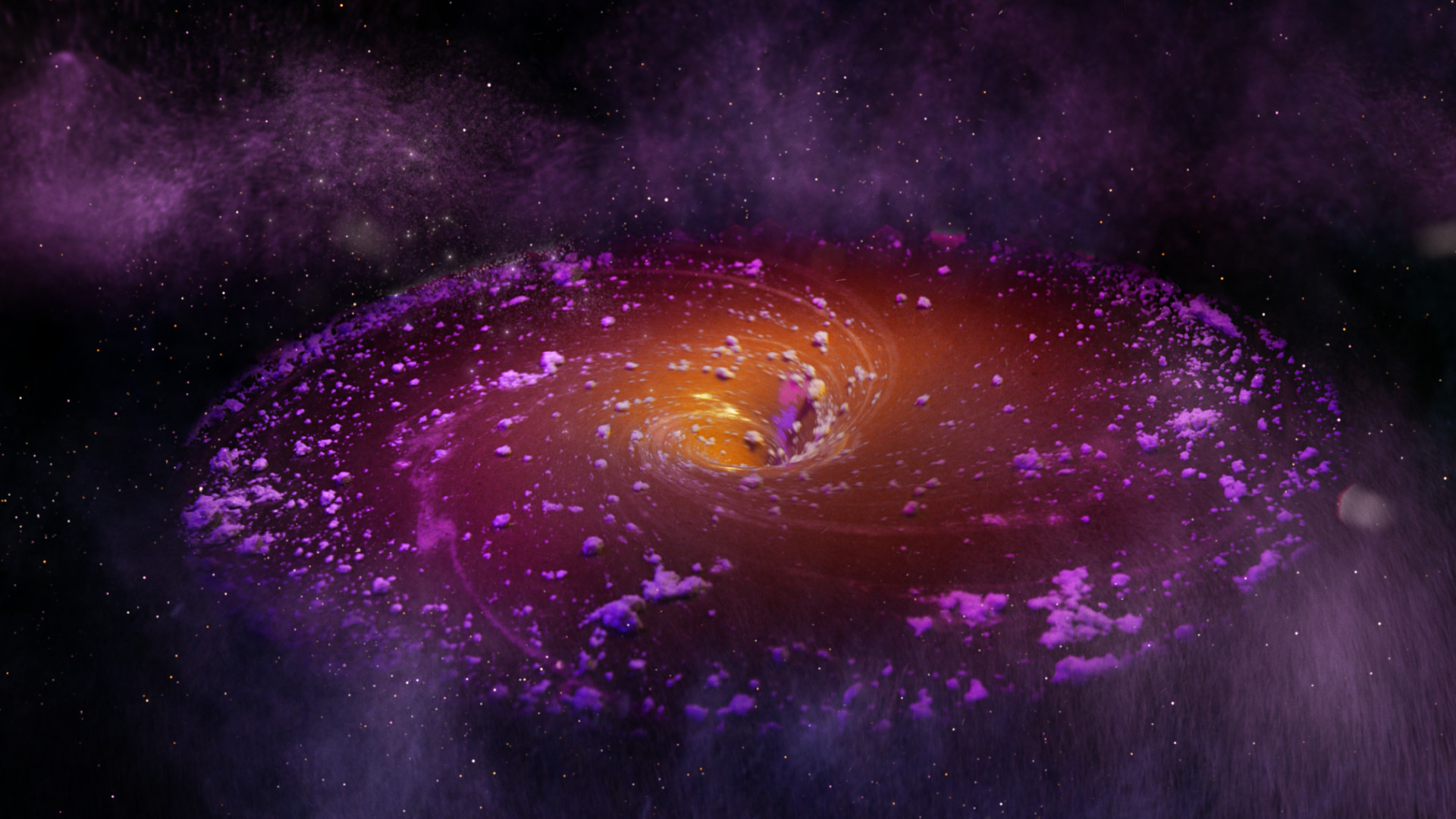
You begin with what appears to be a raw, freshly cracked egg flying through the cosmos. Wow did you shoot that?
Garrett: It was a real egg, which we shot separately from the galaxy. Not the most technical shoot, we just threw eggs into a bucket, filming in slow motion, and our brilliant cinematographer, Daniel Morgan, lit them in a way that made them look “galactic.” That was quite tricky because it was hard to predict where the egg was going to go. And then, for the swirling galaxy, we had a probe lens close to the mixing bowl containing eggs, flour, and baking ingredients. Our art director, Brin Frost, made a mechanism with a drill under the bowl that created that swirl. We added the flying egg as a digital composite.
We next see macro shots of cell division. How did you create those?
Garrett: We cheated a little bit and sourced stock footage for that. But we had a total of three days to shoot everything. We did it all in one go at Clapham Road Studios in London, shooting different things in different spaces on different days. It was a tight schedule.
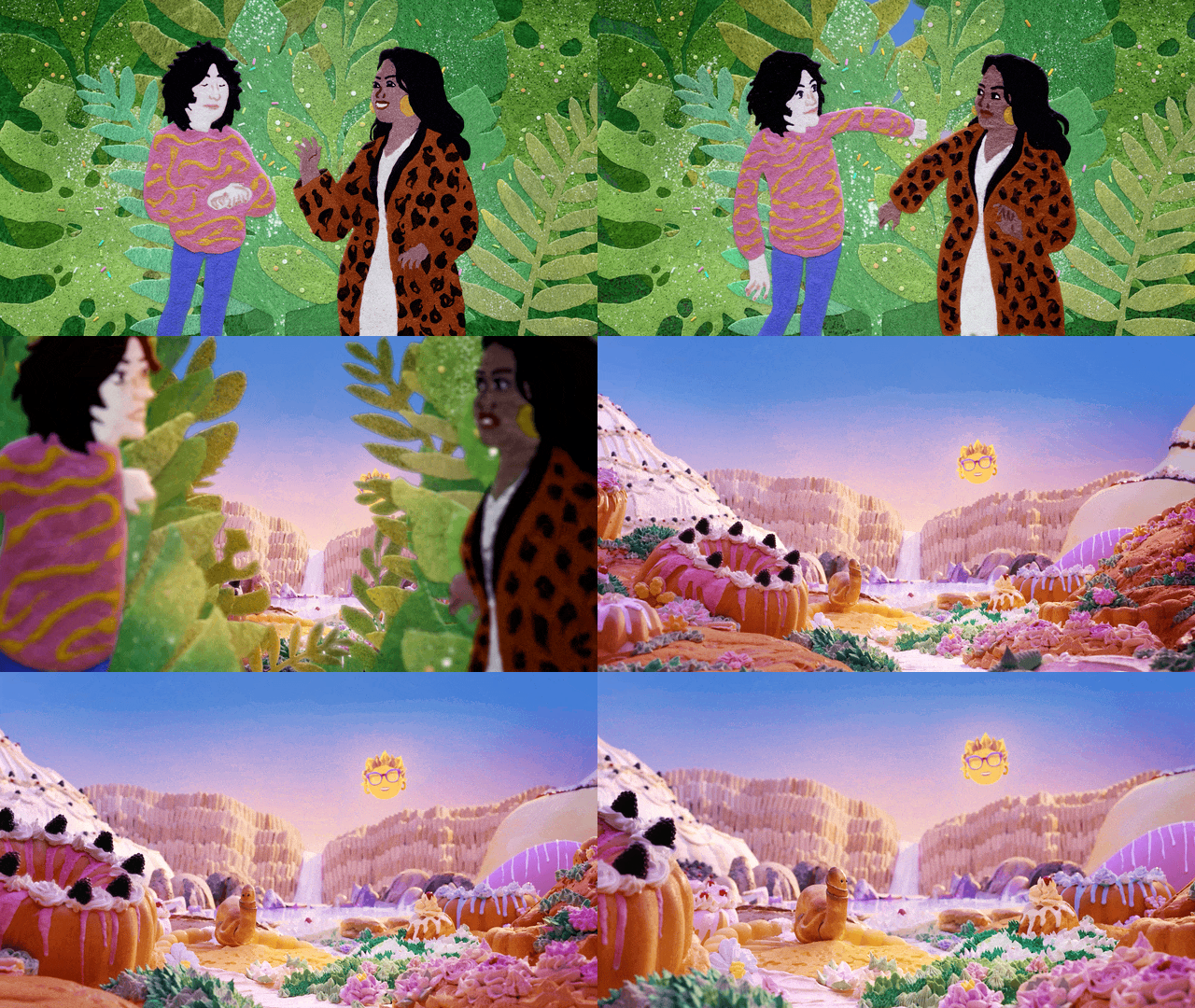
How did you animate your powdered sugar sea-creature evolution into sugar figures of emcees Alison Hammond and Noel Fielding?
Garrett: Those were 2D-animated by Nelly Michenaud, a brilliant 2D animator [co-founder of Studio Orca]. She animated them digitally in 2D. We printed off the frames and painted them with icing sugar and piped icing, shooting them on a multiplane.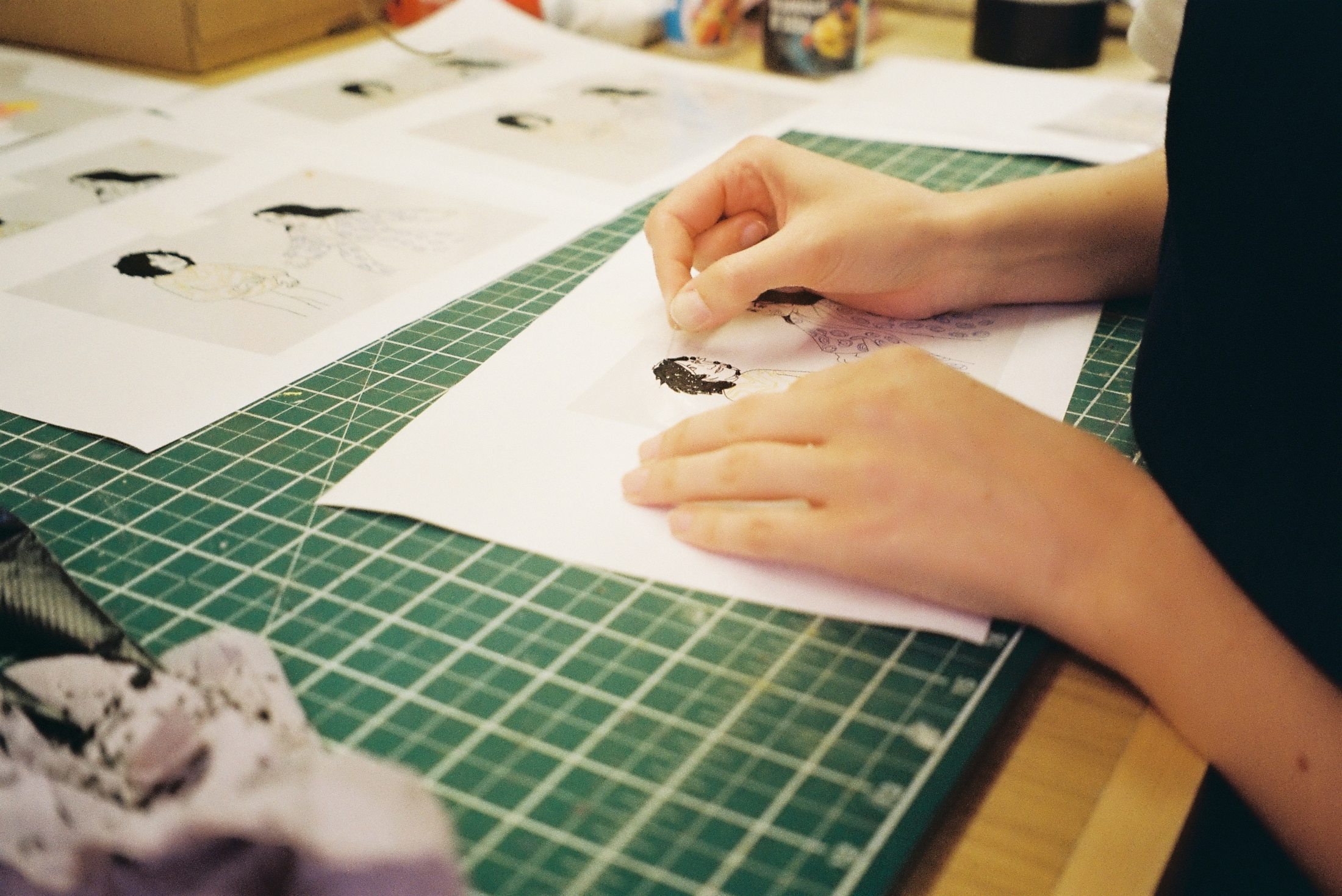
Who did your visual effects?
Garrett: Rob Ward was our visual effects supervisor. He did an amazing job with compositor Stephen McNally and another artist, Seymour Milton, working in After Effects. We had two or three weeks in post. Both Rob and Stephen are brilliant at building worlds, and they managed to make a bucket of eggs look like outer space.
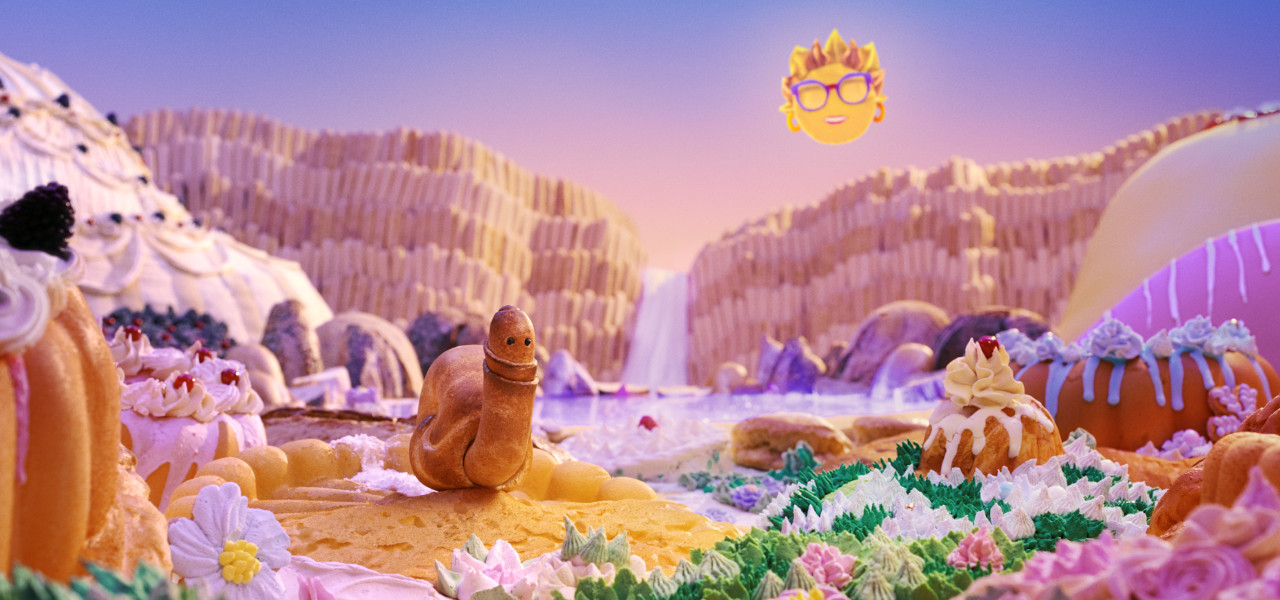
Next, we enter a three-dimensional cake-world with a little snail-like creature that may be familiar to fans. Was that a deliberate nod to Bake Off contestant Julia Chernogorova’s famous phallic pastry snail from 2017?
Garrett: Yes! That was Julia’s snail, made out of bread, which accidentally ended up looking nothing like a snail. We took that and made it into an animatable character. Josh Flynn, who is an incredible puppet-maker, built him, and then Tobias Fouracre animated him beautifully.
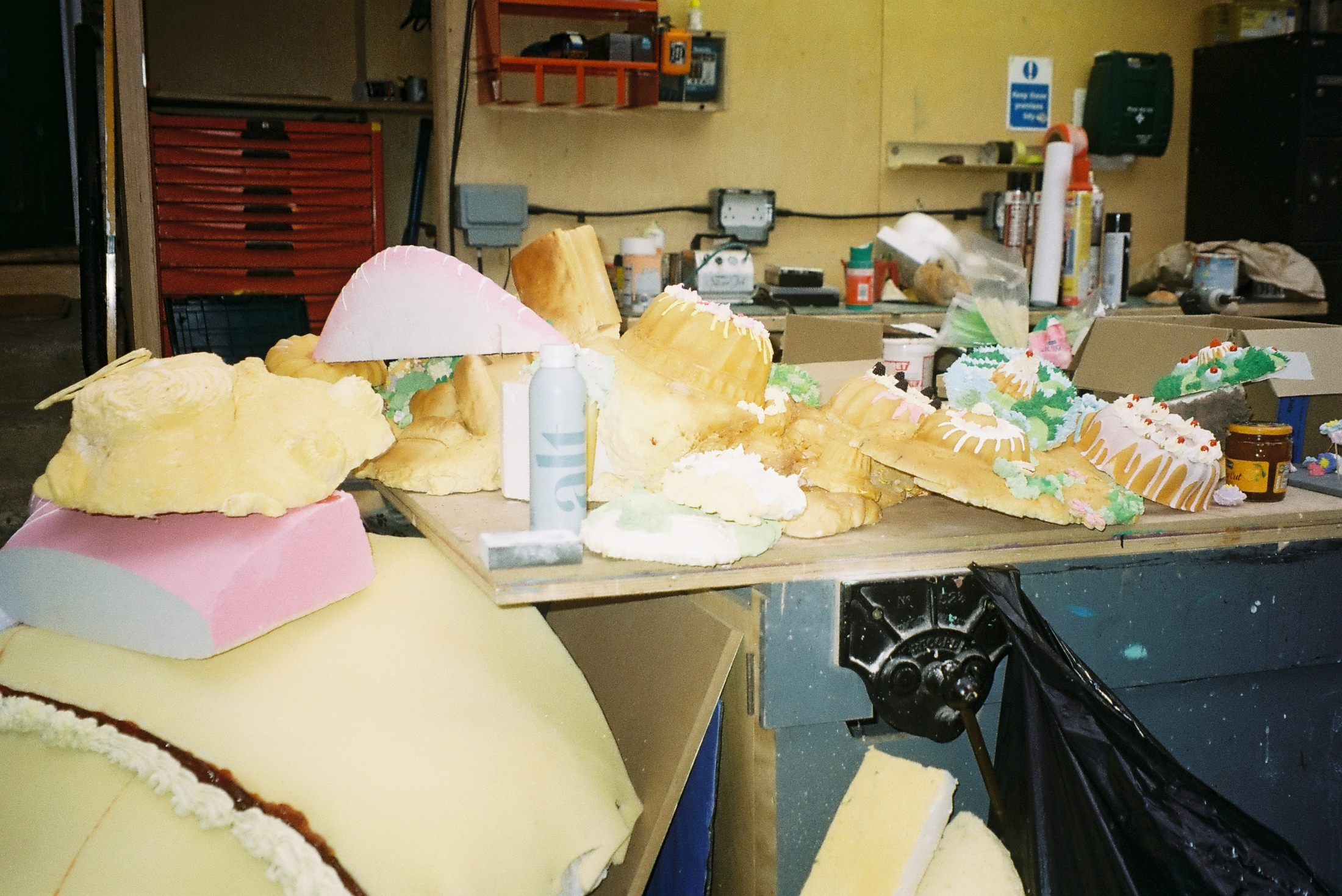
What was the snail set made of?
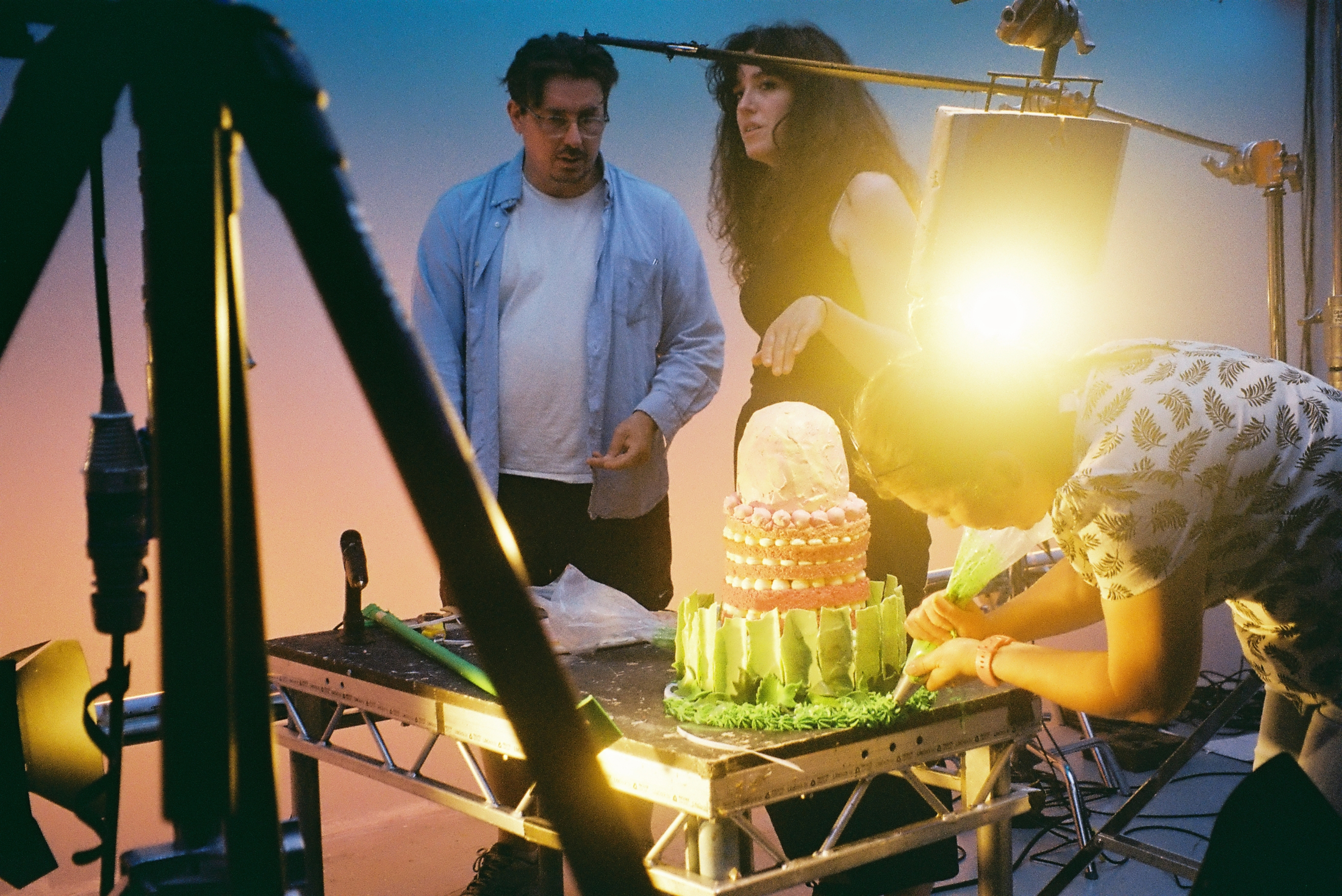
Garrett: Some of it was cake, baked items, biscuits, and icing, but a lot of the stop-motion set was inedible. The foundation was foam and traditional set-building materials that we made to look tasty. We couldn’t make it entirely edible because the edible stuff would move. For stop-motion, it’s important that the set remains static.
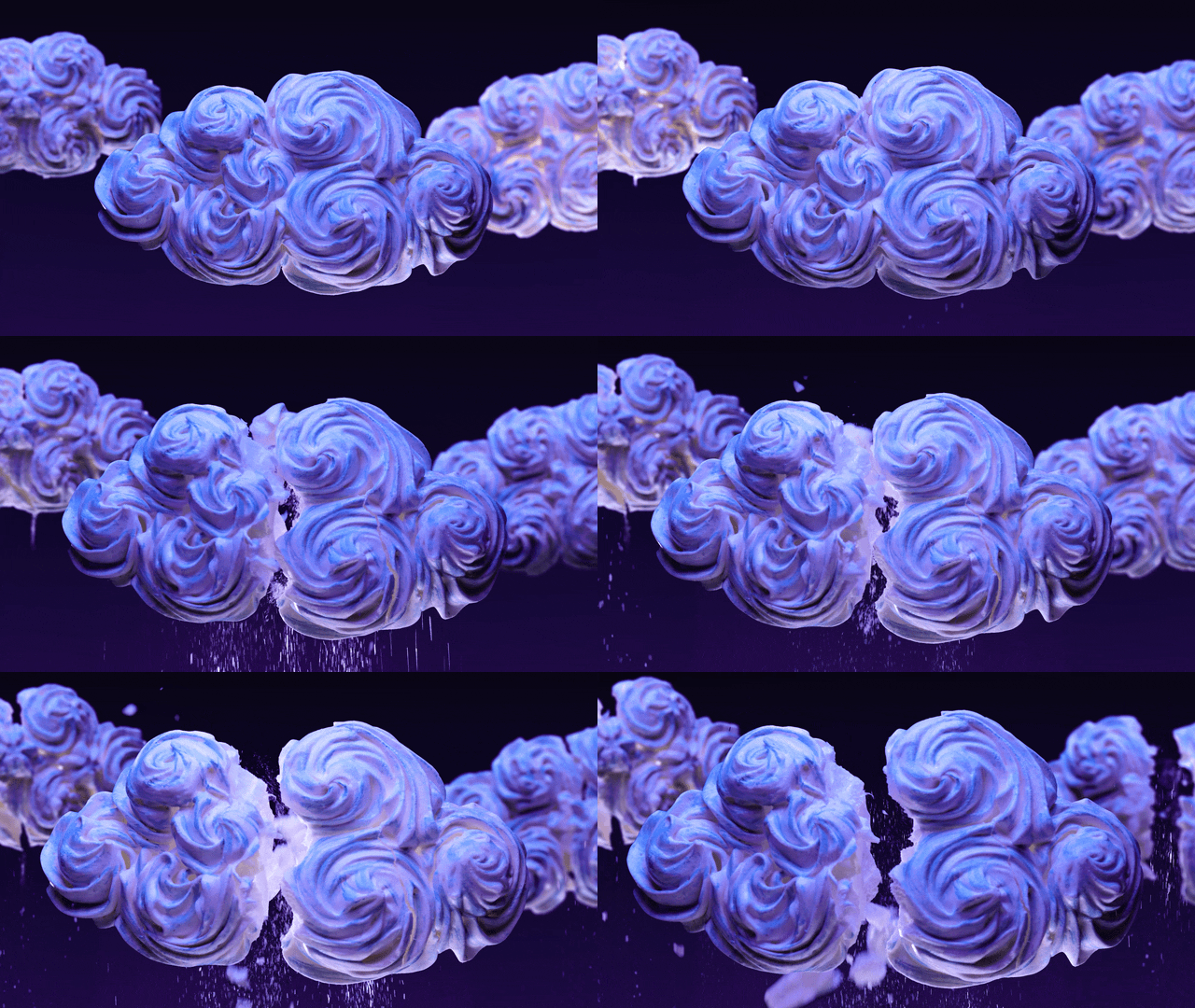
Your storm clouds crumble very convincingly. Was that live action?
Garrett: That was a mad process. [Stop-motion rigger] Andy Spradbury rigged the meringues on panels, like flaps. We shot that as live action, in slow motion. We created flashing lightning effects by waving our hands over the lights, and then we broke the meringues.
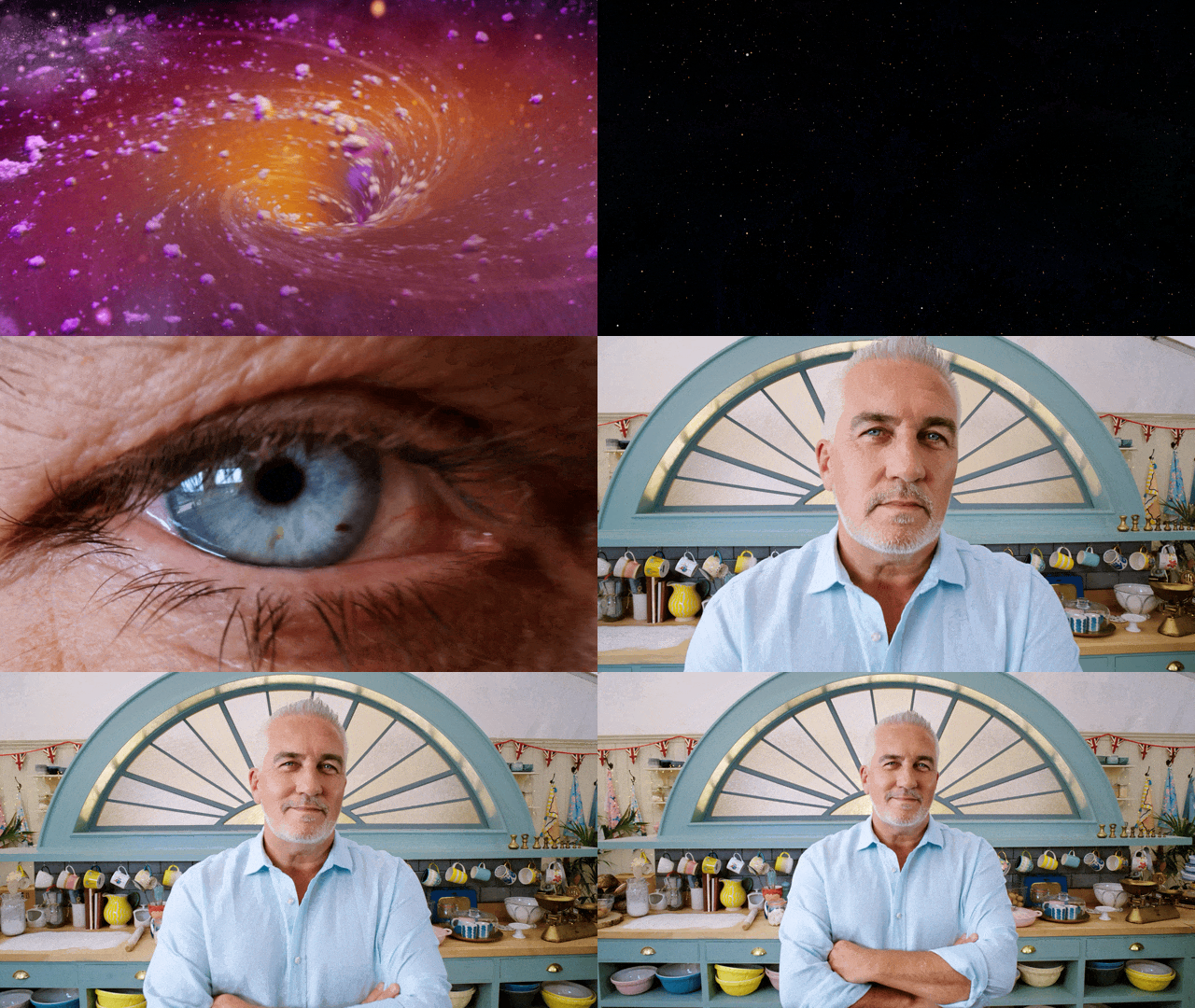
In the closing shot, the camera pulls out of chef Paul Hollywood’s pupil. Did that involve CG trickery?
Garrett: Yes, we went to the Bake Off tent to shoot Paul, and we got the lens quite close to his eye and pulled back. Stephen did a brilliant job in comp of building up the shot, making it look convincingly like the camera was moving fully out of space.
How has the sequence been received?
Garrett: It’s gone down well. Bake Off has a loyal fan base, and it was really nice to see how excited they were that the series was coming back.
It is lovely to see the mix of animated media. Do you agree that we are experiencing a little renaissance in appreciation for stop-motion?
Garrett: I hope so. Obviously, AI is a big topic at the moment. But I do think that seeing something physically made is irreplaceable. It’s lovely to see behind the scenes, where you can see craft being put into something. I think people will always appreciate that. I really love stop-motion. It’s where I feel most at home. It’s obviously a different, slower process than live action, but there’s so much craft that goes into every frame from every part of the crew. I hope it’ll always hold a fascination for audiences.