.png)
2027 Oscars Short Film Contenders: ‘Praying Mantis’ Director Joe Hsieh
Stay informed with free updates
Sign up to get our news digest — delivered directly to your inbox twice a week.
Welcome to Cartoon Brew’s series of spotlights focusing on the animated shorts that have qualified for the 2027 Oscars. The films in this series have qualified through one of multiple routes: by winning an Oscar-qualifying award at a film festival, by exhibiting theatrically, or by winning a Student Academy Award.
Today’s short is Joe Hsieh’s Praying Mantis, a Taiwan-Hong Kong production that blends horror, thriller, and psychological drama motifs. Hsieh co-wrote the film with Jie Zhan and handled several key aspects of the production himself, including animation, editing, cinematography, and rendering. The film qualified for the Oscars after winning Best Animated Short Film at Taiwan’s Golden Horse Awards.
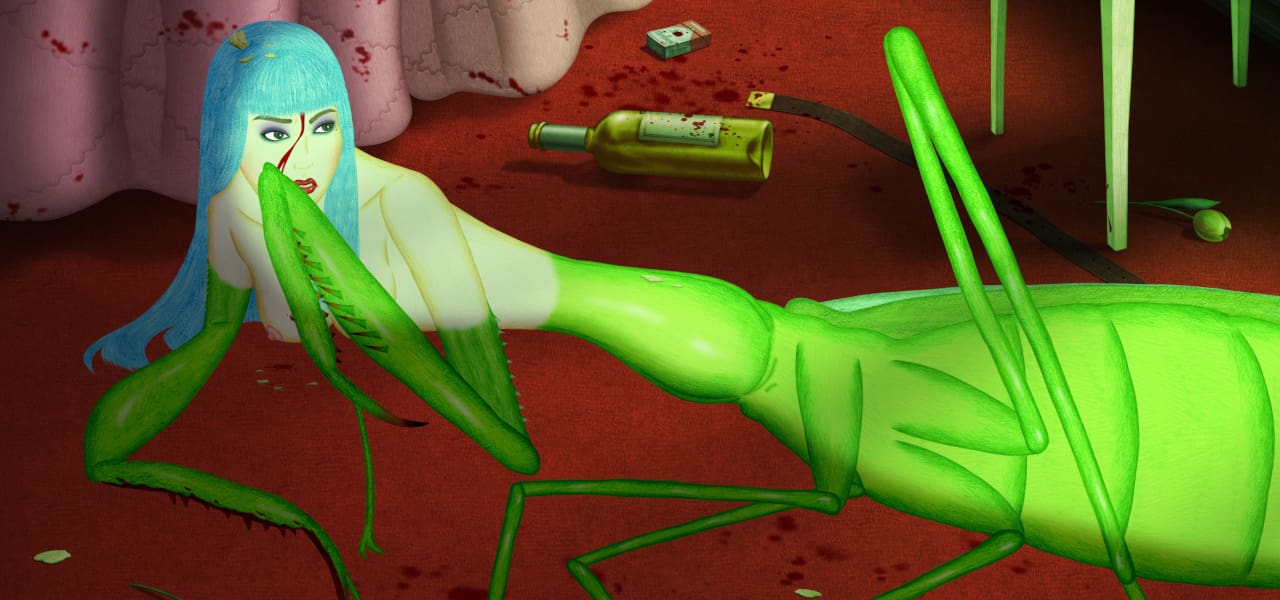
Drawn by hand in pencil with additional 2D computer animation, Praying Mantis follows a mutant mother who seduces and devours men in a desperate effort to save her child. When one of her hunts goes wrong, secrets from her past begin to emerge. The macabre premise gives Hsieh a framework to explore motherhood through horror and suspense, familiar territory for the Taiwanese filmmaker behind the acclaimed shorts Night Bus and The Present.
Cartoon Brew: What was it about this story or concept that connected with you and compelled you to direct the film?

Joe Hsieh: My inspiration actually came from my mother. There are many Asian mothers who make so many sacrifices for their families and children, and my mother is one of them. She has always supported me in pursuing my dream of making animation.
That’s why I wanted to create a monster who is beautiful and dangerous, incredibly powerful, but at the same time becomes very vulnerable when it comes to her beloved child.
What did you learn through the experience of making this film, either production-wise, filmmaking-wise, creatively, or about the subject matter?
I think the biggest challenge for me was the character performance. Unlike the ensemble performance in Night Bus, this time I wanted to fully show the transformation of a woman under pressure from her circumstances. Within 18 minutes, I wanted to show how she transforms from a human into a monster, and how her failed attempt to prey on men leads to serious consequences, forcing her to struggle with self-deception and ultimately make a sacrifice. Building such a multi-layered character was a really valuable learning experience for me.
Can you describe how you developed your visual approach to the film? Why did you settle on this style and technique?
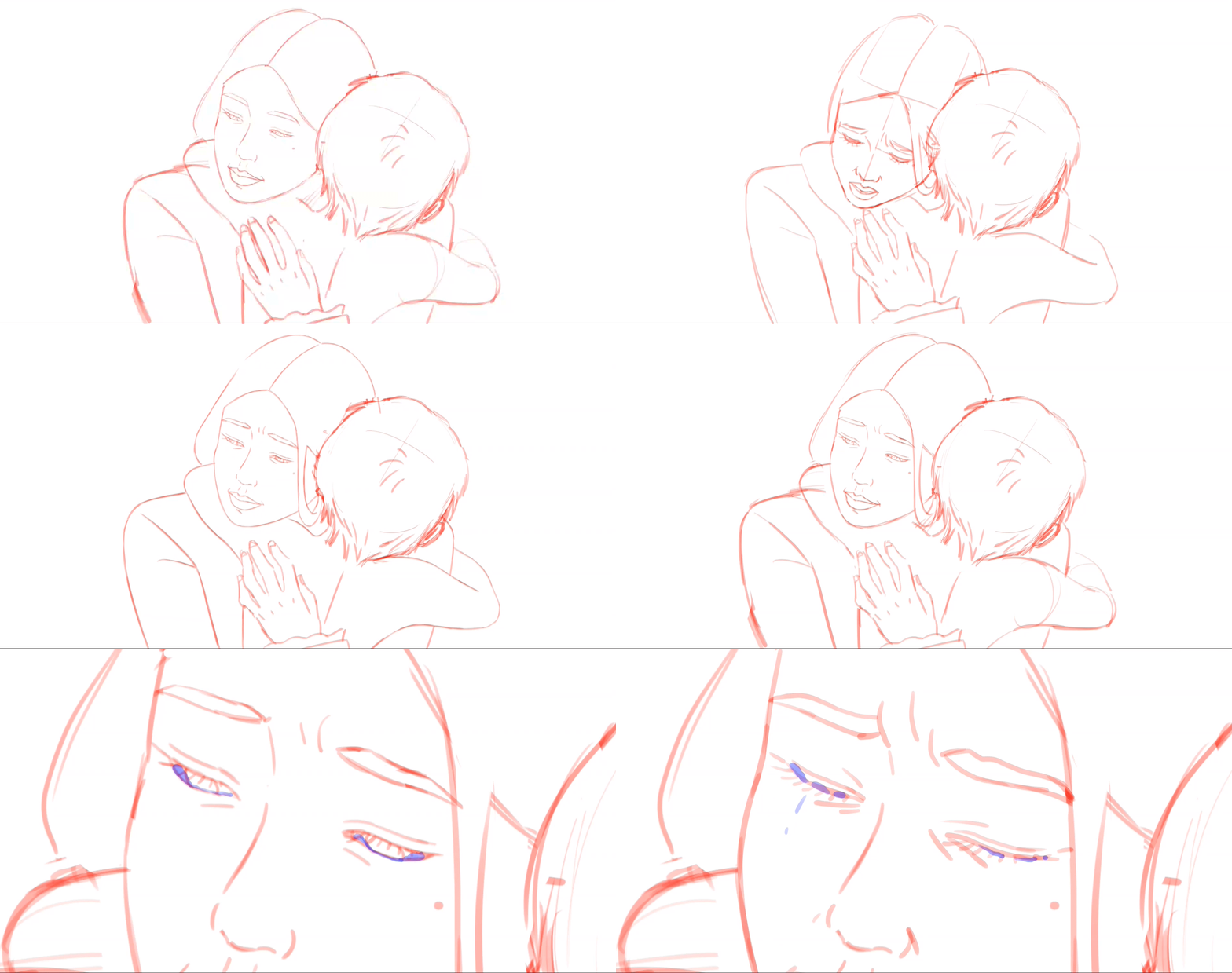
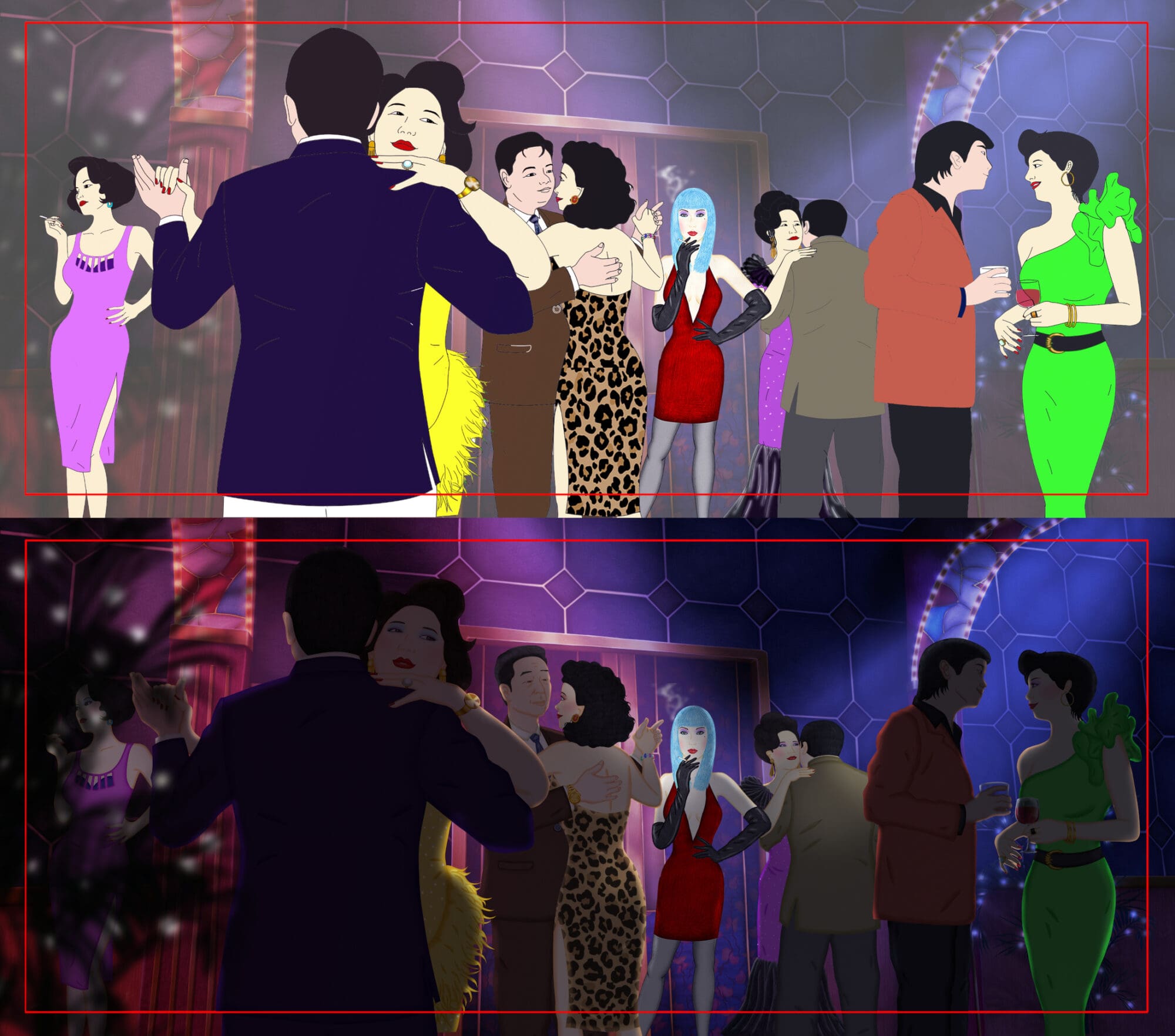
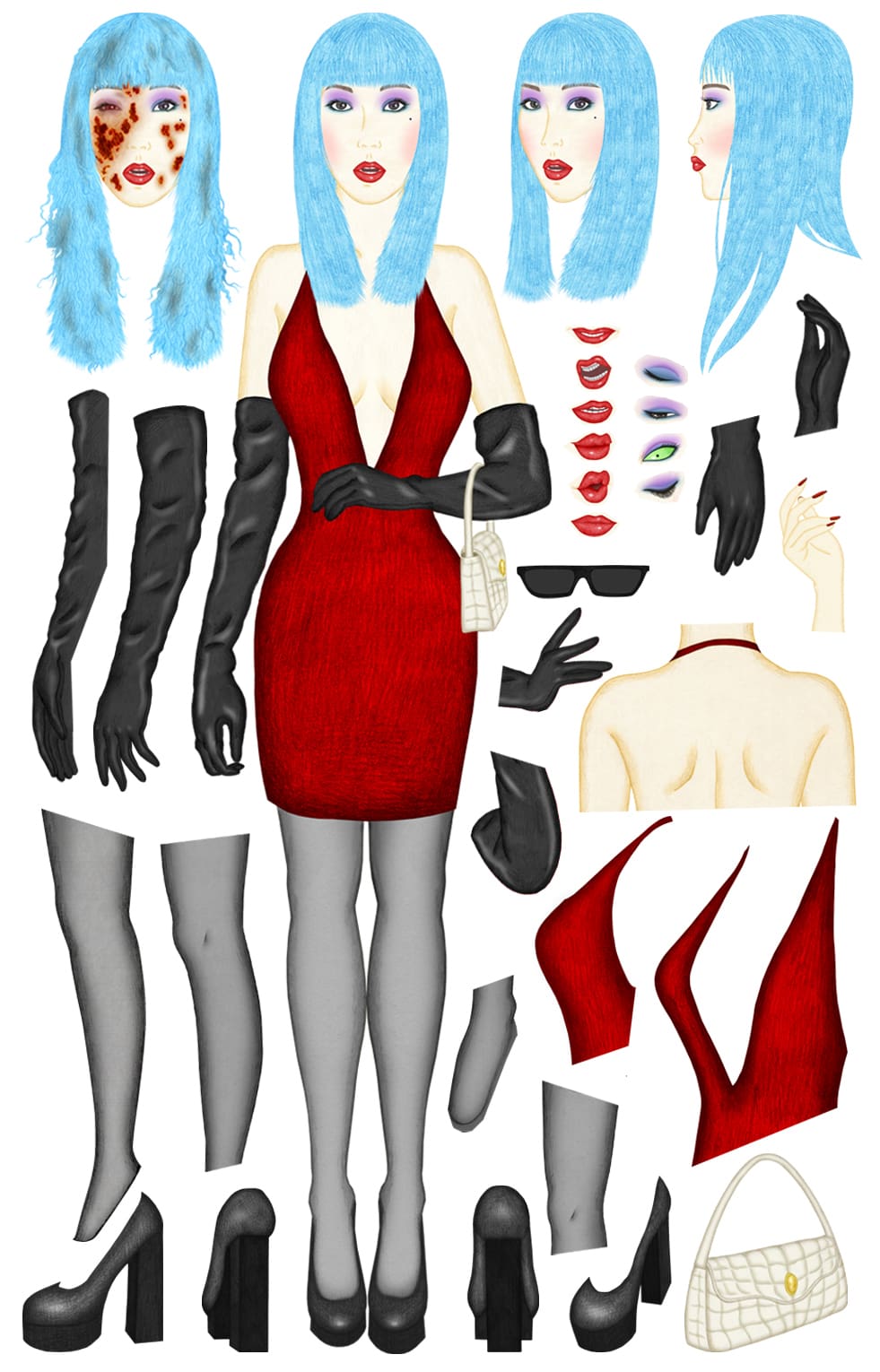
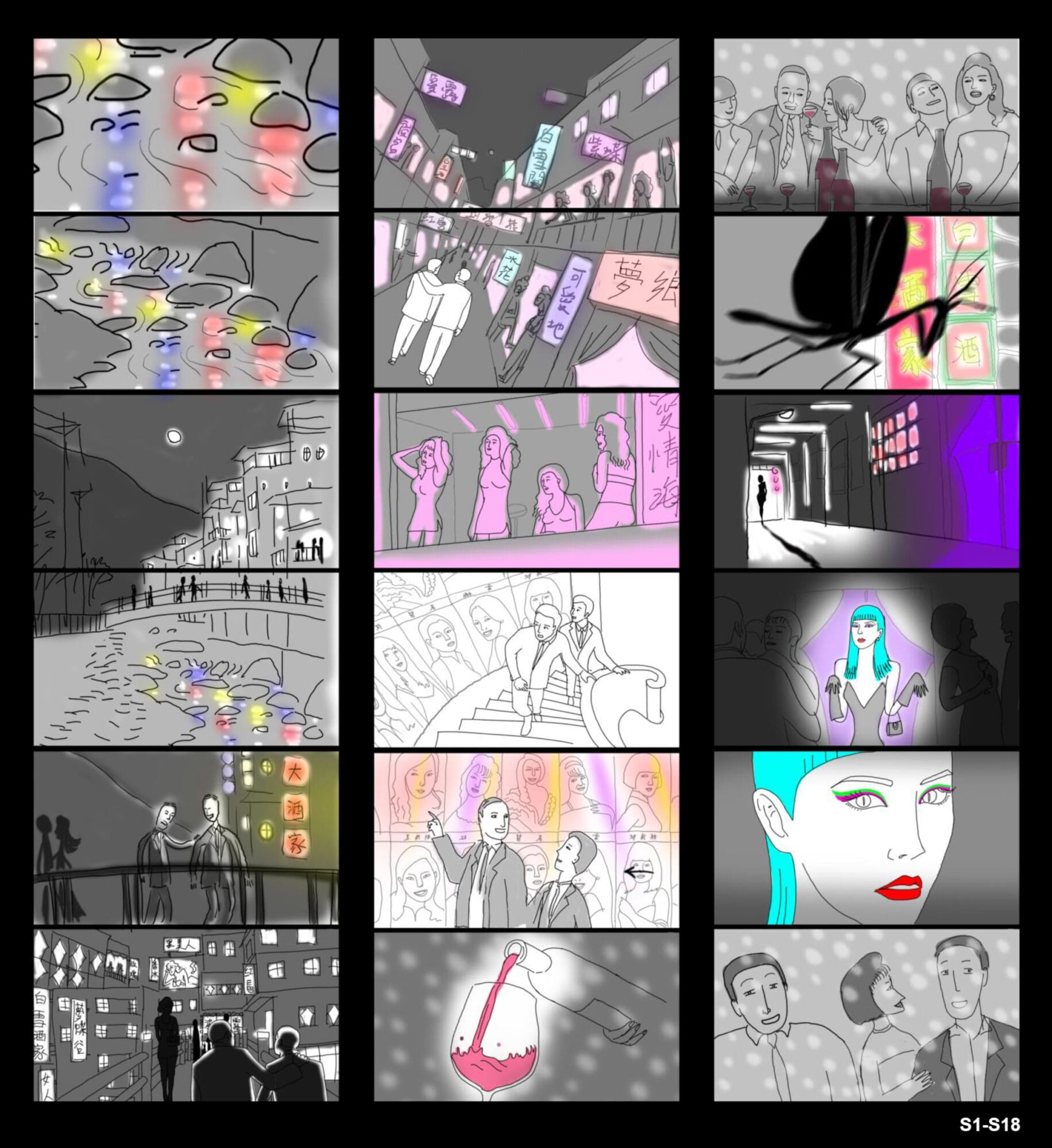
Early in the process, I wanted to continue the pencil-drawn style of Night Bus. But for this film, I wanted to create more nuanced performances and more dynamic camera movements, so I decided to use frame-by-frame 2D animation instead of the cutout technique I used before.
My team first had to complete the line work for every frame, and then give each frame a pencil texture. We also created the backgrounds with the same pencil texture, so the whole film could maintain a refined yet raw hand-drawn quality.
The praying mantis comes with unusually potent associations around motherhood, sexuality, violence, and survival. Which of those associations were you most interested in engaging with, and were there any you deliberately wanted to complicate or push against?
Thank you for bringing up these keywords. Motherhood, sexuality, violence, and survival were all reasons why I chose the praying mantis as a metaphor, and they are also important elements of the film.
Among them, I think distorted and obsessive maternal love can open up more complex meanings and questions. I didn’t want to judge the two frightening mothers in the film by a single moral standard. I hope audiences can find their own perspective through this horror animation.