.png)
2026 Oscars Short Film Contenders: ‘Hairy Legs’ Director Andrea Dorfman
Stay informed with free updates
Sign up to get our news digest — delivered directly to your inbox twice a week.
Welcome to Cartoon Brew’s series of spotlights focusing on the animated shorts that have qualified for the 2026 Oscars. The films in this series have qualified through one of multiple routes: by winning an Oscar-qualifying award at a film festival, by exhibiting theatrically, or by winning a Student Academy Award.
Today’s short is Hairy Legs from Canadian filmmaker Andrea Dorfman, produced by Canada’s NFB. The short has scored honors at Sommets (Guy L. Coté Grand Prize), Spark (Diversity Award), and Ottawa (Honorable Mention), among other major festivals, and earned its Oscar qualification through theatrical exhibition. It was released in full online today, and can be seen below from several countries. For those who can’t access the film yet, we’ve also linked the trailer.
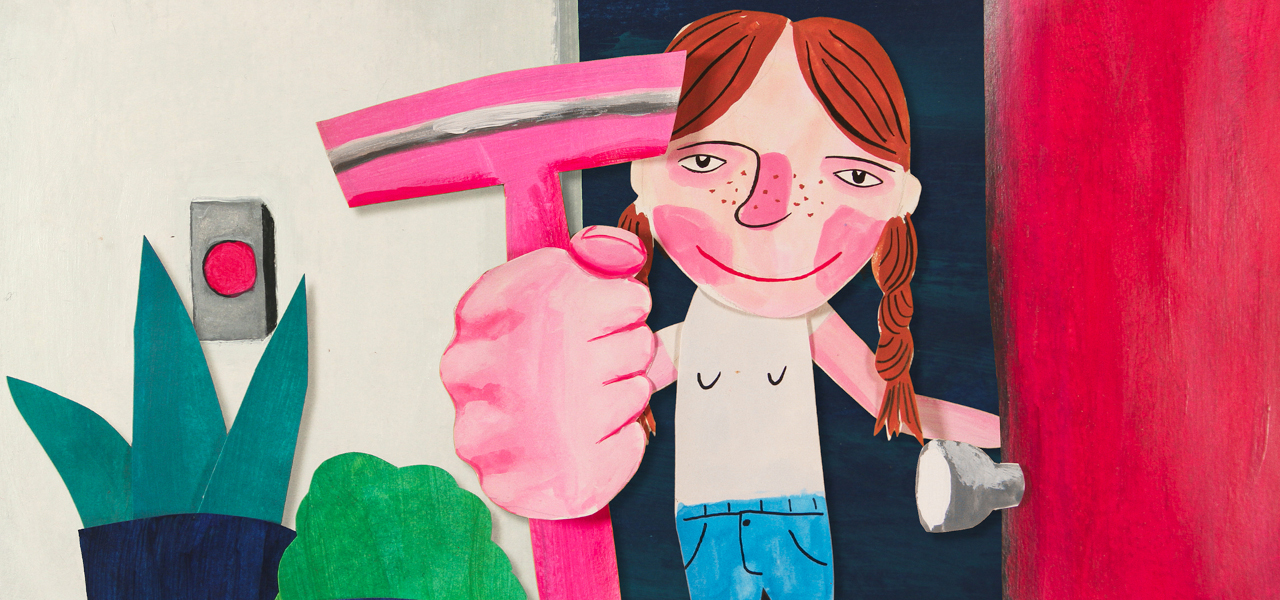
The fun, yet poignant short tells the story of a 13-year-old girl whose decision not to shave her legs becomes a small yet life-changing act of rebellion. This choice opens Dorfman’s eyes to the societal expectations placed on women and inspires her to embrace her true, free self. Blending stop-motion puppetry with hand-painted classical animation in a bold, saturated palette, the film uses art to explore self-expression, non-conformity, and acceptance with charm, humor, and warmth.
Cartoon Brew: What was it about this story or concept that connected with you and compelled you to direct the film?
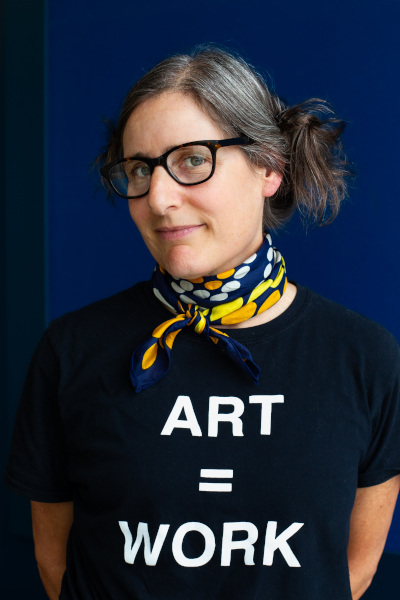
Andrea Dorfman: Deciding not to shave my legs at age 13 was one of the first political acts of my life. It felt like if I didn’t fight for my right to become the person I wanted to be, someone else would decide for me. This set me up for challenging gender expectations forever after, and I always wanted to make a film to celebrate this small but radical act. Every generation grapples with gender expectations, using whatever tools we have at hand, and so even though this story takes place decades ago, with the current discussion of gender that’s swirling around us, the time felt right to make the film now.
What did you learn through the experience of making this film, either production-wise, filmmaking-wise, creatively, or about the subject matter?
I learned that body hair is a question and a conundrum for everyone. I learned, after creating three minutes of hand-painted gouache animation, that I was never going to finish the film, and it’s okay to switch to a less labor-intensive technique (as long as it serves the story). My mother died in the middle of production, and I moved my setup from Halifax to Toronto to be with my dad, and I learned that continuing to create can help us through difficult times. I learned (or maybe was reminded) that collaborating with other artists has great potential to elevate the work. The music composer, Daniel Ledwell, created a gorgeous soundtrack with a theme song that was incredibly fun to animate to.
Can you describe how you developed your visual approach to the film? Why did you settle on this style/technique?
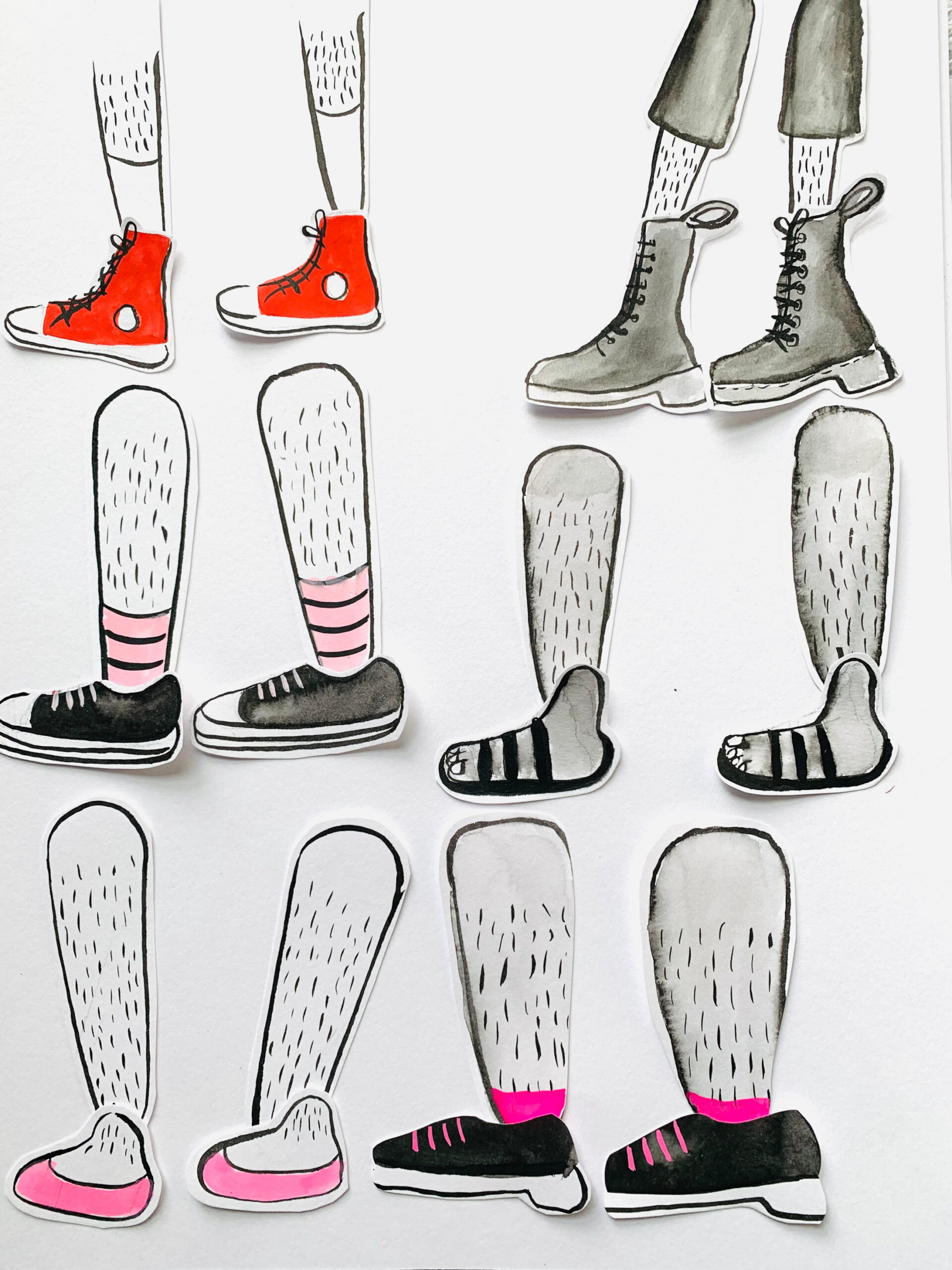
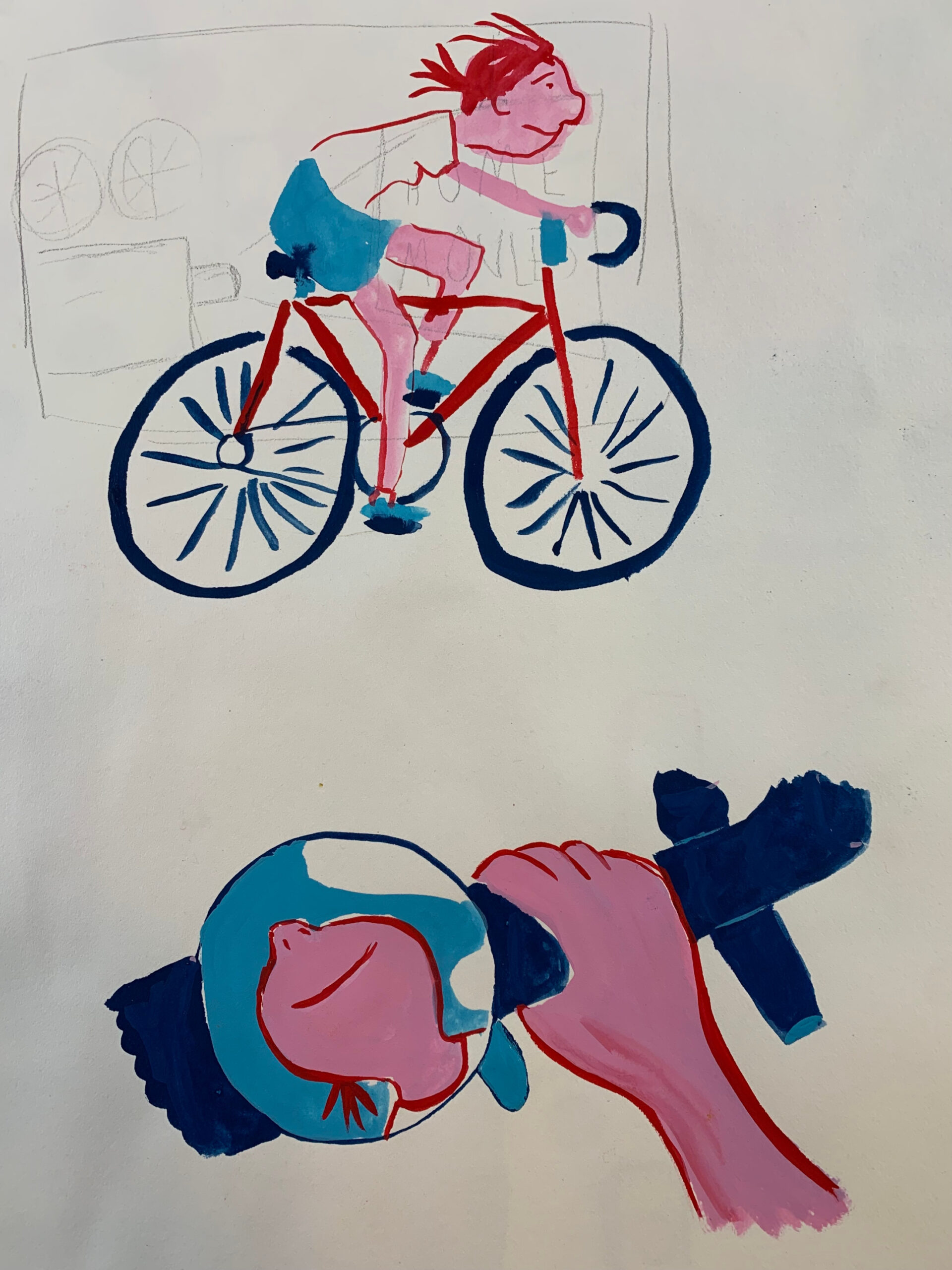
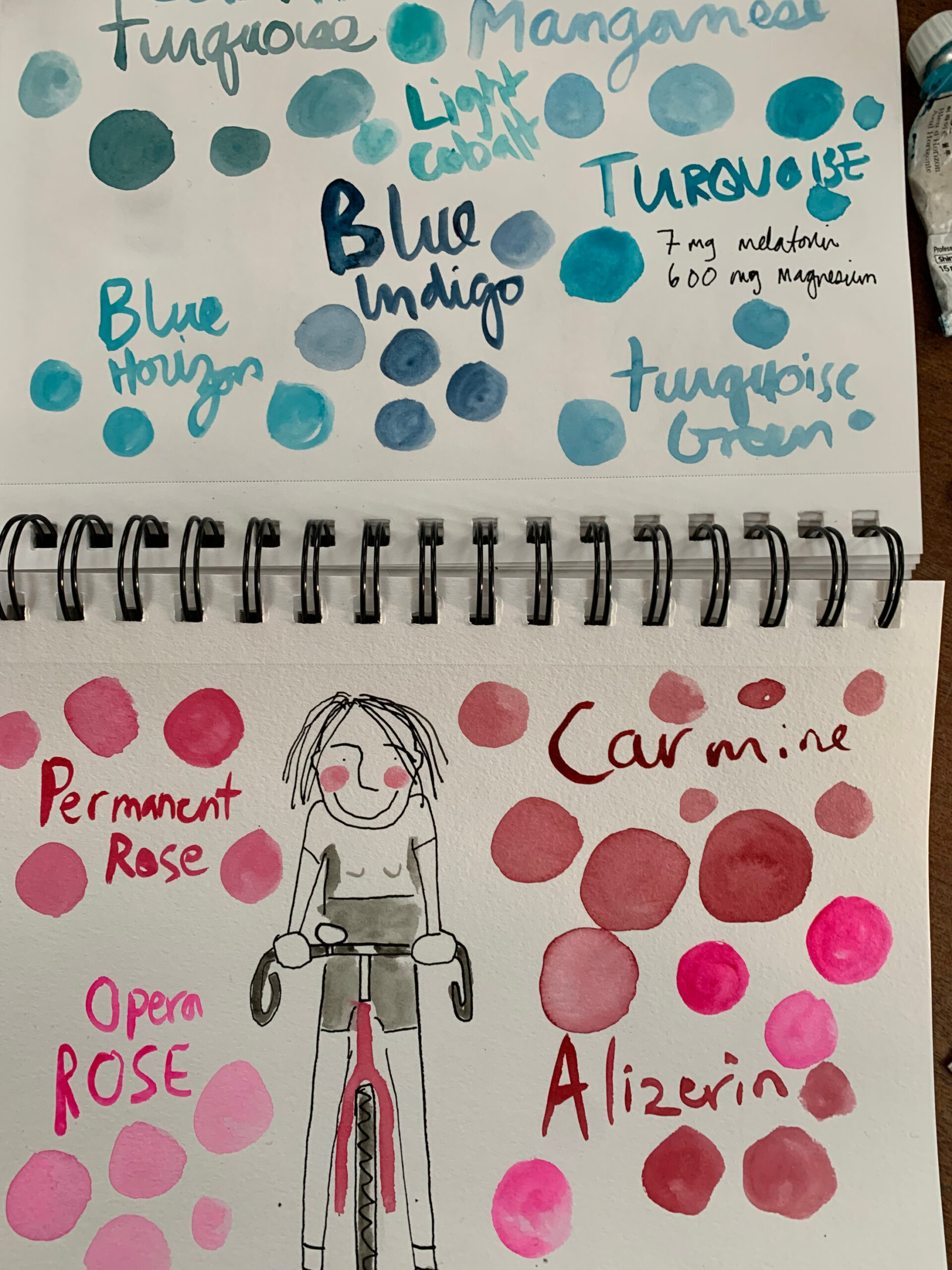
The structure of the film follows the arc of my experience of having hairy legs, and I used chapters and different animation techniques for each of the eras of my life. The technique I return to the most is gouache and acrylic-painted stop-motion puppets, but, depending on the feeling I wanted to convey for each chapter, I switched it up using 2D drawing on a tablet, acrylic-painted book animation, and watercolor, pen, and ink on paper. The different techniques, with their different feels, allowed me to tell the story in different ways, and it kept it fresh and interesting for me to animate.
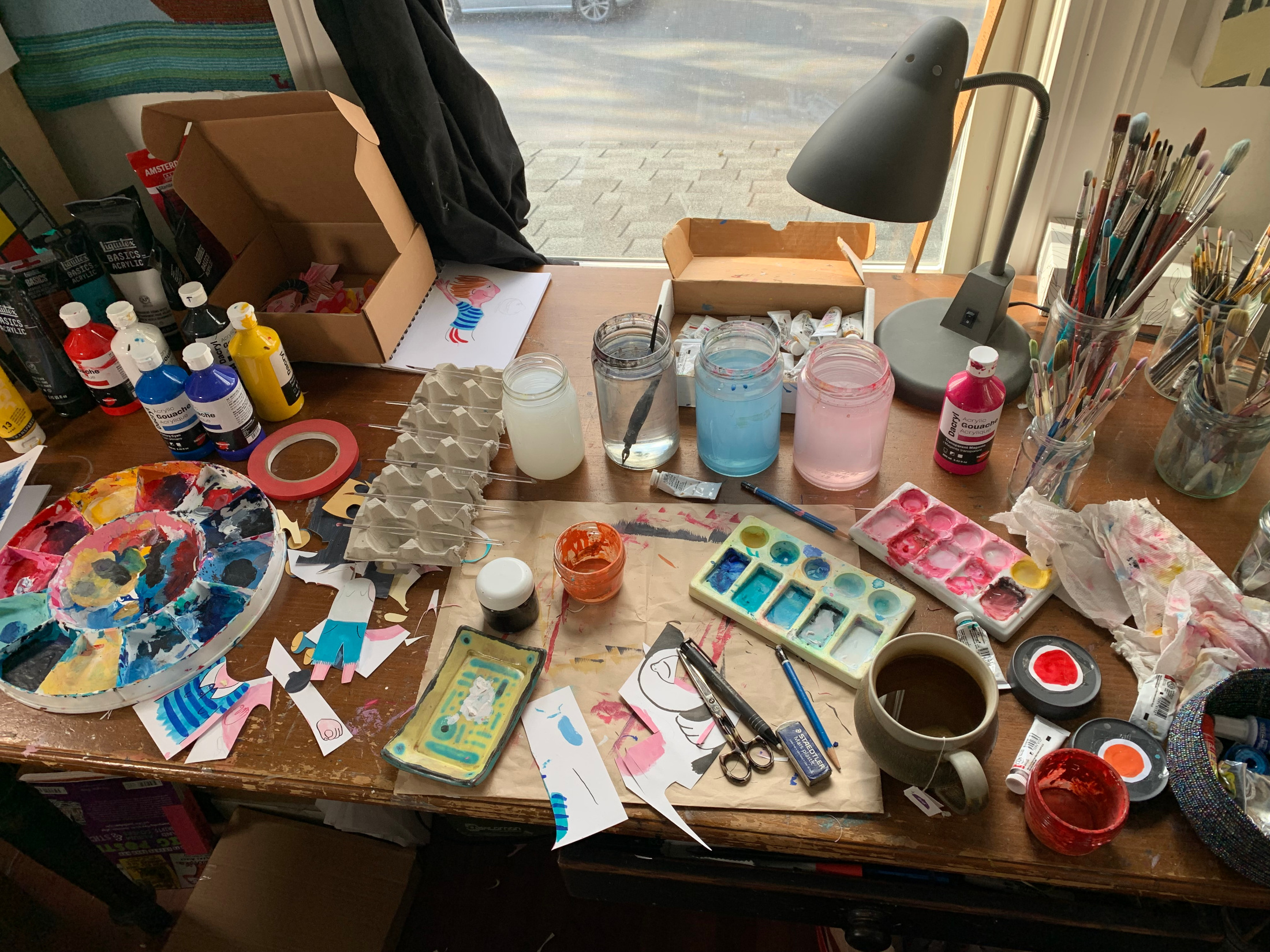
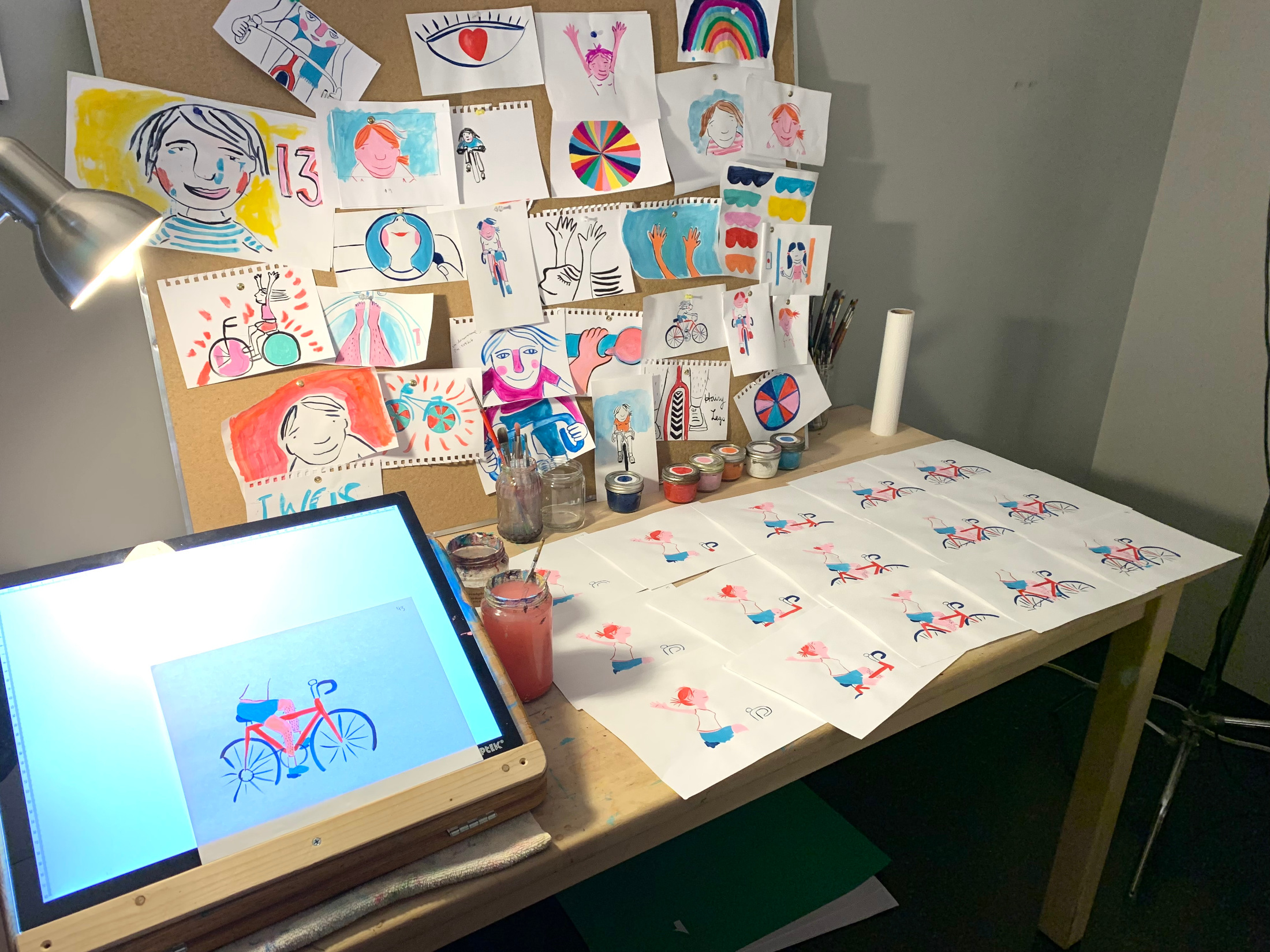
How did you navigate the balance between being true to your own experiences and opening the narrative up so it might be more cinematic or so that others could see their own stories within it? How did you decide what to share, what to leave out, and what to leave more ambiguous?
I made Hairy Legs over a five-year period, and enough time passed that the societal discussion around gender (and body hair) was shifting and evolving, and as much as I wanted to engage with it, I knew that in order to make sense of it, I needed to get quiet and examine my own experience. When I finally honed in on my own story, I could see how this radical act of my younger self was something others could connect to. It’s so obvious to me that there’s power in sharing personal stories, and the more personal and vulnerable these stories are, the more universally embraced the story will be.