2027 Oscars Short Film Contenders: ‘Once In A Body’ Director María Cristina Pérez González
Stay informed with free updates
Sign up to get our news digest — delivered directly to your inbox twice a week.
Welcome to Cartoon Brew’s spotlight series on animated shorts that have qualified for the 2027 Oscars. Films in this series qualified through one of three routes: winning an Oscar-qualifying award at a film festival, screening theatrically, or winning a Student Academy Award.
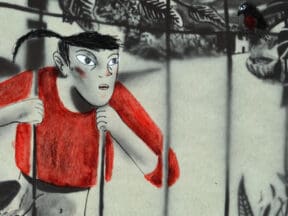
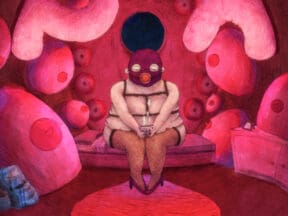
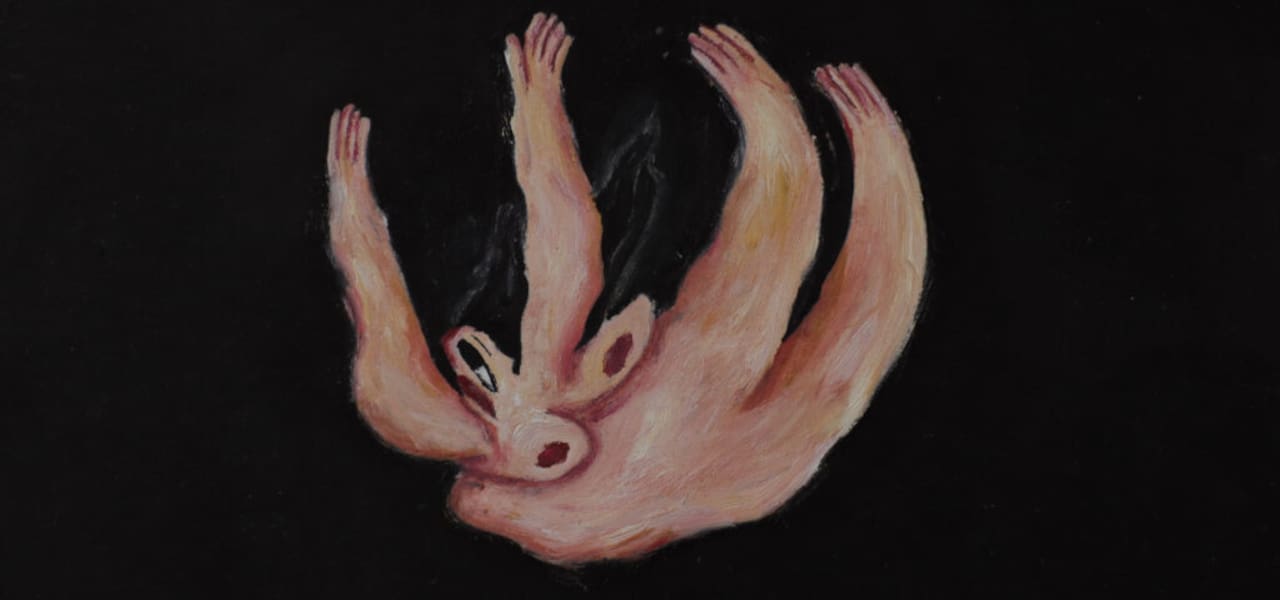
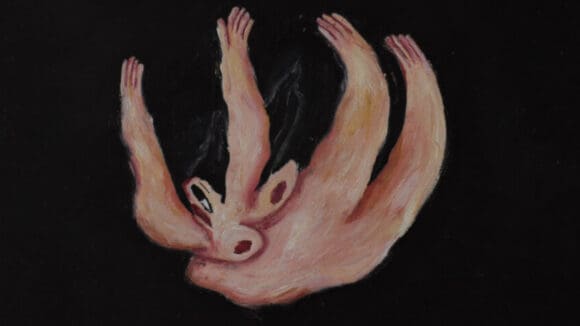
Today’s short is María Cristina Pérez González’s Once in a Body (Una vez en un cuerpo), a Colombian film produced by Pez Dorado Animaciones and Cartuna. Hand-painted on paper, the short uses shifting imagery and tactile brushwork to explore the relationship between bodily experience and identity. Its qualifying honors include Best U.S. Latino Animated Short at the 2026 Los Angeles Latino International Film Festival.
A woman carrying a strange being inside her seeks to reconcile with her sister over an incident from their adolescence. Their shared history emerges through their bodies, bringing her closer to understanding what inhabits her. Drawing on stories Pérez González heard or witnessed growing up, the film explores how women’s experiences, and the scrutiny directed at their bodies, shape their relationships with themselves and one another.
Cartoon Brew: What was it about this story or concept that connected with you and compelled you to direct the film?
María Cristina Pérez González: The film is inspired by stories I heard or witnessed from people close to me during my childhood and teenage years, growing up in a place where coming of age as a woman can be difficult.
Through an allegorical and visual language, I wanted to explore how social dynamics shape the way we perceive our bodies, how society’s gaze influences how we see ourselves, and how this affects our relationship with ourselves and others. I wanted to go deeper into the experiences that, as women, mark a before and after in our lives, and how they shape the image we have of our bodies, which ultimately becomes the image we have of ourselves.
What did you learn through the experience of making this film, either production-wise, filmmaking-wise, creatively, or about the subject matter?
In my previous projects, I worked on the animation almost entirely on my own or with a very small team. This time, I worked with a wonderful team of young artists, illustrators, and painters, some of whom had never worked in animation before.
It was a beautiful process, as each member brought their own artistic sensibility, contributing to the visual richness of the film. It was also a challenge, because translating what you imagine into something concrete and clear enough for others to understand and bring to life can be very different. I also learned that the act of creating is itself alive, constantly transforming and adapting, and that finding the work is part of that process.
Can you describe how you developed your visual approach to the film? Why did you settle on this style and technique?
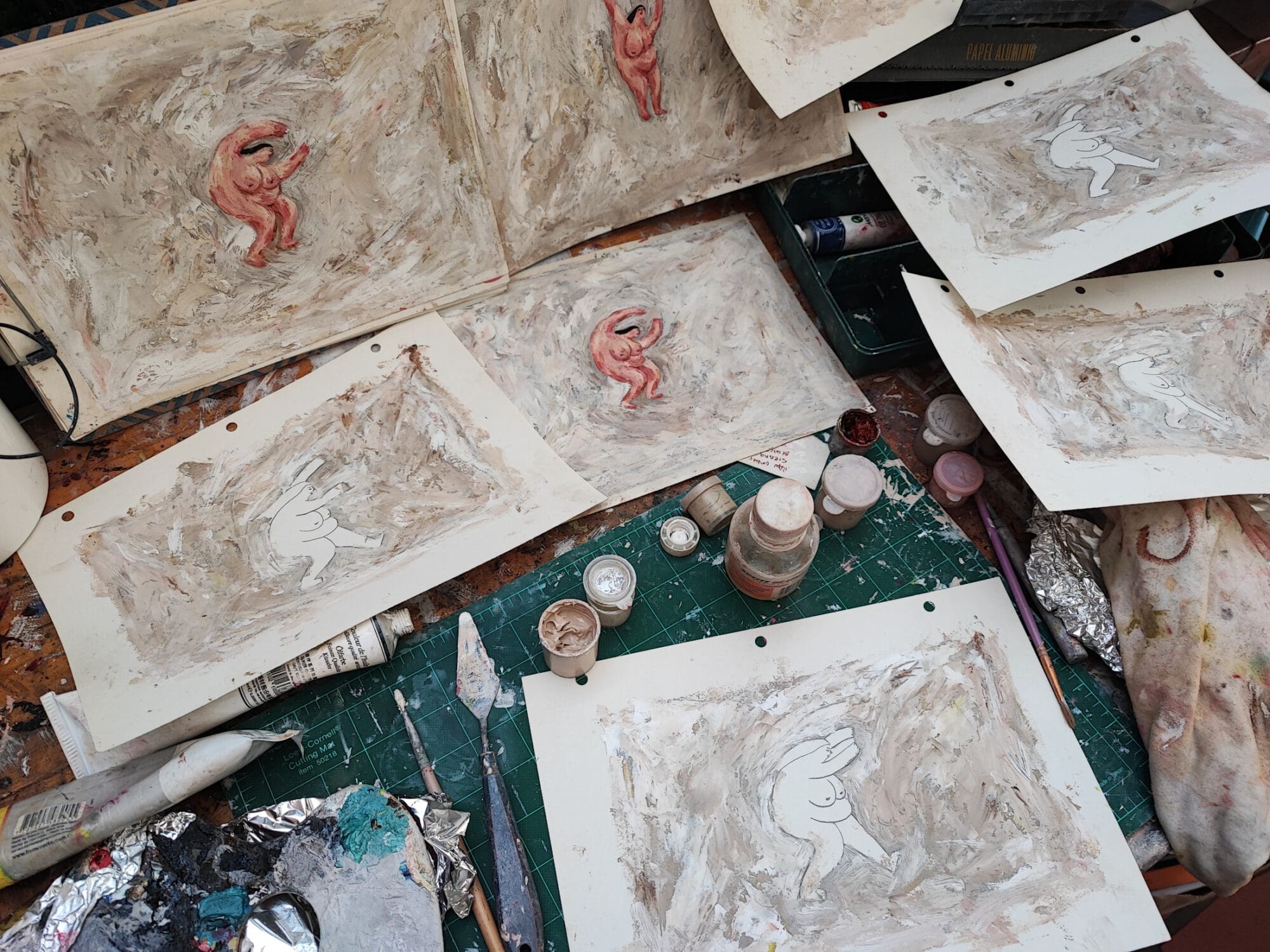
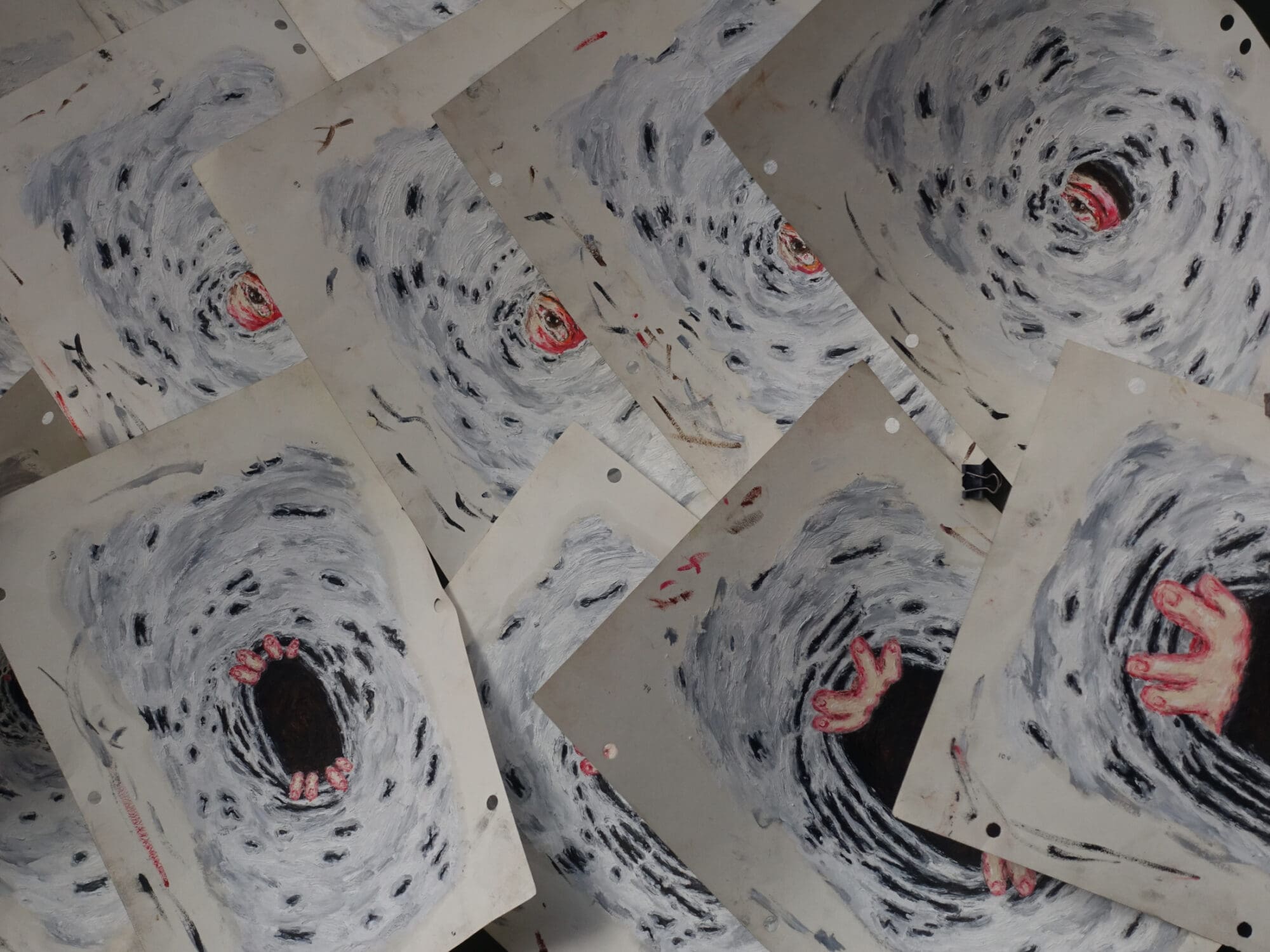
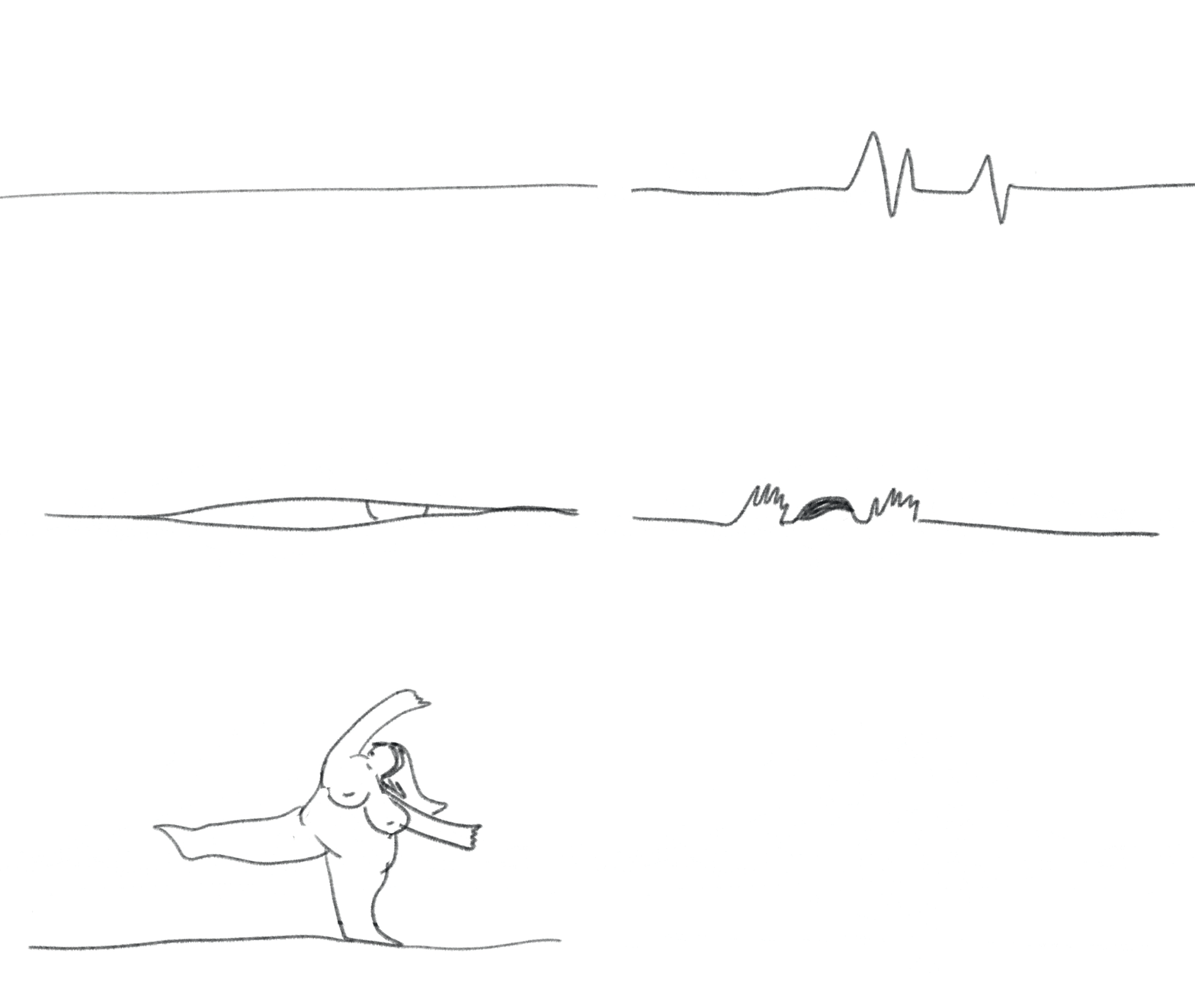
I chose a style of animation defined by the transformation of the image, as a way of giving form to everything we feel and experience, as well as to our inner struggles and vulnerabilities.
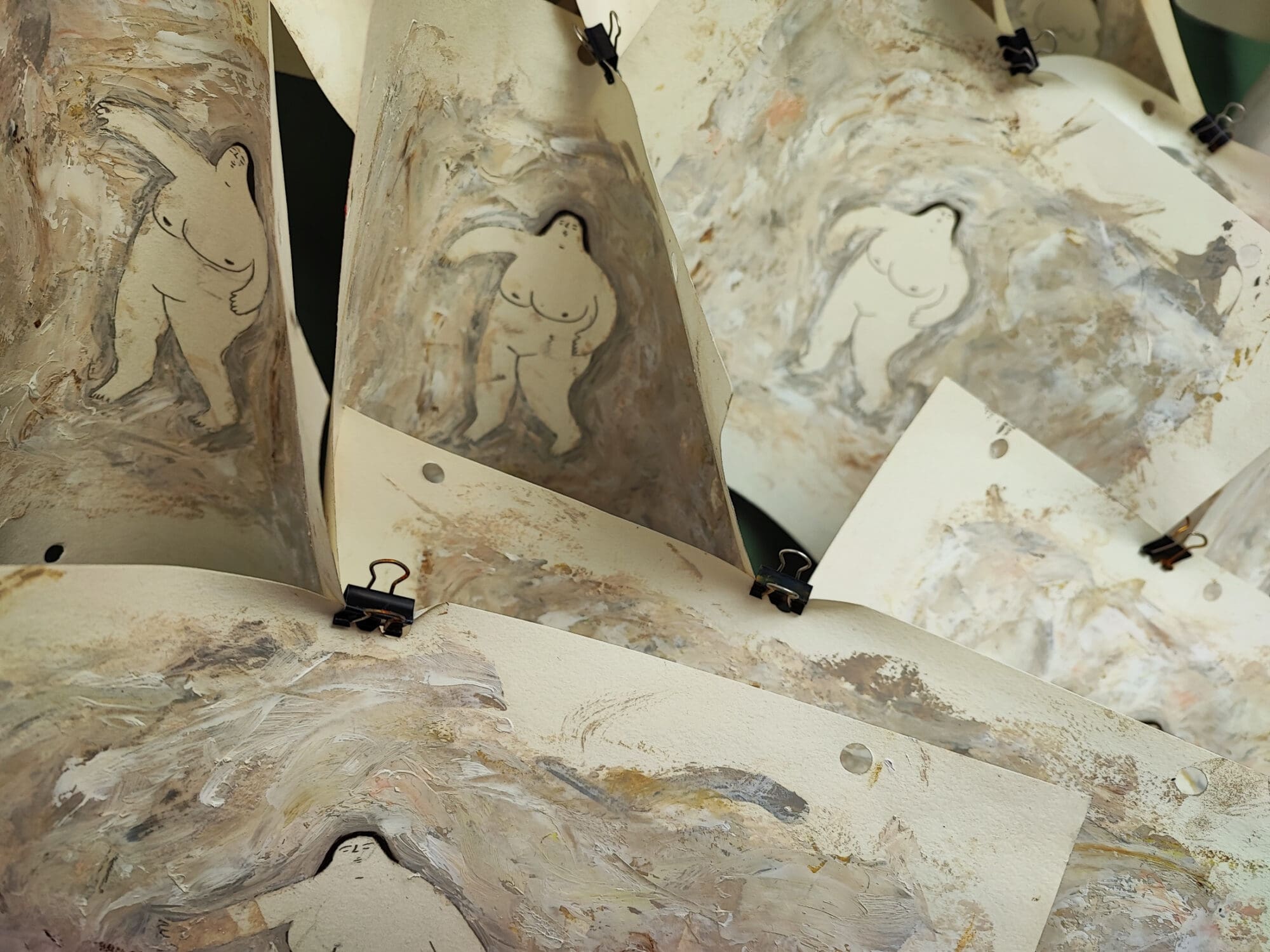
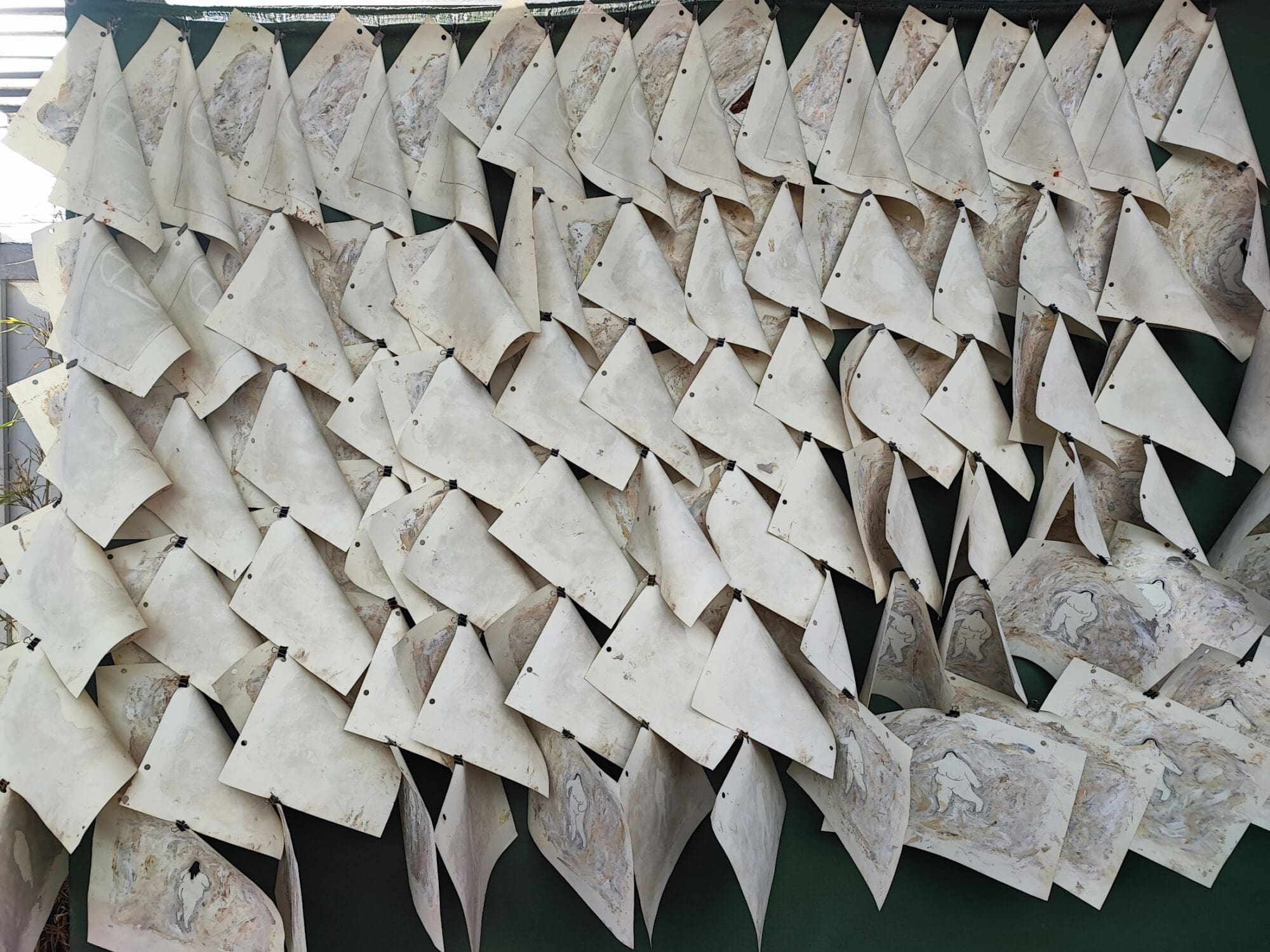
Since I started, I have always worked with hand-painted animation on paper, initially using watercolor and gouache, and later oil paint. I wanted the images to feel alive in their materiality, to convey the weight and presence of the trace: the thickness of the paint, the irregularities of the brushstroke, and the way colors shift and blend imperfectly. This imperfection was important to me; it is what embodies the human and the beauty.
The body in the film becomes a place where memory, identity, and lived experience are all stored. What interested you in exploring memory through the body rather than treating it primarily as something that exists in the mind?
I was interested in exploring how the body carries the memory of the experiences we go through. Having a body that can touch or not touch, embrace or not embrace, smile or not smile, walk, dance, fall, get hurt, and break shapes our experiences and reveals something about who we are.
As a woman, I am aware that, for women, this relationship with the body is especially complex and defining. Our body shapes who we are and carries traces of the transformations it goes through, as well as the physical experiences connected to growing up as women. Marks, scars, and changes in our bodies can become milestones in our personal histories, just as memories and trauma leave traces in our minds.
In a way, the mind and the body exist in the same territory: the body. We tend to think of the mind as something abstract, but I believe it can also shape the physical and tangible world.