.png)
2026 Oscars Short Film Contenders: ‘Póg Mo Pigeon’ Director Clíodhna Lyons (EXCLUSIVE BTS)
Stay informed with free updates
Sign up to get our news digest — delivered directly to your inbox twice a week.
Welcome to Cartoon Brew’s series of spotlights focusing on the animated shorts that have qualified for the 2026 Oscars. The films in this series have qualified through one of multiple routes: by winning an Oscar-qualifying award at a film festival, by exhibiting theatrically, or by winning a Student Academy Award.
Today’s short is Póg mo Pigeon, directed by Clíodhna Lyons and produced by standout Irish outfit Lighthouse Studios. The short premiered at Galway Film Fleadh in 2024, and qualified for the Oscars by winning the Light in Motion award for Best Animated Short at the Foyle Film Festival that same year.
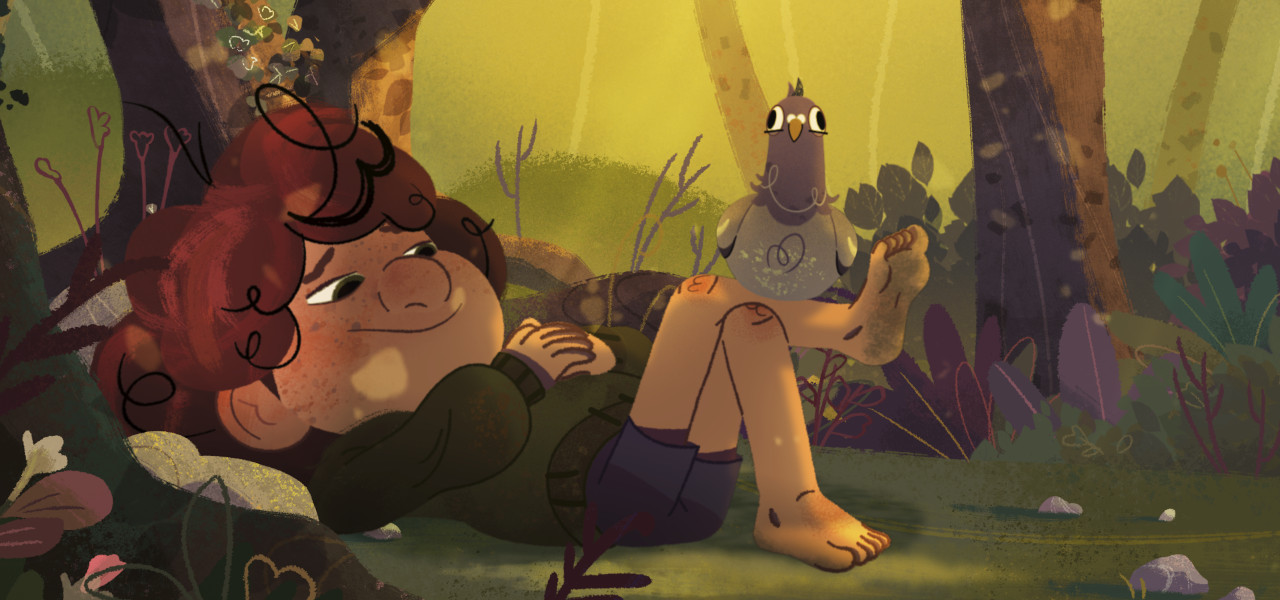
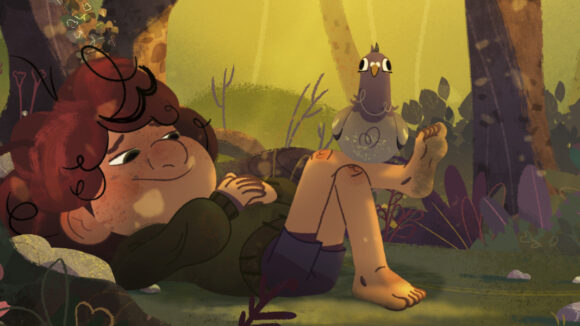
Featuring 2D, storybook animation, Póg mo Pigeon is the story of Mikey, a young boy growing up in a strict Catholic household. During a jaunt through the woods, Mikey meets Pidgey, who follows him home. Unfortunately, the bird violates the sanctity of Mikey’s mom’s sitting room and causes chaos, leading to a confrontation that is sure to leave its mark on the young man.
Cartoon Brew: What was it about this story or concept that connected with you and compelled you to direct the film?
Clíodhna Lyons: The original concept is by Polly Holland, an animator at Lighthouse, and I just loved how harsh it was. That might sound strange, but it reflected a time in Catholic Ireland that can be hard to capture. Ireland was seen as ‘the poor man of Europe’, on the edge of the continent, viewed as quite ‘backwards’. The late 1970s were the start of some major changes. And while it’s easy to focus on the big events, the catalysts for change that have been, and continue to be, the focus of documentaries, there was something interesting to me about focusing on one small boy’s experience, and the lasting impact it had on him.
What did you learn through the experience of making this film, either production-wise, filmmaking-wise, creatively, or about the subject matter?
Coming from a TV direction background, I had to unlearn some habits. Television is about economy of scale. You can’t get lost putting resources into small details when you’ve ten episodes to finish. You also have a full season to tell the story. So, looking at a 6-minute short and wanting to tell so much was initially quite daunting.
Working with Storyboard Artist, Andrew Wildman, and Editor Mark Gilleece were both pivotal moments that helped me find the film. There are five different versions of the ending in animatic form that we kept going back and forth with, asking how much needed to be told and how much should be left for the audience to interpret.
Can you describe how you developed your visual approach to the film? Why did you settle on this style/technique?
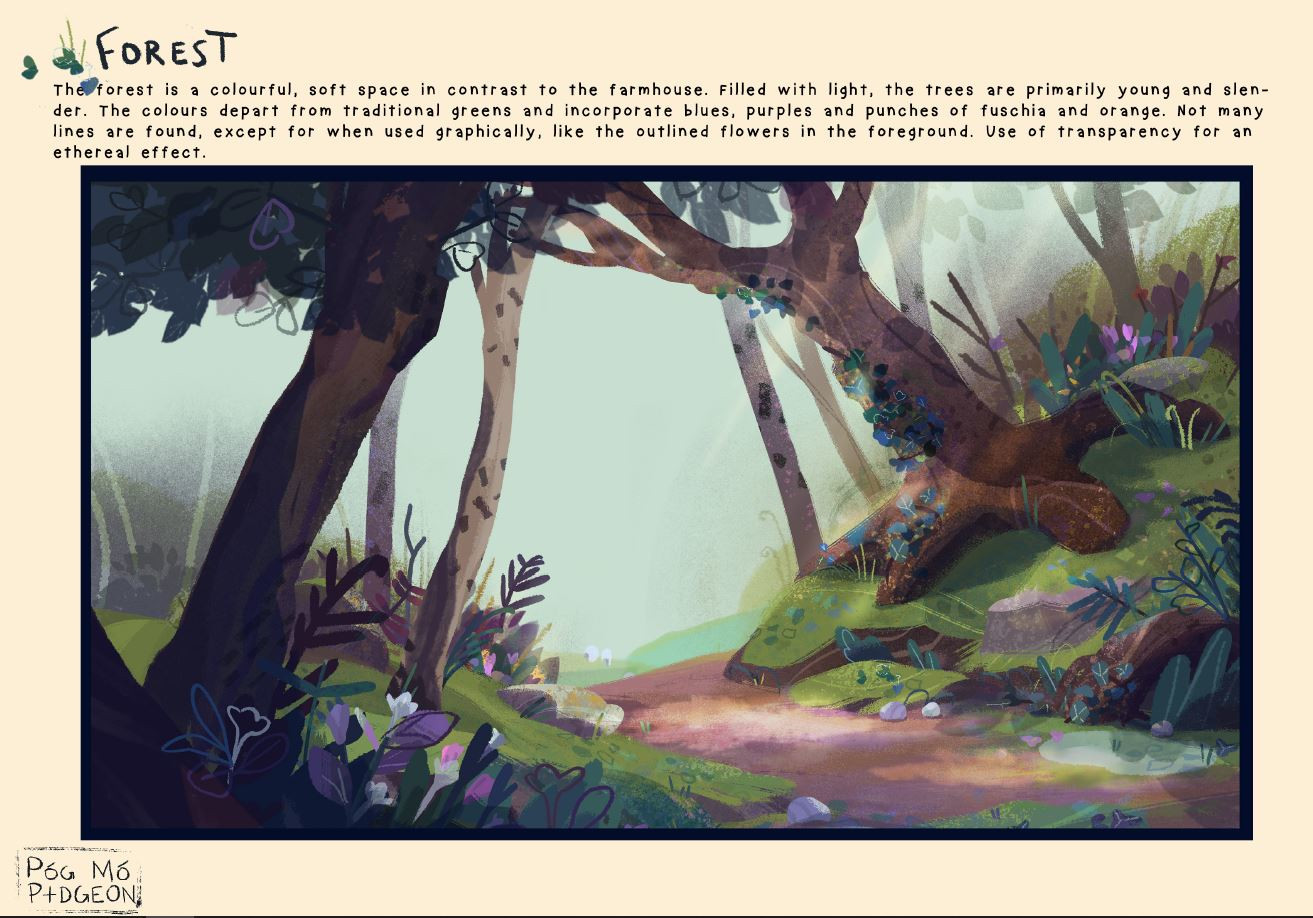
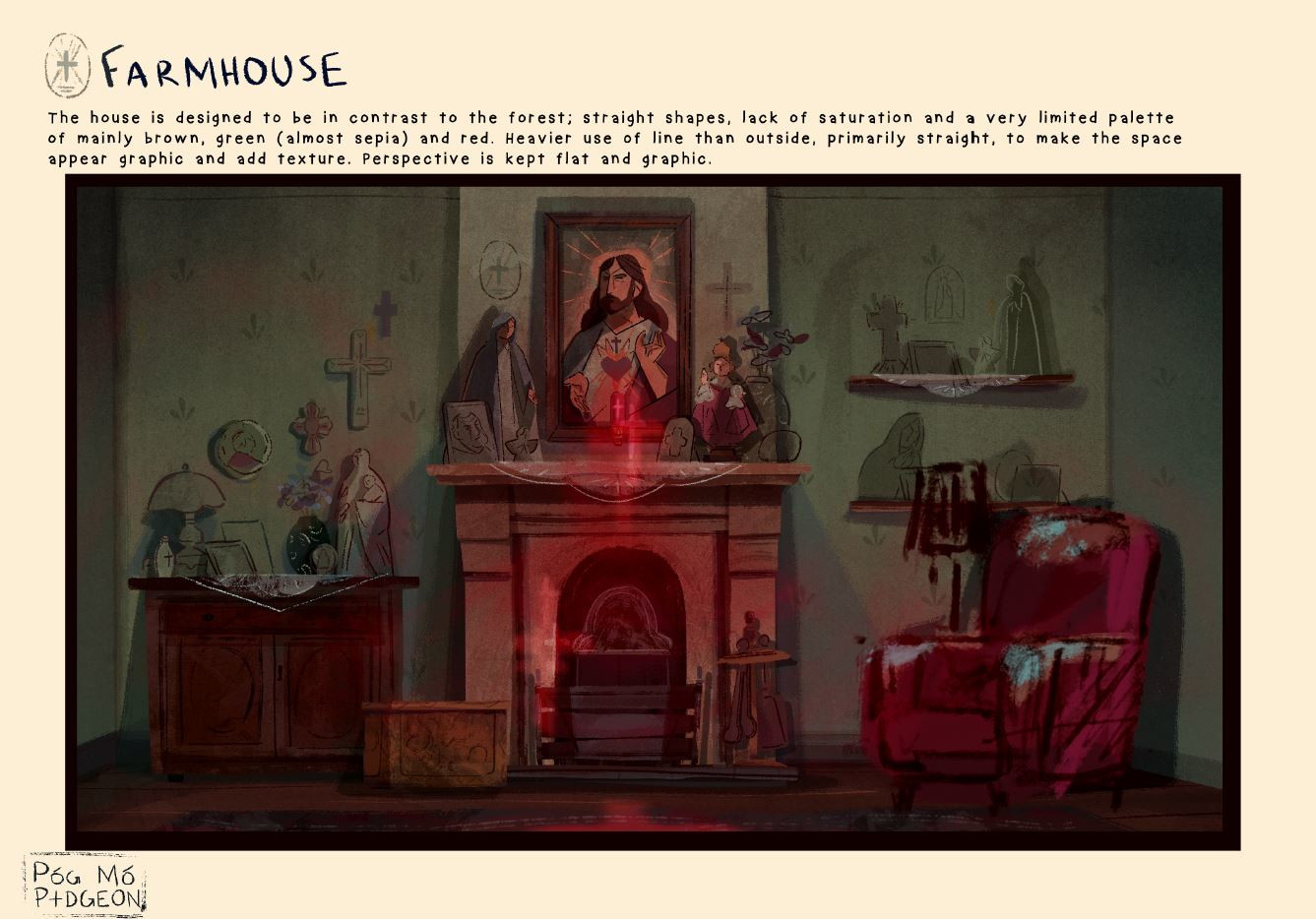
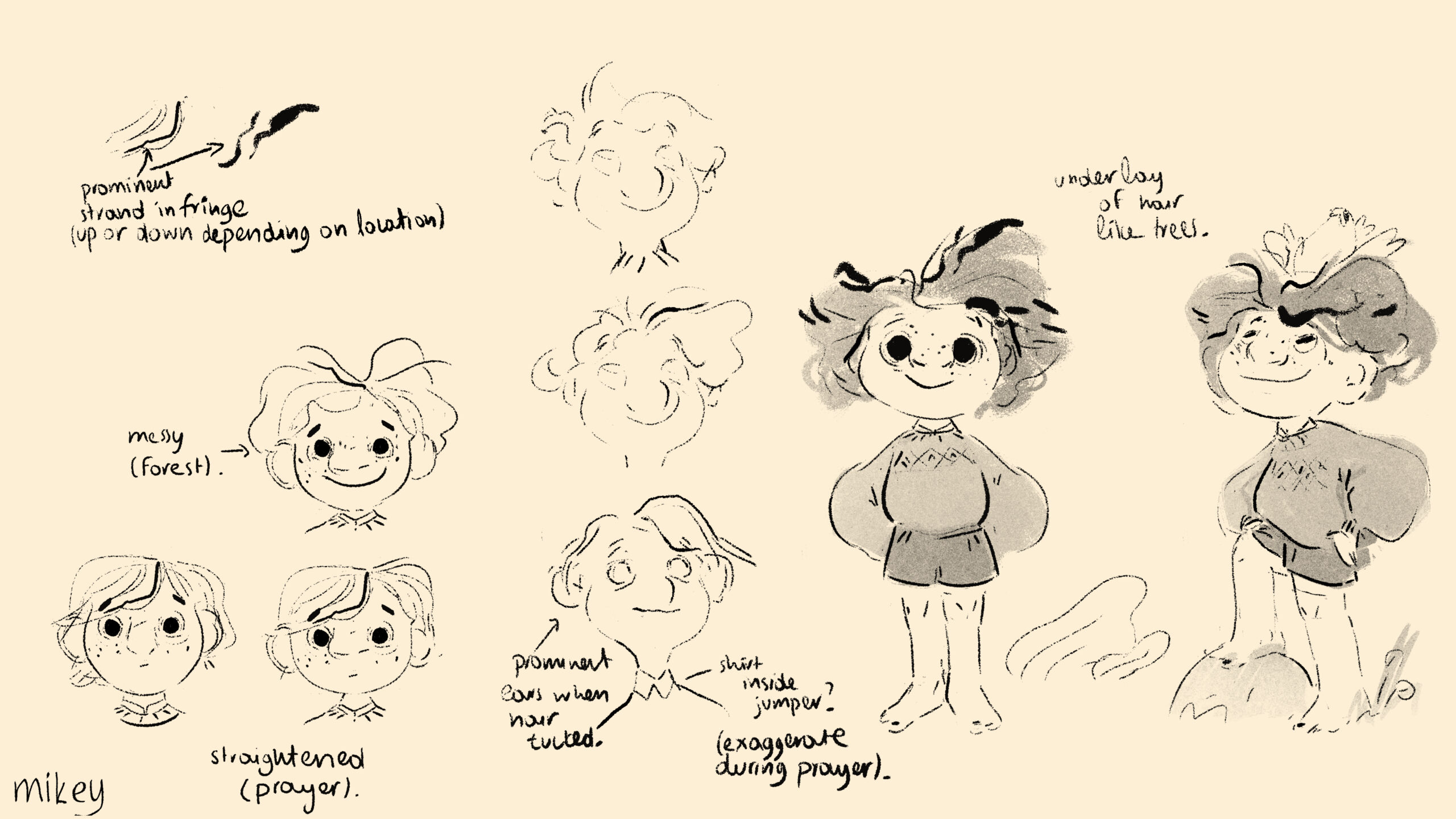
It’s based on a true story, and we took an illustrative approach so it would almost feel like a memory. We used references from West Cork that people from the area will recognize. But you don’t need to know the area to understand the film -the symbolic references to the time were more important. The Sacred Heart lamp wired into the house – the Child of Prague statue, the Pope portrait. I wanted them to be overwhelming, not sinister. The film is a commentary on the institution of the Catholic Church in Ireland, not on personal faith. It was important that we didn’t create two-dimensional cartoon villains in Mammy or her statues. Finding that balance took time.
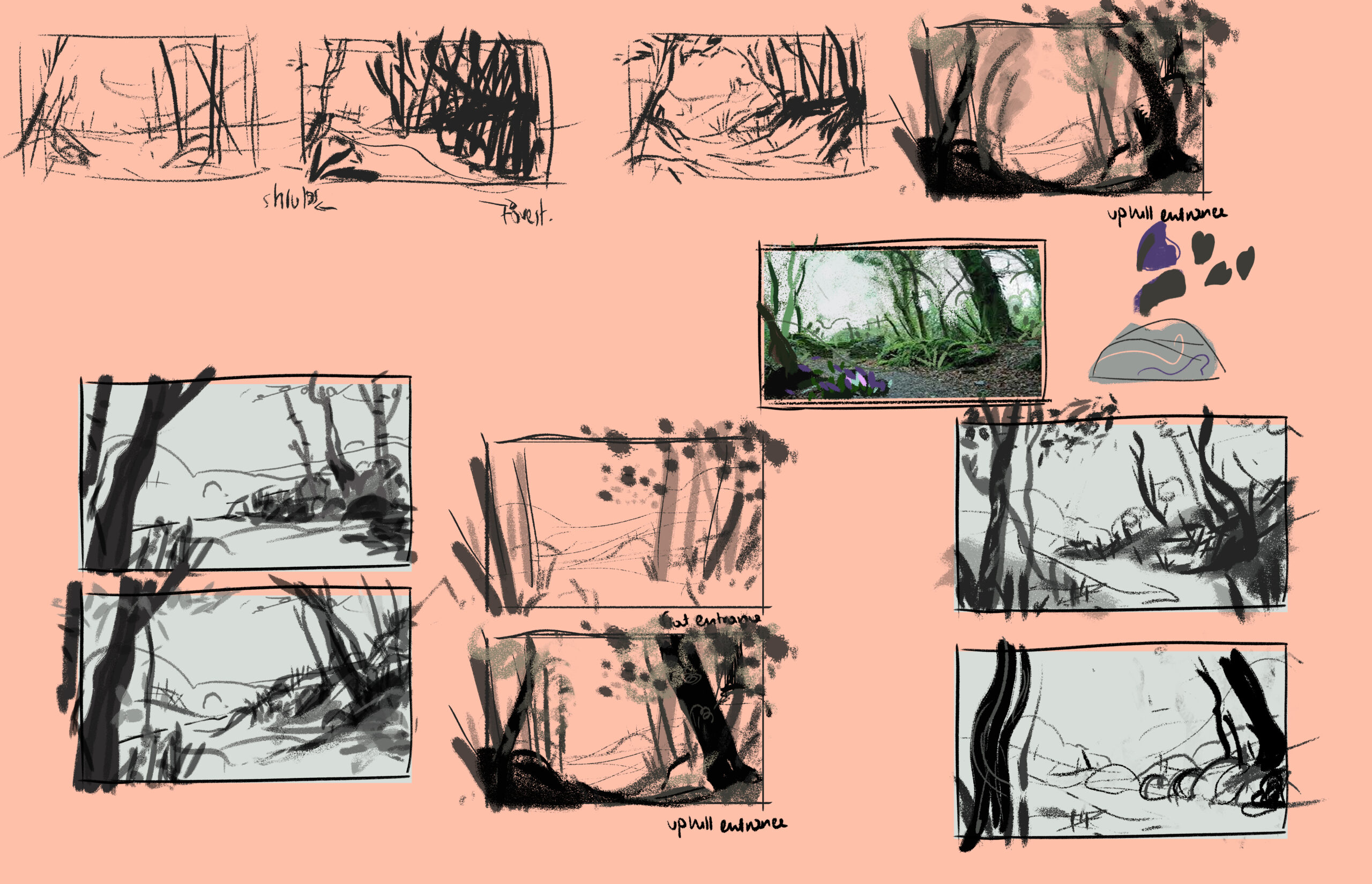
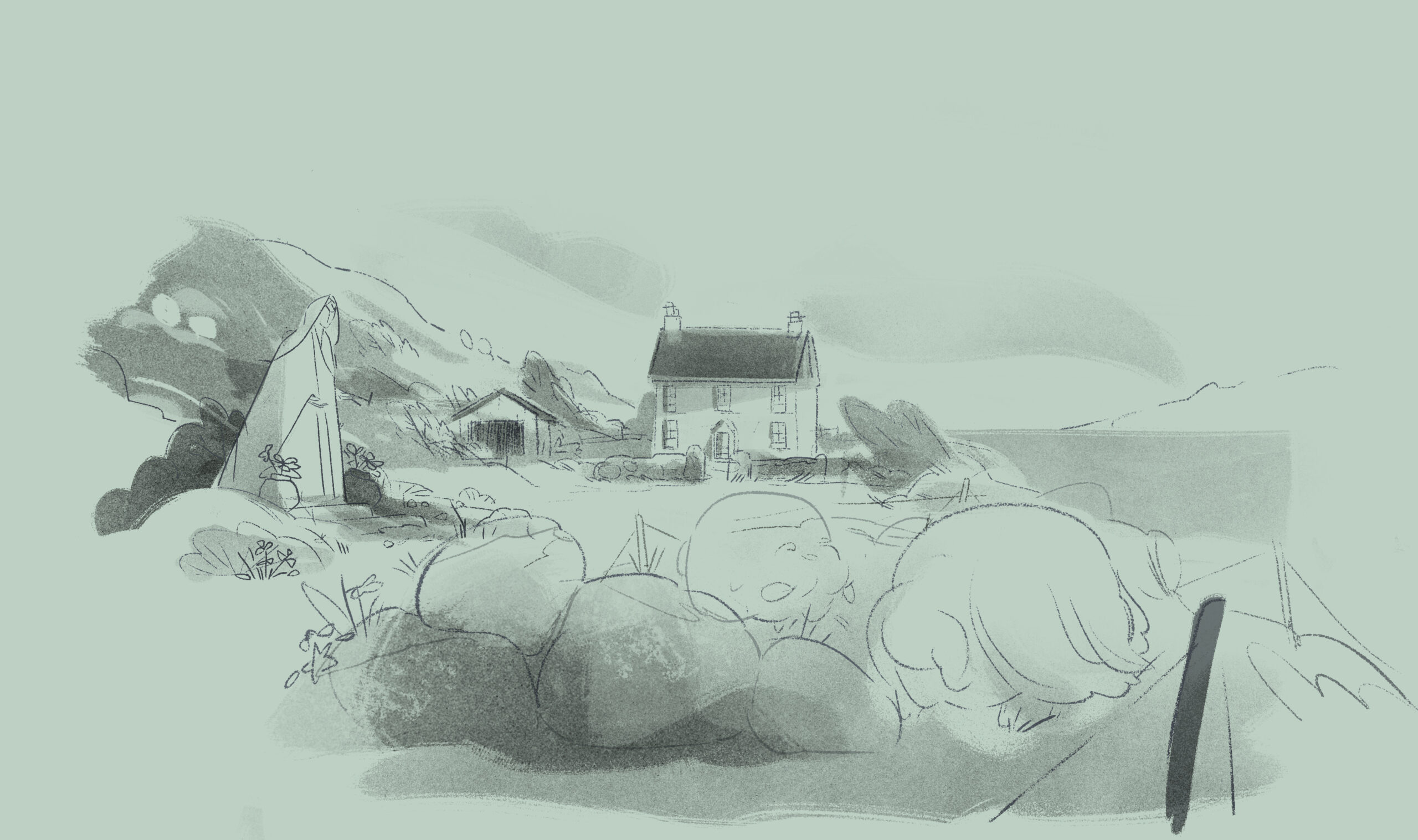
There’s a good deal of symbolism in this film, but one part that particularly stood out to me was the stark contrast in the storybook, almost fairytale world of the forest, and the inside of the dour, dark house. Can you talk about that contrast, and what it means to the short’s narrative?
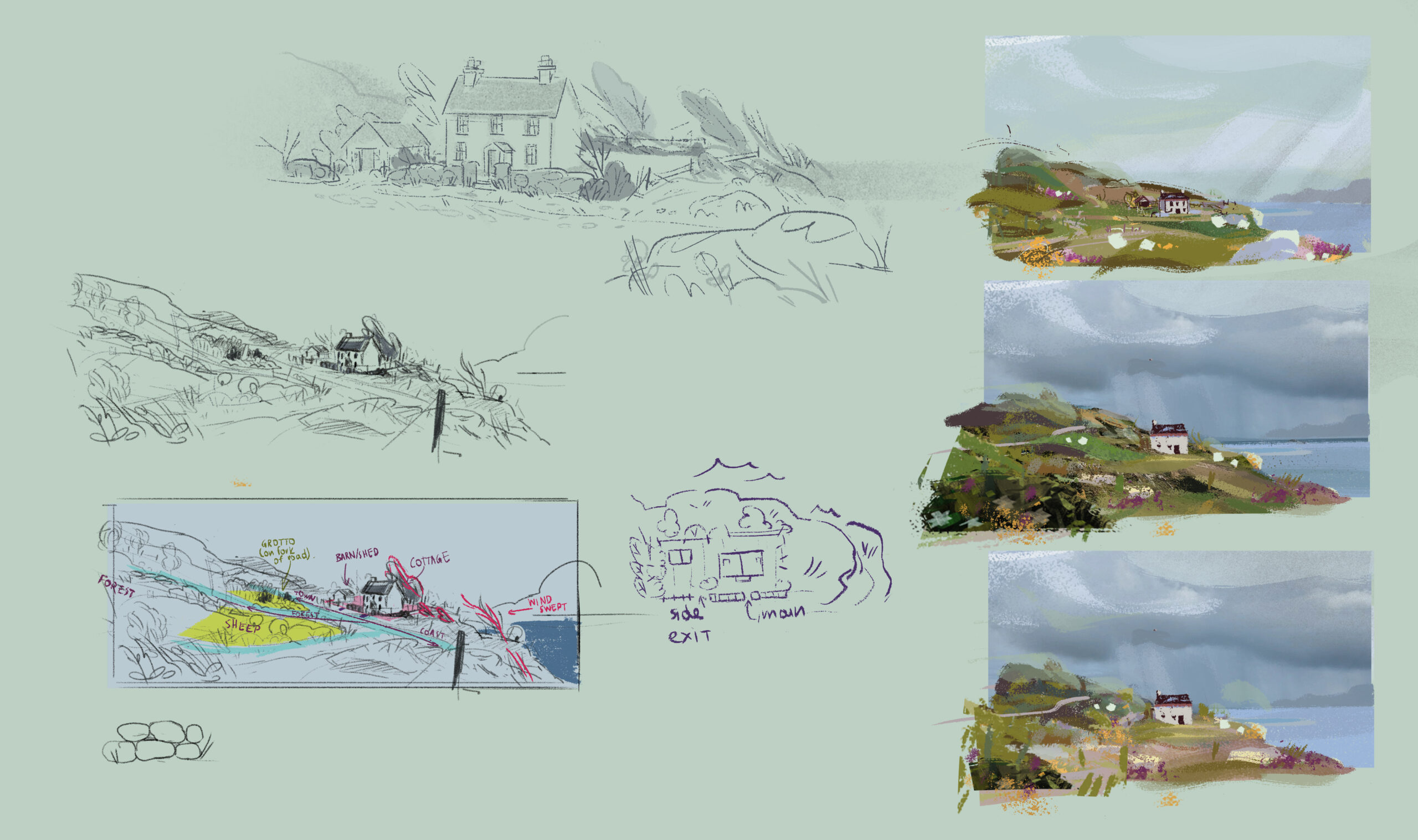
Reading the pitch, I immediately knew I wanted to create these two spaces. The story is about conflict and contrast, and I wanted to enforce that through visual language, animation, and music. The forest, wild, free, no straight lines, soft light. The farmhouse has solid, organized, straight lines, thick and heavy materials, and darker tones and hues. I didn’t want it to be jarring for the audience, moving from one to the other, more a subtle feeling. The character animation reflects this, especially with Mikey. He’s all long limbs and big movements running through the forest, but hunched over and stiff once inside. Composer Brona Martin’s work focuses on creating soundscapes rather than a traditional score, which really helped enhance the atmosphere, especially inside. We feel the stale air, almost overwhelming heaviness, impacted by the sudden silences that are so important in the film’s final moments.