.png)

Why ‘Zootopia 2’ Had To Grow Bigger Without Losing Its Heart
Stay informed with free updates
Sign up to get our news digest — delivered directly to your inbox twice a week.
In the nine years since Zootopia was released in 2016, Walt Disney Animation Studios has released eight more animated features; won another Best Animated Feature Film Academy Award for Encanto, saw John Lasseter leave the studio and Jennifer Lee take over as chief creative officer of Disney Animation (WDA); and last year she handed the job over to Jared Bush.
All the while, the sequel to Zootopia was percolating, with Bush writing the screenplay. In 2024, Byron Howard formally joined him as co-director on Zootopia 2, with their Encanto producer Yvett Merino helping keep the sequel on a steady course.
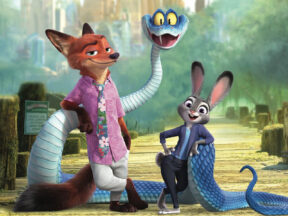
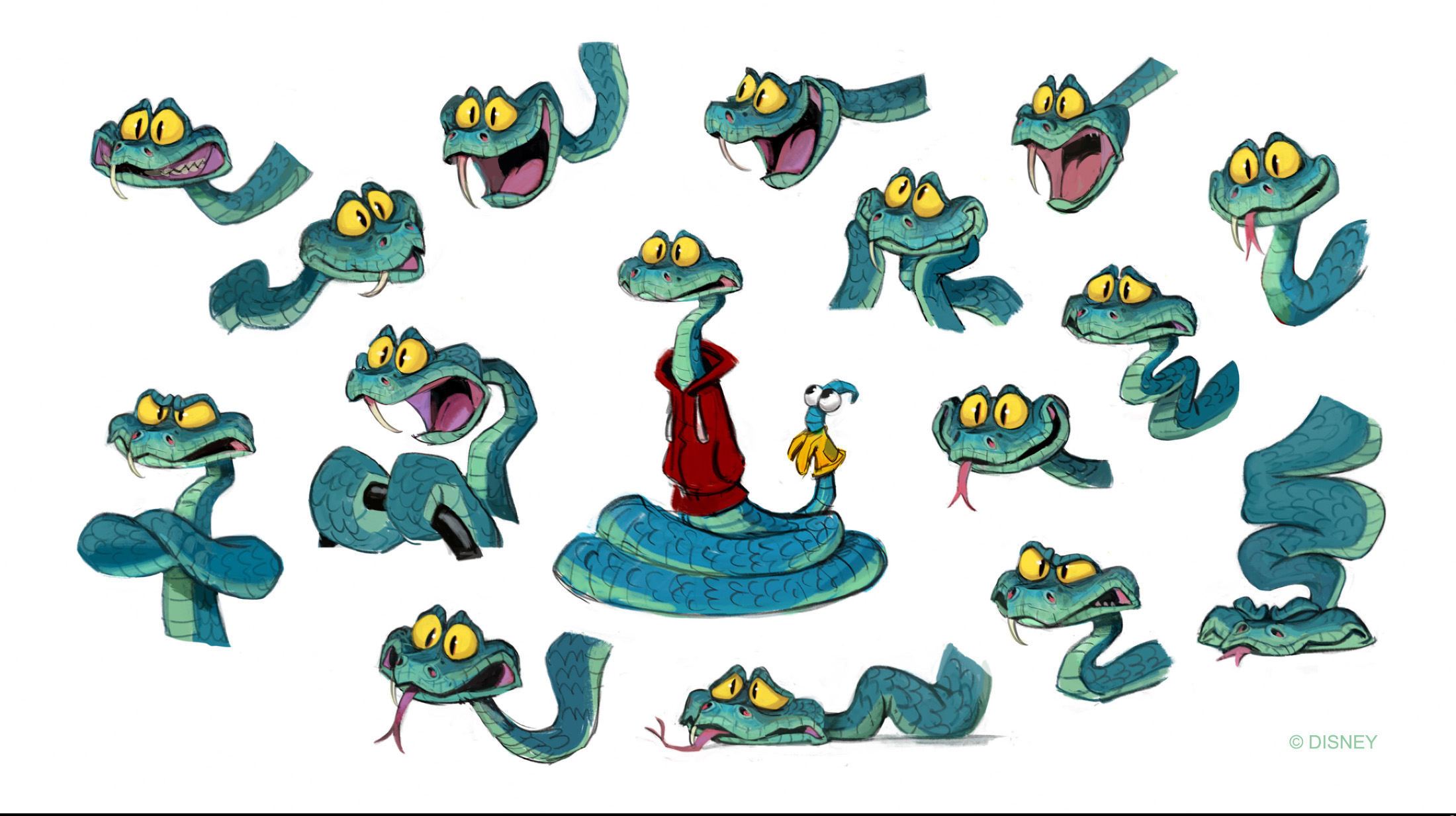
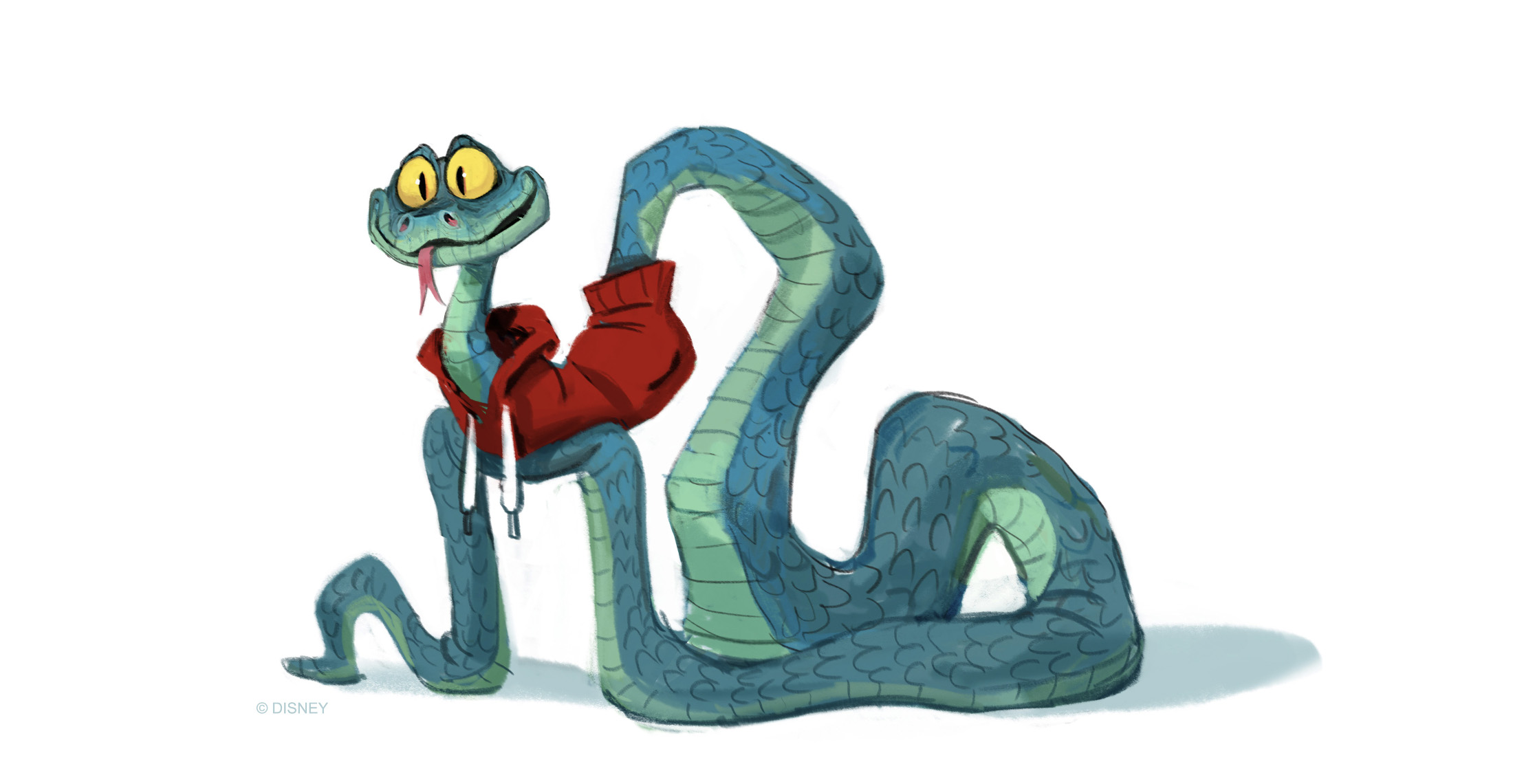
While Howard came onto Zootopia 2 after Bush, the pair shared at a recent press day in Burbank that their early “blue skying” of sequel ideas ultimately became the reptilian spine of the story — specifically, Gary, the mysterious snake (voiced by Ke Huy Quan).
“There’s a piece of paper that exists on a story pad, going back to early Encanto days… Jared did a little sketch that said Zootopia 2, and the two was a snake, so that was key,” Bush said of how they came up with a reptilian antagonist for new Zootopia Police Department partners Judy Hopps (voiced by Ginnifer Goodwin) and Nick Wilde (Jason Bateman). “Because the world is so huge and because we had to kind of hold back on how many animal species we included in the first film, we were very anxious to go [there]. We always knew that reptiles are out there, and other animal species that are out there. We just hadn’t been able to talk about them with that first film.”
Bush continued: “As we step into this story, I think the fun mystery is, yes, why did we not see them in the first film?” he says of the missing reptiles in Zootopia. “And that’s actually pretty fundamental to what the story is. Trying to explain that in a way that not only gives us a great mystery, but also ties to Nick and Judy’s relationship, hopefully, in a way that is surprising to people, I think that was a very fun part of this.”
Later during that separate press day, Cartoon Brew sat down with Bush and Howard to discuss the pressures of making a worthwhile sequel to their award-winning original, how they split their directing workload this time around, and Bush’s vision as the new CCO looking forward.
Cartoon Brew: Jared, as you’re knee deep in making Zootopia 2, you’re also taking over the creative reins at WDA. How did your macro role inform your micro role as the co-director?
Jared Bush: I really mean it when I say that this place is really built on collaboration. And that is real, and that’s what makes our movies great. When I first came to Disney… Byron hired me, and that’s real. I think the most incredible thing about that was that Byron immediately taught me how this whole place worked and welcomed me into places I had no business being, just to give me exposure to how every department here works, or people that are just fun to meet, or ways to approach story. So often, you’re so focused on making something perfect that you’re not taking as many risks as you need to take, or you’re not failing as much as you should to find something better. And so I’d say that as we’re moving forward, we need to make sure that this whole building is sort of bringing their best selves, but also feels free to fail sometimes in order to find something better. I think that’s a big part of it.
For this movie specifically, what I needed in this new role was people who would push back and challenge — and that’s something that Byron is always militant about. It’s so important to be able to trust everyone around you and to know that our movies can always be better. But that’s what everybody here wants to do, at the end of the day. They want to make a great film that they can be proud of and show their family and say, “I did this!” When we do it right, it lasts for years and well into the future. And that just comes down to really hard work and letting amazing people be their best selves.
Cartoon Brew: Zootopia’s animation really holds up almost a decade later, as does the film’s ambition with scale and environments. As you joined the sequel, what did you want to see in this one that would raise that bar again?
Byron Howard: One of the things that we always tried to prioritize in the first one — and we did again with this one — is that you almost have to do a kind of secondary or third pass over the movie to ask, “Are we really delivering on what the world should be?” Like, if this is truly a world designed for animals by animals, is there something that we’re not showing — even things like the elephant gym, accessibility for different scaled animals, or just thinking outside of our typical human world? Or even approaching the story through a different lens, and I think that’s been great.
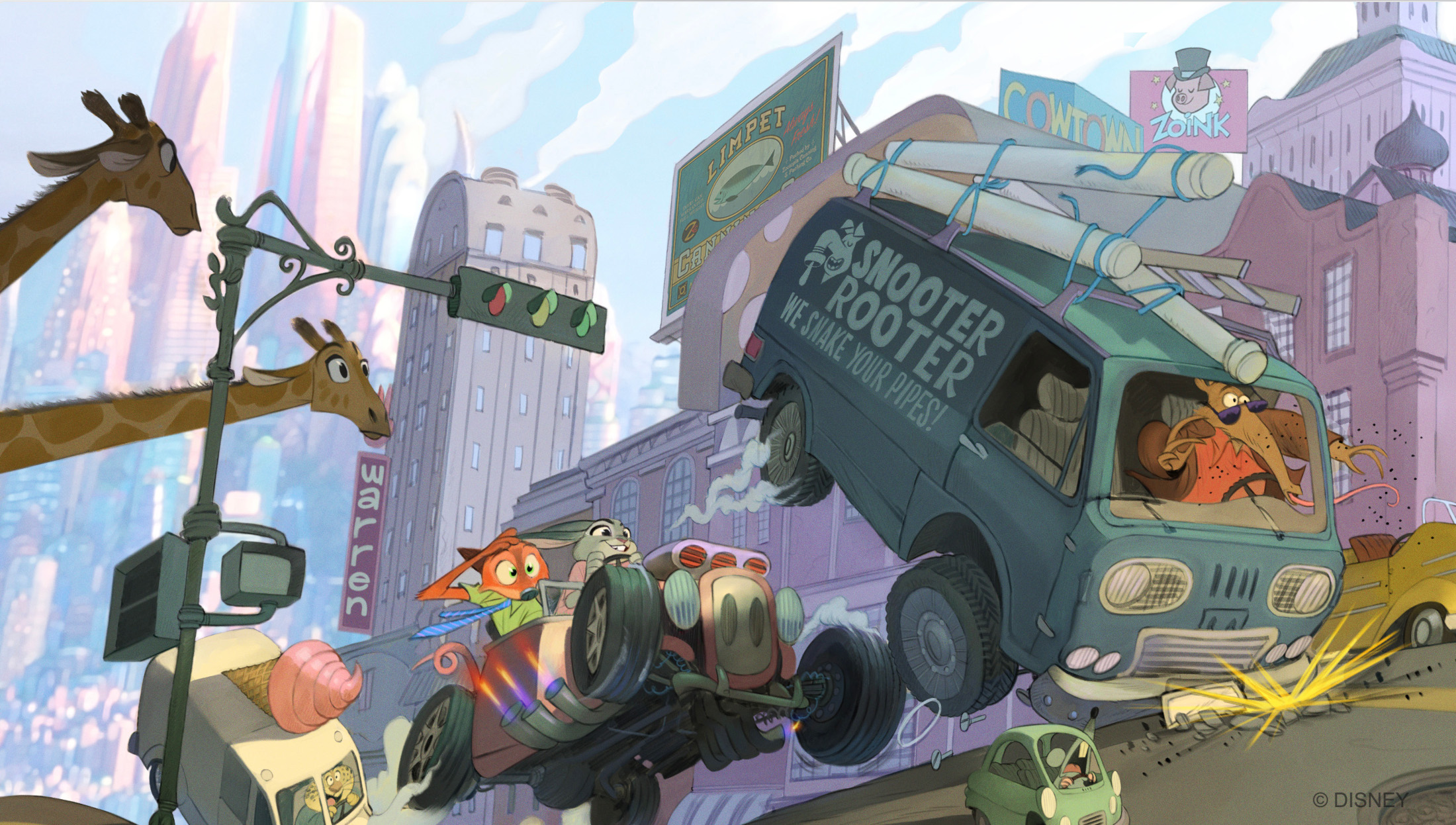
One of the things I’ll say about [Jared]: I’m so proud of him and what he’s doing as the CCO. Even as I saw him establish the team around this film early on, that sense of collaboration and safety to take risks was already there in that team. I could tell from the outside that this film was going to be great because of that collaboration and that feeling of creative risk and safety that he was already establishing. And I think it’s because we love the world and because we always want to make sure that we, as a team, are delivering on what the movie should be and what it should say. We’re always scrutinizing that and relying on people around us to challenge us and make sure we’re living up to that bar.
Cartoon Brew: The original film was fun, but it also contained such a potent story about otherness and the biases inherent between species. Thematically, Gary the snake seems to carry through that otherness message. How do you expand upon that in the sequel, or improve your storytelling when it comes to impactfulness?
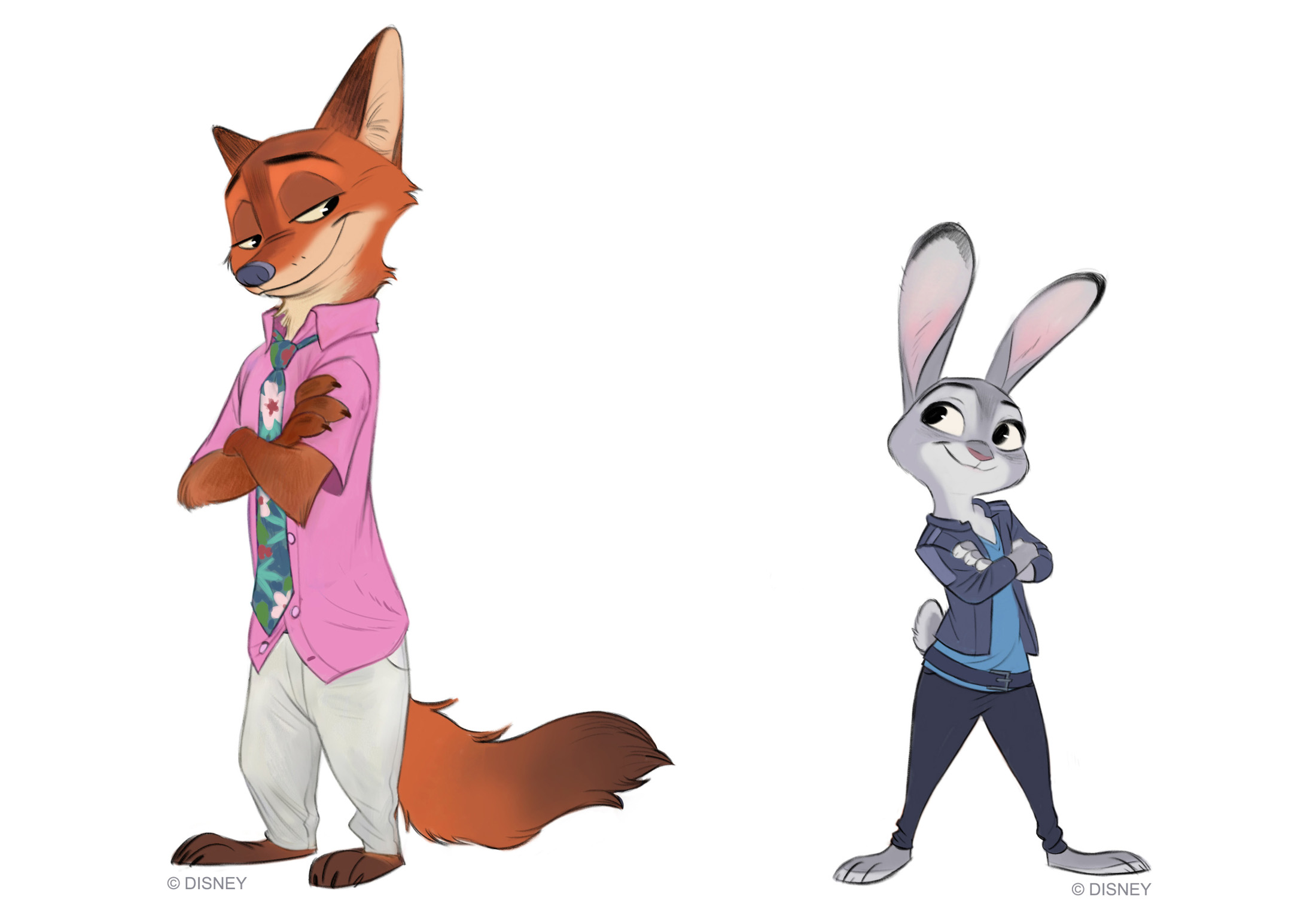
Bush: Well, I think you used a really important word — “expand.” As we went into the story, first and foremost, we knew we needed to anchor this movie around the Judy and Nick relationship, so that had to be front and center. Anything that was not that, we needed to make sure was kept at the right level, so you’re really focusing there. I think the trick — and what’s really difficult, but luckily, we have a lot of really smart people — is how to take their relationship and scale it out with everything else that’s happened in the movie so it feels like what they’re dealing with is also happening on a macro level, with reptiles coming into the storyline.
The difference between Nick and Judy as fox and rabbit, predator/prey, that we set up in the first film — we didn’t want to repeat ourselves. But there are other things we can explore about differences and how folks work together. Nick and Judy were together for 48 hours in the first film, but that doesn’t mean they’re meant to be together in the long run. There are still things they need to learn about one another, as we all do.
As we started this story, just like the first film, it’s about universal human truths that can feel very relevant to the moment but also timeless — truths you could revisit 10, 100, or 1,000 years later and still recognize. Something we always challenge ourselves with is finding those truths, because then the story feels bigger than any single moment in time. It feels like we’re talking about human nature. And when we tell these stories at our best, we’re diving into human nature so it always feels relevant.
Howard: I think the movies that we love the most are huge, epic stories told through very personal lenses. If that personal part isn’t there, then it falls short for us — so that’s really been our priority on both films.
Cartoon Brew: How do you guys work best as co-directors? How do you split the responsibilities and your strengths so that whatever needs the most attention during production gets it?
Bush: We did every other frame. [Laughs]
Howard: I think we try to be on the same page for our crew. They rely on us to make sure we’re messaging our intentions clearly and staying as aligned as possible. That said, we have very different strengths, which gives us a lot of flexibility. Because we try to iterate bravely and take big swings, sometimes we need to split up. But we stay aware of what’s happening and trust each other.
Despite some differences in our approach, we have very similar tastes — what moves us to tears in a movie, humor, sense of scale, our responsibility to the first film, and respect for our crew. Those shared characteristics help a lot.
Bush: I’d say for me, coming to this job from a writing perspective is very different than coming at it from an artist’s perspective. But some of our greatest strengths come from that: sometimes Byron needs to dive into his skill set and solve something visually; sometimes it’s about solving it on the page. We trust each other to say, “Okay, now it would be great if you did that part.” I can’t tell you how many times I’ve been in a meeting trying to explain something and I’m like, “This just doesn’t make any sense at all….” And Byron’s like, “Put the eyebrow one pixel down…” and it’s solved. That happens all the time.
One of the really fun parts is we try to be in as many things together as possible, depending on where we are in the process. Sometimes it’s not even disagreement — it’s just instinct. If we’re in the room together, we can merge ideas. But to your point, we also try to hone in efficiently so people aren’t spinning. And a lot of what we do is ask someone else in the room, “What is your idea?” Often, the best nuggets come from that collaboration. Really, it’s about fostering that environment more than anything else.
Cartoon Brew: As you look forward, WDA has a mix of new stories and sequels. Within the boundaries of your creative freedom, what would you most like to help ignite at Disney?
Bush: Zootopia is a great example: there’s something special about creating something original. It’s become harder to make something wholly new that people are drawn to — but it’s critical. Some new, original idea will always be the thing people want more of in the future.
At the same time, we love telling stories we care about and spending more time with characters we love. A common misperception is that there’s an edict saying, “We need this and not this,” or “Do this instead of this.” It’s actually never that. It’s always: is this story ready? Is it worth five years and 1,000 people’s lives? Will it stand the test of time?
Whether it’s a continuation or something original, we pressure test: is it entertaining enough? Big enough? Is it something we feel we can knock out of the park? That’s what matters.
This interview has been edited for length and clarity.
All pictures courtesy of Walt Disney Animation Studios