.png)
‘Defined By Silence And Bursts Of Violence’: Guillaume Dousse On ‘Splinter Cell’s’ Slow Burn
Stay informed with free updates
Sign up to get our news digest — delivered directly to your inbox twice a week.
Adult animation fans, rejoice! Splinter Cell: Deathwatch, a project made possible by the latest partnership between Ubisoft and Netflix, lands on the streaming platform on Tuesday, October 14.
Developed by Danish studio Sun Creature and brought to life by French animation powerhouse Fost Studio in collaboration with Æsten — a young production company founded by Splinter Cell: Deathwatch director Guillaume Dousse (artistic development on Oscar nominee Flee) — the 8×22-minute series blends gritty realism with striking action sequences, strong performances, and a riveting techno-thriller atmosphere. Co-created and written by John Wick and Nobody screenwriter Derek Kolstad, the show is directed by Dousse alongside Fost co-director Félicien Colmet-Daâge, who previously worked on Patrick Imbert’s acclaimed adult animated film The Summit of the Gods.
Cartoon Brew spoke with Guillaume Dousse about the making of this unique show—one rooted both in 1990s live-action espionage thrillers and in Satoshi Kon’s realistic cult classics.
You boarded the show as production designer and ended up directing the whole season. Can you tell us more about this journey?
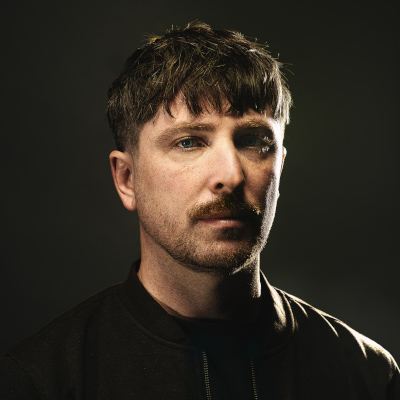
Sun Creature, the studio I co-founded, was approached by Netflix and Ubisoft to develop this new Splinter Cell series. At the time, I was the creative director, so the idea was for me to find the aesthetics and art direction that would satisfy both Netflix and Ubisoft’s expectations. As we became more and more involved in the project, I started handling production design — defining the characters, overall cinematography, and visual elements of the series — along with Derek Kolstad. After about four months of development, Ubisoft and Netflix seemed very happy with the direction things were going and asked me to join the project as director — a fantastic opportunity. It really began once we received the first episodes and could determine how to handle the overall arc of the season.
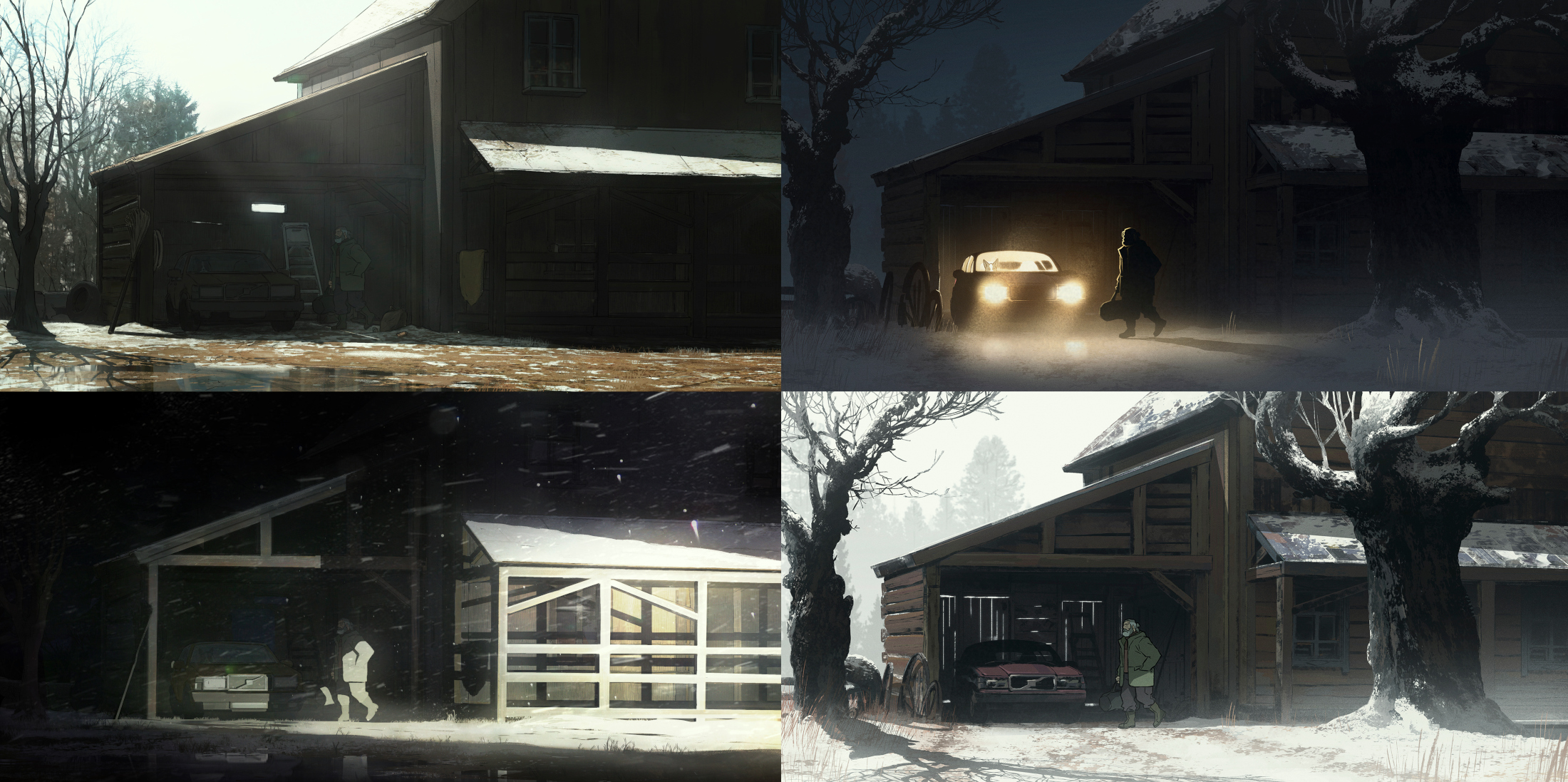
As we understand it, you developed the series with Sun Creature, then brought it to life with French studio Fost and your own company. What caused that transition?
At that time, Sun Creature was producing both long-form animation and branded commercial content, but the scale of this show was enormous. Since we didn’t want to take unnecessary risks on a project of that size, it felt natural to bring in another partner—and that turned out to be Fost. They had just finished The Summit of the Gods, had already established a very strong pipeline, and proved to be the perfect partner for this project. Sun Creature handled all editorial and visual development — the animatics and storyboards — while Fost took over layout, animation, and asset production. As director, I started at Sun Creature and then moved to Fost, where, two years into the process, I met my co-director, Félicien Colmet-Daâge, who took charge of the series’ production. As a trained animator, he brought tremendous value to the characters and animation overall.
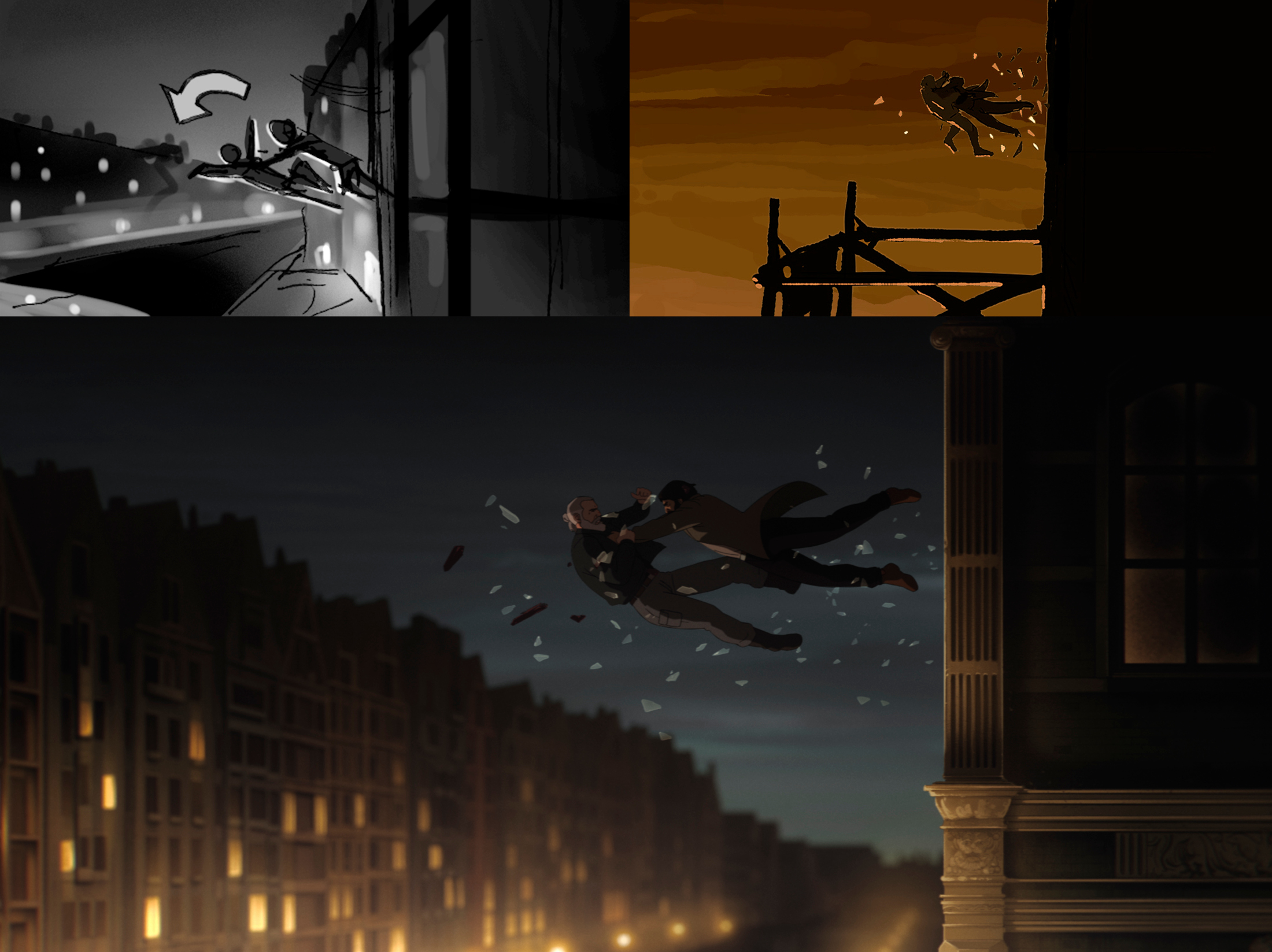
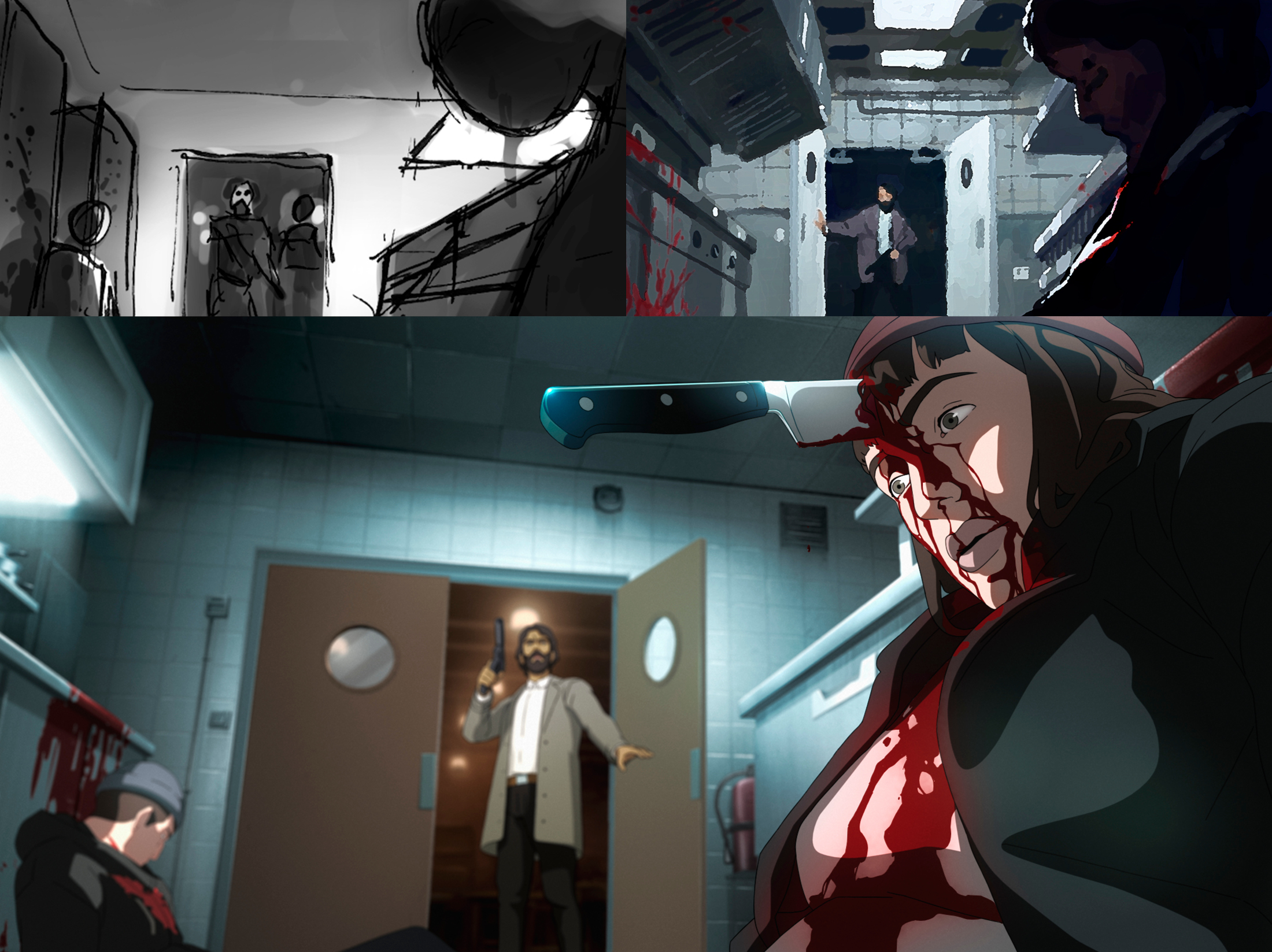
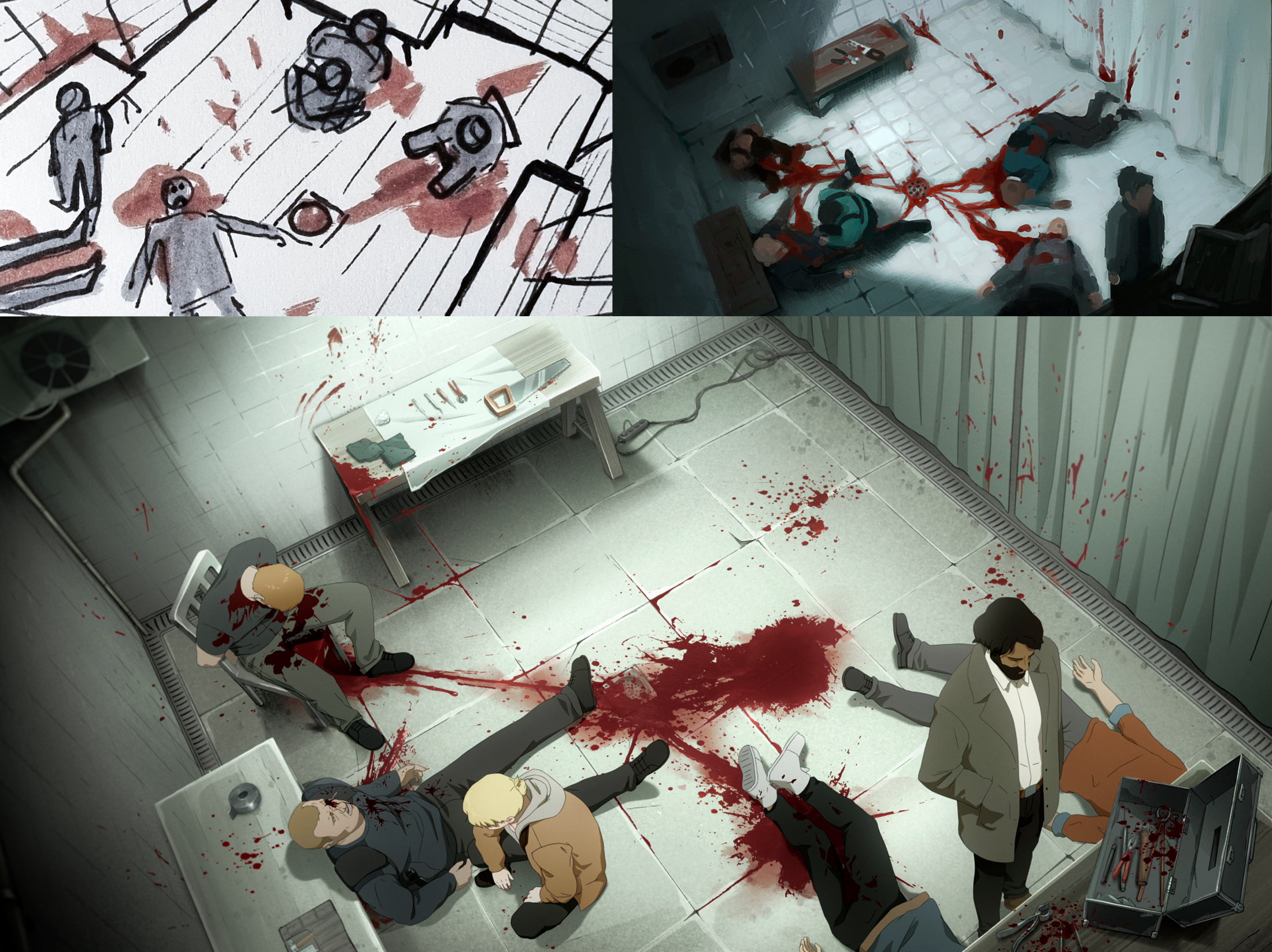
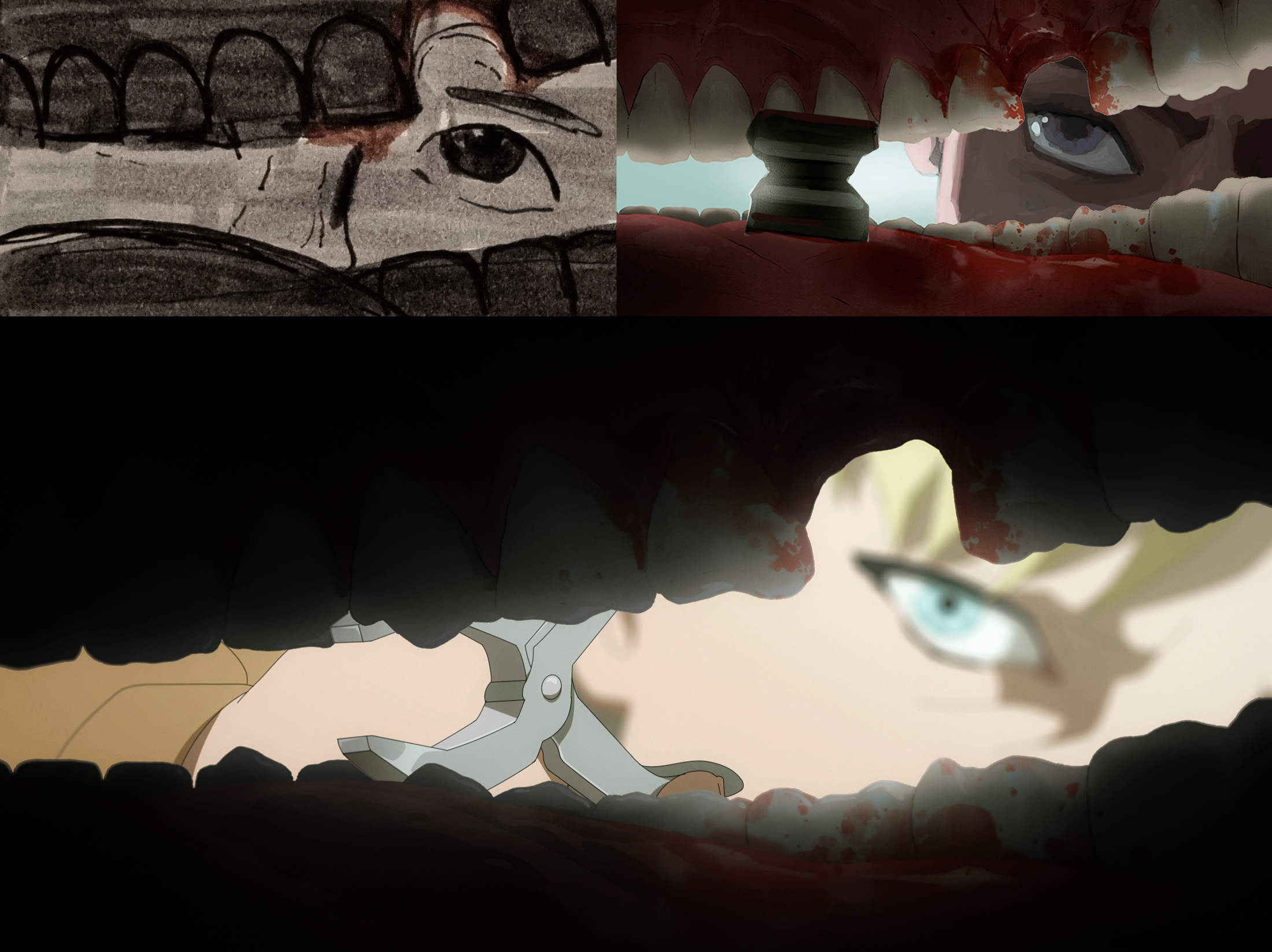
Going back to the writing process, how was your collaboration with Derek Kolstad?
The key figure was my wonderful producer, Hugo Revon, and his team at Ubisoft. He was the one who connected us with Derek and his writing team. From the very beginning, Derek had established the characters’ foundations and narrative arcs, but there was still room to explore different approaches to their look and feel. It was a truly collaborative process, especially during the storyboard phase. We worked together to refine pacing, structure episodes, and bring the creative vision to life through many iterations between Derek, Ubisoft, and our teams.
Back in Annecy, Félicien Colmet-Daâge mentioned that you had 250 artists split into 13 teams, working through a 15-step pipeline to create roughly 4,000 shots. As director, how did you handle that scale?
It takes a village to create a show like this. Everyone brings their own creativity, and there’s immense attention to detail. Animation on that scale is very structured, so I worked closely with 10 to 15 people on a day-to-day basis, my core “cell,” which we called the editorial team. The producers at Ubisoft worked primarily on writing, but I also collaborated daily with Matias Wulff (script editor), Javier Salvador (storyboard supervisor), Thomas Belair (editor), and Morgane Dupré (assistant director). They were the core of our decision-making process. Everyone managed their own teams, and when Fost came on board, Félicien stepped in to oversee the Paris-based teams. Because we were working on a tight schedule, we needed multiple teams working simultaneously, which meant a lot of artists.
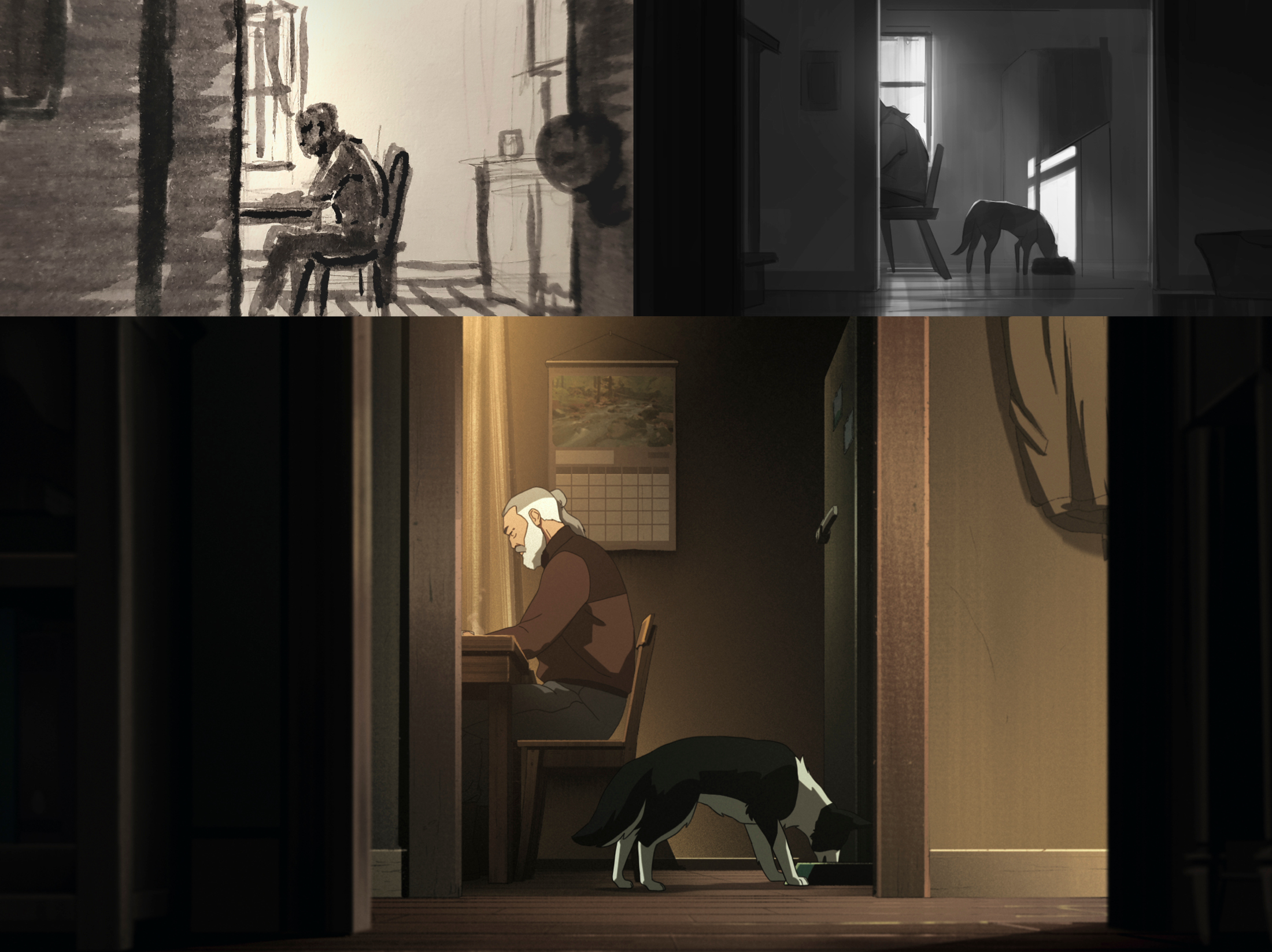
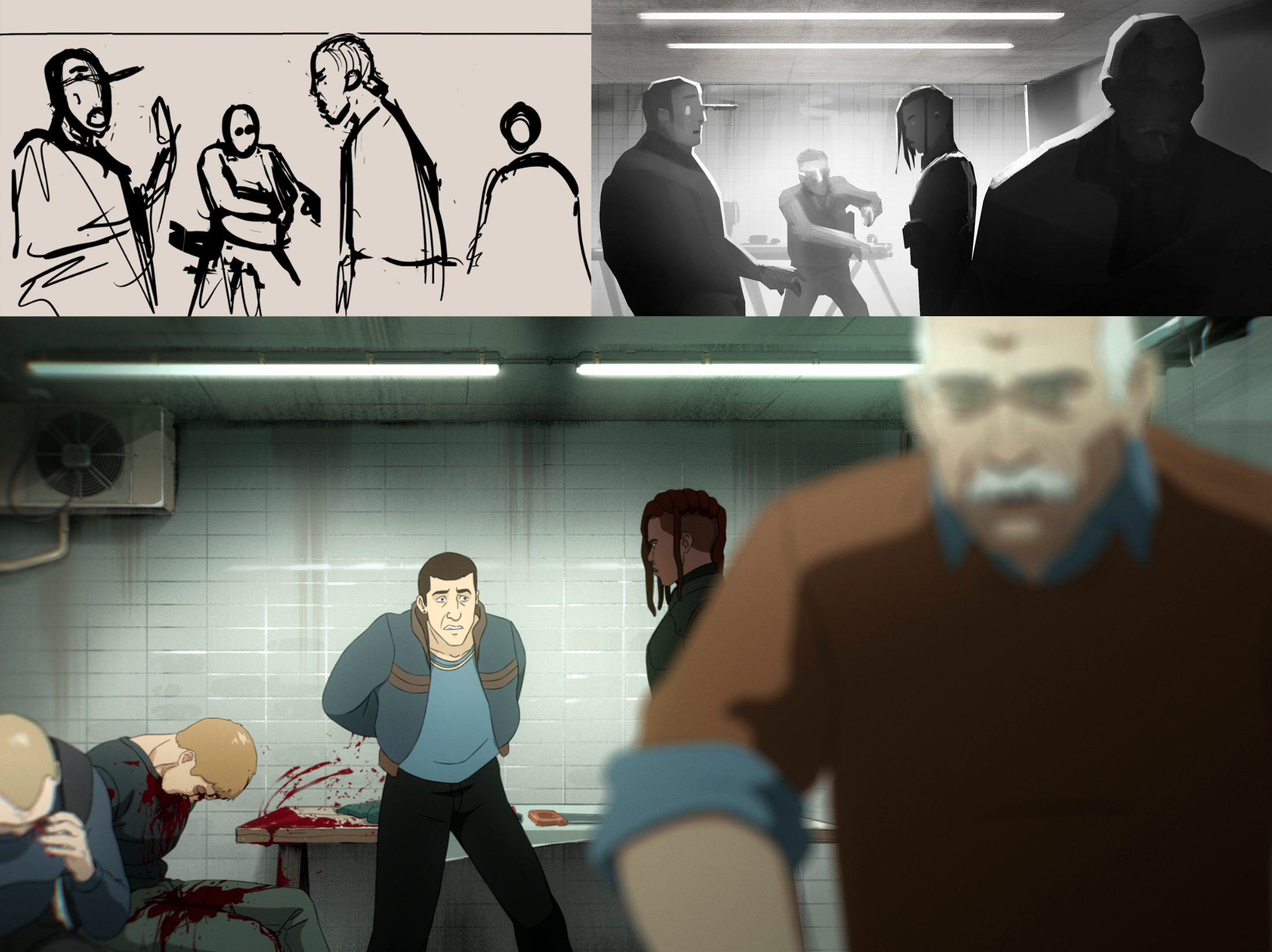
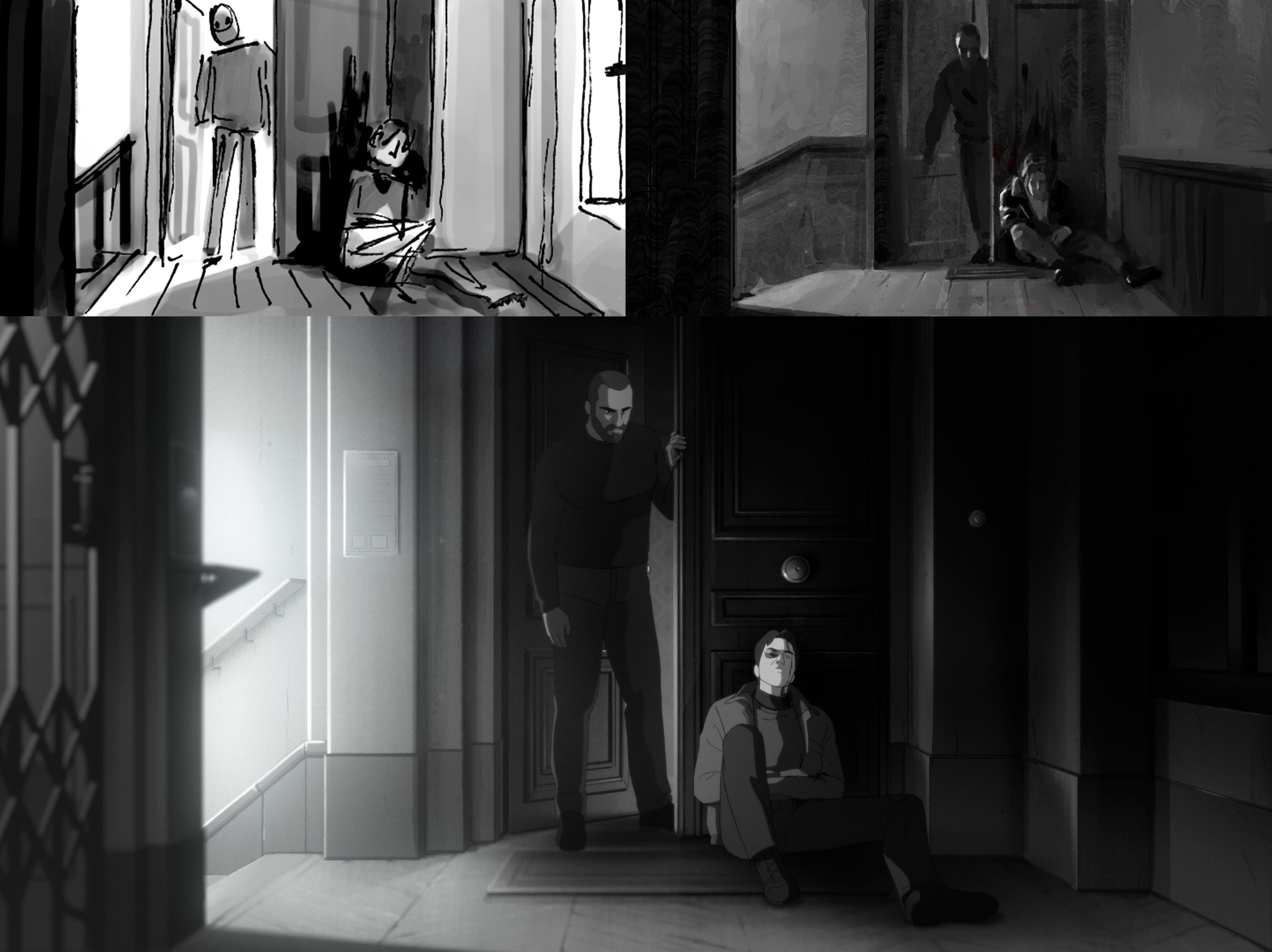
What stands out about the show—in both action and style—is its gritty realism. Why was it important for you to make it so grounded?
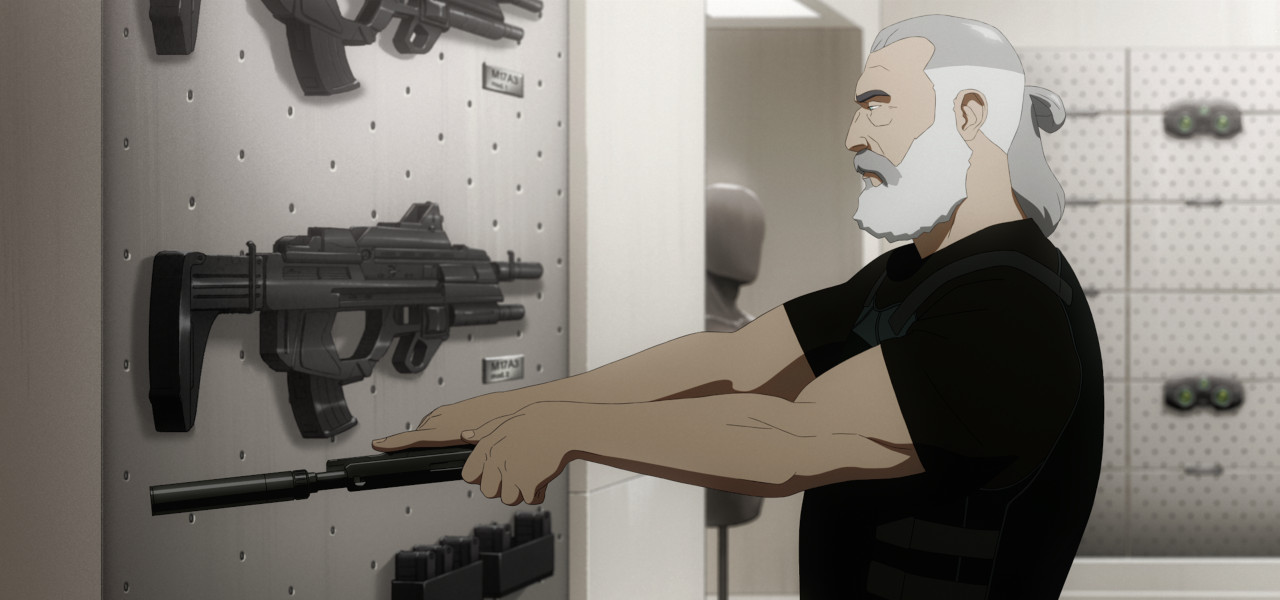
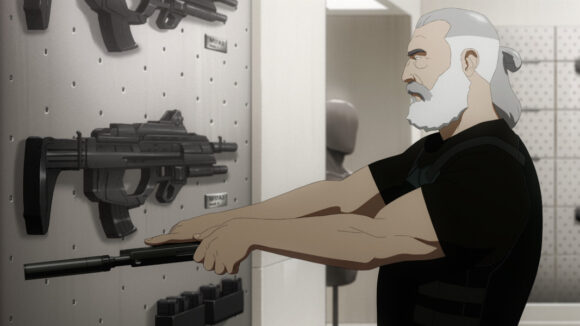
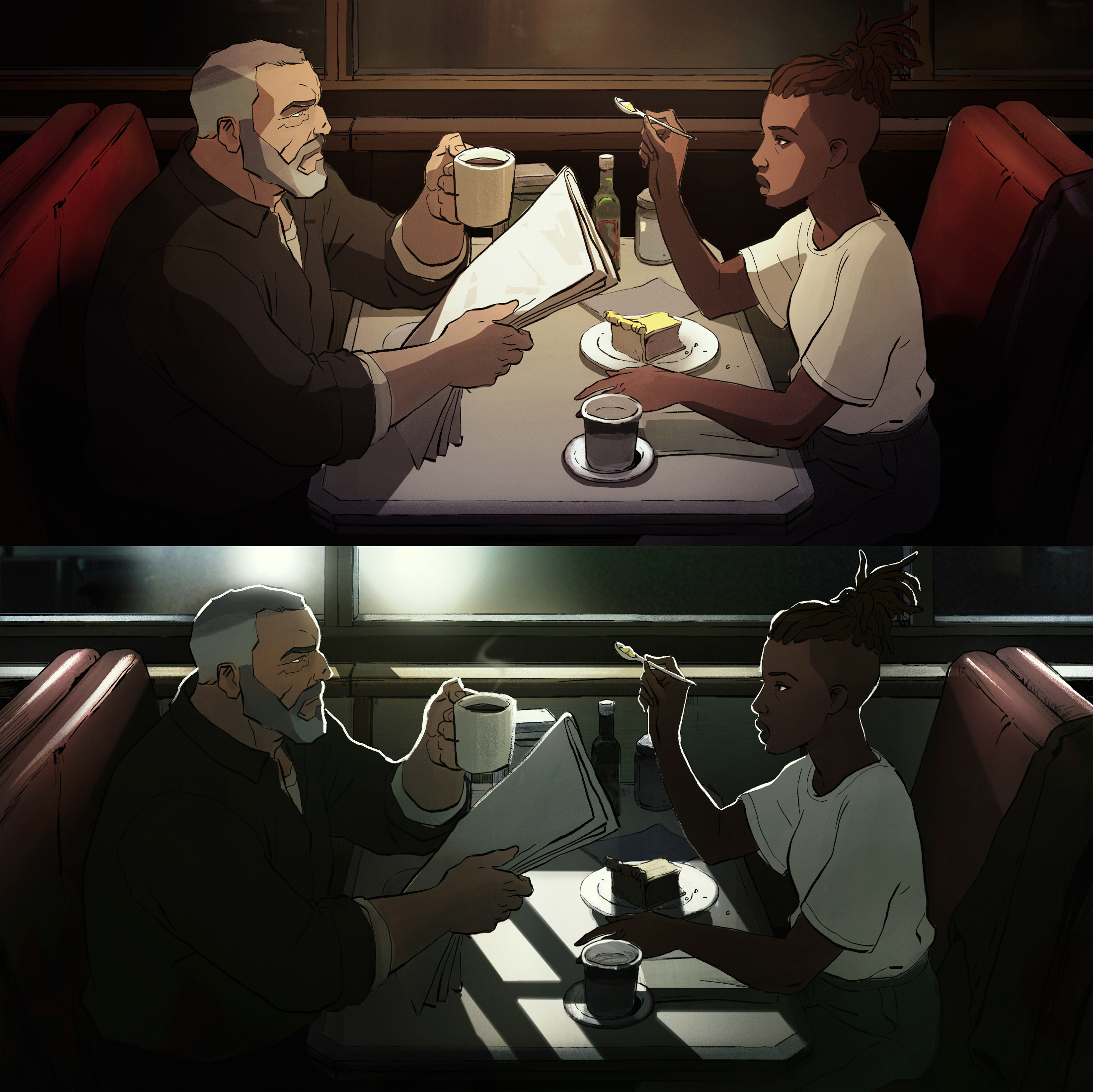
From the start, Derek imagined an older Sam Fisher who reluctantly returns to the Fourth Echelon. This tension between nostalgia and the weight of the past was key to developing the show. We wanted to convey decades of field experience, lost friends, and the legacy of a character who appeared in six games but hasn’t been seen in a decade. That’s what we wanted to portray. What I truly admire about Derek’s work is that he wrote a show defined by silence and bursts of violence. It’s never voyeuristic or gory for its own sake, but each fight and kill carries real impact. Slow-burn live-action films like Eastern Promises and A History of Violence have that balance between restraint and sudden intensity, making them more visceral. That quality is present in our aging Sam Fisher.
Beyond the raw action sequences, there’s also remarkably strong acting that grounds the characters and elevates key plot points.
Yes, and one of my favorite scenes shows that beautifully. The facial expressions and nuances are exceptional; the animator did a fantastic job on that one. Overall, we worked with two different voice directors, and I participated in every voice-casting session. We managed to create a great ensemble that gives the show its grit and realism while avoiding any cartoonish tone. It was a great learning experience for me, managing subtle character nuances, doing multiple takes, and discovering these protagonists as the process evolved.
The show’s atmosphere—from lighting to staging—is particularly striking. Can you tell us more about that aspect of the project?
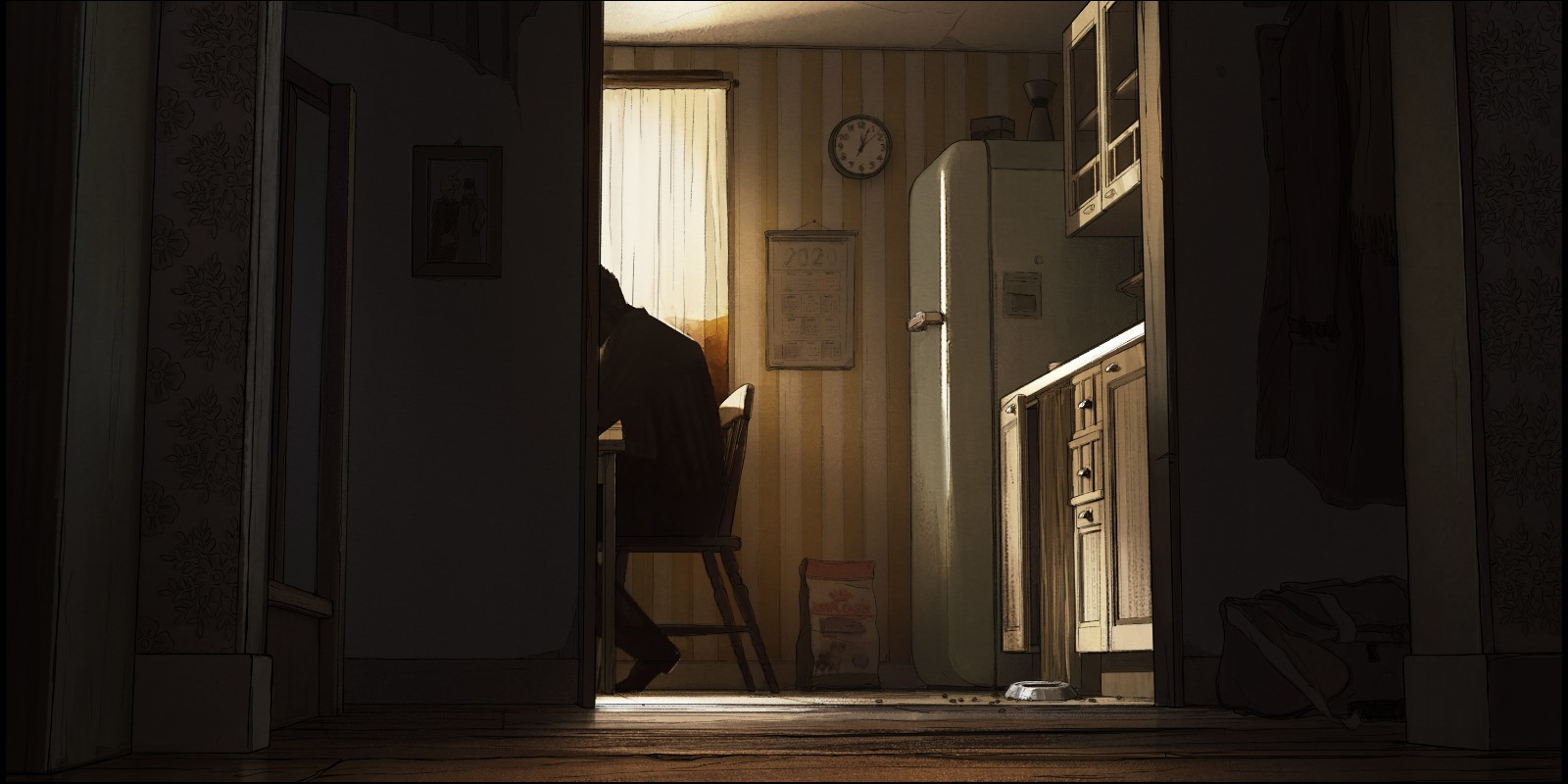
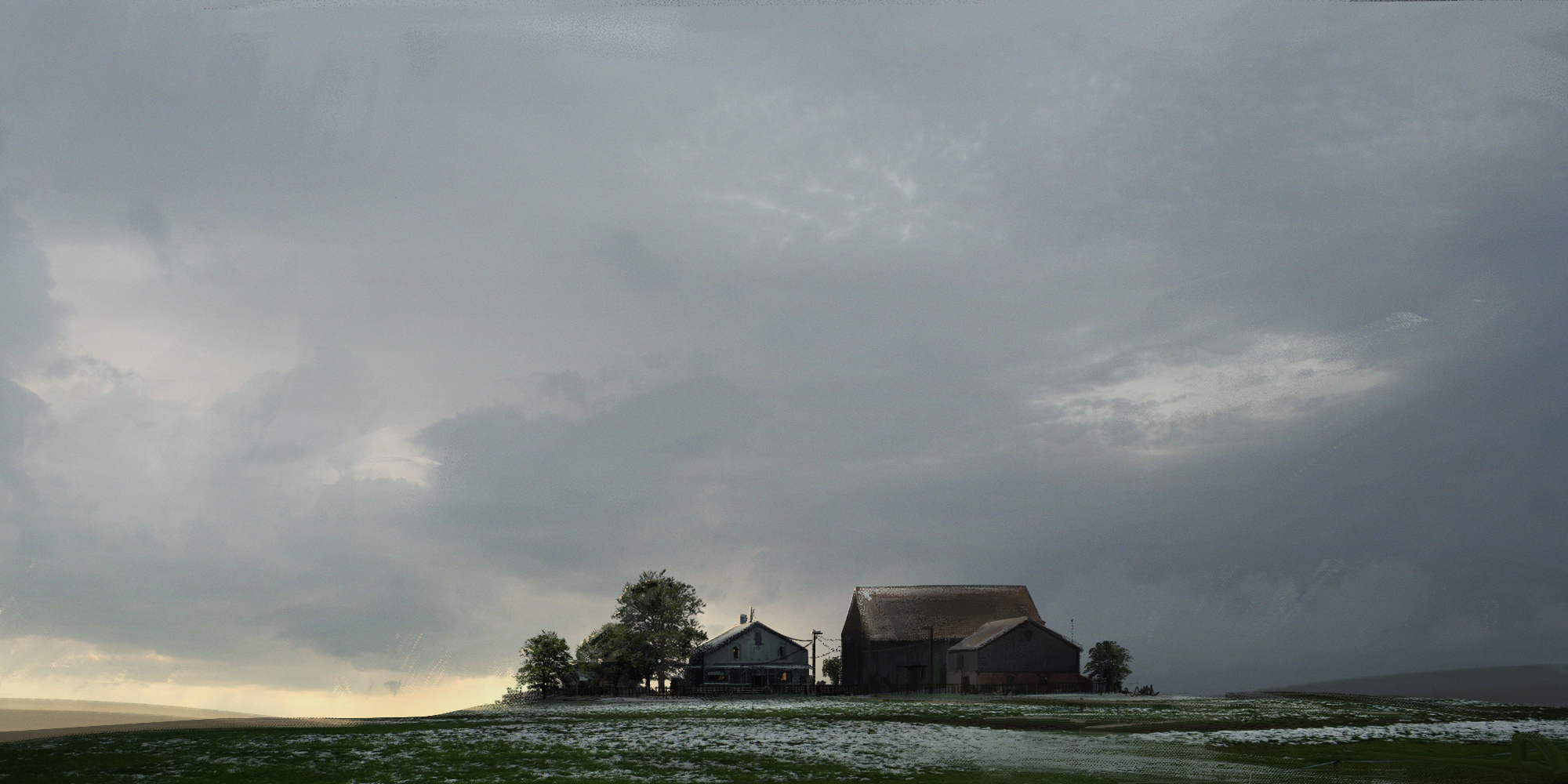
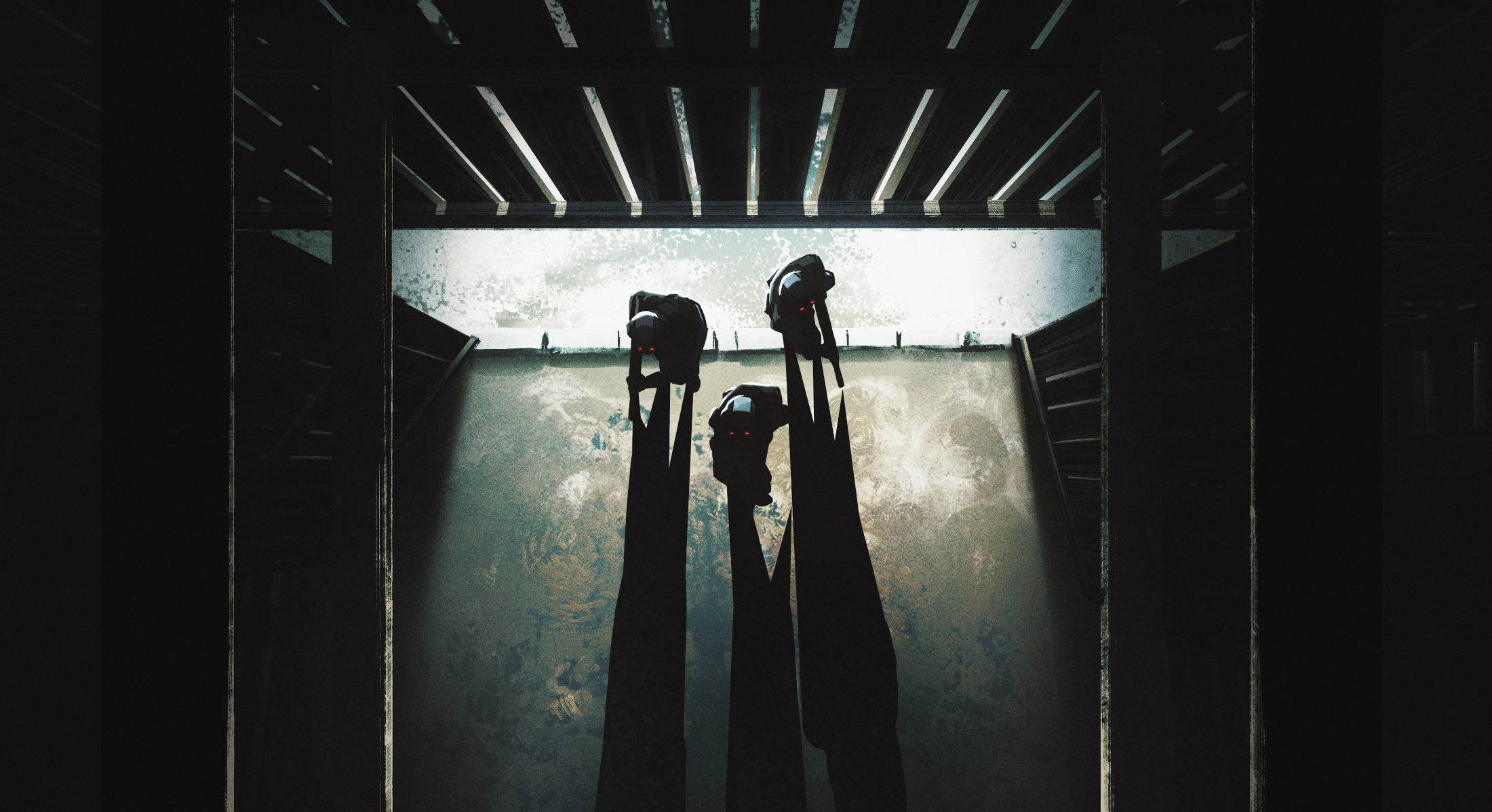
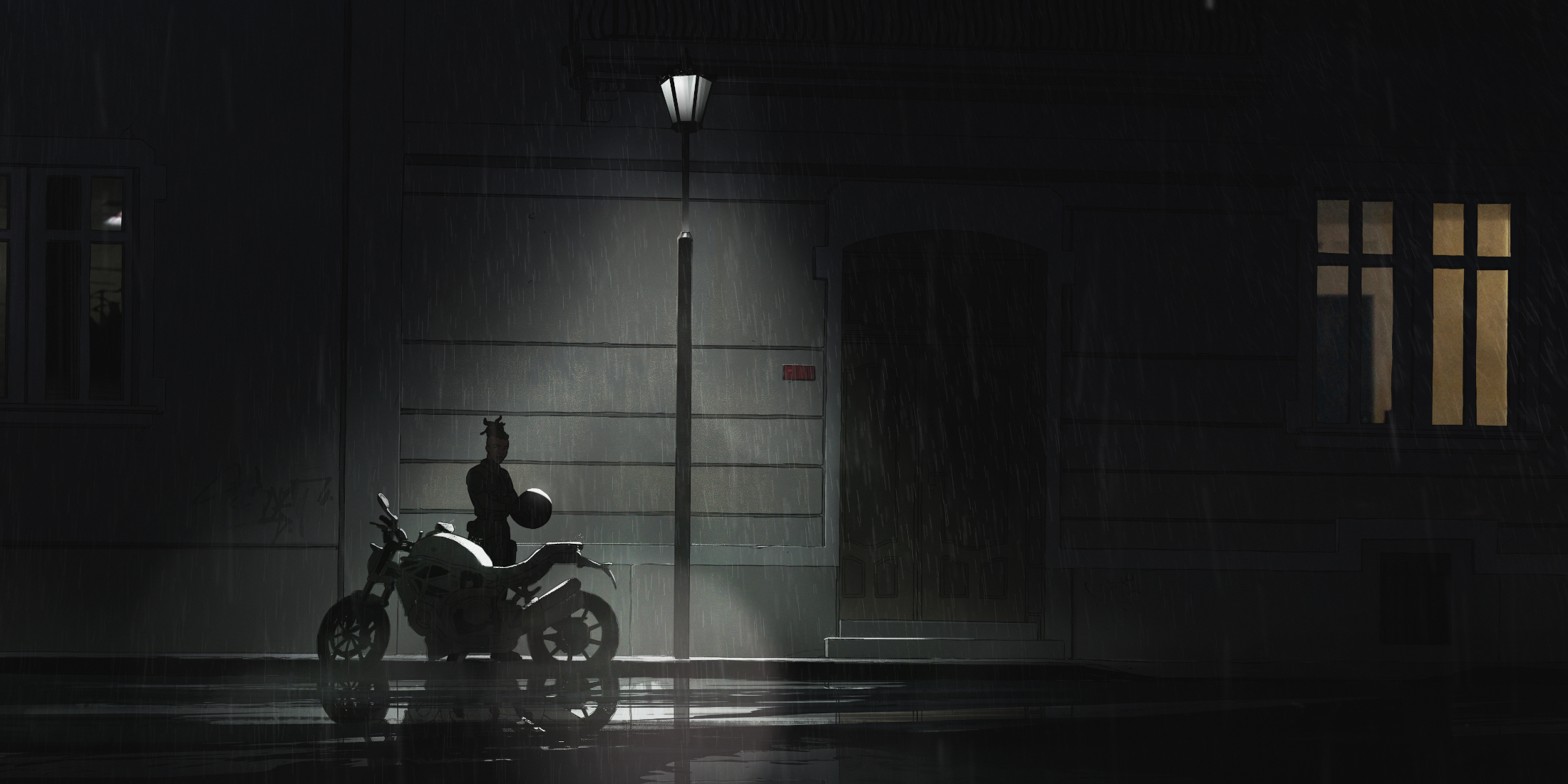
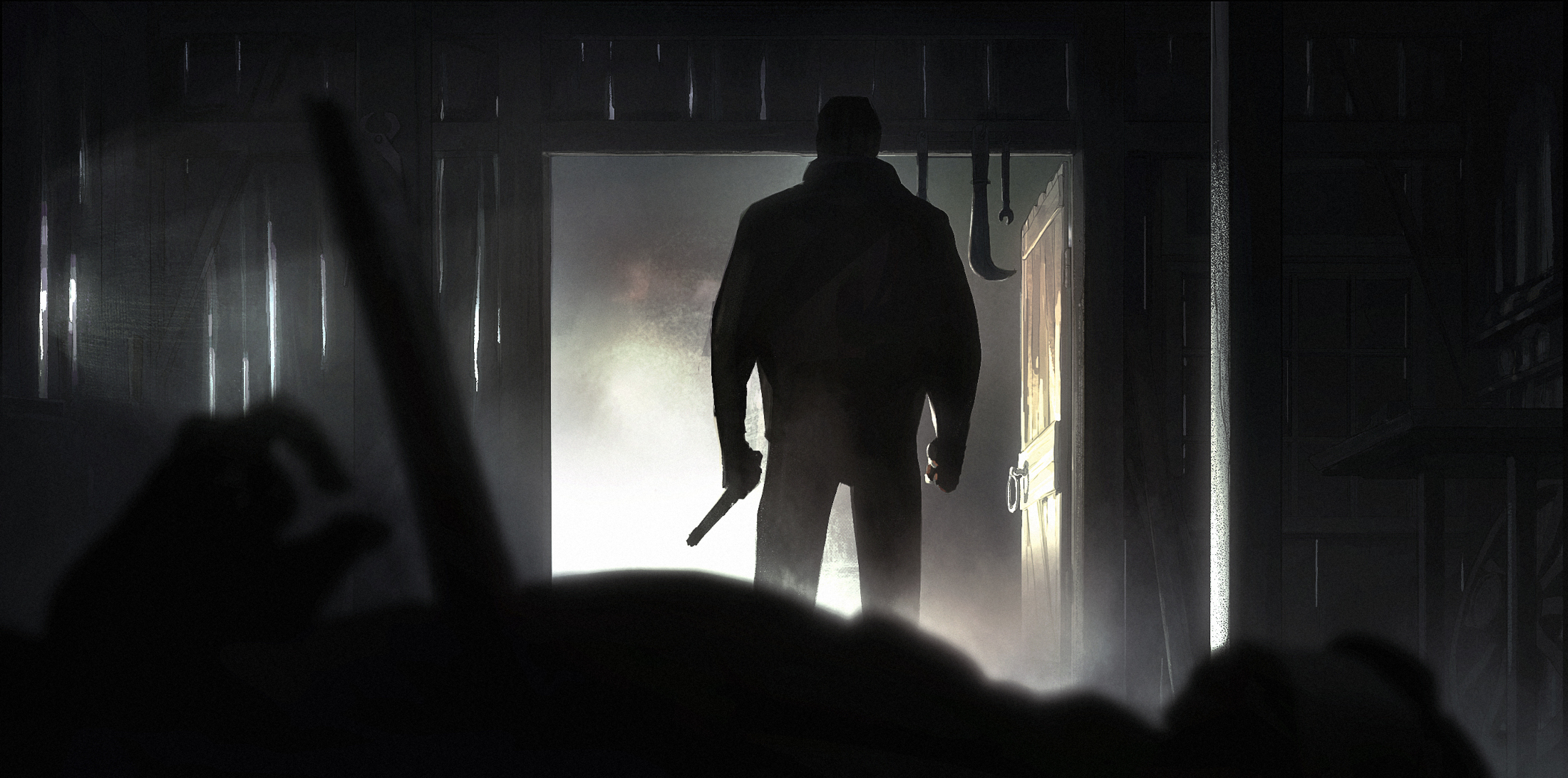
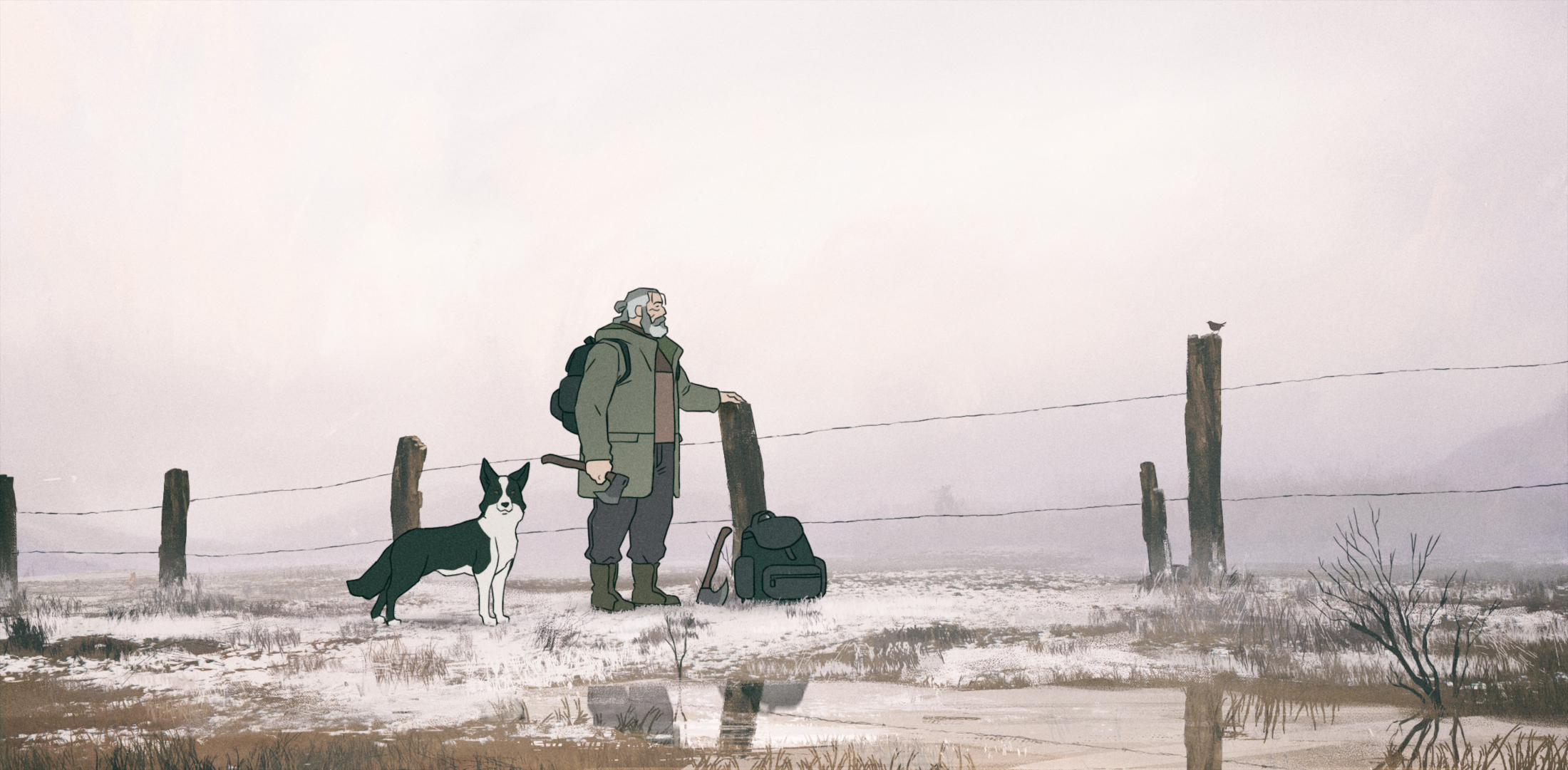
Those elements go beyond the script. I wanted visual beats to land, such as Sam and Gunther going through the window, the long shot during the soccer match, or the ship sequence. Our challenge was to make those moments count by giving them space—to let them breathe within the story. For lighting, I drew a lot of inspiration from live-action films and from Satoshi Kon’s realistic sensibility. I wanted an analog feel, reminiscent of films like Munich, The Usual Suspects, and the works of live-action DPs. Rather than using flashy colors, it was about restraint—crafting realism through subtle lighting, precise color grading, and the masterful sound design and editing of our teams. I discovered much of that during post-production.
How do you feel now that the show is about to reach audiences?
Very excited. It’s been five years, and I want people to feel the artistry and narrative we poured into this project. I also hope the series contributes to the larger conversation around adult animation and what the medium can achieve with mature themes. People often ask, “Why not make it live-action?”—but there are many reasons why animation made sense for this project. I’m curious to see how audiences respond. To me, animation is all I know, and I think the medium offers the unique capacity of syncing every detail very early on, and to have this overall vision in your mind that you can progressively develop as well. The process of creating animation is also an aspect of the medium I love.
It’s very collaborative, and working with so many people makes it quite special. Not only can you tell great narratives, but you can also explore visual styles and sensibilities that you wouldn’t have in live-action. Finally, and I know we’ve heard that before, but I think it’s always good to mention again that animation is cinema. It has as much merit for telling a realistic story as you would have to do in a different format, and I think that in the torrent of content that is being produced and delivered to audiences today, animation has this capacity to stand out, to be something else. A medium that will connect games of comics fans, but also animation and live-action fans. That was the intention for this series, and I’m curious to see how the audience reacts.
Any plans for a second season?
That’s not really for me to say. We focused on giving this first season a sense of closure, but I’m definitely excited to see what the future holds for the series.