.png)
‘The 70 Deadly Sins’ Turned The Shock Of USC’s XA Shutdown Into An Experimental Short (EXCLUSIVE)
Stay informed with free updates
Sign up to get our news digest — delivered directly to your inbox twice a week.
This year hasn’t gone quite the way that Chinese animator Zehao “Tara” Hou planned. She started 2026 working on The Mobius of Life, a film about nature and philosophy, while completing her first year in USC’s Expanded Animation Research + Practice MFA program. Then the university uncremoniously announced that it would close the program, known as XA and launched only a few years prior, effective June 30.

“I felt like there were so many emotions inside of me, and I couldn’t let them out,” Hou told Cartoon Brew in a recent conversation.
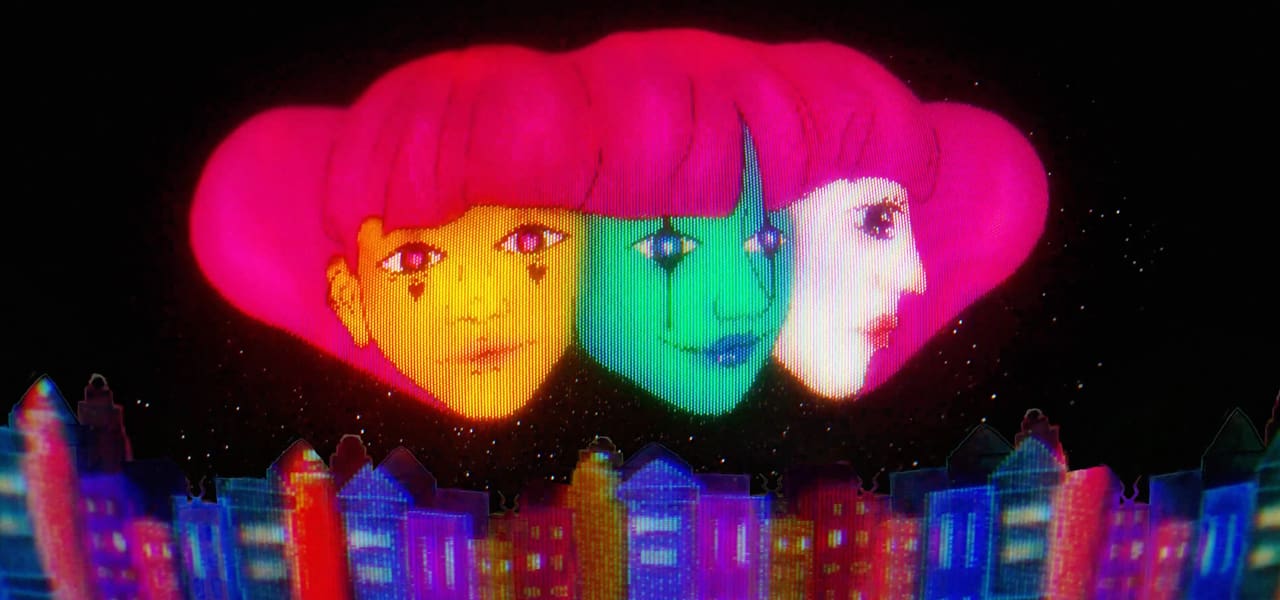
She abandoned the project she had planned and, in roughly ten days, wrote a new script, created new opening and closing material, and pulled two years’ worth of animation experiments into a three-minute short called The 70 Deadly Sins, which we’re excited to exclusively debut today.
“It was a really intense journey,” she told us, “but it was a good way for me to release my thoughts and my emotions.”
Little Sins
Those earlier loops began as My Little Monsters, small embodiments of the contradictory voices and opinions in Hou’s head. “I thought it was really interesting just to study myself through these little monsters,” she said. Over time, however, she began to see them less as private quirks than as behaviors popular among people living in a highly interconnected 21st century.
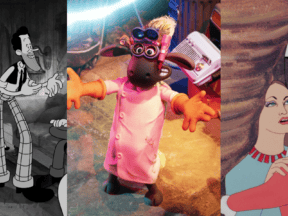
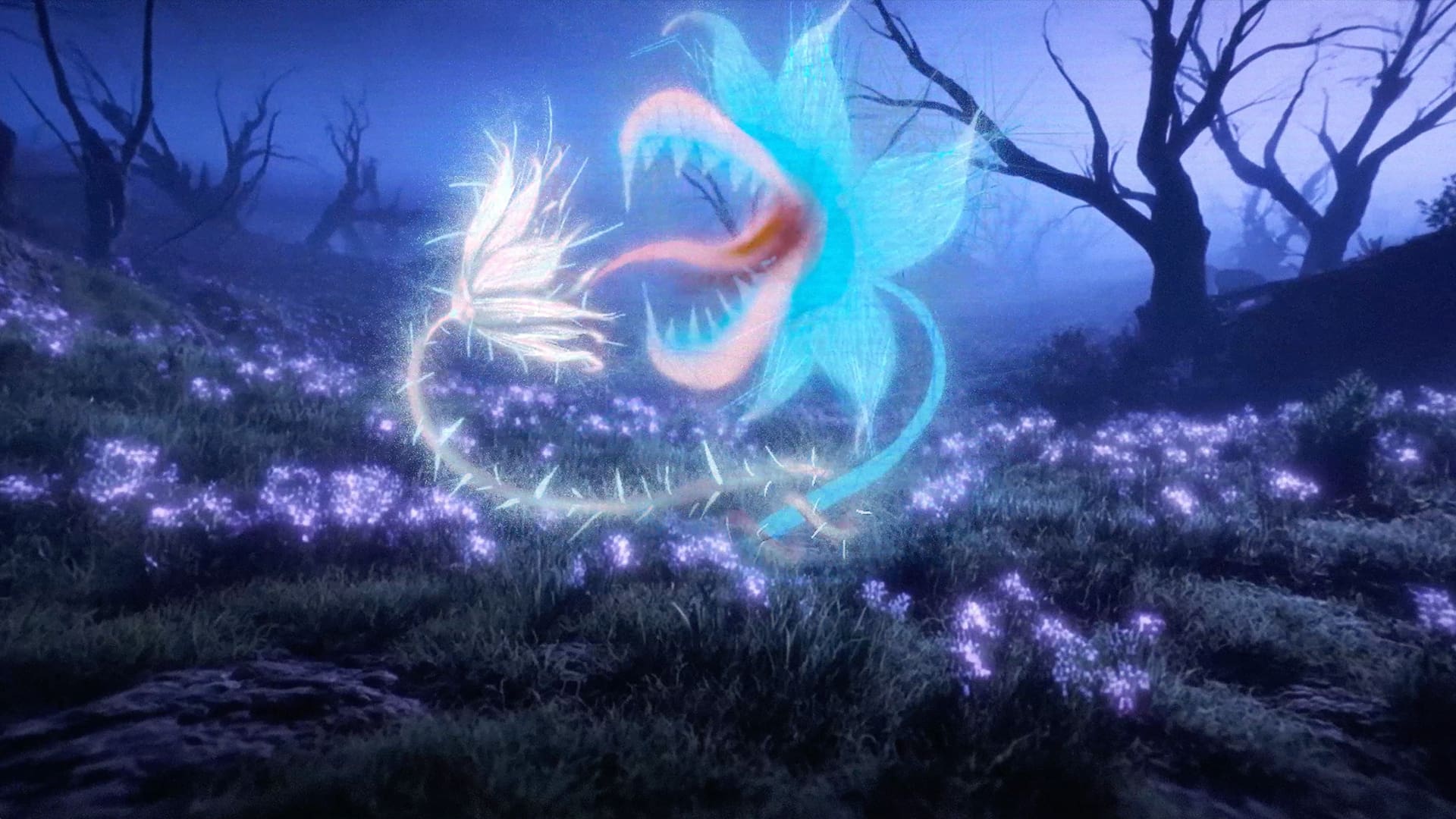
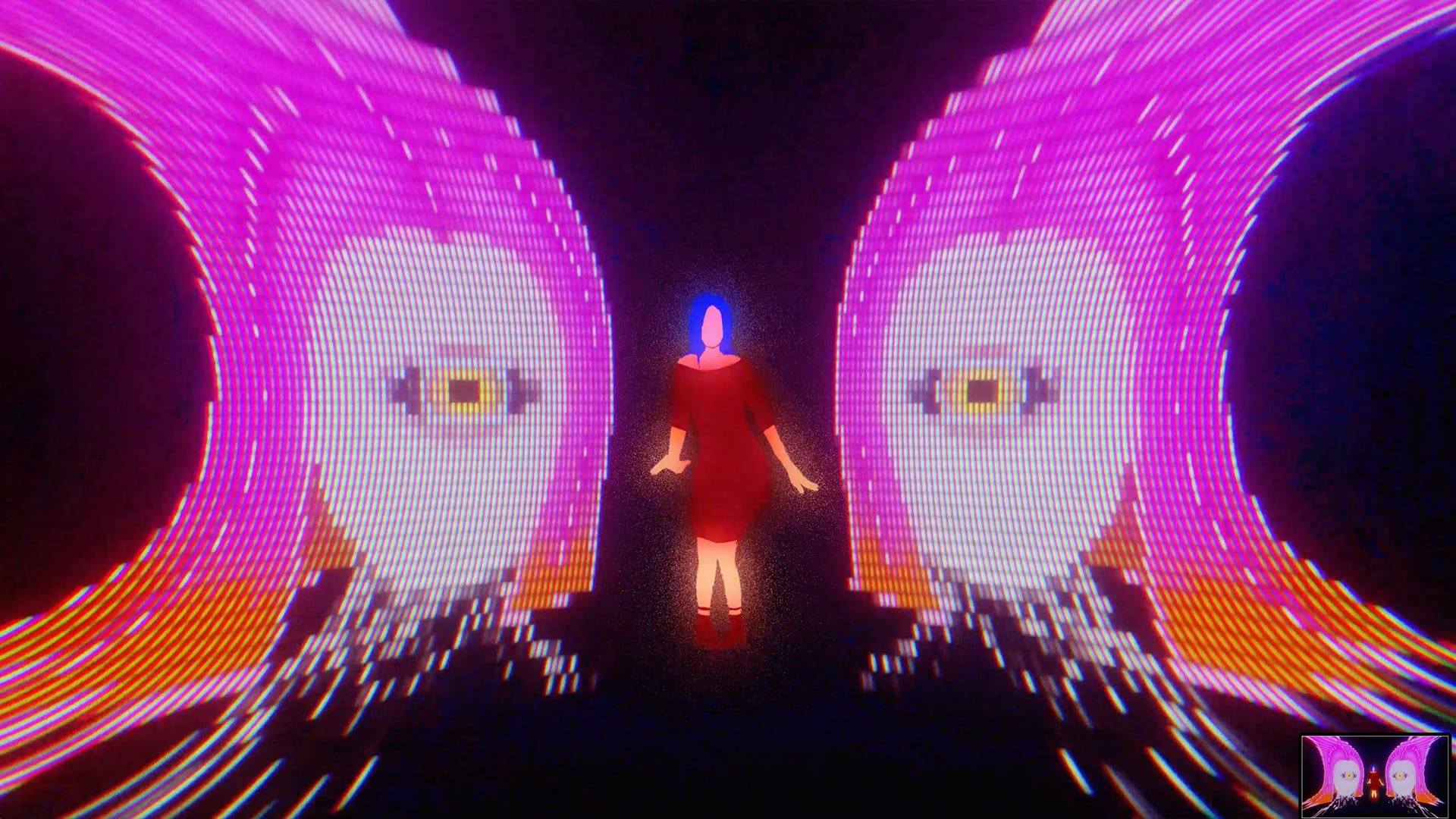
Reframed as the first seven of a proposed 70 contemporary sins, the loops became a study of how technology, the internet, and social media are changing human behavior, often without people noticing. Each vignette has its own visual identity, but together they speak a shared language of restless figures, transforming bodies, bright colors, and repetition.
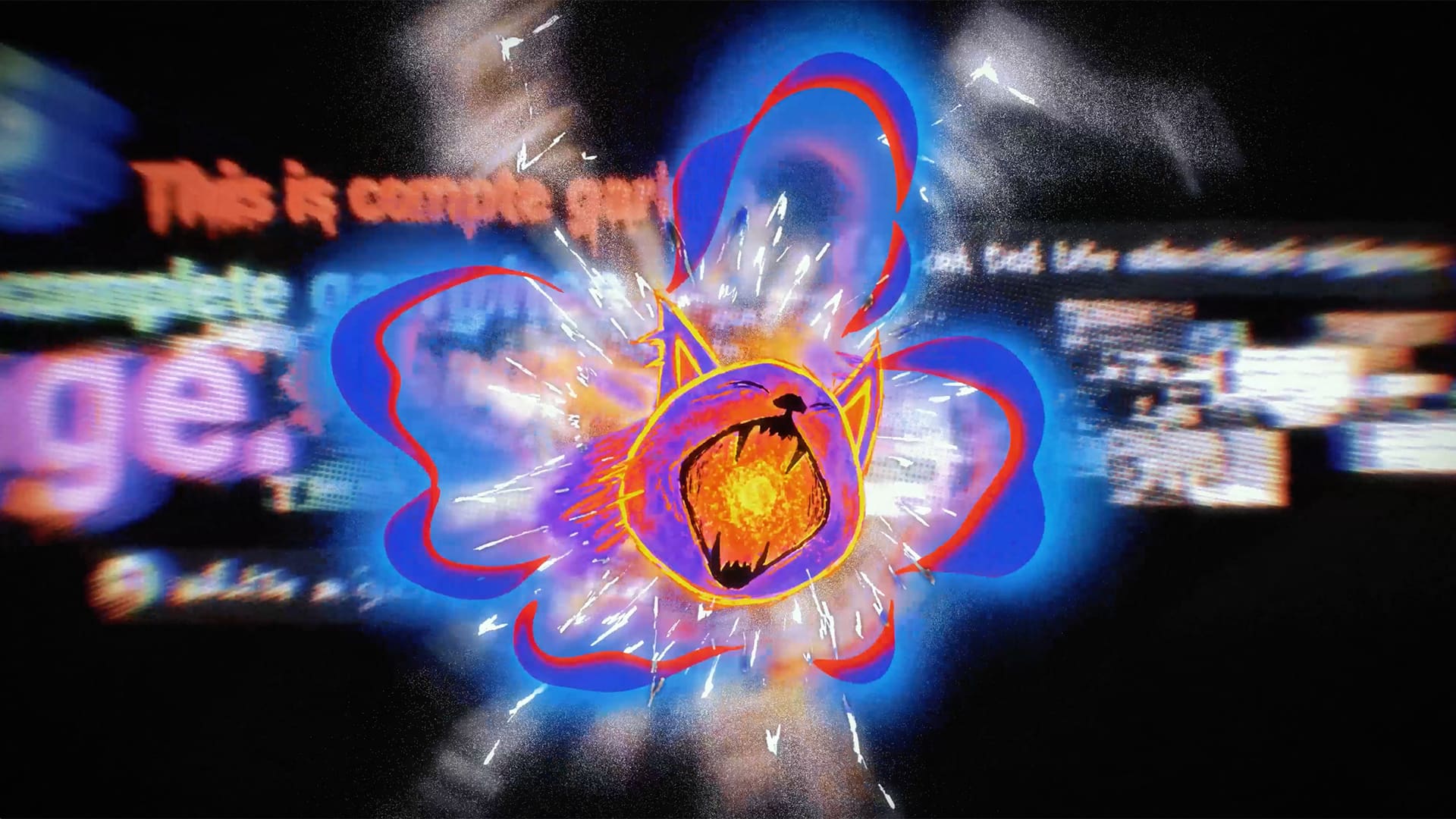
The film’s animation was done digitally, hand-drawn, frame-by-frame in Procreate and Procreate Dreams. She edited in Premiere Pro, completed final compositing in After Effects, and used TouchDesigner for some backgrounds. The backgrounds in the “Snapping” and “Malblooming” segments combine AI-generated footage with After Effects. Hou saw those sequences as a chance to test how generated elements could interact with hand-drawn animation and whether the two approaches could coexist within the same visual language, in the spirit of the soon-to-be-defunct Expanded Animation program.
XA encouraged students to move among 2D and 3D animation, stop motion, VR and AR, immersive installation, motion capture, AI, and other forms. In Lisa Mann’s classes, Hou worked with sand, food, paint, and projection; Kathy Smith introduced her to more technology-based approaches. The My Little Monsters loops were also adapted into a projection-mapping installation and a VR immersive project. The installation appeared in Concrete Oasis 3.0, an exhibition by Mann’s XA installation class held at Grand LA in April.
“I draw on my iPad frame by frame, and I do stop motion. And they’re working magically together into something that, I think, kind of breaks traditional storytelling.”
A Change In Thinking
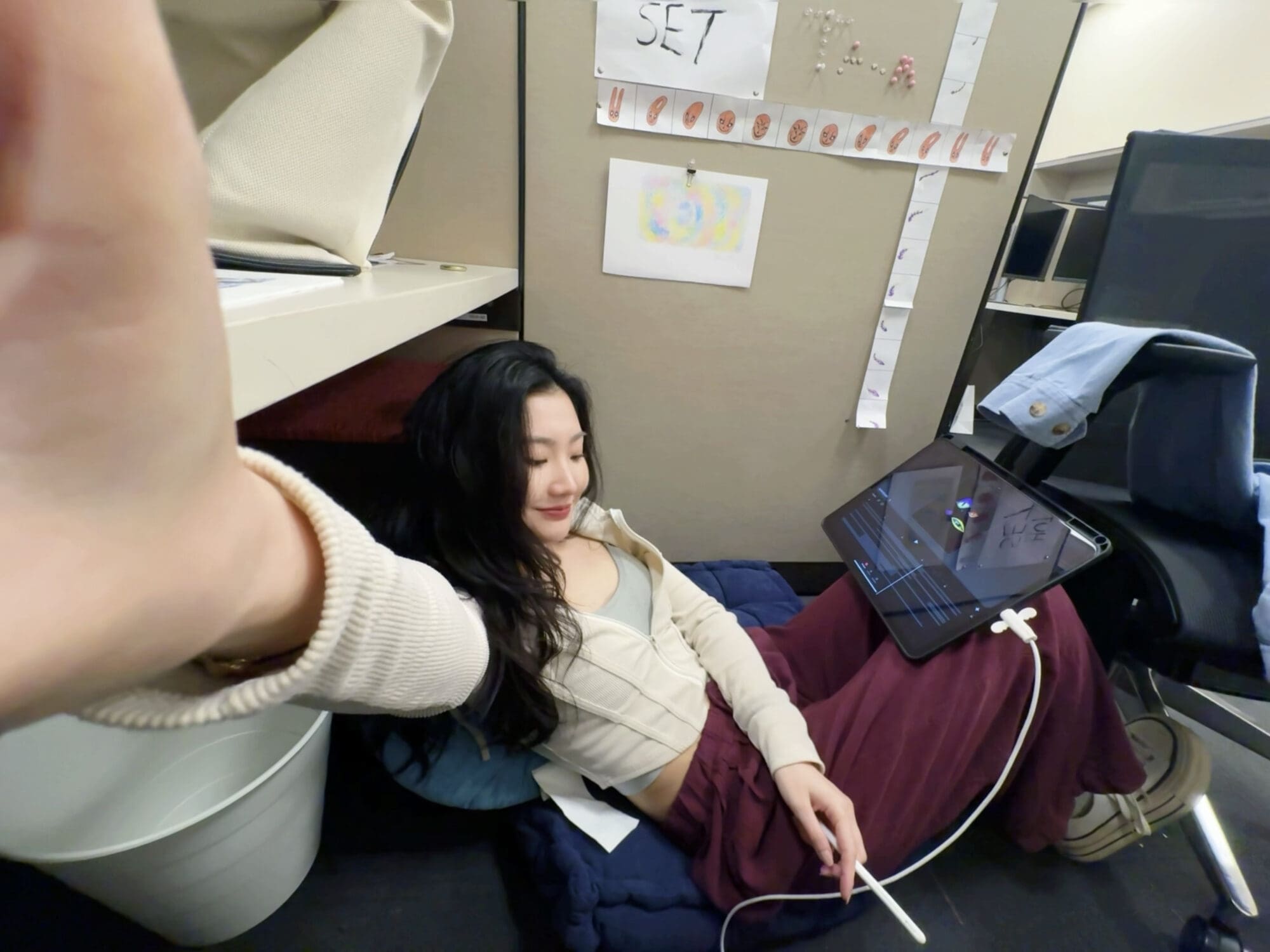
“XA changed me the most in the way that I think,” Hou said. Before USC, she spent years making commercial work, including visuals for large concerts in China, and arrived with what she described as a business mindset. “After just one semester, my whole mindset changed. I was finally starting to think with my inner self as an artist.”
That commercial background still serves her. It gave Hou discipline, a familiarity with professional production pipelines, and an understanding of how to package and promote her work. But it also trained her some habits that didn’t translate to the XA program, like starting every project by thinking about what a client or audience might want. Working independently required her to reverse that instinct. Her years in commercial production, she said, made her appreciate how “meaningful and precious” it is to pursue ideas that come entirely from her own curiosity.
That transformation makes USC’s decision especially painful. The school said it was ending XA because of declining enrollment and would support current students through the John C. Hench Division of Animation + Digital Arts and other programs. Faculty said they were told the program was not financially viable. Non-tenured appointments concluded, adjunct agreements ended, and staff positions were eliminated. The announcement came less than a year after USC promoted XA as a “bold new frontier” with an interdisciplinary, artist-centered curriculum.
An Education Interrupted
Hou’s cohort was caught in the middle. Second-year students were heading into their thesis work, while third-year students were preparing to graduate. Hou and her fellow first-year students still had two years remaining. Some transferred to CalArts or other USC programs. Hou considered leaving school and returning to commercial work, but ultimately chose to remain because XA was the reason she picked USC in the first place.
Staying does not mean continuing the education she was promised. Hou had expected Smith to mentor her through a designed curriculum and thesis process, and says that losing her hand-picked mentor has been a tough blow to deal with. Smith is no longer at USC, and Hou said she now has neither that mentor nor the XA course structure. “It’s more self-driven at this point,” she said. “I guess it’s just a lot of things for me to figure out still.”
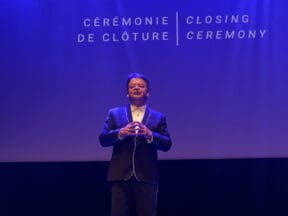
The 70 Deadly Sins nevertheless gave Hou an early taste of what she had come to the XA program to find. She had previously watched imagery she created play at massive C-Pop concerts, but the work never felt completely hers. Screening her short for a festival audience, much smaller than the auditoriums where her previous work had screened in China, was meaingful in a completely different way.
“I felt like this time, I was showing people my work,” Hou said. “It was something completely owned by me and from the bottom of my heart.”