.png)

2026 Oscars Short Film Contenders: ‘As If Swallowed By Earth’ Director Natalia León
Stay informed with free updates
Sign up to get our news digest — delivered directly to your inbox twice a week.
Correction: The film’s producer, Xbo Films, had and still has the film’s English title listed as: ‘As if the Earth Had Swallowed Them Up,’ but we’re told the correct English title is ‘As if Swallowed By Earth.’
Welcome to Cartoon Brew’s series of spotlights focusing on the animated shorts that have qualified for the 2026 Oscars. The films in this series have qualified through one of multiple routes: by winning an Oscar-qualifying award at a film festival, by exhibiting theatrically, or by winning a Student Academy Award.
Today’s short is As if Swallowed By Earth (Como si la tierra se las hubiera tragado) from Mexican filmmaker Natalia León, produced by France’s Xbo Films. The film earned its Oscar qualification by winning the short film Jury Award at Sundance.
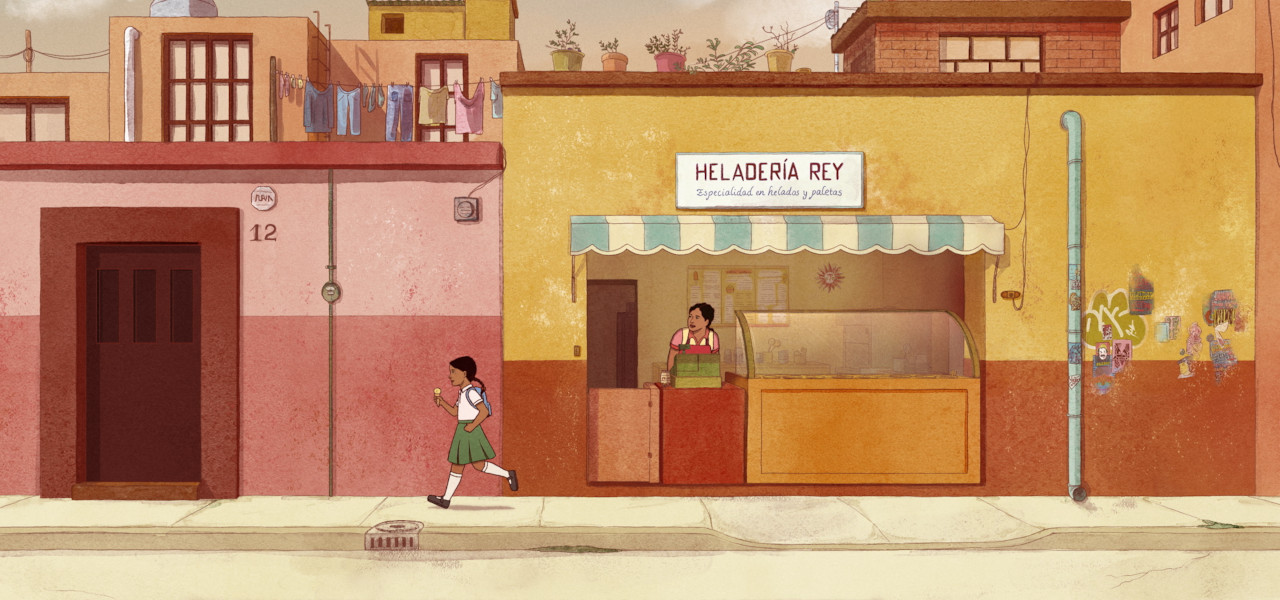
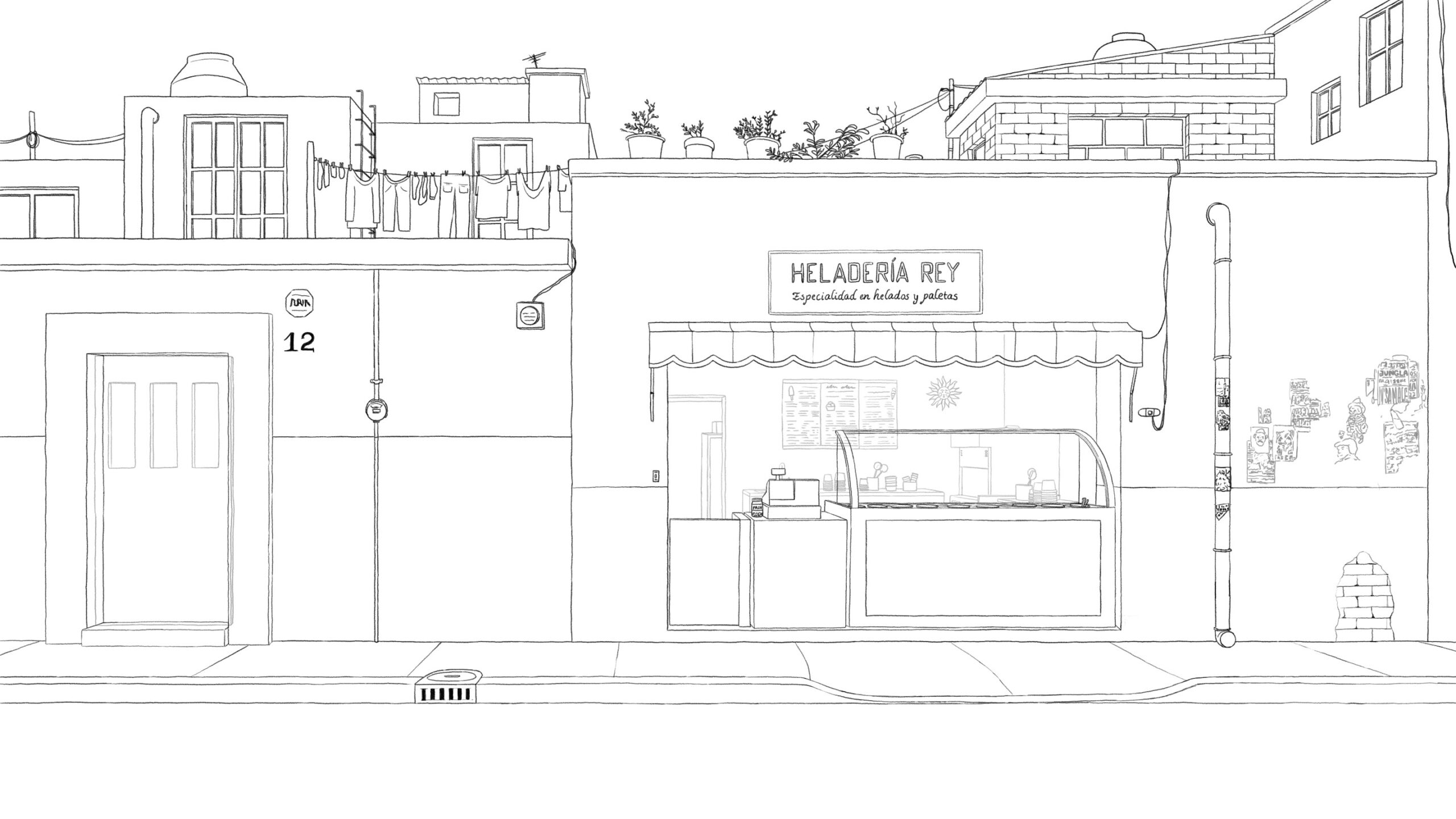
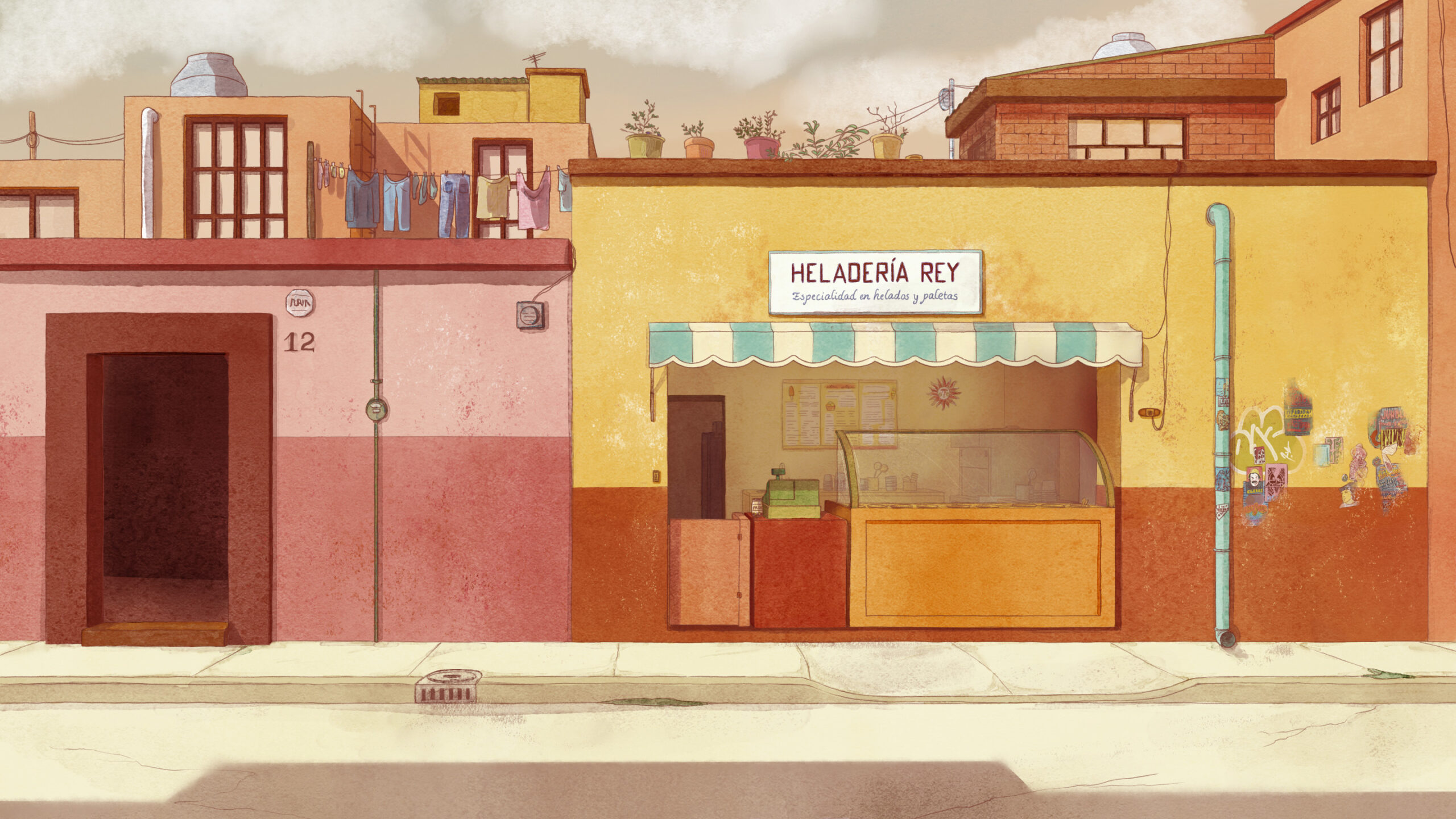
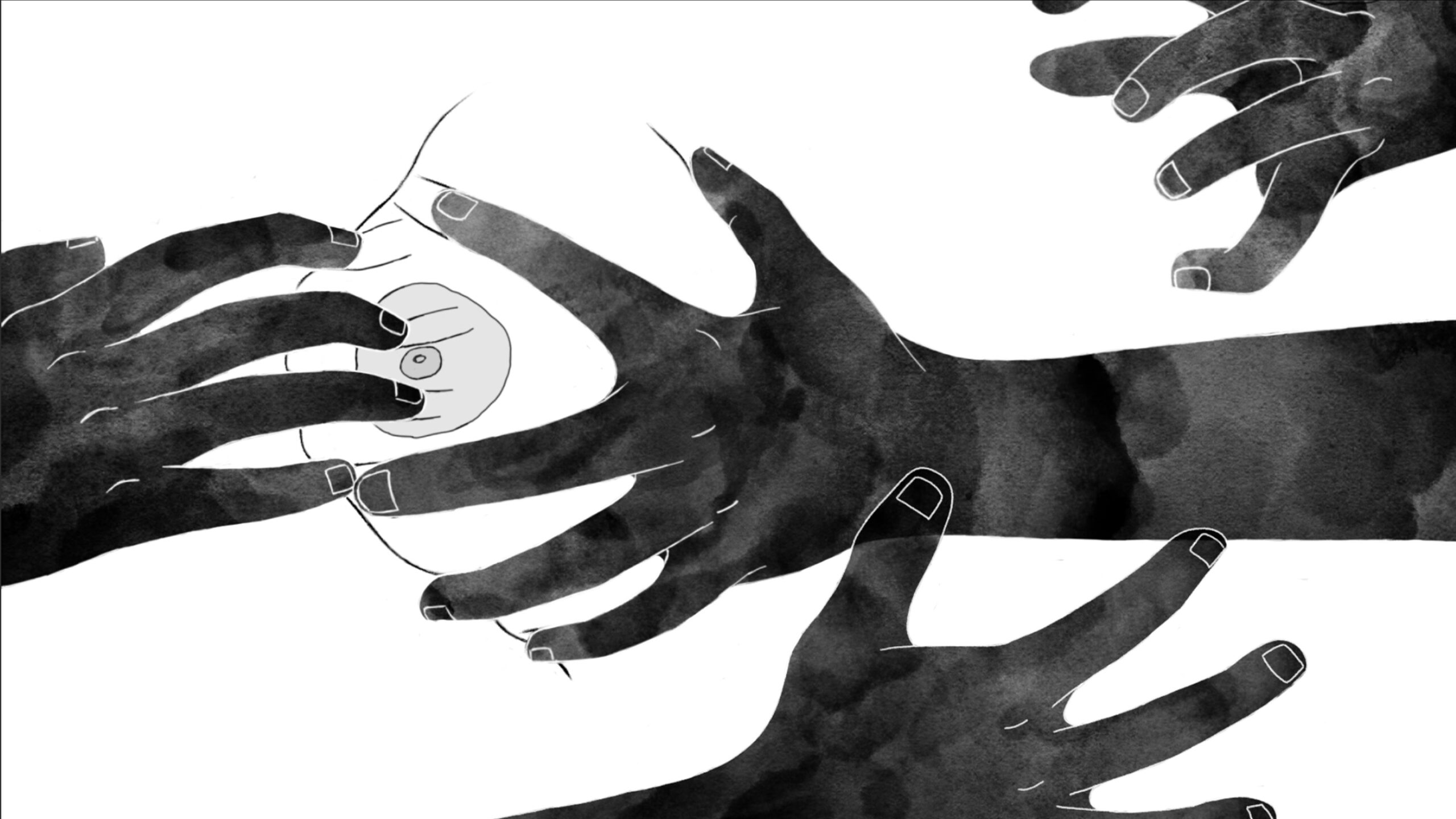
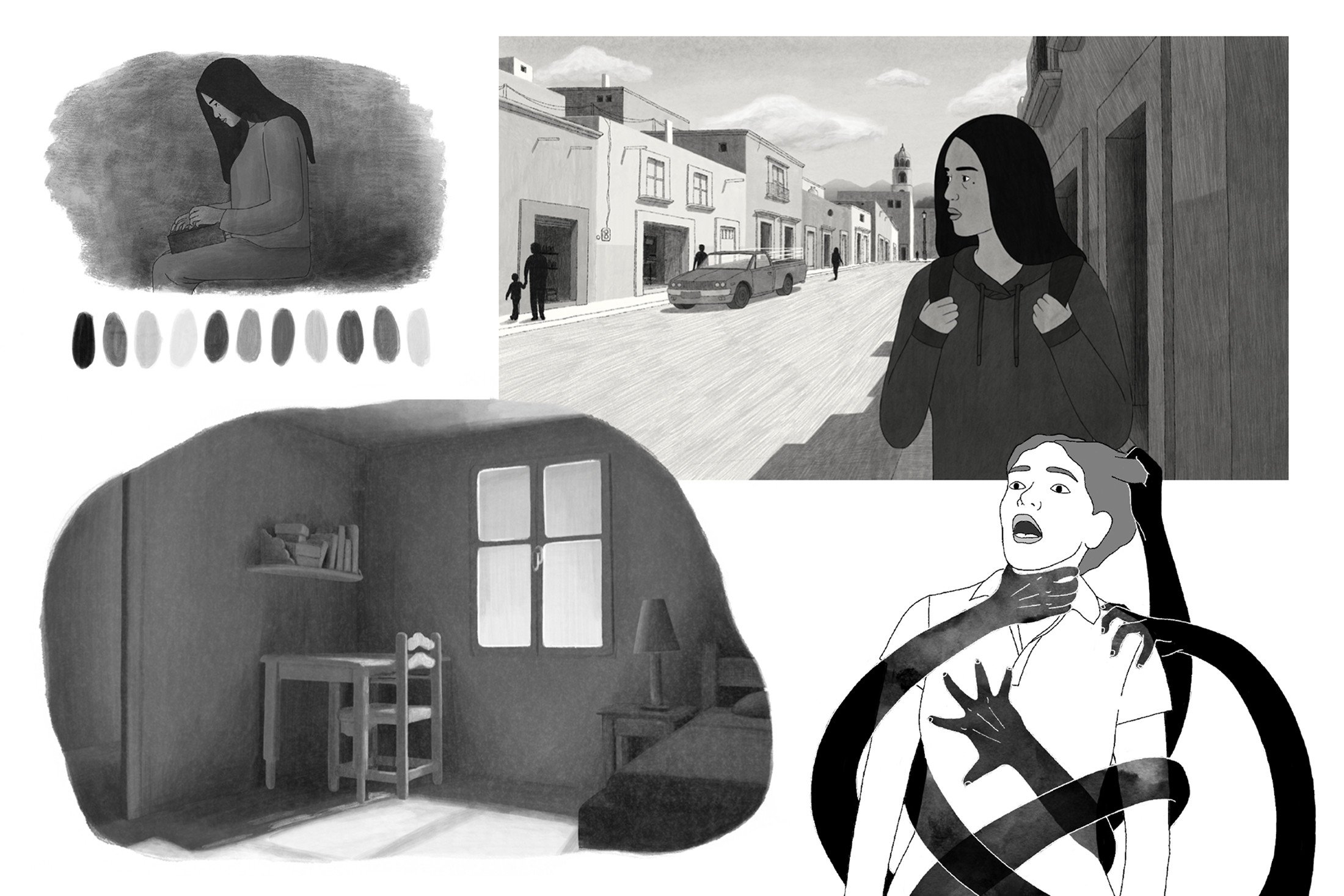
The film follows Olivia, a young woman who returns to her hometown in Mexico after spending time abroad, in an attempt to reconnect with her past. However, the persistent violence she once witnessed as a child resurfaces, forcing her to confront memories that remain unresolved. Her story is told through striking digital 2D animation that alternates between color and black and white, visually mirroring the contrast between past and present, memory and reality. Its aesthetic is both delicate and haunting, using evocative imagery to convey emotional depth and the lingering impact of trauma that persists across generations.
Cartoon Brew: What was it about this story or concept that connected with you and compelled you to direct the film?
Natalia León: This film was born from a deeply personal need to express the pain I feel about the violence surrounding women in my country. A few years ago, I began researching this subject, trying to understand why so many women were disappearing and being found dead in Mexico. But I didn’t find the clear explanation I was looking for. Instead, the place that had once been my refuge, my home, became tinged with danger, and an omnipresent fear took hold of me. I wanted to make this film as a way to refuse that fear, to say it must never be accepted as normal.
What did you learn through the experience of making this film, either production-wise, filmmaking-wise, creatively, or about the subject matter?
This being my first professional film, I learned that you don’t need to be an expert to create something meaningful — but you do need a clear vision to be a good director. Straight out of school, I was thrown into directing with no prior experience; it felt like diving into a turbulent sea with no lifeline. It was overwhelming, but I discovered the power of asking for help and admitting, “I don’t know how to do this, can you show me?” Learning to balance vulnerability and curiosity with trusting my own instincts and knowing exactly where I wanted to go was essential in the making of this film.
Can you describe how you developed your visual approach to the film? Why did you settle on this style/technique?
While writing the script, the most important thing for me was the story I wanted to tell. Once it was nearly finished, I realized I had imagined scenes with very delicate and precise movements. I chose 2D animation for its ability to convey subtle gestures and emotions. Since few words are exchanged between the characters, I needed a style that could intimately express Olivia’s inner world. I felt that hand-drawn animation would allow us to best capture those nuances and create a contrast between the softness of the visuals and the harshness of the theme.
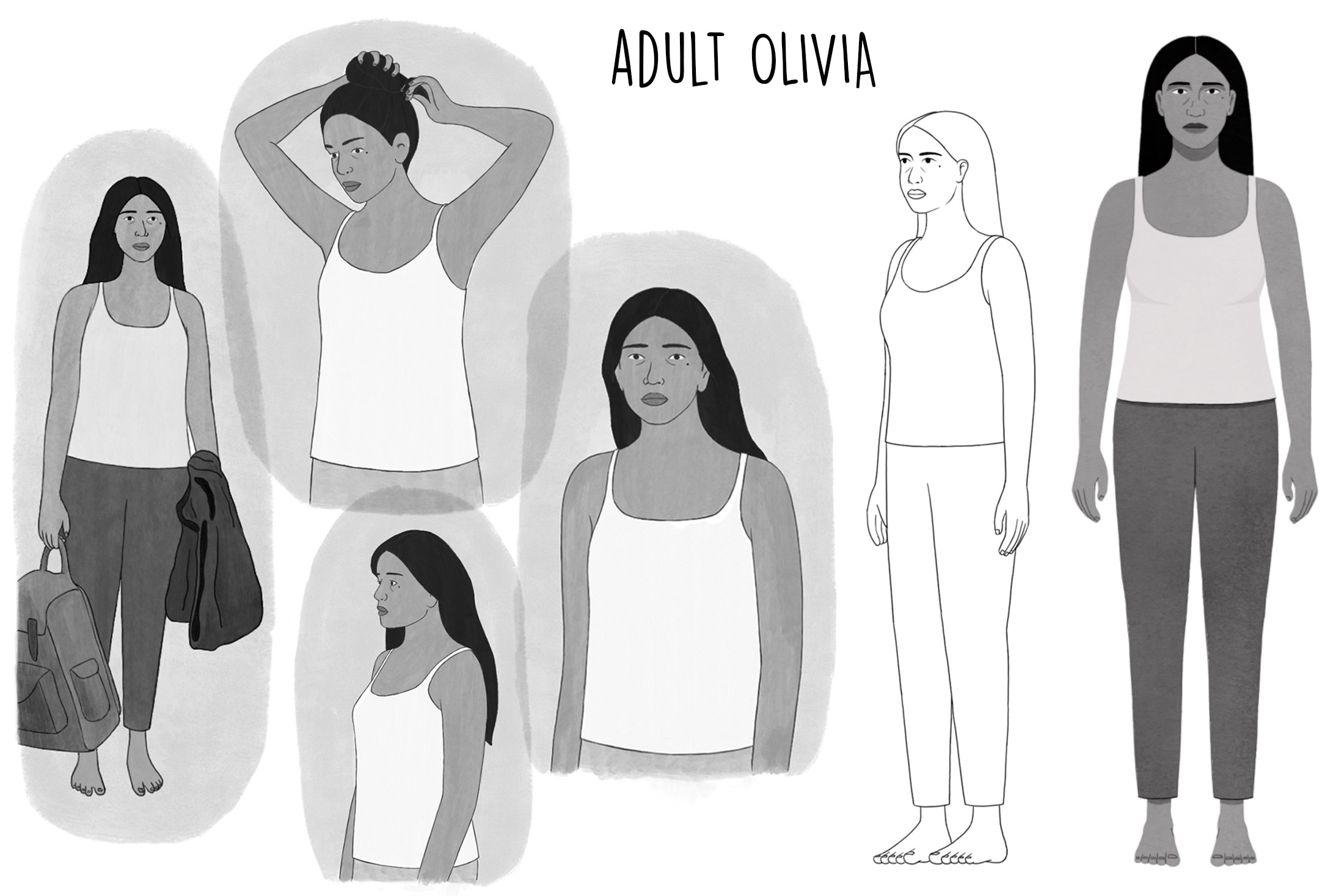

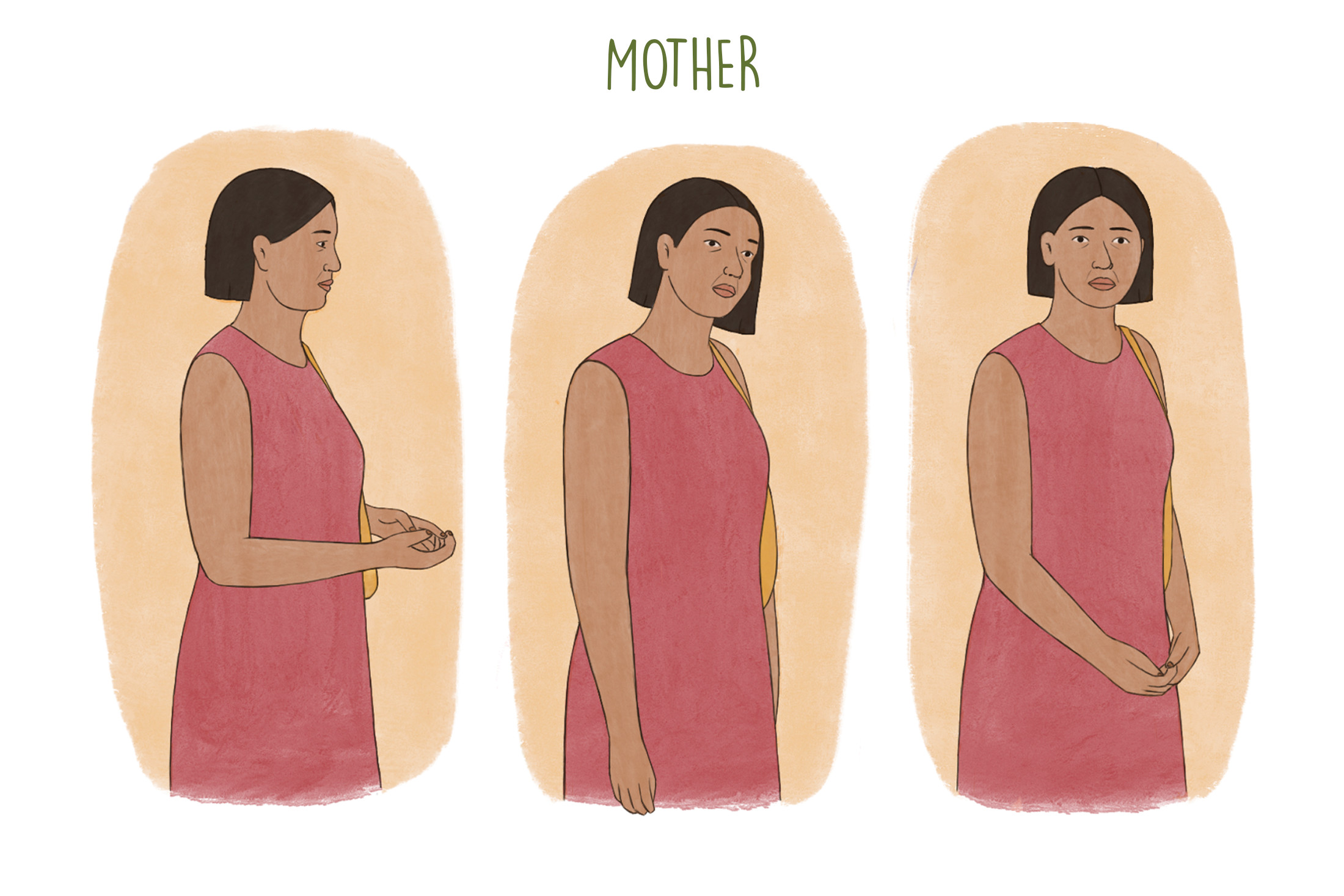
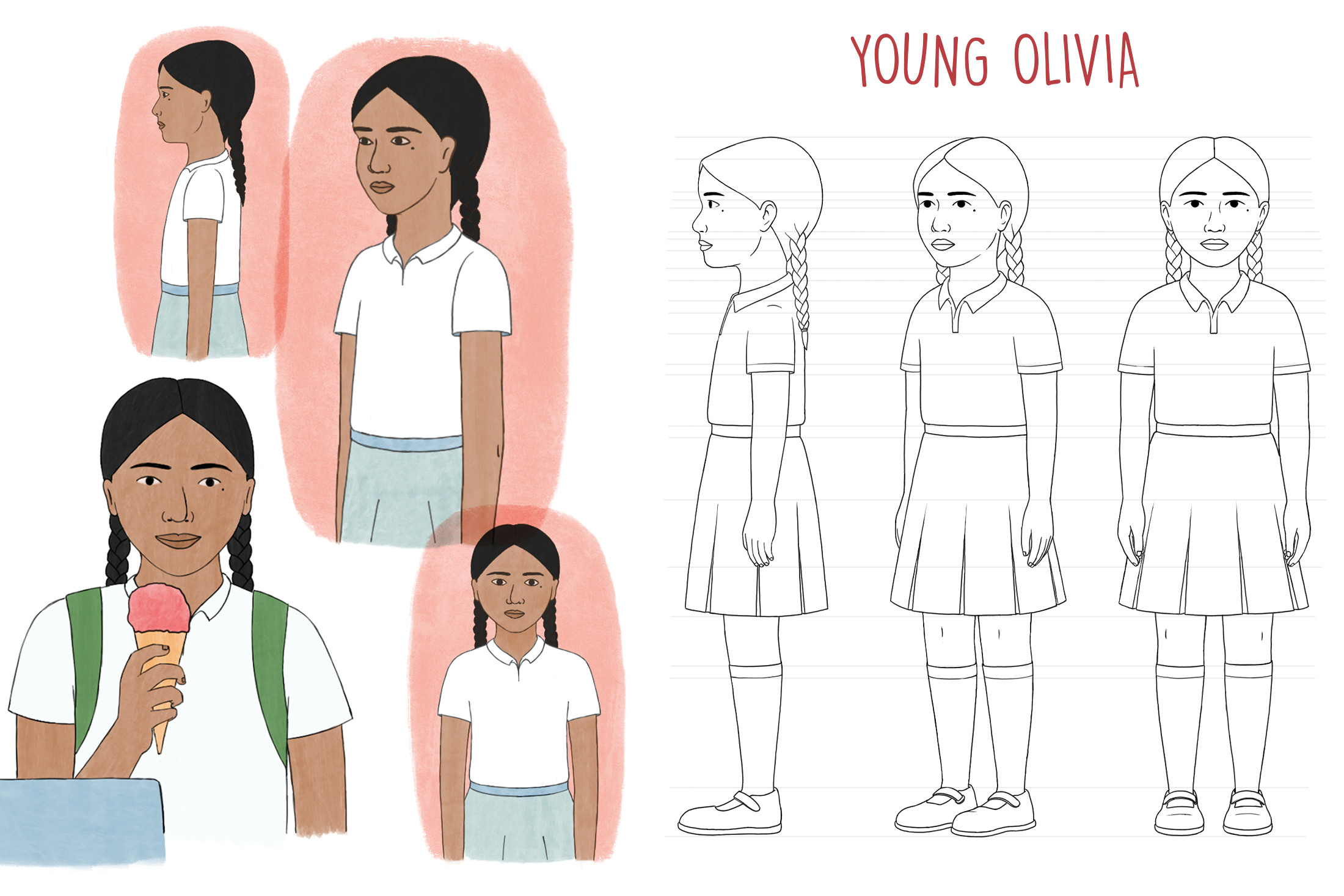
The two timelines, featuring the same protagonist, create a sense of hopelessness that some things can change over the years, while other aspects stay exactly the same. How did the dual timelines help you when crafting the film’s story?
The dual timelines allowed me to explore how the symptoms of violence can silently grow within us and shape our lives in ways we often don’t realize. Luckily, to this day, I don’t personally know any of the women who have disappeared, and yet their stories affect me profoundly. By juxtaposing Olivia’s innocent childhood with her anxious adult self, I could show that one doesn’t need to be at the center of violence for it to leave a mark. This violence affects us all. Having two timelines also allowed me to create a visual contrast, emphasizing the shift from ignorance to awareness, from joy to vigilance, and how, if nothing changes, the world of little girls will continue to lose its color.
View this post on Instagram