.png)
2026 Oscars Short Film Contenders: ‘Hurikán’ Director Jan Saska
Stay informed with free updates
Sign up to get our news digest — delivered directly to your inbox twice a week.
Welcome to Cartoon Brew’s series of spotlights focusing on the animated shorts that have qualified for the 2026 Oscars. The films in this series have qualified through one of multiple routes: by winning an Oscar-qualifying award at a film festival, by exhibiting theatrically, or by winning a Student Academy Award.
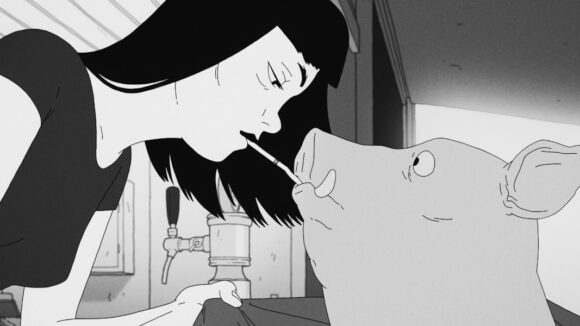
Sticking with yesterday’s swine theme, today’s short is Hurikán from Czech filmmaker Jan Saska, produced by Maurfilm, Laïdak Films, Last Films, Artichoke, and Aeon Production. The film screened at numerous top festivals, winning the Audience Award at Annecy, and earned its’ Oscars qualification with the best animation award at HollyShorts.
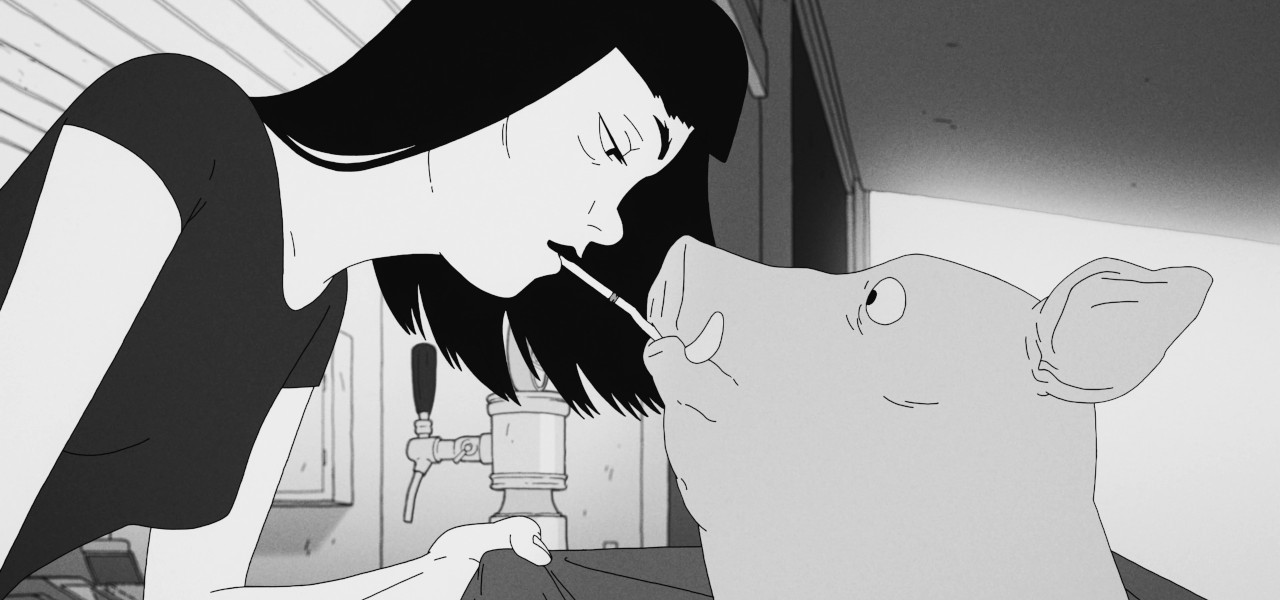
Hurikán is a darkly comic story that follows a reckless romantic racing through Prague’s gritty Žižkov district to save his favorite beer stand and impress the barmaid he’s got a crush on. Vivid, noir-inspired visuals fuel a blend of urban realism and surreal exaggeration, capturing the city’s chaotic energy and smoky charm in a whirlwind of love, violence, and absurd humor.
Cartoon Brew: What was it about this story or concept that connected with you and compelled you to direct the film?
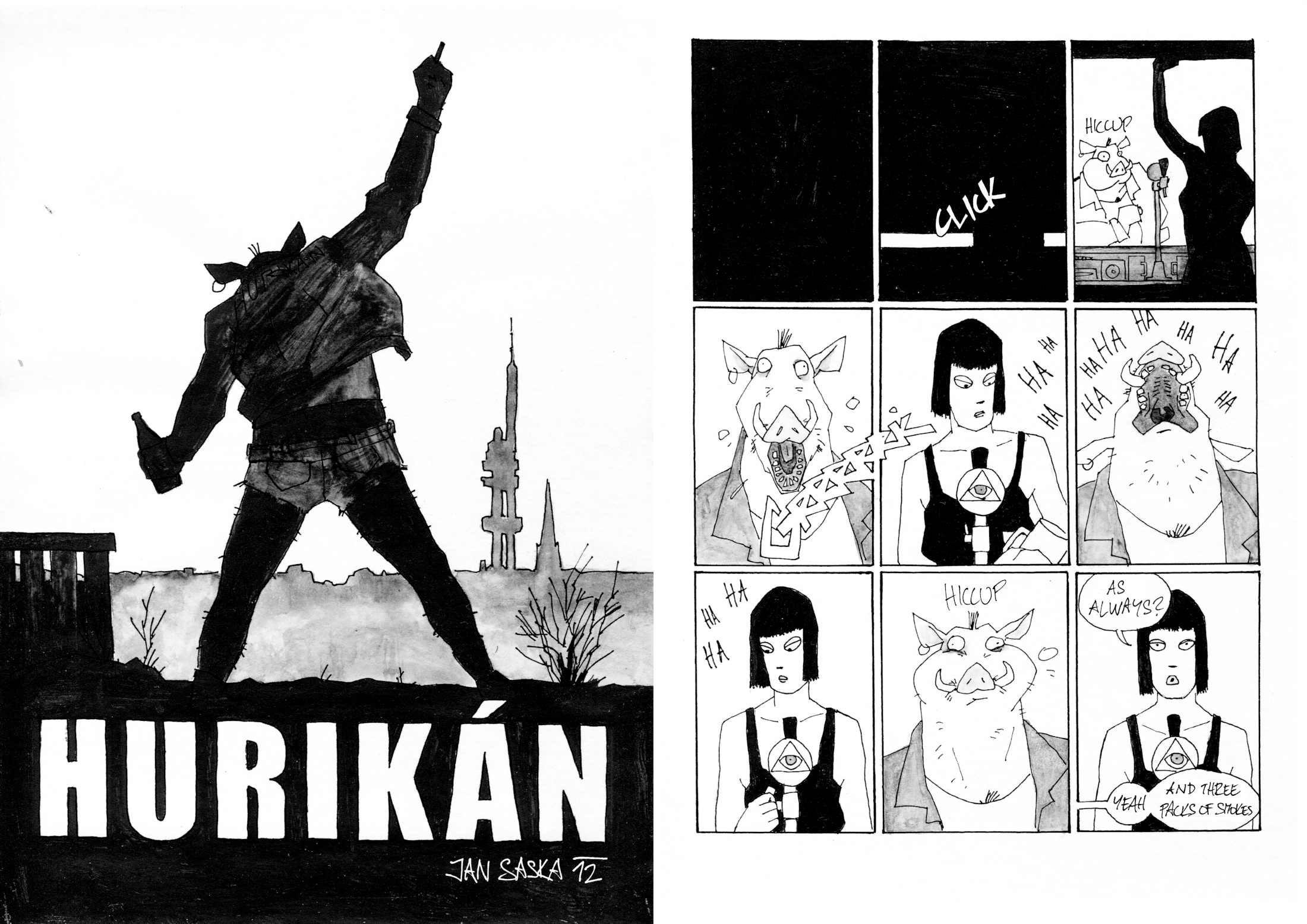
Hurikán originated as a comic character who appeared in two short comics. The film is not an adaptation of either one, but it draws from both and expands on the same universe. The idea to turn Hurikán into an animated film actually came from the producer, Kamila Dohnalová – a kind of “what’s next?” project after we premiered our previous film, Happy End. My first thought was: “NO.” For example, think about the level of realism required to portray this world of beer stands bathed in neon light, with the hum of deep fryers heated to the maximum…

What did you learn through the experience of making this film, either production-wise, filmmaking-wise, creatively, or about the subject matter?
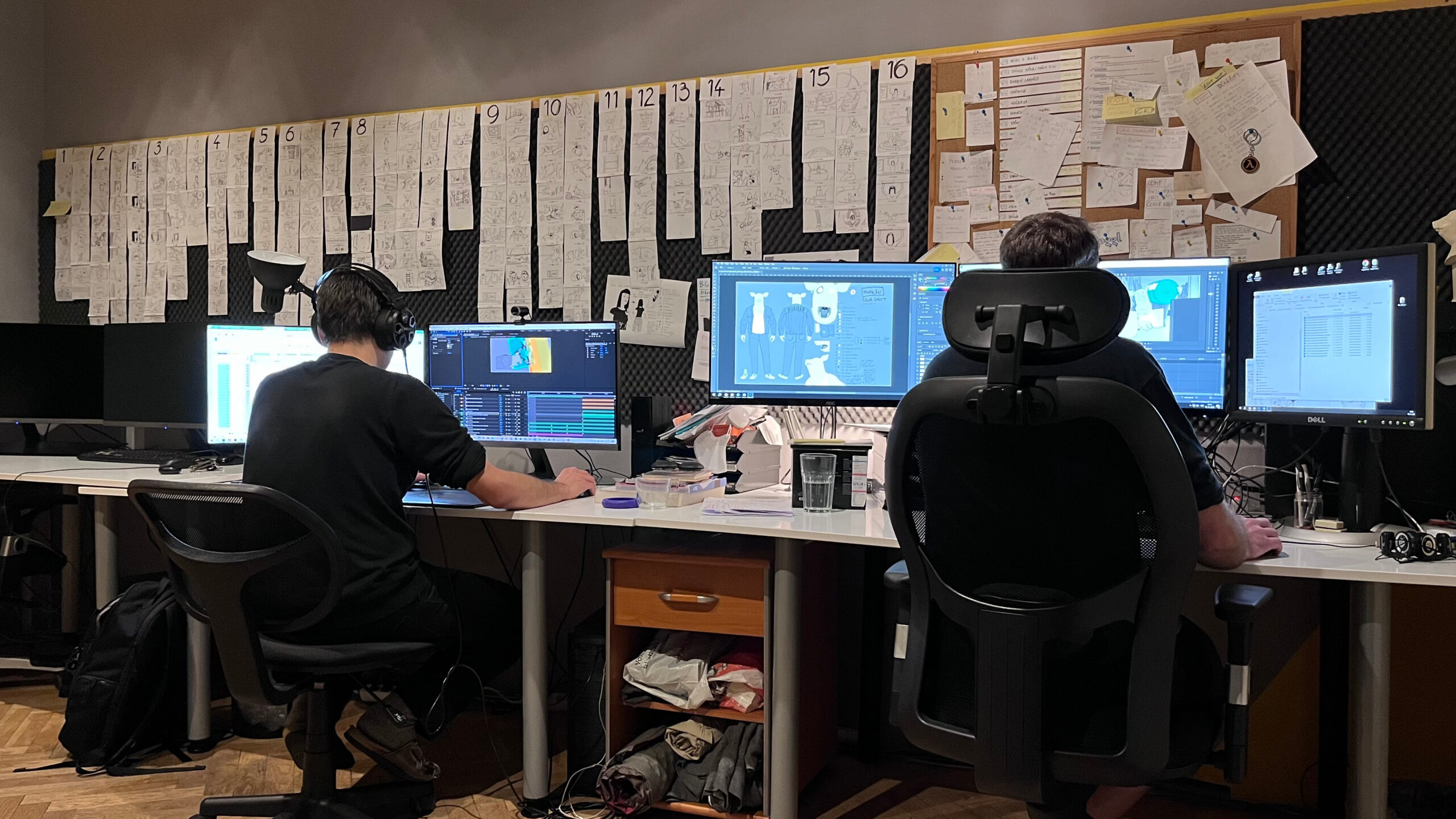
I learned a lot through this project, but I’ll focus on a creative lesson. I had one specific image in mind that I wanted to capture, but when I reached it during storyboarding, I couldn’t execute it as planned. The continuity of the previous shots forced adjustments that weakened the composition. I realized I needed to work “pose to pose,” like in animation – building the film from one key moment to the next and leaving the connecting shots for later. This way, the important moments define the less important ones, not the other way around. Awesome, right?
Can you describe how you developed your visual approach to the film? Why did you settle on this style/technique?
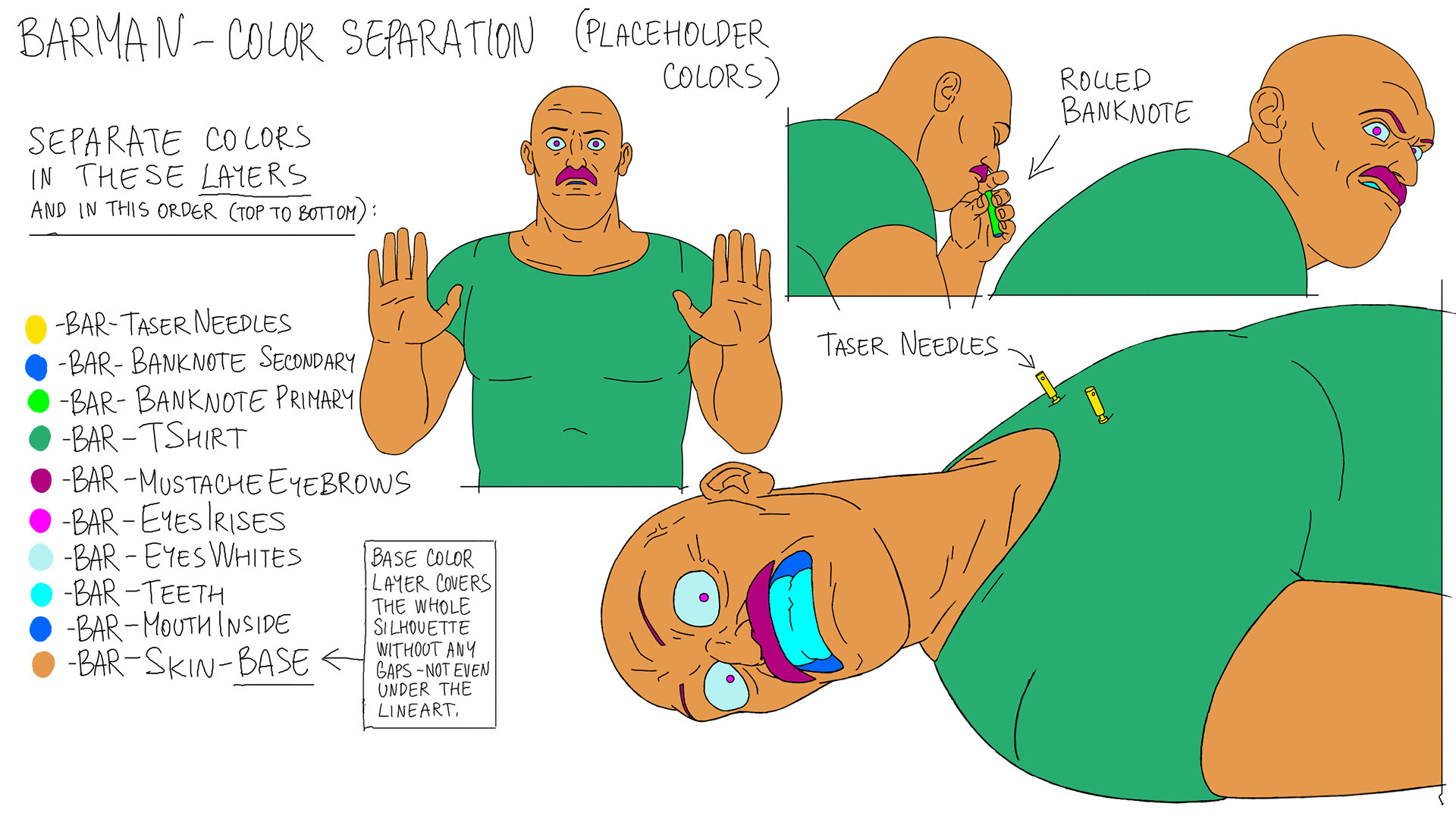
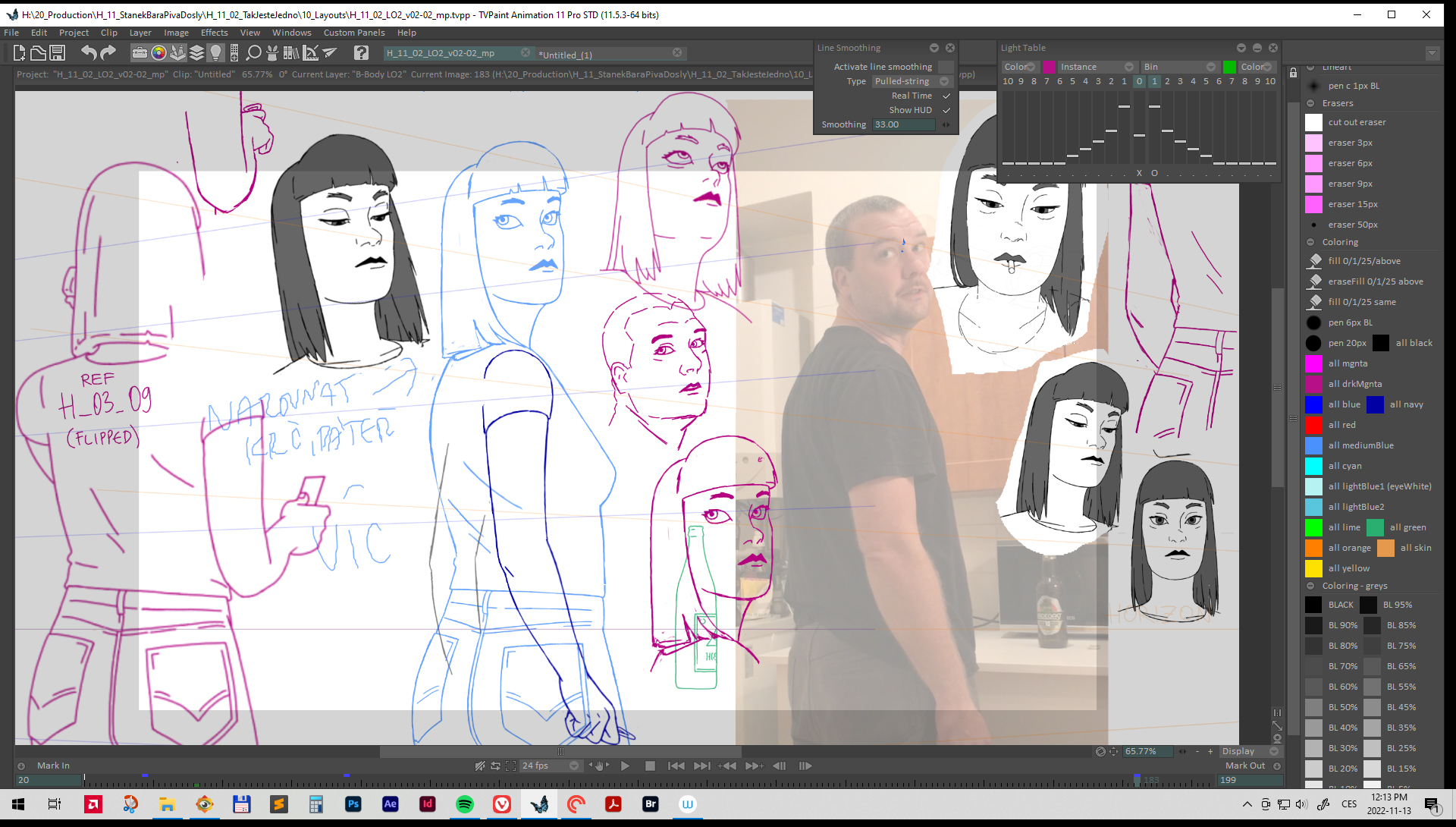
The main inspiration came from Japanese animation of the 1980s and ’90s – not only visually, but technically as well. We’ve always admired how much dynamism and cinematic flair those filmmakers achieved using only cel animation and multi-plane backgrounds. Even though we relied on plenty of 3D references during production, we stuck to a simple rule for the final look: use only methods that would have been available in the analog era.
Choosing a black-and-white palette was a way to evoke the feel of film noir – a genre we play with throughout the film and wanted to fully embrace.
I want to ask something intelligent and profound for my fourth question, but I only get one unique question with this Q&A format, so if you get shortlisted, hopefully I can come back with more. But for now, I really need to know, why is Hurikán a boar?
It’s more of a visual shortcut — an intuitive choice rather than something deeply symbolic, I’m afraid. I wanted a character who would blend naturally into the world of cheap diners and late-night bars, but still have a universal look. That’s how the pig’s head came about — a lucky choice, as I later learned from the classic: “Better a pig than a fascist.”