.png)
2026 Oscars Short Film Contenders: ‘Two Ships’ Director McKinley Benson
Stay informed with free updates
Sign up to get our news digest — delivered directly to your inbox twice a week.
Welcome to Cartoon Brew’s series of spotlights focusing on the animated shorts that have qualified for the 2026 Oscars. The films in this series have qualified through one of multiple routes: by winning an Oscar-qualifying award at a film festival, by exhibiting theatrically, or by winning a Student Academy Award.
Today’s short is Two Ships from director McKinley Benson and production companies Cola Animation Collective (behind 2022 Oscar nominee Ice Merchants) and Room 330 Productions . The film earned its Oscar qualification with a theatrical run as part of the First Looks Program at San Francisco’s Roxie Theater.
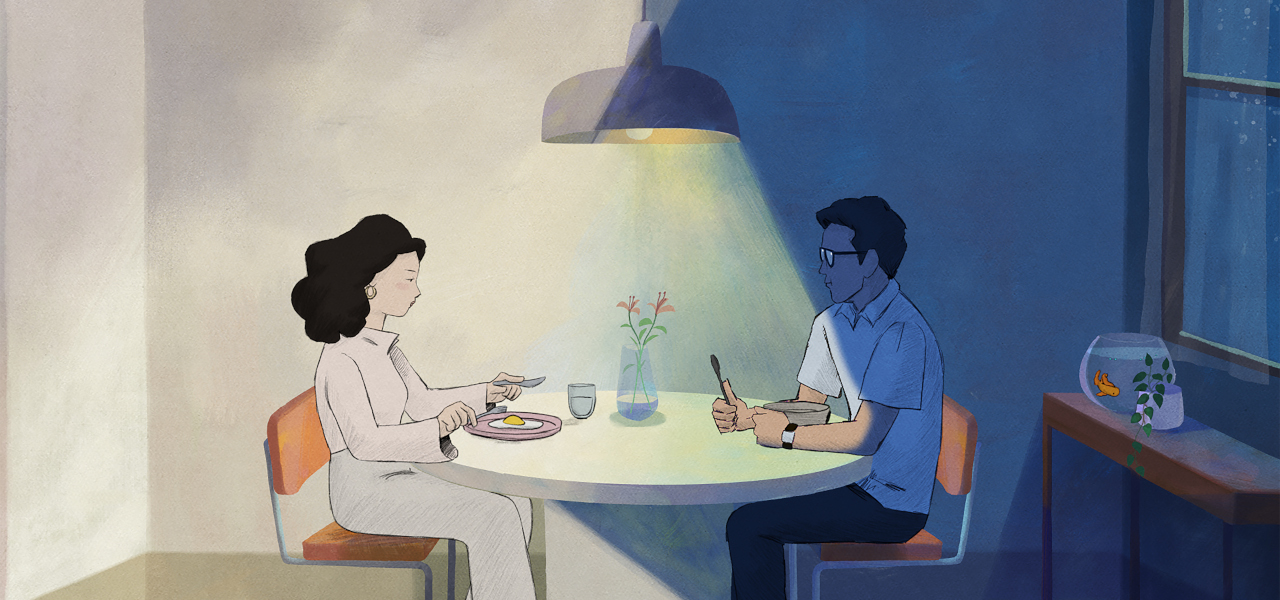
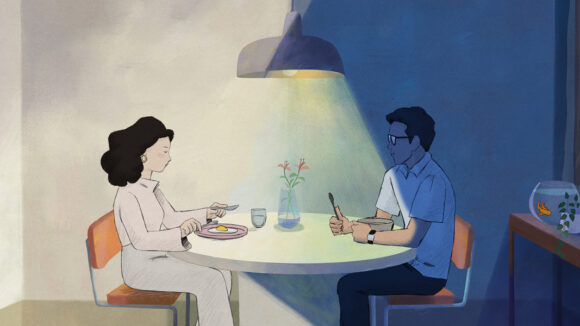
Two Ships is a poetic, dialogue-free animated short about a couple who navigate the same space but opposite schedules, like two ships passing in the night. Through small gestures and fleeting moments, they find connection despite distance and time. The film’s hand-drawn 2D animation, soft color palette, and organic sound design create a warm, personal aesthetic that celebrates the quiet beauty of everyday love, even in less-than-ideal circumstances.
Cartoon Brew: What was it about this story or concept that connected with you and compelled you to direct the film?
McKinley Benson: The concept came from a very personal place. The story follows a couple working opposite schedules, which my wife/producer, Mackenzie, and I were experiencing firsthand when we wrote the script back in 2021. We had just moved in together after four years of long distance, but I started working overnight shifts while she worked nine-to-five, so we only saw each other on weekends. Even though we shared the same space, it felt like we were divided by time. That tension between closeness and distance was the inspiration that eventually became the core of Two Ships.
What did you learn through the experience of making this film, either production-wise, filmmaking-wise, creatively, or about the subject matter?
My background is in live-action directing, so the entire animation pipeline was new to me going into this project. I’ve always had a deep respect and admiration for the medium and felt it was the right fit for this story. I was really excited by how we could represent the narrative visually through animation, and thankfully, that excitement and passion overshadowed how wild it was to commit nearly four years to making something in an art form I was completely unfamiliar with. I also learned how to direct a film virtually. Our small team, including producer Bruno Caetano and animation director Ala Nunu from COLA Animation, was spread across six countries and four time zones. The entire production took place remotely, so learning how to be precise with my communication was essential.

Can you describe how you developed your visual approach to the film? Why did you settle on this style/technique?
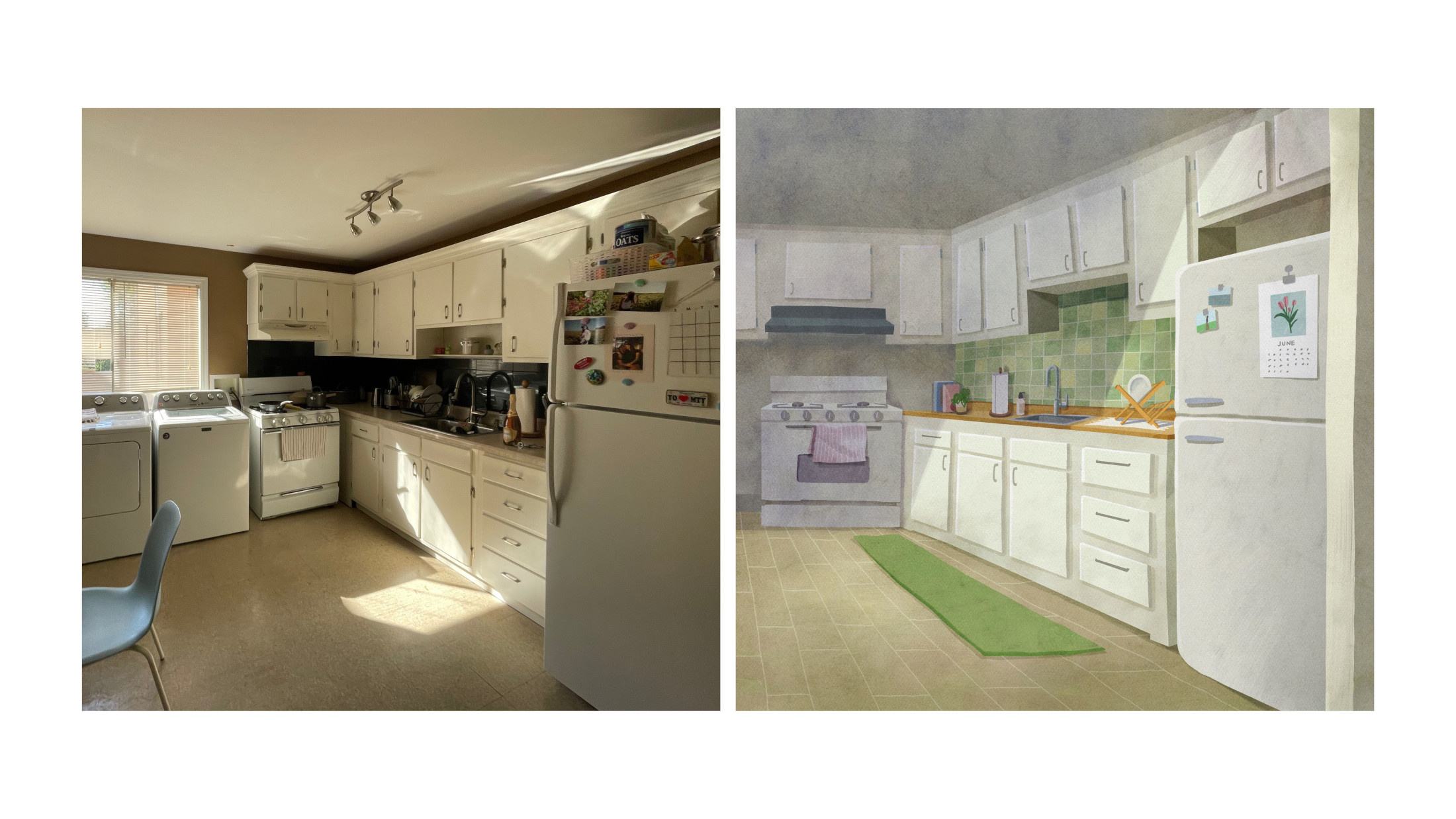
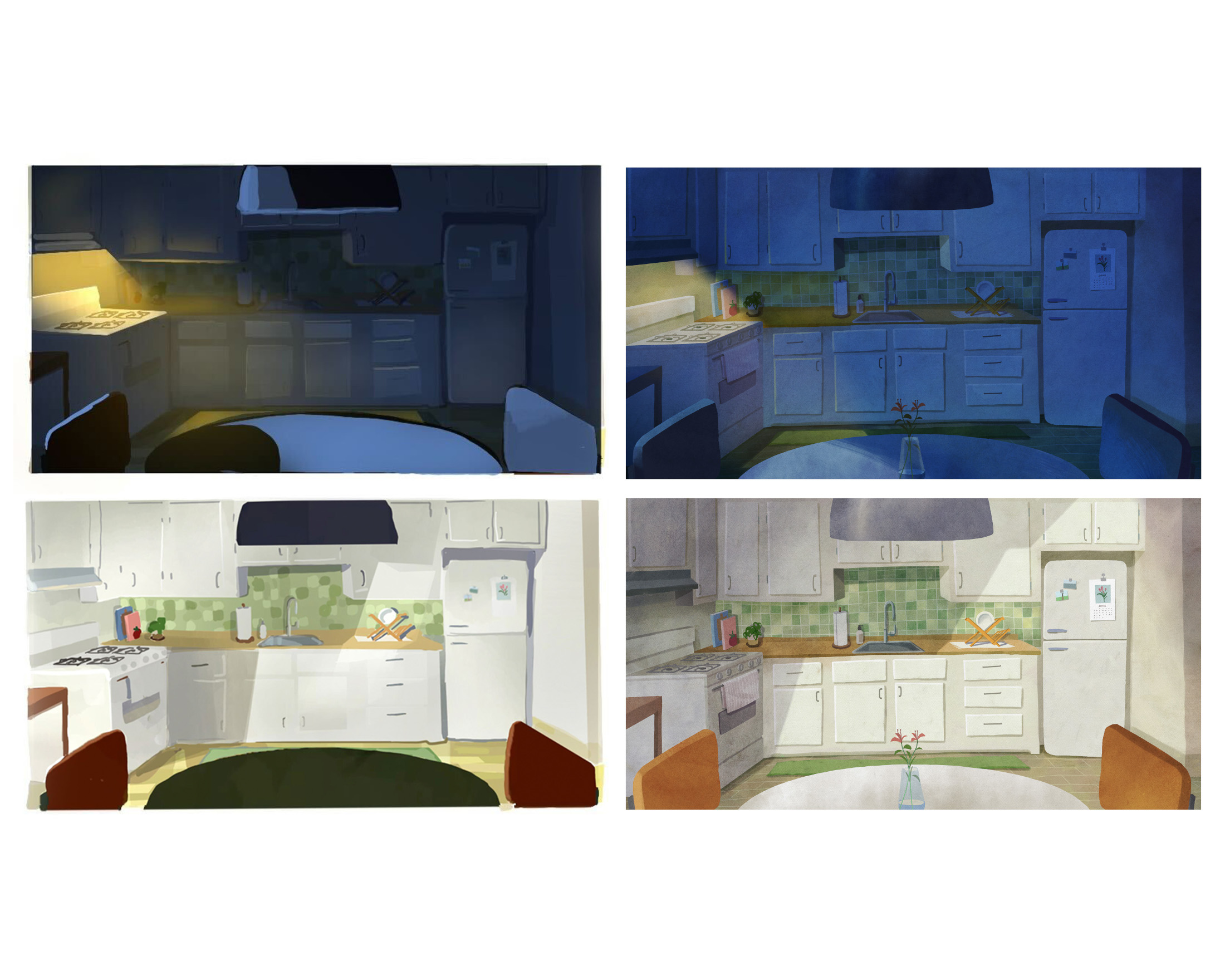
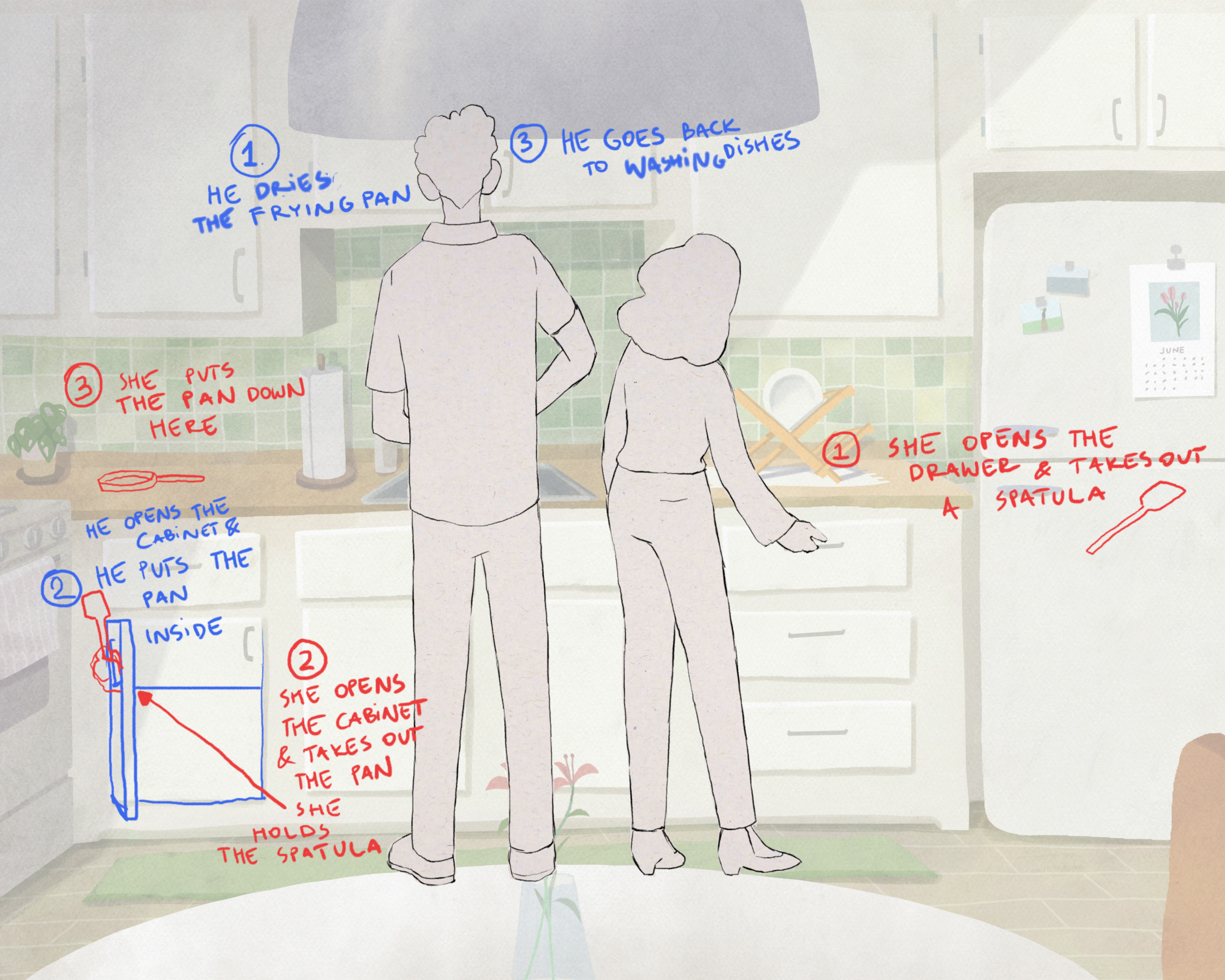
We wanted the film to be as hand-made as possible. I love the warmth and texture of traditional 2D animation, and that was something we strived for in our visual approach. Using a hand-drawn, frame-by-frame technique felt right for such an intimate, human story. We went through several animation tests but ultimately leaned into a tender, sketch-like style that balanced stylization with naturalism. To further ground the film in authenticity, the environment design was based on our first apartment together. We also utilized a complementary color palette to emphasize the two characters’ contrasting times of day, which seamlessly blend together when they’re in the same space.
While you were working on this short, were you more driven by a personal experience or by a broader idea about human relationships? And how did that intention influence the visual style and pacing of the film?
It was both. The longing for genuine connection is present in every human relationship, and that universal desire, paired with our own experience, drove the project. Our goal was to tell the story concisely and without dialogue, so finding the right pacing was crucial. We spent months working on the animatic to find a rhythm that properly reflected the emotions of the characters in each scene. Ultimately, every creative choice, from the pacing to the visual style, was about capturing and conveying true emotion.