.png)


2026 Oscars Short Film Contenders: ‘Éiru’ Director Giovanna Ferrari, Producer Nora Twomey
Stay informed with free updates
Sign up to get our news digest — delivered directly to your inbox twice a week.
Welcome to Cartoon Brew’s series of spotlights focusing on the animated shorts that have qualified for the 2026 Oscars. The films in this series have qualified through one of multiple routes: by winning an Oscar-qualifying award at a film festival, by exhibiting theatrically, or by winning a Student Academy Award.
Today’s short is Éiru, directed by Giovanna Ferrari and produced by Academy Award-nominated filmmaker Nora Twomey (The Breadwinner) at Cartoon Saloon. The film has scored a trio of Oscar-qualifying festival wins at RiverRun International Film Festival, Galway Film Fleadh, and Heartland Indy Shorts Film Festival.
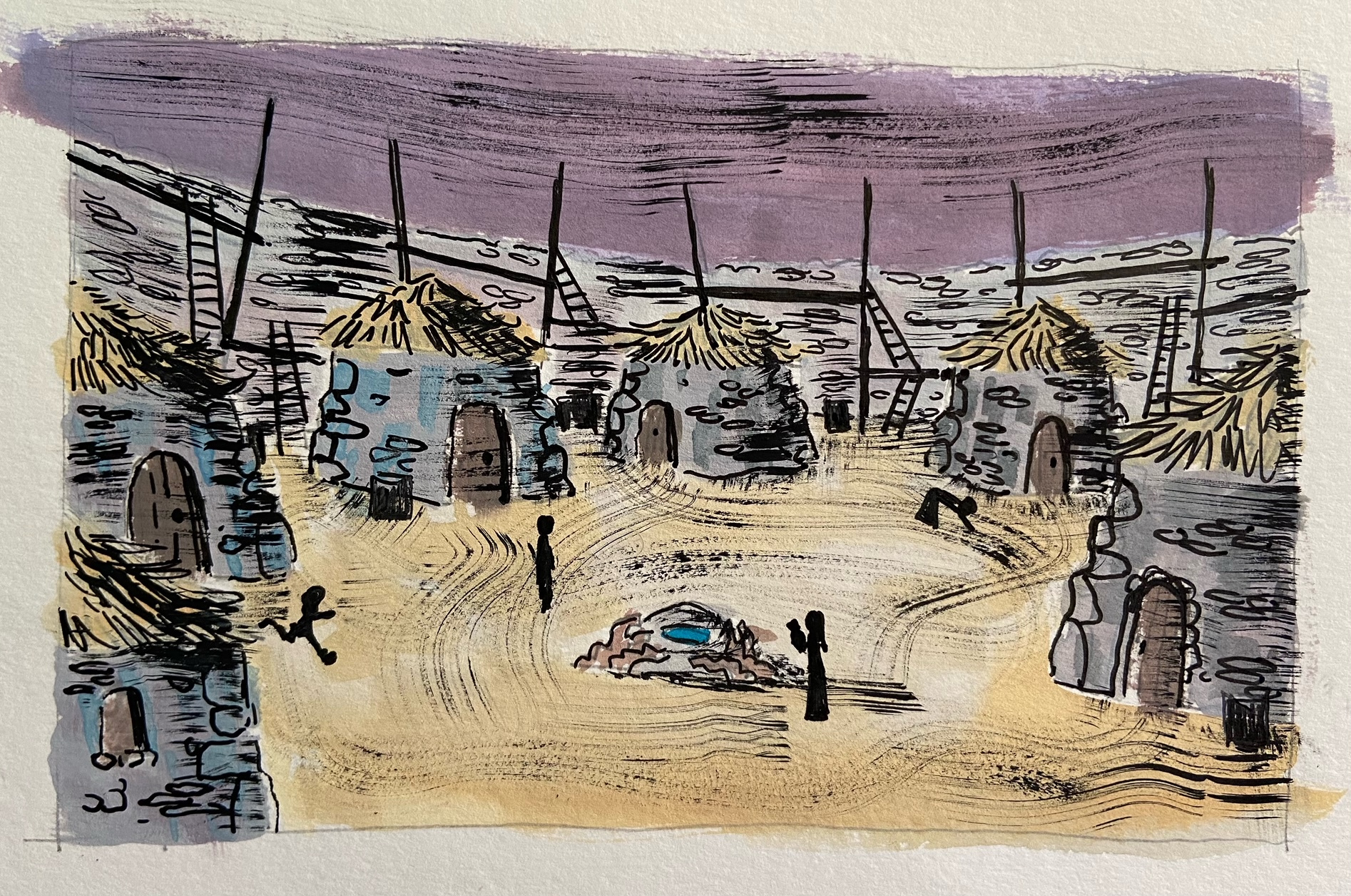
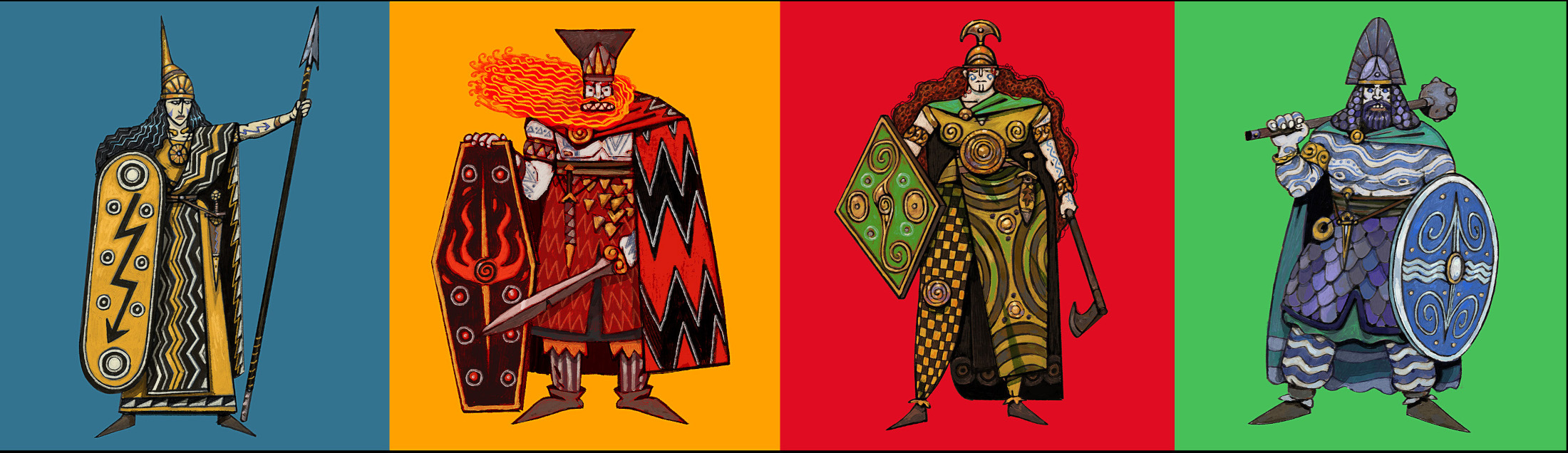
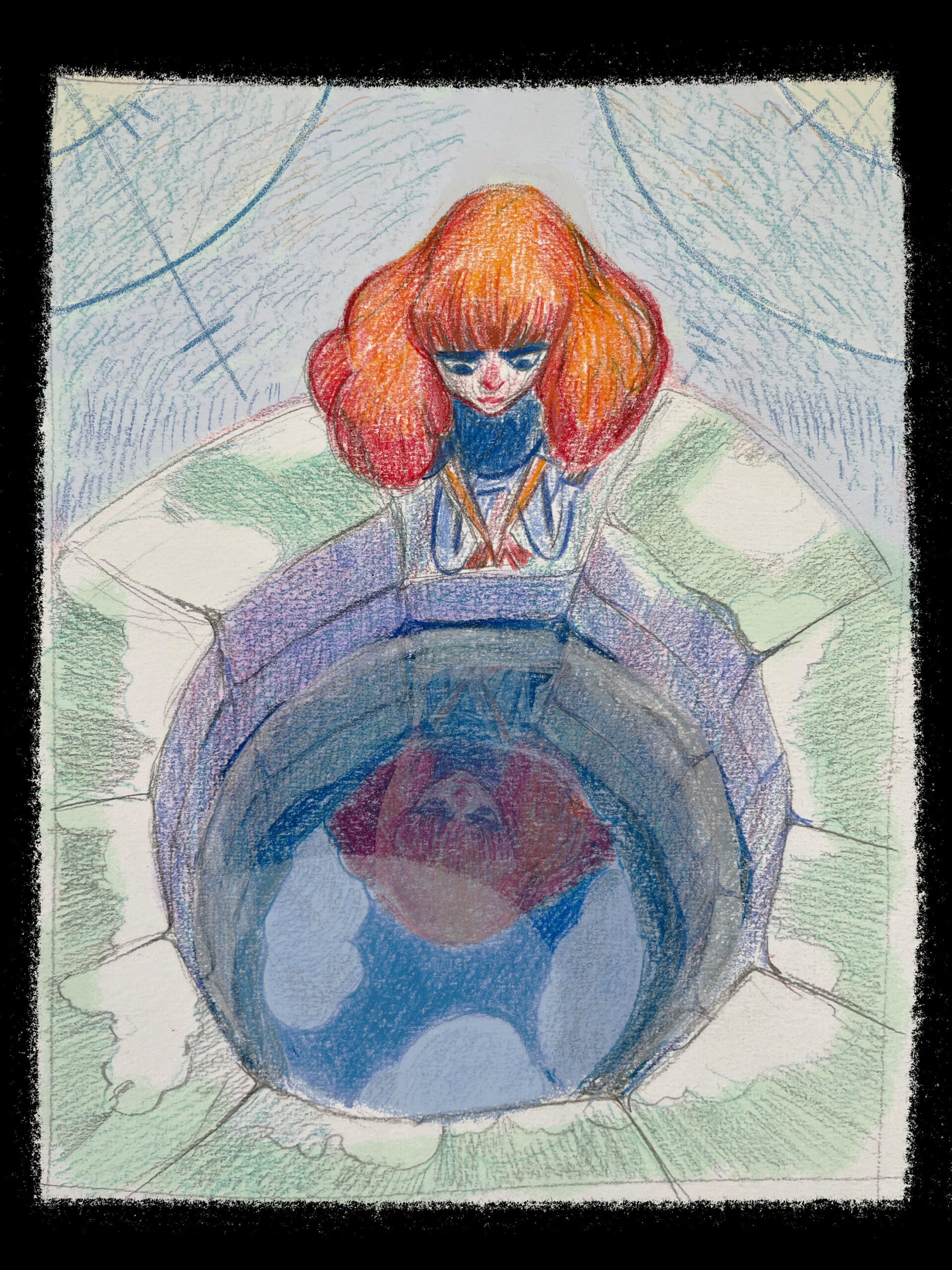
Éiru follows a young girl from a mythic Celtic tribe who ventures beneath the earth to restore her village’s lifeblood when its sacred spring mysteriously dries up. Guided by whispers of forgotten gods and the pulse of the land itself, her journey blurs the boundary between mortal courage and divine reckoning. The short features lush, hand-painted textures, mist-drenched landscapes, and inviting lighting to create a world that feels both ancient and real, while also dreamlike and fantastic.
Cartoon Brew: What was it about this story or concept that connected with you and compelled you to direct the film?

Giovanna Ferrari: Since I was a child, I’ve drawn and created stories to make sense of the world. I spent long afternoons sketching what I now recognize as proto-storyboards, often processing real experiences through fictional characters. Over the years, I’ve worked on many European feature films as a story artist, head of story, animator, and animation director, helping other directors explore their questions through storytelling. Yet I would return home and continue to create personal stories in my mind, grappling with emotions and issues I didn’t fully understand. So when Cartoon Saloon offered me the chance to develop a short film, I began by asking myself what question was most troubling me at that moment. I am an expat, and a woman who has survived gender-based violence, a mother, an environmentalist, and in this historical moment, I felt compelled to explore the parallels between the domination that humanity imposes on nature, and the one men impose on women, majorities impose on minorities, the powerful on the powerless.
What did you learn through the experience of making this film, either production-wise, filmmaking-wise, creatively, or about the subject matter?
Ferrari: As a first-time director, I had to explore the other side of what I had always admired while working closely with directors on other films: the importance of strong, confident decision-making. I already knew that a director’s ability to make choices quickly and to take responsibility for them is essential. What I didn’t fully understand was how a good director manages to do that while balancing self-assurance with humility. How do you prepare your crew and the world around you so that you can make the right call when it really matters? After this experience, I realized that the key is to keep asking questions and to truly listen to the answers. And if the answers aren’t enough, you dig deeper, and you keep listening. Directing, I’ve learned, isn’t about imposing your vision on others. It’s about creating an environment where there is enough space for everyone’s expertise and insight to bloom and interact, and that will bring your vision to life. In many ways, directing reminds me of parenting — to achieve what you hope for, you have to listen, stay open, and be fully present. When you do, the right path tends to reveal itself.


Can you describe how you developed your visual approach to the film? Why did you settle on this style/technique?
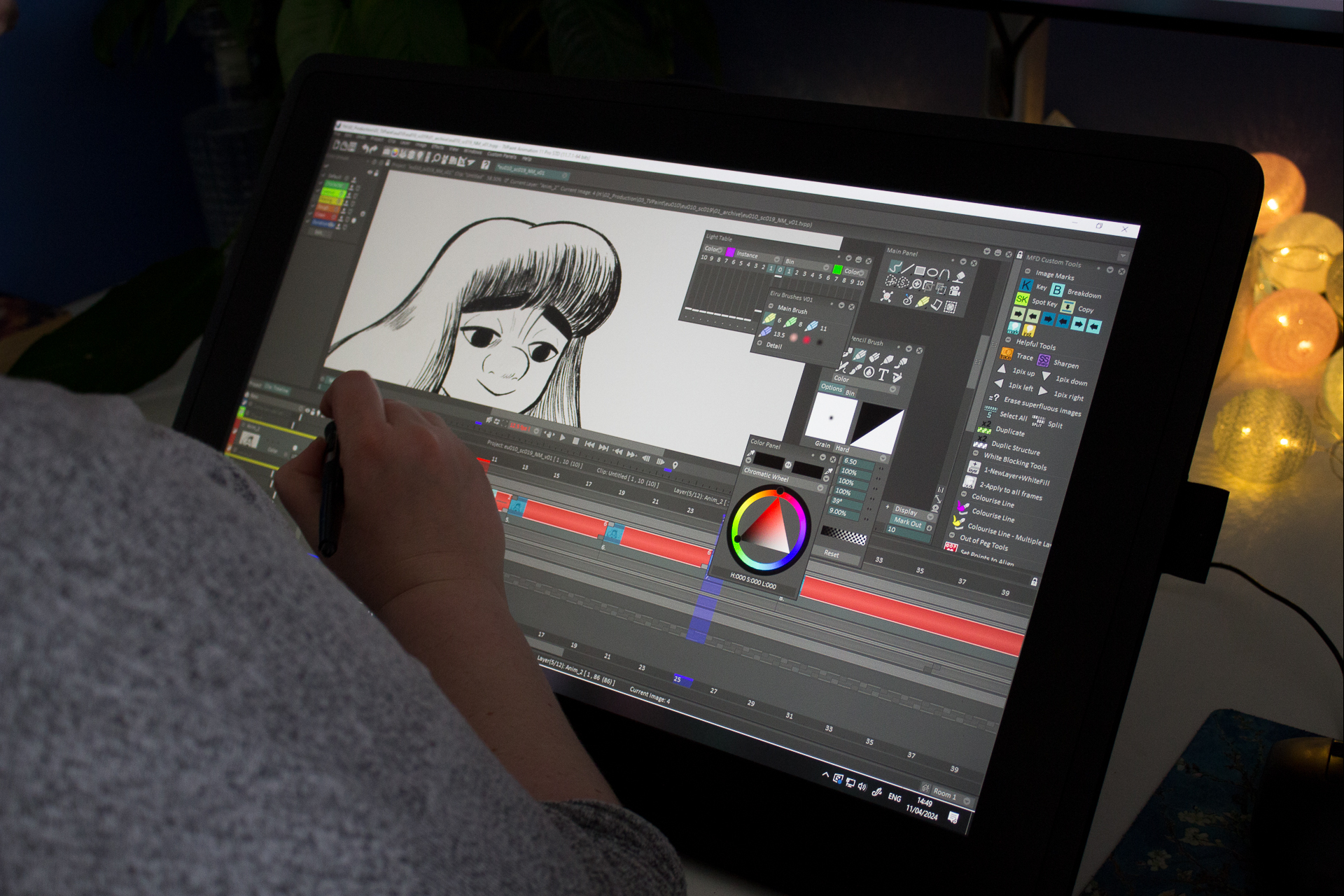
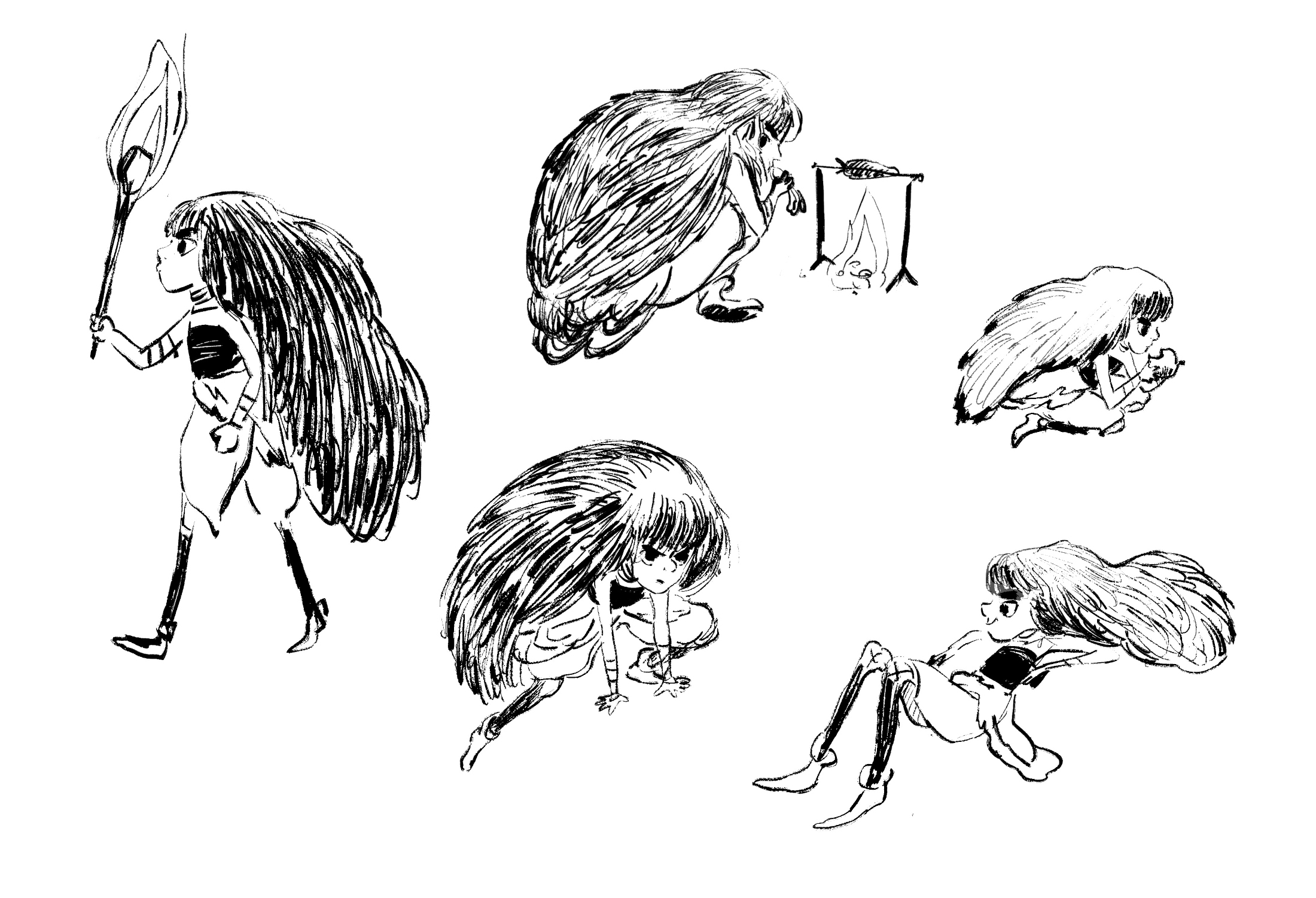
Ferrari: Éiru was always going to be a folk story produced by Cartoon Saloon, so I wanted to make sure it felt like one. The studio has such an incredible tradition that I never wanted to stray too far from it. But I’m an Italian expat who has lived in France for a long time, after all, so I think I brought something a bit unique and different to the animation style, one that’s closer to a continental, realistic 2D approach than what’s usually seen in the studio. Éiru herself is mainly animated straight ahead in TVPaint, and even the layout poses were very loose and rough, based on just a few simple turnarounds. This gives her a sense of life and energy, especially compared to the warriors, who are stiffer and are animated either pose-to-pose or in MOHO. The cleanup brush is the same as the rough one, and we worked so that the main rough keyframes could be almost completely reused in the cleanup process. This allowed the cleanup artists to spend more time on in-betweening and less on tracing — making the line feel lively and fun to watch, while also saving us a good amount of time and money. I really love it when you manage to marry economy with style; it makes everything go so smoothly.
How important is it that a studio like Cartoon Saloon continues to produce short films? What does the studio gain from these types of productions? (Nora)
Nora Twomey: Short films are the perfect stepping stone for new directors, and they’re a great medium for trying new ideas and techniques without having to worry about the pipeline considerations of a big department or long schedule. You can experiment a lot with a short film if you have the skills and confidence to deliver that film when you said you would. Short films also have the potential to say something really profound without the burdens of longer form work. With more money comes more responsibility, so shorts can say something unique and profound without being second-guessed. Another strength of shorts is that you literally have seconds to initially engage your audience and invite them to participate in the world you’ve created; this necessitates disciplined storytelling. Longer-form work can take more time to set up its world and characters. But short films are expensive to make, especially for a studio with a lot of overhead and an experienced team who need to be paid properly for their skills and talent, so the opportunity to make shorts is rare. In Ireland, there are government grants, some residencies, and other initiatives, but filmmakers have to be really smart and lean with their storytelling and know they are a personal investment motivated by love of the medium.