.png)
2027 Oscars Short Film Contenders: ‘The Scarlet Tamagochi’ Director Francisco Visceral
Stay informed with free updates
Sign up to get our news digest — delivered directly to your inbox twice a week.
Welcome to Cartoon Brew’s series of spotlights focusing on the animated shorts that have qualified for the 2027 Oscars. The films in this series have qualified through one of multiple routes: by winning an Oscar-qualifying award at a film festival, by exhibiting theatrically, or by winning a Student Academy Award.
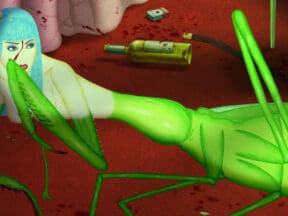
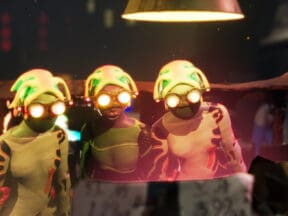
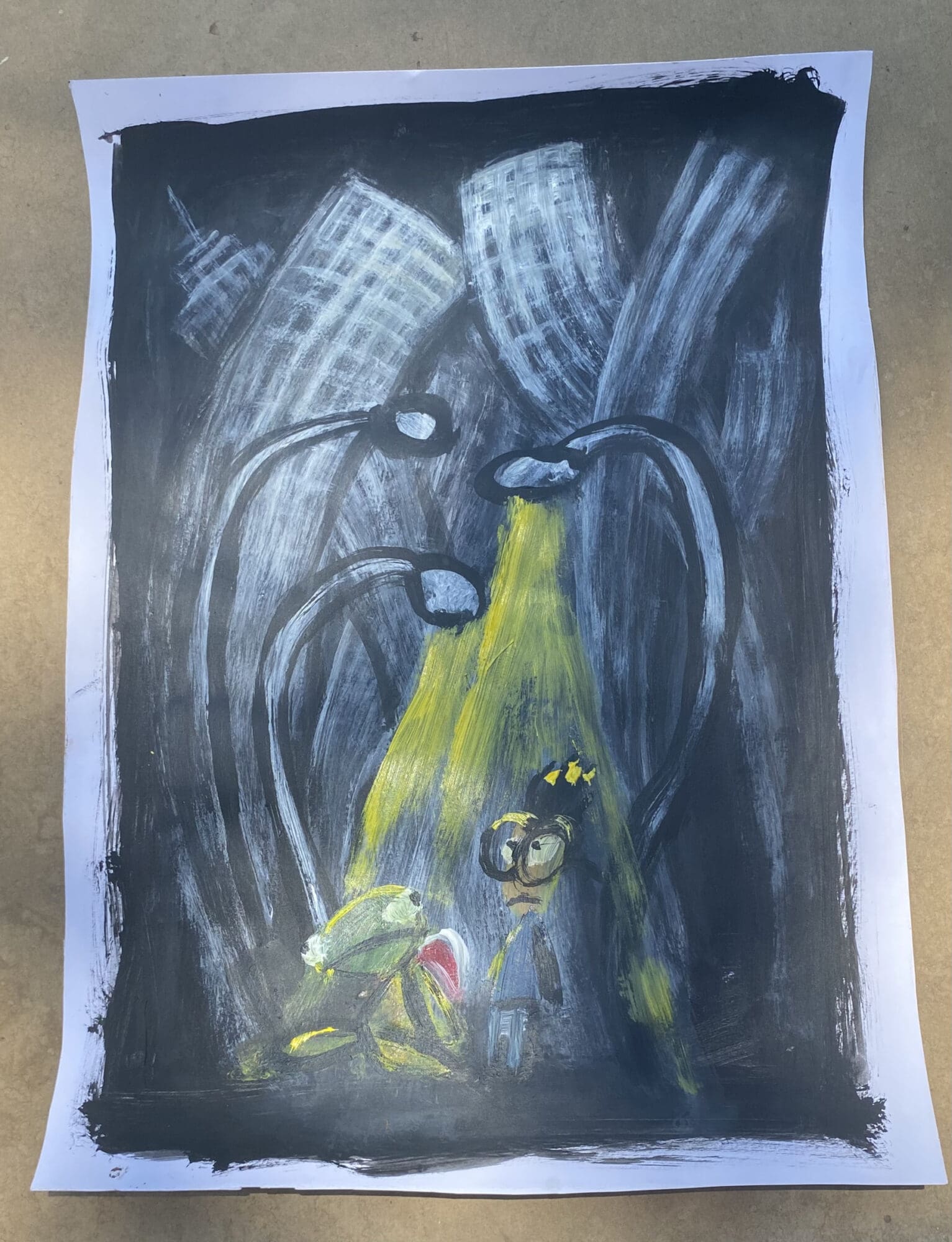
Today’s short is Francisco Visceral’s The Scarlet Tamagochi (El tamagochi escarlata), a Chilean production written by comedian Ignacio Socías and produced by Socías and Lucas Engel. Made with a small team and limited resources, the film combines hand-painted animation, cutout techniques, and stop-motion. It qualified for the Oscars by winning the top prize at Chilemonos.
Set in a 1990s Chilean schoolyard, The Scarlet Tamagochi turns the disappearance of a virtual pet into a noir-inspired detective mystery, complete with suspects, rivalries, and outsized stakes. Its deliberately unruly visuals evoke a child recounting an adventure, while the story takes childhood fears and loyalties seriously, exploring how encounters with bullies, friends, and authority shape a young person’s understanding of the world.
Cartoon Brew: What was it about this story or concept that connected with you and compelled you to direct the film?
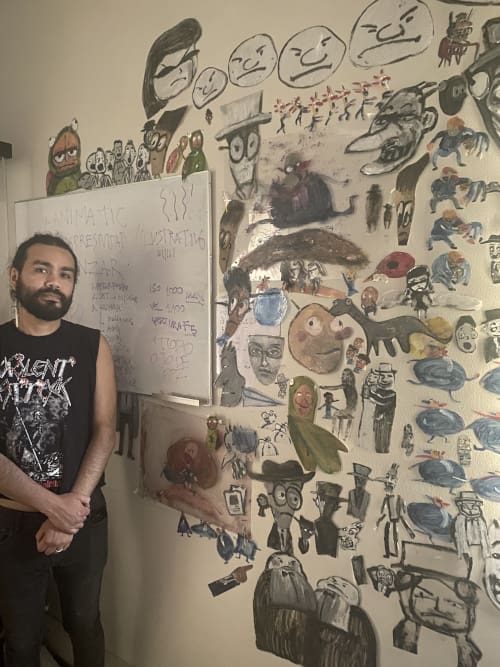
Francisco Visceral: I love the way the script visits our childhood as a collective fear, and not only the innocence or the happy moments that we choose to keep. When you recreate the whole package of emotions that you felt when you were a child, you start to connect not only with nostalgia, but as an adult who realizes that you still are the same kid, with another perspective on the memories due to a whole kind of new experiences that you lived. In that sense, I love how El tamagochi escarlata is not only a story about kids, but also a story of how kids grow up and see the world as hostile and intimidating, yet also a fun place to live. I was a weird kid. I’m a weird adult now.
What did you learn through the experience of making this film, either production-wise, filmmaking-wise, creatively, or about the subject matter?
My main lesson was that I learned to take things and make them real and tangible instead of waiting or taking too long because it doesn’t look “as it should be”. Most people think that their work isn’t good because it doesn’t look like other artists’, animators’, or filmmakers’, and that’s not true. The differences that you build are the features that make your work unique. That said, El tamagochi escarlata is an intense exercise in materializing a project with a low budget, short time, and the courage to believe in other ways to make films.
Can you describe how you developed your visual approach to the film? Why did you settle on this style/technique?
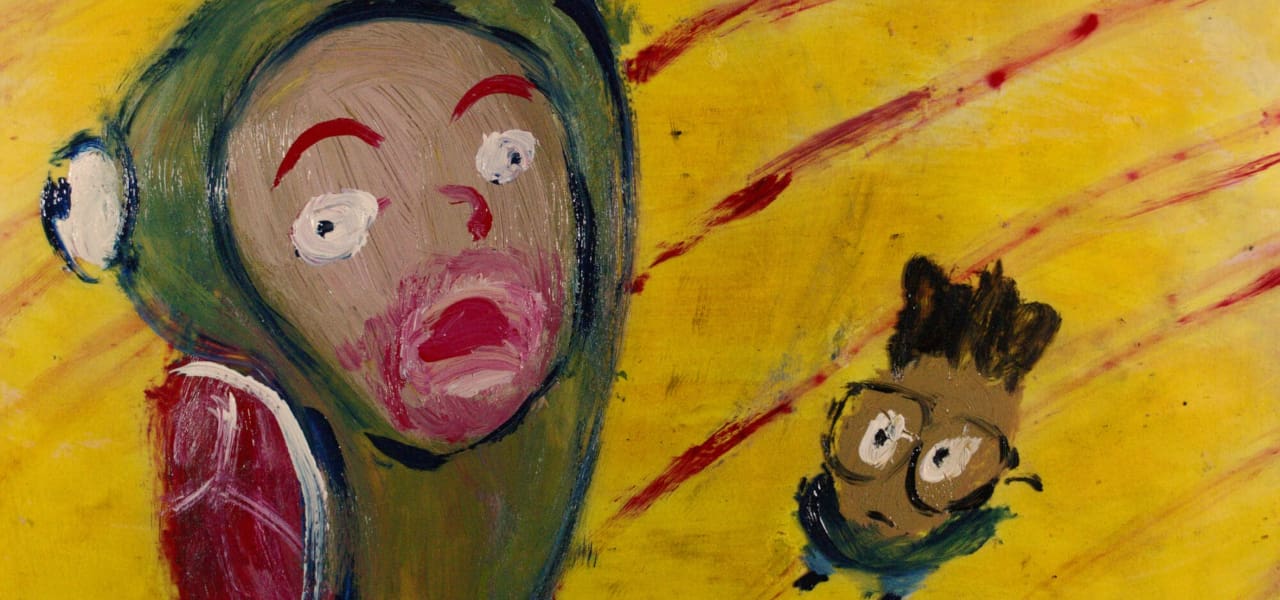
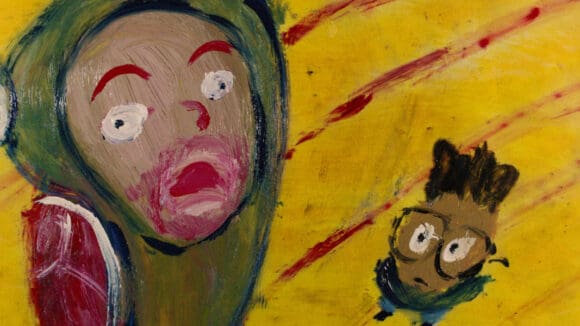
There are three factors about the technique: we wanted to make it look like a kid telling a story to his parents or friends, with the same energy as a child using his coloring pencils or brushes. Then we wanted to make it look Chilean, and I mean not only about the culture, the energy, or the expressions, but we realized that people from different countries felt identified with that, while we also wanted to be honest with the materials and tools that we were using to make it feel “very human-made”. From my perspective, that’s some kind of Chilean style, if we think about movies like La casa lobo: a Chilean iconic film that changed the way we perceive Chilean animation and that we can see in other projects too, like Bestia. Our relationship with materials is more expressive; we are not trying to hide its essence, something different from what other animators are used to doing, especially nowadays with AI. And the third reason is that, well, we didn’t have much money.
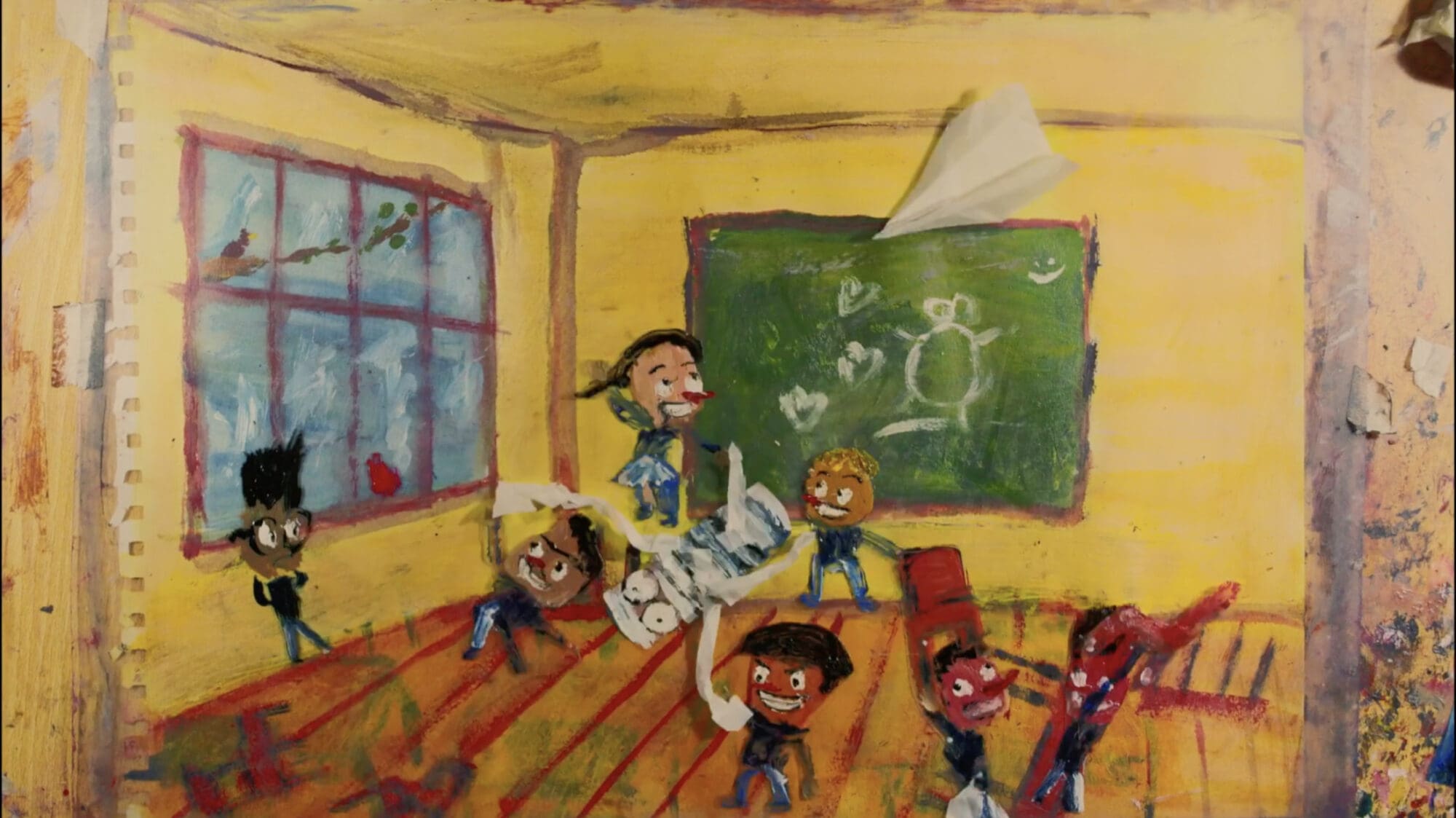
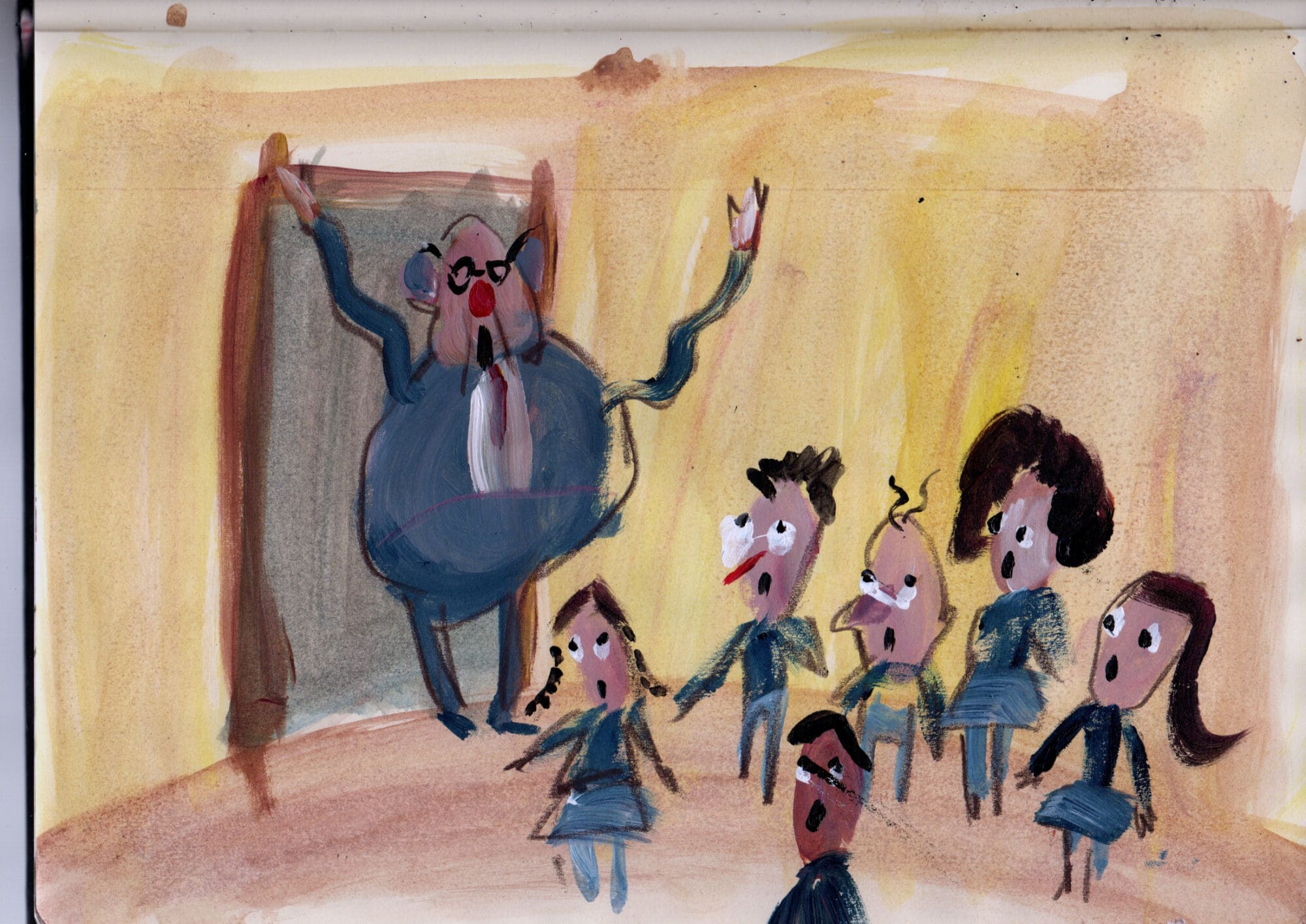
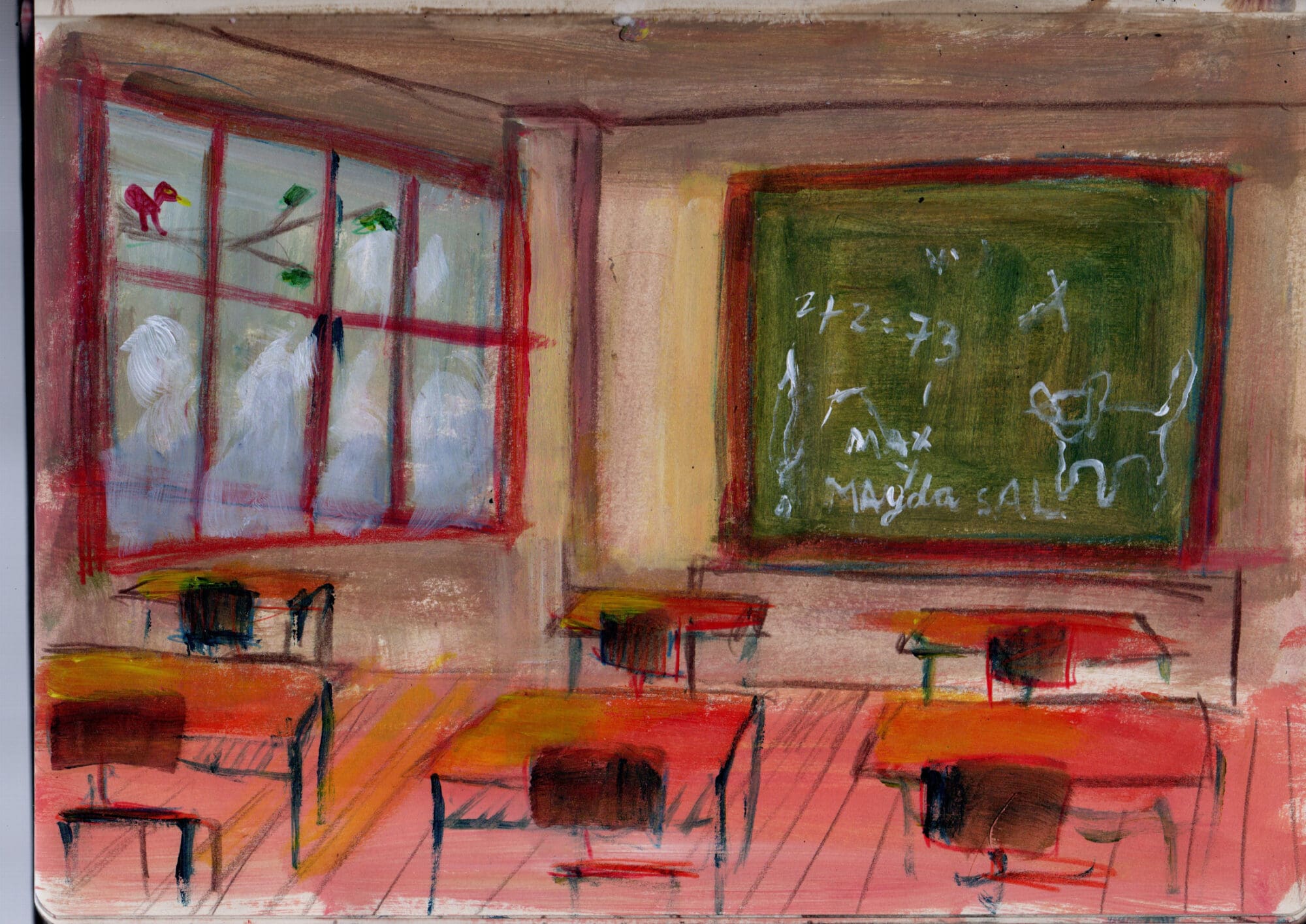
What interested you about treating the politics and rivalries of a schoolyard with the seriousness of an adult world?
My main concern is to start talking to kids as normal human beings, and to stop pretending their feelings aren’t valid. That said, school is the best place to see their world, and how safe or unfair a child’s daily life can be. From the moment you set foot in school, facing bullies, talking to your friends, and dealing with your first experiences with authority, we can see how it affects children’s development. That’s an important subject for adults too. As I see it, kids’ stories should always be interesting and fun for adults too, because they depend on us to know how they are dealing with this mad world.