.png)
2026 Oscars Short Film Contenders: ‘Pow!’ Director Joey Clift
Stay informed with free updates
Sign up to get our news digest — delivered directly to your inbox twice a week.
Welcome to Cartoon Brew’s series of spotlights focusing on the animated shorts that have qualified for the 2026 Oscars. The films in this series have qualified through one of multiple routes: by winning an Oscar-qualifying award at a film festival, by exhibiting theatrically, or by winning a Student Academy Award.
Today’s short is Pow! from director Joey Clift, featuring animation by FlickerLab. The short screened at key international festivals, including Spark, Thessaloniki, Chicago, and Palm Springs, and qualified for the upcoming Oscars via exhibition as part of The Roxie Theater’s First Looks: Oscar Qualifying Program.
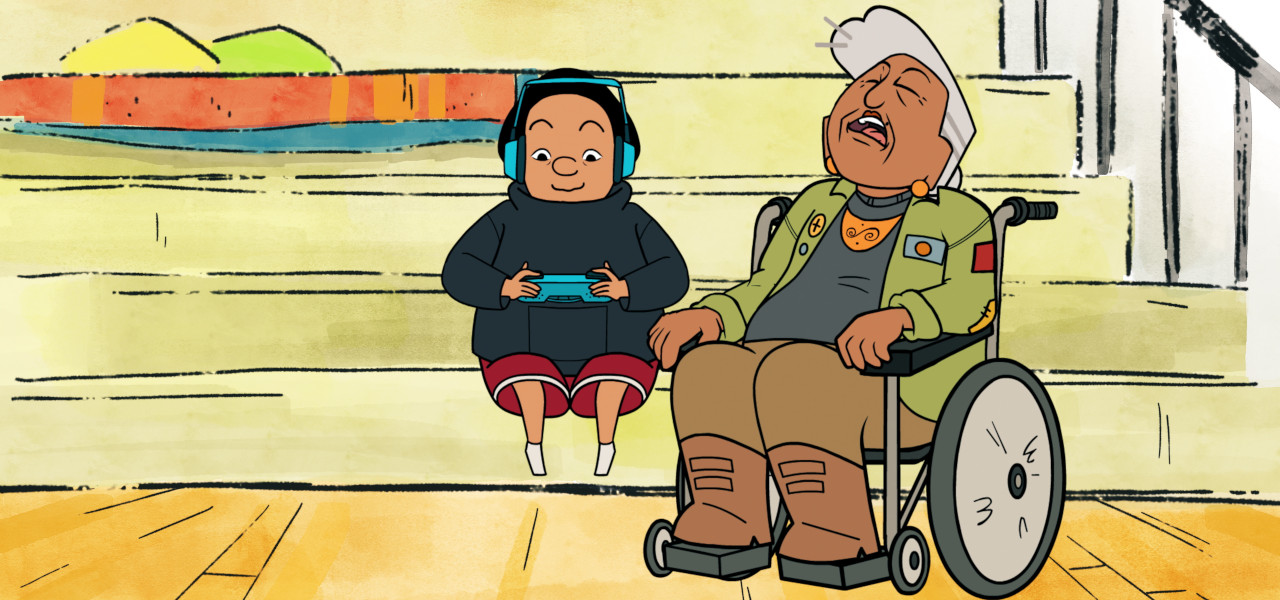
Pow! is an energetic, heartfelt story about a Native American kid racing to charge his dying handheld game console during a lively intertribal powwow. The film features culturally rooted animation that shifts among three hand-crafted animation styles: 16-bit pixel art, hand-drawn 2D animation (including rotoscoped dancing) with watercolor backgrounds, and a striking sequence inspired by 19th-century Plains ledger art, marking one of the first times this style has appeared in animation. Drawing on influences from Coastal Salish shape language, classic slapstick cartoons, anime, and 16-bit game design, Pow! is a visually dynamic, emotionally layered portrait of contemporary Native identity created entirely by human artists, with no AI used at any stage of production.
Cartoon Brew: What was it about this story or concept that connected with you and compelled you to direct the film?

Joey Clift: I’m an enrolled member of the Cowlitz Indian Tribe of Washington State, and Pow! is based loosely on my experiences being dragged by my mom to tribal events when I was a kid. Like a lot of folks, I struggled with the dichotomy of honoring my traditional culture while being a contemporary person who loves video games. I rarely saw authentic Native American representation in the cartoons I watched growing up. Exploring Native culture through the lens of a Looney Tunes-style short is something never seen before and something I would have loved to have had as a kid.
What did you learn through the experience of making this film, either production-wise, filmmaking-wise, creatively, or about the subject matter?
As one of only a few dozen Native people working in animation, I’ve learned firsthand how most Non-Natives know next to nothing about us. I worried that a film set at a powwow, with specific Native archetypes and crammed with Native in-jokes, might be too niche. One amazing discovery screening Pow! has been that, from international screenings, to festivals in big cities, to showings on small Indian reservations, no matter the audience, the laughs and the emotional reactions are always in the same places. Native stories aren’t niche. They’re universal, and it’s been hugely validating to see that in action.



Can you describe how you developed your visual approach to the film? Why did you settle on this style/technique?
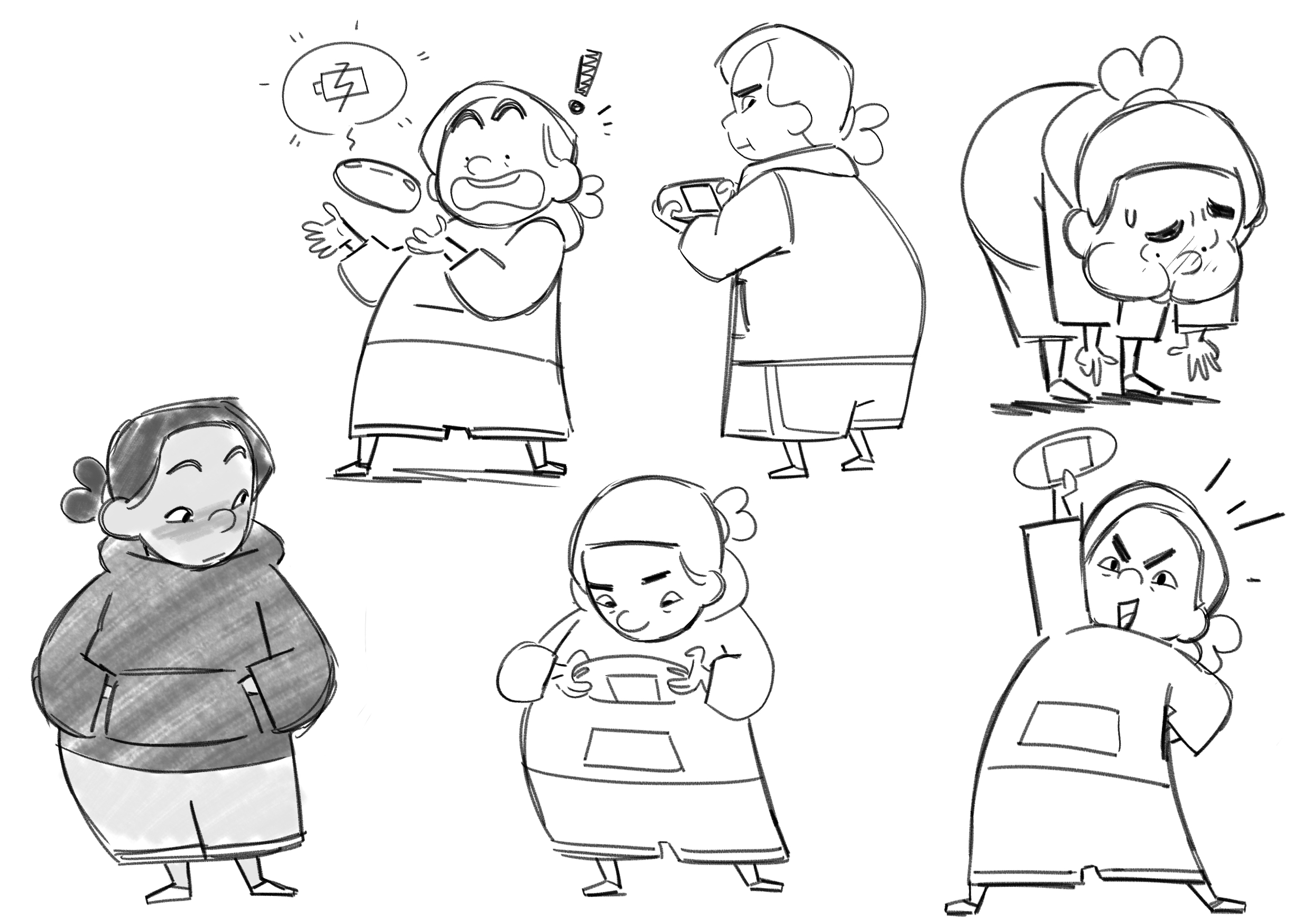
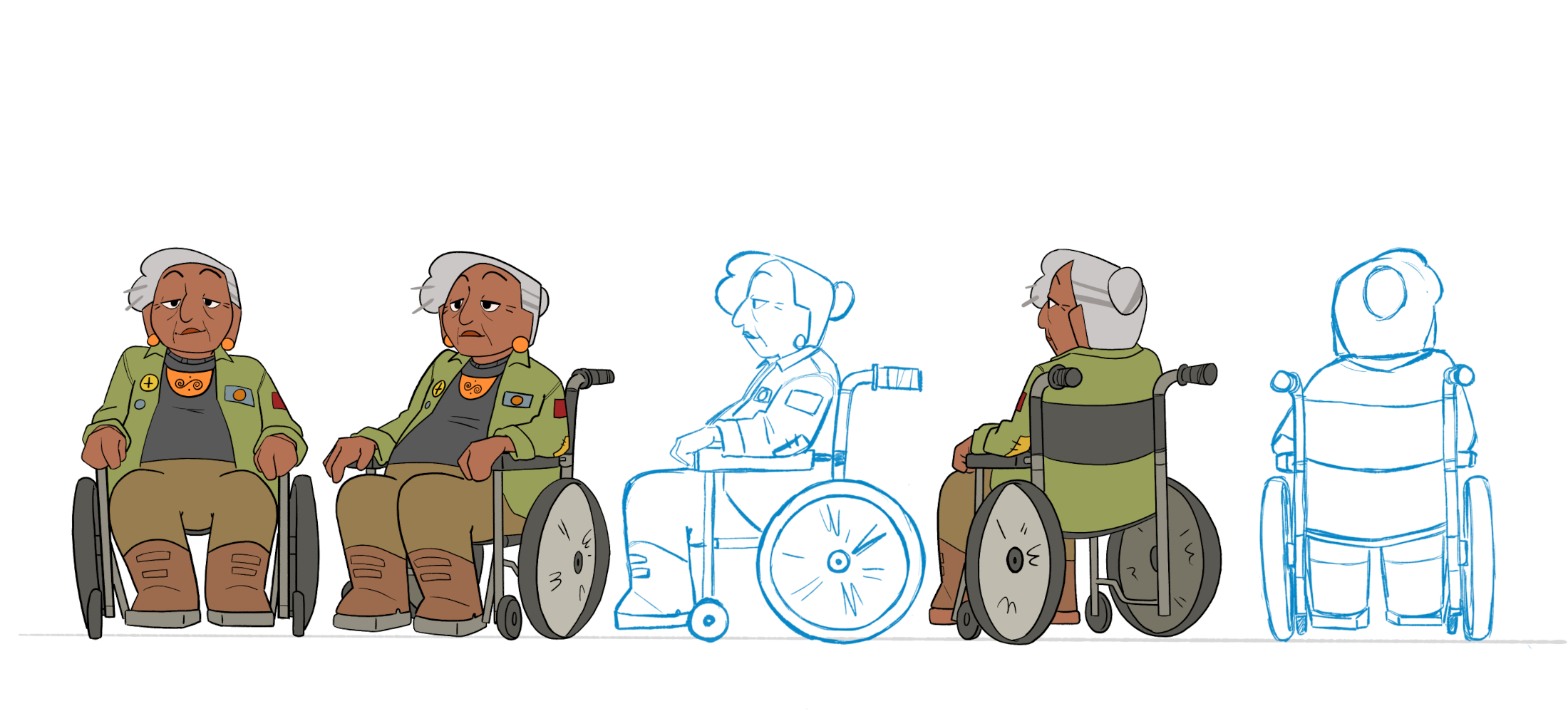
Pow! features three distinct visual styles. 16-bit SNES-style pixel art, watercolor anime-influenced animation, and a sequence inspired by Plains Native ledger art. Each style represents a different character’s nuanced perspective on Native culture. That’s my intellectual answer. My real answer is that sometimes, as a director, you just dump the things you love into a blender and see what happens. Organizing our ideas, the team and I realized that including multiple animation styles wouldn’t just look cool, it was a thematic opportunity that would elevate the film visually and give the story additional weight.

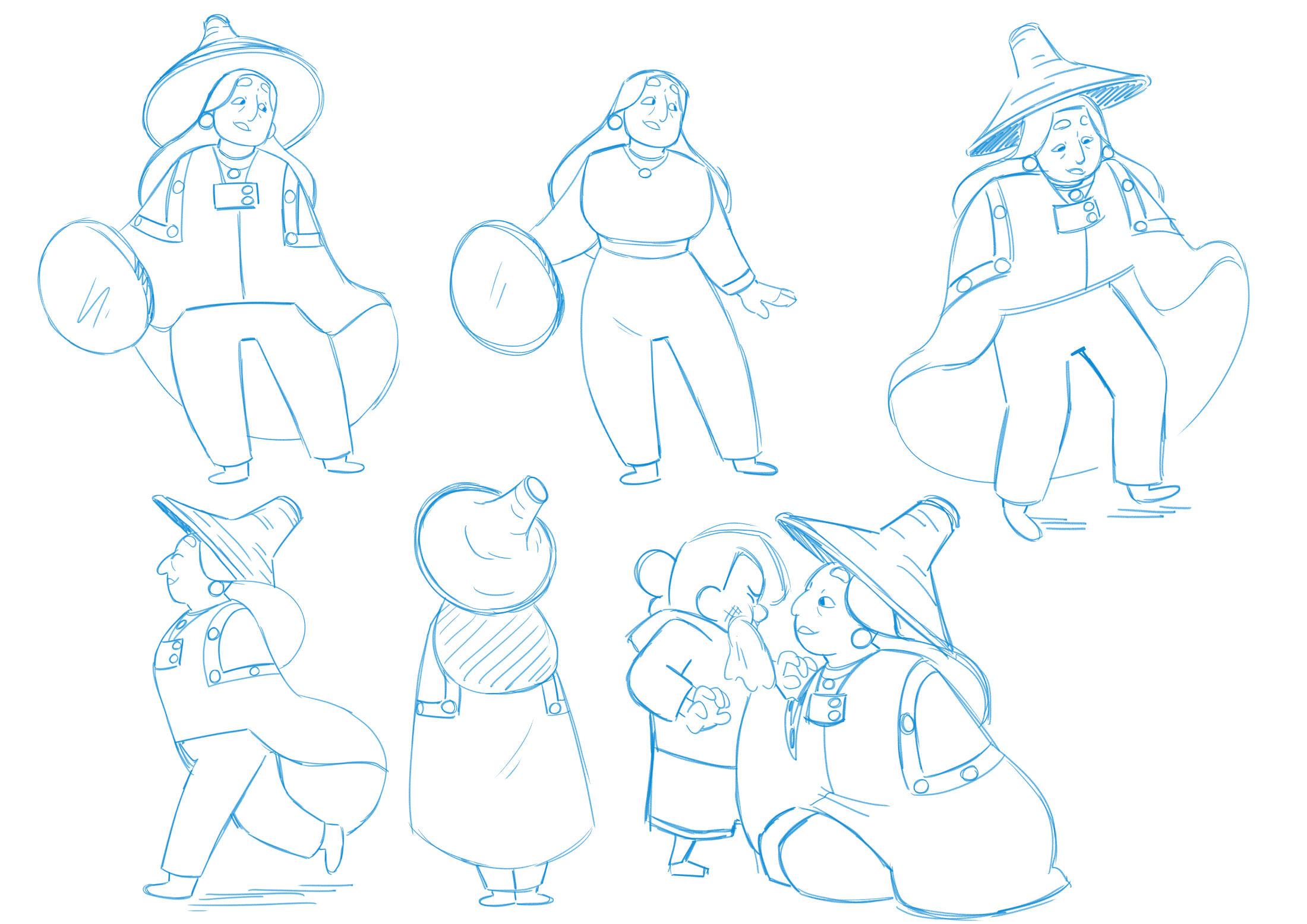
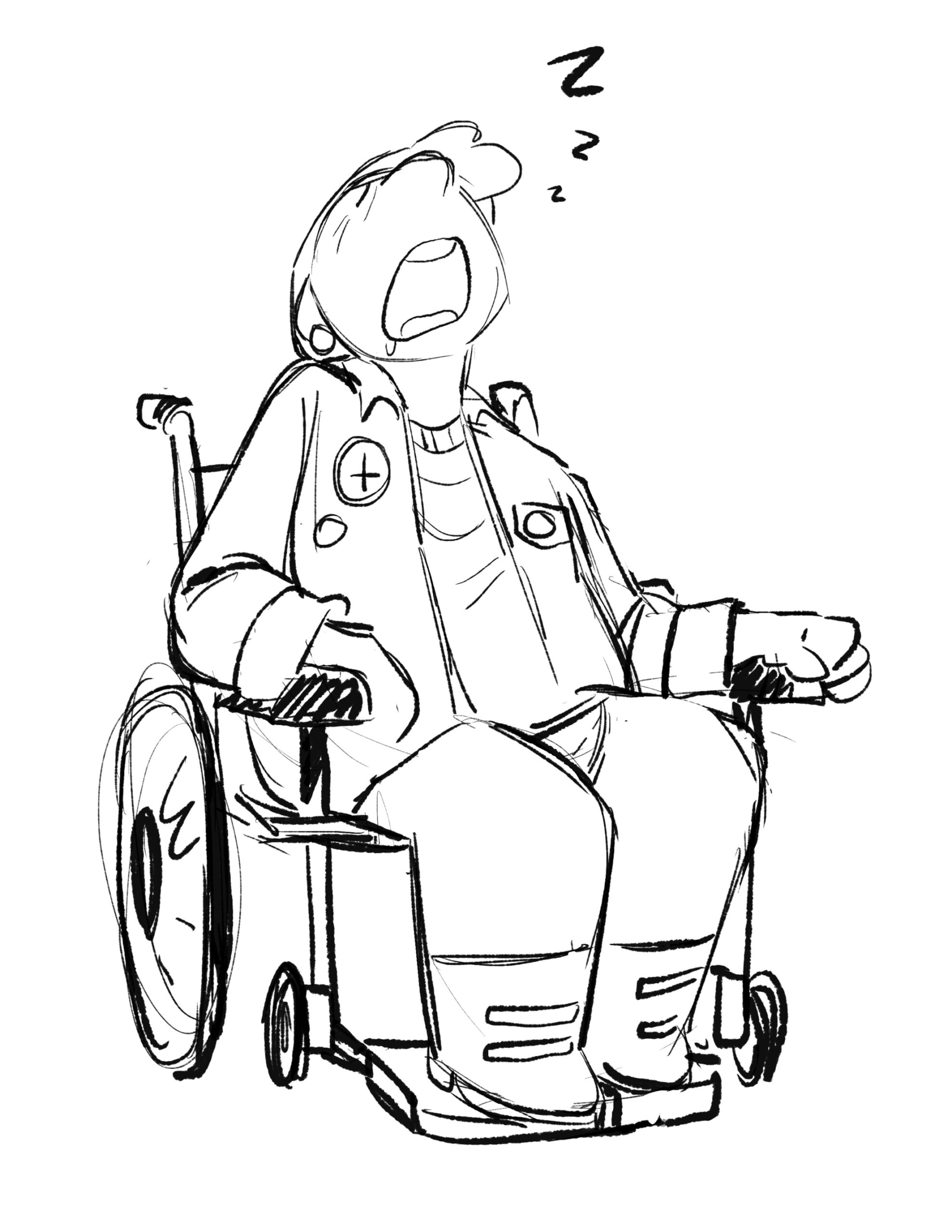
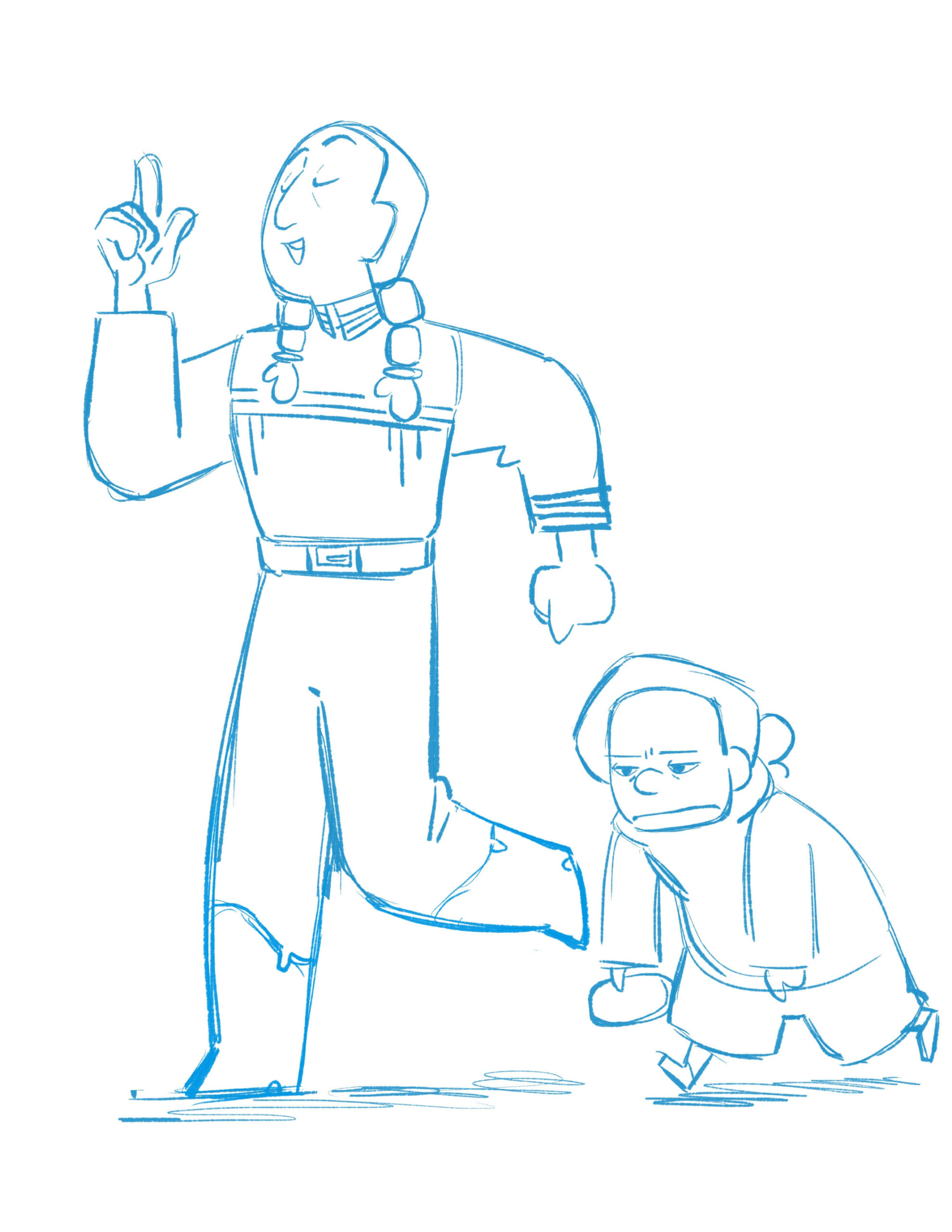
You’ve mentioned that Pow! is one of the first animated films to feature a powwow and Native ledger art. What challenges or opportunities did you encounter in bringing authentic Indigenous visuals and storytelling to animation?
As one of the first animated films to explore Native culture in this way, Pow! needed to be authentic. I worked with consultants, including powwow dancers whose performances we rotoscoped for maximum accuracy. For our ledger art sequence, I sourced actual audio from the 2016 Dakota Access Pipeline protests and received permission from The National Archives to include images of treaties and documents important to Native history. It took months of additional work, but Native directors almost never get the resources to make films like this, so it was important to me to honor that opportunity at every step.
Written and Directed by Joey Clift
Animation by FlickerLab
Senior Animator – Hyo Bin Kang
Animator – Aaron Gosch
Animator – Phillip Andrade
Animator – Neil Tenczar
Animator – Leonardo Silva
Animator – Morgan Thompson
Storyboards:
Nora Meek
Morgan Thompson
Fernando "eL HiNO" Hinojosa
Design & Backgrounds – Morgan Thompson