.png)
YouTube’s Ad Revenue Is Bigger Than Disney, NBCU, Paramount, And WBD Combined — What Does That Mean For Creators?
Stay informed with free updates
Sign up to get our news digest — delivered directly to your inbox twice a week.
YouTube’s financial scale has reached a point that was unthinkable when the platform launched two decades ago. According to the company’s annual financial results, YouTube generated about $40.4 billion in advertising revenue in 2025, surpassing that of Disney, NBCUniversal, Paramount, and Warner Bros. Discovery. Combined.
Add to that subscriptions like YouTube Premium, YouTube TV, and NFL Sunday Ticket, and the platform brought in more than $60 billion in total revenue, enough for industry analysts to describe it as the largest media company in the world by revenue, edging past Disney’s media business.
For the creators who actually make the content that fills the platform, those numbers raise an obvious question: What does this growth mean for them?
YouTube’s core monetization system shares revenue with the creators who post videos on its platform. The company typically pays about 55% of advertising revenue from standard videos to the channel owner. That suggests billions of dollars flowing back into the creator economy.
But those figures also obscure how uneven the system can be. Revenue per view varies widely depending on audience demographics, advertising demand, and viewing behavior. For creators working in labor-intensive formats like animation, the economics can be particularly challenging. Animation takes far more time and resources to produce than quickly edited live-action content, live streams, or video podcasts, while YouTube’s recommendation system often rewards consistent uploads and high output that are impossible for content made using traditional animation techniques.
At the same time, the platform’s reach is undeniable. A single creator can potentially reach a global audience without the traditional gatekeepers of television networks or film distributors.
YouTube has become a launchpad for ambitious animation that didn’t have, and often didn’t want, studio financing or interference. Independent outfits like Glitch Productions have built massive audiences with originals such as The Amazing Digital Circus, Murder Drones, and Knights of Guinevere. Creator Vivienne Medrano’s Hazbin Hotel similarly began as a self-produced YouTube pilot that went viral, inspired the similarly popular Helluva Boss, and eventually got picked up by Prime Video. Projects like Tracy Butler’s Lackadaisy have likewise used YouTube releases alongside crowdfunding to finance polished animated productions and cultivate devoted fanbases outside the traditional studio system.
YouTube’s booming revenue may demonstrate the enormous value of free-to-stream online video. The more complicated question is how that value is distributed, and whether the system ultimately works for the artists whose work drives it.
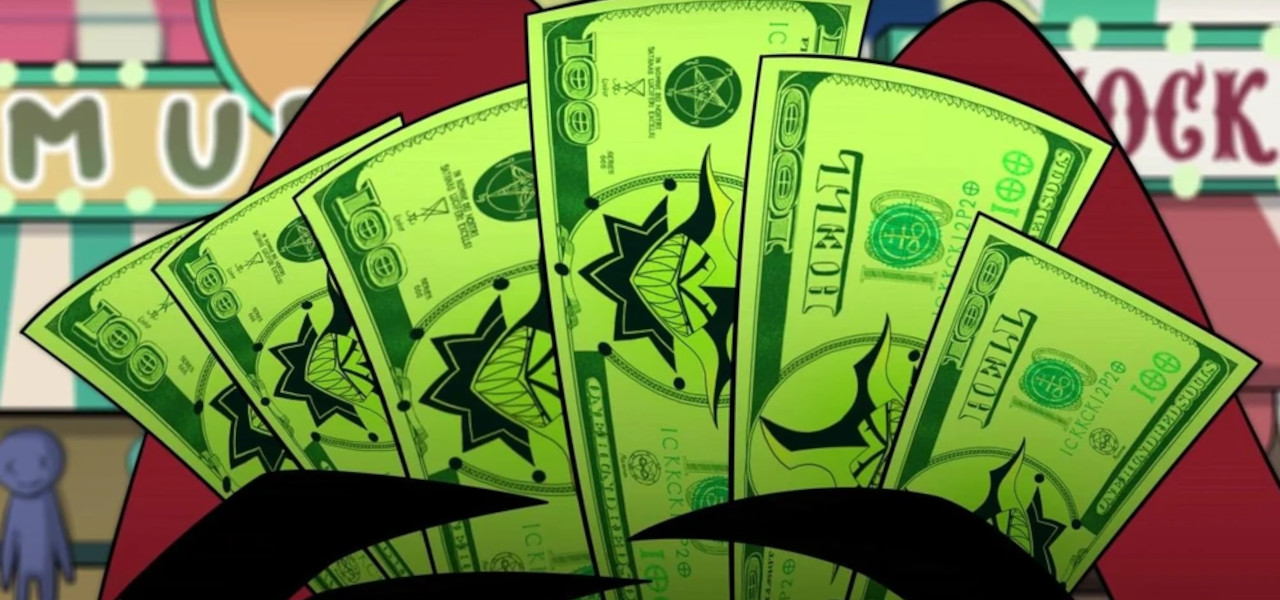
Pictured at top: Hazbin Hotel