2027 Oscars Short Film Contenders: ‘Dear Upstairs Neighbors’ Director Connie Qin He
Stay informed with free updates
Sign up to get our news digest — delivered directly to your inbox twice a week.
Welcome to Cartoon Brew’s series of spotlights focusing on the animated shorts that have qualified for the 2027 Oscars. The films in this series have qualified through one of multiple routes: by winning an Oscar-qualifying award at a film festival, by exhibiting theatrically, or by winning a Student Academy Award.
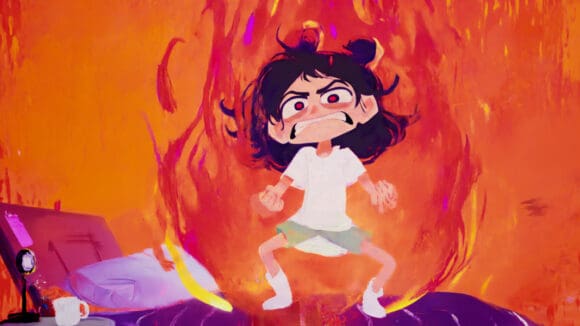
Today’s short is Connie Qin He’s Dear Upstairs Neighbors, produced by Márcia Mayer. The film combines artist-created storyboards, designs, and 2D and 3D animation with generative AI models fine-tuned on the team’s concept art to create its final painterly imagery. It qualified for Oscar consideration by completing a one-week theatrical run.
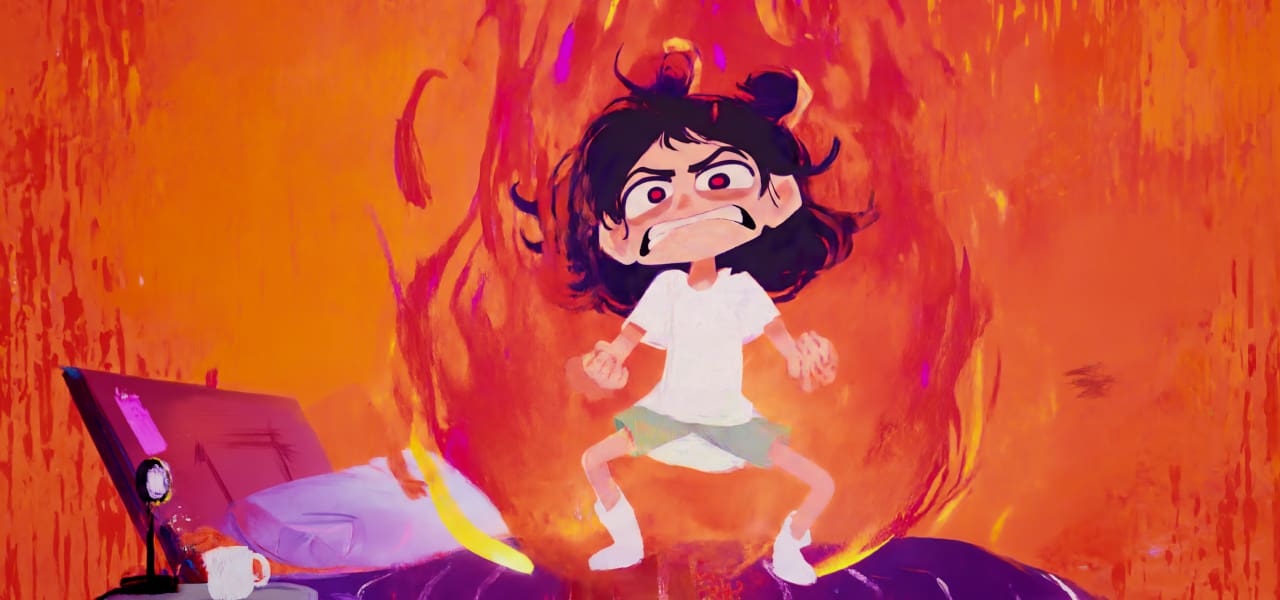
Desperate for sleep, Ada finds herself increasingly consumed by the noise from the apartment above her. As she imagines what her neighbors could possibly be doing, everyday frustration gives way to elaborate, surreal fantasies. Inspired by He’s experiences during the pandemic, the film’s shifting textures, colors, and visual styles follow its protagonist’s escalating emotions.
Cartoon Brew: What was it about this story or concept that connected with you and compelled you to direct the film?
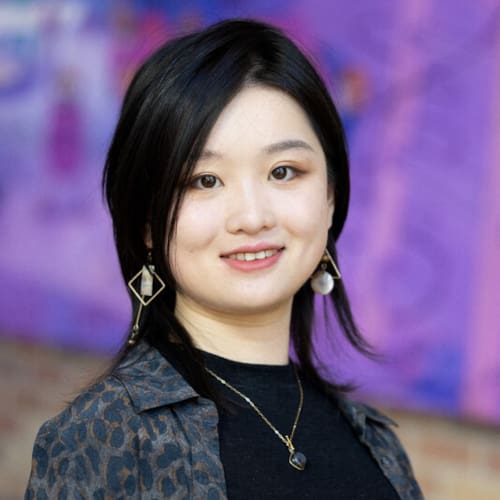
Connie Qin He: The story came directly from my experience living in an apartment building during the pandemic. Like a lot of people, I was suddenly spending almost all my time at home, hearing all kinds of strange noises from upstairs and imagining what on earth my neighbors were doing that could be so loud.
Eventually, I decided to channel that frustration into something creative, and the moment I started putting those emotions into storyboards, I felt relieved. I’ve always loved visual storytelling, and animation felt like the perfect way to turn such a relatable experience into something surreal, funny, and emotionally expressive.
What did you learn through the experience of making this film, either production-wise, filmmaking-wise, creatively, or about the subject matter?
One of the biggest lessons was the magic that happens when artists and researchers work hand in hand. We were trying to create something that hadn’t really been done before, combining a very specific painterly visual style with animation, and there was no playbook to follow.
We had to build both the visual approach and production pipeline from scratch, figuring things out one step at a time. The most successful moments came directly from that close collaboration, with artists bringing creative goals and researchers helping develop the tools and workflows to support them.
Can you describe how you developed your visual approach to the film? Why did you settle on this style and technique?
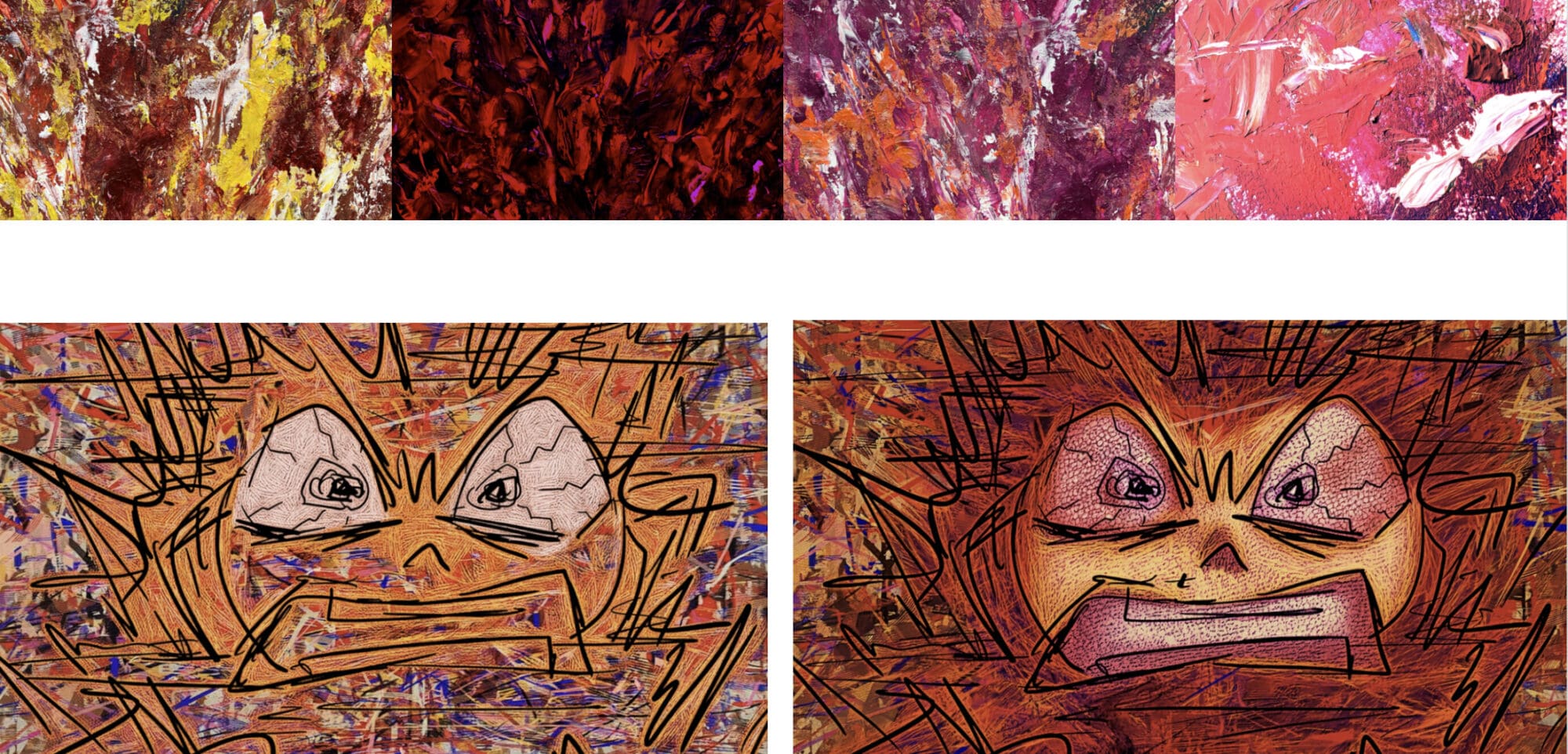
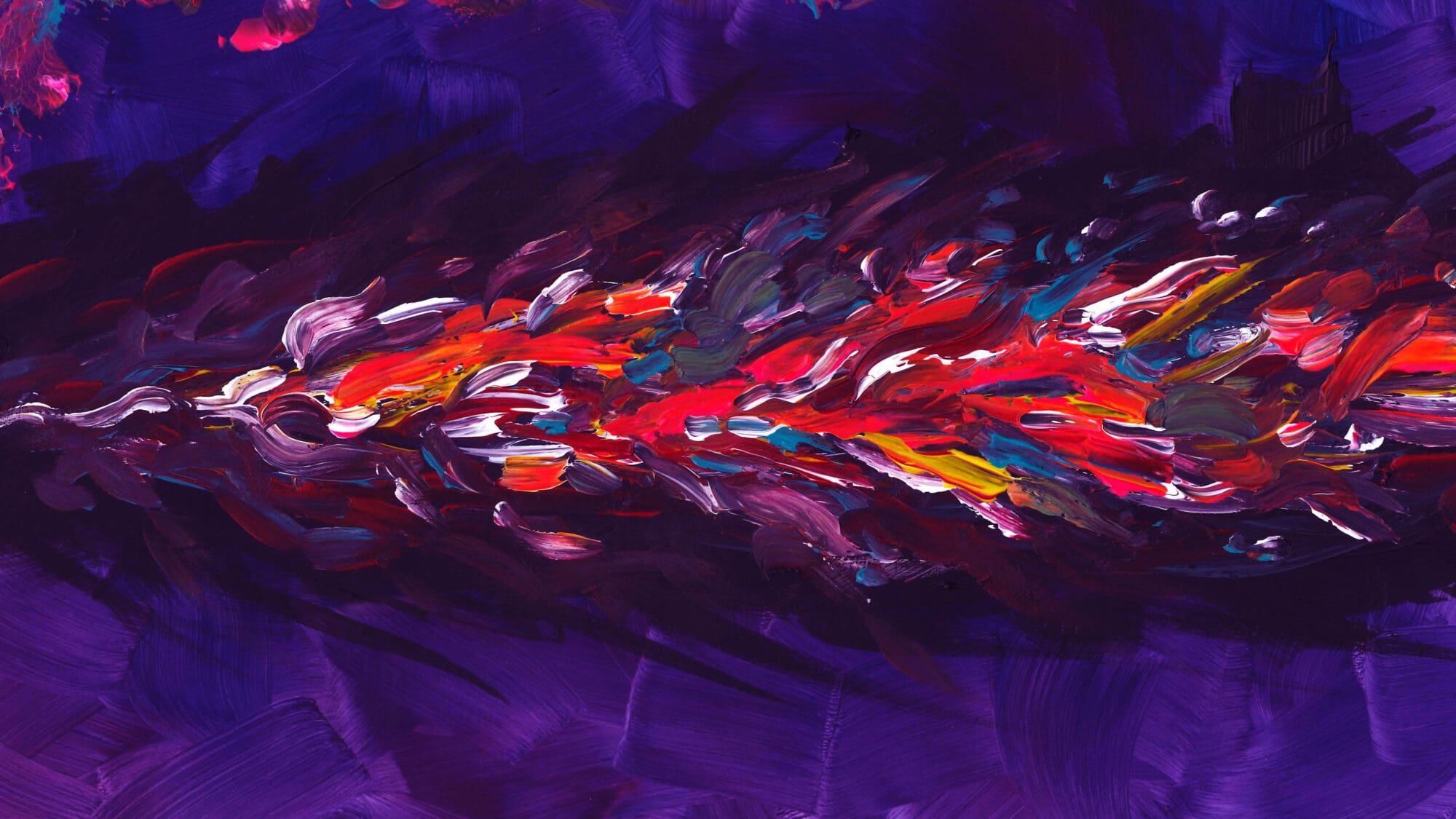
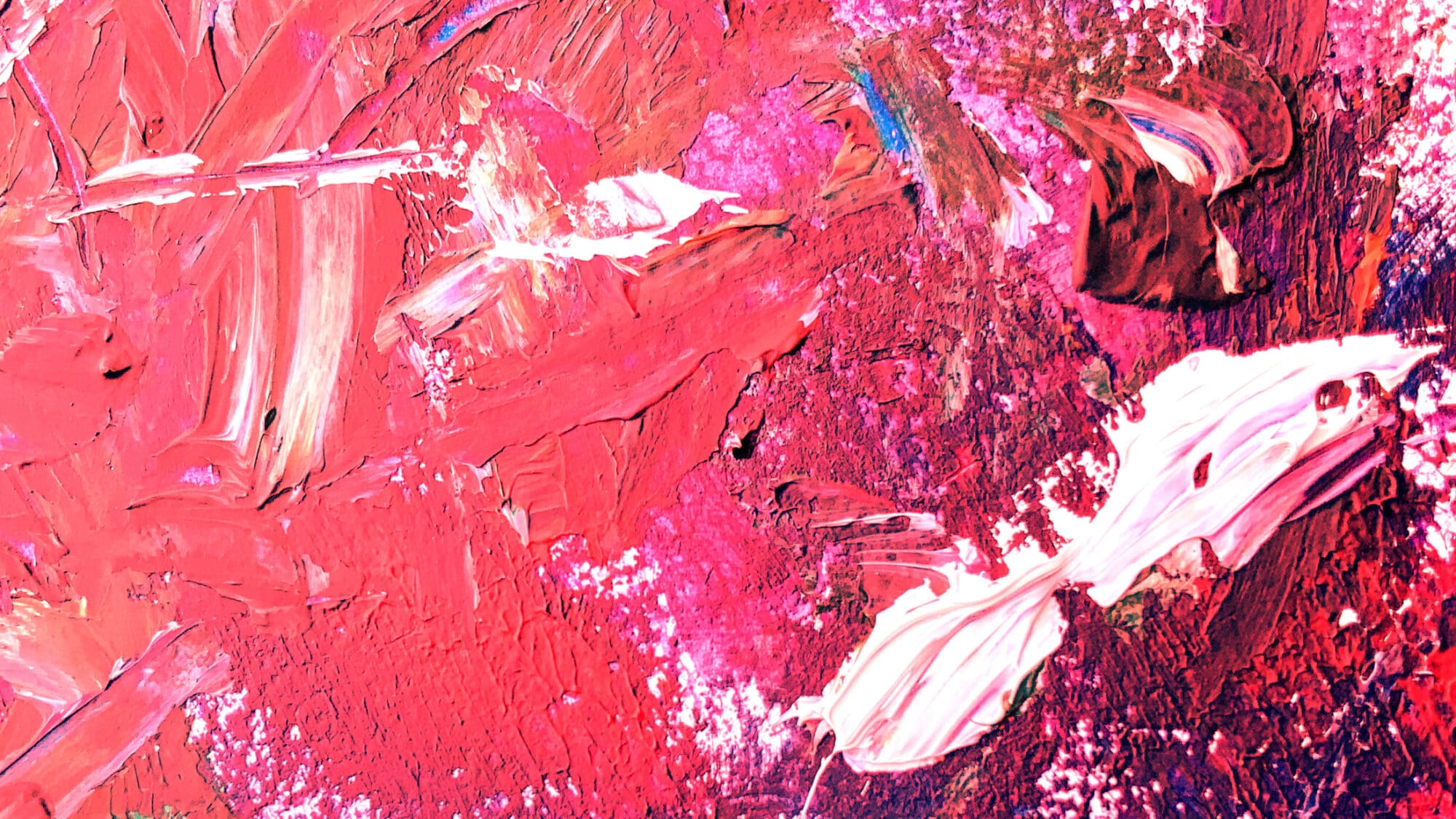
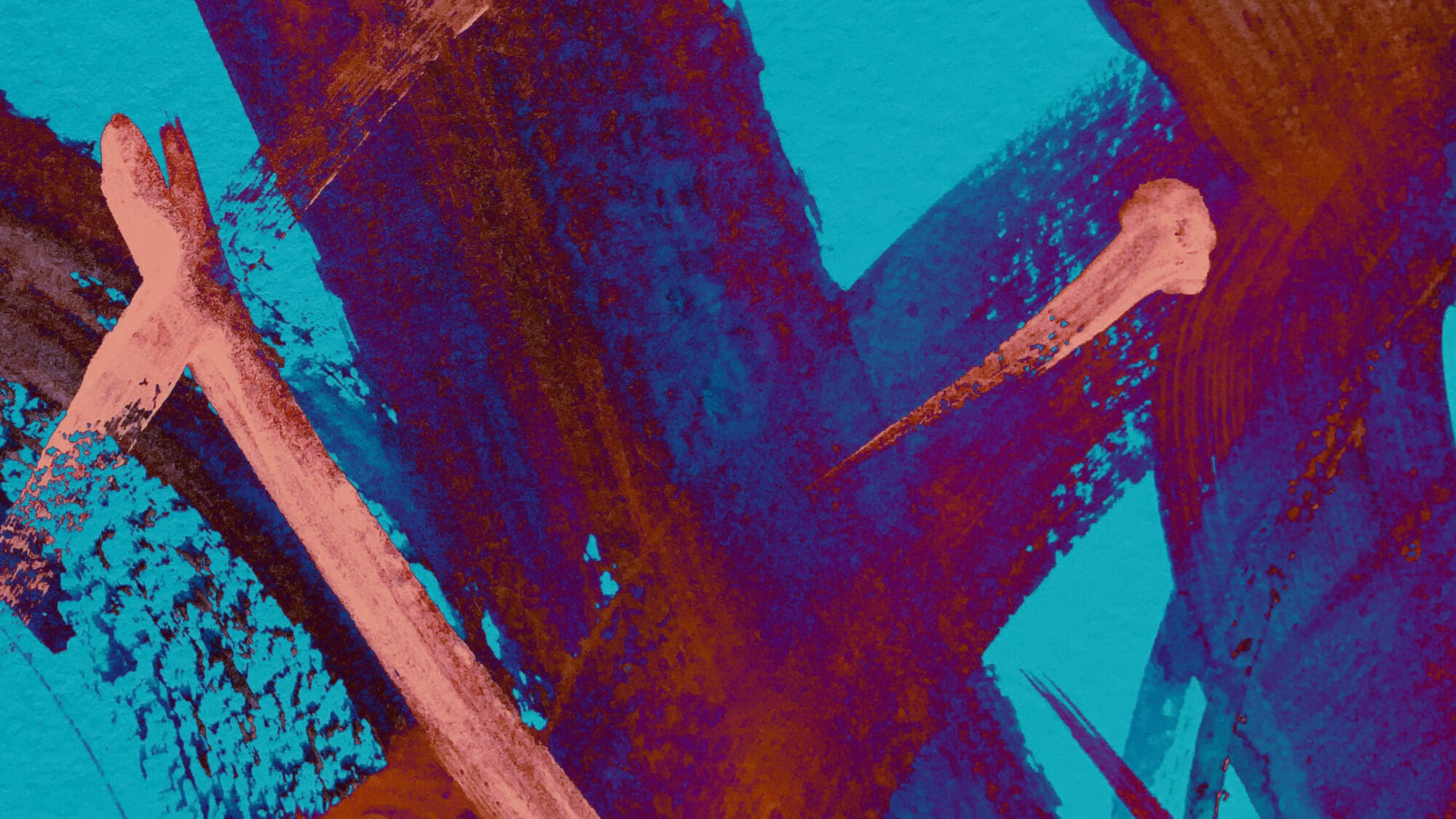
I grew up in a family that loved art. My father is an abstract fine art painter, and I spent a lot of time in galleries and museums, fascinated by how artists could express emotion through color, texture, and different materials. I’ve always wondered how we could bring that kind of artistic expression into animation.
With Dear Upstairs Neighbors, we wanted the visual style to reflect Ada’s emotional journey, becoming increasingly surreal and expressive as her frustration builds. Combining 2D and 3D animation with painterly aesthetics gave us the freedom to bring her feelings to life in a really unique way.
What surprised you most about working with AI on the film, creatively or otherwise? And is it something you will continue to integrate into your workflow?
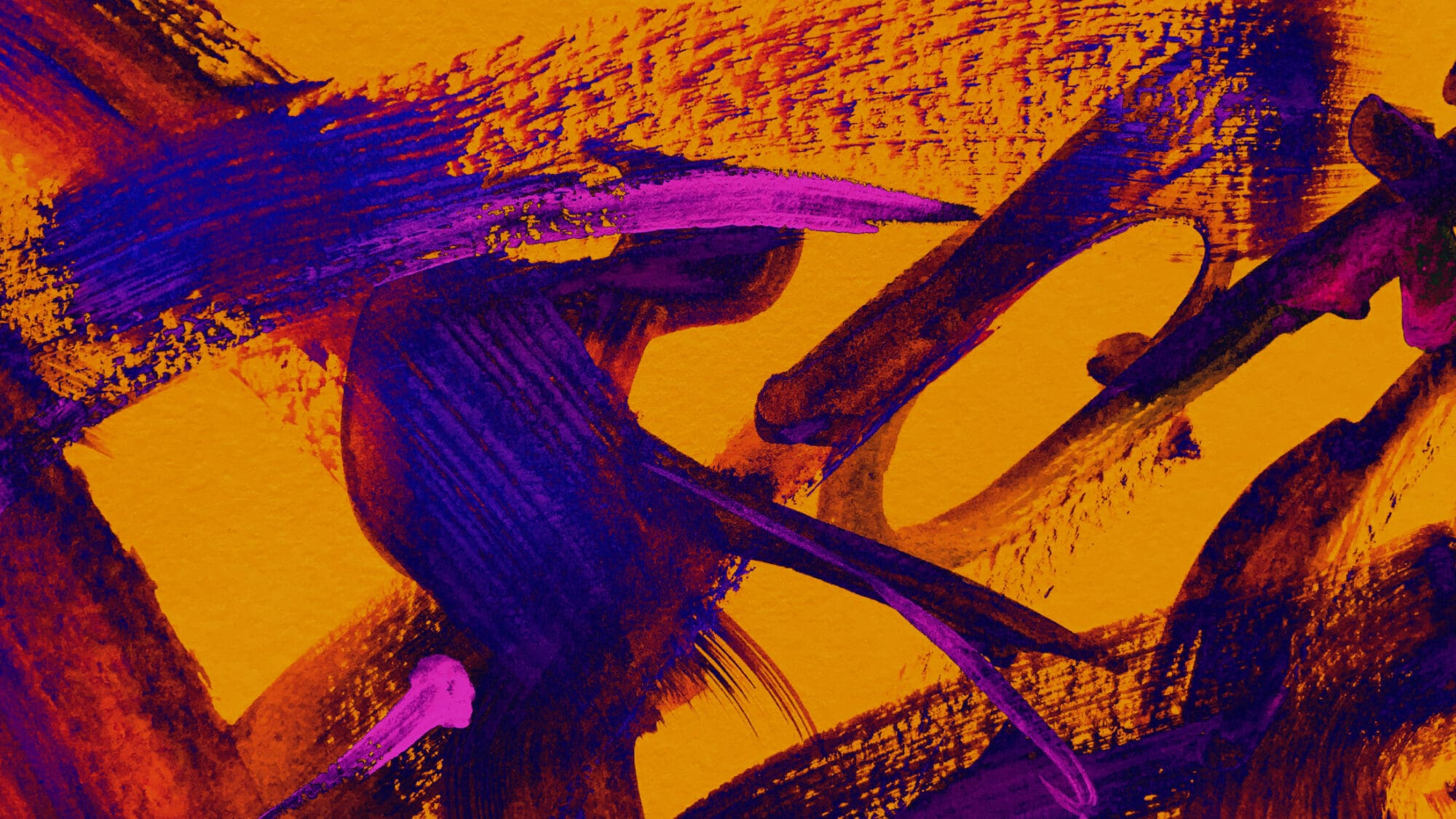
What surprised me most was how the models could learn from and interpret the artwork our artists created. We initially hoped they would pick up on things like brushwork and color palettes, but they also began recognizing more subtle visual choices, like two-point perspective and the way we used brushstrokes to represent sound. That opened up some really exciting creative possibilities.
I’m always interested in tools that help artists tell stories in new ways, and this experience showed me how AI can support very specific creative goals. Ultimately, technology should always serve the story and the artists behind it.