.png)
2026 Oscars Short Film Contenders: ‘Forevergreen’ Directors Nathan Engelhardt And Jeremy Spears (EXCLUSIVE BTS)
Stay informed with free updates
Sign up to get our news digest — delivered directly to your inbox twice a week.
Welcome to Cartoon Brew’s series of spotlights focusing on the animated shorts that have qualified for the 2026 Oscars. The films in this series have qualified through one of multiple routes: by winning an Oscar-qualifying award at a film festival, by exhibiting theatrically, or by winning a Student Academy Award.
Today’s short is Forevergreen, directed by Nathan Engelhardt and Jeremy Spears. The short won best animation at San Diego and the Canal+ Award at Annecy, earning Oscar qualification with an AFI Fest best animated short win.
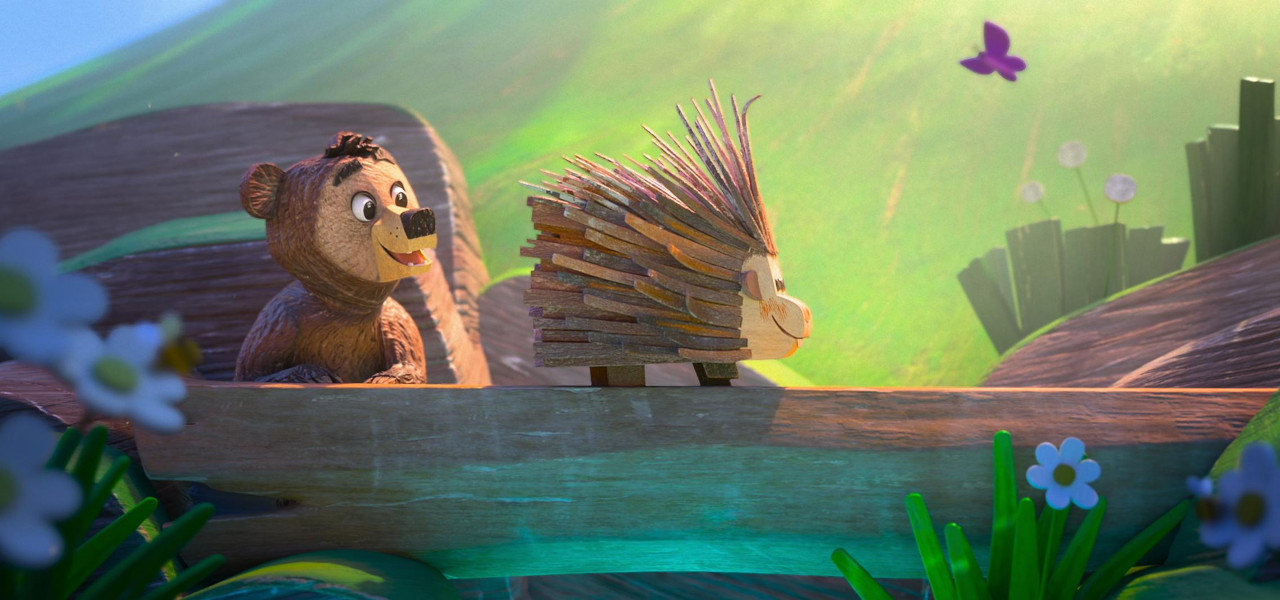
The gorgeous CG-animated short follows an orphaned bear cub taken in by a paternal tree. As the mischievous cub grows up, his attention wanders, and a hunger for trash leads to big trouble. Engelhardt and Spears are both long-time Disney animators, and their extensive studio experience shines through in one of the year’s best-looking shorts. Spears’ side gig as a wood carver played a major role in establishing the film’s hand-carved aesthetic, elevated further by the work of a lighting team led by Greg Culp and Stephen Null.
Cartoon Brew: What was it about this story or concept that connected with you and compelled you to direct the film?
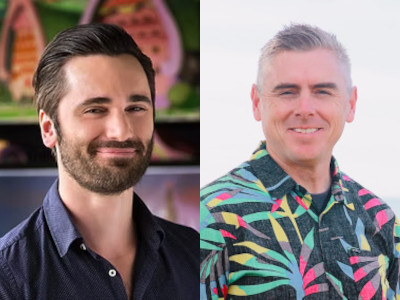
Forevergreen is an allegory about undeserved grace. It’s a story of hope, redemption, and love for one’s enemies in a world that often demands justice instead. As Christians, we’ve always been drawn to stories that reflect our faith in Jesus through grace and forgiveness. The film draws inspiration from the biblical tale of the prodigal son and from our own faith journeys. We wanted to use nature as the beautiful backdrop to tell a story that could resonate with everyone, no matter who they are or what they believe.
What did you learn through the experience of making this film, either production-wise, filmmaking-wise, creatively, or about the subject matter?
As first-time directors, we were immersed in every step of the pipeline, from writing to post-production and publicity, and were constantly amazed by the artistry and technical ingenuity of our team. Over 200 volunteers contributed their time and talent across five years, building Forevergreen in their spare hours. Because of that, we had to innovate for efficiency, like developing a faster storyboarding process using thumbnail animatics. Through it all, we learned just how generous and passionate the animation community truly is. This project simply wouldn’t exist without them.
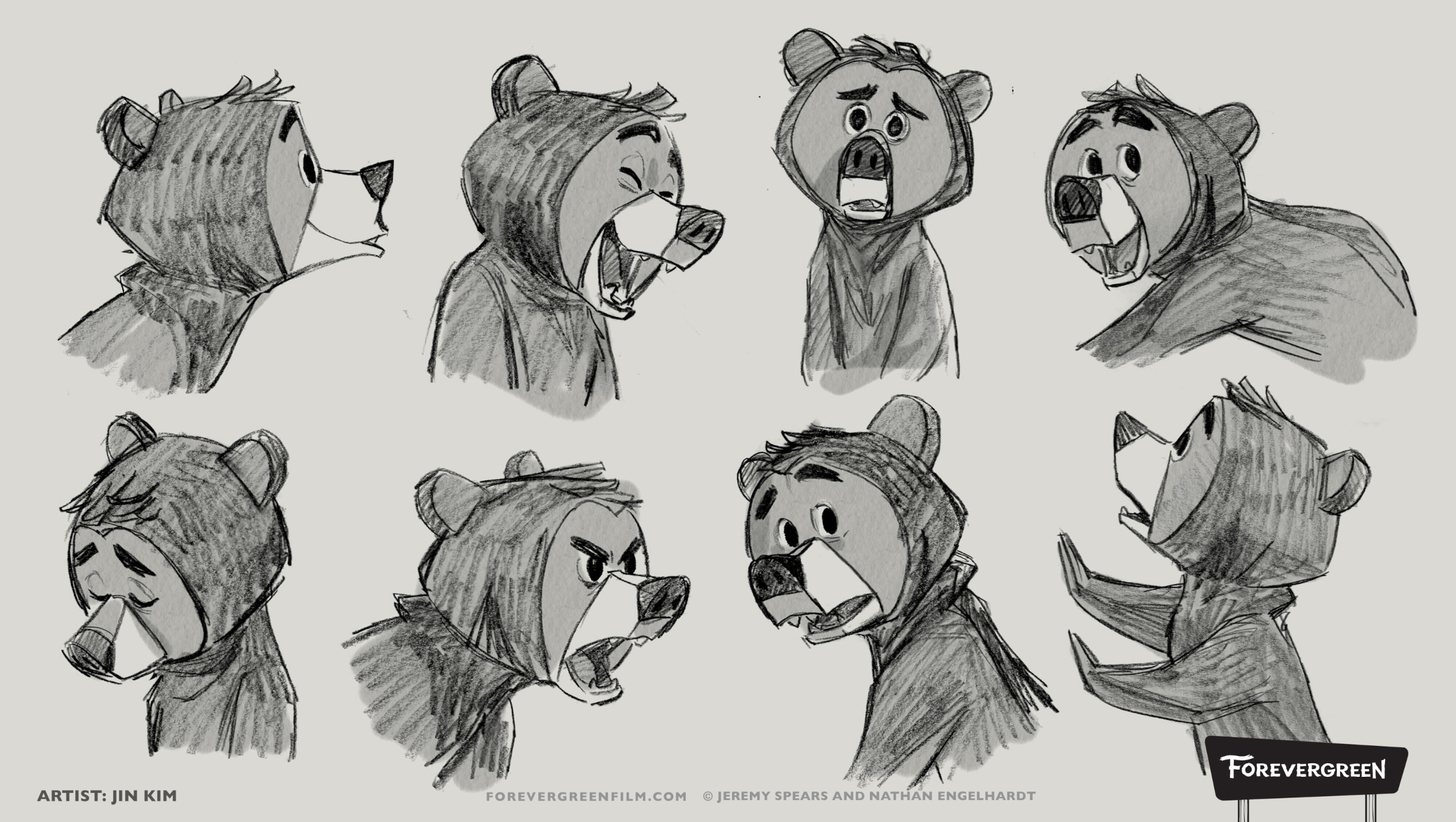
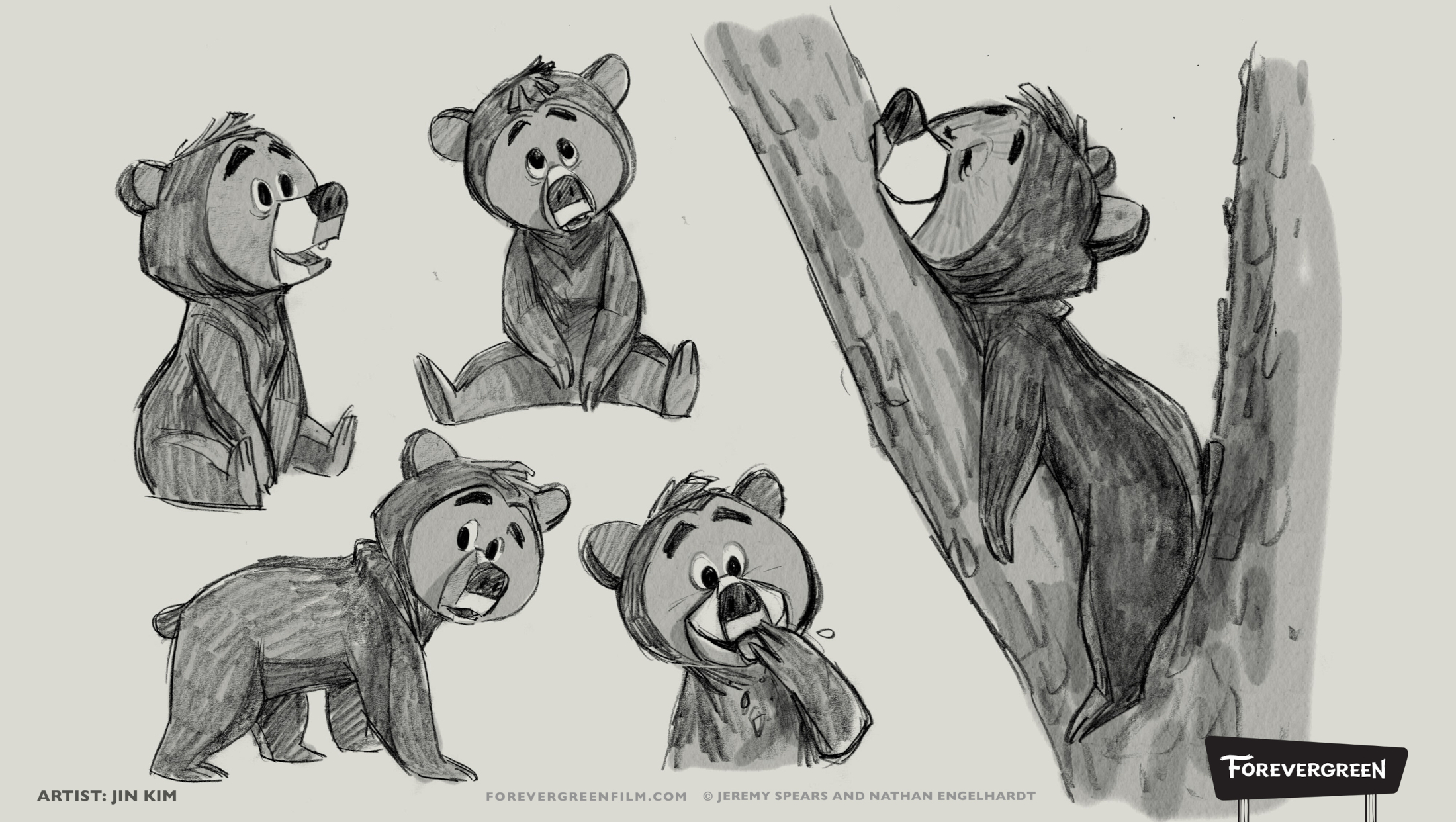
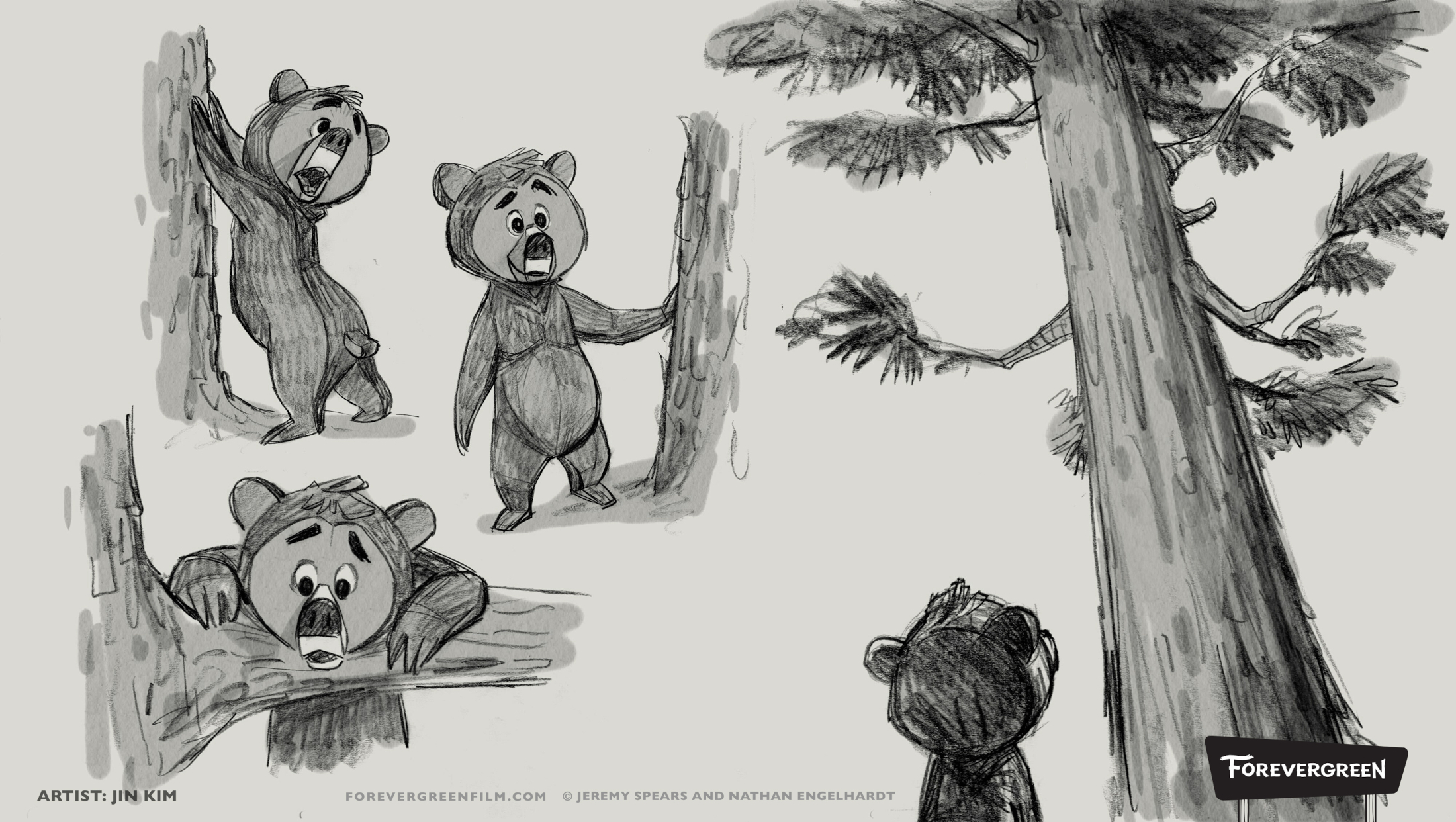
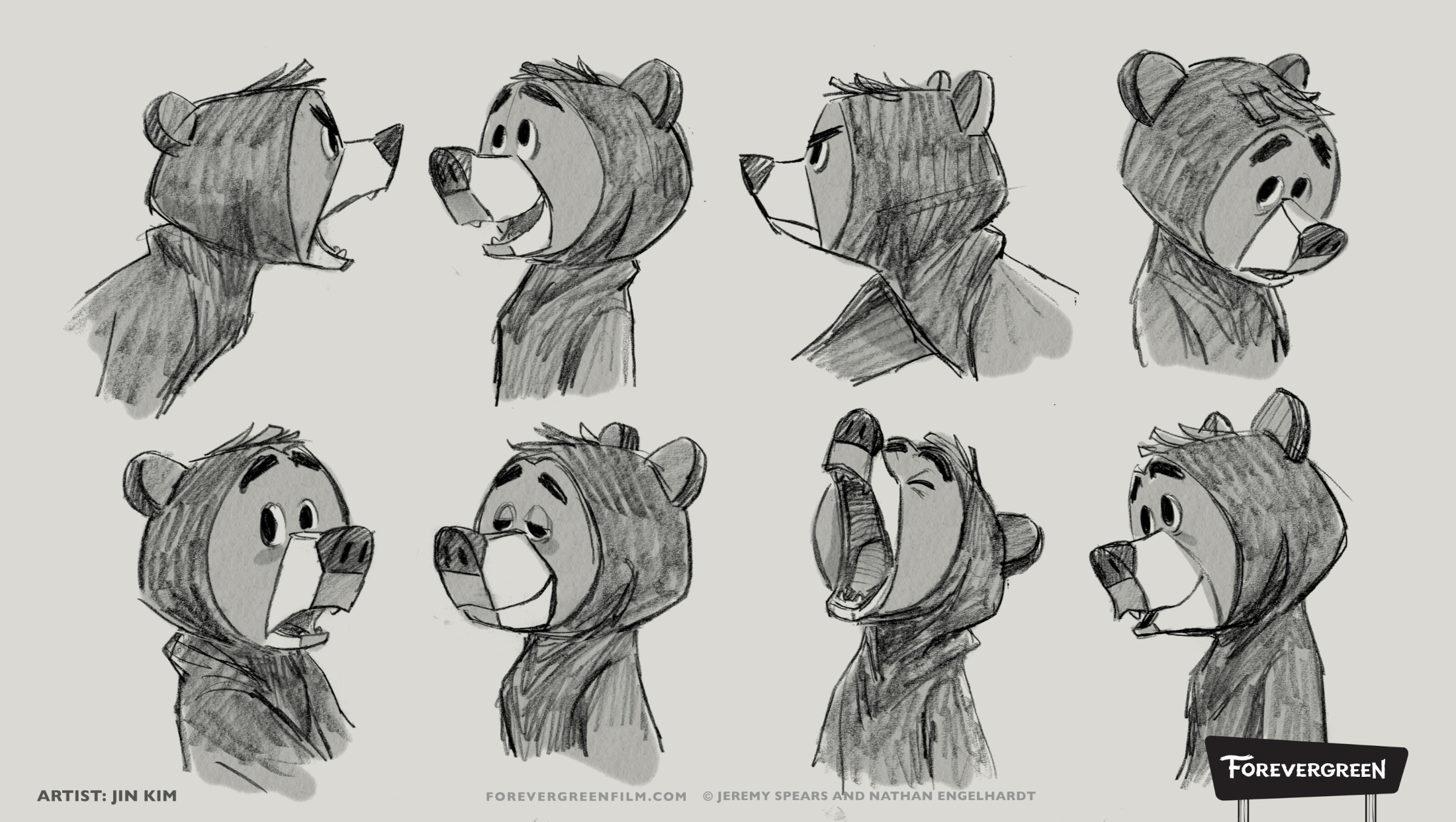
Can you describe how you developed your visual approach to the film? Why did you settle on this style/technique?
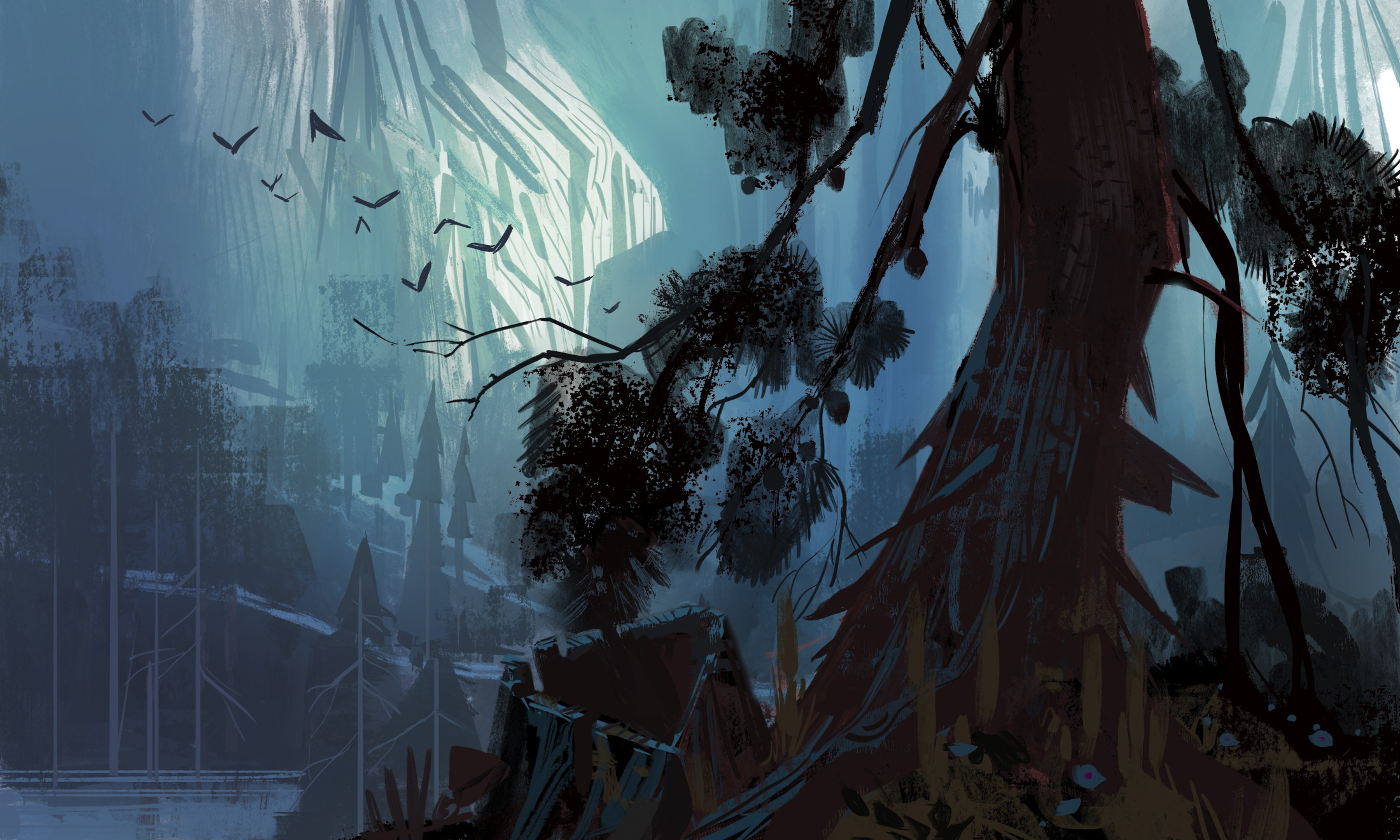
The look of Forevergreen grew naturally from the story and Jeremy’s signature wood-carved aesthetic. As production designer, he guided the team in shape language, carving principles, and material authenticity to make the CG world look and feel handmade. To achieve this, we developed a new technique called “wobble” that combined the tactile warmth of carved wood with CG precision. This gave the bear and tree their heartbeat-like texture, visually symbolizing their deep connection. Every design choice, from natural vs. manmade elements to real-world textural references, was about honoring the truth of materials and grounding the film’s world in craftsmanship.
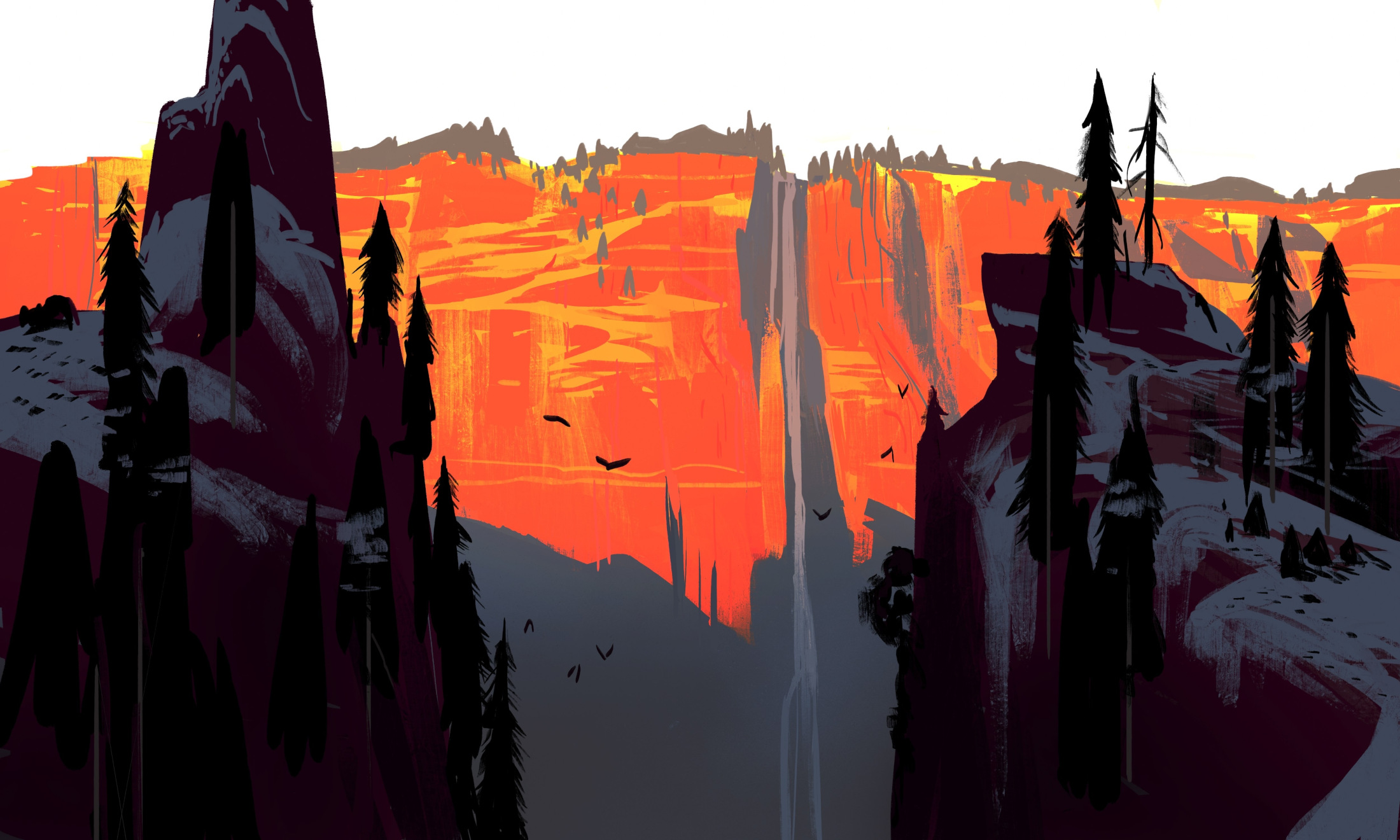
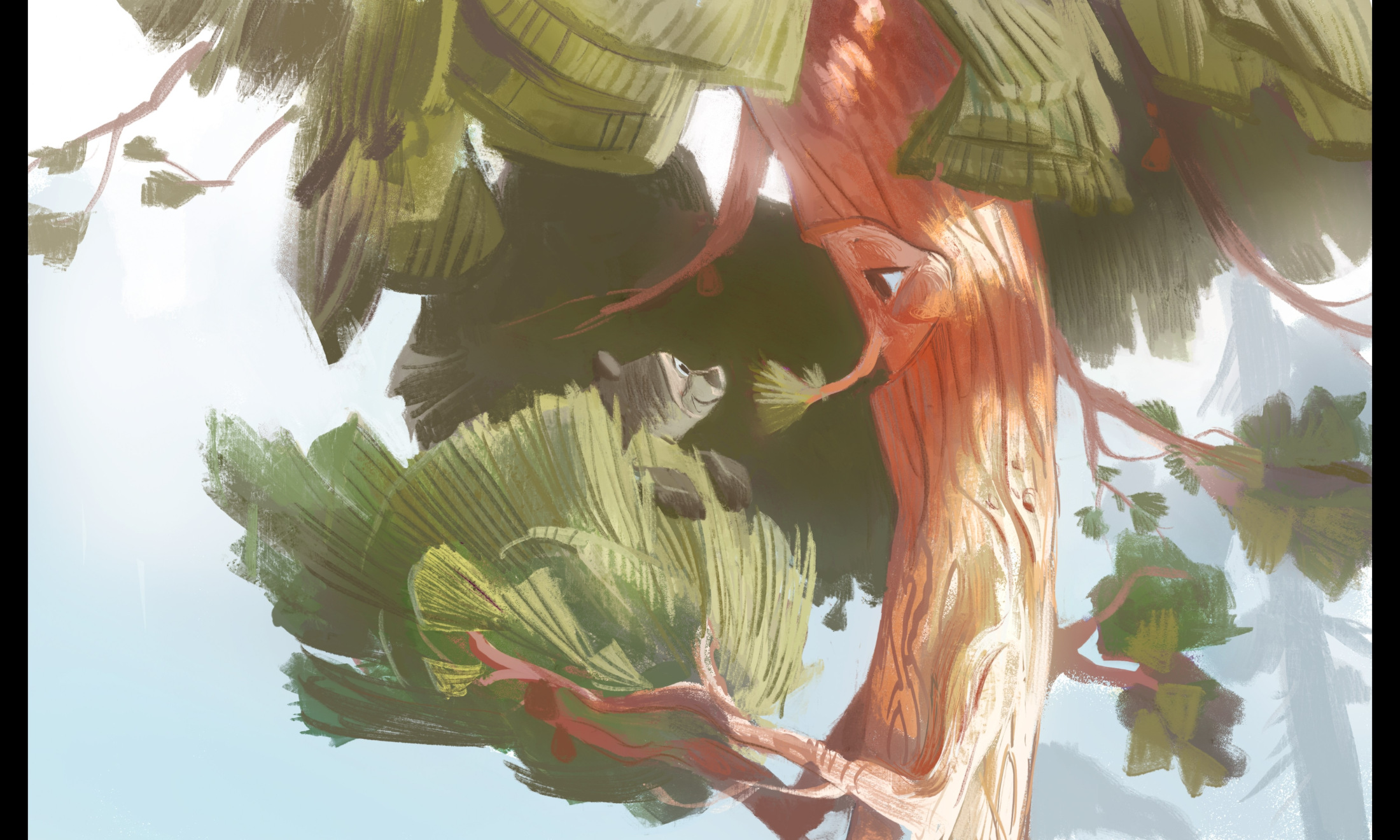
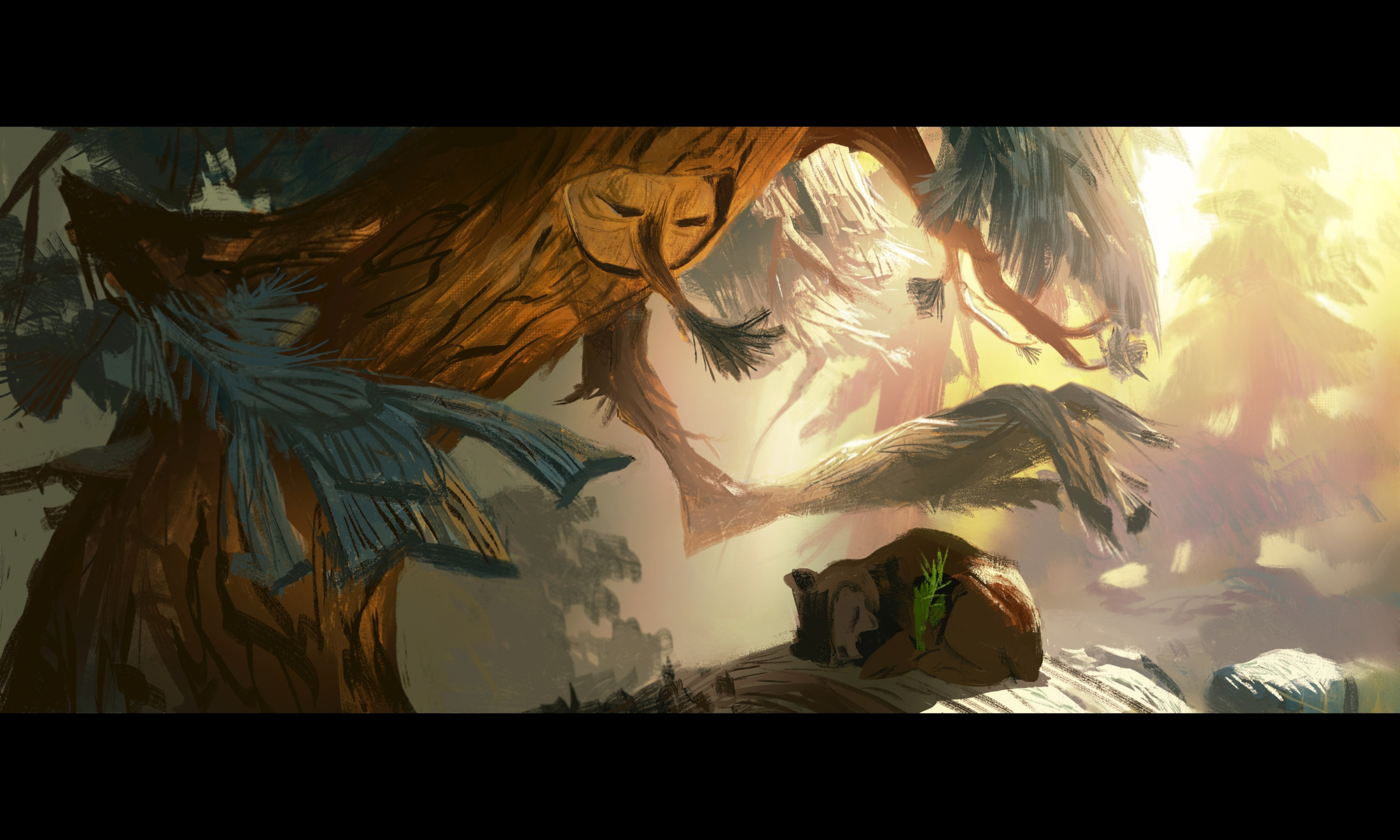
Now that you’ve proven this pipeline works, how do you imagine it could influence future projects, either at the studios or in the independent space?
We feel like we’ve only scratched the surface of what’s possible with our “wobble” technique and the other creative techniques that helped bring Forevergreen to life. They open exciting new possibilities for blending the handcrafted charm of stop motion with the flexibility of CG. The results have inspired us, and will hopefully inspire others, to keep exploring ways to make digital animation feel more tangible, personal, and alive. The creative potential feels endless to tell new stories in new ways, and that sense of discovery continues to fuel our imaginations.