2027 Oscars Short Film Contenders: ‘Pigeons’ Director Amos Sussigan
Stay informed with free updates
Sign up to get our news digest — delivered directly to your inbox twice a week.
Welcome to Cartoon Brew’s series of spotlights focusing on the animated shorts that have qualified for the 2027 Oscars. The films in this series have qualified through one of multiple routes: by winning an Oscar-qualifying award at a film festival, by exhibiting theatrically, or by winning a Student Academy Award.
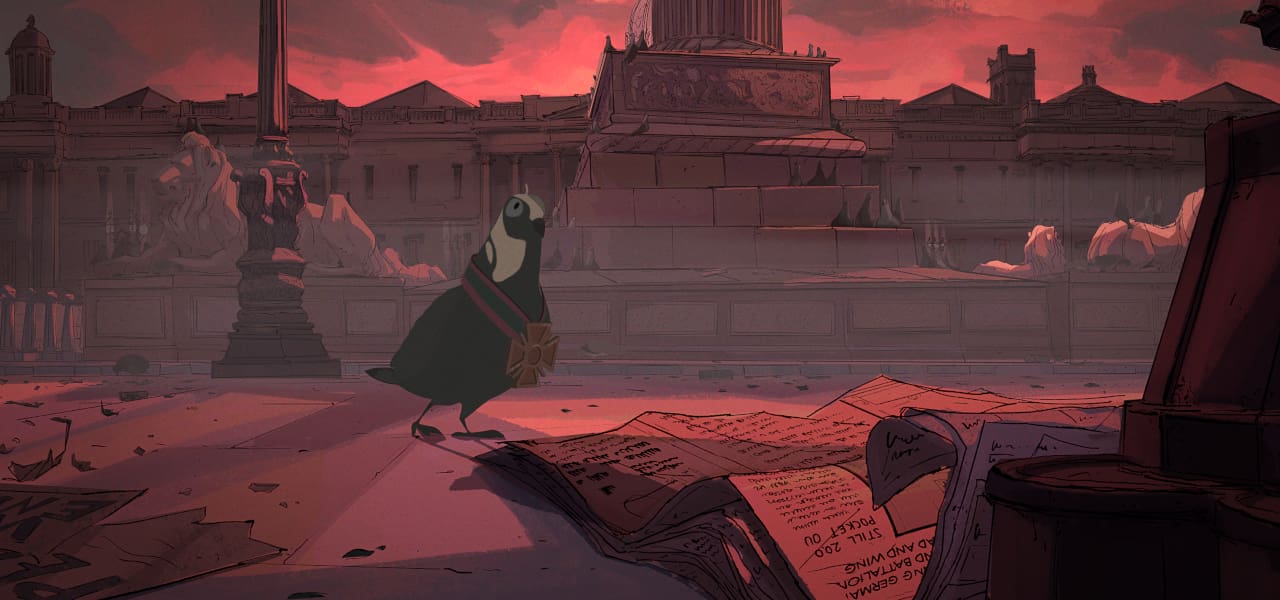
Today’s short is Amos Sussigan’s Pigeons, a Swiss-American production from The Hub Media and BMC Films, narrated by Andy Serkis. Around 45 artists worked across countries and time zones to complete the film in just one year, combining painted backgrounds, CG characters, and traditional 2D effects. The short qualified for Oscar consideration through theatrical exhibition.
A carrier pigeon loses his livelihood when a telephone arrives in his owner’s home, sending him out in search of food, shelter, and a new purpose. Presented in the framework of a traditional nature documentary, the short explores what progress means for those it leaves behind. For Sussigan and his collaborators, the bird’s predicament offered a way to address their own anxieties about automation, creative displacement, and an industry changing around them.
Cartoon Brew: What was it about this story or concept that connected with you and compelled you to direct the film?
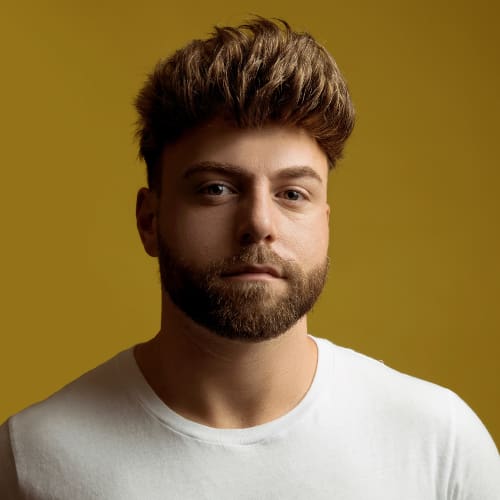
Amos Sussigan: It all started with an article I read about carrier pigeons during the war, and a comment from a friend who said, “Just like us with AI.” There was something incredibly sad to me about an animal that had once played such an important role in history suddenly becoming obsolete.
With everything happening in the animation industry around AI and automation, the idea felt incredibly relevant, and I couldn’t stop thinking about it. I loved the idea of telling a story about purpose, identity, and what happens when the world moves on without you. The short is called Pigeons, but ultimately it’s about us.
What did you learn through the experience of making this film, either production-wise, filmmaking-wise, creatively, or about the subject matter?
We were around 45 artists scattered across the world, many of us working nights and weekends, and somehow we managed to complete a 12-minute animated film in around 12 months with almost no budget.
I learned that limitations can actually be incredibly liberating creatively, and that organization, trust, and a little stubbornness can go a very long way.
Most importantly, especially given where we find ourselves with AI, I was reminded that even if people argue that a creative mind can be replaced, determination is much harder to replace. A group of artists who genuinely care about something can still come together and create something deeply human. That is exactly what we did.
Can you describe how you developed your visual approach to the film? Why did you settle on this style and technique?
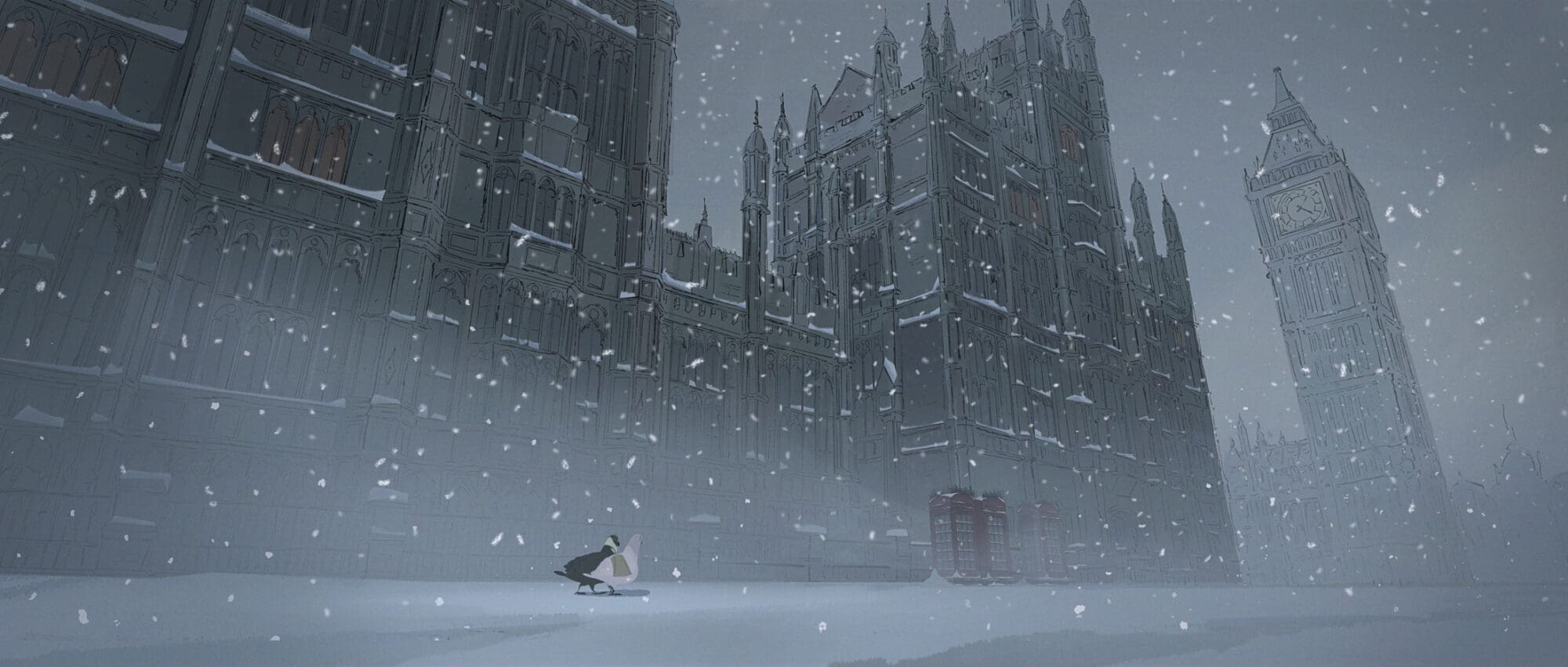
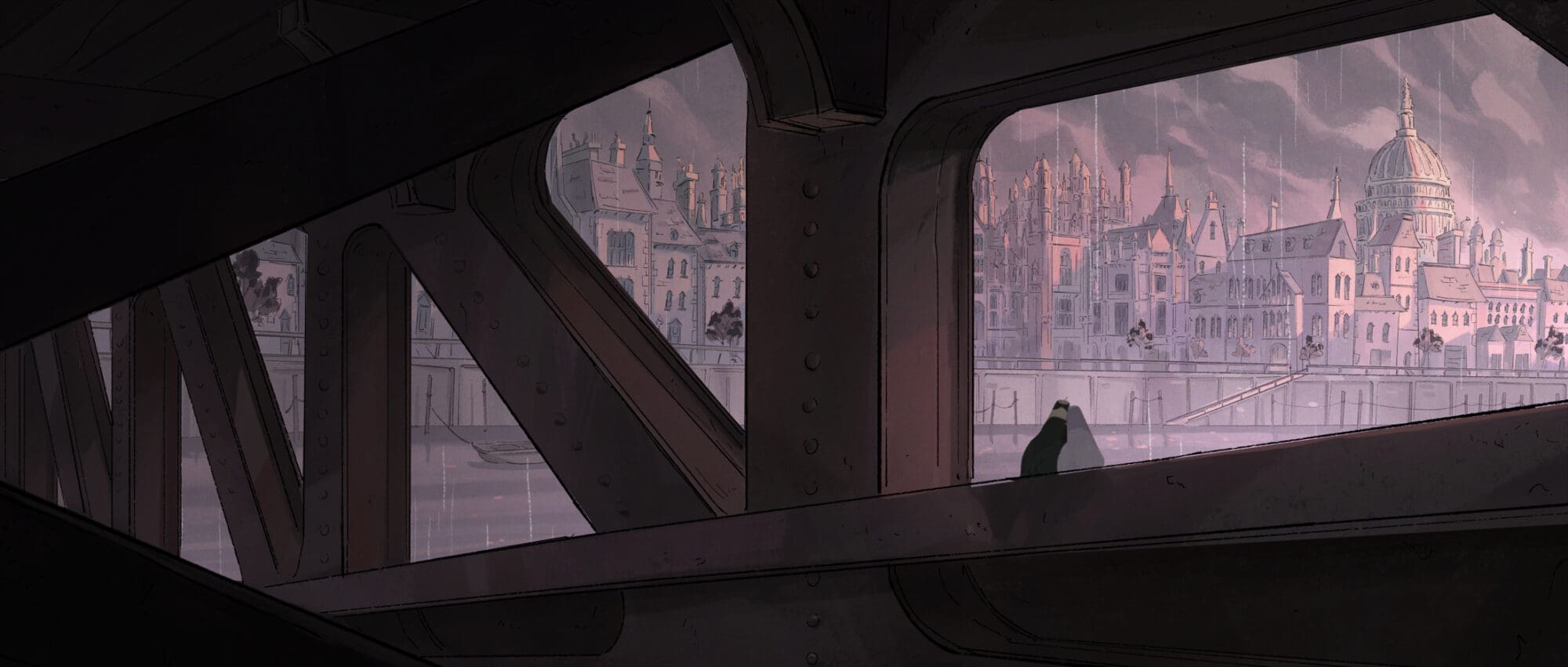
We turned our limitations into part of the visual language of the film while also trying to pay homage to the history of animation itself.
We had no real budget and no render farm, so we needed to find something visually distinctive but achievable. I’ve always loved the imperfect quality of films like 101 Dalmatians, particularly the Xerox linework and the slightly offset painted backgrounds.
We combined 2D backgrounds, 3D characters, and traditional 2D effects. We also used wide lenses and often framed the world from the pigeons’ point of view, making them feel even smaller and more abandoned within it.
The palette was deliberately filled with pigeon grays, while many background characters remained completely still, painted directly into the environments. Those choices came partly from necessity, but they ultimately became an important part of the film’s identity.
Why did the documentary format fit the story you wanted to tell? And was it always your intent to have a narrator?
I always imagined the short almost like an Animal Planet documentary, observing pigeons as a species trying to adapt to a changing world.
What appealed to me about that approach is that nature documentaries don’t necessarily judge what is happening. Things evolve, species adapt, and sometimes they don’t. In our film, the telephone isn’t the villain—it’s simply progress.
The narrator was part of the concept from the beginning. From a practical perspective, I also knew narration could help us communicate certain moments clearly if we didn’t have the resources to animate everything as extensively as we might have liked.
Having worked with Andy Serkis before, I knew he could bring exactly the balance we needed. He can sound incredibly dark and authoritative, but he can also feel like a grandfather explaining pigeons to his grandson. He brings gravitas and humor without overdramatizing what is happening, which was exactly the tone we wanted.
All photos courtesy of Amos Sussigan